Sew Like a Pro: Your Step-by-Step Guide to Becoming a Fashion Sewist!

Embarking on your first clothing sewing project can be an exciting and fulfilling experience. However, it’s essential to know a few things before diving into the world of garment construction. As a beginner sewist, knowing these key concepts and techniques will set you up for success and promise a smooth sewing journey. In this blog post, we’ll explore five things every beginner should know before creating their first clothing project. Let’s begin your path to becoming a confident and skilled sewist!

As a beginner, choosing sewing patterns matching your skill level is important. Begin with simple designs that have minimal pattern pieces and straightforward construction techniques. Look for patterns labeled as “beginner” or “easy.”

These patterns often include clear instructions and diagrams to guide you through each step. Starting with simpler projects will build your confidence and help you understand the basics of garment construction before moving on to more complex designs. Some options for patterns we recommend for beginner sewists are skirts, shorts, dresses, or even bucket hats!

Beginning with projects that are easier to create will set you up for success! Remember, it’s okay to start small. You don’t have to make a whole outfit for your first project! Check our simple and fun pattern options you can try on our project page here.

Before starting any clothing project, taking accurate body measurements is crucial. Measurements serve as the foundation for choosing the correct pattern size and ensuring a proper fit. Use a flexible measuring tape to measure your bust, waist, hips, and other relevant areas, following the pattern’s measurement guide.

If you’ve never measured yourself before for clothing, refer to online tutorials or sewing books for guidance on how to take accurate measurements. Remember, a well-fitting garment begins with precise measurements! Make sure to have a measuring tape and some fabric chalk to mark your spots when you’re ready.

Another great way to get measurements is by using pieces in your wardrobe that you already love and following their style and sizing.

Choosing the suitable fabric is vital to the success of your clothing project! As a beginner, it’s best to start with fabrics that are easy to handle, like using cotton or linen. These fabrics are stable, have minimal stretch, and are forgiving when it comes to sewing mistakes. Consider the fabric’s weight, drape, and care instructions before creating your project.

Make sure to note down any recommended fabric types mentioned in the pattern instructions. The recommended fabric is because the project’s final look might be for outdoor weather needs, additional stretch, or even more flow! Remember how you want the final outcome to look will influence what fabric you’ll create with.

Additionally, prewash and press your fabric before cutting to avoid shrinkage or distortion after sewing!

Before tackling a clothing project, familiarize yourself with essential sewing techniques! Take some time to practice straight stitching, backstitching, and pivoting at corners on pieces of fabric you plan to create your project with. This way, you can familiarize yourself with the weight of the fabric and the speed you feel comfortable stitching.

Learn how to sew darts, gather fabric, insert zippers, and sew seams with different seam finishes. Knowing these techniques before you start the project will help the process go smoother, allowing you to add embellishes like a dress zipper closure or a button on the cardigan you’ve designed.

Understanding these basic techniques will ensure your garment’s construction is sturdy and professional-looking. Use online tutorials, sewing books, or even take a beginner sewing class at your nearest JUKI dealer for hands-on experience and guidance.

Attention to detail will elevate any project you create as a sewist. Depending on the fabric and your machine’s capabilities, take the time to finish your seams neatly, either through zigzag stitching, serging, or French seams. Press your seams as you go, use a steam iron, and achieve a polished and professional finish. Consider using interfacing on collar or cuff areas for added stability. Remember, the small finishing details significantly impact the overall look and longevity of your new closet piece.

If you’re a beginner sewist venturing into the world of clothing projects, understanding these key concepts will set you up for a journey of joy. Start with those simple patterns, learn and practice taking accurate body measurements, learn how to select appropriate fabrics, master those basic sewing techniques, and take the time to add those finishing details.

With these things in your pocket, you’ll be well on your way to creating beautiful, well-fitting clothing pieces you’ll love. Enjoy the process, embrace the learning curve, and don’t be afraid to make mistakes. Happy sewing, and may your first clothing project be the start of a rewarding sewing journey!

Meet Our National Accounts This May!

Meet our JUKI National Accounts ready to help you find the right machine for your dream projects!

JUKI’s National Account Dealers have highly desired JUKI models on display. This allows you and other customers the ability to see and try the machines at a National Account Dealer location to help you find the right JUKI for your sewing needs.

To find your nearest JUKI National Account visit us here

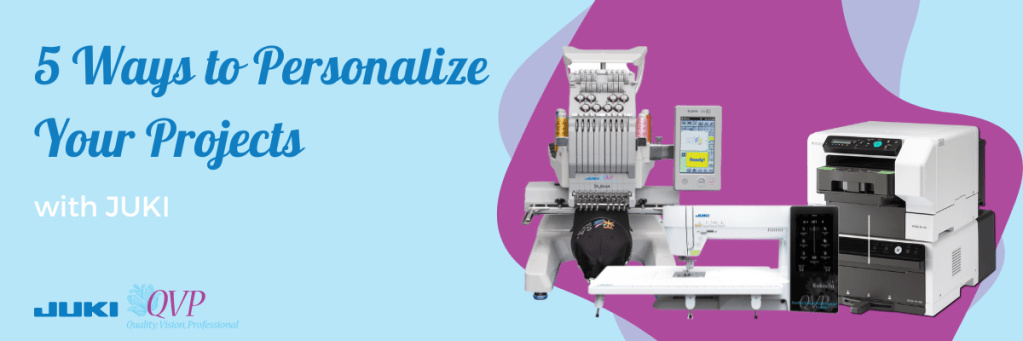
5 Ways to Personalize Your Projects

As creators, we love being inspired by other sewist and quilters, but how do we take their inspiration and personalize it? Today we will discuss five ways to personalize your sewing and quilting projects. From adding lettering to printing on designs, there are so many ways we can find a project and turn it into our style. So follow along and check out what machines and accessories we recommend for your personalization touches.

Adding Lettering

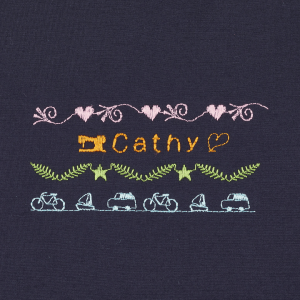
Whether you’re inspired to create a tote bag, or a sweater, adding lettering to your projects can be just the touch of personalization you need! Add your initials with your partners on a sleeve to create the perfect valentines gift, place your child’s name on their new school bag, or gift a quilt with a quote to your loved one using the lettering feature on your creations.

To add this personalization technique, you can use an electric computerized sewing machine that offers lettering, like the Kokochi DX-4000QVP! An electronic computerized sewing machine like the DX-4000QVP offers lettering stitch choices, ranging in different fonts, that will allow you to quickly and easily stitch in your child’s name, favorite quote, or number one sports team name!

Adding lettering is an easy way to personalize your next project and can be done with just a tap of your finger and a stitch!

Adding Embroidery Designs

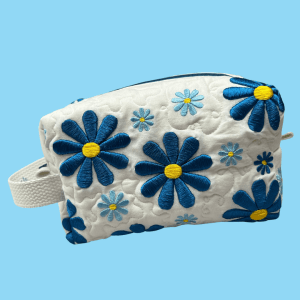
Using a specialized embroidery machine, you can start adding your designs and bring texture to your projects by adding a touch of your personality! For example, add a cool design to sneakers, pet collars, or even a child’s teddy bear to create a project representing you or the gift receiver.

A machine like the JUKI/Tajima Sai 8 Needle Embroidery Machine is an example of a machine that can offer this feature! With 8 different color options, you can create beautiful flowers, animals, and a scenic view from your last hike. Art is limitless with what you can create on an embroidery machine. Adding embroidery can be an exciting art form when creating personalized projects!

Want to try your hand at embroidering and creating a makeup bag? Learn how to create this makeup bag with our JUKI Ambassador Nicole Moore here!

Designing Your Fabric

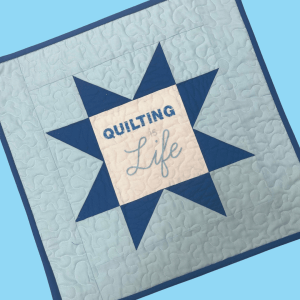
Have you found yourself wanting a specific fabric design? Been drawing some designs of your own? Then take the leap and design your own fabric! With a machine like a Direct-To-Garment printer, the options in patterns and designs for your projects are now endless, thanks to the ability to design your own fabrics right from your studio.

The RICOH Ri 100 can help you print your art designs and patterns onto fabric easily and quickly. From canvas fabrics for your tote bags to cotton for your memory quilts, enjoy the freedom of designing and creating anything for your imagination, and enjoy a material that no one else would have!

Try your hand at printing your own fabric with this east mini quilt project! Learn how to create your own with our JUKI Ambassador Nicole Moore here!

Adding in Photos

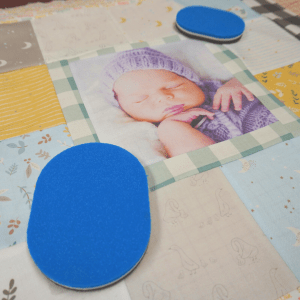
Whether it’s a family photo or a memory from your favorite trip with friends, adding a memory photo to a project like a t-shirt or a quilt is a great way to personalize your projects! Whether you’re embroidering designs with free motion quilting, using a Direct-To-Garment printer, or using an embroidery machine, there are limitless ways you can get to designing and including your photos in your projects.

Our favorite projects are memory quilts users create with photos! From sweet newborn gifts to anniversaries and holidays, a quilt created with personalized love is an excellent idea for your next gift project! Using a machine like our Direct-To-Garment printer, the RICOH Ri 100 can easily print and place your photos directly onto the fabric you’re creating, letting you put your focus on your quilt block designs.

Want to create your own memory quilt like the one shown for your loved one? Follow along here to learn more here!

Creating a Set

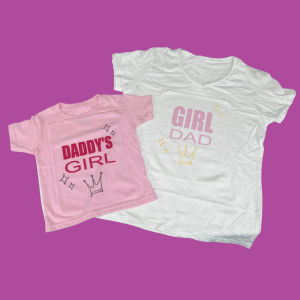
One of the best things about personalization is the freedom to be creative in what we embroider and print on. Personalize your next gift by creating a matching set! Whether it’s a set of make-up bags for traveling, or a matching set of t-shirts for the father and daughter duo, sets can be a fun gift that allows you to try different project ideas.

One of the best ways to create sets is to intermix your work! Print on your fabric, embroider your design and sew it all together to create something unique and different. Whether your project is small, like a glasses case, or large, like a king quilt, adding these touches of personalization will bring the whole idea together!

So the next time you create a project, add your name, embroider a design, or print on a pattern and show your personality when showing off your project!

Want to try your hand at creating a matching set? Check out our Daddy and Daughter duo set project here!

Want to personalize your next project? Then, visit us here today to find your nearest JUKI dealer!

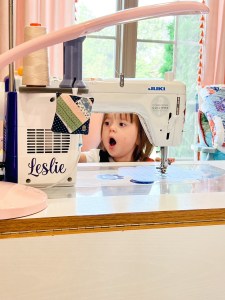
JUKI Spotlight: An Inappropriate Quilter with Leslie Bercher

Known for creating beautiful quilts, sharing tips and tricks for your sewing rooms, and her quilting podcast with co-host Rochelle Rice, we’re excited to spotlight Leslie Bercher, Quilter and podcast host for Inappropriate Quilters! Joining us for this month’s spotlight, we got to interview Leslie about her journey in quilting, the podcast’s beginning with co-host Rochelle, and how she created her brand.

It all started with Leslie’s grandmother, Helen. Helen was a member of a church that held Auxiliary Meetings where other members would quilt, crochet, and embroider. It took Leslie several years to watch her grandmother attend these meetings and see her create beautiful projects before picking up the hobby. So it was 2018 when Leslie, with two of her best friends, decided to take a class called ‘Quilt 101’.

“My first quilt was a log cabin, and I made two immediately. That was the beginning, and I haven’t looked back.”

Leslie began sharing her work online, finding a passion for creating and taking the time to build these quilts and designs. It was after a friend recommended she create a profile on social media, explaining she was missing out by not joining the online community when she opened her account. Opening herself up to the idea, she began posting and sharing her projects, excited to see how many beautiful quilters were out there in the world.

It was online that Leslie found a supportive community in her projects and offered her the opportunity to network and build relationships with new people! Consistently supporting one another in their ideas, and encouraging those who have lost their “sew-jo,” as Leslie says, has made the community, unlike any other group she’s been a part of.

This community has also been the inspiration for countless projects she’s created, inspired by other creators on social media. While not a modern quilter, she finds inspiration in all their designs picking from their color selections, patterns, and quilting textures. She also focuses on who she is creating, letting that drive much of the inspiration.

At one of these quilt retreats with the quilting community, she met Rochelle, someone who, according to Leslie, “has never met a stranger.” Leslie and Rochelle were placed in the same group, and their group’s theme was chickens! With their organized and over-the-top decorations, they couldn’t resist having a group mascot, Leon, the rubber chicken.

One day, during the retreat, Leon went missing! Leslie convinced Rochelle was to blame for the Rubber Duck disappearance, and she took it upon herself to ‘borrow’ Rochelle’s foot controller from her machine when she wasn’t looking. The joke would fall back on Leslie when Rochelle returned to the retreat the next day after a nice early night in, unaware her controller had been taken in the first place! They were fast friends after that, bonding over jokes and laughter.

 A couple of years later, the podcast topic would come up between the two friends. During a dream quilt vacation, a sewing retreat where two of their favorites, Camille Roskelley and Angela Walters, would attend, they were having breakfast when the idea popped into Leslie’s head.

With only an idea and some research, Rochelle purchased all the equipment while on their retreat and had it shipped to her home for when they arrived back in town. Excited about their new project, there was only one thing missing, a name! But, as their friends joined in on the conversation, one name stuck out. Walking away from their breakfast table, their friend Angela turned around and offered up “Inappropriate Quilters,” the perfect name for the inappropriate duo!

“Angela was getting up from the table and casually said, ‘oh, I know what you should name it. Inappropriate Quilters.’ We looked at each other and said, “that’s it!”

From there, the show project was on! Weekly episodes, released on Saturdays, became the norm where two quilting friends could join together to discuss life and quilting. With no script in hand, the two friends meet at Leslie’s studio weekly to record before she finishes editing and schedules the episodes Saturday morning. Finding their way into other quilters’ studios through their speakers, their show focuses on just two friends who love quilting, allowing listeners to feel like they have friends in the room with them when they’re creating.

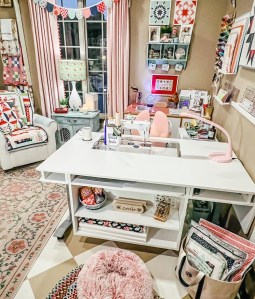
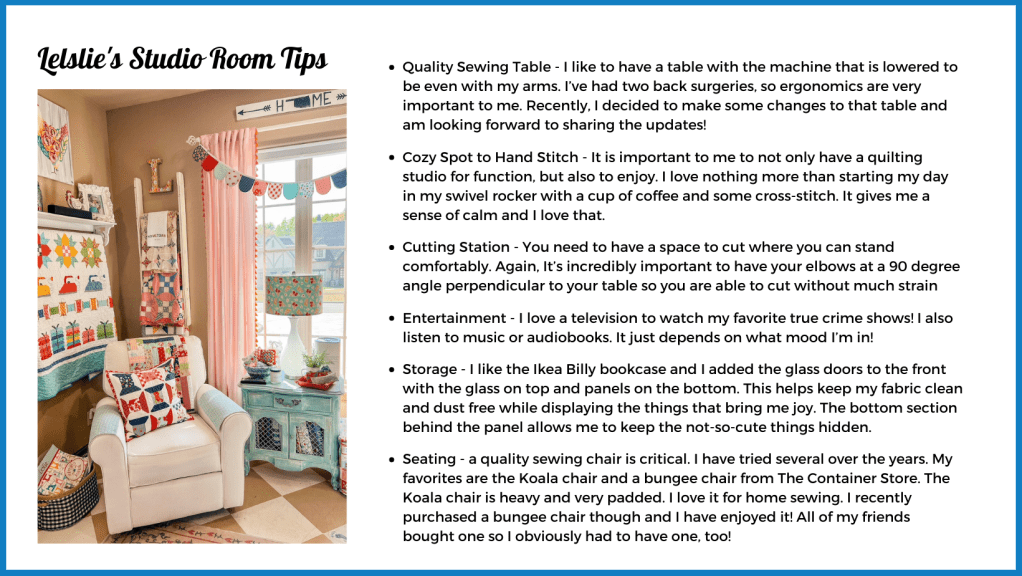
One topic Leslie loves to cover is the process of creating and organizing your studio space. As quilters and sewists know, having a space that encourages creativity and allows you to move and build your projects is important! As an advocate for ‘Function and Beauty,’ we asked Leslie what recommendations she can offer to those building their studio space today.

“You have to start with function. But if it isn’t cute, it better have a very good reason to take up your space!”

What else can you find in Leslie’s studio? Her JUKI! With her Haruka TL-18QVP, named Camille after Camille Roskelley, Leslie has been able to create beautiful quilts and projects she loves. With 95% of her projects involving straight-stitch, she chose a machine that fit her needs. Her top three features at the time were: consistent straight stitch, an automatic thread cutter, and speed! Her best recommendation to sewists and quilters looking for a new machine is to focus on what features are important to you, figure out what type of stitches you plan to create with, the speed, and visit your local dealer! A local dealer can listen to everything you may want and offer machine recommendations and test-sewing.

Leslie’s quilting has opened up a community for her, allowing her to be creative, meet new people, and enjoy her hobby! As she’s transitioned to a content creator and business owner, we asked what advice she’d offer to someone trying to build their brand. “There are so many little things that you didn’t plan. Be gracious with yourself in the process.” Setting up the government business aspects of a shop, like tax ID, sales taxes, and even finding a partner, can be challenging, but the final product is worth it when you love what you do!

We’re so excited to continue seeing Leslies’ brand and content grow, especially with possible plans of opening a YouTube page for creators to join! Listening to feedback from the community she’s created is vital, and she trusts them to lead her toward new and exciting project ventures. So even with her reservations about being on camera, you can expect Leslie to meet her community in the middle and find a way to join the video world!

From quilting to running a podcast, we had a great time getting to know Leslie and going behind the scenes for her projects. If you’ve enjoyed getting to know Leslie and want to keep up with her and Rochelle’s podcast and future quilt projects, join us in following her socials and websites below!

Blog: read here!

Instagram: follow here!

Linktree: Find Leslies channels here!

YouTube: watch here!

Podcast: Inappropriate Quilters – available where you listen to podcasts

Inappropriate Quilters Shop: shop here!

5 Projects you can create this Spooky Season!

It’s almost time for spooks and candy JUKI Lovers! For today’s blog, we will share our top 5 favorite Halloween projects you can begin creating this weekend. So whether you’re going trick-or-treating, or staying at home, follow along below for ideas you can start today!

Halloween Patchwork Quilt

Stay warm this fall and create a Halloween patchwork quilt! Using a variety of Halloween fabric pieces, think witches, pumpkins, and ghosts, you can begin making your very own patchwork quilt. Quilts are the perfect accessory to any home, used and loved by everyone.

We recommend checking out your local quilt shop for holiday quilt bundles. Great options when you want to create a patchwork quilt, and don’t have the scraps, are browsing charm bundles, jelly rolls, and mini-charms! Also, don’t forget to grab batting for your quilts and have fun by bringing texture to the surface using free-motion quilting techniques.

Some great tools to have when quilting is your Open Toe Quilting Presser Foot, Quilting Rulers, and a ¼” Presser Foot for finishing.

Costume Cape

The perfect addition to so many costumes, a cape can be used for various characters ranging from royals to superheroes. To use this cape multiple times, create your piece using basic colors like white, red, or black so you can enjoy this project through the years.

For creating a cape, we recommend having fabrics like stretch velvet, fleece, or wool! Usually, you’ll use about 2 yards of fabric for an adult cape and 1 yard for a child’s cape. This is an excellent apparel project for a beginner to try their hand at. For more advanced sewers, you can add features like trims and a hood for a more finished and professional look.

We recommend having a Cording Foot on hand if you plan to attach a string inside for the cape hood. Also, use a Decorative Stitch Presser Foot to add designs on your cape’s ends for extra personalization!

Spooky Placemats and Table Runner

Decorate your home with a spooky table runner and matching placemats! A fun and easy home project, you can accessorize and personalize your kitchen and dining table with fun fabric designs and colors.

When creating placemats and table runners, we recommend having some tools on hand. Inside your placemats and table runner, you’re going to place a fleece or batting; this will stabilize your project. Spray glue is an excellent adhesive for this! Once you’ve pieced together your mat, you can choose to leave it as is or add designs with free motion quilting.

For yardage, we recommend 2-3 yards of fabric. With one yard, you can create up to 8 basic-sized placemats, and with your other yards, you can create your table runner depending on your table length! Keep a ¼ presser foot on hand when you’re ready to complete your project, so you can quickly finish the edging.

Halloween Garland

Decorate your archways and doorways with a fun garland! Easily created with less than a yard of fabric for the hanging pieces and string, this décor piece is the perfect touch. For the hanging details, we recommend using backing fabric for stabilization.

For this project, keep your ¼” presser foot nearby! Perfect for creating a clean edging on each hanging piece and the edging on the hanging string, this accessory can be the only foot you need for the project.

Trick–or–Treat Bag

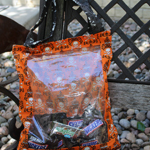
Lastly, don’t forget to have your trick-or-treat bag ready! Wishing you a happy spooky season, download our free instructions for our see-through trick-or-treat bag here. With a finished size of 14″ x 16″, this bag will carry all those treats home!

Happy Halloween, JUKI Lovers!