Sew the Heavy Stuff

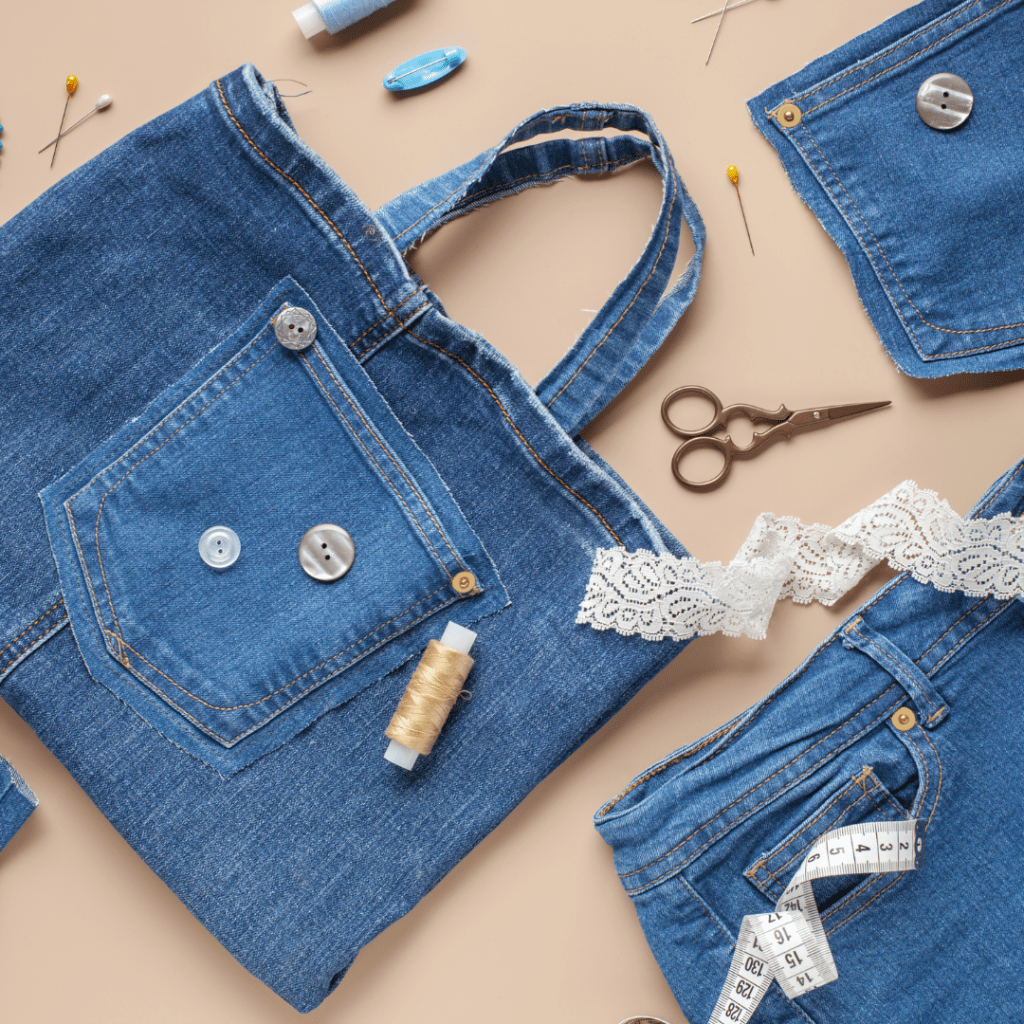
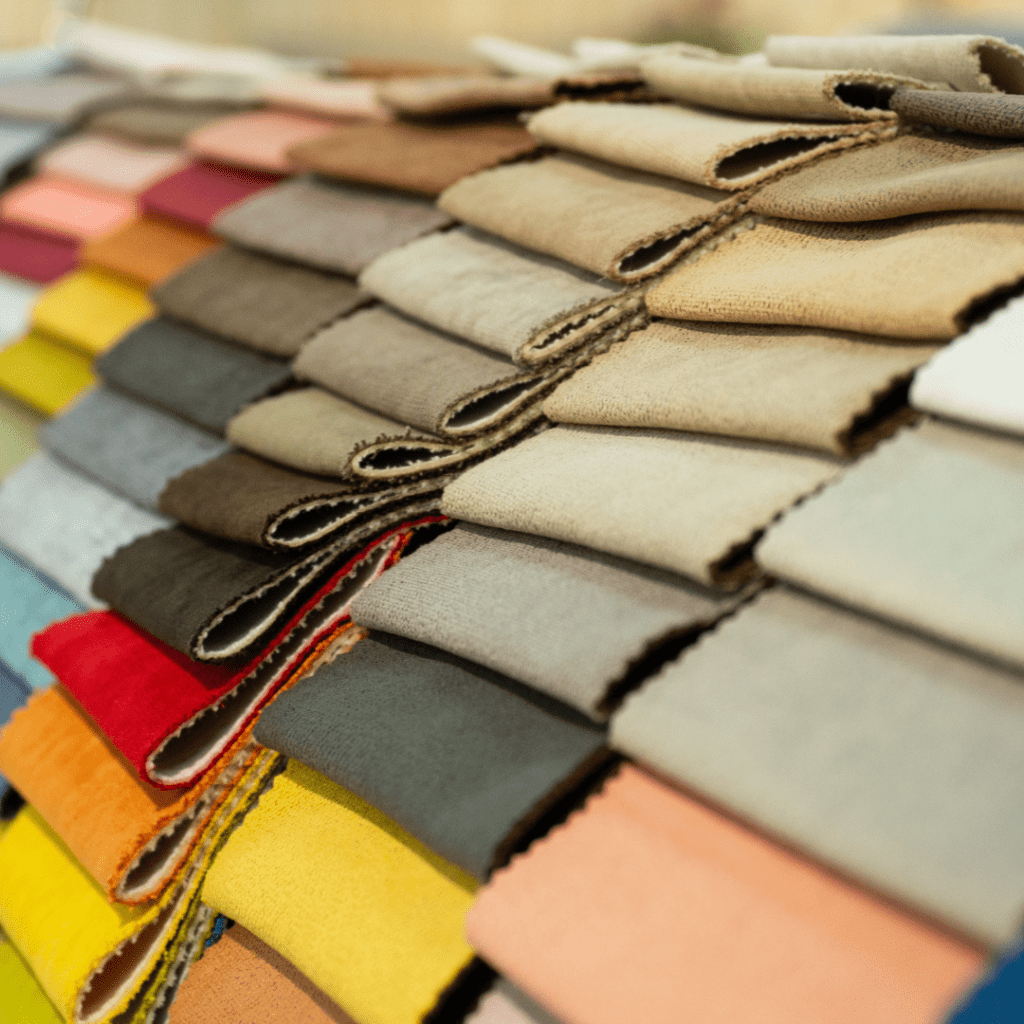
Heavy fabrics like denim, canvas, and upholstery-weight materials don’t just feel different in your hands; they behave differently under the needle. Their density creates more resistance as you sew, seam allowances stack into bulk quickly, and every layer adds pressure that can affect stitch quality and control. Understanding how these materials move and respond is the key to getting clean, professional results without frustration.

Whether you’re building structured garments, durable bags, or home décor pieces, working with heavy fabrics is all about control, preparation, and the right machine setup from start to finish.

This blog will cover why heavy fabrics behave differently, how to prepare and set up your machine for thicker materials, ways to manage seam bulk and resistance while sewing, and how to finish heavy-duty projects cleanly for long-lasting results.

Why Heavy Fabrics Feel Different

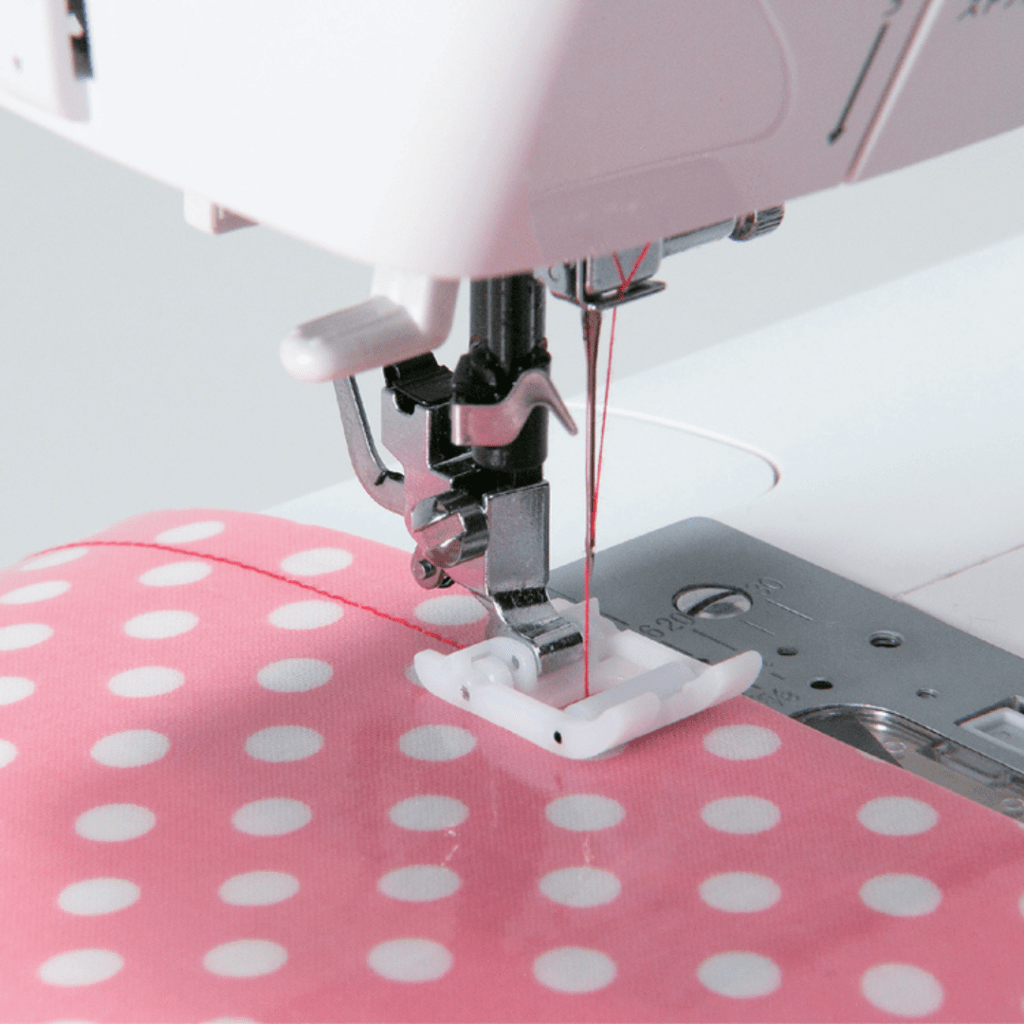
Heavy materials don’t simply weigh more. They respond differently under the presser foot, through feed dogs, and across seams. Fabrics like denim and canvas are dense, less flexible, and often layered during construction. That means your machine works harder to move the fabric evenly while maintaining balanced stitches.

Seam bulk is one of the biggest challenges. When multiple layers stack at hems, pockets, or intersections, the thickness increases quickly and can affect how smoothly the fabric feeds. Without proper preparation, this can lead to uneven stitches, skipped stitches, or difficulty moving over thick areas.

Resistance is also higher in heavy fabrics, especially during long seams or layered construction. Managing that resistance through proper setup and technique is key to consistent results.

Choosing the Right Needle and Thread for Heavy Fabrics

When working with denim, canvas, and upholstery-weight fabrics, your needle and thread selection play a major role in stitch quality and durability.

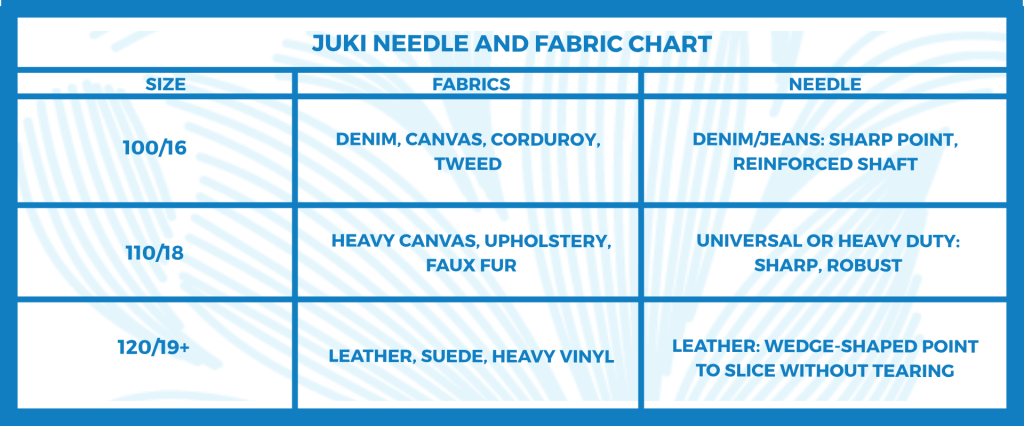
Needle Sizes for Heavy Fabrics

  • 100/16 – A great starting point for denim, twill, duck cloth, and lighter canvas projects
  • 110/18 – Better for heavyweight denim, thicker canvas, upholstery fabrics, and bulky layered seams
  • 120/19+ – Usually used for extra-thick upholstery projects, industrial-weight canvas, or really dense seam intersections, depending on your machine setup

Needle Types

  • Denim/Jeans needles – Built for dense woven fabrics
  • Sharp/Microtex needles – Clean stitching on tightly woven materials
  • Topstitch needles – Best for visible seams with heavier thread

Thread Recommendations

  • Bonded polyester thread – Strong, durable, and versatile for heavy sewing
  • Heavy-duty polyester (Tex 40–70) – Common for denim and structured projects
  • Topstitch thread – Used for bold, decorative seam lines

Matching thread strength to fabric weight ensures smoother stitching, fewer breaks, and better long-term durability.

Setting Up the TL-15 for Heavy Fabrics

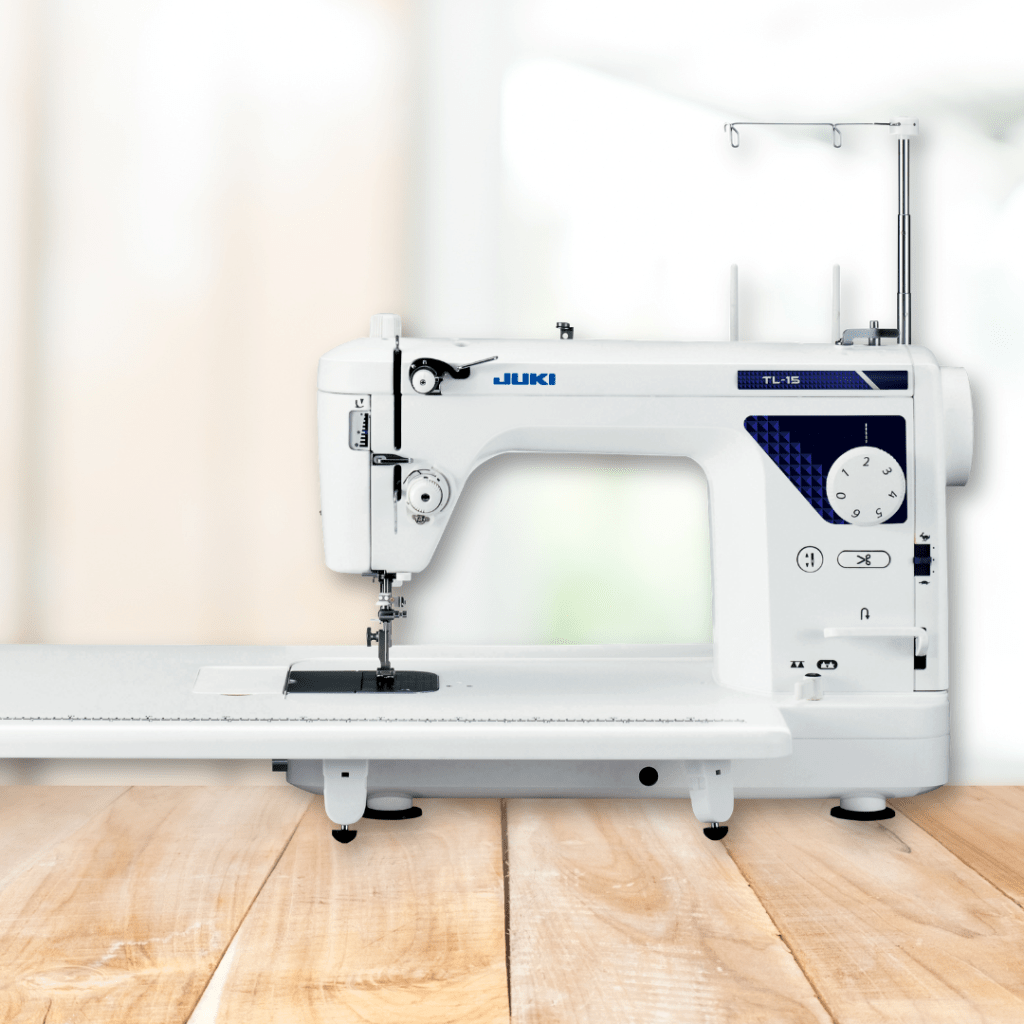
The JUKI TL-15 is designed for controlled, high-quality straight stitching on these types of materials. Proper setup helps you get the most out of its precision when working with heavy fabrics.

  1. Start with the correct needle-and-thread combination before sewing. A fresh heavy-duty needle can be essential for clean penetration through thick layers.
  2. Test tension on fabric scraps before starting your project to ensure balanced stitches on both sides. Adjust gradually if needed, depending on fabric thickness and thread weight.
  3. When sewing, let the machine feed the fabric naturally and slow down when approaching bulky seams. Supporting the fabric without forcing it helps maintain consistent stitch quality across layered sections.

Finishing Heavy Fabrics with the MO-655

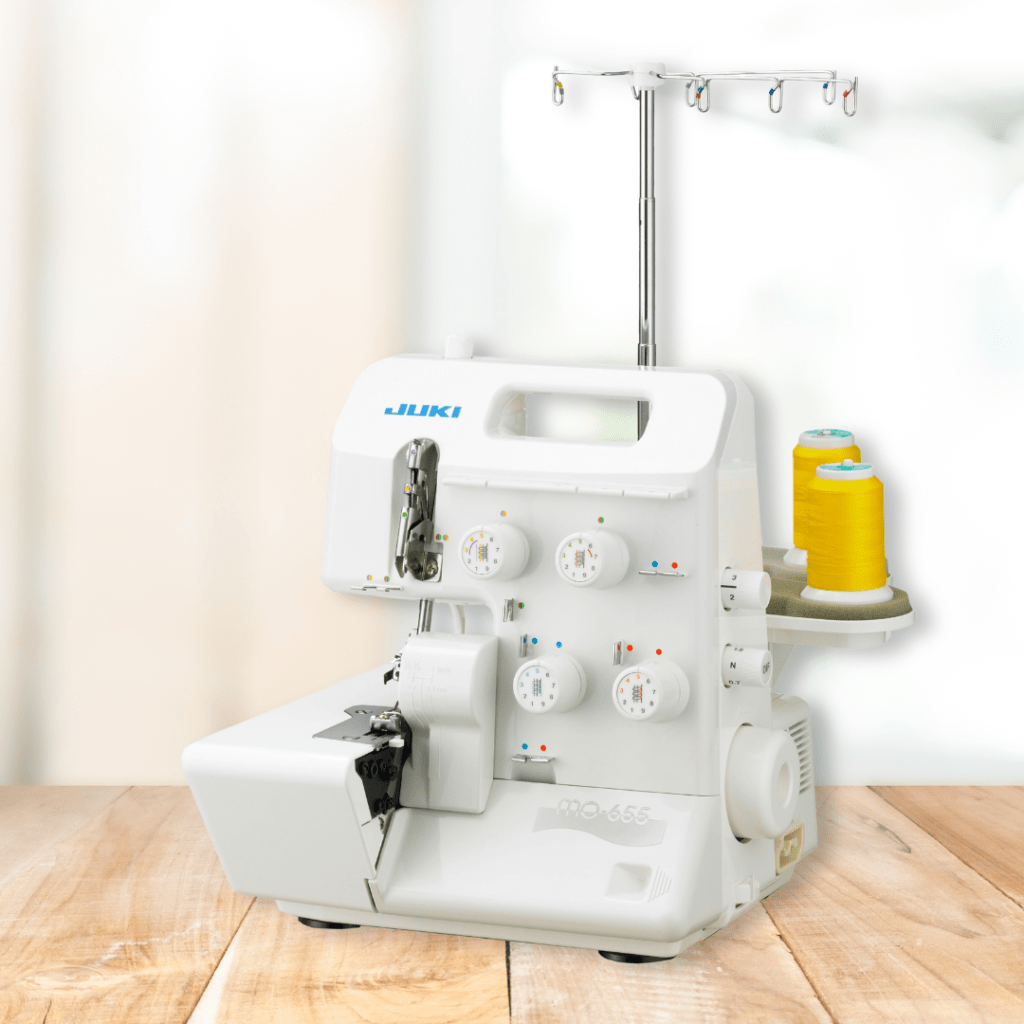
A strong serger like the JUKI MO-655 can be essential for turning heavy fabric projects into clean, durable finished pieces. After construction, finishing seam edges properly helps reduce bulk, prevent fraying, and improve long-term wear — especially in fabrics like denim and canvas that can naturally unravel over time.

Heavy fabrics often create thick seam allowances that can become bulky inside garments, bags, and structured items. Serging helps refine those edges, enclosing raw fibers while reducing excess material that can add unnecessary weight inside the project.

One of the key advantages of the MO-655 is its ability to handle a wide range of fabric weights, making it useful when a project combines different materials. Whether you’re working with a canvas outer layer and cotton lining, or mixing denim with lighter interior fabrics, the serger helps keep finishes consistent across all sections.

In high-stress areas like bag handles, corners, waistbands, or reinforced seams, serging adds durability by locking fibers in place and preventing fraying after repeated use. This strengthens the structure of the project without adding stiffness or unnecessary bulk.

The differential feed also helps maintain smooth, even stitching when transitioning between thick and thin sections, ensuring a clean finish even on uneven seam allowances.

The result is a more refined interior that feels intentional and professional, where every seam is clean, controlled, and built to last.

Ready to Sew Heavy Fabric Projects?

From strong, controlled construction on the JUKI TL-15 to clean, durable finishing with the JUKI MO-655, heavy fabric sewing becomes much more manageable with the right setup and workflow.

Whether you’re working with denim, canvas, upholstery fabrics, or layered structured projects, having the right machine setup can make the entire sewing process feel smoother and more controlled. Explore the machines, accessories, and tools that fit your sewing style by visiting JUKIHome.com to find your local JUKI dealer and discover the right sewing partner for your next heavy fabric project.

What is a Roller Foot?

Sewing is a craft that has evolved over centuries, and with it, the tools that make our work easier and more efficient! If you’ve ever worked with challenging materials like vinyl, leather, or suede, you know how tricky it can be to sew these fabrics without causing damage or uneven stitching.

This is where the Roller Foot comes in. This simple yet powerful tool is designed to make sewing these difficult materials smooth and stress-free. Whether you’re a seasoned sewist or just getting started, the Roller Foot is an indispensable accessory that will expand a world of possibilities for your projects!

The Roller Foot is a specialized presser foot equipped with small rollers that glide smoothly over difficult fabrics, reducing friction between the fabric and the foot. This design ensures that fabrics such as leather, vinyl, or even delicate silk move smoothly under the needle, helping to achieve even stitches and a clean finish.

Originally developed in response to the frustrations sewists experienced with sticky or heavy materials, the Roller Foot offered a solution where standard flat presser feet fell short. As synthetic and heavier fabrics became more common, it became clear that traditional feet weren’t up to the task, so the Roller Foot was born.

Since its introduction in the 20th century, it has become a go-to tool for hobbyists and professionals alike, offering improved fabric handling and reducing the risk of bunching, snagging, or skipped stitches.

The Roller Foot’s main benefit is its ability to deliver smooth, consistent stitching on fabrics that are typically challenging to sew. Its rolling mechanism glides over surfaces like vinyl, leather, plastic, and laminated fabrics without leaving marks or pulling at the material.

This makes it ideal for:

  • Outerwear
  • Bags and accessories
  • Home décor projects
  • Crafts with sticky or coated fabrics

The foot’s design also makes it great for working with slippery or delicate fabrics like silk and satin. By applying even pressure across the surface, it helps prevent puckering and distortion, ensuring your finished product looks clean and polished.

  • Always test on a scrap piece of fabric before starting your project to ensure the foot is working smoothly.
  • For thicker fabrics like leather or vinyl, use a leather or non-stick needle to prevent damage.
  • Keep a consistent stitch length (around 3.0–4.0mm) to avoid perforating the material.
  • Adjust the tension on your machine as needed, especially when sewing through multiple layers or thick fabrics.

Once you’ve attached your Roller Foot and tested it out, the possibilities are endless. Here are some fun and practical projects that highlight its benefits:

  • Faux leather bag: Glide through sticky material with ease for clean seams and a polished look.
  • Vinyl wallet or pouch: Achieve precision without puckering or dragging the fabric.
  • Waterproof tablecloth or outdoor cushions: Sew coated fabrics neatly without leaving marks.
  • Tech sleeves or phone cases: Work with durable materials without damaging the surface or distorting the shape.

The Roller Foot makes it easy to work on both everyday items and custom pieces that look professionally made.

Whether you’re creating accessories, home décor, or gifts, the roller foot expands your sewing possibilities, opening up a world of creativity! Ready to add the Roller Foot to your collection? Visit JUKIQuilting.com or check out your nearest dealer here to explore our accessories for your sewing machine!

Meet Your Local JUKI QVP Dealer

When you shop at a JUKI QVP Dealer, you’re not just purchasing a machine but investing in a complete sewing experience! These authorized dealers offer a premium selection of JUKI’s exclusive QVP line, which includes longarm quilting machines, computerized sewing machines, mechanical sewing machines, and overlock machines suited for every skill level. Whether you’re a beginner learning the basics or a seasoned sewist working on advanced projects, QVP Dealers provide machines built for precision, power, and reliability! Each model is designed with thoughtful features to enhance your sewing journey, ensuring you get the most out of every stitch.

But the benefits of shopping with a JUKI QVP Dealer don’t stop at the machine! These dealers are known for exceptional customer service, offering tailored training sessions and ongoing support to help you confidently master your equipment. From machine demonstrations and setup assistance to expert advice and creative project guidance, your local QVP Dealer is a true partner in your sewing journey. It’s about more than a transaction, it’s about building a relationship that supports your creativity every step of the way.

Let’s take a closer look at some of the incredible JUKI QVP Dealers across the country and discover what makes each one special!

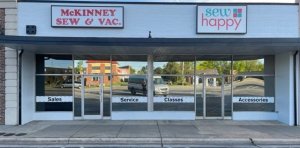
McKinney Sew & Vac is a family-owned business that has proudly served the Greensboro, NC area for over 41 years, earning a reputation for quality and reliability! As an authorized JUKI dealer, they offer a wide range of sewing machines to meet the needs of every customer, from beginners to experienced professionals. In addition to sales, they provide expert service and repair for most machine models, ensuring your equipment stays in top shape for years to come.

Deeply rooted in the community, McKinney Sew & Vac also repairs and donates older machines to local charities, helping others discover the joy of sewing! Their friendly, knowledgeable staff is always ready to assist with product recommendations, troubleshooting, and project guidance. Whether you’re shopping for your very first machine or upgrading to a more advanced model, you’ll find dependable support and hands-on help every step of the way. With decades of experience and a commitment to customer satisfaction, McKinney Sew & Vac remains a trusted destination for all your sewing needs.

Location: Greensboro, North Carolina

Close to Home has been Connecticut’s go-to destination for sewing machines, quilting supplies, and home décor since 1982, building a loyal following over the years! Family-owned and operated, they pride themselves on providing exceptional service with a personal touch, and they offer three convenient locations in the New Haven and Hartford County areas.

As an authorized JUKI dealer, they provide a wide range of JUKI sewing machines, from basic models to top-of-the-line longarm quilting machines, ensuring customers find the perfect fit for their needs. Beyond just sales, Close to Home offers expert repair services, ensuring that your machines continue to perform at their best. They also provide a variety of classes, workshops, and hands-on demonstrations that cater to every skill level, helping customers improve their techniques and stay inspired. Whether you’re quilting, embroidering, or working on home décor projects, Close to Home has everything you need to bring your creative ideas to life!

Location: Various locations in Connecticut

The French Seam in Indianapolis, IN, is a unique destination for modern makers, offering a curated selection of fine fashion fabrics, modern quilting cottons, and a variety of carefully chosen sewing patterns! Their collection of high-quality fabrics is designed to spark creativity, whether you’re working on a quilting project or sewing your next wardrobe piece.

With an emphasis on both boutique charm and expert guidance, The French Seam provides personalized assistance to help customers bring their sewing visions to life. Their knowledgeable staff is always available to offer advice on fabric selection, sewing techniques, and project ideas. Whether you’re shopping for luxurious textiles, seeking inspiration, or taking part in one of their workshops, The French Seam is a must-visit for anyone who loves to sew!

Location: Indianapolis, Indiana

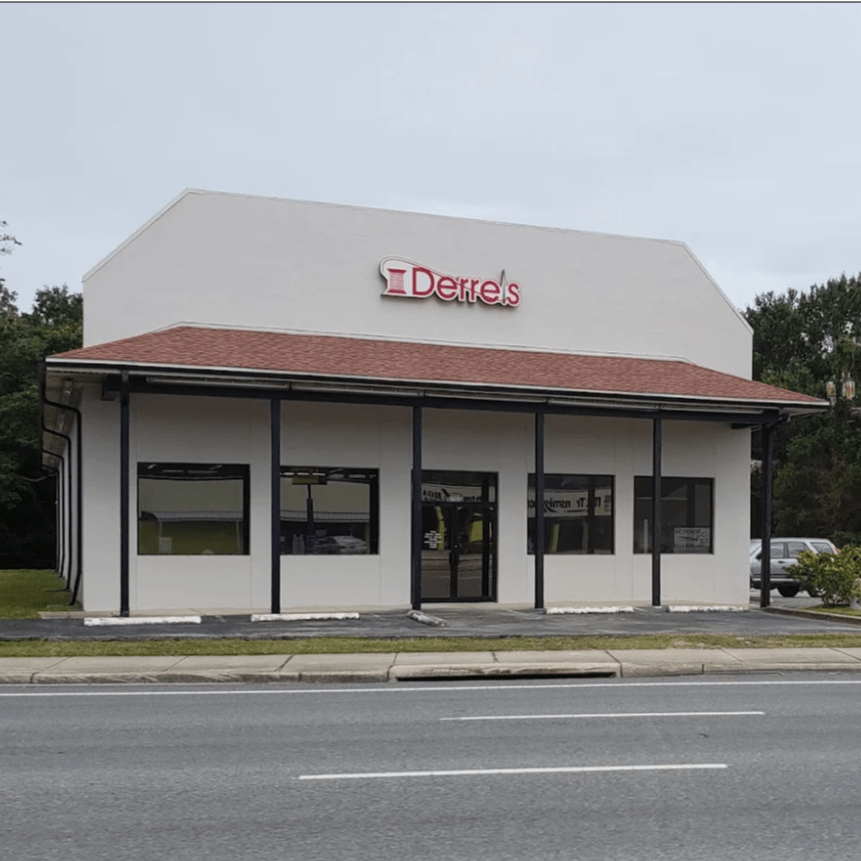
Derrel’s of Pensacola is dedicated to helping customers bring their sewing projects to life with exceptional service and support, offering everything you need to enhance your sewing experience! As an authorized JUKI dealer, they offer a wide selection of sewing machines, from basic models to more advanced machines, including attachments, parts, and expert machine repairs to keep your equipment running smoothly. Whether you’re a beginner just starting your sewing journey or an experienced sewist looking to refine your skills, Derrel’s provides a variety of classes, tutorials, and quality fabrics to keep you inspired.

Their friendly and knowledgeable staff is always ready to assist, offering hands-on support to ensure you make the most of your machine and materials. At Derrel’s, creativity and service truly go hand-in-hand, making it a welcoming space for all sewing enthusiasts! With their focus on customer satisfaction and a wide range of products and services, Derrel’s of Pensacola is a trusted destination for sewists in the area.

Location: Ferry Pass, Florida

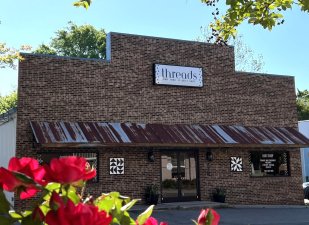
Threads Run Thru It is a charming quilt shop in Brookneal, VA, owned by Emily, a passionate quilter who turned her love for the craft into a thriving full-time business! Emily is dedicated to selecting the finest fabrics and enjoys sharing her passion for longarm quilting with others. Alongside her, Sarah Setzer, a key team member, plays a vital role in helping customers find the perfect fabrics and supplies for their quilting projects.

The shop fosters a welcoming and inclusive community where quilters of all levels can gather, learn, and enjoy the art of quilting together. They offer expert machine support, ensuring that customers receive guidance and assistance in making the most of their equipment. Threads Run Thru It also offers a carefully curated selection of fabrics that cater to quilters of all kinds, from beginners to seasoned experts. With a focus on education, creativity, and building a strong sense of community, Threads Run Thru It has become a trusted hub for quilters looking to enhance their skills and expand their projects!

Location: Brookneal, Virginia

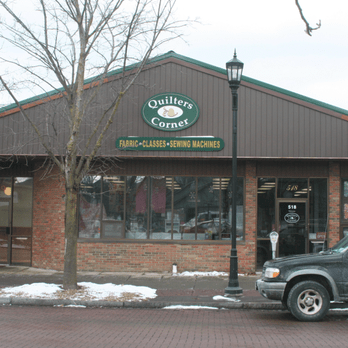
Quilter’s Corner is your ultimate destination for all things quilting, offering a wide variety of fabrics, including the latest collections from top designers that cater to every quilter’s taste and project needs! Whether you’re looking for modern prints, classic patterns, or specialty fabrics, their expansive selection ensures you’ll find exactly what you’re looking for.

The store’s classes cater to all skill levels, from beginners taking their first quilting steps to advanced quilters refining their techniques. As an authorized JUKI Dealer, Quilter’s Corner provides top-quality products and services, including longarm services that ensure precise, professional quilt finishes. Their friendly, experienced staff is always available to offer guidance, tips, and support to help you succeed in your quilting projects. More than just a shop, Quilter’s Corner fosters a vibrant community of passionate makers who share a love for quilting and creativity, making it the perfect place to shop, learn, and connect!

Location: Ithaca, New York

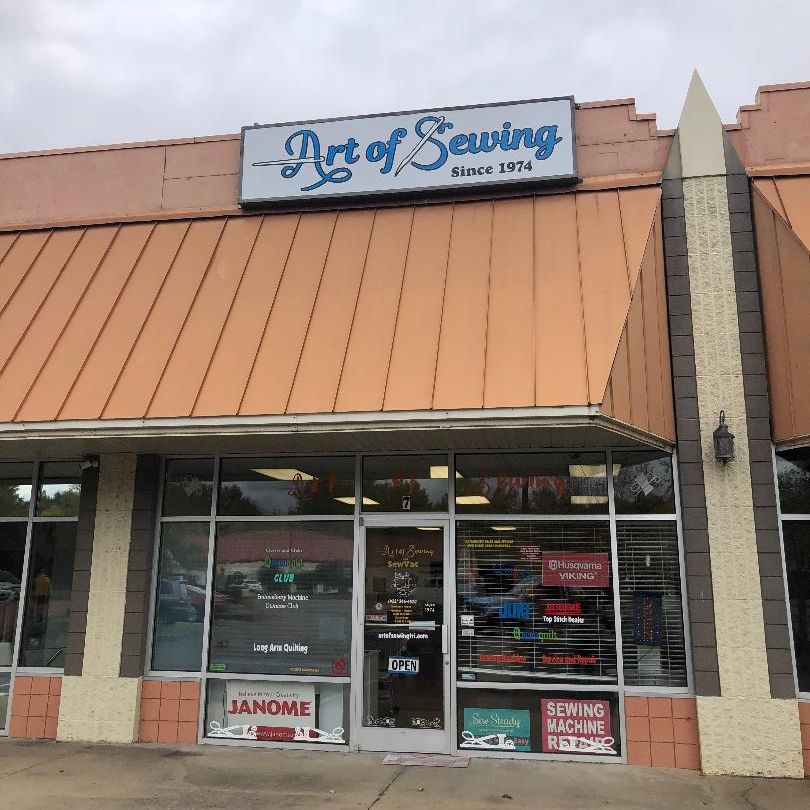
Art of Sewing (dba Sew Vac Sales and Service) has been proudly serving the Kingsport community since 1974 and is an authorized JUKI dealer known for their exceptional customer service! They offer a wide range of sewing machines, parts, thread, and accessories, along with expert repair services backed by over 100 years of combined experience from their skilled team.

With every machine purchase, Sew-Vac provides instructional classes covering various techniques such as sewing, serging, embroidery, quilting, and automation to ensure customers feel confident in using their new machines. They are dedicated to education and customer empowerment, taking the time to ensure every customer fully understands how to get the most out of their equipment! With their long history, expertise, and passion for sewing, Sew-Vac Sales & Services has become a trusted resource for sewists of all levels.

Location: Kingsport, Tennessee

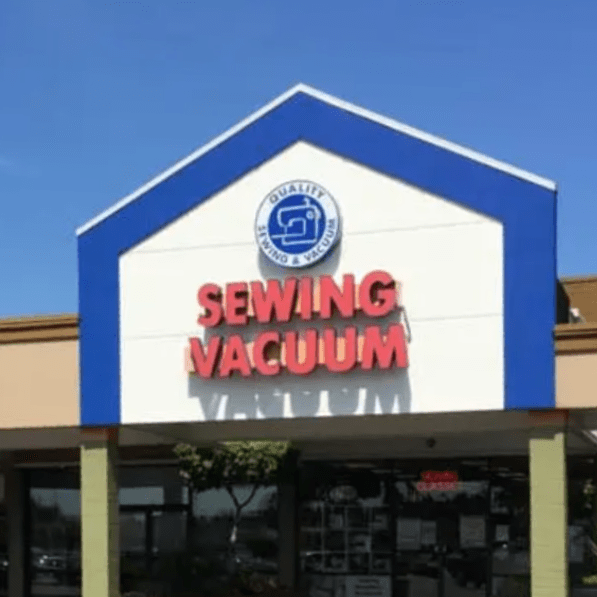
Quality Sewing & Vacuum Centers has been committed to meeting your sewing and vacuum needs since 1985, starting with one retail location in the Seattle area that specialized in sewing machines and vacuum cleaners. Over the past 35 years, they’ve expanded to 11 locations throughout Washington State, along with their convenient website, QualitySewing.com, making it easier than ever to access their products and services!

Their expert team is dedicated to providing product demonstrations, machine support, and a wide range of helpful classes designed to help you grow your sewing skills and become more confident with your equipment. No matter which location you visit, you’ll receive the same trusted care, expert advice, and high-quality service that have made Quality Sewing & Vacuum a staple in the sewing community. With a long-standing reputation for quality and service, Quality Sewing & Vacuum remains a trusted destination for sewists of all levels, offering everything you need to make your sewing projects come to life!

Location: Various locations in Washington

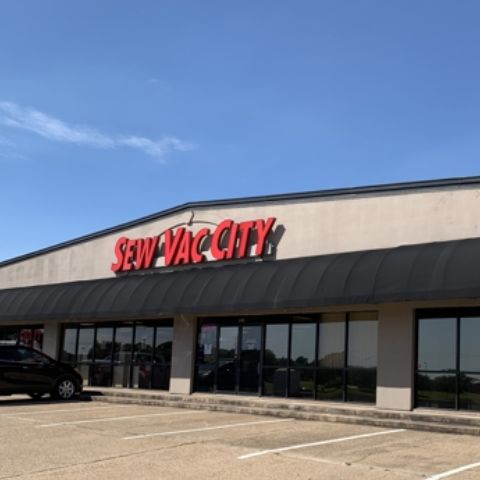
Sew Vac City has been proudly serving the Bryan-College Station, Texas, community for over 30 years, offering a wide selection of high-quality sewing machines, vacuums, and accessories to meet every need! As an authorized JUKI dealer, they provide a diverse range of sewing and quilting machines, along with expert service and repairs to keep your equipment in peak condition.

Committed to customer satisfaction, Sew Vac City also offers a variety of educational classes designed to help sewists of all skill levels enhance their craft and learn new techniques. Their showroom is also a welcoming space where you can explore the latest machines, ask questions, and connect with fellow enthusiasts who share a passion for sewing.

With a knowledgeable and friendly team, they ensure that you have everything you need to succeed with your sewing projects! For both beginners and seasoned sewists, Sew Vac City is the perfect place to find the tools, inspiration, and guidance you need to take your skills to the next level.

Location: Bryan-College Station, Texas

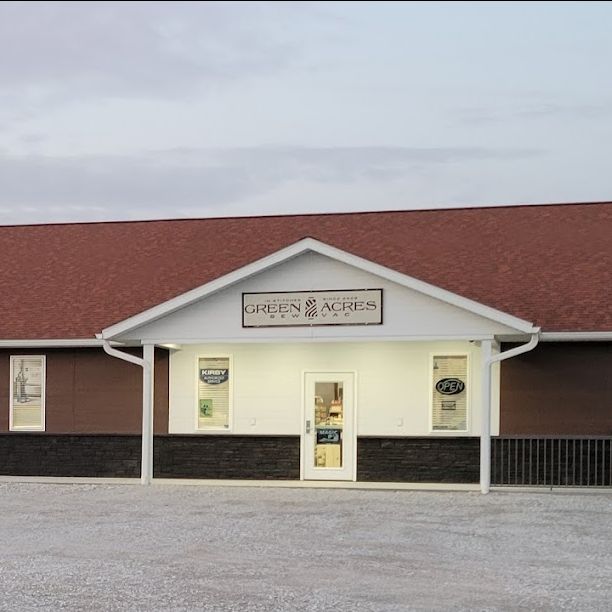
Green Acres Sew & Vac is a husband-and-wife-owned business born from a shared passion for woodworking, sewing, and embroidery! Having recently settled on their dream property in rural Tennessee, they are embracing the peaceful rhythm of country living while building their custom studios, set to be completed by April 2025.

Alongside their four beloved dogs, this creative duo takes immense pride in crafting unique, personalized items that reflect their love for handmade work. With a commitment to quality craftsmanship and a personal touch, Green Acres Sew & Vac is dedicated to creating products that bring joy to their customers! As they expand their studio space, they’re excited to offer even more services, products, and opportunities to their loyal customers and the surrounding community. Their passion for creativity and handmade goods continues to inspire and connect them with sewing enthusiasts and makers alike.

Location: Memphis, Missouri

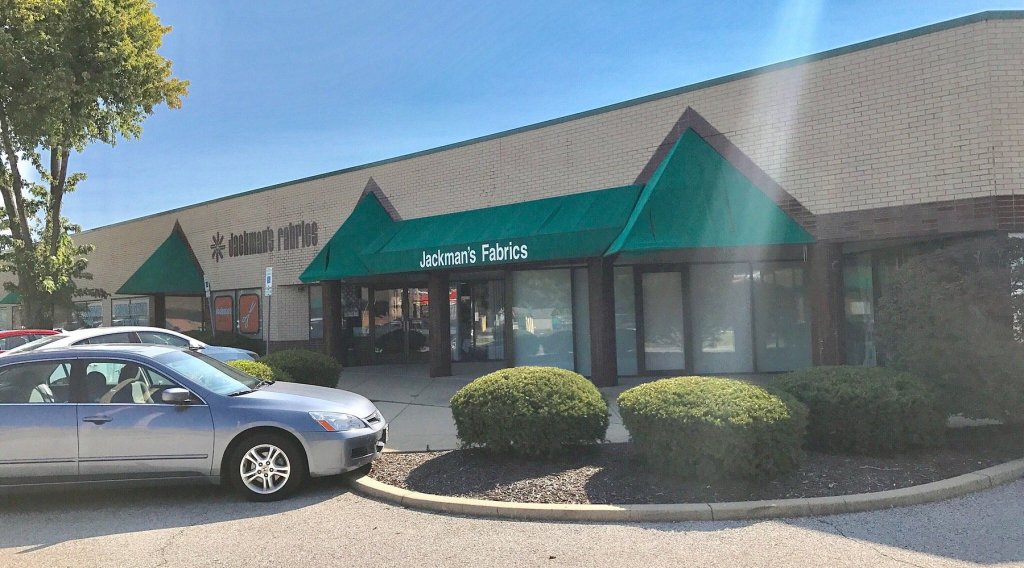
Jackman’s Fabrics, the largest quilt shop in the area, boasts an impressive selection of over 50,000 yards of quilting cottons, with expert staff available to help you find the perfect fabric for any project! In addition to their extensive fabric collection, they carry a variety of JUKI sewing machines, including models for quilting, embroidery, and long-arm sewing, alongside sewing cabinets and professional repair services to ensure your equipment runs smoothly.

Jackman’s Fabrics also offers free sewing and embroidery classes, along with kids’ programs and quilting clubs, making it a hub for learning and creativity. With a history that dates back to 1903, their long-standing commitment to quality and customer service has earned them a loyal following in the quilting community! When you visit, you’ll find that their welcoming atmosphere fosters a community of passionate quilters, where you can connect, learn, and share ideas. Jackman’s Fabrics continues to be a trusted destination for sewists, offering everything you need to fuel your creativity and bring your quilting visions to life.

Let me know if you’d like to make any adjustments!

Location: St. Louis, Missouri & Fairview Heights, Illinois

Whether you’re a beginner or an experienced sewist, these QVP JUKI dealers are dedicated to providing the tools, support, and inspiration you need to succeed in your sewing and quilting projects! From expert advice to hands-on assistance, each dealer offers a unique experience tailored to help you grow your skills and bring your creative visions to life. With their commitment to quality products, educational opportunities, and outstanding customer service, you can be sure that you’re in good hands.

Find your local JUKI QVP dealer here today and discover how they can help you take your sewing journey to the next level!
What is a 1/4″ Guide Inch Foot?

This month we’re kicking the blog off with a JUKI Accessory focus! If you’ve ever tried to make a quilt or piece together a garment, you know how important it is to achieve perfectly even seams. Without the right tools, it’s easy to end up with misaligned pieces or inconsistent stitching. The 1/4-inch guide Foot is an essential accessory that takes the guesswork out of seam allowances, helping you sew with precision and accuracy. But what is a 1/4-inch guide Foot, and why should you use it in your sewing projects? Let’s explore its features, benefits, and tips for using it effectively!

What is it?

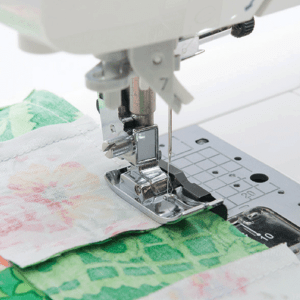
A 1/4 Inch Guide Foot is a specialized presser foot designed to help you sew a consistent 1/4 inch seam allowance. This is important for quilting, garment construction, and any project where precision is key. Unlike a standard presser foot, the 1/4-inch guide Foot has a built-in guide or edge marker that helps you maintain a consistent seam allowance throughout your project. This tool ensures that each seam is evenly spaced, giving your work a professional finish!

The 1/4-inch guide Foot was developed to solve a common problem that sewists face—achieving consistent seam allowances. Before the invention of this foot, sewists had to rely on measuring with rulers or marking lines on their fabric, which can be time-consuming and prone to errors. The 1/4-inch guide Foot eliminated this hassle by providing an accurate guide for every seam, making it easier to achieve uniform results without extra effort.

Benefits and Uses of the 1/4 Guide Inch Foot

Now that we understand the purpose of the 1/4-inch guide Foot, let’s dive into its benefits! The primary advantage of using this foot is its ability to help you achieve perfectly even seams every time! Whether you’re working on a quilt, constructing a garment, or piecing fabric for a home décor project, this tool ensures that your seams are always uniform, resulting in better-fitting garments and neatly aligned quilt blocks.

For quilters, the 1/4-inch guide Foot is a must-have! Quilting requires precise seams, and even a tiny discrepancy can throw off the entire quilt. With this foot, you can ensure that each piece of fabric is sewn with an accurate 1/4-inch seam, which is critical for proper alignment. This foot is also perfect for piecing together small blocks or creating intricate patterns with even spacing, making your quilting process faster and more accurate.

In addition, the 1/4-inch guide Foot can help with garment construction, especially when working with fitted designs or intricate pattern pieces. By maintaining a consistent seam allowance, you can ensure that all your pattern pieces fit together perfectly, giving your garments a professional and polished look.

Tips for Using the 1/4 Inch Guide Foot

  • Test Before You Start: Always test your seam on scrap fabric to ensure the foot is set up correctly and the seam is the right width.
  • Use the Edge Guide: The built-in guide is there to help you! Keep the edge of your fabric aligned with it for a consistent seam.
  • Adjust Needle Position: Some 1/4-inch guide Feet allow you to adjust the needle position. This is useful if you need to make tiny adjustments to your seam allowance.
  • Slow and Steady: Take your time when sewing, especially if you’re working with tricky fabric or a detailed project. The slower you sew, the more precise your seams will be.

Project Ideas Using the 1/4 Inch Guide Foot

Now that you’ve got the 1/4-inch guide Foot in your toolkit, what can you make? The possibilities are endless! If you’re a quilter, consider creating a beautiful quilt top with perfect seams and precise pattern matching. This foot will make it easier to sew together blocks, ensuring they line up perfectly for a polished look.

For garment sewists, the 1/4-inch guide Foot is great for creating garments with a perfect fit. Whether you’re making a dress, blouse, or pants, this foot helps maintain consistency in your seam allowances, ensuring a more accurate fit and professional finish.

You can also use the 1/4-inch guide Foot for home décor projects like pillow covers or table runners. With this foot, you can achieve neat, straight seams that will make your home-made décor items look like they came from a high-end store.

With the 1/4 Inch Guide Foot, you’ll be able to confidently tackle your projects, knowing that your seams will be precise and your results flawless. Ready to add the 1/4-inch guide Foot to your collection? Visit JUKIQuilting.com or check out your nearest dealer here to explore this essential accessory for your sewing room!

What Is Free Motion Quilting?

Imagine taking your quilting skills to the next level by stitching intricate, custom designs with total creative freedom! That’s the magic of free-motion quilting (FMQ). This technique, paired with the right presser feet, gives you the freedom to stitch any pattern you can imagine, making your quilts truly one-of-a-kind.

Whether you’re a beginner or an experienced quilter, FMQ offers limitless possibilities for artistic expression. But how has FMQ become a beloved and popular technique? Let’s take a closer look at its history and why quilters everywhere are embracing its creative potential!

Free motion quilting began gaining popularity in the 1980s and 1990s as quilters looked for ways to break free from traditional stitching constraints. Unlike traditional quilting, where the sewing machine feed dogs (the mechanism that moves fabric) helped control the fabric’s movement, free motion quilting disables those feed dogs, allowing the quilter to move the fabric in any direction. This technique opened up endless design possibilities, from swirls and flowers to geometric patterns! Free motion quilting is perfect for customized, intricate stitching that can’t be achieved with basic straight lines, making it a favorite among quilters.

Benefits and Uses

Allowing you to move the fabric in any direction to create intricate designs without the restrictions of the feed dogs, FMQ opens up endless possibilities for creativity and allows quilters to create unique and one-of-a-kind pieces. With the right quilting foot, you can achieve smooth, even stitches while minimizing puckering.  Its versatility also makes it perfect for a wide range of projects, including quilts, home decor, clothing, and accessories, adding texture and dimension to any fabric-based creation!

Essential JUKI Free Motion Quilting Feet

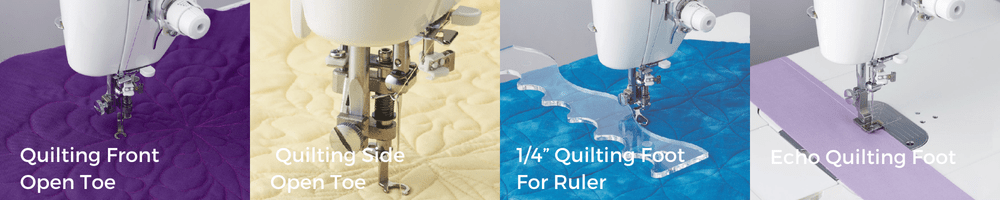
At JUKI we offer multiple feet that will elevate your free-motion quilting, but let’s focus on the 4 below:

  1. Quilting Foot Front Open Toe: Provides excellent visibility, making it easy to see every stitch. Ideal for delicate stippling or small, intricate designs.
  2. Quilting Foot Side Open Toe: Features a side opening for added ease of movement, giving you more space to move the fabric freely, perfect for swirling patterns or feather designs on larger quilted areas!
  3. 1/4” Quilting Foot (For Ruler): Designed to work with quilting rulers, this foot ensures precise 1/4″ seam allowances and perfect straight lines for ruler-based quilting techniques.
  4. Echo Quilting Foot: Creates evenly spaced echo lines around shapes, adding depth and texture to quilt blocks and appliqué designs.

Tips for Quilting and Sewing

  • Start Slow: When you’re new to free-motion quilting, go slow and focus on maintaining a steady rhythm with your fabric movement, the bunny speed is your friend here!
  • Practice Makes Perfect: Try quilting on a small practice sandwich (fabric, batting, and backing) to build muscle memory and refine your technique.
  • Light Grip, Easy Movement: Guide the fabric gently without excessive pulling or pushing to maintain smooth, even stitches.
  • Choose the Right Thread: Cotton provides a matte finish and smooth stitching, while polyester offers strength and elasticity. Most quilting projects use a 40-weight thread, but a 50-weight thread is good for finer, more delicate designs, and a 30-weight thread works well for larger, bolder patterns. Always match the thread weight to the design—finer threads like 50-weight are perfect for small, intricate patterns like stippling, while heavier threads like 30-weight add texture to larger designs. For consistent results, use the same thread type for both the top and bobbin to prevent tension issues and ensure smooth stitching.
  • Keep Your Hands Steady: Move the fabric gently and steadily with both hands—one on the top and one on the bottom—to avoid erratic stitch patterns. There are also tools like paddles or quilting rings that can help make this part smoother.

For more tips on setting up your machine for free motion quilting, check out our step-by-step video guides here.

Creative Ideas for Projects with FMQ

The free-motion quilting feet open up endless possibilities for creative projects, allowing you to add custom designs and intricate stitching to a variety of projects! You can create beautiful quilted wall hangings that have personalized patterns or bold, creative designs for pillow covers that bring flair to your home. This technique also shines when working on custom quilts, whether for special occasions, as gifts, or for everyday use!

Besides quilts and home decor, the free-motion quilting feet options are perfect for adding dimension and personality to accessories like bags, purses, or even clothing! The versatility of the free-motion quilting foot makes it an ideal tool for any project where you want to infuse creative stitching and texture, whether you’re working on large quilts or smaller items that benefit from a bit of extra detail.

Ideas for Downloadable Practice Sheets:

To help you get started with free motion quilting, downloadable practice sheets can provide a structured way to learn new designs. Here are a few we’ve created for beginner quilters!

  • Loopy loops
  • Woodgrains
  • Pebbles
  • City Terrace

Free motion quilting is an exciting way to take your quilting projects to the next level, allowing you to add personal touches, intricate designs, and creative textures with ease. Whether you’re just starting out or looking to refine your skills, using the right free-motion quilting foot and practicing different patterns will help you gain confidence and control. With the right tools, techniques, and practice sheets, you can transform ordinary quilts into stunning works of art!

Ready to get started? Grab your free motion quilting foot, download our practice sheets, and start stitching your way to beautiful, custom quilting designs today!