As the back-to-school season approaches, there’s excitement in the air for students and parents alike! This time of year often comes with the hunt for the perfect school supplies. But why settle for ordinary when you can make their school items uniquely theirs? Enter the TAJIMA Sai 8-needle embroidery machine from JUKI, a game-changer for personalizing back-to-school gear with intricate and vibrant designs! In this blog, we will cover ways you can bring a personal touch to your child’s school gear with the TAJIMA Sai.
Transform Those School Essentials
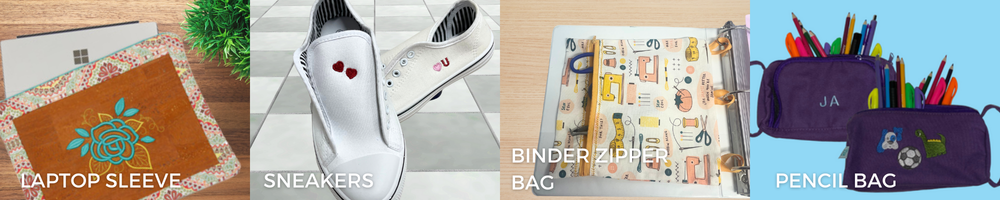
Whether it’s a laptop sleeve, sneakers, binder zipper bag, or pencil bag, the TAJIMA Sai allows you to add a personal touch to all your child’s school items. The versatility and precision of this machine mean that you can create detailed embroidery on various fabrics and surfaces, turning everyday items into something extraordinary.
Laptop Sleeve: Keep your child’s laptop safe and stylish. With the TAJIMA Sai, you can embroider their name, initials, or favorite quote on their laptop sleeve. Choose from a wide range of fonts and colors to match their personal style.
Learn how to create your very own laptop sleeve here! Using the TAJIMA Sai, you can easily elevate this project with your touch of personalization.
Sneakers: Stand out in the school hallway with customized sneakers. Add patterns, icons, or your child’s favorite sports team’s logo. The possibilities are endless, and with the TAJIMA Sai’s 8-needle system, you can mix and match colors seamlessly!
Binder Zipper Bag: Organize your child’s school supplies in a personalized binder zipper bag. Embroider their name, class schedule, or motivational words to inspire them throughout the day. It’s a perfect blend of function and flair.
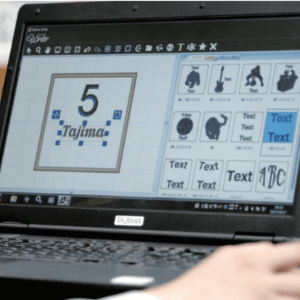
Create your own binder zipper bag by visiting us here and learning more about the Writer Plus program below to add that touch of personalization!
Pencil Bag: Always keep your child’s pencil bag intact. With custom embroidery, you can add their name, favorite hobby icons, or even cute designs that reflect their personality.
Learn how to personalize your pencil bag with the TAJIMA Sai by visiting here!
TAJIMA Writer Plus Program
The TAJIMA Writer Plus program is your gateway to endless creativity. This software comes pre-installed with various design options that you can easily apply to your projects. Here’s a closer look at what it offers:
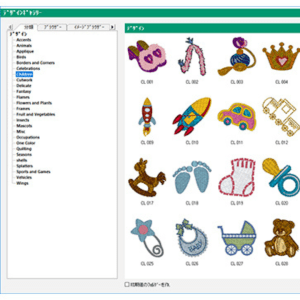
Pre-Installed Designs: The program includes a rich library of pre-installed designs, such as floral patterns, geometric shapes, animal motifs, and more. These designs are perfect for quick projects and adding a touch of fun to your child’s school items.
Custom Design Creation: Feeling creative? The TAJIMA Writer Plus program allows you to create your designs from scratch! You can draw inspiration from your child’s interests, hobbies, or favorite themes. Whether a complex pattern or a simple monogram, the software gives you the tools to bring your vision to life.
Easy-to-Use Interface: Even if you’re new to embroidery, the TAJIMA Writer Plus program is user-friendly. The intuitive interface makes selecting, customizing, and embroidering your designs easy. Plus, the program supports various file formats, so you can import and work with external designs effortlessly.
Design Ideas for Your Embroidery Projects
Names and Initials: Adding your child’s name or initials is a classic way to personalize their school items. Choose from different fonts and thread colors to make it truly theirs.
Favorite Sports Teams: Show off their school spirit or support their favorite professional sports team by embroidering their logo or mascot. It’s an excellent way for your child to connect with fellow fans and display their loyalty!
Hobbies and Interests: Whether they love music, art, science, or sports, you can reflect their passions on their gear. Embroider icons like musical notes, paintbrushes, basketballs, or telescopes showcase what they love.
Inspirational Quotes: Keep your child motivated with inspirational quotes or affirmations. A few words of encouragement on their pencil bag or laptop sleeve can go a long way in keeping their spirits high!
Fun Patterns and Icons: From cute animals and whimsical patterns to edgy graphics and abstract designs, the TAJIMA Sai allows you to experiment with various styles. Mix and match designs to create something uniquely theirs.
Back-to-school season is the perfect opportunity to express your child’s individuality through their school supplies. With the TAJIMA Sai 8-needle embroidery machine and the TAJIMA Writer Plus program, you can quickly transform everyday items into personalized masterpieces. Whether adding their name, showcasing their interests, or simply having fun with different patterns, embroidery brings a touch of uniqueness to everything you create. So, head back to school in style and make this year your child’s most personalized one!
As nature awakens and the sky blesses us, it’s the perfect time to equip ourselves with stylish and practical creations that brave the elements. With the help of JUKI machines, suitable fabrics, and the correct notions, let’s explore five innovative sewing projects designed to embrace the rainy season.
Create fashionable and functional tote bags using waterproof or water-resistant fabrics. These tote bags will keep your belongings safe and dry during unexpected showers. Utilize a JUKI machine equipped with a walking foot for sewing through multiple layers of waterproof fabric, ensuring sturdy seams that withstand moisture.
To take your waterproof tote bags to the next level, consider incorporating additional features that amp up style and functionality. Integrate exterior pockets for easy access to essentials like your phone or keys, ensuring they’re always within reach. For added convenience, include internal compartments or organizers to keep your belongings neatly sorted and easily accessible. Incorporating key holders or clips inside the bag helps keep your keys secure and easily locatable, saving you precious time on the go.
Additionally, explore various closure options such as magnetic snaps, zippers, or drawstrings to suit your preferences and enhance the bag’s security. With the versatility and reliability of JUKI machines, you can effortlessly bring these creative enhancements to life, transforming a simple tote bag into a stylish and practical accessory that meets all your needs. Now, using our EB-1, you can easily add button holes using your TL series machine.
Elevate your rainy-day attire with custom-designed raincoats that blend style and functionality seamlessly. Start by selecting high-quality waterproof or water-resistant fabric to ensure maximum protection against the elements. With your trusty JUKI sewing machine equipped with a Smooth Foot, you’ll effortlessly navigate the slick surface of waterproof fabrics, ensuring smooth and precise stitching without snagging or sticking.
Consider incorporating practical and stylish features such as strategically placed pockets to add extra flair to your raincoat. Exterior pockets provide convenient storage for essentials like keys, wallets, or smartphones, while interior pockets keep valuables safe and dry. Additionally, you can amp up the functionality of your raincoat with waterproof zippers, which not only enhance protection against rain but also lend a sleek and modern aesthetic to your design.
For maximum weatherproofing, seal all seams with seam sealer tape to prevent water from seeping through! This simple yet crucial step ensures that your raincoat remains fully waterproof, keeping you dry and comfortable even during heavy downpours. To further enhance protection from the elements, consider adding a detachable hood to your raincoat design, providing versatility and practicality for unpredictable weather conditions.
3. Bucket Hats
Materials Needed:
Waterproof or water-resistant fabric
Fusible interfacing
Grommets for ventilation
JUKI sewing machine with a zigzag stitch
Elevate your rainy-day style with a custom-designed bucket hat that combines practicality with fashion-forward flair. Start by selecting high-quality waterproof or water-resistant fabric that keeps you dry and adds a touch of style to your ensemble. Enhance the structure and stability of your hat by incorporating fusible interfacing, providing a sturdy foundation for the brim and crown. With your JUKI sewing machine equipped with a zigzag stitch, you’ll effortlessly secure seams and add decorative detailing to your bucket hat.
To enhance comfort and breathability, consider adding grommets for ventilation! Strategically placed grommets allow air to circulate, preventing overheating and ensuring maximum comfort while wearing the hat. Additionally, grommets add a stylish touch to your design, elevating the overall aesthetic of your bucket hat. For added customization, explore other ways to vamp up your bucket hat. Add a contrasting fabric band for a pop of color or embellish with decorative stitching or appliques for a unique and personalized look. You can also experiment with different brim widths or crown heights to create a hat that perfectly complements your style and personality!
4. Picnic Blanket with Waterproof Bottom
Materials Needed:
Waterproof or water-resistant fabric for the bottom layer
Prepare for outdoor picnics in style with a custom-made picnic blanket that provides comfort and shields against moisture! Start by selecting a waterproof or water-resistant fabric for the bottom layer, ensuring protection from damp ground surfaces. For the top layer, opt for quilting cotton or another fabric of your choice, adding a touch of personality to your picnic ensemble. To provide insulation and enhance comfort, include batting between the layers, ensuring a cozy and inviting picnic experience.
With your trusty JUKI sewing machine equipped with a walking foot and quilting guide, you’ll effortlessly bring your picnic blanket to life with professional-quality stitching. The walking foot ensures smooth and even stitching through multiple layers of fabric and batting, preventing shifting or puckering for a flawless finish. Additionally, the quilting guide ensures straight and evenly spaced quilting lines, securely anchoring the layers together and adding durability to your blanket.
Consider incorporating additional features to enhance functionality and style to further vamp up your picnic blanket. Add convenient pockets for storing utensils, napkins, or other picnic essentials, keeping everything organized and within reach. For added versatility, include straps or handles for easy transportation and storage when not in use. You can also personalize your picnic blanket with decorative stitching, appliques, or embroidery, adding a unique and personalized touch to your outdoor gatherings.
Prepare for rainy days in style with custom-designed umbrella carriers that keep your wet umbrellas contained and your surroundings dry. Start by selecting high-quality waterproof or water-resistant fabric, ensuring that any residual moisture from the umbrella is contained within the carrier. For added convenience, incorporate straps or webbing handles to easily transport your umbrella carrier while on the go. Additionally, consider adding snap closures or zippers to secure closure, preventing accidental spills or leaks.
With your reliable JUKI sewing machine equipped with a zipper foot, you’ll effortlessly attach zippers or snap closures to your umbrella carrier, ensuring a secure and convenient closure mechanism. The zipper foot provides precise stitching along the edges of the closure, guaranteeing a professional finish that withstands daily use.
Explore additional features that enhance functionality and style to further vamp up your umbrella carrier. Incorporate exterior pockets for storing small items such as keys, wallets, or sunglasses, keeping them easily accessible while on the move. For added versatility, consider adding adjustable or removable shoulder straps, allowing you to carry your umbrella hands-free when necessary.
Personalize your umbrella carrier with decorative accents such as contrast stitching, appliques, or embroidery, adding a touch of personality to your rainy-day essentials.
Choosing Suitable Fabrics and Notions for Rainy Projects
When selecting fabrics for rainy-day projects, opt for materials labeled as waterproof, water-resistant, or treated with a durable water-repellent (DWR) finish. Nylon, polyester, vinyl-coated fabrics, or laminated cotton are excellent choices as they effectively repel water.
Waterproof zippers, seam sealer tape, and fusible interfacing are essential for notions.
Additionally, nylon webbing for straps, grommets for ventilation, and snap closures or zippers for closures enhance the functionality and durability of rain-resistant creations.
Utilizing JUKI Machines for Rainy-Day Projects
JUKI machines equipped with specialty feet, such as walking feet, Teflon feet, and zipper feet, are invaluable for sewing with waterproof or water-resistant fabrics! These feet ensure smooth stitching and prevent materials from sticking or bunching, allowing for precise and professional-looking finishes on rain-ready projects.
April showers pave the way for May flowers, but they inspire a world of creativity for sewing enthusiasts! With the suitable fabrics, notions, and versatility of JUKI machines, you can embark on a rainy-day sewing adventure, creating stylish, practical, and weather-ready projects that brave the elements in style. Embrace the rainy season with these innovative sewing endeavors, each stitch a testament to preparedness and creativity, all made possible with JUKI’s precision and reliability.
In its intricate tapestry, life often encourages us to seek inspiration in various places, moments, and experiences. For creators immersed in sewing, finding that elusive inspiration is akin to uncovering a treasure trove of ideas, designs, and possibilities. At JUKI, we understand the importance of fueling creativity and want to offer a few tips to navigate through creative blockades, so to celebrate the final weekend of National Quilting Month, we’re going to talk about ways you can go out and become inspired by nature for your next quilt!
Embracing Nature’s Bounty
In its beauty, nature often holds the key to unlocking boundless creativity. Picture the tranquil embrace of the beach, the calming rhythm of waves against the shore, or the reflective stillness of a lake. These natural settings serve as sanctuaries for rejuvenation, clearing the clutter from the mind and allowing fresh inspiration to flow in.
JUKI Rulers
Taking a break from the sewing room and venturing into these natural retreats can invigorate the senses and provide a new perspective. Nature’s sounds, sights, and sensations can ignite dormant creativity, sparking ideas that translate into unique sewing projects!
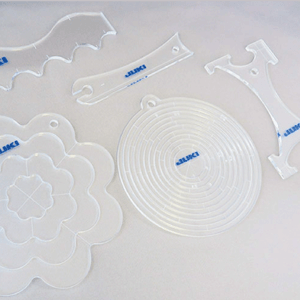
Consider incorporating earthy tones, vibrant floral hues, serene blues, or natural greens into your fabric selections for quilting or sewing. Let nature guide your color choices. Think of intricate patterns in leaves, water ripples, or petals’ symmetry to inspire quilt block designs or embroidery motifs. You can easily create shapes on your quilting machines with JUKI rulers like these. Experiment with free-motion quilting techniques to emulate natural shapes like waves, foliage, or clouds.
Also, the most beautiful part is that nature isn’t perfectly symmetrical. Embrace asymmetry or organic shapes in your designs, allowing a more natural and spontaneous feel to your quilting or sewing projects!
Seeking Inspiration Amidst Adventure
For those drawn to the thrill of adventure, camping amidst the wilderness is a playground for the imagination. The vast expanse of nature, the crackling of a campfire, and the star-studded night sky all weave tales that can inspire new sewing designs and concepts.
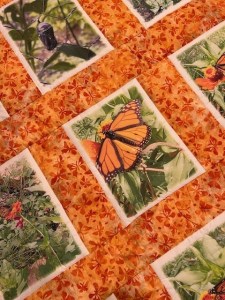
Butterly Quilt, created by NA Trainer Kelly Latreille
From the bustle of everyday life, camping fosters an environment of simplicity and introspection. It’s a canvas where creators can disconnect, immerse themselves in the present, and allow inspiration to find its way in.
While camping or at the playground, sketch the landscapes, wildlife, or exciting patterns you encounter. Use these sketches as inspiration for embroidery designs or quilt patterns later! You can also notice textures like tree bark, grass, or the grainy surface of land around you. Try experimenting with different quilting techniques or stitch patterns to replicate these textures in your projects.
We also recommend collecting small souvenirs like leaves, pebbles, or twigs that catch your eye! Use these as templates for appliqué designs or as inspiration for color palettes in your quilting projects. By merging the experiences and inspirations gained from your outdoor adventures into your sewing and quilting, you can create a unique and personal project, making them functional and reflective of your cherished moments in nature.
Digital Wellsprings of Inspiration
In the digital age, inspiration is merely a click away. Our YouTube channel is a treasure trove of tutorials, tips, and projects designed to ignite creativity. From beginner-friendly guides to advanced techniques, these videos offer knowledge and inspiration.
You can also visit craft sites like Pinterest and create digital mood boards or collages. Collect images, colors, and patterns that resonate with you! These visual boards can serve as references for fabric selection and project inspiration. Extract color palettes from nature photographs or videos and experiment with landscape quilting, appliqué depicting natural scenes, or using various fabric manipulation techniques to emulate natural textures.
Additionally, our project page serves as an oasis of ideas, hosting many sewing projects for creators to explore. Whether it’s quilting, home decor, or embroidery, many projects spark inspiration and guide enthusiasts through their creative journey.
Connecting through Social Media
Social media platforms serve as vibrant hubs where creators connect to share ideas, showcase their work, and draw inspiration from fellow enthusiasts. Our social media channels foster a community where sewing enthusiasts engage, exchange ideas, and celebrate the artistry of sewing!
You can stay inspired by nature on Social Media! There are lovely sewing and quilting accounts that focus on nature-themed projects and accounts dedicated to nature itself. You can also follow nature photographers or accounts that share stunning images of landscapes, flora, and fauna and use that to create color palettes, patterns, and motifs for your projects.
Engaging with like-minded individuals, participating in discussions, and exploring the creations of others can be a funnel of inspiration! These platforms can offer a window into a variety of perspectives and techniques. Share your progress, and celebrate your nature-inspired creations! And remember, when you’re creating, inspiration can come not just from the images but also from the stories, tips, and experiences shared by fellow makers.
Joining Local Dealer Events and Sewing Communities
Attending events hosted by local dealers or sewing communities is an excellent way to immerse yourself in the sewing world! These events offer opportunities to connect with fellow creators, learn new techniques, and gain inspiration from workshops and demonstrations. At JUKI we host training classes and events with our JUKI dealers, ready to help you create! You can learn more about our events and training classes by visiting us here.
Local dealer events also host workshops and classes where you can learn new techniques or gather ideas for projects. We recommend participating in these sessions to expand your skills and try new techniques! This is also a great way to get in touch with your sewing community and get inspired by other creators like yourself.
At JUKI, we believe inspiration is woven into the fabric of everyday life, waiting to be discovered in the most unexpected places. From the tranquility of nature to the digital realm and vibrant sewing communities, there’s a world of inspiration out there waiting to be explored.
Creativity knows no bounds, and finding inspiration is an ongoing journey! Whether through the calming embrace of nature, the digital world of education and tutorials, or the exciting energy of your sewing community, enjoy nature and uncover a world brimming with innovative ideas and endless possibilities!
As you navigate the world of quilting, you’ve likely marveled at the quilts displayed at quilt shows. Quilting transcends the confines of individual studios, occasionally gracing the grand stages of quilt shows across North America! Have you thought of entering your own quilt, but not sure where to start? To guide you through the experience of submitting your masterpiece for competition, this blog, written with the help of Belle Brunner, Quilt Pattern Designer & Guild Consultant/Educator from Seams Sew Me, will unravel the steps that pave the way to your first quilt show!
Quilt shows offer two distinct submission categories: judged and non-judged. Opting for the non-judged category ensures your quilt will be showcased if accepted. Conversely, selecting the judged category opens the door to valuable written feedback on your quilt. This additional layer of critique proves invaluable for those apprehensive about subjecting their work to judgment, providing a unique platform for growth and self-expression. Join us as we explore the intricacies of this captivating journey, backed by insights from Belle Brunner, to make your debut at a quilt show a resounding success.
Steps to Joining a Quilt Show
1. Research and Select a Show:
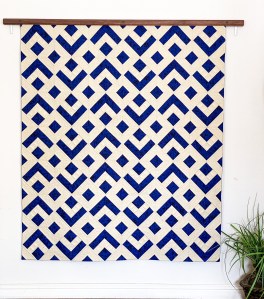
Dueling Diamonds in Nightall by Belle Brunner
The first step on your journey to participating in a quilt show involves a thorough research and a thoughtful selection process. North America boasts a multitude of quilt shows, each with its unique charm and character. Take the time to explore various shows, considering their themes, judging criteria, and the overall atmosphere to ensure a good fit with your personal style and preferences!
While the allure of larger, internationally acclaimed shows is undeniable, don’t underestimate the potential gems hidden in your own county and regional exhibitions. These local showcases often provide a more comforting setting and will help you foster a supportive community with fellow quilters and art enthusiasts. Opting for a smaller venue can be an excellent starting point for those who may feel hesitant about entering the vibrant world of quilt competitions. Belle Brunner, for example, entered her first quilt into a Regional show. “It can feel a bit intimidating to enter a quilt into your first show, but I am so glad that I took the leap and did a few years ago. I picked a regional quilt show for my first entry and read all of the rules.” At smaller shows, you’ll find a welcoming environment that encourages both novices and seasoned quilters to share their creations, building confidence and camaraderie within the quilting community.
You can check out our site here to learn more about which shows JUKI attends throughout the year.
2. Review Submission Guidelines:
Once you’ve selected a show, carefully review its submission guidelines. These guidelines typically include information about quilt size, theme (if any), submission deadlines, entry fees, and specific rules or requirements.
3. Prepare Your Quilt:
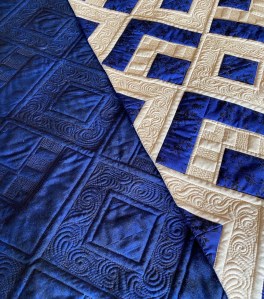
Dueling Diamonds Close Up by Belle Brunner
Before showcasing your quilt at the upcoming show, preparation is key! Begin by either creating a new quilt or selecting one from your home collection that aligns with the show’s theme or specific criteria. Whether you’re pushing the boundaries of traditional techniques with a modern quilt, catching onlookers’ eyes with a stunning 3D masterpiece, or presenting a meticulously crafted traditional piece, the emphasis is on ensuring your creation is nothing short of immaculate.
In addition to the visual appeal of your quilt, quilt shows typically have specific requirements for display. One essential aspect is the creation of a quilt sleeve, adhering to certain measurements to ensure proper hanging. This might be a new challenge for hobby quilters entering a show for the first time. To navigate this requirement successfully, consider watching a tutorial that guides you through the process, or contacting your fellow quilter community members who have submitted in the past.
Acquiring this skill not only contributes to the seamless presentation of your quilt but also grants you the added advantage of extra time to complete this aspect well in advance of the submission deadline. So, as you prepare your quilt, pay close attention to both its aesthetic excellence and the practical aspects that ensure it is ready for a spotlight moment at the show.
4. Documentation and Photography:
Capture the essence of your quilt-making journey by meticulously documenting the process and capturing high-quality photographs. Clear, well-lit images play a pivotal role in showcasing the intricate details of your work when submitting to quilt shows.
Be attentive to the specific requirements outlined for image submissions. These guidelines often include details such as pixel dimensions, megabytes, and other technical specifications. It is crucial to adhere to these specifications to ensure that your submission features your quilt in the best possible light. Avoid the risk of hitches in the submission process by not sending just any type of photo. Instead, prioritize clarity and precision in your visuals, allowing the judges and viewers to appreciate the craftsmanship and nuances of your quilt with utmost clarity.
5. Complete Submission Forms:
Fill out the necessary submission forms accurately and thoroughly. Double-check all details, including contact information, as errors might lead to disqualification or communication issues.
6. Pay Attention to Deadlines:
Meet submission deadlines diligently. Missing deadlines could mean missing the chance to exhibit your masterpiece.
7. Shipping or Delivery:
Adhere closely to the show’s detailed instructions regarding the shipment or delivery of your quilt. Proper packaging and strict adherence to shipping guidelines are imperative to guarantee the safe arrival of your quilt at its destination!
It’s essential to note that different shows have varied procedures for quilt retrieval. While some shows allow you to personally pick up your quilt post-event, others opt for mailing it back to you. In cases where the show handles the return shipment, be aware that there may be associated costs, often borne by the quilter. Ensure you familiarize yourself with the specific instructions provided by the show, ensuring a smooth and secure process for both the submission and return of your cherished quilt!
8. Await Notification:
After submission, patiently await notification from the quilt show organizers regarding acceptance or rejection.
Top 5 Quilt and Sewing Shows in North America
Before we dive into the big leagues, let’s talk about dipping our toes into the vibrant world of quilt and sewing shows in North America, with local, county, state, and regional events that can be a fantastic way to ease into the experience.
Winsome Windows Quilt by Belle Brunner
These smaller-scale shows offer a more intimate setting, providing a welcoming environment for beginners and enthusiasts alike. One excellent starting point is local quilt guild exhibitions, where community members showcase their talents and creations. County fairs often host sewing competitions and exhibits, combining the joy of crafting with a celebration of local culture. State-level quilting events bring together a broader community of creators, offering diverse perspectives and techniques. Regional quilt shows cater to a wider audience and feature a variety of vendors, workshops, and displays, allowing attendees to explore different aspects of the craft.
Belle Brunner, after competing in multiple shows, has some advice she would pass on to newcomers. “The feedback from the judge was really helpful in regard to a few areas I could improve on, yet to my surprise, I still won 3rd place in that very first show! I entered the same quilt in another show and didn’t place so you never know how your quilt will compete. I’ve entered two more quilts into shows and found the process of entering rather simple – just make sure you read and follow all the guidelines. One piece of advice I can’t share enough- don’t compare your quilts to others. Otherwise, it will rob you of the joy and pride you put into making your beautiful quilts.”
These smaller shows will not only serve as stepping stones for those new to the scene but also foster a sense of camaraderie and shared passion among attendees. Remember, each quilt is unique to its creator, and that’s the beauty of attending and submitting your quilt to these shows! Now, let’s talk about 5 big shows in North America you could find yourself at one day.
International Quilt Festival (IQF) – Renowned for its scale and diversity, the IQF attracts both seasoned artists and newcomers. It features various categories like art quilts, traditional quilts, modern quilts, and more.
American Quilter’s Society (AQS) QuiltWeek – A series of shows held in multiple locations, the AQS QuiltWeek offers an array of categories, workshops, and exhibitions, providing a platform for quilters to display their talents.
QuiltCon – Celebrating modern quilting, QuiltCon focuses on contemporary designs, bold colors, and innovative techniques. It’s an ideal avenue for artists exploring modern quilt aesthetics.
Road to California – This show features an impressive display of quilts and offers various competitions, workshops, and lectures. It’s known for its diverse themes and vibrant community.
Pacific International Quilt Festival (PIQF) – Held annually in California, PIQF showcases a vast collection of quilts ranging from traditional to avant-garde, attracting artists and enthusiasts alike.
Theme Ideas for Entry
When embarking on the creative journey of selecting themes for quilt show submissions, creators may find themselves at the crossroads of endless possibilities. To navigate this vast realm of ideas, it is advisable to first explore the specific categories designated for submissions within the show.
By delving into these predefined categories, quilters gain insights that not only guide their creative process but also spark inspiration for potential project designs. These categories, acting as a structured framework, serve as a starting point for you to conceptualize and develop you quilt designs. However, it is crucial to bear in mind that these categories come with explicit and stringent rules that quilters must conscientiously adhere to. This adherence ensures that the expression aligns seamlessly with the guidelines set forth by the show organizers, thereby contributing to the overall coherence and integrity of the exhibition.
Below are some examples of quilt categories that shows would have space for:
Modern Quilts: Experiment with abstract designs, bold colors, and asymmetrical patterns to showcase innovation in quilt-making.
3D Quilts: Create quilts incorporating three-dimensional elements or optical illusions, adding depth and intrigue.
Traditional Quilts: Celebrate heritage and history by crafting quilts using classic patterns and techniques.
Nature-Inspired Quilts: Draw inspiration from the natural world, incorporating flora, fauna, landscapes, or environmental themes.
Cultural Diversity Quilts: Explore diverse cultures and traditions through quilting, highlighting unique stories and artistry.
Petal Starburst Quilt by Belle Brunner
Participating in a quilt show as an artist and entering a quilt competition is a rewarding experience that provides quilters with a platform to display their creativity and proficiency. Through careful preparation, strict adherence to guidelines, and the infusion of your artistic designs, engaging in these shows can unlock avenues for acknowledgment, networking, and the chance to share one’s passion with a wider audience! Participants also have the opportunity to receive constructive feedback from judges, highlighting their strengths and offering insights into areas for improvement. This feedback becomes a valuable tool for future growth, enabling artists to refine their skills and elevate their craft to new heights.
Joining a quilt show as an artist and submitting a quilt for competition is an enriching experience that allows creators like you to showcase their creativity and skills. With meticulous preparation, adherence to guidelines, and a touch of artistic flair, participating in these shows can open doors to recognition, networking opportunities, and sharing your passion with a broader audience!
“Even if you don’t win a ribbon or prize, you can come away with not only helpful feedback but a feeling of accomplishment that your quilt was selected to be displayed and that so many quilters were able to appreciate the firsthand view of all of the hard work that you put into making your quilt. Just go for it! You have nothing to lose.” – Belle Brunner
Valentine’s Day can be an opportunity for couples to strengthen their bond through shared activities and heartfelt moments! What better way to commemorate this occasion than by delving into an array of delightful sewing projects designed for two?
With the precision and versatility of JUKI machines complemented by the embroidery finesse of Tajima Sai and the printing features of the RICOH Ri 100 machines, let’s explore an assortment of heartwarming projects tailor-made for crafting love-filled memories together.
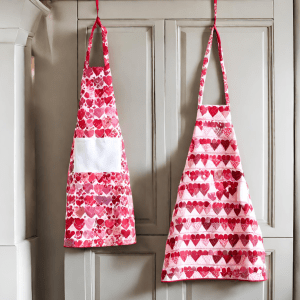
1. Culinary Harmony: Matching Aprons
Picture this: it’s Valentine’s Day, a day filled with love, laughter, and shared moments in the kitchen! As you whip up a delicious meal together, the matching aprons will bring a touch of laughter, a playful reminder of your shared love for culinary adventures and cheesy projects. It’s not just about the gift—it’s about the shared experiences, the laughter, and the beautiful memories you’ll create while cooking up a storm together, making this Valentine’s Day truly unforgettable.
To create your set this Valentine’s, here are a few things to have on hand. Choose durable and easy-to-clean fabrics suitable for aprons, such as cotton, linen, or canvas. Also, select a pattern that suits your skill level and desired style! Various apron styles are available, from simple waist aprons to full bib aprons with pockets, so find one that fits your cooking needs. Ensure the pattern is adjustable to fit different body sizes so you and your partner feel comfy in the kitchen!
Personalize these aprons with embroidered initials, whimsical patterns, or cute culinary motifs using the precision and creativity of our Tajima Sai or with the precision and versatility of JUKI machines complemented by the embroidery finesse of Tajima Sai and printing features of the RICOH Ri 100 machines. Let’s explore an assortment of heartwarming projects tailor-made for crafting love-filled memories together. Pay attention to details that can create a cohesive look. This includes matching or coordinating fabric patterns, colors, trims, or embellishments for both aprons! You can also add pockets and topstitch for added durability and aesthetic appeal.
For sewing aprons for the kitchen, you can use a standard or walking foot. A standard presser foot is suitable for most lightweight to medium-weight fabrics commonly used for aprons. A walking foot can help feed the fabric evenly and prevent shifting if you’re working with thicker fabrics or multiple layers. You can also consider using a zigzag stitch or an overcasting stitch to finish the edges of the apron for a clean and durable finish.
2. Dreamy Comfort: Personalized Pillow Covers
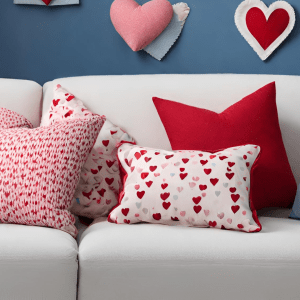
Valentine’s Day is a canvas for celebrating our unique love stories, and what better way to paint that picture than with personalized pillow covers? Imagine the joy of snuggling up to pillows adorned with inside jokes, shared memories, or heartfelt messages. It’s a chance to turn ordinary cushions into a delightful daily reminder of your special moments together!
For your own Personalized Pillow Covers, choose fabrics that complement your home decor or convey the theme or message you want to personalize. Take accurate measurements of your pillows before cutting the fabric to ensure a proper fit, and add seam allowance for a better finish. Add a closure! Choose an envelope closure, zipper closure, button closure, or even a snap, depending on your preference and sewing skill level.
Remember the inside! Depending on the fabric used and the desired finish, consider adding an inner lining or interfacing to give the pillow cover structure and durability. You can also add piping, trims, or decorative edges to enhance the aesthetic appeal of the pillow cover.
For adding piping, trims, or decorative edges, consider using a JUKI Piping Foot or a JUKI Overcasting Foot. The JUKI Piping Foot, designed with a groove for the piping cord, enables precise stitching close to the cord for a professional finish when attaching piping or decorative trims along the pillow cover edges. Alternatively, the JUKI Overcasting Foot is suitable for adding trims or finishing edges to prevent fraying, allowing for decorative overcasting stitches along the pillow cover’s perimeter.
Personalized pillow covers offer plenty of room for creativity! Experiment with initials, love quotes, or adorable motifs using the intricate capabilities of Tajima Sai embroidery machines, or check out our
With the precision and versatility of JUKI machines complemented by the embroidery finesse of Tajima Sai and the printing features of the RICOH Ri 100, let’s explore an assortment of heartwarming projects tailor-made for crafting love-filled memories together and add a personalized and heartfelt photo or hand-drawn design to your pillow covers.
3. Snugly Warmth: Cozy Blankets
Creating a cozy blanket for your partner this Valentine’s Day is a heartfelt gesture that encapsulates warmth, comfort, and love! Sewing or quilting a blanket allows you to pour love into every stitch, selecting the softest fabrics, personalized touches, and perhaps even embroidering initials or a heartfelt message.
Find a theme for your love quilt! Whether it’s a theme of your relationship or following the Valentine theme and using colors and designs that resonate with romance, this will be the basis for your fabric options. Traditional Valentine’s colors like red, pink, and white work well, but you can also opt for softer hues or a combination of your partner’s favorite colors.
If you’re into quilting, create a patchwork blanket using heart-shaped fabric pieces or a quilt design with love-themed patterns. Quilting can add a charming and intricate touch to the blankets!
To help you design this project, we recommend checking out JUKI’s new Hearts and Wings Ruler Set! This set offers the Cable Tool, Mini Heart, Traditional Hearts, Feathered Hearts, and Bird Bracket Chain rulers. Each ruler serves as a unique template, helping you bring individuality to your quilt! Whether you’re a seasoned quilter or a novice, the Hearts & Wings Ruler Set is an excellent addition to your tool set.
You can also add an extra touch of love with love quotes, poems, or meaningful messages embroidered into the blanket design using your Tajima Saior your machine’s letter stitch options. Adding decorative elements like lace trims, ribbons, or sewn-on heart-shaped patches enhances the blanket’s romantic vibe.
4. Unified Fashion: Embroidered Sweaters
Creating matching embroidered sweaters for your partner this Valentine’s Day is a heartfelt gesture that goes beyond a typical gift! It’s a beautiful way to express your love and unity as a couple. Sewing these sweaters allows you to infuse them with personalized touches, such as initials, meaningful symbols, or a special message, uniquely representing your bond.
Regarding the design, consider Valentine’s Day motifs like hearts, Cupid’s arrows, lovebirds, flowers, or romantic phrases. Opt for thread colors that evoke the Valentine’s Day palette—red, pink, white, and shades of purple. Metallic threads can add a touch of sparkle to your designs!
Remember to use a stabilizer to prevent puckering or stretching while embroidering, and use the smallest hoop necessary to secure the sweater without stretching it too much. When embroidering, plan the placement of your design thoughtfully. Centering it on the chest or towards the hemline can create a balanced look. Avoid areas that might cause discomfort when worn. Use the embroidery capabilities of the Tajima Sai machine to add monograms, intricate designs, or symbols that symbolize unity and warmth onto your sweaters!
Want to try out your hand at creating personalized sweaters? Use your digital sewing machine and check out the letter features, or use your Tajima Sai and follow along here for a demonstration on creating your own set!
5. Personal Footprints: Customized Shoes
From whimsical designs to meaningful initials or inside jokes intricately woven into the fabric, these shoes aren’t just footwear—they’re a token of your love. Gift them the joy of walking in style and stepping into every adventure with a reminder of your love!
For this project, select shoes made of a fabric that can accommodate embroidery. Canvas or denim shoes work well. We recommend testing your embroidery design on a similar fabric or scrap material to gauge how the stitches will appear on the shoe material. Adjust the design or thread colors as needed for better visibility or effect. Remember to use stabilizers appropriate for shoes! Self-adhesive or tear-away stabilizers can work well for this project, supporting the fabric during embroidery without leaving residue.
When it’s time to embroider, hoop the shoe fabric carefully and securely without damaging the shoe. Use smaller embroidery hoops suitable for the shoe’s size, ensuring the material remains taut but not overly stretched. Adjust your embroidery machine settings according to the shoe fabric. Test different stitch densities, speeds, and tensions to ensure a smooth and accurate embroidery process. Also, enjoy the pre-installed designs of the Tajima Sai program and add initials, patterns, or unique designs onto the canvas shoes!
Catch our February project live next week as we show you how to use the Tajima Sai to create your own pair here!
Celebrate your love and togetherness this Valentine’s Day by embarking on these heartwarming embroidery projects. With the precision of the JUKI and the capabilities of the Tajima Sai machine, transform simple fabrics into cherished tokens of your shared love and commitment!
Happy Valentine’s Day, JUKI lovers! We can’t wait to see your projects!









 sewinwithjuki.com