Spotlight: Meet Sherry Miller!

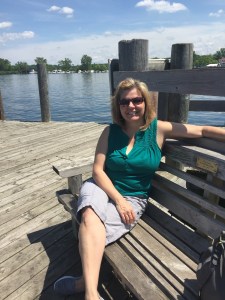
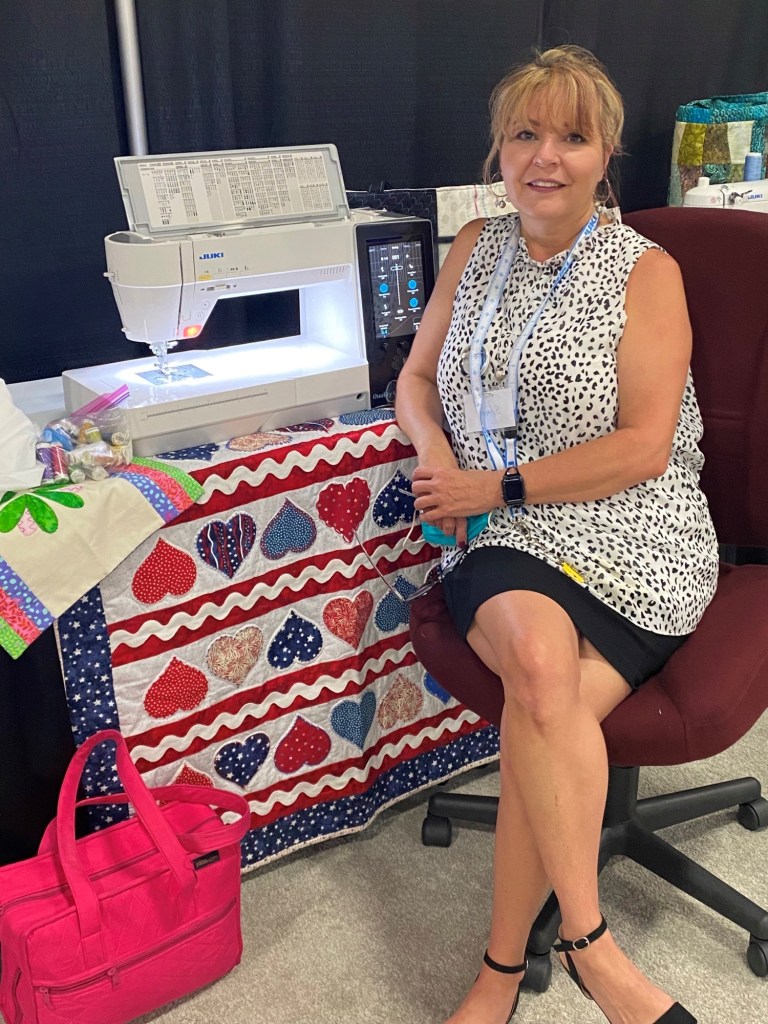
This month we are introducing our newest National JUKI educator, Sherry Miller, to the JUKI team!

With over 40 years of experience, Sherry began sewing around seven years old with her mother. Moving on to junior high and high school, Sherry began constructing outfits, a hobby she loved and continues to work on today. After turning 16, Sherry worked in a quilting shop and loved the experience! So much so that she would continue to stay on for the next 30 years, becoming one of their very own educators.

When asked about her favorite sewing memory, Sherry fondly looks back at when she made quilts with a Girl Scout troop for a homeless shelter. Seeing the excitement on the girl scouts’ faces as they put the squares together using a sewing machine, and tying them with yarn, was a heartwarming experience. When it came time to donate, the Girl Scouts group invited Sherry when presenting the quilt at the shelter.

While Sherry was working in the quilting shop, she began practicing her quilting techniques. Creating quilts and home decor samples at home for the store gave her confidence to write patterns and eventually teaching classes. It was here Sherry found her passion for teaching others!

“The most very favorite thing about being an educator is the joy on people’s faces when they accomplish something they thought they could never do! I like meeting new people and learning about their styles of sewing. With every person I help, I always learn something new!”

Since joining JUKI, Sherry finds the J-350 Longarm machine to be her favorite! As someone who loves working on free motion quilting and quilting with rulers, these machines have fit her needs each time. We are so excited to have Sherry Miller on board as she continues to teach our JUKI lovers new tips and tricks on their favorite machines.

Keep up to date with JUKI on https://jukiquilting.com/our-events/ and meet Sherry and our other educators at our next class!

JUKI Designer Ambassador: Kentaro Kameyama

Today we’re introducing a new member to the JUKI family, Kentaro Kameyama, a fashion designer. Japanese-born, Kentaro is based in Los Angeles, California, whose fashion focuses on minimalism and style. His concept is “keep your life simple and stylish.”

We are so excited to bring him on board as a JUKI Designer Ambassador and wanted to share more about him so our JUKI Lovers can get to know him!

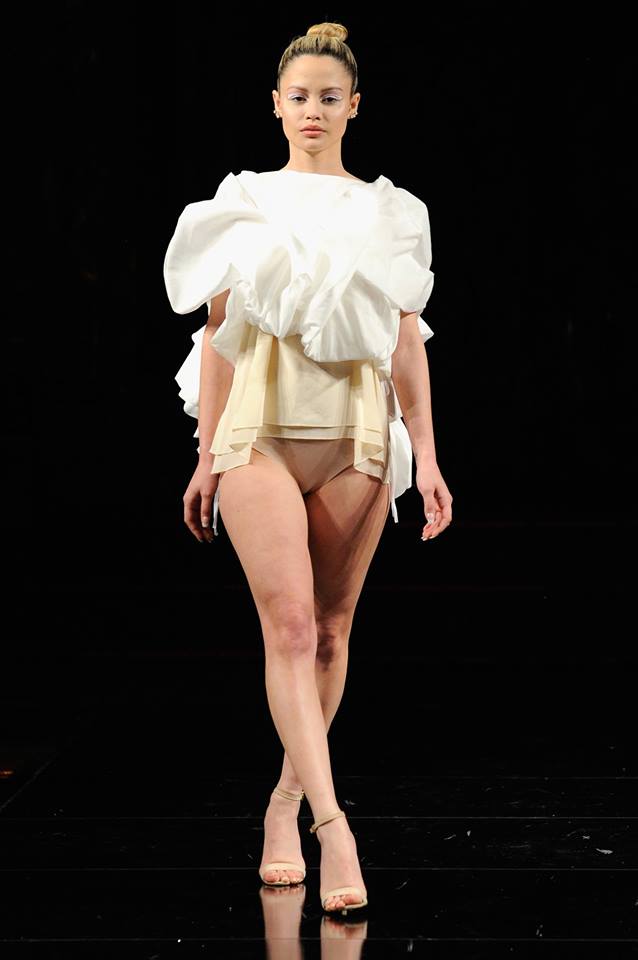
NYFW – 2018

Kentaro’s inspiration can be found anywhere and everywhere. He enjoys finding those special moments in life and creating his art from within. With a background in classical music, Kentaro’s style brings elegance to a manner that is still minimalist but stylish. His motivation is simple, “I don’t feel right when I’m not creating things.”

His favorite projects to work on are runway collections. No stranger to the runway, Kantaro has been featured in New York Fashion Week for his winning collection in “Project Runway” in 2018, NYFW Spring 2020, and NYFW Winter 2020. However, Kentaro states his most tremendous success in his career has been winning “Project Runway” season 16, as this was his entrance into the “in” crowd of the fashion world.

His Project Runway collection was true to himself. Embodying his style of minimalism, he created 10 looks that were presented to the judges. Every day, he saw a new way to find inspiration and built the project with his plans in mind. He would go on to win the season with his winning looks and would go on to present his collection at his first NYFW.

NYFW -2019

Kentaro moved on from NYFW to a new project, composing and designing an opera show on Alexander McQueen. Recounting the final hour of the designers’ life, the opera was hosted in Boston in 2019. Kentaro, besides composing and designing, also joined in as the piano player for the show. Stating this as his favorite project to have worked on, he showcased outfits from the show in NYFW later on.

As Kentaro continues his journey, we ask him what his favorite part about sewing is, and we bet you JUKI Lovers would agree; it’s the sound of the machines. Kentaro has loved everything about his sewing experience and is excited for the future of his work. He also has a few words of advice for those new to sewing, “make lots of mistakes.”

We hope you enjoyed getting to know Kentaro, our new JUKI Designer Ambassador, and we can’t wait to share more of his work in the future! Follow along here for more news on our ambassadors!

Which outfit was your favorite? Let us know below!

JUKI Designer Ambassador: Kenya Freeman

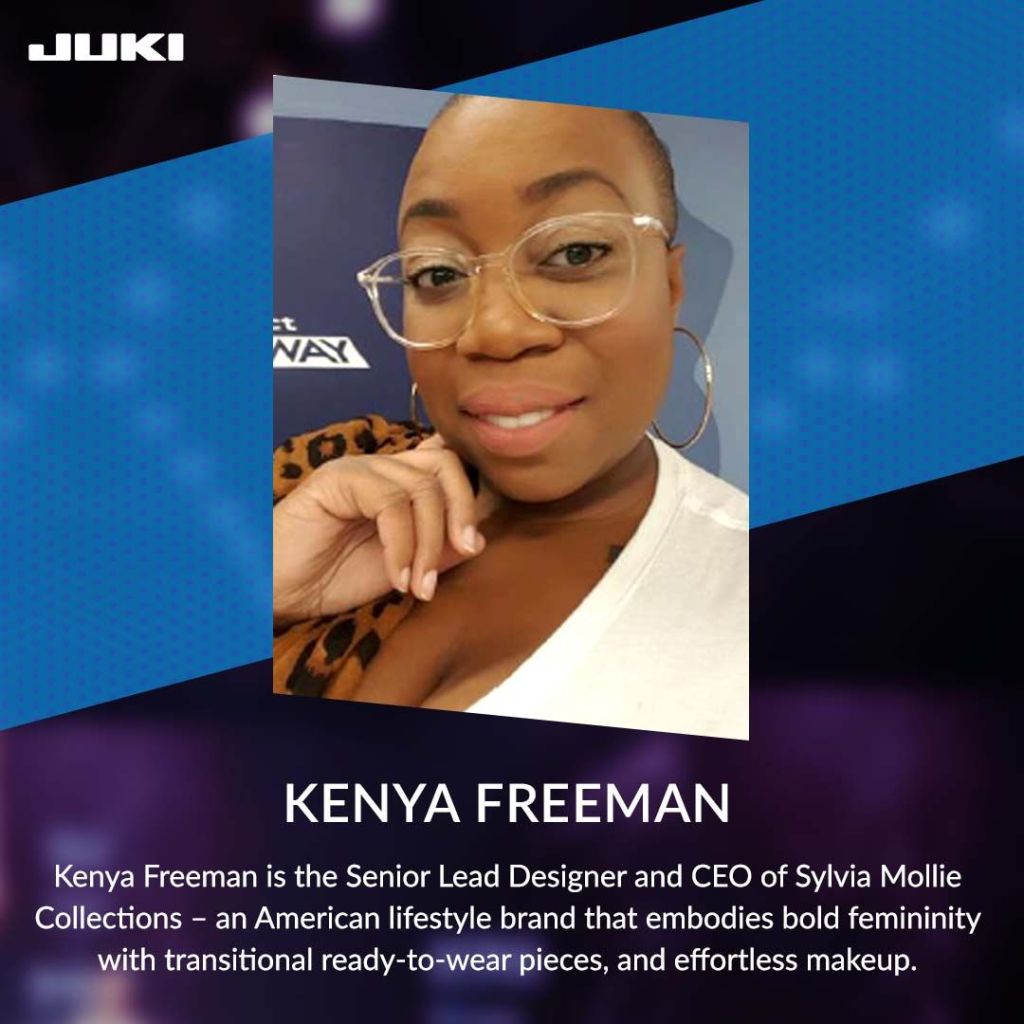
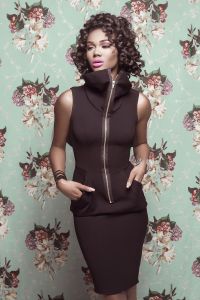
Meet our new JUKI Designer Ambassador, Kenya Freeman, CEO and Senior Lead Designer of Sylvia Mollie Collections – an American lifestyle brand that embodies bold femininity. Her garments are meant to instill power and confidence to fearless woman! And its’ because of this that Kenya’s motivation to create is simple: this is her purpose.

“It is my calling and my assignment beyond the passion. Knowing what I do is going to change the lives of many after me.”

We are very excited to have Kenya join the JUKI family as a JUKI Designer Ambassador and want to share a tidbit of her story with our JUKI Lovers! So follow along as we share a part of Kenya’s sewing journey.

Inspired by life, Kenya stumbles upon inspiration in her day-to-day activities. From dreams to the seasons, she’s always observing life outside of her home and the people she passes. Situations in life have continued to bring her inspiration, leading to her beautiful bold fashion pieces.

Kenya’s favorite pieces to work on are dresses. From the challenging cuts to the techniques she’s picked up, she looks forward to the pieces that will shine. Using Frixon pens, her favorite sewing trend, she drapes and uses her tool to mark those seams and lines. Her favorite part is heating it and seeing all the marks disappear from her work.

Kenya acclaims her season on Project Runway to be her most significant achievement in her sewing journey. Setting the tone for her future in fashion, Kenya’s life changed. As one of the top 5 finalists, Kenya’s work is loved by viewers. Her popularity quickly rose, and she inspired so many others to work on their skills.

Her love for sewing comes in full form when she sees the final product. It amazes her to see the process from concept to creation. As she continues to grow her brand Kenya’s primary goal is to relaunch her fashion line to sizes 10-20, creating an inclusive atmosphere for all fashion lovers.

Currently, in the process of the product development stage, Kenya is nothing but excited! With a roller coaster of an adventure since she joined the fashion industry, she’s experienced crazy, insane, exciting, devastating, and unforgettable moments. Her advice to sewers is simple, “Keep practicing. Keep practicing.  Keep practicing.  Never give up. It only gets better with time.”

We hope you enjoyed getting to learn about Kenya as much as we did, JUKI lovers! So join us on our socials and visit us here to keep up with our new friend Kenya and her journey in fashion.

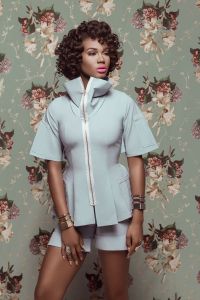
Which of Kenya’s pieces did you love the most? Let us know below!

How To Read A Pattern

We know how daunting it can be to use sewing patterns for the first time. No worries! We are here to help. Today, we are diving into the basics of how to read a sewing pattern. Follow along as we review the basic info you will need, as well as tips to keep in mind.

Let’s Begin!

Start by looking at the instructions section of the booklet or file. This section is loaded with information such as helpful tips before getting started and the best material to use for your project.

Find the Style Lines

When you open up your new pattern, look at the flat, drawn designs to get a better idea of whether this project is the right one for you. It’s a more accurate representation of what you will be sewing and less distracting than the 3D image usually shown at the front of the kit.

Think About Your Sewing Level!

Many patterns will indicate a level of difficulty for example if you’re a beginner, lean towards projects marked as “easy” because these will have a better guide on how to construct your project. They’ll indicate the right tools for each step and showcase how to properly do certain steps. For those that have more experience and feel they’re above the “easy” patterns, there are many options to choose from as well.

As you continue to grow your sewing skills, you’ll be able to explore more advanced patterns. We recommend checking out nearby sewing classes and checking out construction books to help! Don’t rely on one thing to grow. Continue to find different ways of creating projects through blogs, classes, and social media.

Check Out Fabric Suggestions

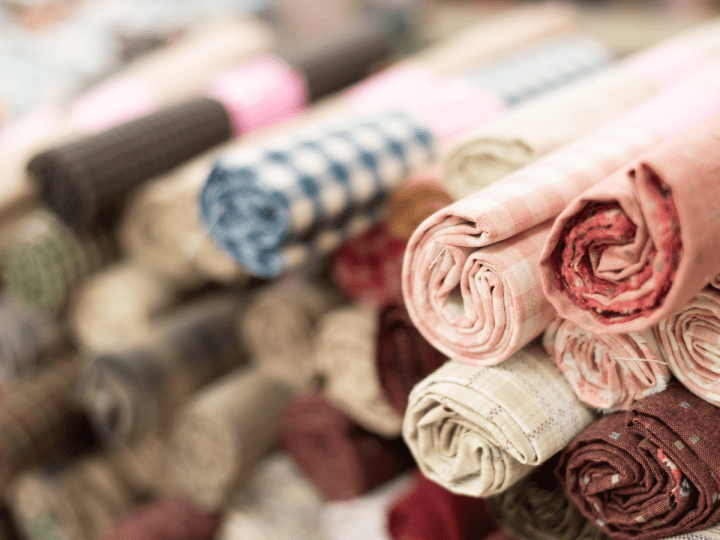
The best part about patterns is many give you the layout for what tools you’ll need on your new project. Many will suggest a fabric that is well suited to the pattern, whether it be because of durability, stretch, or material feel. Using the encouraged fabric will also get you closer to the desired look.

Once you have more experience in sewing, feel free to experiment with different fabrics! Sometimes, leaving the path and venturing out to try new fabrics in a project that called for something different can surprise you, or at least give you a lesson on why something won’t work next time.

Keeping Up with Yardage

Pattern designers will include fabric yardages to give you an idea of how much fabric you will need. While this should account for pre-wash shrinkage, we recommend buying at least 5-10% more than you’ll need. Think of this as a safe route in case your measurement needs to be higher for your fit or you want extra fabric for accessorizing a clothing project.

A hot tip is to pay attention to the width of the fabric. While the average width is usually 60″ or 44″, you can come across narrower fabrics. When this happens, keep in mind to buy more yardage to accommodate all the pattern pieces.

Don’t Forget Your Thread and Notions!

Patterns will include a list of notions you need for your project like elastic, zippers, and more. Add these to your shopping list!

Size Chart

The first mistake many make is trying to create sizing based on what people buy at the store! Located on your pattern, you will find a size key or chart that helps you choose the right lines for your size.

Make sure to create your project off your body measurements. Don’t worry if your measurements seem off that charts, charts are only averages, and many will experience this! Remember your size is always changing and it’s best to do this every month or so. We recommend determining the size to sew using different measurements for different pieces of clothing:

•          Top/dresses: Use chest (or high bust) circumference

•            Pants: Use the hips girth (meaning widest girth under the belt, usually around the seat)

•            Skirts: Use natural waist (even if the skirt will then sit in a low or high waist)

Time for the Pattern Pieces!

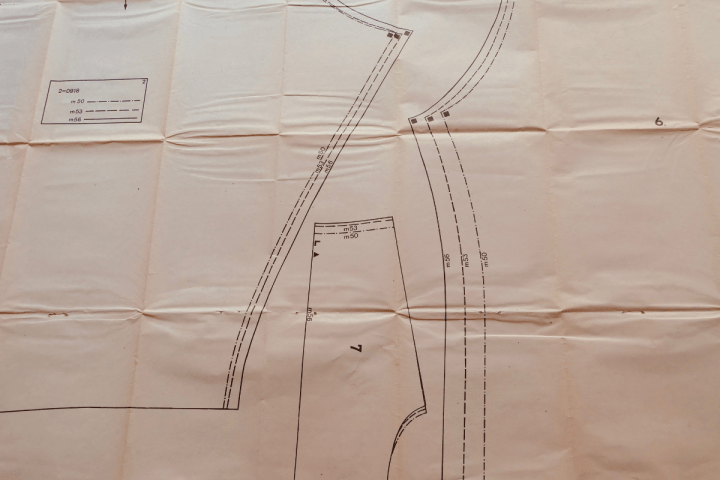
Check for which pieces need printing. Some patterns may include pieces for simple shapes that you cut by measurement only.

Read Your Symbols

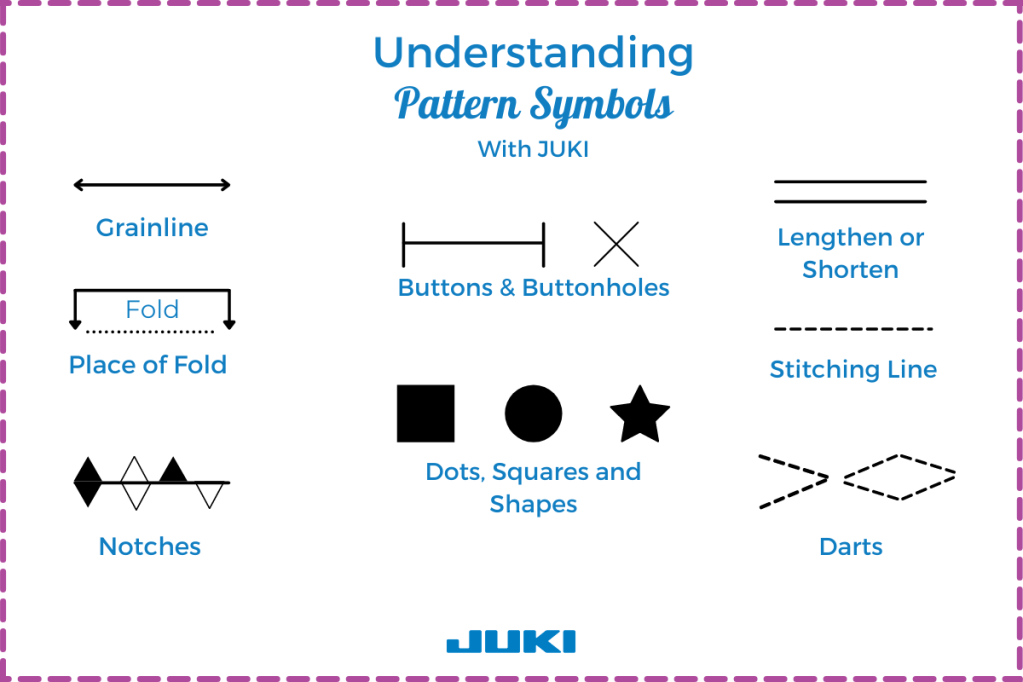
Symbols are how the designer communicates with you through their patterns! These symbols will show you how to place the pattern, access where the grainline is, what pieces need to align, and more. Refer to the symbol chart and mark when transferring the sewing pattern onto the fabric.

Let’s get to Cutting!

Now there are two ways you can cut. One method is by placing the pieces on top of the fabric and cut from there. However, many times this technique can waste a lot of fabric! Another way to do this is simply to place your cut-out pattern pieces on top of the fabric and play a game of Tetris by fitting the pieces. Make sure to follow the lines, and you’ll save fabric while getting the project done.

We hope this helps you the next time you decide to pick up a pattern book. Don’t forget to tag us on social media when you create a project using your favorite pattern book!
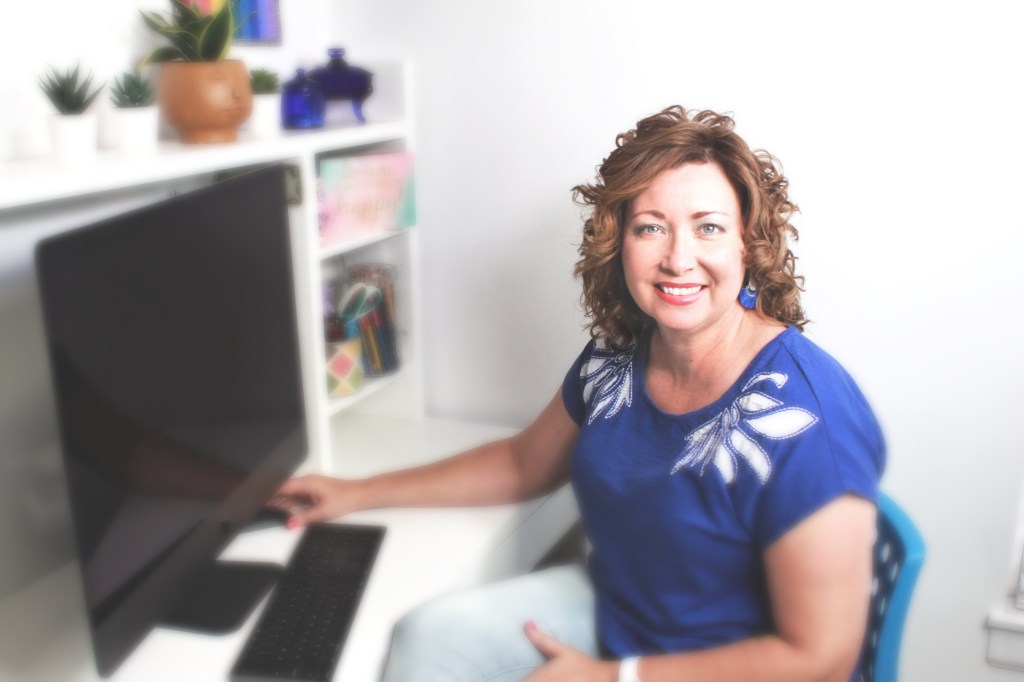
New Juki Brand Ambassador Alert! Meet Nicole Moore.

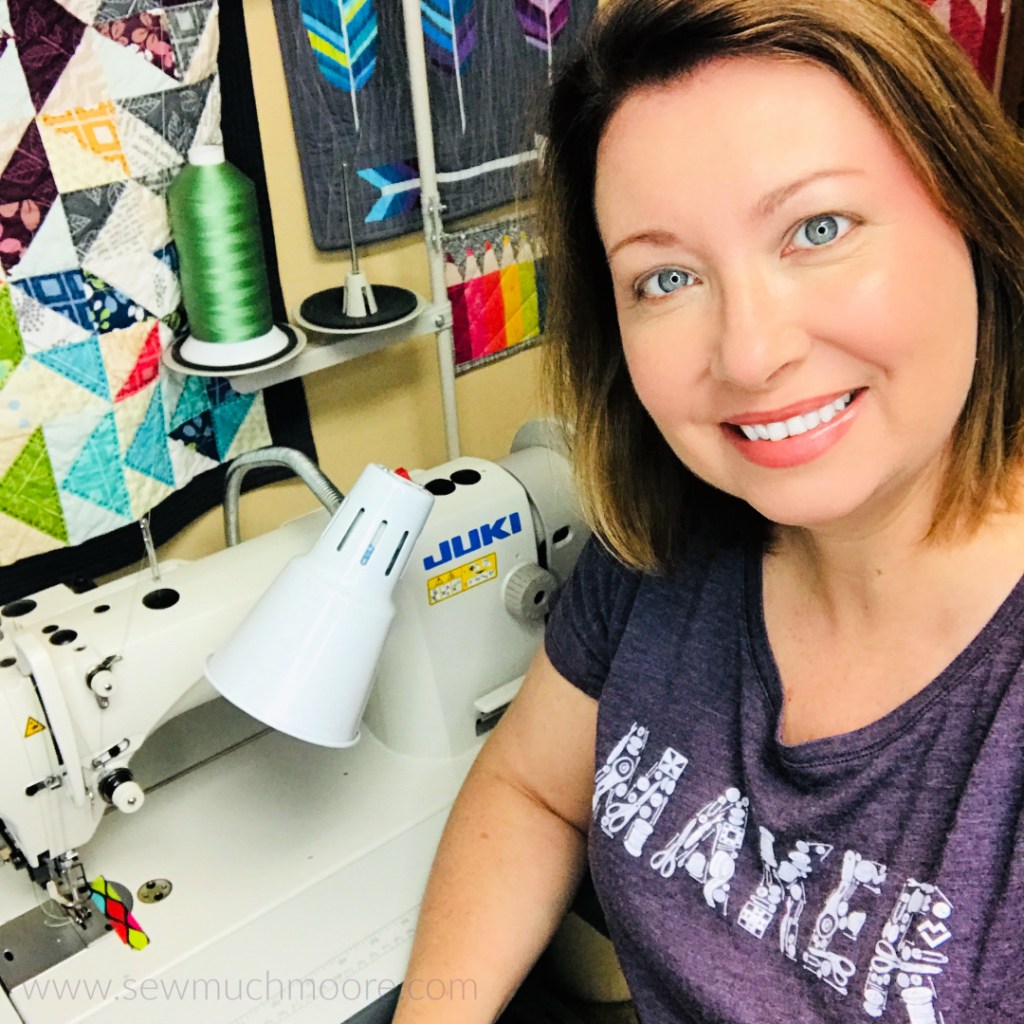
Sewing has always been a part of my life for as long as I can remember. When I was young, my mother sewed many of our outfits. We went to a private school, and with some additional help, she even sewed all the students’ uniforms. But it wasn’t just my mother who influenced my sewing journey, my paternal grandmother would sew Barbie clothes for me, which filled me with great delight! Later in life, my aunt helped me make curtains for my first apartment. Eventually, a majority of the women in our family started meeting regularly to either sew group projects or just work on our things. We still try to get together every year!

I didn’t start “seriously sewing” until I transitioned out of the corporate world (back in 2013). I’ve always been a driven and determined person and was convinced that there was more to being a stay-at-home mom than philanthropy and the car rider line. Most of my friends and all of my family knew that I love to sew. I was often asked to make things for people and told to sell my creations. I never really gave it too much thought until our local music Association hosted a craft fair. I decided to put myself out there and get a booth. I made several pillowcases and sold the majority of them at the craft fair. I was so excited about my success that I decided to open an Etsy shop and place the leftover products for sale online. This is how my company, Sew Much Moore In Store began. 

My Etsy shop was how I initially made money with sewing. I started with pillowcases, then transitioned to bags, and was doing well making custom ID wallets for people on my Etsy shop. During this time, I started a website and learned about blogging through an online course. I created multiple lines of income through affiliate marketing and paid sponsorships. It wasn’t until 2016 that I made my business legitimate. You see, Etsy sent me an email that said they needed either my social security number or my FEIN#. I decided to go ahead and get my business license and things took off from there.

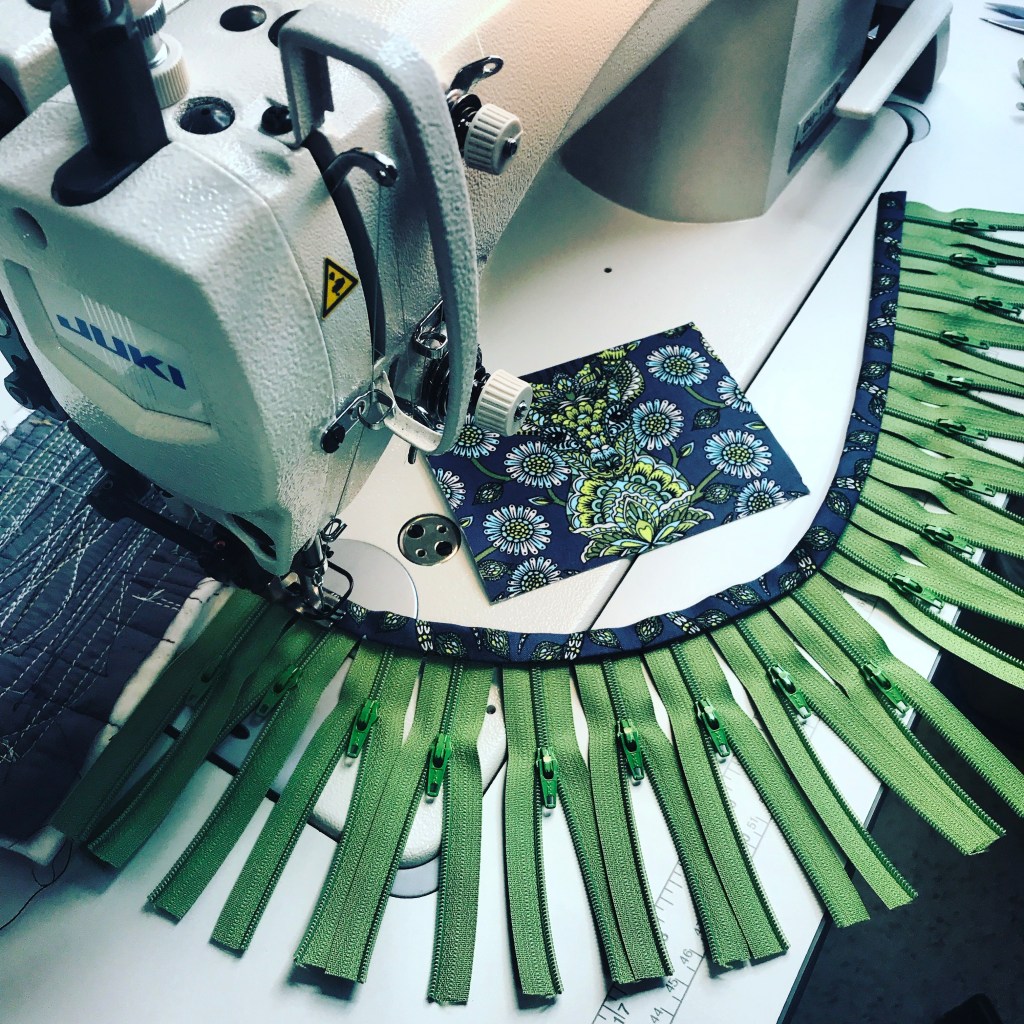
After I went legitimate, I was motivated and decided to give Amazon Handmade a try. At the time, I was using a hand-me-down 1984 Kenmore. This poor machine was on its last leg. I had made hundreds of ID wallets and make-up bags on it. I was constantly sending it in for service, and it just couldn’t keep up. When I opened my Amazon Handmade shop on Black Friday weekend, I made enough money to purchase my first Juki sewing machine. I’ve decided on an industrial sewing machine considering the amount of bags I was making in my commercial business. I purchased the Juki DU-1181N. I decided to get the servo motor so I could control the speed. I learned a great deal about industrial machines and even wrote a blog series which can be found here.  

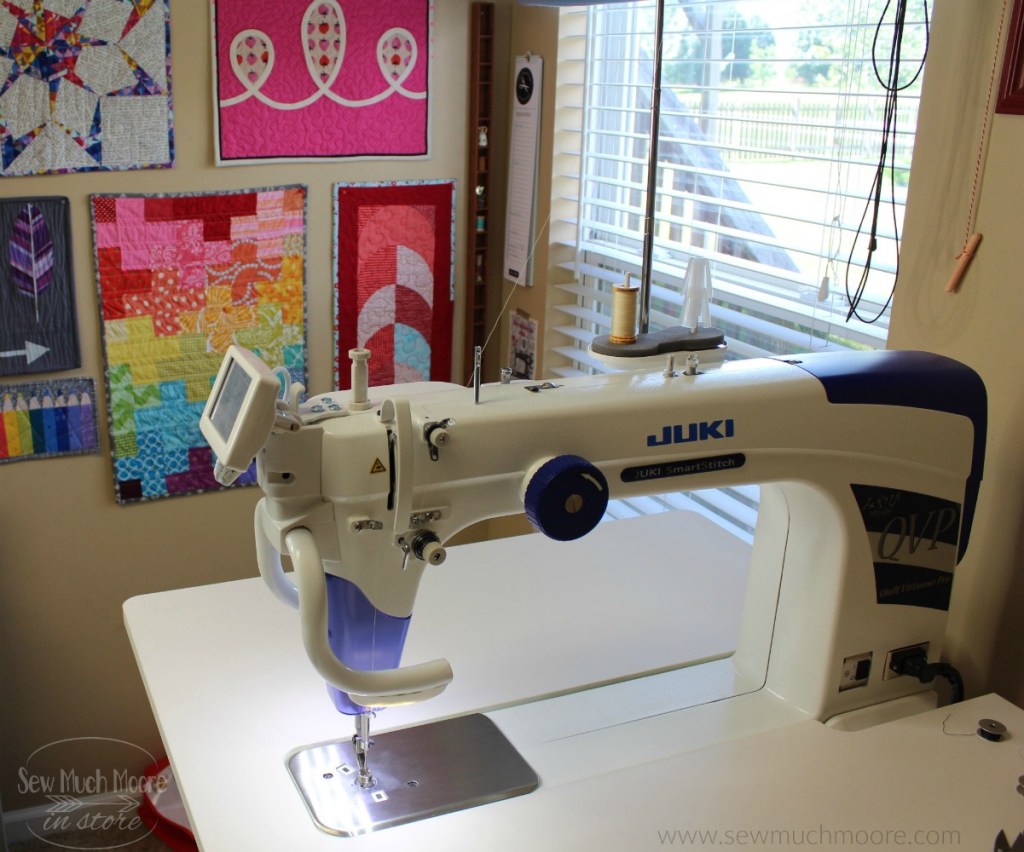
I found great success with my JUKI industrial, so it was an easy decision to purchase additional JUKI machines like the JUKI TL-2010Q straight stitch sewing machine. This is hands-down my favorite machine to sew on! I can easily piece my quilts, make most bags and even do some free motion quilting. It sews like a dream! And because I love free motion quilting, I added a JUKI J-350QVP as well. I occasionally quilt other people’s quilts, but because my long arm is currently on a table (and not a frame) I mostly just quilt my quilts with my J-350QVP. One of my business goals is to transition my long arm sit down to a frame and add the automation package. Both my kids are still in the house so until they fly the coop, I don’t have the real estate in my home for a longarm business right now. I’m also learning more about making garments so it only makes sense that I have a JUKI serger and cover stitch combo, MO-735. I bought these as gifts for my Mom and love to use them when I visit her. My mom still loves to teach me new things since sewing garments is something that I am still learning more about.

Speaking of sewing lessons… In 2017, I decided to add sewing lessons to my business! I was already contracted with a local quilt shop to teach monthly lessons to a kids club. I enjoyed working with the kids and decided to offer classes in my home for the local community. We don’t have a large space for group sewing, but we did manage to gather around the dining room table with our machines and learn about quilt piecing, bag making, and many other valuable sewing lessons. I continue to teach sewing and quilting through my videos and offer classes to guilds and quilt shops as well. To learn more about my lectures and and in-person workshops, you can visit my website here.  

2017 was also the year that I was nominated for the Vice President of programming for the Kansas City Modern Quilt Guild. During my two years of service, I had the opportunity to learn more about being a professional in the industry. I gained experience including contract negotiations, learning what a professional is worth, and the pleasure of getting to know so many inspiring creators in the industry. I was also pleased that the membership of the guild experienced tremendous growth during my years of service. I believe it had a lot to do with the talent we acquired for lectures and workshops. I also believe our guild was more successful in gaining new members and filling most sewing workshops because of the marketing efforts for the guild. My experience with Facebook pages, groups and events provided maximum exposure for our guild members and for potential members as well. We grew so much that we had to find a new place to meet as most meetings were “standing room only” and many workshops would sell out quickly.

I was getting comfortable with social media by this time and started engaging my audience through these platforms. By this time, my business had a weekly newsletter, a Pinterest marketing strategy, a social media schedule, patterns and products offerings on my WooCommerce website while still maintaining my Etsy and Amazon Handmade presence. I even started a custom t-shirt quilt business as well! With all these things going on, I decided it was time for a YouTube channel! This was a pretty good learning curve because I didn’t know much about editing videos. Fortunately, iMovie made it pretty simple and with the help of Google, I was able to start producing video tutorials. This new format helped reach a new audience and brought additional traffic to my website, which was now hosting advertising for yet another line of income to my business.  

Fast forward to 2019, and I was sharing every day on my Instagram stories. I would constantly get questions about my sewing business. These questions inquired about how I managed everything that I was doing, and it made me feel happy and excited to help other people do the same thing. I never thought about adding coaching to my business until I learned more about producing my online courses. I learned how to create my business by online learning, so it only made sense for me to create my own coaching company.

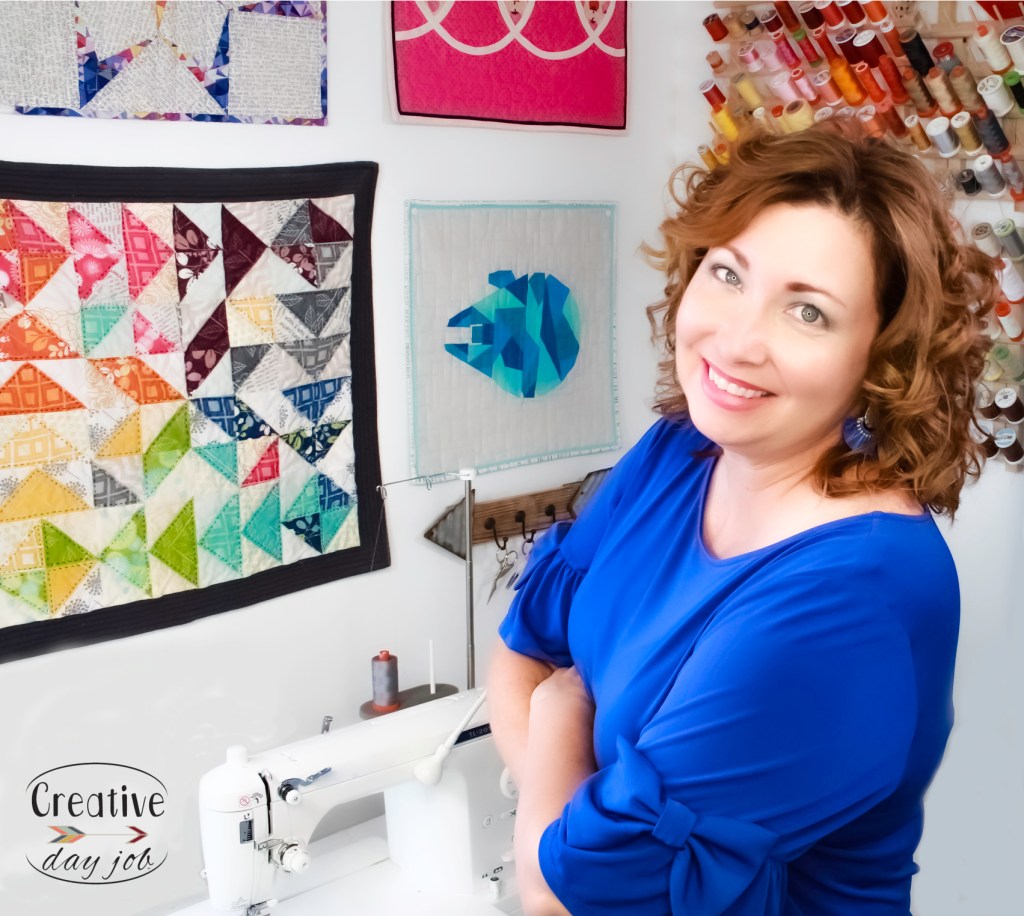
The Creative Day Job began in 2020 and it currently hosts multiple online courses that serves Creative Entrepreneurs (mostly in the sewing and quilting industry). I love to help sewers and quilters that want to turn their hobby into a business by navigating the technology and overwhelm so they can start earning income from their craft. If I were to give a piece of advice to someone about starting or creating their own sewing/quilting business, it would be this, “just get started.” There’s always going to be something to overcome or some obstacle that might get in your way, but if you just get started and keep moving forward you can do it also! To learn more about the Creative Day Job, you can visit my website here

I truly believe there is Sew Much Moore In Store for myself and my journey with the sewing and  quilting industry. I love to help people with their sewing and quilting projects and I love to help  people overcome their creative business obstacles. I especially love the JUKI brand because  with the help of their machines and technology, my work has become more productive and  enjoyable!  

There are several ways to stay in touch with Nicole. You can find her on Instagram every day.  Subscribe to her YouTube Channel and sign up for her Weekly Newsletter. Nicole even has a  Facebook Page and TikTok Channel. If you need help or are interested in starting a Creative  Business – be sure to visit the Creative Day Job website! 

When you follow Nicole, there is always Sew Much Moore In Store!

Author: Nicole Moore

Editing Team: JUKI