Clean Up with JUKI!

When was the last time you gave your machine some TLC? Today we’re going to go over some general tips on how to keep your sewing machine maintained and ready to sew! If your machine needs a deep cleaning, take it to a nearby sewing machine technician.

Let’s start with the basics: cleaning, oiling, and changing the needle.

External Cleaning

The best place to start cleaning is the outside of your machine. Turn all power off and unplug your machine before removing the needle and presser foot. This is a safety precaution to save you from being pricked.

Grab a microfiber cloth and dampen just a little and get to work! Stay away from using any harsh chemicals on your machine or solvents. We recommend a small amount of dissolved detergent or dish soap if you find a stain that won’t come out.

For those hard-to-reach spaces, we recommend using your craft pipe cleaner. It’s best to do this at a slow pace to avoid unnecessary damage to your machine, especially near a spot with wires. This way, you can avoid bending or wrongly adjusting anything.

Internal Cleaning

Once the outside of your machine is looking clean, let’s move on to the needle plate area. While each machine is different, your manuals will display how to remove your needle plate. If you find yourself without a physical manual, remember JUKI places digital manuals on our websites.

Begin by removing the screws from your needle plate using a T-shape screwdriver. Next, place the screws somewhere safe and secure. We don’t want to lose any!

Once you have removed the needle plate and secured your screws, it’s time to dust! Here we recommend using the brush your machine comes with or grabbing that craft pipe cleaner to remove the lint and dust. If you find any loose threads, use your tweezer to capture those stray strands slowly.

*Never use canned air on your machine. This will cause dirt and lint to be pushed further into your machine rather than clean it.*

Once you’ve dusted the general area, it’s time to focus on your bobbin area. Your first step is to remove the bobbin case and shuttle hook. Once that’s removed, you’ll be able to clean the space behind it where lint and dust fall. Remember to be gentle in the process, your machine has many parts and tricks, and it’s best to go slow and easy when cleaning.

Our best recommendation is to service your machine regularly. A professional sewing machine technician will safely clean out those spots you might have missed and access parts we wouldn’t recommend doing yourself.

Needle Plate & Bobbin Area for DX-4000QVP

Oiling

The first thing to know about oiling is not all machines will need it. The best place to find your answer is in your manual. Remember, if you find yourself with a lost manual, JUKI uploads our machine manuals on our website!

Something to keep in mind is that non-computerized machines, like our TL series, need regular oiling. However, our machines like the DX series are computerized and self-lubricating, so you do not need oil.

We recommend checking out our video here for maintenance and lubrication knowledge for our TL series.

If your machine requires oiling, your JUKI machine will come with a plastic container of sewing machine oil. You can also purchase this from your local sewing machine shops. Remember, your manual is your best friend! Requirements on where and how can be found there when it comes time to oil. We recommend applying one drop of oil to each arrow point shown above for every 4 to 8 hours of sewing. Use machine oil (New Defrix Oil No. 1) or similar supplied with the machine.

Changing the Needle

One of the most important things you can do is change your needle. Needles can dull, get bent, and become damaged, and it’s one of the most significant factors in your machine performance. We recommend changing your needle every 8 hours of usage or starting a new project.

A tip to keep in mind is that the flat side of the needle will usually face away from you on our DX series machines and face towards the right on our TL machines.  Recommend checking your manual. Always confirm that your needle is pushed up and that your screw is tightened to secure the needle in place.

Remember, depending on your project and fabrics is how you choose your needle. You want to make sure you’re using the right one for the job between different types of needles and sizes. This will lower the chances of needle breakage and machine error. Things to consider when choosing your needle are the fabric type, project idea, and thread.

When it comes to maintaining your machines, it’s best to take your time and go slow. If you’re ever in doubt about how to clean your machine, visit us on our JUKI Home Sewing Youtube page here.

You’ll be able to find maintenance videos on many of our machines and more! Don’t forget to stay tuned as we continue to launch new videos on JUKI machines and more.

Get down to Business with the Ricoh Ri 100!

Let’s get down to business with the Ricoh Ri 100! Adding this direct-to-garment printer to your at-home business is a great way to create personalized products like team uniforms, custom logo t-shirts, and more. Easy for beginners and experts alike, the RICOH is the perfect tool to get started.

Ricoh Ri 100 Features:

  • Compact & Portable
  • High-Quality Images & Products
  • Easy Design Software Included

Click here to see how the RICOH Ri 100 can help you start your printing business.

Click here to find your nearest JUKI Dealer for pricing.

Celebrate Festival Season with JUKI!

With the summer sun finally here, it’s time to start celebrating! This year’s festival season is kicking back up, and we wanted to share fashion ideas for your looks. With festival trends coming and going, here are some great options for you to recreate.

Face masks

While festival season comes back with a bang amidst Covid, it’s always fun to be fashionably safe! If you’re planning to wear a face mask, we recommend looking into nylon and spandex fabric. These materials are waterproof and come in a variety of exciting colors, perfect for hot outdoor days. Cotton is also a great choice and allows you more creativity in the designs. On top of a protective mask, you can wear an additional mask to accent any outfit. The additional mask can be made with beautiful fabrics featuring intricate designs like lace or flashy designs with sequins or beads! Adding accessories to your mask is easy when you use our beading presser footer. Personalize your mask to represent you!

Upcycled Looks

With quarantine bringing new life into the sewing world, expect to see people with new pieces they’ve handcrafted! It’s a great experience when you find something old and upcycle it into a new fashion statement. Grab old pieces you enjoy and a sewing machine like the HZL-80HP-A that helps you create fashion that goes together beautifully. We recommend ideas like patchwork, upcycling dresses into a two-piece set, or turning plain t-shirts into funky outfits!

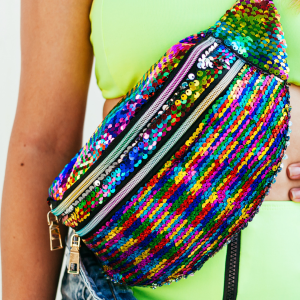
Small Mini Bags and Fanny Packs

Attend your next one with a comfortable mini purse or fanny pack that holds your essentials. Create them using intricate fabrics, faux fabrics, or add on embellishments to really wow! Creating beautiful bags is easy using a heavy-duty machine like our TL-2010Q. This sewing machine comes with accessories like our zipper attaching foot. We recommend fanny packs, tactical pouches, or cross-over slings when deciding to make a bag!

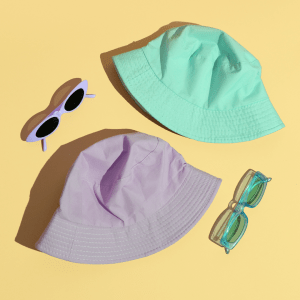
Bucket Hat

Bucket hats have made a comeback! Perfect for keeping shade while making a cute fashion statement, look into accessorizing with a bucket hat. Personalize by adding fun designs and embroidery using our Tajima Sai! Look into canvas or denim fabrics for the pieces on the inside for a sturdier feeling and clean look. A fun idea is to get your friends together and make matching ones!

Whether you’re going into festival season with the most outlandish outfits or a more toned back look, choose creativity and show up with your very own unique look!

Body Talk

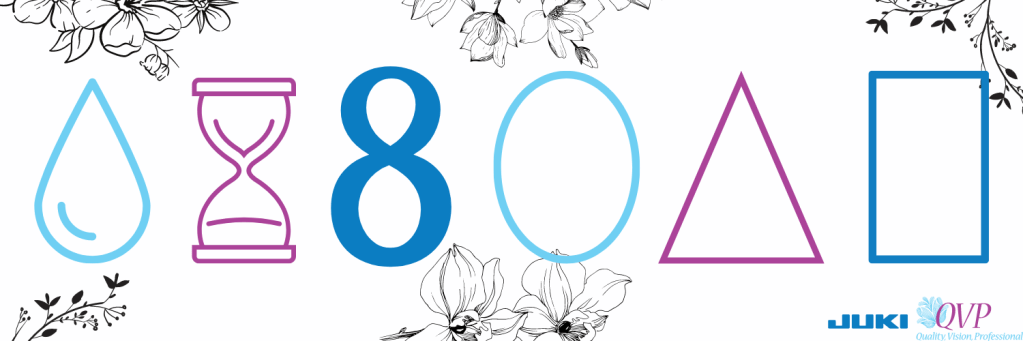
Today we’re going to talk about your body types JUKI Lovers! Do you ever feel like clothes look great on hangers but don’t flatter your own body? Our number one trick is remembering that it’s essential to style your body first and then worry about the clothing style. Make clothing that fits you perfectly, and give yourself that confidence you want!

People come in all different shapes and sizes, creating their fitting challenges. But don’t worry, with the clothing you sew and the body types your sewing for in mind, you can truly make a difference in any fashion statement.

Below we dived into some different body types and the best way to style and sew for them. Take a look and see what new ideas this might bring you!

Finding your Body Type

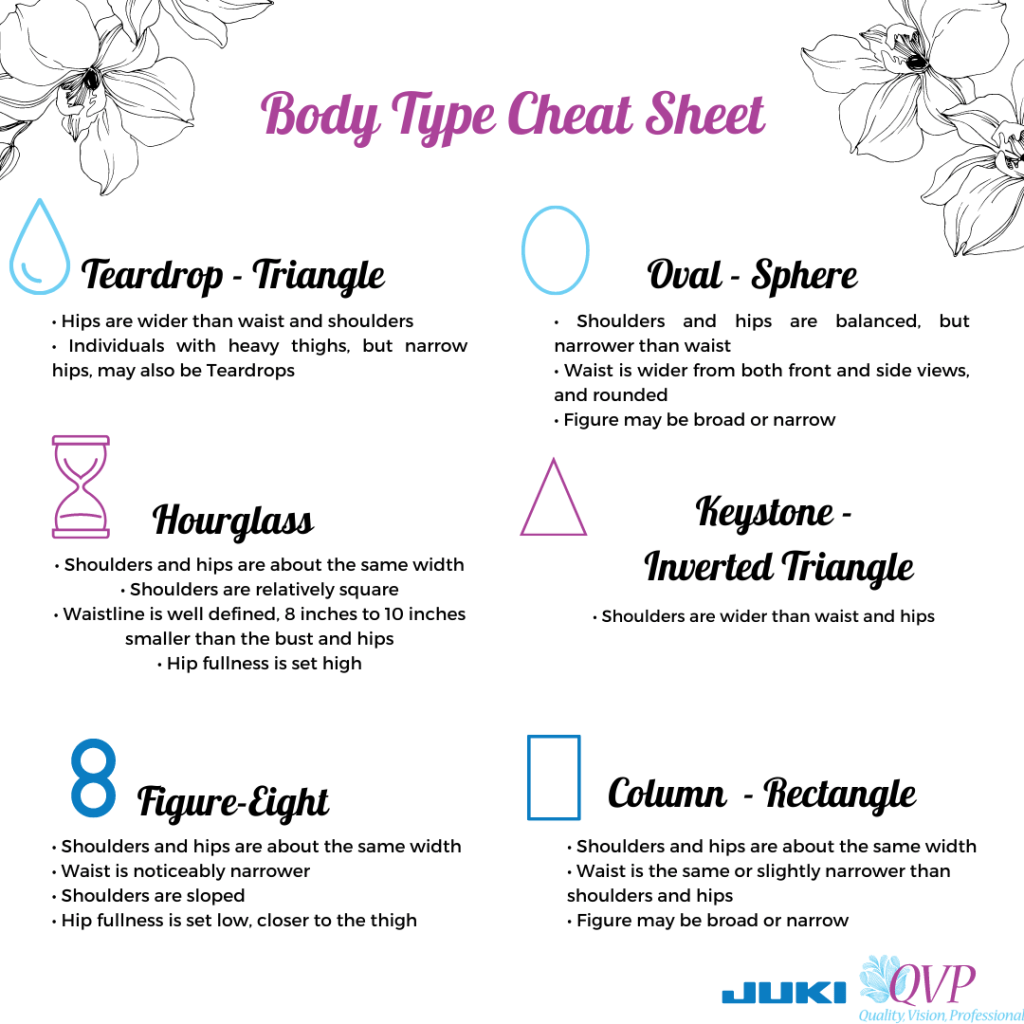
It’s always best to start with figuring out which body type matches you most. Use our cheat sheet below and see which one best resembles you! It’s 100% better to get a piece that fits you well after sewing for hours over your new project.

Sewing and Accessorizing for Your Body Type

The Teardrop Body
The teardrop body, also known as the A-types, becomes wider from the hip down. If you’re someone who wants to accentuate the top of your body, use bright color fabrics and prints; for the lower body, focus on muted tones. This will help your upper body stand out! You can also add decorative stitching around the bust and shoulders for an extra pop. If you find yourself wanting to accentuate your legs, look into designing pants with long straight wales or skirts that have open slits. Try to avoid vertical lines and bands, yokes, and hemlines at the full hip.

The Hourglass Body
Hourglass figures are known for their narrow waist and similar sizing in the bust and hips area. It’s best to maintain a balance in your outfits by avoiding the addition of volume to shoulders and hips. Try selecting patterns that follow natural curves and allow you to emphasize your waist. Try to avoid styles that conceal or widen the waist. Simple things like tucking in your shirt or wearing wide-legged boot cut jeans are great ways to complement the body.

The Figure Eight (8) Body
These body figures often have rounded shoulders, sturdy hips, a slender waist, and a short upper body. Usually having a larger bust and curves, we recommend accentuating your features by creating beautiful belts that outline your waist. Creating projects like pencil skirts for yourself or using fabrics with a fluid drape are perfect ways to sew for yourself! A practice we recommend is using contrasting colors at your waistline to accentuate or choosing styles and patterns that sit at your natural waistline. Balance your style by adding interest with volume found in ruffles using gathering techniques. Try to avoid boxy, loose styles that conceal the waist.

The Oval Body
There are many ways to accentuate the oval body shape, like narrowing your waist with styles that use vertical or diagonal details at the body’s center. Break up the waist and hip using vertical line designs. Try to avoid pieces that are bright or light since these shine at the waist. Draw attention to your shoulders and hips by adding dimension with volume using gathers or ruffles. Avoid using designs that widen the shoulders and go towards pieces that balance out your look. Accentuate your legs by creating your own slit skirts or straight dress patterns to create a more extended look.

The Keystone Body
Usually obtaining a more athletic build, keystone body shapes are built with shoulders that are broader than the hips. Depending on which you prefer to accentuate the waist or shoulders, you can follow different design paths. Using design patterns for skirts with bright colors or patterns is a great way to bring attention to your lower body. If you want to accentuate your upper body, try to stay at hip length to focus on your waist. Embrace your looks with halter tops and diagonal shoulder seam lines, but avoid shoulders with sleeve-cap detail or padding.

The Column Body
The column body tends to have shoulders and hips more or less the same width and less of a defined waist, but for those that want a defined waist, it’s easier than you think! Use tricks to make your upper body look longer with tops that stop at your waist. Using tight jeans instead of looser ones will help accentuate the waist better as well. Look into patterns that offer knee-length dresses to make yourself seem taller. A great tip is equaling out your shoulder and hips to narrow the waistline. Using diagonal lines at the shoulder and hem, direct people to see toward your center front. Avoid using contrasting colors at the waist to create a more balanced look.

When you create with the idea in mind to match your clothing style with your figure or body style, you will create projects that have you enjoy clothing construction for yourself more. Remember to keep a balance between your frame and fashion. Focus on playing up the parts of your body you enjoy and create pieces that drive focus away from those features you don’t want to emphasize. We hope you enjoyed these suggestions! Have fun with fashion.