Embrace the Cozy Season

It’s almost time for Fall JUKI lovers, so let’s indulge in sewing projects that capture the essence of Fall! Whether you’re a sewist or a quilter, Fall offers a beautiful opportunity to create cozy, stylish, and functional items for yourself and your loved ones.

In this blog, we have three projects you can create this autumn and recommendations for JUKI machines, accessories, fabrics, notions, and threads to ensure your creations turn out beautifully! Let’s go ahead and dive into one project we’ll be sharing later this month.

  1. Autumn Throw Pillows

The JUKI TL-18QVP is ideal for creating autumn throw pillows. It offers precision and versatility for piecing and quilting. Its robust build and advanced features, like the automatic needle threader and adjustable presser foot pressure, make it perfect for adding decorative touches to your pillow project.
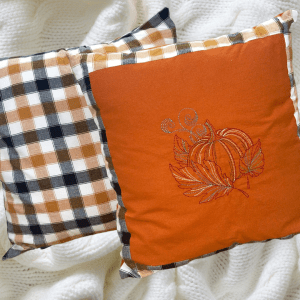
We recommend using autumn colors like deep oranges, rich browns, and forest greens in fabrics like cotton or linen. These materials are durable, easy to work with, and ideal for home décor. Consider patterns with leaves, pumpkins, or plaid for a seasonal touch!

When it comes to notions, choose a high-quality pillow form for a plush finish, or use the stuffing for a custom shape like a leaf, ensuring it’s filled to your desired firmness. For marking your design, use a fabric marking pen or chalk marker, preferably with disappearing ink for easy removal.

When it comes to thread, select a high-quality polyester in a matching or contrasting color to enhance your pillow’s design. This will provide durability and a smooth finish. A universal 80/12 needle works well for most cotton and linen fabrics, while a 90/14 needle is better suited for heavier materials, such as vinyl, if you’re planning to use it in your projects.

Stay tuned here for our project release!

JUKI Accessories:

  • Walking Foot: This foot is ideal for sewing through multiple layers of fabric, ensuring smooth feeding of the fabric for a professional finish. It’s handy when working with thicker fabrics or multiple layers.
  • Free Motion Foot: Perfect for adding custom quilting designs and free-motion embroidery to your pillow. It allows for greater control over stitching patterns and design elements.

Additional Tips:

  • Pre-Wash Fabric: Pre-wash and iron your fabrics before cutting to prevent shrinkage and ensure smooth sewing.
  • Press Seams: Press seams open or to one side to create a crisp, professional finish.

2. Cozy Beanie
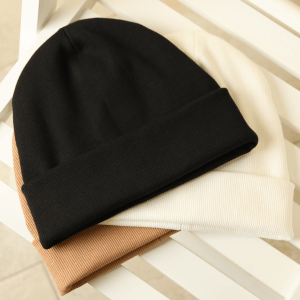
The next project we’d recommend trying your hand at is a cozy beanie! For a cozy beanie, select warm and stretchy fabrics like fleece or jersey in autumn colors or patterns. These materials provide comfort and warmth on chilly days, and those with spandex or elastane offer added stretch.

The JUKI MO-2000QVP serger is a good choice for this project. Our sergers can efficiently handle knit fabrics and sew and finish edges with precision in one step. You can incorporate an elastic band to keep the beanie in place and maintain its shape to ensure a snug fit. Fabric clips can help hold knit fabric layers together without causing snags or distortions.

Remember your thread! Polyester thread offers both stretch and durability to prevent breakage or unraveling with the fabric’s stretch. A ballpoint needle, size 70/10 or 80/12, is ideal for knit fabrics, as its rounded tip helps avoid snags and skipped stitches.

JUKI Accessories:

  • Elastic Foot: Attach elastic bands evenly and securely.
  • Gathering Foot: Create ruffles or gather fabric; it can add decorative elements to your beanie.

Additional Tips:

  • Stretch Stitch Settings: Use the serger’s stretch stitch options or differential feed settings to ensure the fabric maintains its stretch and does not distort.
  • Use Fabric Clips: Instead of pins, use fabric clips to hold knit layers together to avoid snagging and ensure a smooth sewing experience.

3. Quilted Autumn Table Runner

For this project, check out the JUKI Kirei HZL-NX7. Like our other computerized machines, The HZL excels in quilting projects by providing ample space and quilting features perfect for crafting detailed and beautiful autumn table runners. The ample throat space and quilting capabilities make it ideal for handling larger projects.

For a quilted autumn table runner, choose cotton quilting fabrics in warm autumn colors and patterns. Fabrics like flannel or cotton with leaf or plaid designs will give your table runner a seasonal touch. Quilting cottons are durable and come in a range of fall-themed prints!
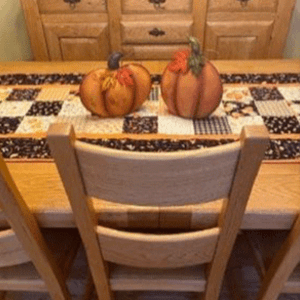
Check out medium-weight batting to provide coziness and structure to your table runner. Cotton or polyester batting works well for quilting projects, too. We recommend keeping your quilt ruler and rotary cutter nearby for precise cutting and piecing of quilt blocks. This helps to ensure accurate measurements and clean edges.

And, of course, thread! We recommend using 100% cotton quilting thread to achieve a smooth, durable finish. This thread can be used for both piecing and quilting since it blends seamlessly with quilting fabrics. The quilting needle, size 75/11 or 80/12, both are suitable for handling multiple layers of fabric and the thickness of batting.

JUKI Accessories:

  • Quilting Foot: This is essential for free-motion quilting. It allows you to maneuver your quilt with ease and helps create intricate quilting designs without getting caught in the fabric.
  • Extension Table: If you need extra space, we recommend this one. It’ll provide extra space for quilting larger projects and help maintain smooth fabric movement. It’s beneficial for managing the bulk of a quilted project.

Additional Tips:

  • Quilt Designs: Experiment with different quilting designs, such as meandering or echo quilting, to add texture and interest to your table runner.

These fall projects are a delightful way to decorate your home and wardrobe with seasonal charm! Creating projects like throw pillows, beanies, and table runners brings a touch of Fall into your daily life and enjoyment in making something beautiful and functional.

Each project offers an opportunity to experiment with seasonal fabrics and patterns, transforming simple materials into cozy, personalized décor and accessories that reflect the theme of Fall.

With the right JUKI machine and accessories, you’ll have the tools to craft these fall projects easily! Whether you’re using a serger, computerized, or semi-industrial sewing machine, these machines’ quality and versatility ensure your projects turn out beautifully. Find the right fabrics, notions, and threads, and you’ll be equipped to produce stunning pieces that celebrate the fall season in style. Happy sewing!
What’s the JUKI Stitch?

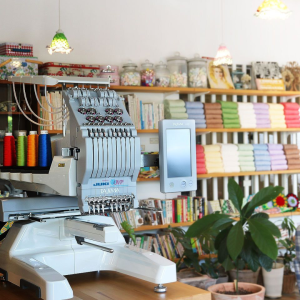
Halloween is the perfect time to let your creativity run wild, and if you’re looking to take your sewing projects to the next level, it’s time for you to check out the TAJIMA 8-needle embroidery machine! Known for its versatility and advanced features, this machine is ideal for easily creating detailed, spooktacular designs. Let’s explore how the TAJIMA 8-needle machine and its various accessories can bring your Halloween dream costumes to life!

Discover the TAJIMA 8-Needle Embroidery Machine.

The TAJIMA 8-needle embroidery machine is known for its precision and versatility. It features eight needles, allowing users to embroider up to eight thread colors in a single pass. This multi-needle setup is beneficial for creating complex and colorful designs, making it the perfect companion for projects like detailed Halloween costumes or elaborate decorations that require a broad spectrum of colors. The machine’s innovative design incorporates a computerized control panel that allows for easy programming and design customization, allowing users to execute intricate patterns easily.

The  TAJIMA 8-needle machine operates with high efficiency and speed, thanks to its advanced motor system and precise stitch control. It comes equipped with automatic thread tensioning and color change capabilities and ensures stability during use! It is an excellent machine for various project needs, like creating personalized apparel, home décor items, and more! The TAJIMA machine’s ability to handle diverse and exciting projects makes it a fantastic tool for professional embroiderers and hobbyists looking for high-quality results.

You can learn more about the TAJIMA Sai here!

Accessories for Every Project

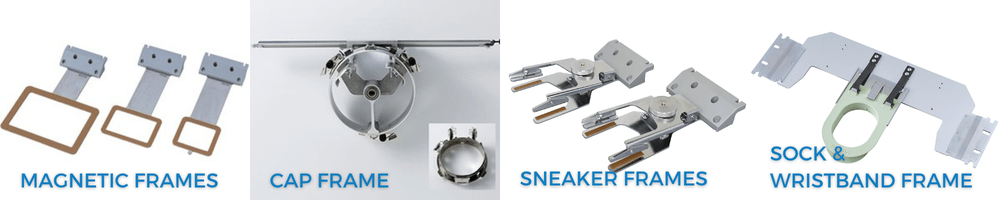
Now, let’s talk about the TAJIMA 8-needle machine accessories, available to enhance your sewing experience for the costume season! These accessories will make it easier to tackle various types of projects, from large capes to intricate embroidery on smaller items like hats or dress collars:

  • Magnetic Frames: For big projects like Halloween quilts, the large magnetic frame allows you to stitch larger areas in one go, reducing the need for multiple frames and ensuring a seamless design. Think of designs you want to add, like quotes, witch drawings, or bats!
  • Cap Frames: When working on Halloween hats or themed caps, the cap frames ensure precise and smooth embroidery, accommodating the curvature of the hat and providing a professional finish. Here you can add designs like ghosts or a phrase like “BOO!”
  • Sneaker Frames: Sneaker frames are perfect for customizing Halloween-themed sneakers. They allow detailed embroidery on the unconventional surface of sneakers, making your designs pop. This is a great way to accessorize a costume! Add spooky designs, use glow-in-the-dark thread, or stitch patterns like spider webs for a vampire costume.
  • Sock and Wristband Frame: Embroidering on sweaters or jackets for a spooky Halloween look is made easy with these specialized hoops. They hold the fabric securely while you stitch, ensuring accuracy and reducing the risk of fabric shifting. You add details to the sleeves, like pumpkins or fall leaves, for a more generic fall look!

You can watch these accessories in action by visiting our JUKI Home Sewing YouTube here.

Incorporating Built-In Stitch Designs into Halloween Projects

With the TAJIMA 8-needle embroidery machine, the possibilities for Halloween projects are endless. If you don’t know what you would add to your Halloween costume or decorations, we’ve put a few ideas below. Here are some creative ideas to inspire your spooky creations!

a. Haunted House Quilts: Turn a standard quilt into a haunted masterpiece with ghostly and cobweb-inspired stitch designs. The machine’s stitches can create delicate, eerie patterns, while bold silhouettes like bats or witches add a striking effect.

b. Spooky Embellished Costumes: Enhance your Halloween costumes with embroidered details. Use the 8-needle capability to incorporate multiple thread colors and designs, such as eerie eyeballs or gothic patterns, adding a unique touch to cloaks, capes, and more. Layer your stitching to add texture to your designs and vision!

c. Halloween-Themed Accessories: Elevate your trick-or-treat bags, spooky pillows, and other accessories with intricate embroidered designs. Utilize spider webs, jack-o’-lanterns, or black cats in vibrant thread colors to make your accessories stand out. Looking for a trick or treat bag idea? Visit us here for free project ideas!

d. Personalized Home Decor: Create personalized Halloween decorations by embroidering spooky quotes or family traditions on table runners or wall hangings. The TAJIMA machine’s variety of stitch textures allows you to create striking and unique decor items.

Tips for Creative Success

Experimenting with textures is key to making the most of your TAJIMA 8-needle embroidery machine. The machine offers a variety of stitch textures that can add dimension and depth to your Halloween projects. You can create more engaging and visually interesting designs by layering different stitches.

Color choice is also crucial for Halloween projects. This holiday is known for its bold and vibrant colors, and the TAJIMA machine’s ability to handle up to eight thread colors simultaneously allows you to craft intricate, multi-colored designs that truly stand out. Use colors wisely to achieve the most striking effects, like Pumpkin Orange, Midnight Black, Eerie Purple, or Vampire Red.

Before diving into your main project, take some time to experiment with different stitch designs and thread colors. This practice will help you understand how various elements interact and allow you to refine your approach, ensuring the best possible outcome for your Halloween creations.

Need help deciding on what to be this year for Halloween? Finding inspiration for your embroidery projects can be an exciting journey, and there are numerous ways to spark your creativity! Explore Pinterest, Instagram, and dedicated crafting websites to learn more about current trends and unique ideas. Check out the JUKI Home Sewing social media pages or website for project inspiration and tips that can provide fresh ideas and motivation for your next work!

Ready to get stitching? The TAJIMA 8-needle embroidery machine gives you the tools and features to create exceptional Halloween designs. So grab your fabrics, choose your threads, and let the embroidery magic begin!

JUKI Tip: Using the Needle Threader on the DX-4000QVP

In this JUKI tip, we have JUKI Educator Kelly with JUKI America focus on the needle threader for the DX-4000QVP! This is a fabulous tool found on your DX Series machines, so let us give you the right steps to ensure that it works every time you’re ready to create.

When you thread the DX-4000QVP you’re following a numerical system. The system starts with 1 where you begin thread set up, threading your machine by the guide above the needle to number 6 where you get to the final steps to thread your needle, which are 7 and 8. This part is simple! Follow the number system as you thread your machine from top to bottom.

At Step 7 you’ll put the thread in the needle threader! Watch as we pop the thread in there, and push the needle threader lever down. This will deliver the thread through the eye of the needle and then you simply just pull the loop to the back. After your needle has been threaded, the thread cutter is number 8. Here you trim your thread by pulling the thread piece back and cutting, and you’ll be all set to begin sewing!

It’s that easy! Thank you so much for joining us today for another tip from JUKI.

Please Subscribe and we look forward to seeing you again on another tip or project!

Adventures in JUKI Decorative Stitches

When it comes to sewing, the magic is in the details, and nothing adds a touch of flair quite like the right decorative stitch! Whether you’re embellishing a cape or creating a statement dress, JUKI’s decorative stitches open up a world of creative possibilities. In this adventure, we’ll dive into our favorite stitches and share tips on when and where to use them to make your costume stand out!

Machine Options

Before we dive into specifics, let’s take a moment to talk about the JUKI sewing machines that offer decorative stitches. Known for their precision and durability, JUKI machines come equipped with a wide variety of stitches that cater to every sewing need, from basic to intricate projects.

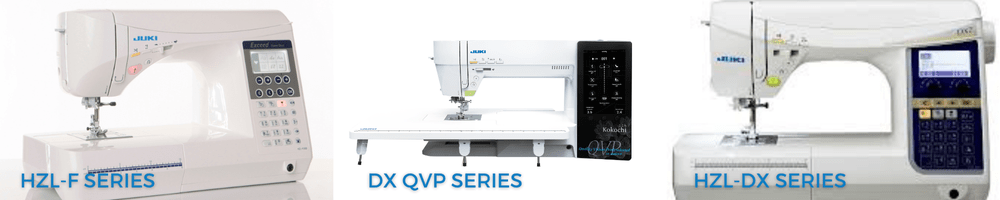
  • JUKI HZL-F Series: The HZL-F Series are powerhouse options that can reach over 250 built-in stitches, including decorative. You’ll find everything from floral patterns to geometric designs, perfect for adding unique touches to your projects. This model also includes alphanumeric stitches, so you can personalize your creations with names or messages!
  • JUKI DX QVP Series: The DX QVP Series offers up to 287 stitch patterns, including several exclusive decorative stitches designed for quilters and fashion creators alike. This machine is perfect for costume accessories that require precise stitching and detailed embellishments! The machine’s advanced features, like the floating presser foot, make it easy to work with thick fabrics or multiple layers.
  • JUKI HZL-DX Series: Reaching up to 287 stitches, including 16 different buttonhole styles and various decorative stitches, the HZL-DX Series is ideal for those who want to experiment with various designs in one project. The machine’s intuitive controls make it easy to switch between stitches, allowing you to quickly add intricate details to your projects.

Decorative Stitches On JUKI

Now, let’s talk about some decorative stitches in your machines. These stitches are more than just pretty patterns—they’re functional add-ons that can elevate your sewing projects. Here are a few recommendations on how to make the most of these stitches in your next creation:

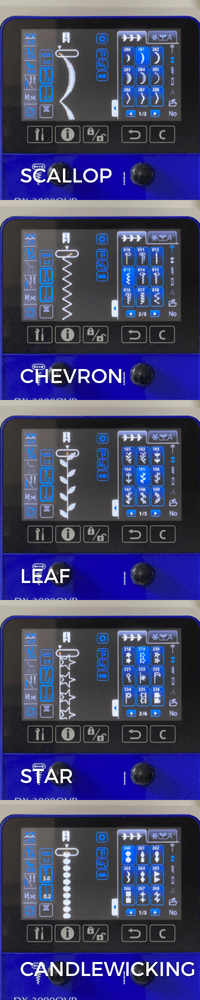
  1. Scallop Stitch: The scallop stitch adds a delicate, feminine touch to the edges of the fabric. It’s perfect for finishing off a scarf with a soft, wavy edge or adding a whimsical border to a cape. Pair it with a contrasting thread for extra pop. It is perfect for the edges of scarves, capes, and hems.
  2. Chevron Stitch: The Chevron stitch brings your projects a bold, geometric flair. This is a fantastic choice for accenting belts or bag straps, offering durability and a stylish design. It also works wonderfully around the brim of a hat, adding texture and visual interest. Perfect for belts, bags, and much more!
  3.  Leaf Stitch: The leaf stitch is ideal for nature-inspired designs. Imagine a flowing cape with a vine of leaves winding around the edges or a bag with leafy embellishments. This stitch adds an organic feel to your projects, making it perfect for costumes with a natural or fantasy theme. Perfect for capes, bags, and collars.
  4. Star Stitch: The star stitch is playful and eye-catching, perfect for superhero-themed costumes. It can be used to create star-studded borders on capes, add a touch of sparkle to hats, or embellish belts and bags. This stitch is a must for any costume that needs a bit of magic. Perfect for capes, hats, and superhero or space-themed accessories.
  5. Candlewicking Stitch: The candlewicking stitch creates a textured, almost bead-like effect on the fabric. Use it to create intricate designs on scarves or add texture to belts. It’s a great way to introduce a three-dimensional element to your accessories. It is perfect for scarves, belts, and detailed embellishments.

Bringing It All Together: Creating the Perfect Costume Accessories

Now that we’ve covered some of our favorite decorative stitches let’s talk about how to bring them together in your projects. When designing costume accessories, consider the overall theme and how the stitches can enhance it. Here are a few ideas:

  • Hats: Add a chevron or star stitch around the brim to create a statement piece that ties in with your costume’s theme.
  • Capes: Use a combination of leaf and scallop stitches to add movement and elegance to the edges.
  • Belts: A bold chevron or candlewicking stitch can transform a simple belt into a standout accessory.
  • Bags: Incorporate a variety of stitches like the leaf and star to add personality and texture.

Remember, the key to successful decorative stitching is practice and experimentation. Try different thread colors, stitch lengths, and placements to see what works best for your project.

Whether creating a full costume or adding a special touch to an accessory, JUKI’s decorative stitches offer endless possibilities. We hope this guide inspires you to experiment and have fun with your sewing projects. Don’t forget to share your creations with us—happy stitching!

Let’s Talk JUKI Sergers

Welcome to the world of serging! Whether you are an experienced sewist or just starting your journey, a serger, also known as an overlock machine, is an invaluable tool that can elevate your sewing projects to a professional level. In this blog, we’ll explore the basics of sergers, their functions, and the creative possibilities they offer, focusing on JUKI sergers, renowned for their quality and reliability!

What is a Serger?

A serger is a specialized sewing machine designed to enhance the finishing of sewing projects by performing multiple functions in a single step. Unlike traditional sewing machines, which usually stitch using one or two threads, a serger ranges from two to five to create overlock stitches.

The primary function of a serger is to trim seam allowances and enclose the raw edges of the fabric inside a thread casing. Overlocking is achieved through loopers and needles that work together to form secure, stretchy seams that prevent fabric from fraying. Sergers simultaneously trim, stitch, and overlock your projects to save you time and effort. This makes sergers indispensable for achieving professional-quality finishes on a variety of fabrics!

The overlocking capability of a serger is a unique advantage, especially when working with knit or stretch fabrics! Using multiple threads and loopers allows the serger to produce strong, flexible seams that stretch without breaking, which is essential for garments and projects that require elasticity. Additionally, the clean, finished look of overlocked seams adds a level of polish to any sewing project, whether it’s clothing, home décor, or accessories. By effectively preventing fraying and unraveling, sergers ensure the longevity and durability of finished items, making them a valuable addition to any sewist’s toolkit!

Features Found on a JUKI Serger

One of the standout features of JUKI sergers is our innovative air thread technology, which revolutionizes the threading process and enhances the overall sewing experience. This technology uses a jet of air to effortlessly thread the loopers, eliminating the frustration often associated with manually threading the machine. It is perfect for those who have trouble threading their needle. With the push of a lever, threads are instantly guided through the machine, significantly reducing setup time and allowing sewists to focus more on their creative projects!

Air thread technology simplifies the threading process and ensures consistent and reliable performance. It minimizes the risk of threading errors, leading to skipped stitches or thread breakage, ensuring smooth and uninterrupted sewing. This feature is great for those who work with multiple thread changes or different types of fabrics, creating a hassle-free and efficient way to prepare the machine for various projects! You can learn more about the differences between traditional and air thread sergers by visiting our past blog here.

Our sergers also offer multiple thread capability, allowing for 2, 3, 4, or even 5 threads to be used in various combinations, providing a wide array of stitch options. This versatility is ideal for different types of fabrics and sewing techniques.

Other important features are

  • Differential feed: this ensures smooth and even stitching on various fabrics, preventing issues like puckering or stretching.
  • Automatic rolled hem function: This function makes it easy to create professional rolled hems without changing the presser foot or stitch plate.
  • Adjustable stitch length and width: this allows customization to suit specific projects.
  • Color-coded threading guides: This simplifies the threading process and makes it accessible to beginners.

Basic Functions of a Serger

Understanding the basic functions of your serger is crucial for getting the most out of it. Here are the core capabilities:

  1. Overlocking: A serger’s primary function is to create secure seams that prevent fabric fraying. Overlocking stitches are formed by multiple threads and loopers that encase the raw edges of the fabric, producing a neat, professional finish. This is particularly useful for finishing seams on garments, ensuring they are durable and long-lasting.
  2. Seaming: Sergers combine fabric with a durable, stretchy seam. This is especially important for knit and stretch fabrics, where flexibility is needed. The strength and elasticity of serged seams make them ideal for activewear, lingerie, and other garments that require a high degree of movement!
  3. Hemming: Sergers can create clean, professional edges using various hemming techniques. Rolled hems are perfect for lightweight fabrics like chiffon or silk, while narrow hems are excellent for casual wear. Blind hems provide an invisible finish, making them suitable for dress pants or skirts. The automatic rolled hem feature on many JUKI sergers simplifies this process, allowing you to switch between different hem types effortlessly.
  4. Edge Finishing: Sergers provide excellent edge finishing for single layers of fabric, such as lightweight or sheer materials. This prevents fraying and gives the fabric edges a polished look, making them ideal for scarves, blouses, and other delicate items. The differential feed ensures that even the most challenging fabrics are handled smoothly.
  5. Decorative Stitching: Beyond functional seams, sergers can also be used for decorative stitching. By using decorative threads and adjusting the stitch settings, you can add a stylish touch to your projects. This can include creating eye-catching edges on garments, adding decorative trims to home décor items, or incorporating unique design elements into your accessories.

Learn more about the stitch options available on a serger by visiting here. (https://sewinwithjuki.com/2023/04/01/stitching-on-your-juki-overlock-serger/)

Creative Possibilities with a JUKI Serger

Fashion: Sergers are valuable in garment construction, providing professional-looking seams and hems! The serger’s ability to create solid and stretchy seams ensures that your garments are not only durable but also comfortable to wear. From T-shirts and leggings to dresses and activewear, a serger can help you create it all, giving your homemade clothing a polished, store-bought appearance.

Quilting: While sergers are not usually associated with quilting, they can be a valuable tool in the quilting process! Using a serger to piece quilt blocks adds a nice touch to your quilting projects, creating firm, finished edges that are less likely to fray. This technique can help make quilted garments, bags, or home décor, where durability and a clean finish are essential due to heavy use! You can also serge the edges of quilt blocks before assembly to make the quilting process faster and more efficient.

Home Décor: Create a living space with beautifully handcrafted home décor! Sergers are perfect for helping you create durable and personal finishes on home pieces like pillowcases, tablecloths, and curtains. For example, the overlock stitch prevents fraying and adds a clean, professional edge to your projects. You can use your serger to add decorative touches, like ruffles or piping, and enhance the aesthetic appeal of your home décor style!

Accessories: Creating accessories with a serger ensures your projects are sturdy and chic. Bags, pouches, and other accessories benefit from the serger’s ability to produce neat, fray-free edges and strong seams. Whether making a tote bag, a make-up pouch, or a laptop sleeve, a serger can help you achieve a professional finish that withstands daily wear and tear.

Upcycling: Create something new with old clothes by using your serger to alter and embellish them! Serged seams and decorative edges can transform your wardrobe into trendy, personalized pieces. Try adding ruffles to an old skirt, convert a pair of jeans into shorts, or create a patchwork jacket from fabric scraps! The possibilities are endless, and upcycling with a serger saves money and supports sustainable fashion practices.

Investing in a JUKI serger can help you expand your skills and enhance your sewing experience! They offer efficiency, versatility, and professional-quality finishes, whether you’re making clothes, home décor items, or accessories. Embrace the potential of your JUKI serger and explore the endless possibilities it brings to your sewing ideas.

Learn more about JUKI’s Serger lines by visiting us here and here. Happy serving!