Elastic Elegance with JUKI

Are you ready to create a fall outfit that offers comfort and style for the holiday season? In this latest blog, we’ll dive into the world of stretch fabrics—think jersey, spandex, and elastane—and reveal how JUKI can help you master them. From essential sewing techniques to must-have tools, we’ve got you covered. We’ll also share creative project ideas that are perfect for the upcoming Thanksgiving holiday. Join us to explore how JUKI can make your stretch fabric projects shine!

Why Choose Stretch Fabrics?

Stretch fabrics are renowned for their flexibility and comfort. These materials are perfect for creating garments that move with your body, making them the ideal choice for casual wear, athletic wear, and stylish outfits for events like Thanksgiving that need a bit of give. At Thanksgiving dinner, a stretch fabric outfit that combines comfort with elegance and leaves you unrestricted is exactly what you need!

Essential Techniques for Working with Stretch Fabrics

Sewing with stretch fabrics can be rewarding, but it does require specific techniques to ensure success. Understanding how to handle these materials and adjust your sewing machine settings is the key to achieving a professional finish! Let’s talk about some essential techniques for working with stretch fabrics, including the right tools and methods to use. Whether new to stretch fabrics or looking to refine your skills, these tips will help you sew confidently.
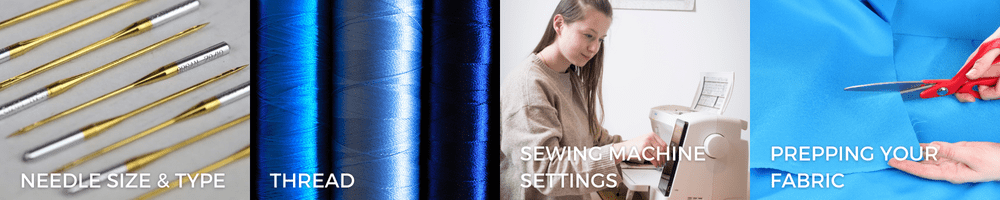
  1. Needle Size and Type:
    • Ballpoint Needles: When working with stretch fabrics, use ballpoint or stretch needles. These needles have a rounded tip that pushes the fabric fibers aside rather than piercing them, which helps prevent snags and runs.
    • Needle Size: A 75/11 or 80/12 needle generally works well for lightweight stretch fabrics. For heavier stretch fabrics, like thick knits, consider using a 90/14 needle.
  2. Thread Choice:
    • Stretch Threads: For durability and flexibility, opt for polyester or nylon stretch threads. These threads can stretch with the fabric and reduce the risk of breaking.
    • Serger Threads: If you’re using a serger, make sure to use high-quality serger threads that can handle the tension and movement of stretch fabrics.
  3. Sewing Machine Settings:
    • Stitch Selection: Use a zigzag or a stretch stitch to allow the seams to stretch with the fabric. Avoid using a straight stitch, which can break when the fabric is stretched.
    • Tension Settings: Adjust the tension on your sewing machine to accommodate the stretch of the fabric. You may need to decrease the tension to avoid puckering.
  4. Prepping Your Fabric:
    • Pre-Wash: Always pre-wash your stretch fabrics to prevent shrinkage or color bleeding after sewn your garment.
    • Cutting: Use sharp fabric scissors or a rotary cutter to ensure clean edges. Avoid pulling the fabric as you cut, which can distort the shape.

Essential JUKI Accessories for Stretch Fabrics
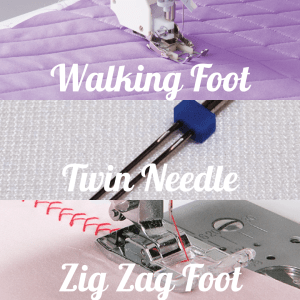
When working with stretch fabrics, having the right accessories can make a significant difference in the quality of your finished project! JUKI sewing machines offer a variety of accessories designed to handle the unique challenges posed by stretch materials. Let’s explore three JUKI sewing machine accessories that excel with stretch fabrics. These tools will help you achieve precise and beautifully finished projects with ease.

  1. Walking Foot: This accessory helps feed stretch fabrics evenly through the machine, reducing the risk of stretching and puckering and ensuring smooth stitching.
  2. Twin Needle: Ideal for creating professional-looking hems on stretch fabrics, the twin needle provides a decorative and durable finish while allowing for stretchy seams.
  3. Zig Zag Presser Foot for HZL: This ensures smooth feeding of stretch fabrics by preventing the fabric from catching on the stitching, reducing the risk of shifting and puckering. Its design supports versatile stitching, making achieving precise and professional results easier with stretchy materials.

Project Ideas for Stretch Fabrics

Now, let’s discuss a few projects you can create for this holiday season using stretch fabrics! Stretch fabrics offer endless possibilities for creating stylish and comfortable garments, but focus on how these materials can be transformed into a variety of fashionable projects.

  • Thanksgiving Dinner Dress or Tunic: Using a soft stretch fabric like jersey or Ponte, you can create a stylish and comfortable dress or tunic. Find a pattern with a fitted bodice and an A-line skirt for a flattering silhouette that still allows you to enjoy your Thanksgiving feast!
  • Comfy Leggings: Sew a pair of leggings from a stretchy fabric such as lycra or spandex. Pair them with a tunic or long sweater for a cozy and chic Thanksgiving outfit.
  • Elastic Waist Skirt: An elastic waist skirt in a stretch fabric can be both comfortable and fashionable. Look for a high-waisted design with a flowing silhouette to balance comfort and style.
  • Wrap Dress: A wrap dress made from a stretch fabric can be dressed up or down for Thanksgiving dinner! Choose a fabric with a bit of sheen or texture to add an elegant touch to your outfit.

To ensure a successful project, test your stitch settings on a scrap piece of fabric and confirm that everything works properly. Then, when pressing your project, use a pressing cloth to protect the fabric from melting or damage, and press the seams gently without pulling on the material!

By following these tips and techniques, you’ll be well on your way to mastering the art of sewing with stretch fabrics. Whether creating a cozy fall outfit or experimenting with new designs, stretch fabrics offer comfort and style. Tag us on your Thanksgiving projects this season, and show us what your stretch projects look like at @JUKIHomeSewing!
Let’s Talk JUKI Sergers

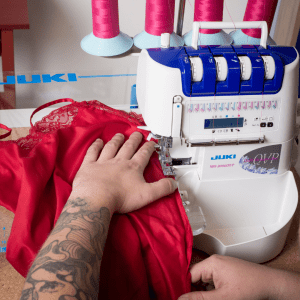
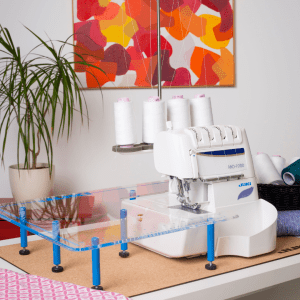
Welcome to the world of serging! Whether you are an experienced sewist or just starting your journey, a serger, also known as an overlock machine, is an invaluable tool that can elevate your sewing projects to a professional level. In this blog, we’ll explore the basics of sergers, their functions, and the creative possibilities they offer, focusing on JUKI sergers, renowned for their quality and reliability!

What is a Serger?

A serger is a specialized sewing machine designed to enhance the finishing of sewing projects by performing multiple functions in a single step. Unlike traditional sewing machines, which usually stitch using one or two threads, a serger ranges from two to five to create overlock stitches.

The primary function of a serger is to trim seam allowances and enclose the raw edges of the fabric inside a thread casing. Overlocking is achieved through loopers and needles that work together to form secure, stretchy seams that prevent fabric from fraying. Sergers simultaneously trim, stitch, and overlock your projects to save you time and effort. This makes sergers indispensable for achieving professional-quality finishes on a variety of fabrics!

The overlocking capability of a serger is a unique advantage, especially when working with knit or stretch fabrics! Using multiple threads and loopers allows the serger to produce strong, flexible seams that stretch without breaking, which is essential for garments and projects that require elasticity. Additionally, the clean, finished look of overlocked seams adds a level of polish to any sewing project, whether it’s clothing, home décor, or accessories. By effectively preventing fraying and unraveling, sergers ensure the longevity and durability of finished items, making them a valuable addition to any sewist’s toolkit!

Features Found on a JUKI Serger

One of the standout features of JUKI sergers is our innovative air thread technology, which revolutionizes the threading process and enhances the overall sewing experience. This technology uses a jet of air to effortlessly thread the loopers, eliminating the frustration often associated with manually threading the machine. It is perfect for those who have trouble threading their needle. With the push of a lever, threads are instantly guided through the machine, significantly reducing setup time and allowing sewists to focus more on their creative projects!

Air thread technology simplifies the threading process and ensures consistent and reliable performance. It minimizes the risk of threading errors, leading to skipped stitches or thread breakage, ensuring smooth and uninterrupted sewing. This feature is great for those who work with multiple thread changes or different types of fabrics, creating a hassle-free and efficient way to prepare the machine for various projects! You can learn more about the differences between traditional and air thread sergers by visiting our past blog here. (https://sewinwithjuki.com/2024/04/13/juki-tip-air-thread-sergers-vs-traditional-manual-sergers/)

Our sergers also offer multiple thread capability, allowing for 2, 3, 4, or even 5 threads to be used in various combinations, providing a wide array of stitch options. This versatility is ideal for different types of fabrics and sewing techniques.

Other important features are

  • Differential feed: this ensures smooth and even stitching on various fabrics, preventing issues like puckering or stretching.
  • Automatic rolled hem function: This function makes it easy to create professional rolled hems without changing the presser foot or stitch plate.
  • Adjustable stitch length and width: this allows customization to suit specific projects.
  • Color-coded threading guides: This simplifies the threading process and makes it accessible to beginners.

Basic Functions of a Serger

Understanding the basic functions of your serger is crucial for getting the most out of it. Here are the core capabilities:

  1. Overlocking: A serger’s primary function is to create secure seams that prevent fabric fraying. Overlocking stitches are formed by multiple threads and loopers that encase the raw edges of the fabric, producing a neat, professional finish. This is particularly useful for finishing seams on garments, ensuring they are durable and long-lasting.
  2. Seaming: Sergers combine fabric with a durable, stretchy seam. This is especially important for knit and stretch fabrics, where flexibility is needed. The strength and elasticity of serged seams make them ideal for activewear, lingerie, and other garments that require a high degree of movement!
  3. Hemming: Sergers can create clean, professional edges using various hemming techniques. Rolled hems are perfect for lightweight fabrics like chiffon or silk, while narrow hems are excellent for casual wear. Blind hems provide an invisible finish, making them suitable for dress pants or skirts. The automatic rolled hem feature on many JUKI sergers simplifies this process, allowing you to switch between different hem types effortlessly.
  4. Edge Finishing: Sergers provide excellent edge finishing for single layers of fabric, such as lightweight or sheer materials. This prevents fraying and gives the fabric edges a polished look, making them ideal for scarves, blouses, and other delicate items. The differential feed ensures that even the most challenging fabrics are handled smoothly.
  5. Decorative Stitching: Beyond functional seams, sergers can also be used for decorative stitching. By using decorative threads and adjusting the stitch settings, you can add a stylish touch to your projects. This can include creating eye-catching edges on garments, adding decorative trims to home décor items, or incorporating unique design elements into your accessories.

Learn more about the stitch options available on a serger by visiting here. (https://sewinwithjuki.com/2023/04/01/stitching-on-your-juki-overlock-serger/)

Creative Possibilities with a JUKI Serger

Fashion: Sergers are valuable in garment construction, providing professional-looking seams and hems! The serger’s ability to create solid and stretchy seams ensures that your garments are not only durable but also comfortable to wear. From T-shirts and leggings to dresses and activewear, a serger can help you create it all, giving your homemade clothing a polished, store-bought appearance.

Quilting: While sergers are not usually associated with quilting, they can be a valuable tool in the quilting process! Using a serger to piece quilt blocks adds a nice touch to your quilting projects, creating firm, finished edges that are less likely to fray. This technique can help make quilted garments, bags, or home décor, where durability and a clean finish are essential due to heavy use! You can also serge the edges of quilt blocks before assembly to make the quilting process faster and more efficient.

Home Décor: Create a living space with beautifully handcrafted home décor! Sergers are perfect for helping you create durable and personal finishes on home pieces like pillowcases, tablecloths, and curtains. For example, the overlock stitch prevents fraying and adds a clean, professional edge to your projects. You can use your serger to add decorative touches, like ruffles or piping, and enhance the aesthetic appeal of your home décor style!

Accessories: Creating accessories with a serger ensures your projects are sturdy and chic. Bags, pouches, and other accessories benefit from the serger’s ability to produce neat, fray-free edges and strong seams. Whether making a tote bag, a make-up pouch, or a laptop sleeve, a serger can help you achieve a professional finish that withstands daily wear and tear.

Upcycling: Create something new with old clothes by using your serger to alter and embellish them! Serged seams and decorative edges can transform your wardrobe into trendy, personalized pieces. Try adding ruffles to an old skirt, convert a pair of jeans into shorts, or create a patchwork jacket from fabric scraps! The possibilities are endless, and upcycling with a serger saves money and supports sustainable fashion practices.

Investing in a JUKI serger can help you expand your skills and enhance your sewing experience! They offer efficiency, versatility, and professional-quality finishes, whether you’re making clothes, home décor items, or accessories. Embrace the potential of your JUKI serger and explore the endless possibilities it brings to your sewing ideas.

Learn more about JUKI’s Serger lines by visiting us here and here. Happy serving!

Accessorize Your Serger with JUKI

JUKI sergers are renowned for their versatility and precision, making them a go-to choice for beginner and advanced sewists! These machines are designed to handle a wide range of projects and sewing plans and help you create professional-looking seams to add decorative finishes. Today, we will discuss the accessories you can find for our JUKI sergers that will help these projects come to life!

Accessorizing your serger not only enhances its functionality but also allows you to tackle more complex projects with ease. Whether you’re adding elastic, creating perfect hems, or embellishing with beads and piping, the right accessories can significantly improve the precision and efficiency of your work.

Let’s Talk Presser Feet

Presser feet are the unsung heroes of any serger, transforming a simple stitch into a professional finish. Each presser foot is designed with a specific function in mind, making it easier to achieve various sewing techniques with precision and efficiency. Here’s a closer look at some of the most essential presser feet for your JUKI serger:

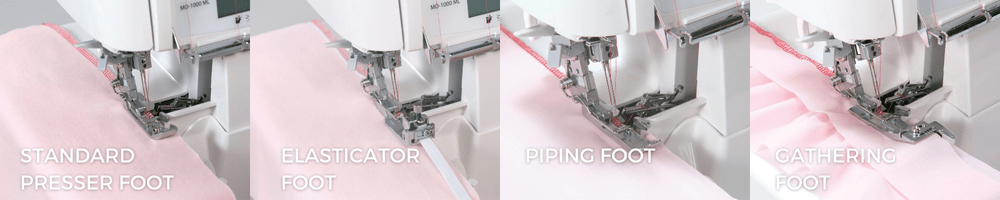
1. Standard Presser Foot: This foot is the workhorse of your serger. It comes pre-installed on most JUKI sergers and is perfect for basic serging tasks like finishing raw edges, sewing seams, and creating overlock stitches. Whether you’re working on lightweight fabrics or heavier materials, this versatile presser foot ensures even feeding and consistent stitch quality. It’s ideal for general-purpose sewing and is often the go-to choice for many projects.

You can learn more by watching here: JUKI Standard Presser Foot Tutorial

2. Elasticator Foot: Adding elastic to fabric can be tricky, but the Elasticator Foot simplifies the process by evenly stretching and stitching the elastic in place. This foot is perfect for creating garments that require stretch, like your swimwear, lingerie, or activewear. The Elasticator Foot also ensures the elastic is attached securely and evenly without the risk of overstretching or puckering the fabric. It’s a game-changer for anyone sewing with stretchy materials!

You can learn more by watching here: How to Use the Elasticator Foot

3. Piping Foot: The Piping Foot is designed to help you easily insert piping into seams. This adds a decorative touch to your projects! You can use piping in home décor items like cushions, pillows, upholstery, and garments to add decorative elements. This foot has a groove that holds the piping in place as you stitch, ensuring that it’s evenly attached with no shifting. The result is a crisp, professional finish that elevates the look of your handmade items.

You can learn more by watching here: Inserting Piping with a JUKI Piping Foot

4. Gathering Foot: Creating ruffles and gathers can be time-consuming, but the Gathering Foot makes it easy! This foot gently gathers the fabric as you sew, allowing you to create even, beautiful ruffles in no time. It’s perfect for adding volume to skirts, sleeves, and home décor projects like bed skirts and curtains. The Gathering Foot also works excellent with lightweight to medium-weight fabrics, giving you consistent gathers without the hassle of manual gathering!

You can learn more by watching here: How to Create Ruffles with the Gathering Foot.

Specialty Plates and Accessories

In addition to presser feet, JUKI sergers offer a range of specialty plates and accessories that can elevate your sewing projects to the next level. These tools are designed to add intricate details and professional finishes to your work, allowing you to explore more creative possibilities with your serger. Here’s a breakdown of some essential specialty accessories that can enhance your sewing experience:

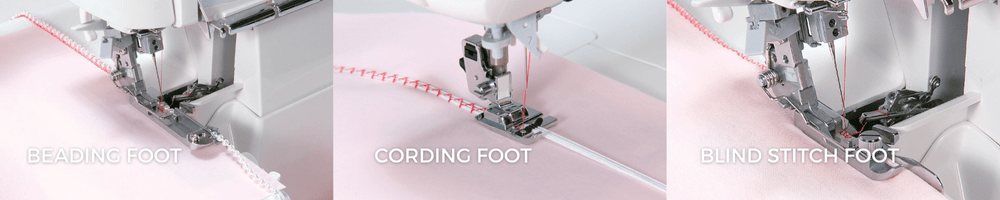
1. Beading Foot: The Beading Foot is a beautiful accessory for anyone looking to add a touch of sparkle to their projects. This foot is designed to sew beads, pearls, or sequins onto fabric precisely and easily. The groove on the presser foot guides the beads while the serger stitches them securely. This accessory is especially popular for bridal wear, evening gowns, and other special occasion garments where delicate embellishments are desired. Whether you’re adding a subtle trim or creating a bold, beaded design, the Beading Foot makes the process smooth and professional!

You can learn more by watching here: Beading Foot Demonstration

2. Cording Foot: The Cording Foot is an excellent tool for adding decorative cords such as yarn and strands of pearls to your sewing projects. This foot is designed to hold the cord in place while the serger stitches it securely onto the fabric. It’s perfect for enhancing the seams of garments, bags, and home décor items, adding a stylish and professional touch. The Cording Foot can accommodate various cord sizes, making it versatile for different projects. You can outline a neckline, add texture to a pillow, or create intricate trims!

You can learn more by watching here: Attaching Decorative Cords with the Cording Foot

3. Blind Stitch Foot: If you want to create invisible hems, the Blind Stitch Foot is a must-have accessory! With this foot, you can sew a barely visible hem from the outside of the fabric, making it perfect for hemming pants, skirts, and dresses. The foot also offers an adjustable guide that helps you position the fabric correctly, ensuring that the stitches are hidden within the hem. The Blind Stitch Foot is beneficial for formal wear, business attire, and any garment where a discreet hem is needed.

You can learn more by watching here: Blind Stitch Foot in Action

Finding the right accessories for your JUKI serger unlocks a new level of creativity in your sewing projects! With the right accessories, you can transform your serger from a simple overlocking machine into a versatile tool capable of handling a wide range of tasks—intricate beading, professional hems, decorative finishes, and more.

Experimenting with different accessories is key to expanding your sewing capabilities! Whether you’re a beginner looking to learn new techniques or an experienced sewist aiming to refine your skills, these tools provide endless possibilities for customization and innovation in your projects. Don’t hesitate to explore and try various presser feet and other serger accessories to see how they can enhance your creative process.

To get a comprehensive overview of the available accessories and how they can benefit your sewing, check out your nearest JUKI dealer here!

Personalize Back-to-School Gear

As the back-to-school season approaches, there’s excitement in the air for students and parents alike! This time of year often comes with the hunt for the perfect school supplies. But why settle for ordinary when you can make their school items uniquely theirs? Enter the TAJIMA Sai 8-needle embroidery machine from JUKI, a game-changer for personalizing back-to-school gear with intricate and vibrant designs! In this blog, we will cover ways you can bring a personal touch to your child’s school gear with the TAJIMA Sai.

Transform Those School Essentials

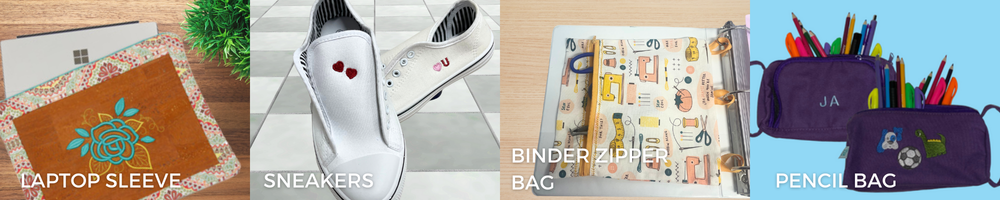
Whether it’s a laptop sleeve, sneakers, binder zipper bag, or pencil bag, the TAJIMA Sai allows you to add a personal touch to all your child’s school items. The versatility and precision of this machine mean that you can create detailed embroidery on various fabrics and surfaces, turning everyday items into something extraordinary.

Laptop Sleeve: Keep your child’s laptop safe and stylish. With the TAJIMA Sai, you can embroider their name, initials, or favorite quote on their laptop sleeve. Choose from a wide range of fonts and colors to match their personal style.

Learn how to create your very own laptop sleeve here! Using the TAJIMA Sai, you can easily elevate this project with your touch of personalization.

Sneakers: Stand out in the school hallway with customized sneakers. Add patterns, icons, or your child’s favorite sports team’s logo. The possibilities are endless, and with the TAJIMA Sai’s 8-needle system, you can mix and match colors seamlessly!

Design your very own sneakers by visiting here!

Binder Zipper Bag: Organize your child’s school supplies in a personalized binder zipper bag. Embroider their name, class schedule, or motivational words to inspire them throughout the day. It’s a perfect blend of function and flair.

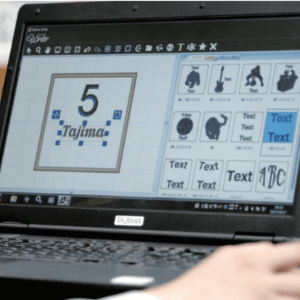
Create your own binder zipper bag by visiting us here and learning more about the Writer Plus program below to add that touch of personalization!

Pencil Bag: Always keep your child’s pencil bag intact. With custom embroidery, you can add their name, favorite hobby icons, or even cute designs that reflect their personality.

Learn how to personalize your pencil bag with the TAJIMA Sai by visiting here!

TAJIMA Writer Plus Program

The TAJIMA Writer Plus program is your gateway to endless creativity. This software comes pre-installed with various design options that you can easily apply to your projects. Here’s a closer look at what it offers:

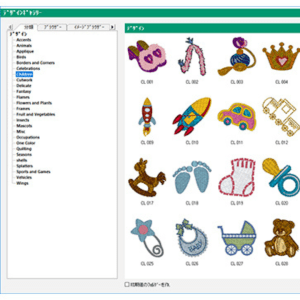
Pre-Installed Designs: The program includes a rich library of pre-installed designs, such as floral patterns, geometric shapes, animal motifs, and more. These designs are perfect for quick projects and adding a touch of fun to your child’s school items.

Custom Design Creation: Feeling creative? The TAJIMA Writer Plus program allows you to create your designs from scratch! You can draw inspiration from your child’s interests, hobbies, or favorite themes. Whether a complex pattern or a simple monogram, the software gives you the tools to bring your vision to life.

Easy-to-Use Interface: Even if you’re new to embroidery, the TAJIMA Writer Plus program is user-friendly. The intuitive interface makes selecting, customizing, and embroidering your designs easy. Plus, the program supports various file formats, so you can import and work with external designs effortlessly.

Design Ideas for Your Embroidery Projects

Names and Initials: Adding your child’s name or initials is a classic way to personalize their school items. Choose from different fonts and thread colors to make it truly theirs.

Favorite Sports Teams: Show off their school spirit or support their favorite professional sports team by embroidering their logo or mascot. It’s an excellent way for your child to connect with fellow fans and display their loyalty!

Hobbies and Interests: Whether they love music, art, science, or sports, you can reflect their passions on their gear. Embroider icons like musical notes, paintbrushes, basketballs, or telescopes showcase what they love.

Inspirational Quotes: Keep your child motivated with inspirational quotes or affirmations. A few words of encouragement on their pencil bag or laptop sleeve can go a long way in keeping their spirits high!

Fun Patterns and Icons: From cute animals and whimsical patterns to edgy graphics and abstract designs, the TAJIMA Sai allows you to experiment with various styles. Mix and match designs to create something uniquely theirs.

Back-to-school season is the perfect opportunity to express your child’s individuality through their school supplies. With the TAJIMA Sai 8-needle embroidery machine and the TAJIMA Writer Plus program, you can quickly transform everyday items into personalized masterpieces. Whether adding their name, showcasing their interests, or simply having fun with different patterns, embroidery brings a touch of uniqueness to everything you create. So, head back to school in style and make this year your child’s most personalized one!

Sustainable Sewing and Quilting Practices with JUKI

In a world where environmental consciousness is becoming increasingly important, we must adopt eco-friendly habits in every aspect of our lives, including our beloved hobbies! Whether you’re a seasoned sewist or a quilting novice, embracing sustainable techniques can make a significant difference. Let’s explore how to make your sewing and quilting practices more eco-friendly.

Eco-Friendly and Sustainable Sewing Techniques

Adopting sustainable sewing techniques is about more than just choosing the suitable fabrics. It involves a holistic approach to your sewing process, from your equipment to how you plan and execute your projects. By integrating these eco-friendly practices, you can significantly reduce your environmental footprint!

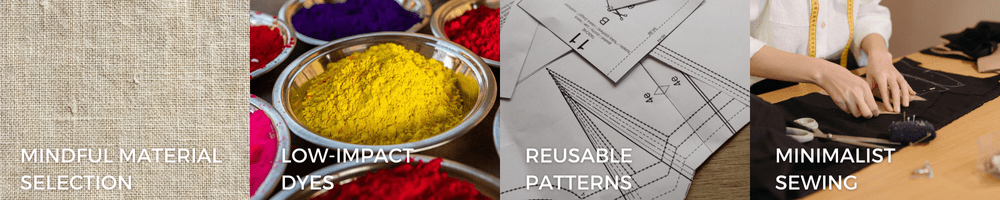
  1. Mindful Material Selection:
    • Choose natural fibers like organic cotton, linen, and wool, which are biodegradable and have a lower environmental impact than synthetic fabrics.
    • Look for certifications like GOTS (Global Organic Textile Standard) to ensure the fabric is produced sustainably and adheres to strict environmental and social criteria.
  2. Low-Impact Dyes:
    • Opt for fabrics dyed with low-impact or natural dyes. These dyes use less water, produce less waste, and contain fewer harmful chemicals, making them better for the environment and your health.
    • Support companies that use environmentally friendly dyeing processes and are transparent about their production methods.
  3. Reusable Patterns:
    • Invest in reusable, high-quality patterns, or create your own to reduce waste and save money over time! Digital patterns can also be a sustainable choice as they eliminate the need for physical packaging and shipping.
    • Join online communities to share and swap patterns with fellow sewists.
  4. Minimalist Sewing:
    • Embrace minimalist sewing by focusing on quality over quantity. Create timeless, durable, versatile pieces, reducing the need for constant replacements.
    • Plan your projects carefully to ensure you only purchase the necessary materials, avoiding excess consumption.

Sourcing Sustainable Materials

Finding sustainable materials is crucial for reducing the environmental impact of your sewing projects. By sourcing responsibly, you can support ethical practices and contribute to a more sustainable textile industry!

  1. Thrift and Vintage Stores:
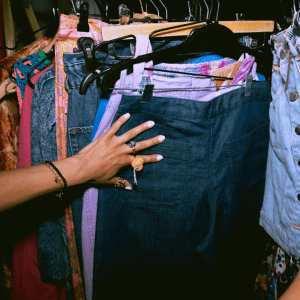
    • Explore thrift stores, vintage shops, and estate sales to find unique and affordable fabrics. Repurposing old clothing and linens into new projects saves money and reduces waste.
    • Get creative with your finds, turning them into one-of-a-kind pieces with a story to tell!
  2. Eco-Friendly Fabric Stores:
    • Support fabric stores that specialize in sustainable and organic materials! Many online retailers offer a wide selection of eco-friendly fabrics, from organic cotton to recycled polyester.
    • Look for stores that provide transparency about their sourcing and production processes.
  3. Local Artisans and Producers:
    • Purchase materials from local artisans and producers to reduce carbon footprints associated with shipping and support local economies.
    • Attend local craft fairs and markets to discover unique, handcrafted materials that add a personal touch to your projects.
  4. Natural and Recycled Fibers:
    • Look for fabrics made from recycled fibers or those blended with natural materials. Brands like Econyl and Repreve offer fabrics made from recycled plastics, reducing waste and promoting circular economy practices.
    • Consider alternative fibers like hemp, bamboo, and Tencel, known for their sustainability and durability.

Reducing Sewing Waste

Reducing waste is a crucial aspect of sustainable sewing! By being mindful of how we use and dispose of materials, we can minimize our environmental impact and maximize our resources.

  1. Use Your Scraps:
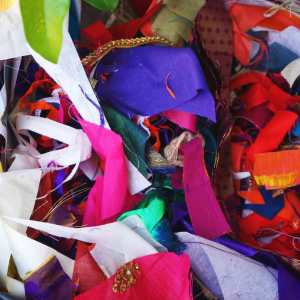
    • Save fabric scraps for smaller projects, patchwork, or quilting. Scraps can also be used for stuffing pillows, creating unique fabric art, or even making small accessories like scrunchies and keychains.
    • Organize your scraps by size and color to make them easier to use in future projects.
  2. Zero-Waste Patterns:
    • Explore zero-waste patterns designed to use every bit of fabric with minimal leftover waste. These patterns often feature innovative cutting techniques and clever designs that maximize fabric usage.
    • Experiment with creating your own zero-waste patterns, challenging yourself to think creatively about fabric layout!
  3. Efficient Cutting Techniques:
    • Plan your projects carefully to maximize fabric usage. Use efficient cutting techniques to reduce waste, such as nesting smaller pattern pieces within larger ones and cutting on the fold.
    • Invest in a good-quality rotary cutter and mat to achieve precise cuts and minimize errors.

Promoting Responsible Consumption and Recycling

Promoting responsible consumption and recycling in sewing and quilting helps create a more sustainable community of crafters! By being conscious of how we use and dispose of materials, we can reduce waste and encourage others to do the same.

  1. Upcycling Projects:
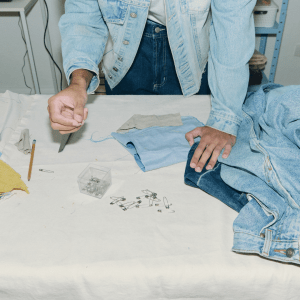
    • Give old garments a new life by upcycling them into new creations. Transform outdated clothes into stylish new pieces, helpful household items, or gifts for friends and family.
    • Get inspired by online tutorials and communities that share creative upcycling ideas and techniques.
  2. Clothing Swaps and Donations:
    • Participate in clothing swaps to exchange unwanted items with others. Swaps are a fun and sustainable way to refresh your wardrobe without buying new items!
    • Donate unused fabrics and garments to charities or community groups, ensuring they find new homes and purposes.
  3. Repair and Mend:
    • Repair and mending clothing and quilts can extend their life. Learning basic mending techniques like patching holes and replacing zippers can save your favorite pieces from ending up in the landfill.
    • Invest in a small sewing kit to keep on hand for quick repairs and adjustments.

By adopting these sustainable sewing and quilting practices, you contribute to a healthier planet and create unique, high-quality pieces that tell a story. Every small step towards sustainability makes a significant impact!