JUKI Small Business Seminar: Setting Up Your Logistics

You’ve finally started your small business and have a product ready to be sold, your website should be up and running, your budget and finances should be in order, and you have those customers prepared to buy. Now that you have a start-up, let’s discuss getting your product to the customer!

Logistics is how you move materials, components, and products between your suppliers, storage locations, and customers. There are three things you should keep in mind as a seller: speed of delivery, stock of a product, and logistics cost. So let’s dive into your business and review how you create your products and how you’re getting them to the customer.

Lead Times and You

When your business begins to grow in sales, you might be reconstructing your process on where you buy supplies. Buying supplies at your local craft store for a business can be pricey, and when your sales reach a larger scale, it’s not cost-effective anymore.

When you begin to set up your logistics, consider critical lead times. For example, how long will it take for a customer to review your product, how long will it take to process an order and ship it, and how long will it take for you to receive the supplies you need for your product? Asking yourself these questions can help you plan for the cost and speed of your orders and shipments.

Knowing the lead time on the processes in your business will allow you to have smoother communication and expectation within your business and with the customer.

Shipping Carriers

When it comes to your process, shipping time to your customers should be a priority, especially in today’s society we’re shipping the same day, and overnight has become the norm. Because of this, shipping companies will work with small businesses by assisting them in maintaining good relationships with their customers and offering reasonable rates. You can also inquire about assistance provided for small businesses like logistical assistance and managing inventory. Here are the top 5 shipping companies we recommend for small businesses.

  1. United States Postal Service
  2. Sendle
  3. UPS
  4. DHL
  5. FEDEX

United States Postal Service

Ships goods both domestically and internationally, offers discounts and loyalty credits to small businesses, and delivers goods within 2–8 days on average. In addition, it provides free application programming interfaces (APIs) that allow small businesses to add shipping tools to their websites easily.

USPS shipping costs vary based on package size, delivery location, and delivery speed.

TIP: Deliveries on Sundays and holidays typically come with an added cost.

Sendle

An Australia-based small business shipping company, Sendle is best for small packages because it guarantees the best price for domestic packages up to 20 pounds. Shipping is 100% carbon neutral, and there are no subscriptions or contracts involved. They are well known for beating the price charged by major carriers for packages under 20 pounds.

TIP: packages cannot pass 20 pounds, and international shipping is unavailable.

UPS

If you ship large products, UPS will be the best option for you. They offer competitive rates (large flat rate boxes start at $18.40) and have resources for small companies that can assist in preparing your packages and information on palletizing your products if needed. They also offer same-day delivery in some cases.

Small businesses can get discounted pricing from UPS, with shipping incentives ranging from 20% to 50%, depending on the desired shipping speed and the small business’s average weekly shipping volume.

TIP: Some APIs, application programming interfaces, can’t be used on customer-facing websites.

DHL

If your business has taken you overseas, DHL Express is the best for those international shipments. They have a long-lasting history in international shipping and offer resources for small businesses that engage in global trading.

Costs vary widely based on your package’s size, whether it’s an import or export, the shipping speed, surcharges, and any optional services you choose.

TIP: DHL is known for many surcharges and optional service fees, so keep a close eye on your shipping agreement to avoid cost surprises.

FEDEX

FedEx is known for everyday shipping, even weekends, which means your product is delivered faster. FedEx can assist in shipments domestically and internationally and has a shorter lead time than others. Shipments in the US are usually 1-5 days and 3-7 for Alaska and Hawaii.

Small businesses can also benefit from their small business program, offering discounts on shipping, printing, money management tools, and more. They also provide a yearly contest where small businesses can win funds.

CON: Small package shipping costs are higher than USPS. However, they can arrive faster.

Packaging

When it’s time to package, we know how important it is that your product arrives to the customer safe and on time. The first step to completing that goal is ensuring you have the suitable packaging material for your product. One of the things to keep in mind before buying your material is knowing that purchasing in bulk will save you money down the line and is worth the investment. So follow along as we share the top things you’ll need for your packaging process.

Boxes and Mailers

Begin with deciding how you’re going to ship your product to the customer. The most popular options are boxes and mailers.

Cardboard boxes can offer the best protection for many products. Whether your product is a perfect square or an odd-shaped size, a cardboard box with the correct dimensions is an excellent choice for shipping purposes. You can choose to personalize these boxes and find them in different styles, colors, and sizes. These can be bulked orders or found at your local shipping store.

Mailers are great for small or flat products and less prone to damage. You can personalize these to your company’s brand, like cardboard boxes, coming in various colors, styles, and sizes. You can also choose to purchase mailers that come with a form of protection, whether this is internal cushioning or outer material that can handle bad weather.

Depending on your products, you can choose to keep an assortment of shipping materials available to use. However, keep in mind your product when purchasing shipping material to not waste funds on unnecessary boxes or mailers.

Cushioning and Filler
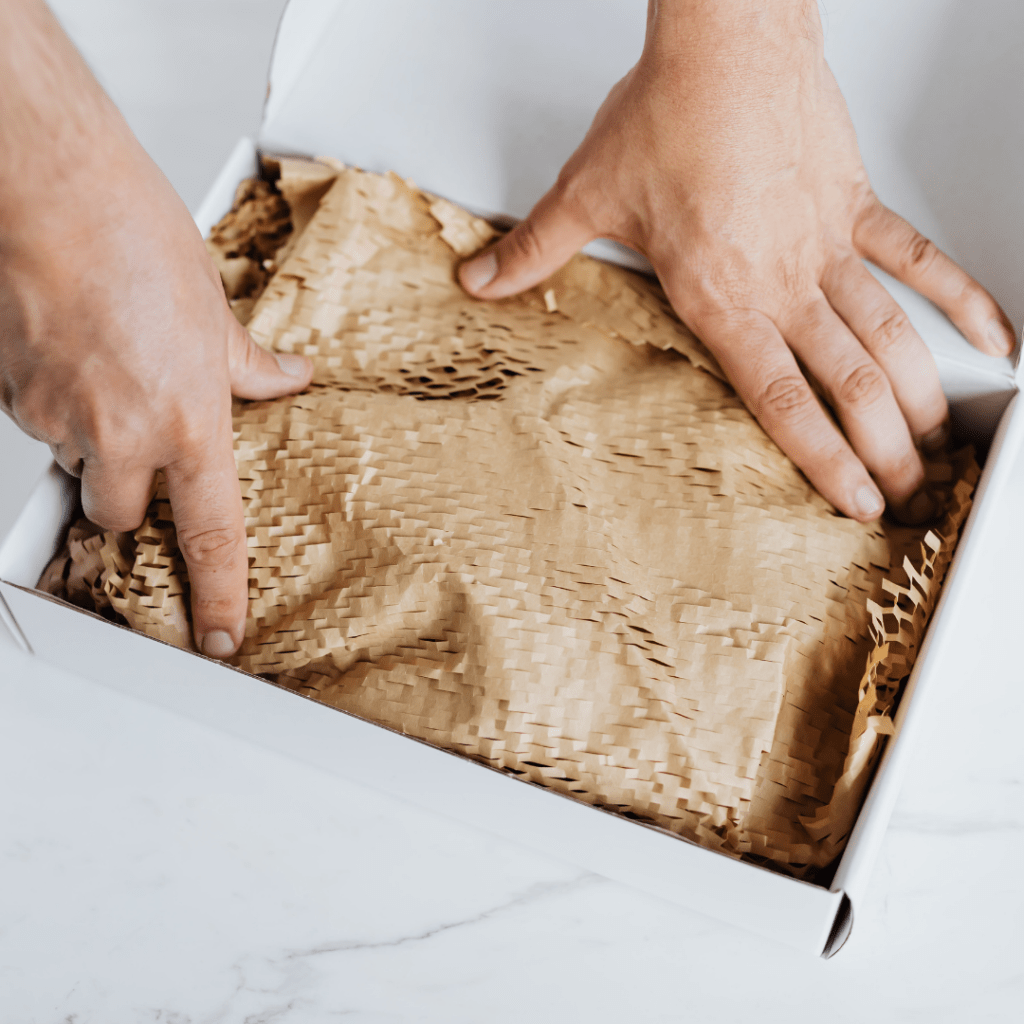
Keep your items safe and secure by purchasing cushioning and filler material. When shipping, these are crucial key material pieces as you want the product to arrive to the customer exactly how it left you.

Cushioning material is used for fragile items like glass, porcelain, or ceramic. Think of bubble wrap, foam peanuts, paper as options to keep the product from shattering or breaking in its packaging.

Void Filler can be used for any product. With material options like craft paper, air pillows, shredded paper, and others, these pieces of material will keep the item from moving around or crashing into each other if you’re sending more than one product at a time.

Keep these materials on hand at all times, as you wouldn’t want to ship products out without some filler to avoid broken or chipped products on arrival.

Labeling and Tape

Once your package is well prepared and safe to be closed up, you’ll need to seal and address it before shipping. Using quality tape and labels is the best way to confirm your product arrives to the correct customer on time and safely.

You can even create personalized packaging tape to stand out from competitors since packaging tape comes in various colors and sizes. Having suitable tape will save your product from accidents in the shipment process. You can also choose to invest in a tape dispenser if your company sees a pickup in shipments, which can help the processing speed.

Labels are also created in different sizes and styles. Used mainly for addressing the customer, make sure to use good labels to ensure it won’t fall off in transport. Labels can also include your company logo, specialty stickers like “handle with care” and more. Keep in mind that you can personally create these labels and style them to fit your product and small business.

Get Ready to Ship!

Now that you have the basic information for shipping and handling logistics for your small business think of ways to make yourself stand out. Packaging and shipping don’t need to be boring and can be another way your company stands out from competitors!

Look into eco-friendly merchandise for shipping and packaging. Include thank you letters, promos, or small freebies to induce excitement and customer loyalty. Create an unboxing experience for customers by creating a process that showcases your brand when opening a package from you, like wrapped apparel in tissue paper with a sticker to open the merchandise.

Your package is a window into your business for customers, so make sure to focus on your packaging like you would your product!
JUKI Small Business Seminar: Creating Customer Loyalty 

It’s great to get new customers and introduce your brand to new people, but one of the best ways to succeed is to create those returning customers. You can cultivate the relationship from the first time they purchase and continue it through social media and other channels.

One of the ways you can do this is by GLUE marketing, a strategy we’ll dive into in this article, where you ‘Give Little Unexpected Extras’ to customers during their experience with you and help them feel a sense of gratitude. By going just a bit above your competitors with this tactic, you can build closer relationships with each sale. GLUE doesn’t have to break the bank but can be a small thank you note, freebie minis of your product, or fun advertising products like stickers.

GLUE doesn’t need to be used all the time, but it can be used as an assistant. So if you’re going to be doing a sales promotion, for example, you can go ahead and throw in those GLUE tricks you’ve been saving on surprising customers and building that bond.

Follow along as we go over other GLUE tactics on your marketing plans to encourage those repeat customers and bring in new ones.

Build a connection 

With marketing, you can also advertise your business and brand, so take the time to introduce yourself and the company’s story to build that bridge of connection with your customer base.

You can focus on your company’s guidelines, bring attention to how you create or source your products and materials, or share what you use for sustainable practices in your company. All these little things will open a door between the inside of your business and customers, creating a more personal feel to your work.

Honesty in marketing is one of the best ways to get your name out there. By sharing the behind-the-scenes, and showcasing how to use a product or how it’s made, you can bring in new customers, and they’ll feel closer to your brand.

Content in your packaging 

Receiving a package in the mail is one of our generation’s favorite feelings, which is why as an e-commerce shop owner, you’ll want to create a package that will engage the customer long after it’s been opened. Opening that package and seeing your product for the first time is what all your work has gone into, and you want to make sure your work was worth it.

Minor aspects like prints, including business cards or flyers, can bring those customers back to your business through blogs, social media, and your website.

While the GLUE tactic can take planning and work from you or your team, it can create a strong bond between customers and your brand and keep them interested in re-purchasing. That personal touch drives people to specific shops, so taking the time to add this to your marketing plan can be a successful tactic.

Branded Gifts 

You’ve probably shopped before and experienced this, like receiving a sticker with the brand name, for example. You have two options to consider when you decide to place branded gifts on your packages, ‘Value Add’s’ or an ‘Identity-based’ gift.

– Value Add: this is a small and economical gift that can help the customer get more experience with your products. Think of this as an opportunity for immediate use and a sample of a different product they can come back to purchase (creating that returning customer you want).

– Identity-based: this can be considered a form of free advertising while still a valuable gift for the customers. Think of identity-based gifts like branded stickers or pins that can be placed on apparel, cars, or more that will showcase your brand while showing off their interest. For example, every purchase with Vans shoes comes with a sticker of the vans logo, which a skater can add to their board. This is free advertising for Vans and is now a fun accessory for the customer.

Video 

During the onset of COVID-19, we saw an increase in brands using videos to get personal with their customers. With the removal of face-to-face shopping for some time, and many have switched over to preferring to shop online, creating that personal touch between the consumer and seller is essential.

Videos can bring that personal touch many have been feeling has gone missing. Follow along for a few ways you can take this and use it in your marketing plans.

  1. Try creating thank you videos during the holiday season! By posting a video thanking your buyers during the holidays and wishing them well on your social platforms, you can bring in that special touch. Create these in comfortable places like your kitchen or living room to take away the business side and showcase something homier.
  2. Use videos in your newsletters or other email campaigns! By including videos that showcase your products, how-to’s, project ideas, and more, you can share the uses of your product while bringing a face to your work. Many shoppers miss that face-to-face feeling when shopping, so creating a video can be the touch they need to purchase from you.
  3. Use video conferencing in your customer support cases! When it comes to online customer support, you want to create an experience that makes the customer happy. Use video conferencing for support calls to assist with questions, concerns, and more. You can even use screen share to help thoroughly when needed.
  4. Create videos for your products if they require assembly or directions to use. Walk the customer through and showcase tips you might have recommended if you had sold the product in person. Add the link on a business card or flyer in the packaging for easy access for the customer.

Customer Support

Customer support is one of the biggest deal-breakers when returning to a shop. No one wants to deal with poor customer support during their shopping, so look into ways to build a successful support plan or upgrade your current one.

Focus on shipping and handling policies, and establish how and where customers can reach you. By having a dedicated contact they can reach out to, customers will feel more comfortable when shopping with you if they have questions or need to handle a return/exchange.

This is still a GLUE version, even if it’s not a gift. Offering proper support and contact information can be the difference between you and another online retailer that doesn’t offer these options. Remember that this doesn’t mean you need to be available 24/7. Good support is setting and meeting reasonable expectations for you and the customer. This falls on you to respond promptly, assist where you can, offer support where you can’t, and be accountable for shop/item issues.

When handling customer support, some tips to keep in mind are setting up follow-up dates for issues and concerns or creating an FAQ for your shop that customers can easily access.

GLUE and You

In the end, using GLUE in your business is a tactic that can lead to success and assist you in creating a loyal customer base. For GLUE to work correctly, you need to ensure your product and customer service are up to level. Think about how you can make the customer’s experience special, and plan your customer approach from there. Remember, your product and service are the main focus, but the little extras sure help!

JUKI Small Business Seminar: Choosing Your Business Name

Choosing the right brand name can be the stepping stone to a successful business. A brand name that is memorable and catchy can give you an advantage when it’s time to market your business. When potential customers hear your brand name, you want them to remember you and think about your small business, setting you up for long-term success.

When you’re starting your business, we know how hectic it can be to think of a name on top of what you’re selling, who, and how. So follow along as we show you some tips and tricks to choosing your business name that will help you stand out from your competitors.

Best Shop Name Generators

Sometimes we need a little help or inspiration picking our company name. While it may feel like all the excellent store names have been taken, there are still many options out there!

Using a name generator is helpful for two reasons. First, it can help you come up with your business on the spot and create the perfect representation you need. Or two, it will give you ideas that you can later on work with and make your name. Below are some generators you can visit to help you create your business name.

How to choose the perfect shop name

As a small business having the correct name is crucial to your success in the e-commerce world. Having the right name can bring attention and new shoppers to your site and showcase your individuality to customers. Remember, choosing the right name will lead to success in branding and awareness on search engine sites. Below are some tips to keep in mind when choosing your name:

  • Creating a short and simple name is the right choice for a few reasons. For example, you’ll have less mispronunciation from customers, it will fit in your marketing campaigns, whether it’s physical business cards or social media posts, and it’s memorable.
  • Finding the right name can be challenging, especially with companies popping up daily. However, don’t let this discourage you! It’s a big world with many niches in the market and finding the right name for your business and niche only pushes you to be creative.

If you’re having trouble creating a name, follow the steps below.

  1. Keep it Short and Simple.

Combine different words that relate to your industry, and keep them short. Try to aim for words that rhyme or that alternate.

Tweak an existing word or create one of your own! Many companies like Skype and Häagen-Dazs began as gibberish and are now household names. Don’t be afraid to be different and have fun when creating.

Be personal. Create a company name that relates to you on a meaningful field like an old nickname, family pet name, or other nicknames that resonate with you. These quirky names can be the perfect title for your business and create that personal touch many customers love.

2. Dare to be Different

Research your competitors and see what popular names are out there in your industry or niche. Then, be different and avoid familiar rhymes, gimmicks, or phrases. This way, when it’s time for someone to look up a company in your niche, your individuality will show. Do the same when thinking of your slogan or mascot if you choose to have one, as each difference will help you stand out even more.

3. Is it Available?

Keep in mind to research your ideas before sticking to one. By heading to your favorite search engine and researching your company name ideas, you can see what companies out there might have the domain already attached to their business, pushing you to either tweak yours or choose another from your list. You want your domain to represent your brand and make an excellent first impression.

If you’re choosing to sell on an online shop platform like Amazon or Etsy, review what shop names are out there already. This will help you succeed by confirming that your name is not lost in the pool of shop hosts and also help you edit your shop name to avoid confusing future customers between your shop and others.

4. Finding your Inspiration

If you’re having trouble finding a name so far, think of themes that you can focus on for your business and work from there. Trends, nostalgia, fandoms, and even other languages can be inspiration when thinking of your shop name.

Think of what’s around you in day-to-day life that can be used as a catalyst for your creativity! Follow along with conversations, pay attention to your day-to-day sayings and jokes, your hobbies. All these things can give inspiration if you look close enough, helping you personalize your shop and create a name that represents your brand and yourself.

Why the Name Matters

Finding the right name for your brand goes beyond just putting a few words together. While this might seem like a difficult task at first, it can also be an enlightening and fun experience describing yourself and your company in a few or even one word. Put the time and effort into this as you would everything else in your shop, for a shop is only as strong as its name! Your name is how customers recognize you, so make sure it’s a name you are proud of. Remember that word of mouth is free, and you don’t want to miss out on that.

What advice would you give to those deciding on their company name? Let us know down below!

JUKI Small Business Seminar: How to Create a Budget and Calculate Profit

One of the most important things about starting a business is creating your budget and understanding your profit. While there will be challenges and unexpected turns in your journey as a business owner, you can avoid surprises and keep your business financially healthy by building a budget that fits your goals while keeping track of your spending.

Creating a sample budget can give you a general idea of what expectations to have for your business’s first few months or years. As your business grows, you’ll use this as a basis for your budgeting plans and create a more concise idea of your spending and expenses. We’re going to be giving a preview of what you should include in your budgeting plans for success in your company.

Expenses

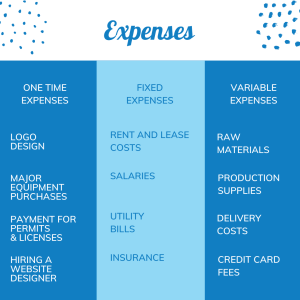
The best way to start is to focus on what you’ll be spending. Create a list of things your business will need, like materials, software programs, and staffing. Include items that will be involved in your day-to-day work, from office supplies to the thread on your machine if you’re creating an apparel shop. We recommend looking online and using your favorite search engine by researching examples of budgets in your industry. These can be layouts that will help you build your own. Let’s review the type of expenses your company can obtain.

One-Time Expenses

Think of these expenses as those big-ticket items that are more of an investment than a purchase. Your machine, for example, if you were to purchase a RICOH Ri 100, would count as a one-time expense. One-time expenses can also include laptops, office furniture, and services for your logo or website creation.

Fixed Expenses

These costs are to be expected each month in your budget planning. Think of what rent you pay, insurance, services, website hosting, and subscriptions. Keep in mind that fixed expenses vary little in price.

Variable Expenses

Here you’ll find those spending pieces that fall somewhere between a one time-expense and a fixed expense. They occur more than once but can vary in amount and payment dates. These expenses include materials you use to make your products, marketing costs, travel, accountant to file taxes, and credit payments.

Pricing

Finding the sweet spot in pricing your product is vital in your budgeting. Keeping certain factors in mind will assist you in creating a price that is true to your work but still allows your company to flourish and be profitable.

Cost of Goods

Think of what costs are going into your merchandise. For example, if you’re creating an apparel shop, keep track of spending for t-shirts, threads, ink, bobbins, and more. In addition, whatever supplies you’re using to develop your product should be added to the cost of goods.

Staffing

Do you have a team for your company? Are you paying yourself correctly? Include their fees or salaries into your cost of goods. Understanding that this involves yourself and keeping track of the hours and work you put into your own company will ensure that you’re pricing your products correctly to pay yourself back for labor. In addition, giving yourself a livable hourly wage will give you an idea of how your company is prospering and give you a nudge on when it can be time to bring others on board.

Packaging and Shipping

When you’re shipping your products to customers, your shipping can be seen as a view into your brand. When creating your packaging and how you want to present your products, factor in the costs for shipping materials, any goodies or filler placed inside, and marketing items like business cards or flyers.

Shipping is a crucial point to being on top of your industry. Failing to estimate costs correctly can throw off your budgeting and disrupt your cash flow. Focus on standard shipping prices for your products (size, weight, location, and speed.) One of the best ways to plan your shipping cost is by visiting your local post office for assistance on rates.

Remember to keep in mind how you plan to ship and the timing. While many customers expect next-day shipping, small shops shipping every day can be more costly than planned large shipments.

Online shoppers will expect shipping charges, but try to keep this reasonable. One of the top reasons many will leave their cart unpurchased from an online shop is exponential charges in the shipping cost.

Processing Fees and Credit Card Sales

Selling online means customers will pay through cash services, like debit or PayPal, while others will use their credit cards. When setting up your shop, note the processing fees that follow credit card usage. You will likely be paying a fixed processing fee per transaction and an additional fee of around 3% of the order price. However, this can vary depending on what processing service you use for your shop. For example, processing fees are higher when selling internationally, resulting in higher costs.

Damages and Returns

While we never hope our packages get damaged, it’s best to be prepared. Set aside a budget that can be used for emergency products that may have been damaged on the way to a customer. Research your product and see what’s standard for profit loss with damaged returns on your product type. Keep in mind the re-shipping cost that will follow as well. It’s essential to focus on your shipping methods for this reason and find the best way to ship your products if they’re at a higher chance of being damaged, like glass items.

When it comes to returns, you do have the option as a shop owner not to accept them. Shops that are focused on artisan sales, for example, might choose to be final sale shops. However, if you do choose to accept returns, keep these options in mind:

  • A separate charge for a “restocking fee” to recoup some of the loss.
  • If you feel you get returns often, which e-commerce sites are more likely to receive than in-person shops, you can raise your prices slightly to account for losses from those returns.
  • You can also leave your prices the same and trust this policy will allow more sales to generate due to those finding comfort in the option to return an item.

Projecting Revenue

When it comes to projecting your sales, you’re working on educated guesses from research or experience if you’re upgrading from what was once a side gig. Whether you’re going off based on your initial sales data from the side gig or starting from scratch, seeing the numbers can give you a better idea of what products to focus on and when to expect higher or lower sales rates.

For those who find themselves with no data to start with, we recommend reaching out to those in the industry you’re entering that you may know or contacting your accountant who might have contact with those in the business. Starting your own company is based on constant research and finding the right people to work with you and get you where you need to be.

How to Calculate Your Profit

First Step: to calculate profit, take your total revenue and subtract the cost of goods sold. The difference is your gross profit.

  • Revenue – Cost of Goods Sold = Gross Profit

For example, if you sold $10,000 in printed canvas tote bags and the bags themselves cost you $3,000 wholesale, your gross profit would be $7,000.

  • Revenue: $10,000
  • Cost of Goods Sold -$3,000
  • Gross Profit: $7,000

There are other expenses beyond buying the t-shirts, like the cost for your e-commerce website and your ads running on Google. These expenses are called operating expenses, which are subtracted from your gross profit.

Operating expenses include most costs that don’t directly connect to what you sell—things like rent, equipment, payroll, and marketing.

Second Step: subtract those operating expenses from gross profit. The difference is net profit.

  • Gross Profit – Operating Expenses = Net Profit

For example, following off where we left off above:

  • Revenue: $10,000
  • Cost of Goods Sold: -$3,000
  • Gross profit: $7,000
  • Operating Expenses: -$1,000
  • Net profit: $6,000

Now, if your net profit totals as a positive number, you’ve made money. If it’s a negative number, you’ve lost money. By following along with your profit calculator, you can start to see what costs might need to be reviewed and plan if you need to change your prices or other costs like shipping.

Other Expenses

While we’ve gone over the basis for most companies, your costs will be dependent on your company. Some fees to keep in mind when creating your budget are debt repayment, Equipment payments, Taxes, and money received.

Debt repayment and Equipment payment are contingent on your company and what debt you’ve entered. This can be from payment plans on machinery to owning a storefront and mortgage. Keep these things in mind when creating your expenses budget.

All companies have to pay taxes at the end of the year. So make sure to factor this in when creating your budgets so that you’re able to cover your tax payments come the season.

Money received is meant to focus on what cash payments you’ve attained. So while on paper, your sales can show $100,000, unless you’ve fully received these payments from customers, you’ll have a hard time paying your expenses when the time comes. Also, be aware that if you hold inventory for your shop, all those products have value and get included on your income statement.

Be Prepared

Whether your company is just beginning, or you’re transcending to a higher level and want to upgrade your company, creating your budget is the first stepping stone to success. You can have the best product and equipment, but you can find yourself in dire financial health if you don’t prepare your finances correctly.

Knowing how to manage and track your budgets, spending, and earnings can help you create a strong base for your business. The more you learn to control your money, the better success you’ll see in the long run! 

JUKI Spotlight: Blossoming with Flower Sew!

From quilting to bag making, Flower Sew has you covered! Today we’re meeting up with Daisi Toegel, Flower Sew’s shop owner. In 2017, Daisi founded Flower Sew only one year after learning how to sew. Flower Sew began as an idea out of curiosity for the sewing world. After watching endless videos of other sewists creating bags and projects on video sites, Daisi found herself wanting a sewing machine to start her journey in the community. A year after seeing these videos, Daisi’s boyfriend surprised her with a sewing machine to begin, and the rest was history.

Daisi went on to practice and practice some more after receiving her gift. Finally, a year after receiving her gift, Daisi began constructing bag patterns, creating and selling them. Since completely self-teaching herself, she sewed and sold bags for three years at her local craft fairs and on her online e-shop, Flower Sew, named after her now husband’s pet name for Daisi, Flower.

After three years of focusing on bag creations and patterns, 2020 changed the course of Daisi’s business. She began creating and selling masks during the pandemic, creating and designing over 2,000 masks. Daisi, later on, realized she wanted to take a step back from sewing masks and find a new craft within the sewing world. So she began venturing into the quilting world, where she taught herself to quilt, and began expanding her knowledge and business along the way.

Taking a step back from her bag-making days, Daisi jumped into the quilting world head-on. Using her social media platforms, she began sharing her progress and work with her followers, re-building her brand along the way. 

Now focused on quilting, Daisi has held six ambassador roles over the years that range from small notions to beautiful fabrics. These programs helped her not only grow her business but allowed her to make connections in the sewing and quilting community.

After discovering her passion for creating quilts, she moved on to pattern designing, a hobby she had picked up in her bag-making days. When she started patterns for her bags, she was inspired to design something different and new. Quilting was no different. She bought a design program and began drawing! Starting small, Daisi began with baby-sized quilts and built herself up through trial and error. Through this practice that she’s been able to create seven patterns; 4 on her own and 3 in collaboration with different craft and sewing magazines. Many of her patterns interwork the ambassador programs she’s involved with by including their notions and fabrics. 

As someone who’s been able to grow her business and obtain credibility from other sewing and quilting brands as an ambassador, we asked Daisi what advice she has for those out there trying to build their brand.

“Forget about money. In the beginning, it’s all about gaining value and confidence before you gain any money. If you need to give your time, work, or product for free, do it. The reward is certain, just know everything has its own time to come. Being an ambassador doesn’t involve anything but receiving products in exchange for your time and work, and it is the most wonderful experience I have had in the quilt world; it’s fun, and I learn a lot. There’s nothing that says that.”

Daisi’s brand continues to grow each day through her social media channels filled with new pattern works, projects, and her quilt progresses. What makes Flower Sew unique is the designs and patterns created by Daisi, inspired by ideas that bring her happiness and not trends. Focusing her attention on bright colors and fun designs, Daisi’s page is filled with bright fabrics and colorful looks. As she continues to grow her skills in quilting, we’re looking forward to seeing more patterns released!

The future of Flower Sew is blossoming beautifully! Daisi’s plans for her small business include more original pattern creations, with the hope for a pattern book soon, and continuing her ambassador programs with new possible positions. Currently, a sketch is in motion for membership for Daisi’s business, but we’ll have to wait and see for that one JUKI lover!

We hope you enjoyed getting to learn more about Flower Sews and its owner Daisi Togel! When you’re building your brand, learning skills like pattern designing or diving into ambassador programs are great ways to get yourself out there and grow your business. We hope reading Daisi’s story in how her business has grown and changed over the years inspires you to begin yours!

To follow along Daisi’s journey, follow along below.

Visit Flower Sew’s shop here!

Follow Daisi’s quilting journey here!