If there’s one thing our community loves, it’s a sewing challenge! If this is the first time hearing about a sewing challenge, it’s essentially a task set up on social media with rules as to how to complete your new project. These challenges can be for a day, a week, or even a month but all come with one main goal: you getting up and sewing!
Sewing challenges are a great way to be a part of the community. With so many people working on a similar project simultaneously, it can help you feel like you’re not sewing alone. The opportunity to join and share your work is always exciting! Using these hashtags to challenge yourself and show off what you create is part of the fun. Sometimes we all need that little push, like a challenge, to get us sewing again.
THE CHALLENGE >>
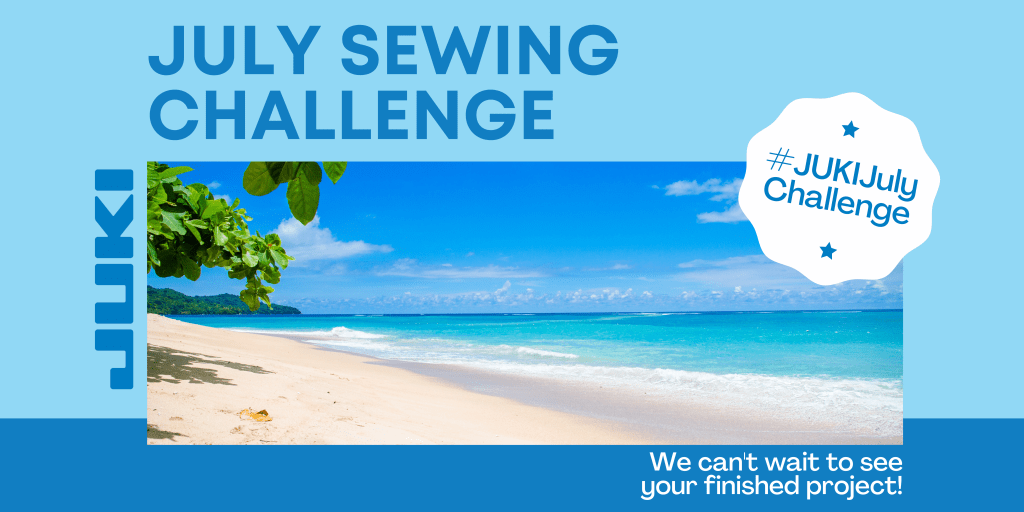
This month we’re making our own #JUKIJulyChallenge, and we want every one of you JUKI Lovers to join! Your goal is simple, create something that screams the beach! It could be anything from quilting to fashion that represents what visiting the beach (or lake) means to you.
Think of this as a fun new challenge to get your creative side flowing. Take the time to sit down and create something new with low pressure and think about what summer means to you!
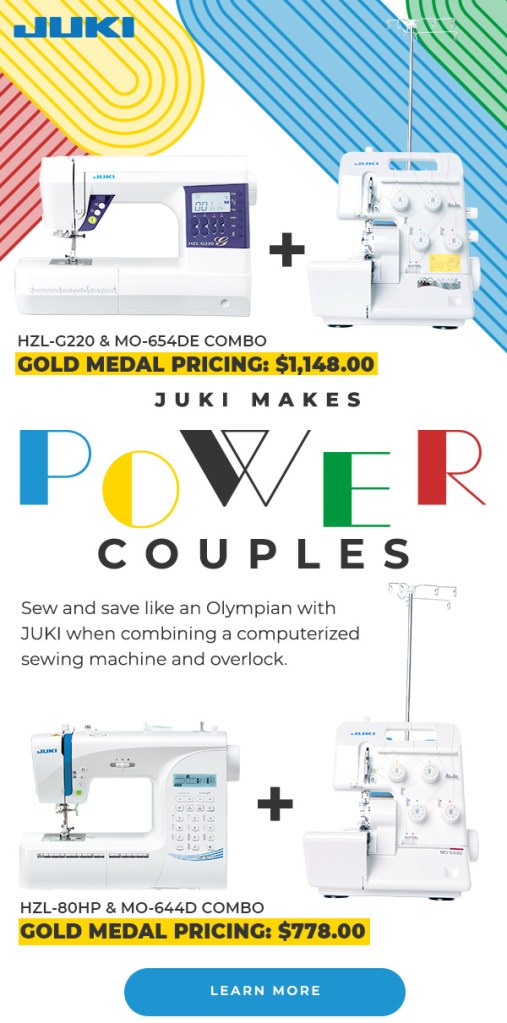
This month at JUKI we’re introducing the Power Couples! With these two machines working together expect to make finished products that look professionally done! Find our HZL-G220 and MO-654DE, as well as our HZL-80HP-A and MO-644D combo at a dealer near you. Sew and save like an Olympian on this Gold Medal offer we have.!
For more information contact your local JUKI dealer here.
It’s time to be to celebrate JUKI Lovers! We’re so excited to celebrate July 4th with you all this weekend so we wanted to share a great project for your family and friends. Below we’re going into a project for a “patriotic placemat” to get ready for your BBQs!
Click here to learn how to create this sweet project straight from home!
Today we’re going to talk about your body types JUKI Lovers! Do you ever feel like clothes look great on hangers but don’t flatter your own body? Our number one trick is remembering that it’s essential to style your body first and then worry about the clothing style. Make clothing that fits you perfectly, and give yourself that confidence you want!
People come in all different shapes and sizes, creating their fitting challenges. But don’t worry, with the clothing you sew and the body types your sewing for in mind, you can truly make a difference in any fashion statement.
Below we dived into some different body types and the best way to style and sew for them. Take a look and see what new ideas this might bring you!
Finding your Body Type
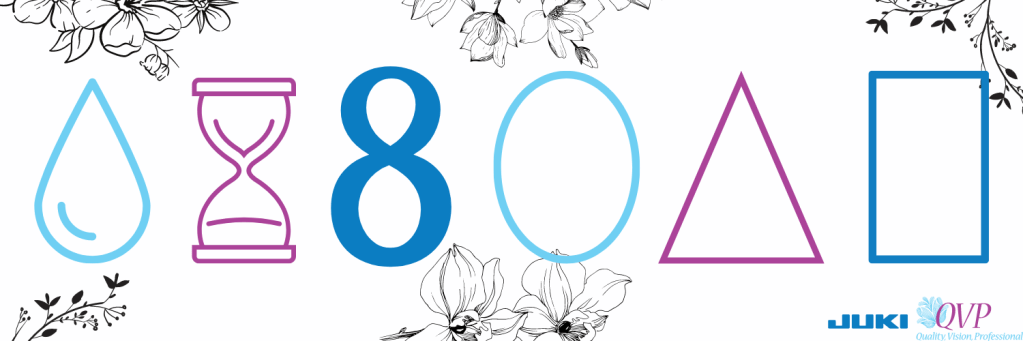
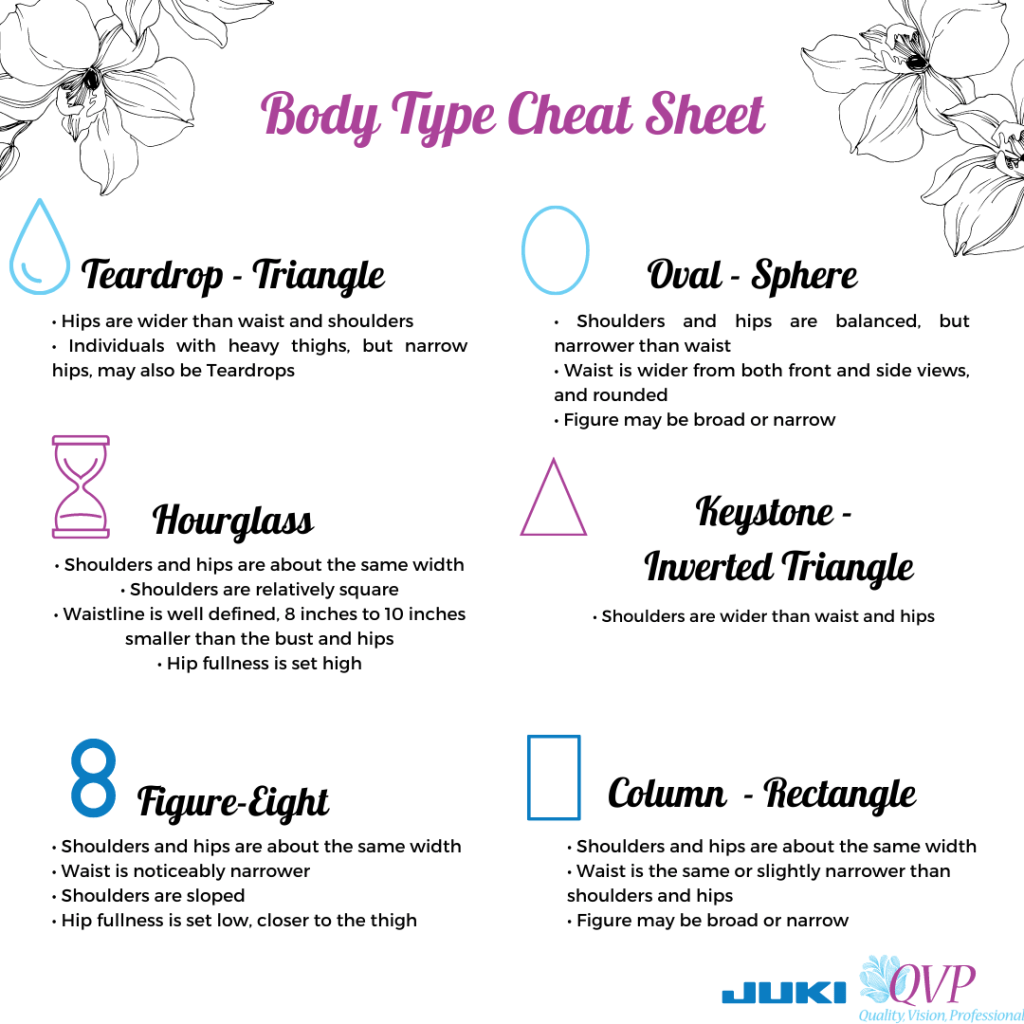
It’s always best to start with figuring out which body type matches you most. Use our cheat sheet below and see which one best resembles you! It’s 100% better to get a piece that fits you well after sewing for hours over your new project.
Sewing and Accessorizing for Your Body Type
The Teardrop Body The teardrop body, also known as the A-types, becomes wider from the hip down. If you’re someone who wants to accentuate the top of your body, use bright color fabrics and prints; for the lower body, focus on muted tones. This will help your upper body stand out! You can also add decorative stitching around the bust and shoulders for an extra pop. If you find yourself wanting to accentuate your legs, look into designing pants with long straight wales or skirts that have open slits. Try to avoid vertical lines and bands, yokes, and hemlines at the full hip.
The Hourglass Body Hourglass figures are known for their narrow waist and similar sizing in the bust and hips area. It’s best to maintain a balance in your outfits by avoiding the addition of volume to shoulders and hips. Try selecting patterns that follow natural curves and allow you to emphasize your waist. Try to avoid styles that conceal or widen the waist. Simple things like tucking in your shirt or wearing wide-legged boot cut jeans are great ways to complement the body.
The Figure Eight (8) Body These body figures often have rounded shoulders, sturdy hips, a slender waist, and a short upper body. Usually having a larger bust and curves, we recommend accentuating your features by creating beautiful belts that outline your waist. Creating projects like pencil skirts for yourself or using fabrics with a fluid drape are perfect ways to sew for yourself! A practice we recommend is using contrasting colors at your waistline to accentuate or choosing styles and patterns that sit at your natural waistline. Balance your style by adding interest with volume found in ruffles using gathering techniques. Try to avoid boxy, loose styles that conceal the waist.
The Oval Body There are many ways to accentuate the oval body shape, like narrowing your waist with styles that use vertical or diagonal details at the body’s center. Break up the waist and hip using vertical line designs. Try to avoid pieces that are bright or light since these shine at the waist. Draw attention to your shoulders and hips by adding dimension with volume using gathers or ruffles. Avoid using designs that widen the shoulders and go towards pieces that balance out your look. Accentuate your legs by creating your own slit skirts or straight dress patterns to create a more extended look.
The Keystone Body Usually obtaining a more athletic build, keystone body shapes are built with shoulders that are broader than the hips. Depending on which you prefer to accentuate the waist or shoulders, you can follow different design paths. Using design patterns for skirts with bright colors or patterns is a great way to bring attention to your lower body. If you want to accentuate your upper body, try to stay at hip length to focus on your waist. Embrace your looks with halter tops and diagonal shoulder seam lines, but avoid shoulders with sleeve-cap detail or padding.
The Column Body The column body tends to have shoulders and hips more or less the same width and less of a defined waist, but for those that want a defined waist, it’s easier than you think! Use tricks to make your upper body look longer with tops that stop at your waist. Using tight jeans instead of looser ones will help accentuate the waist better as well. Look into patterns that offer knee-length dresses to make yourself seem taller. A great tip is equaling out your shoulder and hips to narrow the waistline. Using diagonal lines at the shoulder and hem, direct people to see toward your center front. Avoid using contrasting colors at the waist to create a more balanced look.
When you create with the idea in mind to match your clothing style with your figure or body style, you will create projects that have you enjoy clothing construction for yourself more. Remember to keep a balance between your frame and fashion. Focus on playing up the parts of your body you enjoy and create pieces that drive focus away from those features you don’t want to emphasize. We hope you enjoyed these suggestions! Have fun with fashion.
As a sewist, you know the importance of choosing suitable fabric for your project and how it can significantly affect your finished product! Today JUKI Lovers, we’re going to go over different fabric types and how to choose the right one for your project.
Quilting Cotton The most common fabric you’re going to find in big stores is quilting cotton. A light to medium fabric, this material is made of cotton and woven, making it a popular choice for quilting projects. Keep in mind, this material is not the best for clothing construction on most projects. While it can create structured shirts well like a button-down, if you’re looking for a look that has more stretch, flow, or drapes, this fabric wouldn’t work best.
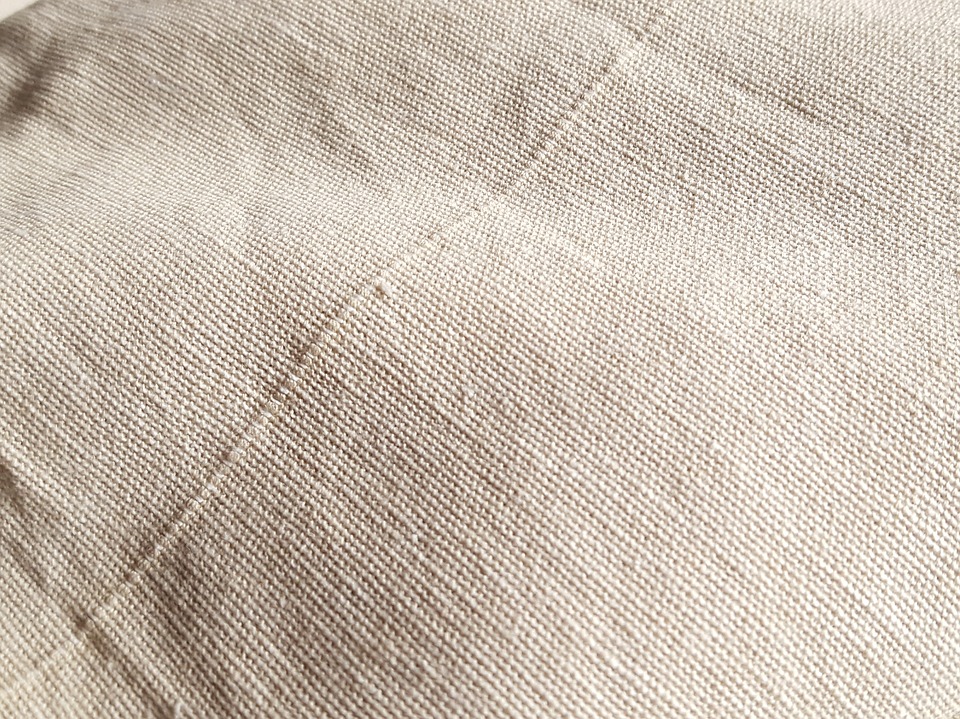
Linen Linen fabric is a slightly different fabric from cotton. While similar as both are plant-based, the linen fabrics tend to be very soft and very breathable. Linen is best for warmer temperatures and is done in a plain weave. Some linen fabrics will have a noticeable color variation due to the threads that created the material. It’s well known to drape nicely, and it softens after washes creating the perfect comfort material for the winter times. Still, it’s best to keep in mind linen proneness to shrinking.
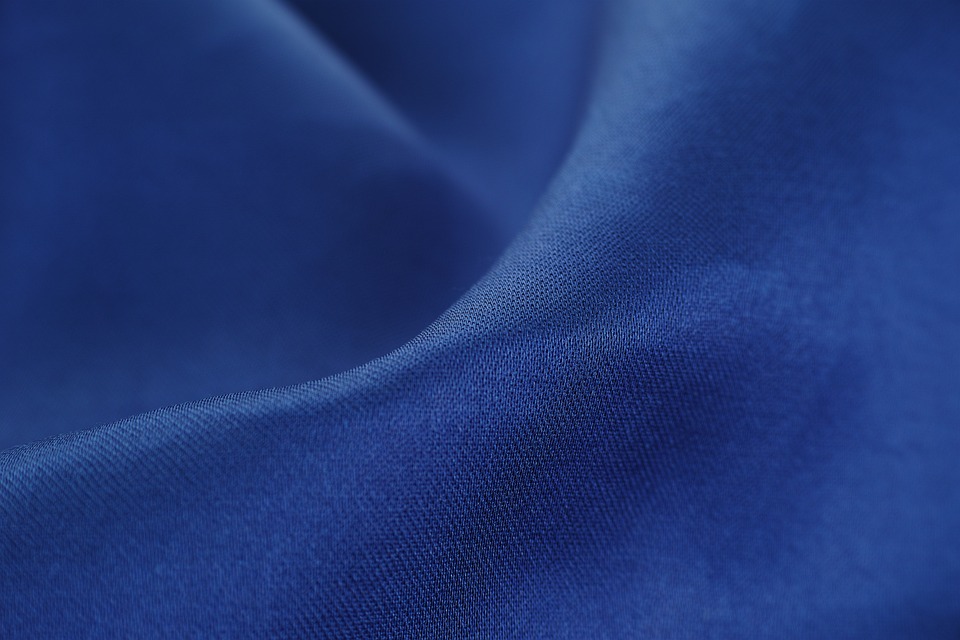
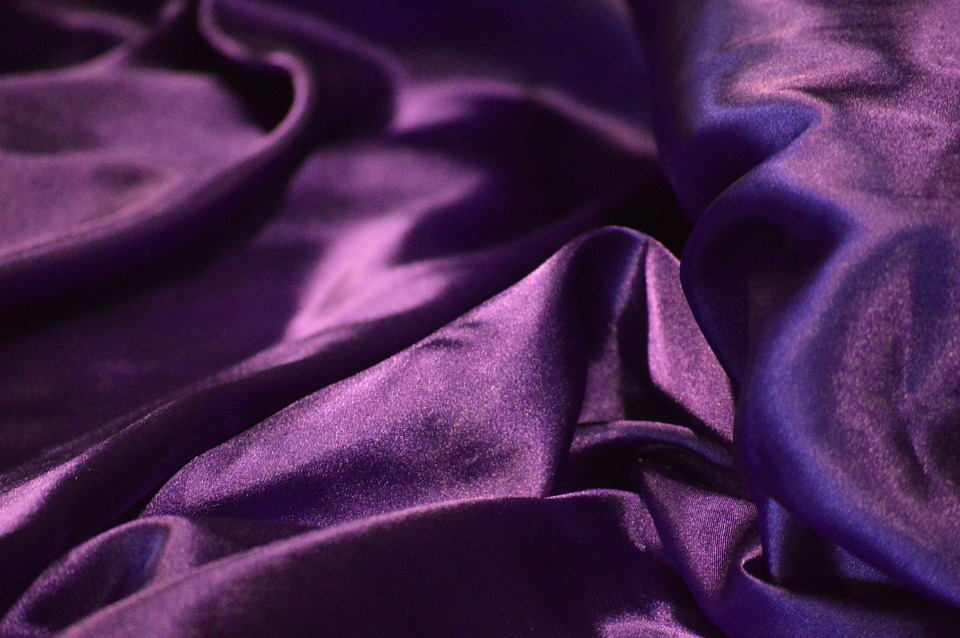
Silky Solids and Prints When you’re looking for something bright or eye-catching, silky solids and prints are a bold choice. This material drapes well and has two options for construction. One silk material is made of polyester, a high-quality dupe of the original silk created from cocoons. When creating blouses or dresses, the structure of the material gives the proper flow and accentuates nicely. Choose this material when wanting to create light, loose clothing.
Canvas Canvas fabrics come in different styles, but it’s primarily a solid material best used for home décor projects, theatre set designing, and bags. Canvas can also be best used for home furniture projects because of the soft material and works well on footrests and ottomans. Of course, this material can also be used for painting and other art projects. Keep canvas in your fabric drawer as it is an incredibly versatile fabric for many hobbies!
Chiffon When creating beautiful and frilly pieces, chiffon is a charming choice! Woven sheer fabric is perfect for creating skirts with a flow and can also be used for home décor such as curtains. Always keep in mind when using chiffon for clothing that the material can be complex for new sewers to work with due to its proneness to frame and be shifty. We recommend testing with a small piece of fabric and adjusting your settings as you go.
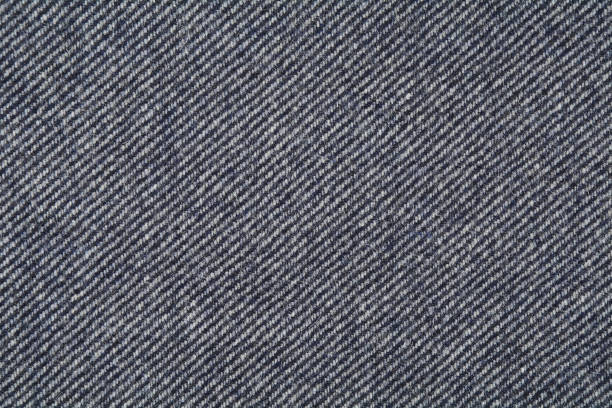
Twill Making curtains? Twill is the perfect fabric for that project! Twill is a fabric created out of cotton or cotton spandex and is best used for dress pants, home décor, and bags. Twill is created using a twill weave and is generally woven with threads of only one color. Perfect for curtains, the material is thick and drapes well with low wrinkles creating a cleaner look in your space.
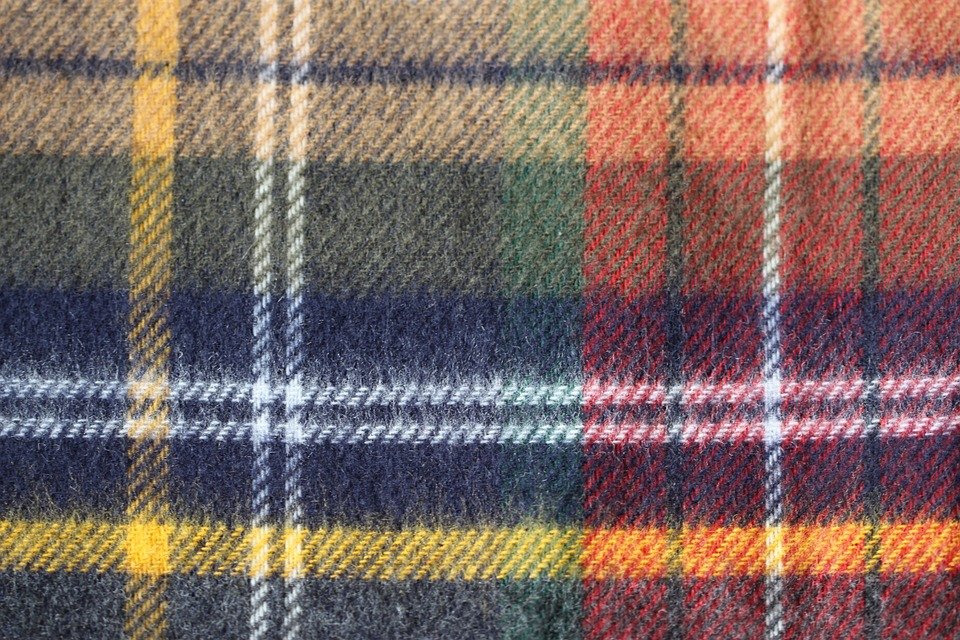
Flannel Flannel garments rise from their slumber during the colder seasons due to their comfort and warmth. Woven cotton is brushed on or both sides creating this fuzzy and soft texture that allows warmth to be kept. This material is excellent when designing winter pajamas or cozy outfits for the fall. Using this soft material, you can also create warm blankets and quilts for the family.
With so many materials and fabrics available for sewers out there, we want to make sure you’re choosing the right one! What are some fabrics you’ve worked with that you love using?





 sewinwithjuki.com