Create with JUKI: Candy Corn Treat Bag!

Get ready for the holidays with JUKI!

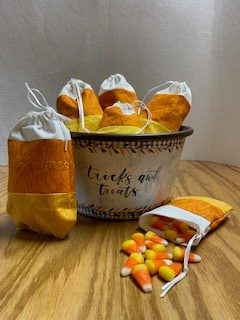
Today we’re going to be showing you how to create a treat bag! Perfect for Halloween and special occasions, dress up your party table with these adorable accessories. With the ability to change fabric colors, use this for Halloween, Christmas, Hanukah and more!

Click here to download our Treat Bag instructions.

Get Ready for Halloween with JUKI!

Halloween season is upon us, JUKI lovers, and we’re so excited to let the creativity flow! Join us today, as we talk about ideas for your spooky costumes and what machines and accessories will help you get there.

One of the crucial things to keep in mind when planning your costume is not everything has to be from scratch. Costumes are created from pieces put together, which means parts of them can be homemade, and other parts can be store-bought or even found in your home!

Before You Start:

The best way to start is to pick a theme! Build an inspiration board with color schemes, materials, and other costumes people have done. Consider your budget as you go through ideas on how you want your finished project to look. Add your special flair and creative touches to make your costume unique to you!

Helpful Tools to Creating Your Project:

We recommend having two sewing machines on hand when creating your costume, a computerized sewing machine and a serger. Our Kokochi DX-4000QVP is an essential tool when creating Halloween costumes or even cosplay. This computerized sewing has a large sewing area for your capes or larger pieces, includes 368 sewing patterns to personify your garments and 20 professional buttonhole options. No matter what you’re creating, this machine creates beautiful pieces that you envision!

If you’re creating pieces that involve fabric that may fray or need gathering, like fairy costumes or princess gowns, it is a great idea to keep an overlock on hand like the MO-654DE. This popular serger has a built-in rolling hem that covers the fabric and prevents it from fraying as well as all the popular overlock and flatlock variations. It is perfect for adding those touches like a bunched-up sleeve, neckline, or skirt.

Here are some key things to think of when planning your costume:

Focus on what fabrics you’re going to need. Keep in mind what colors you’ll need, what kind of character you’re going to be, and what you need the costume to do for you! Cotton is a common one for costumes, but keep in mind location and weather. Tulle is perfect for petticoats, bows, and tutus. Felt is helpful for decorations, or if you need accessories like a hat. Some costumes will require stretch, so keep that in mind when shopping for a costume like superheroes made from latex and lycra. Satin can be used for costumes like princesses or creating a decade pieces from the ’20s.

Are you adding embellishments to your costume? Add a touch of glam and glitz like buttons on a clown costume, or gemstone, and flashy sequins on a decade’s piece for the ’70s! We recommend making sure; you have the right foot on hand for your sewing machine as well. Our Creative Set, for example, will have all our popular design attachment pieces like our applique presser foot, cording and embroidery presser foot, pearl attaching presser foot, and more!

As Halloween dawns upon us be ready to celebrate! Did you create a Halloween costume with your JUKI? Be sure to tag us!

Create with JUKI: Trick or Treat Bag!

It is almost Halloween time, JUKI Lovers!

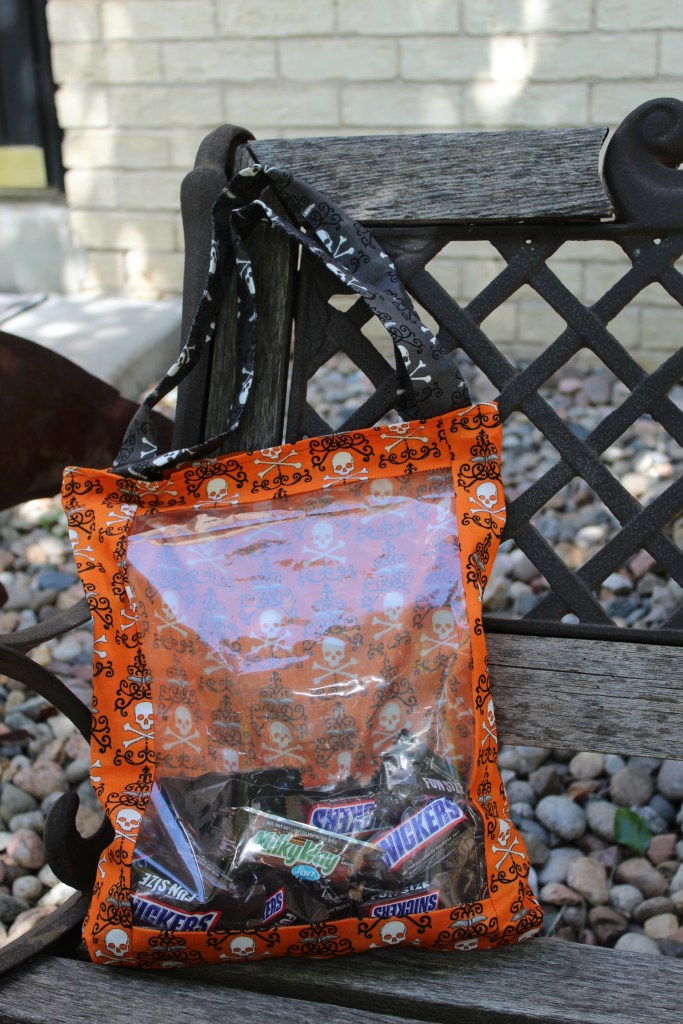
Join us today as we share a JUKI Halloween projects for your family! Learn how to create our Trick or Treat Bag, a see-through bag perfect for seeing everything your children bring home. With a finished size of 14” x 16”, this bag will carry all those treats home!

Click here to download our Trick or Treat Bag instructions.

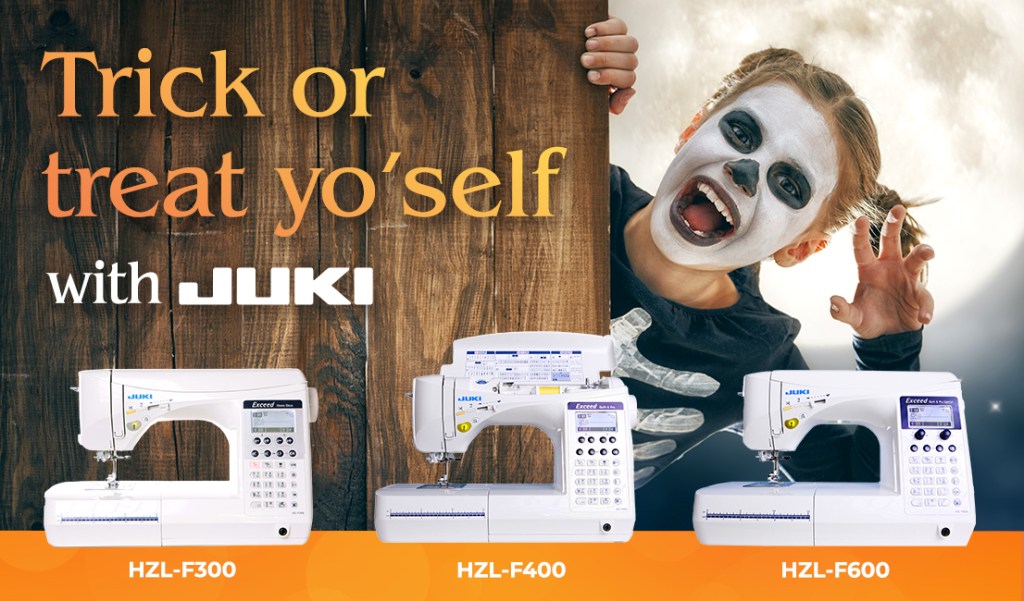
Trick or Treat Yo’ Self with JUKI!

Get into the spirit with JUKI this October! Join us this month as we go over our HZL machines that get every job done!

Our HZL-F300 will exceed your sewing expectations! Equipped with 106 stitches including 16 professional buttonholes, 3 lettering fonts, and a wide variety of included accessories this machine is perfect those complex projects you want to create. it has an ability to handle heavy duty fabrics and layers, perfect for your quilting and home décor projects.

Check out the HZL-F400 is perfect for creating your clothing pieces you want to show off! With Halloween round the corner, this machine is perfect for designing that costume you’ve been driving of. create beautiful seamless quality projects, add buttons holes and more, we know how important it is that your machines fulfills your needs!

Don’t forget to create beautiful patterns on your quilts using the HZL-F600! Incorporating JUKI’s industrial sewing machine technology, you can create pieces with beautiful stitch quality. offering a range of functions, this machine can assist you on your next quilting project or clothing pieces. feel at ease with the electronic buttonhole function, exclusive advanced thread trimming, complete control and on-board guides, and more!

Whichever machine youre looking at, check out your nearest JUKI dealer for the oppurtunity to see it in person and get more information!

Click here for our JUKI Vendor Finder.

How To Read A Pattern

We know how daunting it can be to use sewing patterns for the first time. No worries! We are here to help. Today, we are diving into the basics of how to read a sewing pattern. Follow along as we review the basic info you will need, as well as tips to keep in mind.

Let’s Begin!

Start by looking at the instructions section of the booklet or file. This section is loaded with information such as helpful tips before getting started and the best material to use for your project.

Find the Style Lines

When you open up your new pattern, look at the flat, drawn designs to get a better idea of whether this project is the right one for you. It’s a more accurate representation of what you will be sewing and less distracting than the 3D image usually shown at the front of the kit.

Think About Your Sewing Level!

Many patterns will indicate a level of difficulty for example if you’re a beginner, lean towards projects marked as “easy” because these will have a better guide on how to construct your project. They’ll indicate the right tools for each step and showcase how to properly do certain steps. For those that have more experience and feel they’re above the “easy” patterns, there are many options to choose from as well.

As you continue to grow your sewing skills, you’ll be able to explore more advanced patterns. We recommend checking out nearby sewing classes and checking out construction books to help! Don’t rely on one thing to grow. Continue to find different ways of creating projects through blogs, classes, and social media.

Check Out Fabric Suggestions

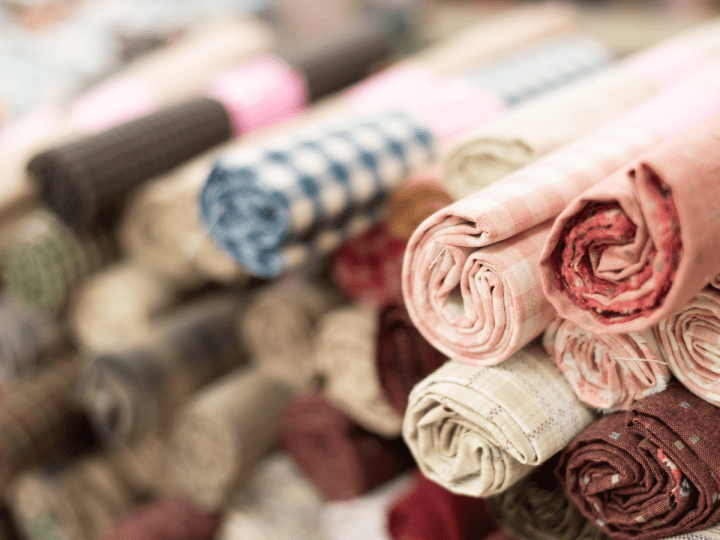
The best part about patterns is many give you the layout for what tools you’ll need on your new project. Many will suggest a fabric that is well suited to the pattern, whether it be because of durability, stretch, or material feel. Using the encouraged fabric will also get you closer to the desired look.

Once you have more experience in sewing, feel free to experiment with different fabrics! Sometimes, leaving the path and venturing out to try new fabrics in a project that called for something different can surprise you, or at least give you a lesson on why something won’t work next time.

Keeping Up with Yardage

Pattern designers will include fabric yardages to give you an idea of how much fabric you will need. While this should account for pre-wash shrinkage, we recommend buying at least 5-10% more than you’ll need. Think of this as a safe route in case your measurement needs to be higher for your fit or you want extra fabric for accessorizing a clothing project.

A hot tip is to pay attention to the width of the fabric. While the average width is usually 60″ or 44″, you can come across narrower fabrics. When this happens, keep in mind to buy more yardage to accommodate all the pattern pieces.

Don’t Forget Your Thread and Notions!

Patterns will include a list of notions you need for your project like elastic, zippers, and more. Add these to your shopping list!

Size Chart

The first mistake many make is trying to create sizing based on what people buy at the store! Located on your pattern, you will find a size key or chart that helps you choose the right lines for your size.

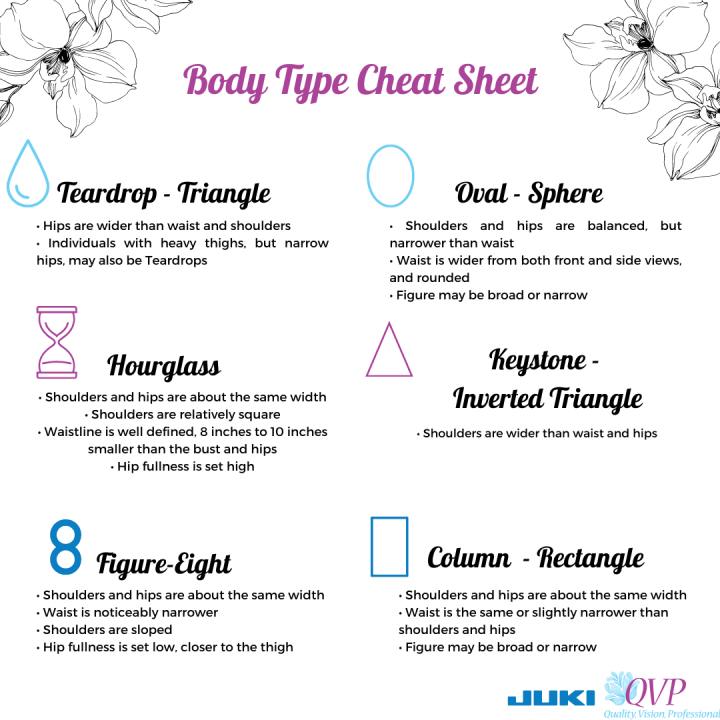
Make sure to create your project off your body measurements. Don’t worry if your measurements seem off that charts, charts are only averages, and many will experience this! Remember your size is always changing and it’s best to do this every month or so. We recommend determining the size to sew using different measurements for different pieces of clothing:

•          Top/dresses: Use chest (or high bust) circumference

•            Pants: Use the hips girth (meaning widest girth under the belt, usually around the seat)

•            Skirts: Use natural waist (even if the skirt will then sit in a low or high waist)

Time for the Pattern Pieces!

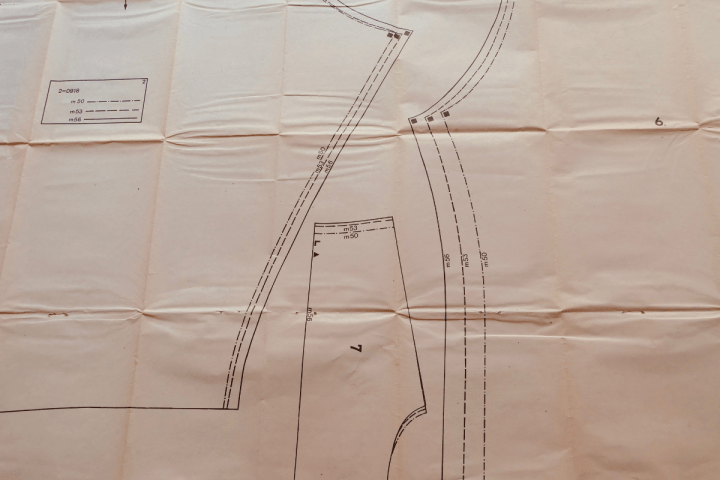
Check for which pieces need printing. Some patterns may include pieces for simple shapes that you cut by measurement only.

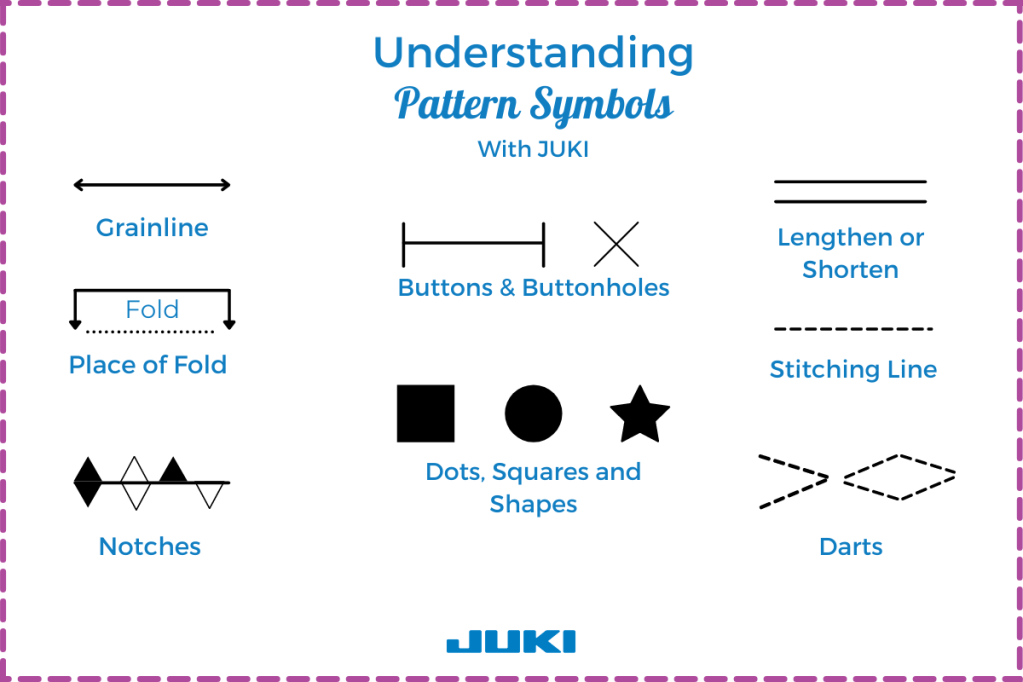
Read Your Symbols

Symbols are how the designer communicates with you through their patterns! These symbols will show you how to place the pattern, access where the grainline is, what pieces need to align, and more. Refer to the symbol chart and mark when transferring the sewing pattern onto the fabric.

Let’s get to Cutting!

Now there are two ways you can cut. One method is by placing the pieces on top of the fabric and cut from there. However, many times this technique can waste a lot of fabric! Another way to do this is simply to place your cut-out pattern pieces on top of the fabric and play a game of Tetris by fitting the pieces. Make sure to follow the lines, and you’ll save fabric while getting the project done.

We hope this helps you the next time you decide to pick up a pattern book. Don’t forget to tag us on social media when you create a project using your favorite pattern book!