Start Creating with JUKI HZL-LB Series

Meet JUKI’s HZL-LB5020 and HZL-LB5100, machines bringing you dependable performance, thoughtful features, and versatile creative capability to sewists at every skill level. In this blog, we’ll explore the benefits of both machines, highlight their key features, break down their applications, and point out the small differences that help you choose the model that fits your sewing style.

Whether you’re learning to sew or building your craft room with reliable tools, JUKI’s HZL-LB series offers a smooth, confident sewing experience designed to grow with you. The HZL-LB5020 and HZL-LB5100 are lightweight, easy to use, and built with the same quality engineering that sewists expect from JUKI. From everyday mending to creative projects, these machines deliver the control, precision, and dependability you need to bring your ideas to life.

Why Choose the HZL-LB Series?

The HZL-LB5020 and HZL-LB5100 are designed for sewists who want a machine that offers both comfort at home and convenience on the go. Their lightweight build makes them easy to carry to sewing retreats, classes, and workshops, while still providing the stability needed for daily sewing projects. Whether you’re setting up in your dedicated sewing room or working from the dining table, the compact size of the LB series fits naturally into your space without feeling bulky or overwhelming.

These machines are also simple to store, sliding easily onto a shelf, into a closet, or into a sewing tote when not in use. Despite their small footprint, they offer thoughtful features that support long sewing sessions—from smooth, consistent stitching to intuitive controls that reduce strain and keep your workflow comfortable. We’ll explore these features in more detail in the next section, but it’s this blend of portability, ease of use, and JUKI-grade quality that makes the HZL-LB series a standout choice for sewists at any level.

Key Features That Support Your Sewing

  • Consistent, Even Stitching: Both models use JUKI’s precision engineering to help you sew smoothly across seams and layers. The 7-point feed dog ensures reliable fabric handling whether you’re piecing quilting cotton, hemming denim, or crafting home décor.
  • One-Step Buttonhole: With a fully automatic buttonhole function, both machines allow you to create professional-quality closures with ease. It’s an ideal feature for garment construction, bags, home décor accents, and children’s clothing.
  • Automatic Needle Threader: Save time and reduce strain with built-in needle threading. This feature allows you to start sewing quickly and keeps your workflow smooth.
  • Lightweight and Compact: At just 12lbs, each machine is easy to lift, carry, and transport. It is ideal for sewists who travel to classes, retreats, or sewing meetups. Its compact footprint also makes it a perfect fit for small spaces, giving you full sewing power without taking up valuable space.

What You Can Create with the HZL-LB Series

The HZL-LB5020 and HZL-LB5100 are built to encourage creativity, offering the flexibility to take on simple everyday tasks as well as more detailed, skill-building projects. Their smooth stitching, intuitive controls, and dependable fabric handling make it easy to move from one type of project to the next without hesitation.

Whether you’re sewing for your home, your wardrobe, or your next crafting session, these machines support a wide range of applications that grow with your imagination.

  • Garment Construction: Tops, skirts, dresses, and tailored pieces, thanks to evenly balanced stitches, clean buttonholes, and the ability to work with knits, wovens, and lightweight specialty fabrics.
  • Quilting & Patchwork: Piece quilt blocks, assemble small quilts, and take advantage of adjustable stitch options for finishing touches.
  • Home Décor: From curtains to throw pillows to table runners, the LB machines provide dependable stitching on décor-weight materials.
  • Crafting & DIY Projects: Great for zipper pouches, totes, accessories, alterations, and simple upholstery repairs.

These machines are especially appealing for sewists who want a machine that supports both learning and long-term skill building.
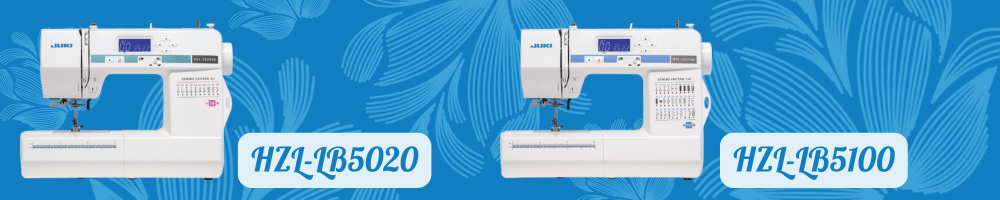
HZL-LB5020 vs. HZL-LB5100: What’s the Difference?

While both machines share core features and quality, here are the small but meaningful distinctions that can help you choose the right fit:

HZL-LB5020

  • 20 built-in essential and decorative stitches
  • Ideal for sewists who want essential stitch functions without extra complexity
  • A strong choice for beginners, garment sewists, and general home projects
  • Straightforward interface for simple and clean sewing

HZL-LB5100

  • 100 built-in essential and decorative stitches
  • Offers decorative stitch options for more creative expression
  • Great for advanced beginners, crafters, and sewists who enjoy embellishment or detail work
  • Allows for added versatility in quilting, decorative sewing, and personalized projects

Both machines provide stability, accuracy, and ease of use—the 5100 simply expands your creative range with additional stitch patterns.

Which One is Right for You?

Choosing between the HZL-LB5020 and the HZL-LB5100 comes down to the type of sewing experience you’re looking for. The HZL-LB5020 is an excellent choice if you prefer a straightforward machine that focuses on essential stitches and simple operation. It’s reliable, easy to learn, and well-suited for everyday garment sewing, mending, and home projects.

If you enjoy having more decorative options or want room to explore additional stitch designs as your skills grow, the HZL-LB5100 offers expanded versatility with its broader stitch library. It gives you the ability to add detail, embellishment, and personality to your projects while still offering the same stability and ease of use as the rest of the LB series.

Both machines deliver the comfort, consistency, and quality JUKI is known for—the difference lies in how much creative variety you want at your fingertips.
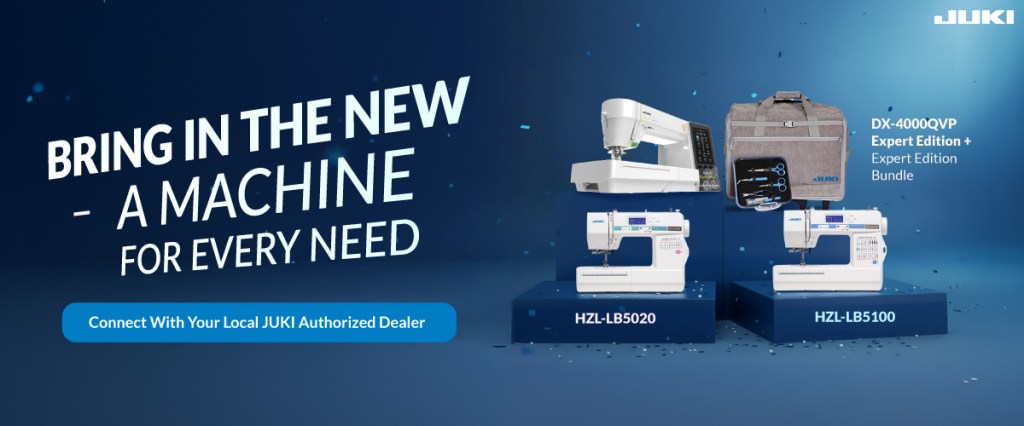
Bring in the New – At Every Level with JUKI

Start the year by turning your ideas into reality with JUKI! No matter where you are in your sewing journey, the right machine can help you grow, refine your skills, and bring fresh ideas to life. Whether you’re sewing garments, quilting, or creating home décor, JUKI offers dependable performance at every stage.

This January, discover three versatile sewing machines designed to meet you where you are, from compact, everyday sewing to an advanced Expert Edition built for serious makers. Wherever you start, JUKI supports your creativity with precision, ease, and room to grow.

HZL-LB5020: Your First Step Into Sewing

The HZL-LB5020 is one of our lightweight and portable machines, perfect for makers who want simplicity without sacrificing capability. Its compact size makes it easy to move between rooms, take to sewing classes or workshops, or store conveniently at home. Despite its portability, the LB5020 is packed with features that make everyday sewing smooth and enjoyable.

Key Features:

  • Practical stitch selection with 20 essential patterns
  • Designed for easy sewing with automatic needle threading, speed control, drop feed, needle up/down, and free arm
  • Lightweight and compact at 12lbs
  • Perfect for garments, quilting, home décor, and more

HZL-LB5100: Grow Your Skills, Expand Your Creativity

For sewists who want more decorative options, the HZL-LB5100 delivers 100 stitch patterns, including beautiful decorative stitches. Like the LB5020, it’s lightweight and travel-ready, making it a great companion for classes, creative meetups, or workshops. Features like automatic needle threading, stitch control, drop feed, and needle up/down ensure smooth sewing, giving you the freedom to explore more intricate designs.

Key Features:

  • Select from 100 stitch patterns, including your essentials: zig-zag, blind stitch, buttonhole, and more
  • Creating projects is easy with automatic needle threading, speed control, drop feed, needle up/down, and free arm
  • Lightweight and compact at 12lbs
  • Perfect for garments, quilting, home décor, and anything you can imagine

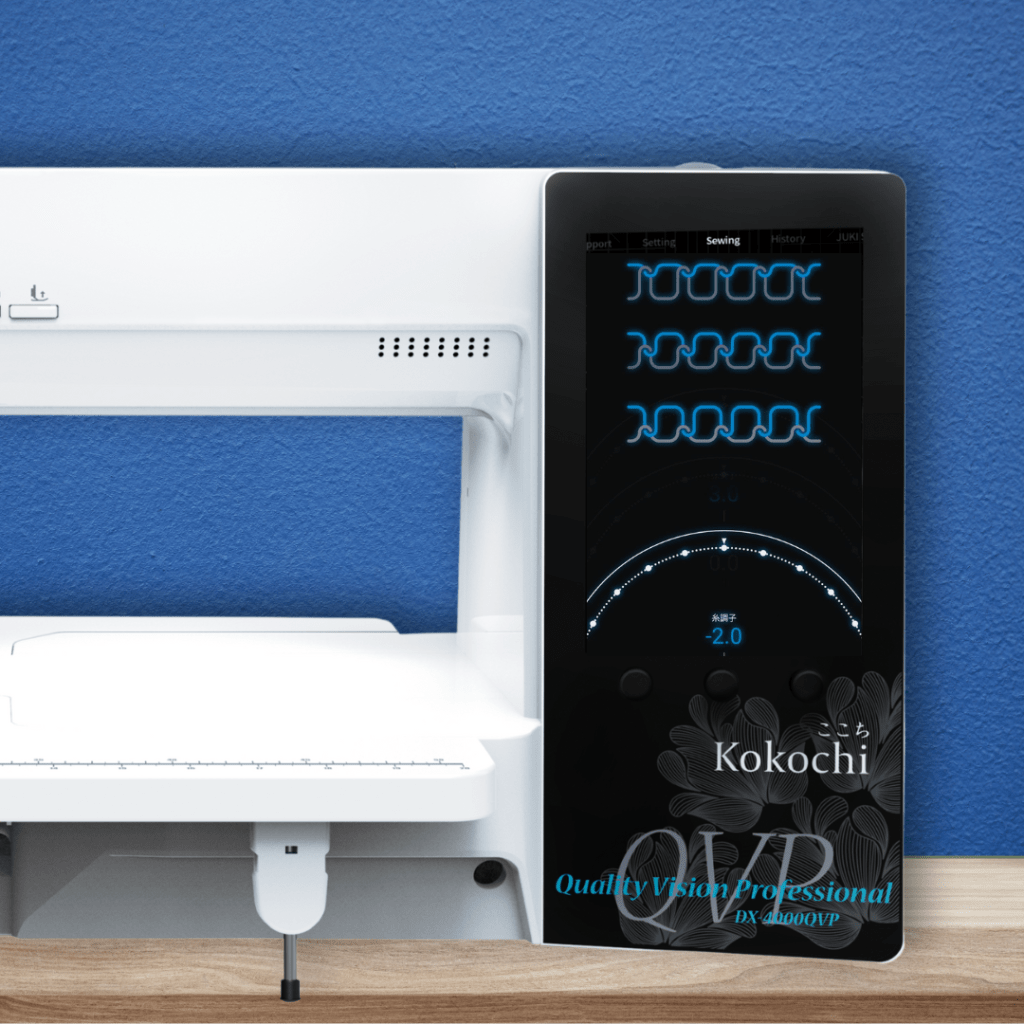
DX-4000QVP Expert Edition: Experience Advanced Performance

Last, we have the DX-4000QVP Expert Edition, a machine designed for sewists seeking both precision and creative freedom. While it’s a full-featured powerhouse, our current bundle makes traveling with it easier than ever, thanks to the included large JUKI trolley bag, designed to protect the machine and simplify transport to classes, workshops, and sewing retreats. Paired with a premium scissor set, this bundle ensures you’re equipped with the tools and organization you need to take on detailed projects wherever inspiration strikes!

Key Features:

  • Expert Edition Bundle included with platinum finish, 5-piece scissor set, and matching trolley bag
  • 12” throat space and extension table for effortless handling of large projects
  • Advanced sewing features: needle up/down, automatic thread trimming, speed control, bobbin thread alert
  • 368 stitch patterns, 20 buttonholes, and 4 lettering fonts to create what your heart desires

No matter your skill level or the projects you want to tackle, these JUKI machines offer the versatility, features, and inspiration to bring your ideas to life. Visit here to find a dealer who can help you select the machine that fits your creative goals. Make this year the one where you create, explore, and enjoy sewing with JUKI.

JUKI Machine Settings Demystified

Understanding your sewing machine’s settings can feel intimidating, especially when a simple project suddenly turns complicated due to skipped stitches, uneven seams, or fabric snags. Many sewists avoid touching their tension dials or presser foot controls because everything seems to work “well enough”—until it doesn’t. That moment of hesitation can turn creativity into confusion and leave projects unfinished or results inconsistent.

This blog is here to change that! By breaking down Speed & Stitch Selection, Tension & Presser Foot Pressure, and Stitch Length & Width, you’ll learn how each adjustment impacts your final stitch quality and fabric handling. With guidance and helpful features found on JUKI machines, you’ll build confidence in making purposeful adjustments that elevate every sewing project.

Speed & Stitch Selection

Sewing at full speed feels efficient, but slowing down can dramatically improve control when working on curves, corners, or precise topstitching. For delicate fabrics like chiffon or slippery satin, reducing speed prevents shifting and stretching, resulting in cleaner seams. On heavier materials like denim or canvas, a steady, controlled pace ensures the machine feeds evenly without straining the needle. Choosing the correct stitch for your project is equally important—stretch fabrics need flexibility, while structured garments rely on stronger, stable stitches.

JUKI machines make this process easier with dedicated speed control sliders and digital stitch panels that clearly display your selections. Instead of guessing, you can select stitches designed for stretch, finishing, quilting, or decorative work with accuracy. This intuitive setup helps you make informed choices quickly, allowing your machine to adapt to your sewing style and fabric needs with minimal guesswork.

In practice, this means slowing down your speed when topstitching a visible seam on a tote bag strap to keep the line clean and straight, then switching to a stretch stitch when working on leggings or knit cuffs. A quilter may choose a specific stitch designed to secure layers without puckering, while a garment maker might alternate between straight stitch and zigzag depending on seam location. With the quick-access adjustments available on JUKI models, these transitions become seamless, allowing you to maintain rhythm while customizing your workflow.

Tension & Presser Foot Pressure

Tension plays a key role in stitch formation. Too tight, and your fabric may gather or pucker. Too loose, and you’ll notice looping underneath your seam or uneven stitching. Learning to read these signs helps you confidently adjust tension instead of relying on default settings that might not suit every fabric. Taking a moment to test your tension on scrap fabric can prevent issues during your actual sewing process and give you control over how your stitches sit in the material.

Presser foot pressure is another setting that often goes overlooked but makes a significant difference in fabric feeding. Light pressure is ideal for knits and delicate fabrics, allowing material to pass through smoothly without resistance. Heavier pressure keeps thick or multi-layer projects steady under the foot, preventing shifting. Our JUKI machines often include adjustable pressure dials or automatic settings that adapt to fabric thickness, helping you maintain consistent stitch quality with less manual adjustment.

Here are a couple of tips to keep in mind next time you create.

  • Reducing presser foot pressure on a knit t-shirt hem allows the fabric to glide without stretching, while increasing tension slightly on denim seams helps keep topstitching crisp.
  • When applying elastic to a waistband, you can loosen the tension to allow for stretch without breaking threads.

These quick adjustments not only improve stitch quality but also help your machine adapt to changing fabric behavior mid-project, especially when using JUKI’s smooth control dials or digital tension presets.

Stitch Length & Width

Stitch length impacts both durability and appearance. Shorter stitches are great for lightweight fabrics or fine garment finishing, while longer stitches suit thicker materials or basting that needs to be removed easily. When quilting, adjusting stitch length can change the texture and flow of your quilting lines, giving you creative control over the final look. Decorative stitching also benefits from tailored length choices, enhancing visibility and detail.

Stitch width becomes especially useful when working with zigzag or decorative patterns. Narrow widths are ideal for discreetly reinforcing edges, while wider settings add visual detail or allow seams to stretch in activewear. Our JUKI machines offer precise incremental adjustments, giving you the freedom to customize your stitching rather than settling for preset defaults. This precision helps you tailor your machine to every material and project type with confidence.

Here’s another set of tips to keep in mind next time you create.

  • When hemming lightweight linen pants, a shorter stitch helps secure the fabric cleanly without fraying.
  • When quilting straight-line designs, increasing stitch length to create long sweeping stitches gives a more modern, airy look.
  • Sewing appliqué on a decorative pillow might require a wider zigzag stitch to secure edges smoothly, while piecing garments calls for a medium-length straight stitch to balance flexibility and strength.

JUKI’s fine-tuned adjustment knobs and on-screen width indicators ensure that every stitch placement matches your creative intention.

Exploring Settings Builds Skill and Creativity

Mastering machine settings doesn’t require perfection; it just takes curiosity and small intentional adjustments. By testing speed, tension, pressure, and stitch size on scrap fabric before beginning your project, you’ll start to understand how each setting influences your results. With practice, these adjustments will become second nature and help you solve sewing challenges before they appear.

JUKI machines are designed to support this learning process with easy-to-read panels, intuitive dials, and helpful automation that simplify adjustments. Whether you’re quilting, garment sewing, or working on home décor, your machine is built to work with you—not against you. Ready to put these settings into practice? Visit our Projects page here for guided tutorials and inspiration that encourage you to explore your machine’s full potential.

Handling Multiple Fabrics at Once

Winter sewing brings a shift in projects: lightweight summer ideas give way to layered quilts, themed table runners, cozy apparel, and decorative pieces built to add warmth and texture to the home. These projects often involve sewing multiple layers at once, layering batting, backing, and top fabric, or combining heavy textiles like velvet, canvas, and fleece. While these designs create beautiful, durable results, they also bring new challenges to the sewing table, especially when it comes to managing bulk and keeping seams straight!

If fabrics shift while sewing or the machine struggles to feed layers evenly, even the most carefully planned project can become a frustration. That’s why understanding how to stabilize your fabric, choose the right presser feet, match your needle to the material, and use key features built into your JUKI machine can make all the difference. In this blog, we’ll break down alignment techniques, presser foot recommendations, needle choices, and helpful JUKI functions to help you confidently sew multiple layers this season!

Fabric Alignment: Keep Every Layer Stable

Let’s start with the fabric you’ll use in your projects this season. Proper fabric alignment is the foundation of clean, professional-looking winter projects. When sewing quilts or table runners, layered fabrics can shift easily, especially during long seams or when batting adds loft. Because of this, we recommend using spray baste, long quilting pins, or fabric clips that can help secure layers in place. In home décor projects like placemats or panel-style wall hangings, lightly pressing each layer as it’s added helps eliminate air pockets and reduces movement under the needle.

For garments or layered apparel, especially when working with slippery linings or structured outer fabrics, hand-basting or using a long machine basting stitch can temporarily secure seams before final stitching. Rolling or floating excess fabric helps keep the sewing area manageable. If your project is weighty, like a queen-size quilt, using a large flat surface to support the bulk prevents dragging, which helps maintain consistent seam allowances.

Presser Feet Options

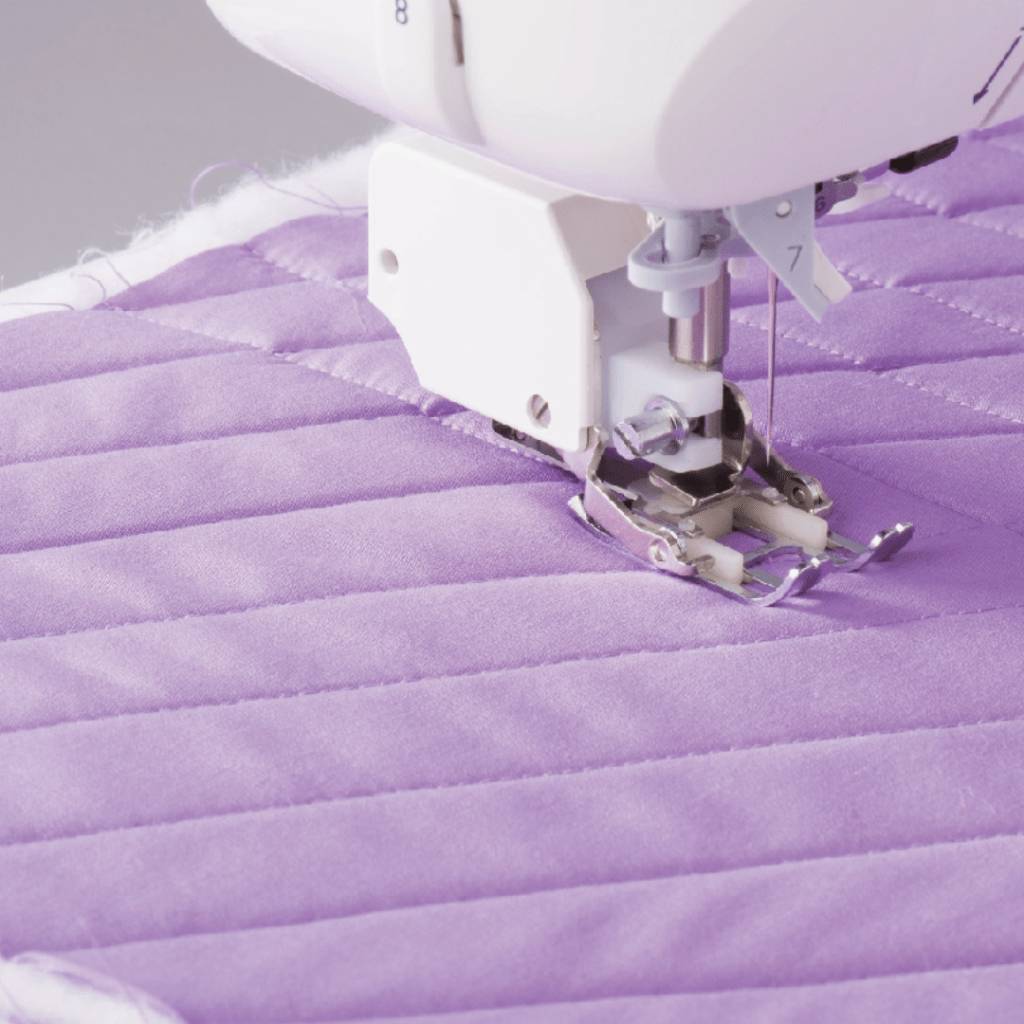
Let’s now move on to presser feet for your creative moments. A Walking Foot is one of the most useful accessories when sewing layered fabrics. It moves the top layer of fabric at the same pace as the feed dogs move the bottom layer, preventing shifting and puckering—especially valuable in quilting, padded placemats, and layered hems. If you’re sewing binding onto a quilt or attaching thicker trims, the walking foot helps feed fabric evenly for smooth, aligned stitching from start to finish.

For specialty materials like vinyl, leather, or faux fur, a Roller Foot or Smooth Foot gives you better glide and control, reducing drag from sticky or textured fabrics. These feet help maintain consistent stitch length on bulky winter accessories like bags or insulated outerwear. Pairing the right foot with your layered material allows your JUKI machine to feed fabric cleanly without stress!

Needle Choices: Strength and Precision for Thick Layers

Next, it’s important to note what needle you’ll be using. The right needle ensures your machine pierces through layers cleanly without breaking or skipping stitches. For cotton quilt layers with batting, a Quilting Needle (90/14) offers strength while maintaining a sharp point for precise penetration. When working on bulkier projects like canvas stockings, denim placemats, or fleece-lined accessories, switching to a Denim or Heavy-Duty Needle (100/16) provides the necessary power to handle thickness without needle deflection.

It’s important to start each layered project with a fresh needle, especially when sewing through batting or stabilizers, which can dull the needle faster. A dull needle leads to thread breakage, snagging, and uneven stitching; issues that are much harder to correct once multiple layers are involved. By matching your needle type and size to the fabric thickness and fiber, you set your project up for smoother stitching and professional results.

JUKI Features That Support Layered Sewing

JUKI machines are designed with features that support multi-layer projects and reduce the strain of managing heavy materials. Speed control helps you sew at a steady, manageable pace, giving you better precision during tricky layered seams. The Needle Up/Down function allows you to pivot thick fabrics without losing your place, making it easier to turn corners on quilt bindings or handle curves on layered garment pieces.

Adjustable presser foot pressure lets you control how firmly the foot holds your fabric. For thick quilts or fleece-backed runners, reducing pressure prevents drag and keeps stitches even. Stitch selection modes, especially straight-stitch settings with increased penetration power, offer added control when working on dense projects. With these built-in features, your JUKI machine helps layered fabrics move smoothly from the first seam to the final topstitch.

Make Layered Projects Enjoyable

Layered sewing projects don’t have to be intimidating! With the right alignment methods, presser feet, needles, and JUKI features, you can take on quilts, multi-layer table runners, padded home décor, and cozy apparel with confidence and control. Ready to put these tips into practice? Visit our JUKI Projects page for seasonal sewing ideas and explore compatible accessories designed to make layered sewing smoother and more enjoyable.

Save Time This Holiday Season

The holiday season is a whirlwind of decorating, gift-giving, and last-minute crafting. For many sewing enthusiasts, this can be both exciting and overwhelming! Between family obligations, work, and holiday events, finding consistent time to sit at your sewing machine can feel like an impossible challenge. That’s why having a set of time-saving strategies is essential. By planning, staying organized, and leveraging the features of your JUKI machines, you can tackle your holiday projects efficiently without compromising on quality.

Whether you’re making quilts, garments, or custom home décor, these tips will help you enjoy the process instead of feeling rushed. In this blog, we’ll explore practical sewing strategies like batch sewing, pre-cutting, machine features, and presser foot techniques to help you sew smarter this holiday season.

Batch Sewing: Work Smarter, Not Harder

Batch sewing is an effective way to save time while maintaining quality. Instead of completing one project at a time, group similar tasks together. For example, when making holiday stockings, cut all the fabric pieces at once, then sew the backs, the fronts, and finish with trims or embellishments. This reduces the stopping and starting that wastes time.

Batch sewing also helps you stay focused and consistent. Repeating the same step across multiple projects builds momentum and minimizes errors from switching tools or techniques. It’s an efficient way to use small windows of sewing time, even setting aside one evening for cutting and another for sewing to tackle projects in manageable stages.

Pre-Cutting & Organization: Prep is Everything

Pre-cutting fabrics and organizing materials is key to smooth holiday sewing. Measuring, cutting, and labeling all project pieces in advance prevents interruptions mid-project. Sort fabrics by project, bundle threads and trims, and keep patterns with their pieces for quick access. This way, when you sit at your sewing machine, everything is ready to go.

A good organization also keeps your creative energy flowing. With materials prepped and laid out, you can focus on sewing instead of hunting for scissors, pins, or fabric. Pre-cutting is especially helpful for layered projects like quilts or table runners, where precision matters. Preparing ahead saves time, ensures cleaner results, and makes holiday sewing more enjoyable.

Take Advantage of Your Sewing Machine Features

JUKI Home Sewing machines are packed with features designed to save time and improve results. Needle up/down allows quick, precise corner pivots, while automatic thread trimming keeps your workflow smooth. Stitch programming and memory let you save sequences to repeat across projects without constant adjustments. Even a larger workspace or built-in lighting can make holiday sewing faster and easier.

Learning to use these features boosts productivity. Instead of handling every step manually, let your machine do the work. Whether quilting, sewing garments, or finishing home décor, JUKI’s automation and precision features give you more freedom to focus on creativity.

Presser Foot Techniques: Speed with Precision

Beyond these basics, specialty feet can unlock even more time-saving possibilities. By pairing the right foot with the right project, you not only work faster but also elevate the look of your finished creations. Investing a little time in exploring presser feet can dramatically increase both the speed and quality of your holiday sewing.

For quilting projects or layered fabrics, a walking foot ensures even feeding, preventing puckering or shifting layers. This is especially useful for holiday quilts, placemats, or table runners, where multiple layers are sewn together. If your projects involve adding binding, the binder foot speeds up the process while producing professional-quality edges with less effort.

The even feed foot is another tool that helps streamline tricky projects. For fabrics like knits, silks, or any material prone to slipping, this foot ensures consistent feeding and neat seams. Using the right presser foot not only helps you work faster but also prevents mistakes, giving your holiday sewing a polished and consistent finish.

By incorporating batch sewing, pre-cutting, machine features, and presser foot techniques into your holiday routine, you’ll be able to accomplish more in less time and with greater confidence! These hacks aren’t just about efficiency; they’re about creating space for you to enjoy the process and take pride in your work.

And if you’re considering upgrading this holiday season, JUKI’s November promotions make it easier to bring advanced features into your sewing room! The Kokochi DX-4000QVP EE with Expert Edition Bundle is available with 0% financing for 24 months through Synchrony, while the Akane MO-3000QVP comes with a free trolley bag, while supplies last, plus the same financing offer. Both machines combine efficiency with professional results, helping you make the most of your holiday sewing time.