Few things are more frustrating than starting a seam and realizing your fabric has been pulled down into the needle plate. This can be especially annoying when you’re working with a small piece, lightweight fabric, or a project where you’ve already spent time getting everything positioned just right. While it may seem like your machine is simply misbehaving, there are a few common reasons this happens.
Knowing what to look for can help you make small adjustments to your sewing routine before the problem happens. Sometimes the solution is as simple as changing where you start your seam or giving your fabric a little more support. Other times, your needle, machine settings, or the type of fabric you’re working with may be playing a role. Let’s take a closer look at what’s happening and how you can keep your fabric feeding smoothly!
What’s Actually Happening?
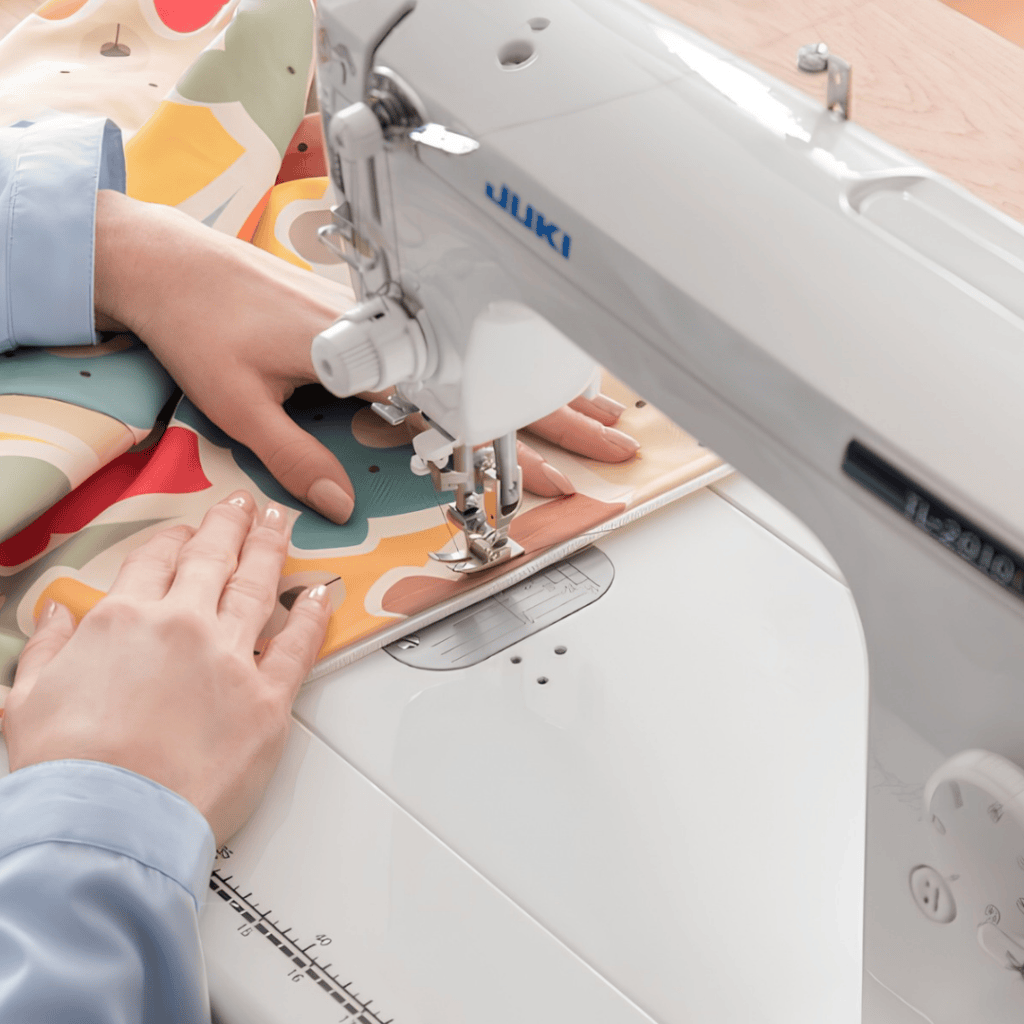
Before we get into how to prevent it, it helps to understand what’s actually happening when your machine pulls your fabric underneath the needle plate. In most cases, the fabric isn’t being supported properly as the first stitches form, allowing the needle to push or pull the fabric into the opening in the needle plate.
This can happen when you’re starting too close to the edge of your fabric, particularly with small or lightweight pieces that don’t have much material supporting them. As the needle moves up and down, the fabric can get pushed or pulled into the opening instead of feeding smoothly under the presser foot. Once the fabric starts to get pulled down, continuing to sew can make the problem worse.
Why Does It Happen?
There are a few different reasons your fabric might get pulled into the needle plate, and sometimes more than one factor is involved. The good news is that most of them are small adjustments you can make before you start sewing.
- Starting too close to the edge: If your first stitches begin right at the edge or corner of your fabric, there may not be enough material underneath the presser foot to keep it stable. Starting slightly farther in can give the feed dogs something to grab onto and help the fabric move more smoothly.
- Working with lightweight or delicate fabric: Thin fabrics can be especially prone to getting pulled down because they don’t have as much structure to support themselves. Slippery or loosely woven fabrics can also require a little extra attention when you’re getting your seam started.
- Your stitch settings: The way your machine is set up can affect how the fabric feeds. If you’re working with a lightweight fabric, experimenting with an appropriate stitch length and making sure your presser foot and machine settings are suited to the fabric can help create a smoother start.
- Needle and needle plate: Your needle and needle plate work together every time you sew, so using the correct needle for your fabric and making sure the needle is properly installed is important. A damaged needle or an incorrect needle plate for the stitch you’re using can also cause sewing problems.
- Fabric positioning: How you hold and position the fabric at the beginning of a seam can make a difference. If the fabric is unsupported or you’re pulling on it as you start sewing, it may not feed through the machine as smoothly as it should.
How Can You Prevent It?
One of the easiest ways to prevent your machine from eating your fabric is to pay a little extra attention to how you start your seam. Instead of beginning directly at the very edge, try starting slightly in from the edge when your project allows for it. You can also make sure the fabric is positioned flat and supported as it enters the machine rather than letting a small piece hang unsupported.
For lightweight fabrics, you may need a little extra stabilization depending on the project. Using an appropriate stabilizer can give delicate fabric more structure and help prevent it from being pulled into the needle plate. You can also use a scrap piece of fabric, sometimes called a leader, to help your machine begin stitching before moving directly onto your project.
It’s also important to make sure your machine is set up for the fabric you’re sewing. Check that you’re using the appropriate needle and thread, select the right stitch, and make sure the presser foot is properly lowered before you begin. These small checks can help you avoid problems before they happen.
What Should You Do If Your Machine Eats Your Fabric?
If your fabric does get pulled underneath the needle plate, the most important thing is to stop sewing. Don’t try to force the fabric out or continue running the machine, because you could damage the fabric, bend the needle, or make the jam worse.
Raise the presser foot and, if necessary, raise the needle to its highest position before carefully removing the fabric. If the fabric is firmly caught, you may need to remove the bobbin or needle plate to safely release it, depending on how your machine is designed. Once the fabric is out, check the needle for damage and make sure there aren’t any loose threads or pieces of fabric caught around the bobbin or feed dog area.
Before starting again, take a moment to figure out what caused the fabric to get pulled down in the first place. You may simply need to start farther from the edge, adjust your fabric positioning, or use a little stabilization before trying again.
Small Changes, Smoother Starts
A sewing machine eating your fabric can feel like a major problem, but it often comes down to a small change in how you start sewing. Paying attention to your fabric, needle, settings, and positioning can make those first few stitches much smoother. Once you understand what causes the problem, it’s easier to recognize the warning signs and make an adjustment before your fabric disappears under the needle plate.
The next time you sit down to sew, take a moment to check your setup before you start stitching. A little preparation can go a long way toward keeping your fabric exactly where you want it!

