What is a Walking Foot?

Have you ever struggled with layers of fabric shifting, puckering, or uneven seams that don’t cooperate? If you have, this month, we’re talking about an accessory you’ll love! The JUKI walking foot is your secret weapon for achieving smooth, professional-quality stitching on even the trickiest of projects.
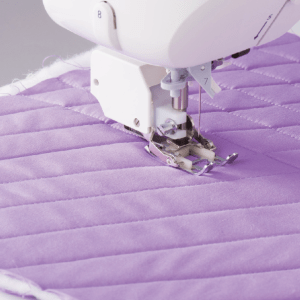
The walking foot, also known as an even-feed foot, addresses a large challenge in the sewing world: the uneven feeding of fabric layers during stitching. It was invented as a specialized presser foot and designed to complement the feed dogs under the fabric to ensure a synchronized feeding motion. It does this by moving its own feed dogs in unison with those beneath the needle plate, eliminating fabric shifting and puckering.

This accessory was needed in the community! It helps sew multiple layers of fabric, tricky materials like knits or slippery satin, and make bulky quilts more manageable. This attachment is an essential tool for quilters, seamstresses, and hobbyists, helping you transform the quality and ease of your sewing projects!

Originally, this was developed for industrial sewing machines, but the walking foot was later adapted for home sewing machines like yours, making its benefits accessible to everyday sewists like you!

Benefits and Uses of a Walking Foot
Now, what benefits does the walking foot offer? Well, it has a wide range of benefits, making it a valuable tool for sewists of all skill levels! One of its primary advantages is its ability to provide even feeding of fabric layers, which is particularly important when working with thick or multiple layers, like quilts, denim, or canvas. Without a walking foot, fabric layers can shift and create puckering, leading to uneven seams. The walking foot eliminates these issues and produces professional-quality results.

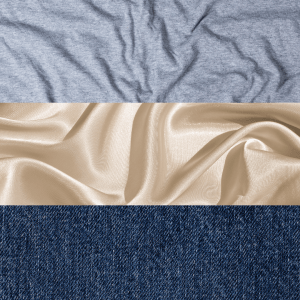
The walking foot can also become essential for sewing slippery or stretchy fabrics like satin, silk, or knits! These materials tend to stretch and shift under a standard presser foot, which can lead to uneven stitches or distorted seams. The walking foot’s dual-feed system prevents this by evenly pulling all layers of fabric through the machine, ensuring consistent stitching and reducing the likelihood of fabric shifting or puckering.

Beyond quilting and clothing, the walking foot is also useful for home décor projects, like curtains, cushions, and upholstery! These projects often involve multiple layers of fabric, making it difficult to get those neat stitches. With the walking foot, you can ensure that all layers move smoothly through the machine, making topstitching, binding, and decorative stitching much easier.

Tips for Quilting and Sewing with a Walking Foot

  1. Use the Right Needle and Thread: For heavier fabrics like denim or quilts, use a larger needle (90/14 or 100/16) to avoid skipped stitches or damage. For delicate fabrics like knits or silks, a smaller needle (70/10) helps reduce distortion. Using the right thread—like a heavyweight thread for quilting or a finer thread for garment sewing—also helps to ensure better results.
  2. Set the Correct Stitch Length: The walking foot works best when using a longer stitch length, especially for quilting. It’s because the longer stitch helps the feed dogs move more smoothly and ensures that your stitches are more evenly spaced. For quilting, a stitch length of 2.5 to 3.0 mm is usually recommended but always adjust based on your fabric type and project!
  3. Practice on Scrap Fabric: Before taking on your main project, try to practice with your walking foot on scrap fabric! This will help you get a feel for how the foot moves, and you’ll be able to tune your tension settings, stitch length, and fabric alignment.
  4. Baste or Pin Layers Together: If you’re sewing with multiple layers of fabric, basting or pinning can help keep everything aligned and prevent shifting. The walking foot works best when layers stay even, so by securing your fabric with pins or basting stitches beforehand you can provide more control and prevent puckering.

Project Ideas Using the Walking Foot

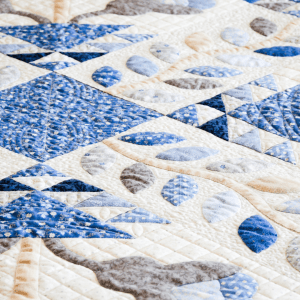
We’ve talked about how the walking foot is a versatile tool that can enhance a wide range of sewing projects, so let’s talk about those projects you can create! One of the most common projects created with a walking foot is quilts. Quilting almost always involves multiple layers of fabric, quilt tops, batting, and backing, which often shift or pucker under a standard presser foot. With a walking foot you can ensure that all the layers are fed evenly, reducing the chances of uneven stitches and puckered seams. For quilt projects, especially those with complex patterns or layered fabrics like cotton, flannel, or even heavier materials like denim or canvas, the walking foot is perfect for achieving neat and professional results!
You’ll also find many sewists use the walking foot for garment sewing, especially when working with fabrics like knits or satin, silk, and rayon. The walking foot helps prevent stretch and shift by ensuring that the top and bottom layers move smoothly together, providing consistent quality. For projects like T-shirts, stretchy leggings, or flowy dresses, the walking foot helps keep those seams from being stretched out or puckered, giving you clean, professional-looking results!

Lastly, the walking foot helps create home décor projects. With projects like curtains, cushions, and upholstery, you’ll see thick or multiple layers of fabric. If you’re sewing with heavy-duty fabrics like canvas, denim, or home décor-weight cotton, a walking foot can help manage those thick seams and bulky layers. It will ensure even stitching when joining quilted cushions, adding padding to chair cushions, or creating decorative pillow covers! For projects like bags and totes, usually made from similar home décor materials like heavy canvas or structured materials, the walking foot also helps maintain uniform stitching, making your finished products look polished and durable.

The walking foot is a game-changer for any sewist, offering improved precision and control, especially when working with challenging fabrics! Whether you’re quilting, working on fashion, or creating new home décor, this tool helps achieve professional results with less puckering and more even stitching. You can find project ideas and inspiration by visiting us here!

When you master the use of a walking foot, you’ll elevate your sewing projects and gain the confidence to tackle a wide range of fabrics with ease! So, whether you’re a beginner or an experienced sewist, consider adding a walking foot to your toolbox—it’s sure to transform your sewing experience. Find out more by visiting your nearest dealer here!
Sewing Techniques for Spring

It’s that time of the year when chiffon, linen, and cotton reign supreme in the fashion world, offering a breath of fresh air to wardrobes everywhere! But mastering the art of sewing with these ethereal fabrics can be a bit like taming a butterfly—challenging yet incredibly rewarding. Let’s dive into the world of spring sewing techniques and explore how to work magic with these fabrics on our trusty JUKI machines.

Embracing Chiffon

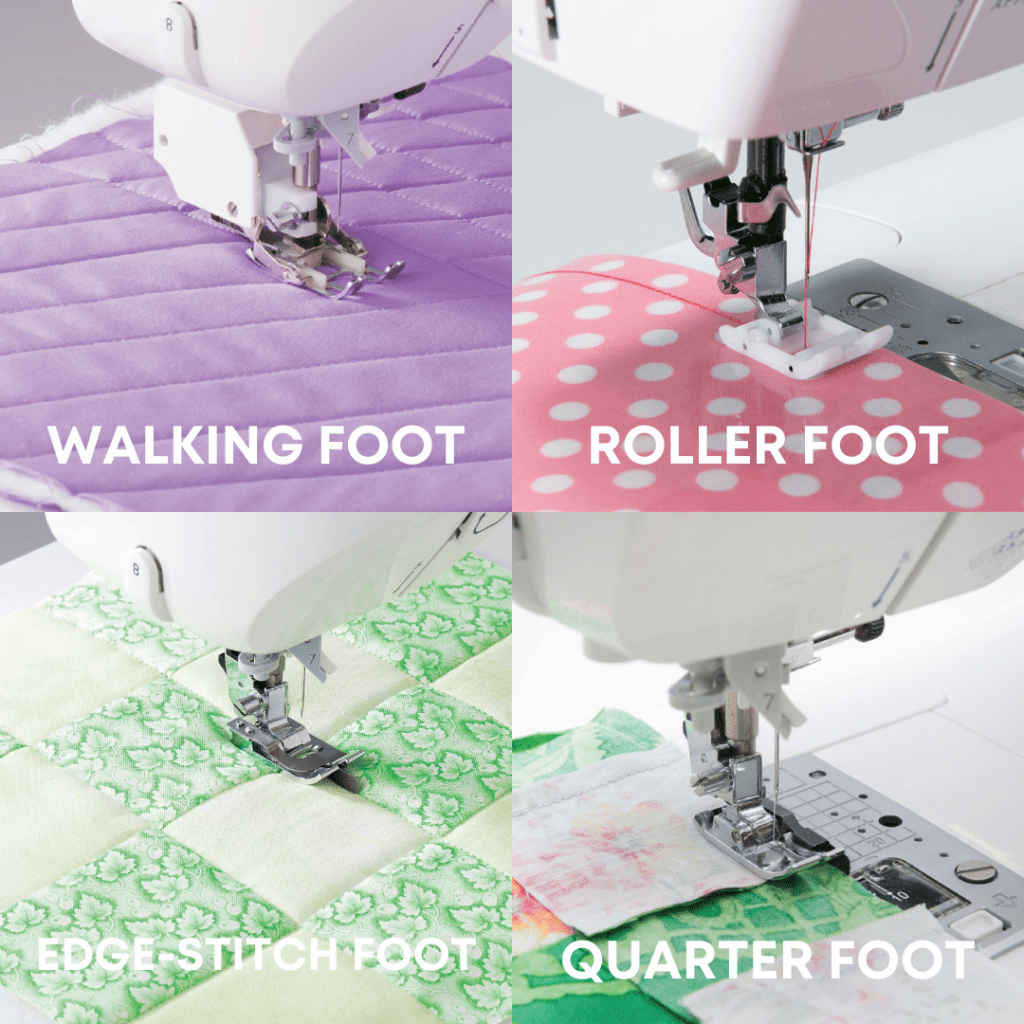
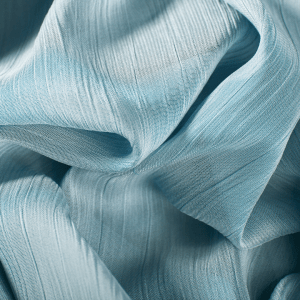
Chiffon is the epitome of elegance and lightness. Working with this sheer, floaty fabric might seem intimidating, but fear not! Please start by selecting a fine needle, preferably a size 9 or 11, to ensure it glides through the fabric without causing snags. Using a walking foot or a roller foot on your JUKI machine can also work wonders by preventing the fabric from shifting as you sew.

You can craft lightweight scarves in various colors and prints, finishing them with narrow rolled hems or decorative stitching for a personalized touch. Design flowy tops or blouses with chiffon fabric for a breezy and feminine look, incorporating details like ruffles or gathers. These projects embody the essence of spring with their lightness and grace. Below are popular techniques that Chiffon fabric can handle well.

  1. Staystitching: Before handling chiffon fabric, it’s crucial to stabilize its edges with staystitching. This prevents the fabric from stretching or distorting during construction, especially around curved or bias-cut seams.
  2. French Seams: French seams are excellent for chiffon as they encase raw edges within the seam, providing a clean finish without adding bulk. This technique helps prevent fraying and ensures a polished look, which is ideal for sheer fabrics like chiffon.
  3. Narrow Rolled Hems: Chiffon fabric lends itself well to narrow rolled hems, which create a delicate and elegant finish on edges without adding weight or bulk. This technique involves folding and stitching a small hem allowance twice to create a narrow rolled edge, perfect for chiffon’s lightweight nature.

Working with Linen

Linen, with its natural, breathable texture, is a springtime favorite. Sewing with linen on your JUKI machine can be a breeze with a few simple tricks. Start by prewashing and pressing the fabric to account for any shrinkage, and use a universal needle size 12 or 14 to handle the slightly heavier texture of linen.

Consider creating lightweight and breathable garments such as dresses or skirts, perfect for warm weather. Linen’s natural texture adds a touch of sophistication to home decor items like table runners or throw pillow covers. Additionally, you can fashion tote bags or accessories such as headbands or sun hats using linen fabric for a chic and understated look.

  1. Staystitching: Similar to chiffon, staystitching stabilizes the edges of linen fabric to prevent stretching or distortion, especially around curved or bias-cut seams.
  2. Understitching: Understitching is beneficial when sewing linens with facings or linings, helping to secure them and ensure they lie flat against the body. This technique benefits lightweight linens where topstitching may be too visible or bulky.
  3. French Seams: French seams work well with linen due to its natural texture and weight. They provide a clean finish by encasing raw edges within the seam, reducing fraying and ensuring durability without adding bulk.

Consider using a serger or finish seams with pinking shears to prevent fraying. A straight stitch or a medium-width zigzag stitch works well for sewing linen. And don’t forget about pressing—keep a trusty steam iron nearby to ensure crisp seams and a polished finish.

Cotton Comfort

Cotton, the quintessential spring fabric, offers versatility and comfort. Whether working with crisp cotton poplin or soft cotton voile, your JUKI machine can handle it like a pro. A universal needle in sizes 10 to 14 is your go-to for sewing cotton fabrics.

You can fashion vibrant and cheerful quilts or patchwork blankets, which are ideal for picnics or outdoor gatherings. Sew lightweight and breathable clothing pieces such as blouses, sundresses, or shorts, perfect for enjoying the warmer weather. Or create home decor projects, including curtains, tablecloths, or kitchen towels, adding a fresh touch to your living space. Following the techniques below, you can create with cotton seamlessly.

  1. Understitching: Utilize understitching to secure facings or linings in place, ensuring they lie flat against the body. This technique is particularly beneficial for lightweight cotton fabrics, where topstitching may be too visible or bulky.
  2. Basting: Temporary basting stitches hold fabric layers together before permanent stitching, aiding in precise seam alignment and preventing shifting during sewing. This technique is invaluable for lightweight cotton fabrics, ensuring accuracy and ease of construction.
  3. Clipping and Notching: Reduce bulk in seams and ease curved edges by carefully clipping and notching lightweight cotton fabric. This ensures smooth draping and prevents puckering or bunching, maintaining the garment’s natural flow.

Experiment with different presser feet to enhance your sewing experience. For example, an edge-stitching foot can help achieve precise topstitching, while a quarter-inch foot is excellent for creating accurate seams in quilting-weight cotton. Use a smaller stitch length for more control and accuracy when sewing curves or delicate corners.

Must-Have Accessories

Your JUKI machine accessories can make a difference when working with these springtime fabrics. Consider investing in:

  • Walking Foot: Ideal for handling multiple layers of fabric or slippery materials like chiffon.
  • Roller Foot: Great for fabrics that tend to stick or drag, ensuring smoother sewing experiences.
  • Edge-Stitching Foot: Perfect for achieving neat, uniform topstitching on hems and edges.
  • Quarter-Inch Foot: Essential for precise quarter-inch seams, especially useful in quilting cotton.

Sewing with light and airy spring fabrics can be a delightful journey with the proper techniques and accessories at your fingertips. Remember, practice makes perfect, so don’t be disheartened if your first attempt doesn’t turn out as expected!

Embrace the nature of these fabrics, experiment with different stitches and presser feet, and most importantly, enjoy the process. With your JUKI machine as your trusty companion, you’re well-equipped to create stunning pieces that embody the essence of springtime elegance and comfort.

So, gear up your JUKI machine, grab your favorite spring fabrics, and let your creativity soar like a gentle spring breeze through the sewing world!