Are you ready to create a fall outfit that offers comfort and style for the holiday season? In this latest blog, we’ll dive into the world of stretch fabrics—think jersey, spandex, and elastane—and reveal how JUKI can help you master them. From essential sewing techniques to must-have tools, we’ve got you covered. We’ll also share creative project ideas that are perfect for the upcoming Thanksgiving holiday. Join us to explore how JUKI can make your stretch fabric projects shine!
Why Choose Stretch Fabrics?
Stretch fabrics are renowned for their flexibility and comfort. These materials are perfect for creating garments that move with your body, making them the ideal choice for casual wear, athletic wear, and stylish outfits for events like Thanksgiving that need a bit of give. At Thanksgiving dinner, a stretch fabric outfit that combines comfort with elegance and leaves you unrestricted is exactly what you need!
Essential Techniques for Working with Stretch Fabrics
Sewing with stretch fabrics can be rewarding, but it does require specific techniques to ensure success. Understanding how to handle these materials and adjust your sewing machine settings is the key to achieving a professional finish! Let’s talk about some essential techniques for working with stretch fabrics, including the right tools and methods to use. Whether new to stretch fabrics or looking to refine your skills, these tips will help you sew confidently.
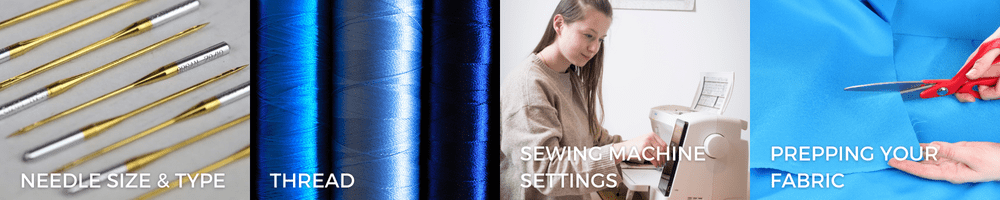
- Needle Size and Type:
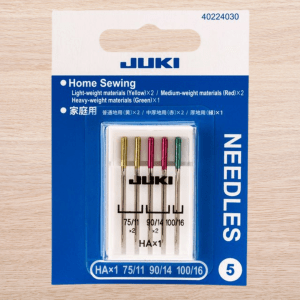
- Ballpoint Needles: When working with stretch fabrics, use ballpoint or stretch needles. These needles have a rounded tip that pushes the fabric fibers aside rather than piercing them, which helps prevent snags and runs.
- Needle Size: A 75/11 or 80/12 needle generally works well for lightweight stretch fabrics. For heavier stretch fabrics, like thick knits, consider using a 90/14 needle.
- Thread Choice:
- Stretch Threads: For durability and flexibility, opt for polyester or nylon stretch threads. These threads can stretch with the fabric and reduce the risk of breaking.
- Serger Threads: If you’re using a serger, make sure to use high-quality serger threads that can handle the tension and movement of stretch fabrics.
- Sewing Machine Settings:
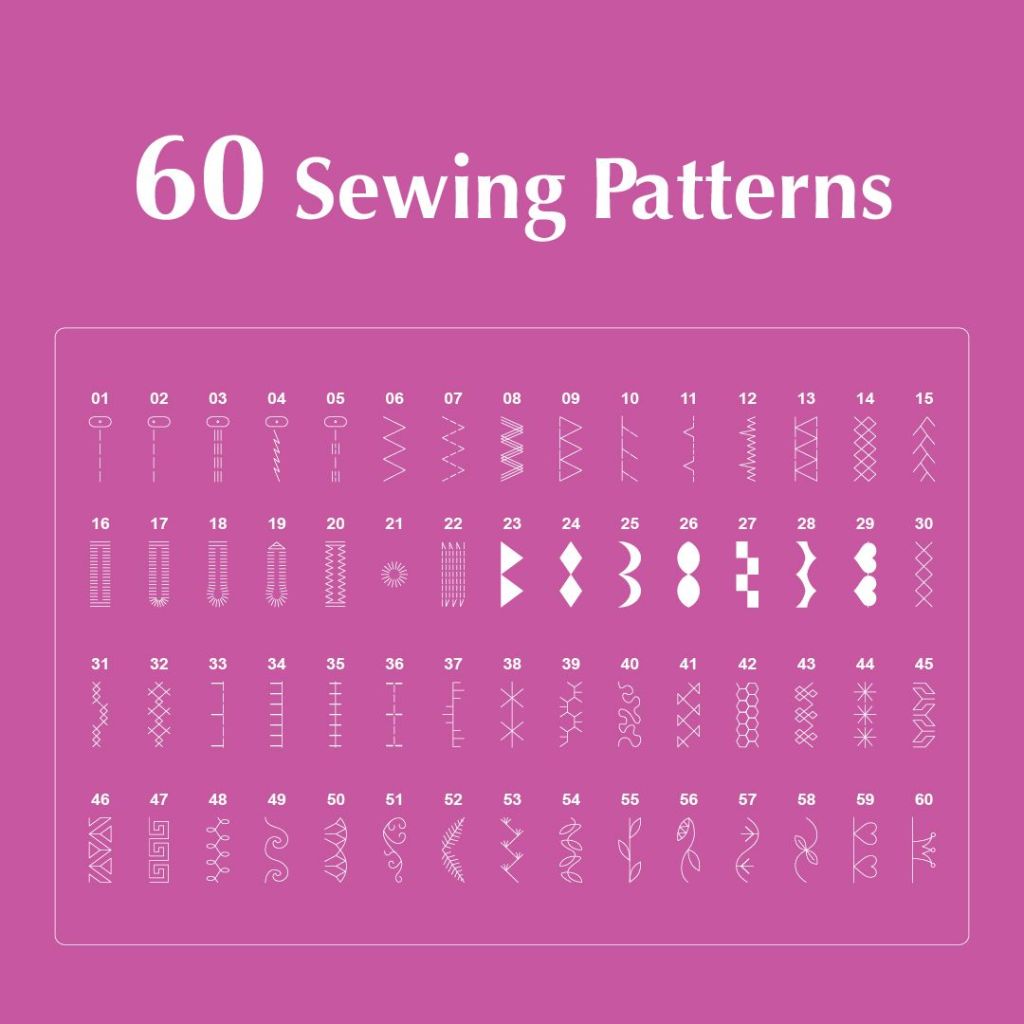
- Stitch Selection: Use a zigzag or a stretch stitch to allow the seams to stretch with the fabric. Avoid using a straight stitch, which can break when the fabric is stretched.
- Tension Settings: Adjust the tension on your sewing machine to accommodate the stretch of the fabric. You may need to decrease the tension to avoid puckering.
- Prepping Your Fabric:
- Pre-Wash: Always pre-wash your stretch fabrics to prevent shrinkage or color bleeding after sewn your garment.
- Cutting: Use sharp fabric scissors or a rotary cutter to ensure clean edges. Avoid pulling the fabric as you cut, which can distort the shape.
Essential JUKI Accessories for Stretch Fabrics
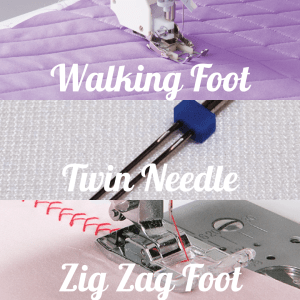
When working with stretch fabrics, having the right accessories can make a significant difference in the quality of your finished project! JUKI sewing machines offer a variety of accessories designed to handle the unique challenges posed by stretch materials. Let’s explore three JUKI sewing machine accessories that excel with stretch fabrics. These tools will help you achieve precise and beautifully finished projects with ease.
- Walking Foot: This accessory helps feed stretch fabrics evenly through the machine, reducing the risk of stretching and puckering and ensuring smooth stitching.
- Twin Needle: Ideal for creating professional-looking hems on stretch fabrics, the twin needle provides a decorative and durable finish while allowing for stretchy seams.
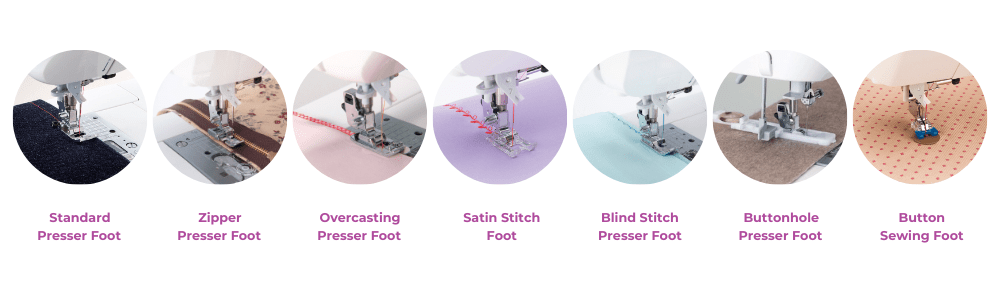
- Zig Zag Presser Foot for HZL: This ensures smooth feeding of stretch fabrics by preventing the fabric from catching on the stitching, reducing the risk of shifting and puckering. Its design supports versatile stitching, making achieving precise and professional results easier with stretchy materials.
Project Ideas for Stretch Fabrics
Now, let’s discuss a few projects you can create for this holiday season using stretch fabrics! Stretch fabrics offer endless possibilities for creating stylish and comfortable garments, but focus on how these materials can be transformed into a variety of fashionable projects.
- Thanksgiving Dinner Dress or Tunic: Using a soft stretch fabric like jersey or Ponte, you can create a stylish and comfortable dress or tunic. Find a pattern with a fitted bodice and an A-line skirt for a flattering silhouette that still allows you to enjoy your Thanksgiving feast!
- Comfy Leggings: Sew a pair of leggings from a stretchy fabric such as lycra or spandex. Pair them with a tunic or long sweater for a cozy and chic Thanksgiving outfit.
- Elastic Waist Skirt: An elastic waist skirt in a stretch fabric can be both comfortable and fashionable. Look for a high-waisted design with a flowing silhouette to balance comfort and style.
- Wrap Dress: A wrap dress made from a stretch fabric can be dressed up or down for Thanksgiving dinner! Choose a fabric with a bit of sheen or texture to add an elegant touch to your outfit.
To ensure a successful project, test your stitch settings on a scrap piece of fabric and confirm that everything works properly. Then, when pressing your project, use a pressing cloth to protect the fabric from melting or damage, and press the seams gently without pulling on the material!
By following these tips and techniques, you’ll be well on your way to mastering the art of sewing with stretch fabrics. Whether creating a cozy fall outfit or experimenting with new designs, stretch fabrics offer comfort and style. Tag us on your Thanksgiving projects this season, and show us what your stretch projects look like at @JUKIHomeSewing!


 sewinwithjuki.com