As we close out another incredible year, we’re thrilled to recap two of JUKI’s standout releases that have made waves in the sewing community: the TL-18QVP-COL Collector’s Edition and the DX-4000QVP-EE Expert’s Edition! Each machine represents a leap forward in precision, design, and user experience, catering to the needs of both experienced sewists and passionate beginners alike. Let’s take a closer look at what makes these machines special, why they’re perfect for a range of creative projects, and the standout features that set them apart!
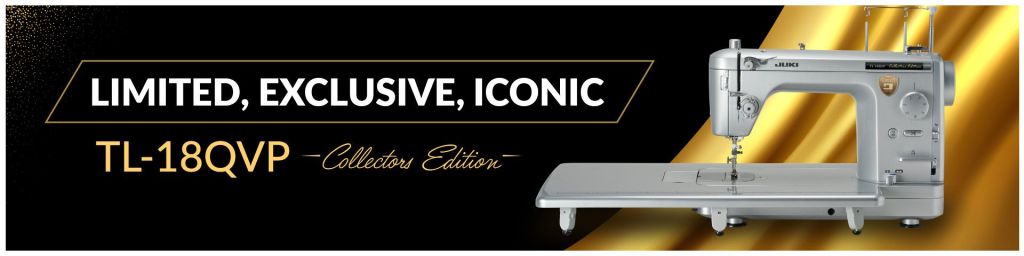
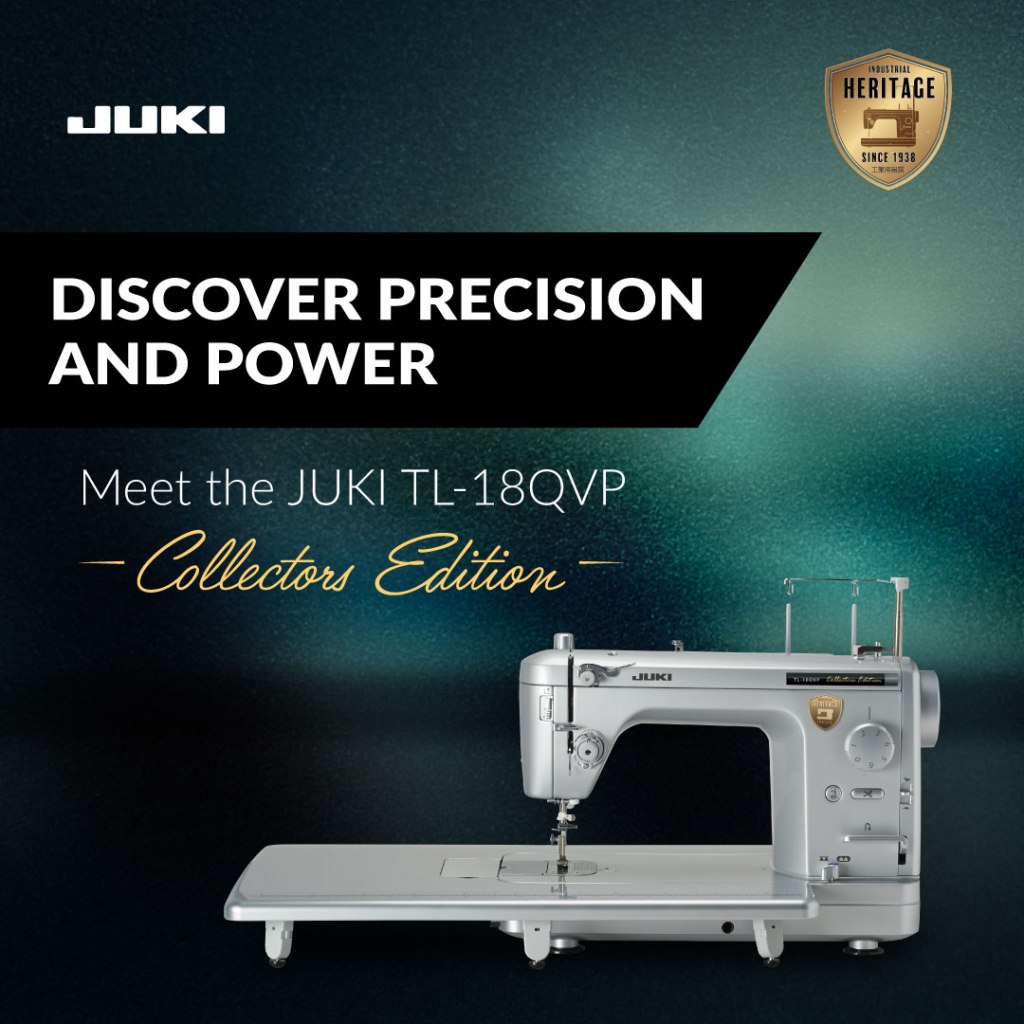
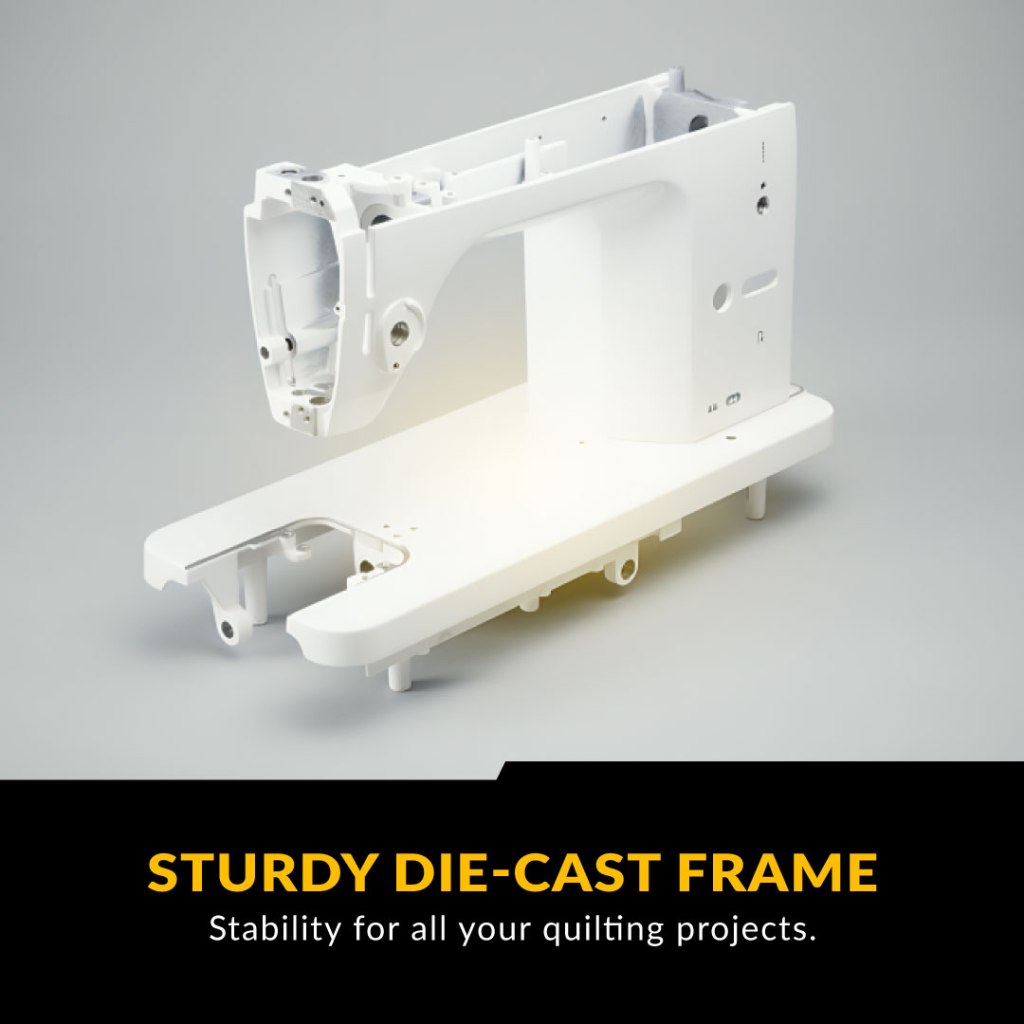
The TL-18QVP-COL Collector’s Edition is crafted for the true connoisseurs of sewing. Available in limited quantities featuring a stunning platinum color finish, this elite machine takes the renowned performance of JUKI TL series to extraordinary new heights. As a single-needle, lock-stitch, portable sewing machine, it’s constructed from premium aluminum die-casting, ensuring unparalleled durability and industrial-quality sewing with every stitch.
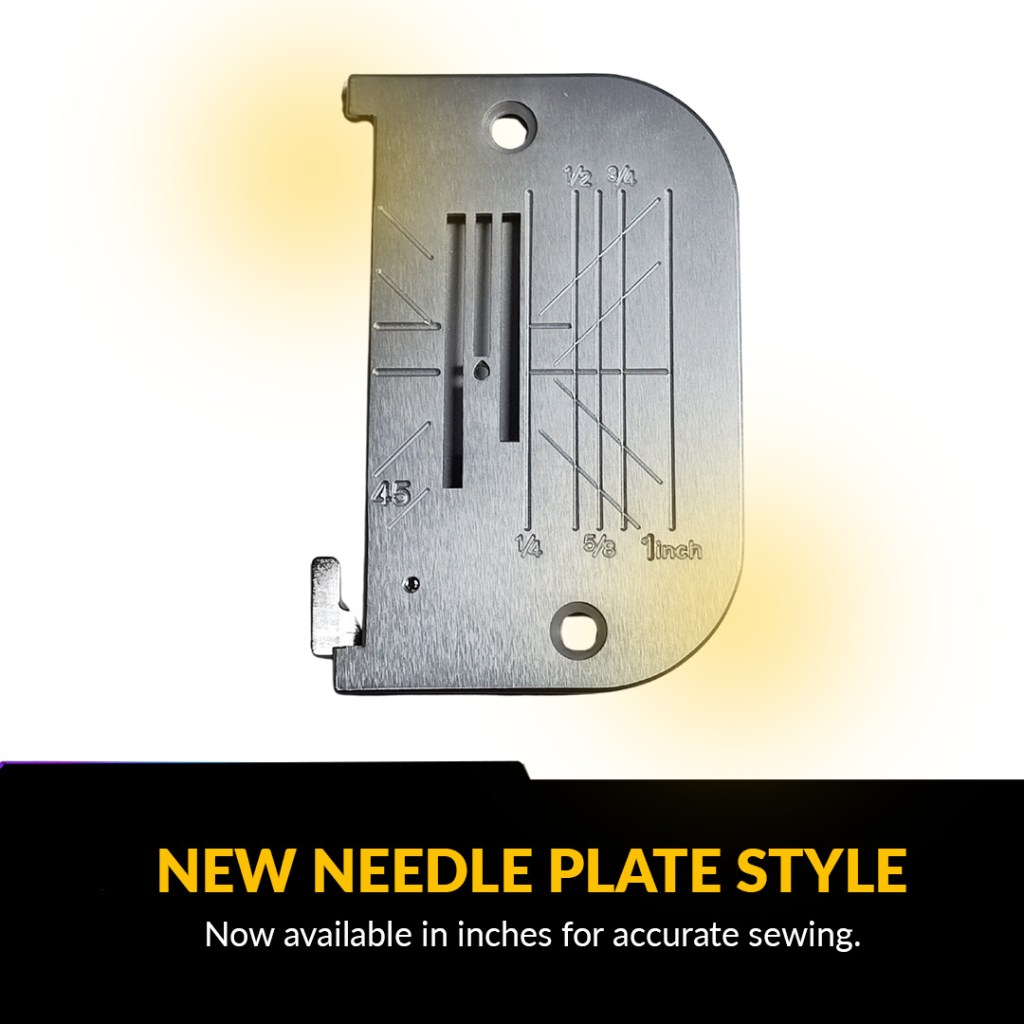
Inspired by the precision of JUKI’s industrial machines, this TL-18QVP-COL Collector’s Edition is equipped with a distinctive float foot function, perfectly engineered for tackling multiple layers and thick seams—ideal for haute couture fashion, bespoke handbag creation, and meticulous piecing. For those who demand perfect seams, it features a custom mounting base for attaching gauges and binders. If you’re eager to dive into free-motion quilting, simply drop the feed dogs and unleash your creativity. With this machine, the possibilities are truly limitless!
For sewists seeking versatility and reliability in a computerized package, the DX-4000QVP-EE Expert’s Edition stands out! This machine comes complete with a handy trolley bag and a 5-piece scissor set as part of the Expert Edition Bundle, making it ideal for traveling to classes, sewing events, or workshops. Designed with user-friendliness in mind, the DX-4000QVP-EE combines advanced technology with ease of use, making it perfect for those aiming to elevate their sewing skills.
Moreover, the DX-4000 boasts a range of features that cater to various sewing needs including a 7″ touchscreen with WiFi capabilities, a large 12″ sewing space, bobbin thread alert, light color changes, and a multitude of other functions designed to make your sewing effortless. Its thoughtful design ensures that every user, whether a beginner or an expert, can enjoy a seamless sewing experience. With the included accessories and its ability to handle a variety of fabrics, the DX-4000QVP-EE is a valuable addition to any sewing space, making it easier than ever to bring your creative visions to life.
As we wrap up the year, we thank you for joining us on this journey and look forward to sharing more exciting releases and innovations with you in the coming year!
Learn more about our limited edition series machines by visiting your local dealer here.
This month’s tip is all about using our T-Guage with Kelly, our JUKI National Trainer! If you like a consistent seam gauge for your seam allowances and use maybe one, or maybe even two seam allowances the T- Gauge is for you. What we’re going to do in our video below is set this up so we can follow a perfect quarter-inch seam or half-inch seam.
You’ll see this accessory can help with different seams and is easy to attach. We have a mounting plate right here on our TL-18QVP that we’re going to be working on.
To start we’re going to put the two screws in that come with our T-Guage. We’re going to put these in lightly so that we can tighten them after I put my gauge on the quarter-inch seam.
We love the accuracy of the gauge because we can use our fast speed on the TL-18QVP to sew and maintain a consistent seam every time. After you’re set-up, use your seam gauge to double-check the measurement from the needle.
In our video we’re working on the perfect quarter-inch seam! After you decide on spacing, you’re going to tighten those screws and check the accuracy again because it tends to move when you tighten that screw. Ours looks great! Now we will have a consistent 1/4 inch seam all set.
In our video you can watch as we guide our fabric right next to the seam and use the full speed setting on the TL-18QVP.
We hope you’ve enjoyed this tip on how to set up your T-Guage and when to sue it. The Haruka TL-18QVP with our T-Gauge gives you wonderful accuracy for seam allowances! thank you for joining us today and we look forward to seeing you next time on a tip or project with JUKI.
Attention all sewing enthusiasts and quilting lovers! We are thrilled to announce the release of the TL-18QVP Collector’s Edition, now available in a stunning platinum finish. Let’s dive into the remarkable features, accessories, and endless possibilities.
The TL-18QVP Collector’s Edition
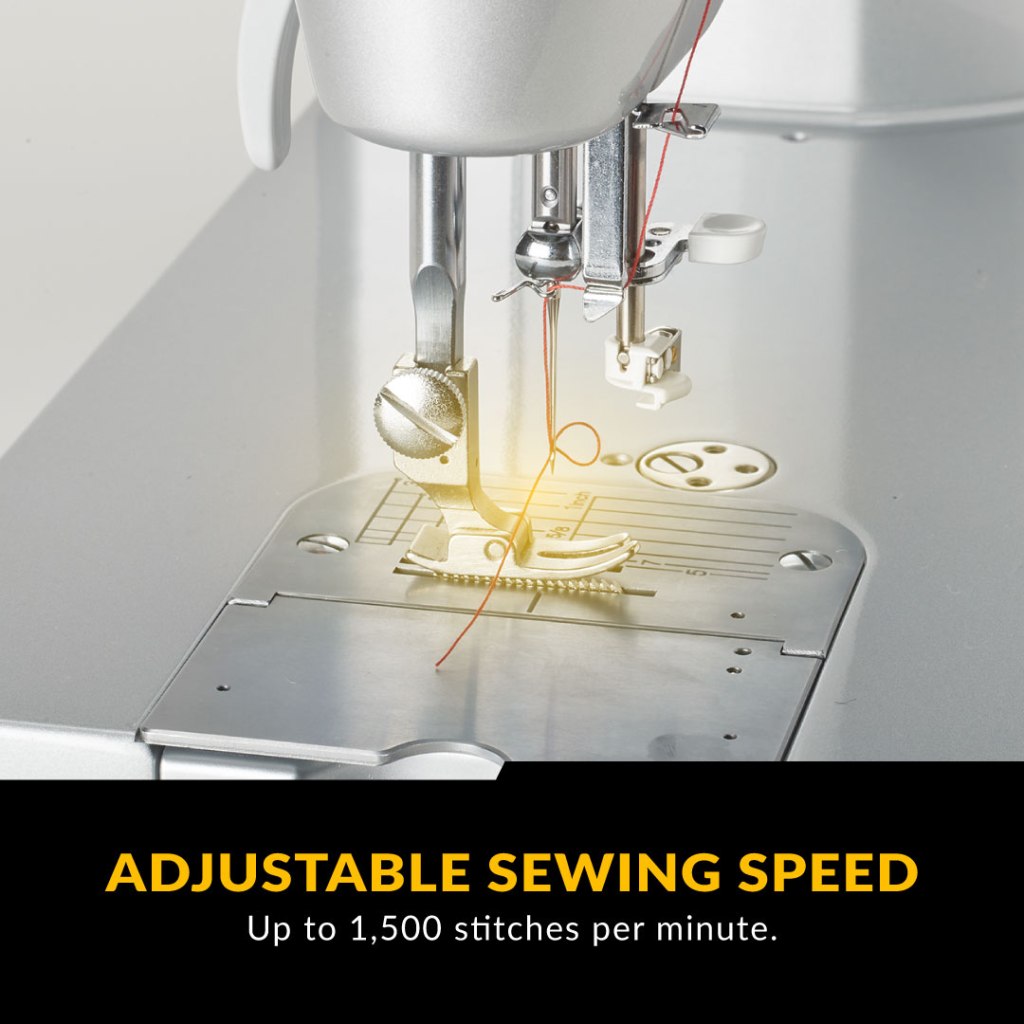
The TL-18QVP Collector’s Edition boasts various features designed to enhance your sewing experience. Its high-speed straight stitch capability allows up to 1,500 stitches per minute, making it perfect for high-volume projects and detailed quilting. The machine is built with industrial-grade components, ensuring durability and precision for all your sewing needs.
One of the standout features is the automatic thread trimmer, which allows you to save time with a simple foot-controlled operation, streamlining your workflow. The knee lift lever is another convenient addition, allowing you to easily lift the presser foot without using your hands, which is particularly useful for intricate sewing tasks that require precision and control.
The TL-18QVP also offers adjustable presser foot pressure, allowing you to customize the pressure to accommodate different fabric types and thicknesses. This ensures that you can work with a wide range of materials, from delicate silks to heavy-duty denim, with ease and accuracy.
Overall, the TL-18QVP Collector’s Edition is a powerful, versatile machine that combines speed, durability, and precision, making it an excellent choice for advanced quilters, fashion designers, and home decor enthusiasts!
Why People Love the TL-18QVP
Our customers rave about the TL-18QVP’s reliability, precision, and advanced features. It has earned a reputation for making complex sewing tasks simpler and more enjoyable. The high-speed capabilities, combined with user-friendly controls, make it a favorite among both professional sewers and hobbyists.
What You Can Create
The creative possibilities are endless with the TL-18QVP! Here are just a few ideas:
Custom Quilts: Design and create unique quilts with intricate patterns and professional finishes.
Fashion Projects: Sew clothing, from everyday wear to couture pieces.
Home Decor: Craft beautiful pillows, curtains, and upholstery that reflect your style.
Gifts: Make personalized gifts, such as tote bags, scarves, and table runners, that your loved ones will cherish.
Don’t Miss Out!
The limited edition of the TL-18QVP Collector’s Edition is available for a short time only. Elevate your sewing experience with these premium machines and exclusive accessories. Visit your local dealer to secure your limited edition today!
Click here to find your local JUKI Authorized Dealer.
Achieving the perfect stitch on your sewing machine often boils down to one crucial factor: tension. Whether you own a machine from the TL series or the DX series, understanding how to set and adjust tension can make a difference in your sewing projects. In this blog post, we’ll explore how to balance tension on your sewing machine, offer tips for working with different fabrics, and address common tension issues. Plus, we’ll guide you to our YouTube page, where you can find detailed video tutorials to help you along the way.
Understanding Sewing Machine Tension
Tension refers to the amount of pull on the thread as it passes through the machine. Proper tension ensures that your stitches are even and secure on both sides of the fabric. Both the TL and DX series come with easy-to-adjust tension settings, but knowing when and how to tweak these settings is key.
The TL series typically includes a manual tension dial on the front panel. This dial allows for precise adjustments of the upper thread tension. It’s ideal for sewers who prefer tactile feedback and incremental changes, which are crucial for delicate fabrics and intricate stitches.
On the other hand, the DX series features digital tension settings through an intuitive interface. This system provides preset tension levels for various fabrics and stitches and allows manual overrides to achieve exact tension requirements. This digital precision is beneficial for consistent stitch quality across different sewing projects.
Proper tension on these machines ensures even and secure stitches on both sides of the fabric, reducing issues like puckering or loose stitches. When adjusting your sewing machine’s tension, remember that it’s built to reduce tension fluctuations while sewing, resulting in smoother and more professional-looking finishes. When you need to adjust the tension, consider these points.
Tips for Adjusting Tension on the TL Series
Test on Scrap Fabric: Always test your tension settings on scrap fabric that are similar to your project material. This helps you make adjustments without affecting your actual project.
Adjust in Small Increments: Turn the tension dial in small increments and test after each adjustment. A small change can make a big difference.
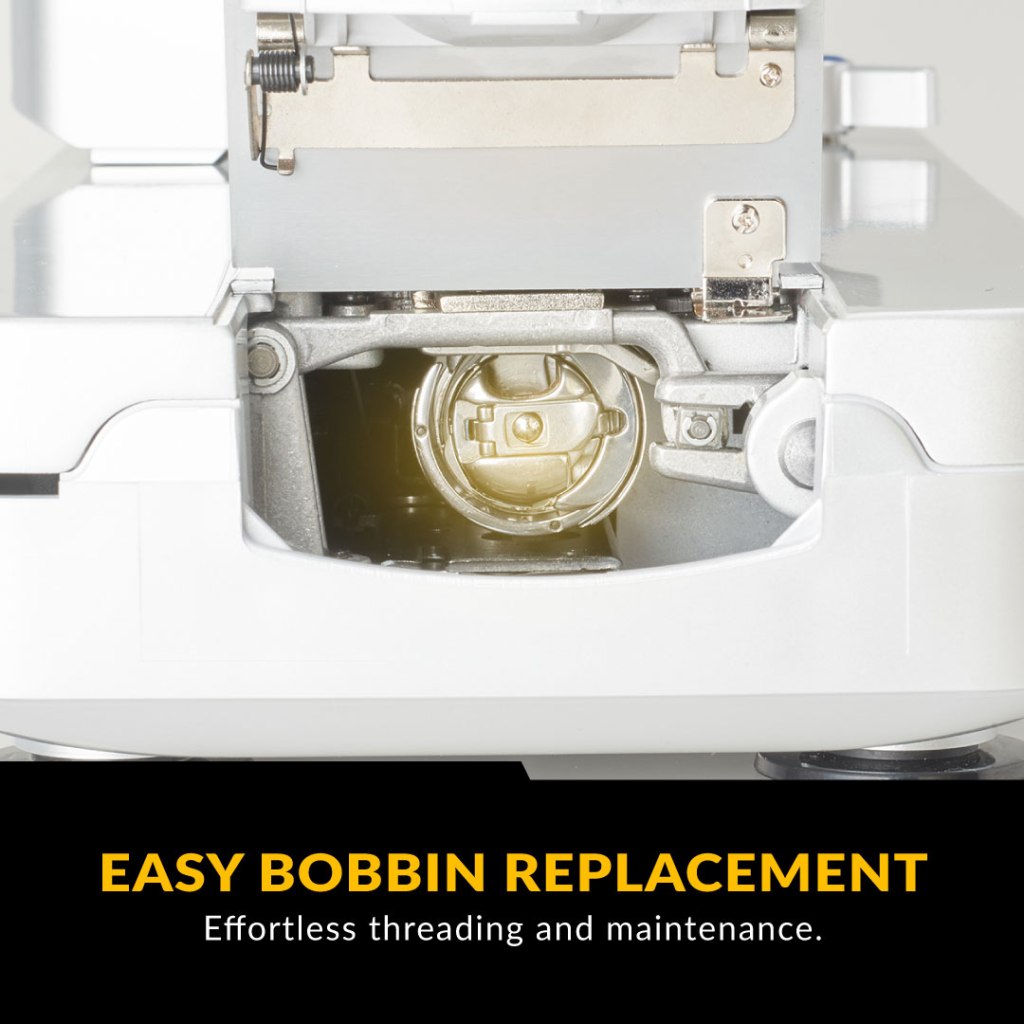
Check the Bobbin Case: For the TL series, the bobbin case tension might also need adjusting. Ensure the bobbin thread pulls out smoothly with slight resistance.
Tips for Adjusting Tension on the DX Series
Digital Adjustments: The DX series often features digital tension settings, making precise adjustments easier. Use the machine’s manual to navigate the digital interface.
Preset Tension Settings: Utilize preset tension settings for different types of stitches and fabrics. These presets are optimized for common sewing tasks.
Manual Overrides: For specialized projects, manually override the presets to fine-tune the tension.
Tension for Different Fabrics
Different fabrics require different tension settings:
Lightweight Fabrics (silk, chiffon): Lightweight fabrics are delicate and prone to puckering if the tension is too tight. To prevent this, reduce the tension on your sewing machine. Lowering the tension allows the thread to flow smoothly through the fabric without pulling too tightly, resulting in even stitches and a smooth finish.
Medium Fabrics (cotton, linen): Cotton and linen are versatile and commonly used for various sewing projects. A medium-tension setting usually works well for these fabrics. Medium tension balances the thread pull, ensuring stitches penetrate the fabric evenly without causing puckering or loose stitches.
Heavy Fabrics (denim, canvas): Heavy fabrics require more tension to properly secure stitches. Increasing the tension on your sewing machine helps to ensure that the stitches are strong and durable, capable of withstanding the thicker layers of denim or canvas. Adequate tension prevents skipped stitches and ensures the thread forms tight, secure stitches.
It’s essential to adjust the tension settings when transitioning between different fabric types. For example, suppose you’re sewing a project involving lightweight silk and medium-weight cotton. In that case, you must adjust the tension dial when switching fabrics to maintain consistent stitch quality.
How Needles Affect Tension
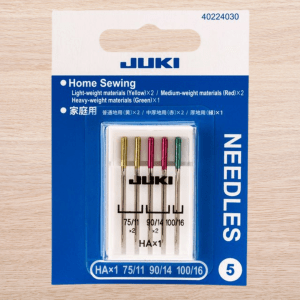
The needle plays a significant role in the sewing process, influencing how the thread interacts with the fabric and affecting tension in several ways. The needle size is crucial: for lightweight fabrics such as silk or chiffon, using a smaller needle size (e.g., size 9 or 10) is recommended. Smaller needles create smaller puncture holes in delicate fabrics, reducing the risk of puckering and allowing the thread to glide smoothly. Conversely, heavy fabrics like denim or canvas require larger needle sizes (e.g., size 16 or 18) to accommodate the thicker threads and layers. Larger needles penetrate heavy fabrics more effectively, ensuring secure stitches without strain on the machine or fabric.
Different fabrics may benefit from specialized needle types that optimize tension and reduce fabric damage. Ballpoint needles are ideal for knit fabrics as their rounded tip slips between the fabric’s fibers without causing snags or runs. This reduces tension on stretchy fabrics like jersey or spandex, maintaining elasticity and preventing skipped stitches. Sharp needles, or universal needles, have pointed tips designed for woven fabrics like cotton or linen. They penetrate the fabric cleanly, ensuring precise stitches and minimal tension adjustments.
Proper needle selection and maintenance contribute to consistent tension control. A worn or damaged needle can cause uneven tension, poor stitch quality, and potential fabric damage. Therefore, replacing needles regularly is crucial for maintaining optimal sewing performance! Always match the needle size and type to the fabric and thread you use to ensure smooth stitching and prevent unnecessary tension adjustments. Before starting a project, testing the needle and tension settings on scrap fabric is wise to ensure they produce the desired results. This practice allows you to fine-tune settings without affecting your main project.
Common Tension Issues and Fixes
Looping Stitches: If you see loops on the bottom of the fabric, the upper thread tension is likely too loose. Tighten the upper tension dial slightly.
Tight Stitches: If the fabric puckers and the stitches are too tight, the upper tension is too high. Loosen the upper tension dial.
Uneven Stitches: Check that the machine is threaded correctly. Incorrect threading can often cause tension issues.
Visit Our YouTube Page
For more detailed guidance, visit our YouTube page here, where you can find step-by-step video tutorials on setting and adjusting tension on both the TL and DX series machines. Our videos cover everything from basic tension adjustments to troubleshooting common issues, providing a visual and practical aid to mastering your machine!
Balancing tension on your sewing machine might seem daunting initially, but with practice and the right resources, you can achieve professional-quality stitches on any fabric. Happy sewing!
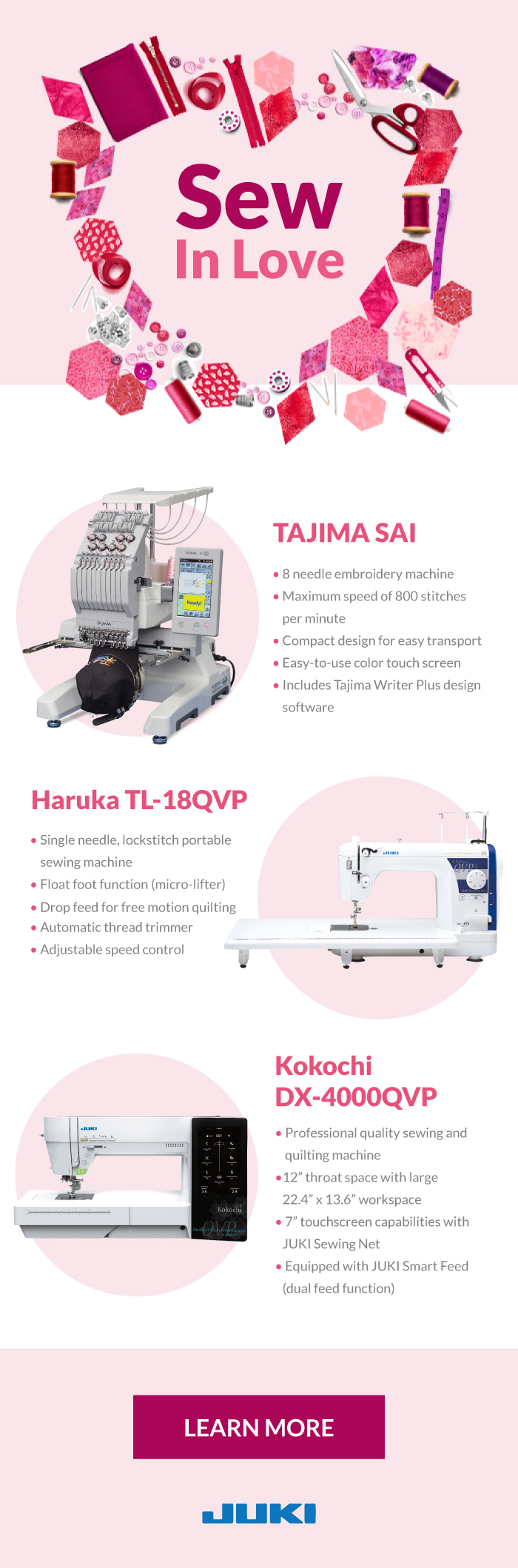
Seal it with a stitch this Valentine’s using your favorite JUKI machines! Create beautiful garments on the DX-4000QVP, personalize your projects on the TAJIMA Sai, or piece your quilts using the TL-18QVP! At JUKI we’re excited to help your love-filled project ideas come to life!
To learn more about our JUKI machine collection. contact your nearest JUKI dealer here.



 sewinwithjuki.com