Have you ever struggled with layers of fabric shifting, puckering, or uneven seams that don’t cooperate? If you have, this month, we’re talking about an accessory you’ll love! The JUKI walking foot is your secret weapon for achieving smooth, professional-quality stitching on even the trickiest of projects.
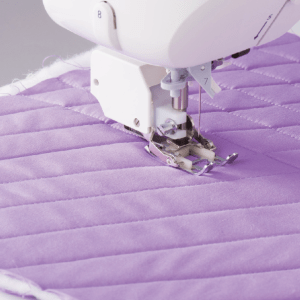
The walking foot, also known as an even-feed foot, addresses a large challenge in the sewing world: the uneven feeding of fabric layers during stitching. It was invented as a specialized presser foot and designed to complement the feed dogs under the fabric to ensure a synchronized feeding motion. It does this by moving its own feed dogs in unison with those beneath the needle plate, eliminating fabric shifting and puckering.
This accessory was needed in the community! It helps sew multiple layers of fabric, tricky materials like knits or slippery satin, and make bulky quilts more manageable. This attachment is an essential tool for quilters, seamstresses, and hobbyists, helping you transform the quality and ease of your sewing projects!
Originally, this was developed for industrial sewing machines, but the walking foot was later adapted for home sewing machines like yours, making its benefits accessible to everyday sewists like you!
Benefits and Uses of a Walking Foot
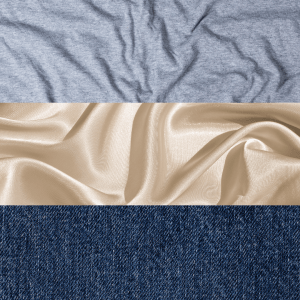
Now, what benefits does the walking foot offer? Well, it has a wide range of benefits, making it a valuable tool for sewists of all skill levels! One of its primary advantages is its ability to provide even feeding of fabric layers, which is particularly important when working with thick or multiple layers, like quilts, denim, or canvas. Without a walking foot, fabric layers can shift and create puckering, leading to uneven seams. The walking foot eliminates these issues and produces professional-quality results.
The walking foot can also become essential for sewing slippery or stretchy fabrics like satin, silk, or knits! These materials tend to stretch and shift under a standard presser foot, which can lead to uneven stitches or distorted seams. The walking foot’s dual-feed system prevents this by evenly pulling all layers of fabric through the machine, ensuring consistent stitching and reducing the likelihood of fabric shifting or puckering.
Beyond quilting and clothing, the walking foot is also useful for home décor projects, like curtains, cushions, and upholstery! These projects often involve multiple layers of fabric, making it difficult to get those neat stitches. With the walking foot, you can ensure that all layers move smoothly through the machine, making topstitching, binding, and decorative stitching much easier.
Tips for Quilting and Sewing with a Walking Foot
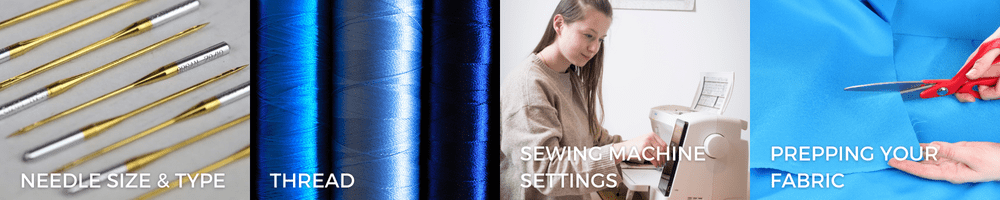
- Use the Right Needle and Thread: For heavier fabrics like denim or quilts, use a larger needle (90/14 or 100/16) to avoid skipped stitches or damage. For delicate fabrics like knits or silks, a smaller needle (70/10) helps reduce distortion. Using the right thread—like a heavyweight thread for quilting or a finer thread for garment sewing—also helps to ensure better results.
- Set the Correct Stitch Length: The walking foot works best when using a longer stitch length, especially for quilting. It’s because the longer stitch helps the feed dogs move more smoothly and ensures that your stitches are more evenly spaced. For quilting, a stitch length of 2.5 to 3.0 mm is usually recommended but always adjust based on your fabric type and project!
- Practice on Scrap Fabric: Before taking on your main project, try to practice with your walking foot on scrap fabric! This will help you get a feel for how the foot moves, and you’ll be able to tune your tension settings, stitch length, and fabric alignment.
- Baste or Pin Layers Together: If you’re sewing with multiple layers of fabric, basting or pinning can help keep everything aligned and prevent shifting. The walking foot works best when layers stay even, so by securing your fabric with pins or basting stitches beforehand you can provide more control and prevent puckering.
Project Ideas Using the Walking Foot
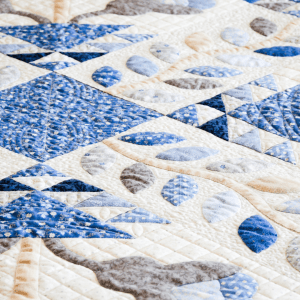
We’ve talked about how the walking foot is a versatile tool that can enhance a wide range of sewing projects, so let’s talk about those projects you can create! One of the most common projects created with a walking foot is quilts. Quilting almost always involves multiple layers of fabric, quilt tops, batting, and backing, which often shift or pucker under a standard presser foot. With a walking foot you can ensure that all the layers are fed evenly, reducing the chances of uneven stitches and puckered seams. For quilt projects, especially those with complex patterns or layered fabrics like cotton, flannel, or even heavier materials like denim or canvas, the walking foot is perfect for achieving neat and professional results!
You’ll also find many sewists use the walking foot for garment sewing, especially when working with fabrics like knits or satin, silk, and rayon. The walking foot helps prevent stretch and shift by ensuring that the top and bottom layers move smoothly together, providing consistent quality. For projects like T-shirts, stretchy leggings, or flowy dresses, the walking foot helps keep those seams from being stretched out or puckered, giving you clean, professional-looking results!
Lastly, the walking foot helps create home décor projects. With projects like curtains, cushions, and upholstery, you’ll see thick or multiple layers of fabric. If you’re sewing with heavy-duty fabrics like canvas, denim, or home décor-weight cotton, a walking foot can help manage those thick seams and bulky layers. It will ensure even stitching when joining quilted cushions, adding padding to chair cushions, or creating decorative pillow covers! For projects like bags and totes, usually made from similar home décor materials like heavy canvas or structured materials, the walking foot also helps maintain uniform stitching, making your finished products look polished and durable.
The walking foot is a game-changer for any sewist, offering improved precision and control, especially when working with challenging fabrics! Whether you’re quilting, working on fashion, or creating new home décor, this tool helps achieve professional results with less puckering and more even stitching. You can find project ideas and inspiration by visiting us here!
When you master the use of a walking foot, you’ll elevate your sewing projects and gain the confidence to tackle a wide range of fabrics with ease! So, whether you’re a beginner or an experienced sewist, consider adding a walking foot to your toolbox—it’s sure to transform your sewing experience. Find out more by visiting your nearest dealer here!
 sewinwithjuki.com