Spring is here, and it’s the perfect time to refresh our sewing space and ensure machines are in top shape! Whether you use a sewing machine, quilting machine, or serger, regular maintenance is essential for smooth operation. Things like lint buildup, thread debris, and oiling can lead to performance issues. By taking the time to properly clean, organize, and check out a professional servicing with your JUKI dealer, you can extend the life of your machine and enjoy uninterrupted creativity in a clutter-free studio!
Each JUKI machine has unique maintenance needs. JUKI’s semi-industrial TL Series machines require regular oiling and manual cleaning, while the DX and HZL Series computerized machines have self-lubricating mechanisms and need careful electronic component care. Let’s dive into essential spring cleaning tips, professional maintenance schedules, and how to optimize your sewing space!
Cleaning & Maintaining Your Sewing Machine
Your sewing machine is the heart of your craft, and keeping it clean ensures clear stitching, smooth operation, and a long machine life! Understanding your machine’s maintenance needs will help keep it in top condition for years.
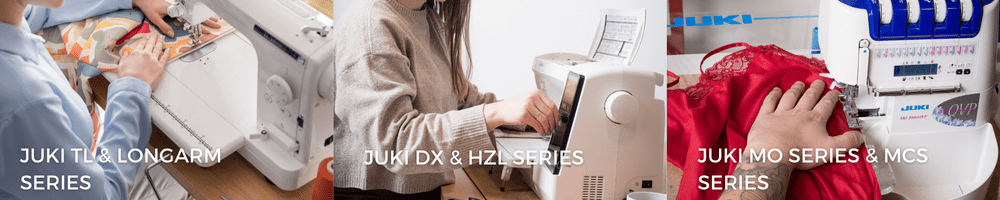
JUKI TL (Semi-Industrial Straight Stitch Machines) & Longarm Series
- These machines require regular oiling, especially in the hook and the lubrication points shown in your manual. Use the machine oil. Without proper lubrication, you may experience skipped stitches or increased noise.
- Use a lint brush to remove debris, especially after working with heavy fabrics like denim or quilting layers.
- Since these machines are mechanical, periodic manual adjustments and cleanings help maintain smooth operation.
JUKI DX & HZL Series (Computerized Machines)
- These models do not require manual oiling, thanks to their internal lubrication systems.
- Avoid compressed air! It can push lint deeper into the machine. Instead, use a lint brush or vacuum attachment.
- Because of their electronic components, avoid excessive moisture when cleaning. We recommend a soft, dry cloth to clean the machine.
- Regularly update firmware (if applicable) and make sure your machine is plugged into a surge protector to avoid electrical damages!
JUKI MO Series (Overlock Sergers) & MCS Series (Coverstitch)
- Regularly clean the loopers, feed dogs, and knife area using a lint brush or vacuum attachment to remove accumulated lint and thread.
- Apply a few drops of sewing machine oil to the moving parts as recommended in your manual to ensure smooth operation.
- Replace needles frequently, as serger needles dull faster due to high-speed stitching.
- Check and adjust thread tension regularly to maintain balanced and professional-looking stitches.
- Avoid using compressed air, as it can push debris into delicate internal components.
Regardless of your machine type, changing your needle regularly (about every 8-10 hours of sewing or every new project) and using high-quality thread reduces tension issues and lint buildup.
Professional Servicing: When & Why?

Even with diligent home maintenance, your machine needs professional servicing to ensure all internal components are aligned, lubricated, and calibrated correctly. Here’s a guide to when you should schedule servicing based on usage:
- Occasional Use (A Few Times a Month) – Service your machine once a year to prevent internal wear.
- Frequent Use (Several Days a Week) – Schedule servicing every 6 months to maintain peak performance.
- Heavy Use (Daily or Professional Sewing) – A check-up every 3-4 months is recommended, as frequent use increases wear on moving parts.
Your JUKI dealer is your best source for professional servicing! They’ll inspect tension, replace worn parts, and ensure that your machine is operating at its best. If you notice unusual noises, skipped stitches, or thread tension problems, it might be time for an early tune-up!
Timing & Storage Tips
A clutter-free sewing space makes it easier to focus on projects and prevents dust from settling into your machines. Here are some tips on how to maintain a clean and organized studio:
- Create a Seasonal Cleaning Schedule – Set aside time each season for deep cleaning. Empty out drawers, dust off surfaces, and reorganize tools!
- Cover Your Machines When Not in Use – Use dust covers or hard cases to prevent lint and debris from settling inside.
- Invest in Smart Storage Solutions – Clear bins for fabric, drawer organizers for notions, and labeled shelves for tools help keep everything within reach without clutter.
What to Do with Last Season’s Fabric Scraps?
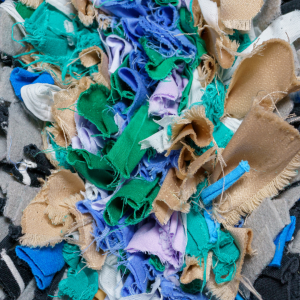
If your scrap bin is overflowing, get creative or give them a new home! Here’s how:
- Sort & Donate: Quilting guilds, local schools, and nonprofit organizations often accept fabric scraps for community projects.
- Repurpose for Small Projects: Use scraps for appliqué, patchwork quilts, fabric bookmarks, or fabric baskets for storage.
- Host a Scrap Swap: Organize a trade event with fellow sewists to exchange materials and refresh your collection.
Visit Your Local Dealer for Maintenance & Service
Your JUKI dealer is the best place to get expert servicing for your JUKI sewing machine. Regular maintenance ensures precision stitching, extends the lifespan of your machine, and prevents costly repairs. Contact your dealer here today to schedule your next tune-up!
By maintaining your machines, organizing your sewing space, and finding creative ways to repurpose fabric, you’ll start each season refreshed and ready to tackle new projects. Happy sewing!
 sewinwithjuki.com