Personalize Back-to-School Gear

As the back-to-school season approaches, there’s excitement in the air for students and parents alike! This time of year often comes with the hunt for the perfect school supplies. But why settle for ordinary when you can make their school items uniquely theirs? Enter the TAJIMA Sai 8-needle embroidery machine from JUKI, a game-changer for personalizing back-to-school gear with intricate and vibrant designs! In this blog, we will cover ways you can bring a personal touch to your child’s school gear with the TAJIMA Sai.

Transform Those School Essentials

Whether it’s a laptop sleeve, sneakers, binder zipper bag, or pencil bag, the TAJIMA Sai allows you to add a personal touch to all your child’s school items. The versatility and precision of this machine mean that you can create detailed embroidery on various fabrics and surfaces, turning everyday items into something extraordinary.
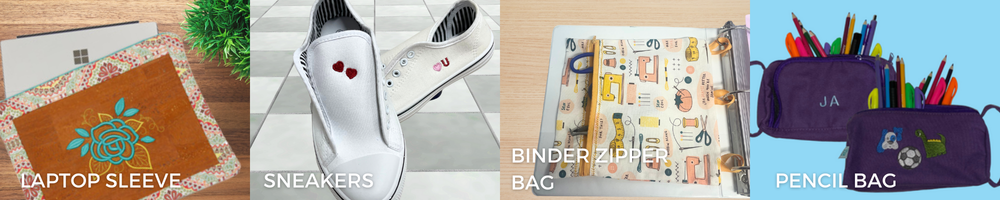
Laptop Sleeve: Keep your child’s laptop safe and stylish. With the TAJIMA Sai, you can embroider their name, initials, or favorite quote on their laptop sleeve. Choose from a wide range of fonts and colors to match their personal style.

Learn how to create your very own laptop sleeve here! Using the TAJIMA Sai, you can easily elevate this project with your touch of personalization.

Sneakers: Stand out in the school hallway with customized sneakers. Add patterns, icons, or your child’s favorite sports team’s logo. The possibilities are endless, and with the TAJIMA Sai’s 8-needle system, you can mix and match colors seamlessly!

Design your very own sneakers by visiting here!

Binder Zipper Bag: Organize your child’s school supplies in a personalized binder zipper bag. Embroider their name, class schedule, or motivational words to inspire them throughout the day. It’s a perfect blend of function and flair.

Create your own binder zipper bag by visiting us here and learning more about the Writer Plus program below to add that touch of personalization!

Pencil Bag: Always keep your child’s pencil bag intact. With custom embroidery, you can add their name, favorite hobby icons, or even cute designs that reflect their personality.

Learn how to personalize your pencil bag with the TAJIMA Sai by visiting here!

TAJIMA Writer Plus Program
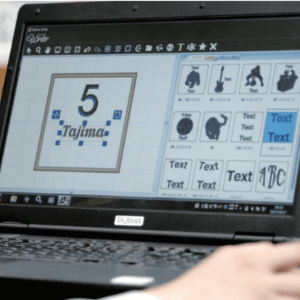
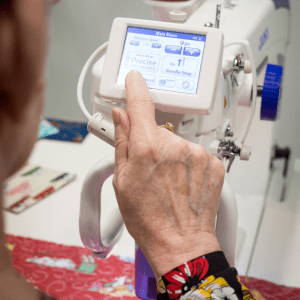
The TAJIMA Writer Plus program is your gateway to endless creativity. This software comes pre-installed with various design options that you can easily apply to your projects. Here’s a closer look at what it offers:

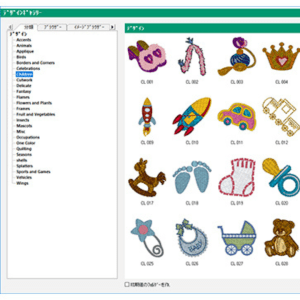
Pre-Installed Designs: The program includes a rich library of pre-installed designs, such as floral patterns, geometric shapes, animal motifs, and more. These designs are perfect for quick projects and adding a touch of fun to your child’s school items.

Custom Design Creation: Feeling creative? The TAJIMA Writer Plus program allows you to create your designs from scratch! You can draw inspiration from your child’s interests, hobbies, or favorite themes. Whether a complex pattern or a simple monogram, the software gives you the tools to bring your vision to life.

Easy-to-Use Interface: Even if you’re new to embroidery, the TAJIMA Writer Plus program is user-friendly. The intuitive interface makes selecting, customizing, and embroidering your designs easy. Plus, the program supports various file formats, so you can import and work with external designs effortlessly.

Design Ideas for Your Embroidery Projects
Names and Initials: Adding your child’s name or initials is a classic way to personalize their school items. Choose from different fonts and thread colors to make it truly theirs.

Favorite Sports Teams: Show off their school spirit or support their favorite professional sports team by embroidering their logo or mascot. It’s an excellent way for your child to connect with fellow fans and display their loyalty!

Hobbies and Interests: Whether they love music, art, science, or sports, you can reflect their passions on their gear. Embroider icons like musical notes, paintbrushes, basketballs, or telescopes showcase what they love.

Inspirational Quotes: Keep your child motivated with inspirational quotes or affirmations. A few words of encouragement on their pencil bag or laptop sleeve can go a long way in keeping their spirits high!

Fun Patterns and Icons: From cute animals and whimsical patterns to edgy graphics and abstract designs, the TAJIMA Sai allows you to experiment with various styles. Mix and match designs to create something uniquely theirs.

Back-to-school season is the perfect opportunity to express your child’s individuality through their school supplies. With the TAJIMA Sai 8-needle embroidery machine and the TAJIMA Writer Plus program, you can quickly transform everyday items into personalized masterpieces. Whether adding their name, showcasing their interests, or simply having fun with different patterns, embroidery brings a touch of uniqueness to everything you create. So, head back to school in style and make this year your child’s most personalized one!

April Showers Bring JUKI Flowers

As nature awakens and the sky blesses us, it’s the perfect time to equip ourselves with stylish and practical creations that brave the elements. With the help of JUKI machines, suitable fabrics, and the correct notions, let’s explore five innovative sewing projects designed to embrace the rainy season.

  1. Waterproof Tote Bags

Materials Needed:

  • Waterproof or water-resistant fabric
  • Nylon webbing for straps
  • JUKI sewing machine with a walking foot

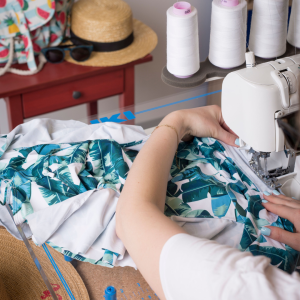
Create fashionable and functional tote bags using waterproof or water-resistant fabrics. These tote bags will keep your belongings safe and dry during unexpected showers. Utilize a JUKI machine equipped with a walking foot for sewing through multiple layers of waterproof fabric, ensuring sturdy seams that withstand moisture.

To take your waterproof tote bags to the next level, consider incorporating additional features that amp up style and functionality. Integrate exterior pockets for easy access to essentials like your phone or keys, ensuring they’re always within reach. For added convenience, include internal compartments or organizers to keep your belongings neatly sorted and easily accessible. Incorporating key holders or clips inside the bag helps keep your keys secure and easily locatable, saving you precious time on the go.

Additionally, explore various closure options such as magnetic snaps, zippers, or drawstrings to suit your preferences and enhance the bag’s security. With the versatility and reliability of JUKI machines, you can effortlessly bring these creative enhancements to life, transforming a simple tote bag into a stylish and practical accessory that meets all your needs. Now, using our EB-1, you can easily add button holes using your TL series machine.

2. Raincoats

Materials Needed:

  • Waterproof or water-resistant fabric
  • Waterproof zippers
  • Seam sealer tape
  • JUKI sewing machine with a Smooth Foot

Elevate your rainy-day attire with custom-designed raincoats that blend style and functionality seamlessly. Start by selecting high-quality waterproof or water-resistant fabric to ensure maximum protection against the elements. With your trusty JUKI sewing machine equipped with a Smooth Foot, you’ll effortlessly navigate the slick surface of waterproof fabrics, ensuring smooth and precise stitching without snagging or sticking.

Consider incorporating practical and stylish features such as strategically placed pockets to add extra flair to your raincoat. Exterior pockets provide convenient storage for essentials like keys, wallets, or smartphones, while interior pockets keep valuables safe and dry. Additionally, you can amp up the functionality of your raincoat with waterproof zippers, which not only enhance protection against rain but also lend a sleek and modern aesthetic to your design.

For maximum weatherproofing, seal all seams with seam sealer tape to prevent water from seeping through! This simple yet crucial step ensures that your raincoat remains fully waterproof, keeping you dry and comfortable even during heavy downpours. To further enhance protection from the elements, consider adding a detachable hood to your raincoat design, providing versatility and practicality for unpredictable weather conditions.

3. Bucket Hats

Materials Needed:

  • Waterproof or water-resistant fabric
  • Fusible interfacing
  • Grommets for ventilation
  • JUKI sewing machine with a zigzag stitch

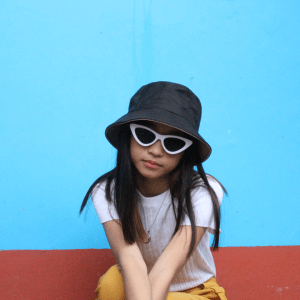
Elevate your rainy-day style with a custom-designed bucket hat that combines practicality with fashion-forward flair. Start by selecting high-quality waterproof or water-resistant fabric that keeps you dry and adds a touch of style to your ensemble. Enhance the structure and stability of your hat by incorporating fusible interfacing, providing a sturdy foundation for the brim and crown. With your JUKI sewing machine equipped with a zigzag stitch, you’ll effortlessly secure seams and add decorative detailing to your bucket hat.

To enhance comfort and breathability, consider adding grommets for ventilation! Strategically placed grommets allow air to circulate, preventing overheating and ensuring maximum comfort while wearing the hat. Additionally, grommets add a stylish touch to your design, elevating the overall aesthetic of your bucket hat. For added customization, explore other ways to vamp up your bucket hat. Add a contrasting fabric band for a pop of color or embellish with decorative stitching or appliques for a unique and personalized look. You can also experiment with different brim widths or crown heights to create a hat that perfectly complements your style and personality!

4. Picnic Blanket with Waterproof Bottom

Materials Needed:

  • Waterproof or water-resistant fabric for the bottom layer
  • Quilting cotton or other fabric for the top layer
  • Batting for insulation
  • JUKI sewing machine with a walking foot and quilting guide

Prepare for outdoor picnics in style with a custom-made picnic blanket that provides comfort and shields against moisture! Start by selecting a waterproof or water-resistant fabric for the bottom layer, ensuring protection from damp ground surfaces. For the top layer, opt for quilting cotton or another fabric of your choice, adding a touch of personality to your picnic ensemble. To provide insulation and enhance comfort, include batting between the layers, ensuring a cozy and inviting picnic experience.

With your trusty JUKI sewing machine equipped with a walking foot and quilting guide, you’ll effortlessly bring your picnic blanket to life with professional-quality stitching. The walking foot ensures smooth and even stitching through multiple layers of fabric and batting, preventing shifting or puckering for a flawless finish. Additionally, the quilting guide ensures straight and evenly spaced quilting lines, securely anchoring the layers together and adding durability to your blanket.

Consider incorporating additional features to enhance functionality and style to further vamp up your picnic blanket. Add convenient pockets for storing utensils, napkins, or other picnic essentials, keeping everything organized and within reach. For added versatility, include straps or handles for easy transportation and storage when not in use. You can also personalize your picnic blanket with decorative stitching, appliques, or embroidery, adding a unique and personalized touch to your outdoor gatherings.

5. Umbrella Carriers

Materials Needed:

  • Waterproof or water-resistant fabric
  • Straps or webbing for handles
  • Snap closures or zippers for closure
  • JUKI sewing machine with a zipper foot

Prepare for rainy days in style with custom-designed umbrella carriers that keep your wet umbrellas contained and your surroundings dry. Start by selecting high-quality waterproof or water-resistant fabric, ensuring that any residual moisture from the umbrella is contained within the carrier. For added convenience, incorporate straps or webbing handles to easily transport your umbrella carrier while on the go. Additionally, consider adding snap closures or zippers to secure closure, preventing accidental spills or leaks.

With your reliable JUKI sewing machine equipped with a zipper foot, you’ll effortlessly attach zippers or snap closures to your umbrella carrier, ensuring a secure and convenient closure mechanism. The zipper foot provides precise stitching along the edges of the closure, guaranteeing a professional finish that withstands daily use.

Explore additional features that enhance functionality and style to further vamp up your umbrella carrier. Incorporate exterior pockets for storing small items such as keys, wallets, or sunglasses, keeping them easily accessible while on the move. For added versatility, consider adding adjustable or removable shoulder straps, allowing you to carry your umbrella hands-free when necessary.

Personalize your umbrella carrier with decorative accents such as contrast stitching, appliques, or embroidery, adding a touch of personality to your rainy-day essentials.

Choosing Suitable Fabrics and Notions for Rainy Projects

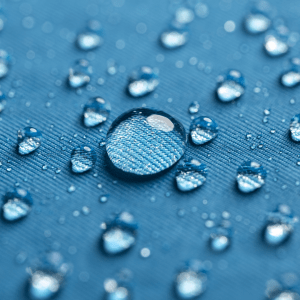
When selecting fabrics for rainy-day projects, opt for materials labeled as waterproof, water-resistant, or treated with a durable water-repellent (DWR) finish. Nylon, polyester, vinyl-coated fabrics, or laminated cotton are excellent choices as they effectively repel water.

Waterproof zippers, seam sealer tape, and fusible interfacing are essential for notions.

Additionally, nylon webbing for straps, grommets for ventilation, and snap closures or zippers for closures enhance the functionality and durability of rain-resistant creations.

Utilizing JUKI Machines for Rainy-Day Projects

JUKI machines equipped with specialty feet, such as walking feet, Teflon feet, and zipper feet, are invaluable for sewing with waterproof or water-resistant fabrics! These feet ensure smooth stitching and prevent materials from sticking or bunching, allowing for precise and professional-looking finishes on rain-ready projects.

April showers pave the way for May flowers, but they inspire a world of creativity for sewing enthusiasts! With the suitable fabrics, notions, and versatility of JUKI machines, you can embark on a rainy-day sewing adventure, creating stylish, practical, and weather-ready projects that brave the elements in style. Embrace the rainy season with these innovative sewing endeavors, each stitch a testament to preparedness and creativity, all made possible with JUKI’s precision and reliability.

Stitching Love with JUKI

Valentine’s Day can be an opportunity for couples to strengthen their bond through shared activities and heartfelt moments! What better way to commemorate this occasion than by delving into an array of delightful sewing projects designed for two?

With the precision and versatility of JUKI machines complemented by the embroidery finesse of Tajima Sai and the printing features of the RICOH Ri 100 machines, let’s explore an assortment of heartwarming projects tailor-made for crafting love-filled memories together.

1. Culinary Harmony: Matching Aprons

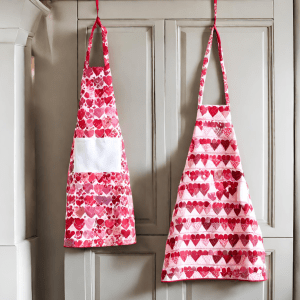
Picture this: it’s Valentine’s Day, a day filled with love, laughter, and shared moments in the kitchen! As you whip up a delicious meal together, the matching aprons will bring a touch of laughter, a playful reminder of your shared love for culinary adventures and cheesy projects. It’s not just about the gift—it’s about the shared experiences, the laughter, and the beautiful memories you’ll create while cooking up a storm together, making this Valentine’s Day truly unforgettable.

To create your set this Valentine’s, here are a few things to have on hand. Choose durable and easy-to-clean fabrics suitable for aprons, such as cotton, linen, or canvas. Also, select a pattern that suits your skill level and desired style! Various apron styles are available, from simple waist aprons to full bib aprons with pockets, so find one that fits your cooking needs. Ensure the pattern is adjustable to fit different body sizes so you and your partner feel comfy in the kitchen!

Personalize these aprons with embroidered initials, whimsical patterns, or cute culinary motifs using the precision and creativity of our Tajima Sai or with the precision and versatility of JUKI machines complemented by the embroidery finesse of Tajima Sai and printing features of the RICOH Ri 100 machines. Let’s explore an assortment of heartwarming projects tailor-made for crafting love-filled memories together. Pay attention to details that can create a cohesive look. This includes matching or coordinating fabric patterns, colors, trims, or embellishments for both aprons! You can also add pockets and topstitch for added durability and aesthetic appeal.

For sewing aprons for the kitchen, you can use a standard or walking foot. A standard presser foot is suitable for most lightweight to medium-weight fabrics commonly used for aprons. A walking foot can help feed the fabric evenly and prevent shifting if you’re working with thicker fabrics or multiple layers. You can also consider using a zigzag stitch or an overcasting stitch to finish the edges of the apron for a clean and durable finish.

2. Dreamy Comfort: Personalized Pillow Covers

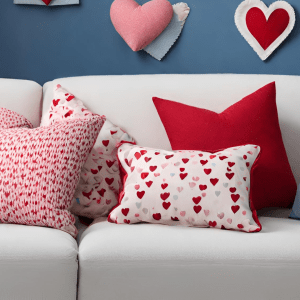
Valentine’s Day is a canvas for celebrating our unique love stories, and what better way to paint that picture than with personalized pillow covers? Imagine the joy of snuggling up to pillows adorned with inside jokes, shared memories, or heartfelt messages. It’s a chance to turn ordinary cushions into a delightful daily reminder of your special moments together!

For your own Personalized Pillow Covers, choose fabrics that complement your home decor or convey the theme or message you want to personalize. Take accurate measurements of your pillows before cutting the fabric to ensure a proper fit, and add seam allowance for a better finish. Add a closure! Choose an envelope closure, zipper closure, button closure, or even a snap, depending on your preference and sewing skill level.

Remember the inside! Depending on the fabric used and the desired finish, consider adding an inner lining or interfacing to give the pillow cover structure and durability. You can also add piping, trims, or decorative edges to enhance the aesthetic appeal of the pillow cover.

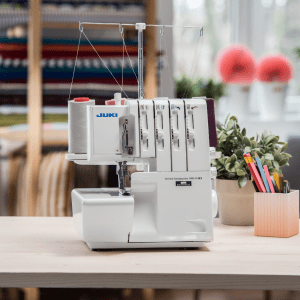
For adding piping, trims, or decorative edges, consider using a JUKI Piping Foot or a JUKI Overcasting Foot. The JUKI Piping Foot, designed with a groove for the piping cord, enables precise stitching close to the cord for a professional finish when attaching piping or decorative trims along the pillow cover edges. Alternatively, the JUKI Overcasting Foot is suitable for adding trims or finishing edges to prevent fraying, allowing for decorative overcasting stitches along the pillow cover’s perimeter.

Personalized pillow covers offer plenty of room for creativity! Experiment with initials, love quotes, or adorable motifs using the intricate capabilities of Tajima Sai embroidery machines, or check out our

With the precision and versatility of JUKI machines complemented by the embroidery finesse of Tajima Sai and the printing features of the RICOH Ri 100, let’s explore an assortment of heartwarming projects tailor-made for crafting love-filled memories together and add a personalized and heartfelt photo or hand-drawn design to your pillow covers.

3. Snugly Warmth: Cozy Blankets

Creating a cozy blanket for your partner this Valentine’s Day is a heartfelt gesture that encapsulates warmth, comfort, and love! Sewing or quilting a blanket allows you to pour love into every stitch, selecting the softest fabrics, personalized touches, and perhaps even embroidering initials or a heartfelt message.

Find a theme for your love quilt! Whether it’s a theme of your relationship or following the Valentine theme and using colors and designs that resonate with romance, this will be the basis for your fabric options. Traditional Valentine’s colors like red, pink, and white work well, but you can also opt for softer hues or a combination of your partner’s favorite colors.

If you’re into quilting, create a patchwork blanket using heart-shaped fabric pieces or a quilt design with love-themed patterns. Quilting can add a charming and intricate touch to the blankets!

To help you design this project, we recommend checking out JUKI’s new Hearts and Wings Ruler Set! This set offers the Cable Tool, Mini Heart, Traditional Hearts, Feathered Hearts, and Bird Bracket Chain rulers. Each ruler serves as a unique template, helping you bring individuality to your quilt! Whether you’re a seasoned quilter or a novice, the Hearts & Wings Ruler Set is an excellent addition to your tool set.

You can also add an extra touch of love with love quotes, poems, or meaningful messages embroidered into the blanket design using your Tajima Sai or your machine’s letter stitch options. Adding decorative elements like lace trims, ribbons, or sewn-on heart-shaped patches enhances the blanket’s romantic vibe.

4. Unified Fashion: Embroidered Sweaters

Creating matching embroidered sweaters for your partner this Valentine’s Day is a heartfelt gesture that goes beyond a typical gift! It’s a beautiful way to express your love and unity as a couple. Sewing these sweaters allows you to infuse them with personalized touches, such as initials, meaningful symbols, or a special message, uniquely representing your bond.

Regarding the design, consider Valentine’s Day motifs like hearts, Cupid’s arrows, lovebirds, flowers, or romantic phrases. Opt for thread colors that evoke the Valentine’s Day palette—red, pink, white, and shades of purple. Metallic threads can add a touch of sparkle to your designs!

Remember to use a stabilizer to prevent puckering or stretching while embroidering, and use the smallest hoop necessary to secure the sweater without stretching it too much. When embroidering, plan the placement of your design thoughtfully. Centering it on the chest or towards the hemline can create a balanced look. Avoid areas that might cause discomfort when worn. Use the embroidery capabilities of the Tajima Sai machine to add monograms, intricate designs, or symbols that symbolize unity and warmth onto your sweaters!

Want to try out your hand at creating personalized sweaters? Use your digital sewing machine and check out the letter features, or use your Tajima Sai and follow along here for a demonstration on creating your own set!

5. Personal Footprints: Customized Shoes

From whimsical designs to meaningful initials or inside jokes intricately woven into the fabric, these shoes aren’t just footwear—they’re a token of your love. Gift them the joy of walking in style and stepping into every adventure with a reminder of your love!

For this project, select shoes made of a fabric that can accommodate embroidery. Canvas or denim shoes work well. We recommend testing your embroidery design on a similar fabric or scrap material to gauge how the stitches will appear on the shoe material. Adjust the design or thread colors as needed for better visibility or effect. Remember to use stabilizers appropriate for shoes! Self-adhesive or tear-away stabilizers can work well for this project, supporting the fabric during embroidery without leaving residue.

When it’s time to embroider, hoop the shoe fabric carefully and securely without damaging the shoe. Use smaller embroidery hoops suitable for the shoe’s size, ensuring the material remains taut but not overly stretched. Adjust your embroidery machine settings according to the shoe fabric. Test different stitch densities, speeds, and tensions to ensure a smooth and accurate embroidery process. Also, enjoy the pre-installed designs of the Tajima Sai program and add initials, patterns, or unique designs onto the canvas shoes!

Catch our February project live next week as we show you how to use the Tajima Sai to create your own pair here!

Celebrate your love and togetherness this Valentine’s Day by embarking on these heartwarming embroidery projects. With the precision of the JUKI and the capabilities of the Tajima Sai machine, transform simple fabrics into cherished tokens of your shared love and commitment!

Happy Valentine’s Day, JUKI lovers! We can’t wait to see your projects!

Sewing Into 2024 with JUKI

Embarking on a sewing journey is akin to unraveling a treasure trove of creativity and skills waiting to be discovered. For beginners eager to delve into the craft with a reliable JUKI sewing machine this new year, here are five delightful and straightforward projects that promise a smooth learning curve!

1. Chic Coin Purse

Crafting a coin purse is an ideal starting point for newbies. When selecting fabrics for this project, consider using lightweight cotton or canvas for the exterior and coordinating cotton or polyester for the lining. These fabrics are easy to handle and come in many colors and patterns.

Using a simple design and thanks to its practicality, this project is functional and rewarding! This project also only consumes a little time, which is excellent motivation when just starting.

Recommended Notions:

  • Zipper: Opt for a standard nylon or polyester zipper in a matching or contrasting color. A zipper attachment is an important skill to learn, as this skill will be used in various projects like bags, garments, and more.
  • Thread: Use a good quality all-purpose thread for exterior and lining fabrics. Using the right thread will help your project have a longer-lasting quality and reduce thread breakage when creating your coin purse.
  • Sewing Foot: A zipper foot is essential for precise stitching when attaching the zipper. Using a zipper foot will help you easily attach the zipper and reduce mistakes in your project!

2. Hair Scrunchies

Creating scrunchies allows beginners to experiment with different textures and stretchy materials. Opt for fabrics like cotton, satin, or velvet. These materials are readily available, accessible to work with, and come in various colors and prints.

The skill of working with different fabrics is essential! As you learn to sew, you’ll learn that some fabrics have more stretch than others, what fabrics can handle constant use, what threads and needles will work best, and more.

Learning how to attach an elastic is also an excellent tool! Attaching elastic is a popular skill in garment creation, and using this project as a stepping stone is a great way to learn how to run the elastic through project pieces or attach them to fabric,

Recommended Notions:

  • Elastic: Choose a narrow, soft elastic that is comfortable to wear. The best thing to do is decide how big you want your scrunchies and then pick the correct width. The typical width of an average scrunchie usually falls within ¼ inches.
  • Thread: Use a matching thread for seamless blending. Remember any scrunchies you may have at home, and study the design and stitching to better understand how your closure should look when you finish your project!
  • Sewing Foot: A basic sewing foot works well for this project, making this perfect for all beginner sewers.

3. Stylish Eye Glass Case

When making an eyeglass case, consider using fabric with a bit of structure, like quilt-weight cotton or denim, for durability. A soft cotton or felt for the lining will help protect the glasses.

This project will teach you how to create projects with a form or shape that requires maintaining structure. These fabrics can be thicker and offer stability to more than just eyeglass cases; even used in tote bags, hats, quilts, and more. You can also learn to use different thread weights and needle sizes, as denim requires a larger needle than chiffon or cotton.

This project will also help you learn the basics of small buttons or snap closures. While zipper closures are a popular option, button closures and snaps are expected in bag creations, home décor, garments, and more. Learning this skill will help you when you step up to creating dresses, skirts, and more!

Recommended Notions:

  • Button or Snap: Opt for a small button or snap closure for easy use. JUKI machines offer button attachment accessories, and we have a selection of machines that offer buttonhole creation. Those tools would help any sewist, beginner or advanced, create quality finished closures for their projects.
  • Thread: Use a sturdy thread to ensure durability. Eyeglass cases receive a lot of use, like your scrunchies, so make sure to use a thread that can handle that form of wear and tear and even a little stretch in case your glasses fit snugly in their new case.
  • Sewing Foot: A walking foot helps when sewing through multiple layers of fabric. With a walking foot, you’ll notice even feeding, reduced slippage as you have layers placed together, and prevention of wrinkles and puckering, giving you that finished quality look you’re aiming for!

4. Quaint Coasters

Coasters are an excellent canvas to showcase your creativity. Choose absorbent fabrics, such as cotton, linen, or a cotton-linen blend, to absorb moisture from glasses effectively. Remember to bring that skill of layering into play! Placing layers in between tour fabrics will help with creating a sturdy project.

The simple and manageable design size will help you build your confidence in project creation while allowing you to experiment with different stitch designs, fabric types, patterns, and more! This will also teach you basic techniques like measuring and cutting fabric accurately, sewing straight seams, turning corners, and finishing edges neatly.

This project is also a low-cost and low-time-consuming idea, giving creators a budget-friendly option that builds their confidence.

Recommended Notions:

  • Batting or Interfacing: Adding a layer of batting or interfacing between the fabrics gives the coasters a sturdy feel, perfect for guests and homebodies.
  • Thread: Use a coordinating thread for neat finishing.
  • Sewing Foot: A walking or quilting foot helps maintain even stitches when working with multiple layers. As we mentioned before, prevent those wrinkles and puckers, and enjoy the finished quality.

5. Nook Carrier for Books

Select durable fabrics like canvas or twill for the exterior to provide adequate protection for a nook carrier or book sleeve. Use soft cotton for the lining to prevent scratches on the nook or book. This book sleeve can be used for travel, so you want to use a fabric that can handle heavy use and possibly different weather conditions.

This project is a great skill builder for beginners because it has a straightforward design that is easily customizable to your needs; you can take the opportunity to learn how to attach straps to a carrier case, an important lesson for garment and bag creation, and beginners can experiment with fabric choices, colors, patterns, and embellishments to add a personal touch to the project.

Recommended Notions:

  • Velcro or Button Closure: Choose a closure option that secures the carrier while offering easy access. Velcro options are popular thanks to how easy they are to install onto projects and their budget-friendly cost. It’s also easy for many users to use as a closure with its easy opening. In some cases, if the Velcro wears out due to heavy use, it’s relatively easy to replace without having to reconstruct the entire project.
  • Thread: Use a strong thread for structural integrity. A Book or Nook carry will be heavily used by a book lover, so keep that in mind when choosing your thread and building your project. Backstitching is a great skill to learn for enforcing the durability of your project and can be done with the press of a button on our JUKI machines.
  • Sewing Foot: A walking foot ensures smooth stitching through different fabric layers. This will help as you attach a lining to the carrier case for solid protection. Remember that these carries will be used for travel, and a good, durable fabric and filler will protect the item.

Pro Tips:

  1. Fabric Preparation: Always pre-wash and iron your fabric before starting any project to prevent shrinkage or distortion after sewing.
  2. Practice Stitches: Familiarize yourself with different stitch options on your JUKI machine before starting the projects to achieve the desired finish. Grab the fabric you plan to create for your project to test how the stitches will work with your fabric and design choice.
  3. Seam Allowances: Pay attention to seam allowances; they ensure accurate sizing and neat finishing. We recommend checking out JUKI’s ¼ Presser Foot for a seamless and measured look.

These beginner-friendly JUKI sewing projects offer an excellent way to learn while creating practical and visually appealing items. With the recommended fabric choices, notions, and sewing accessories, beginners like you can confidently embark on their sewing journey, guided by the reliability and precision of their JUKI sewing machine.

So, gather your materials, unleash your creativity, and let your sewing adventures begin! Visit our project page here for more project ideas that beginners and advanced sewists alike will love creating. 

How to Create Your Sewing Community

In a world increasingly dominated by technology and fast-paced living, finding a fulfilling and engaging hobby has become essential for maintaining a sense of balance and well-being. Sewing, an age-old craft, has experienced a renaissance in recent years, captivating both seasoned crafters and newcomers alike. As we step into the new year, there has never been a better time to embrace the sewing revolution and connect with other sewists through various online sewing groups, workshops, and sewing retreats! Let’s delve into the significance of sewing communities and events and discover the multitude of benefits they offer in 2023.

1. Support and Inspiration:

Sewing can occasionally present challenges, and having a support network can make all the difference. Engaging with fellow sewists through online groups or workshops allows for the exchange of ideas, troubleshooting of issues, and sharing of accomplishments. The encouragement received from others can ignite the spark of inspiration and creativity, propelling one’s sewing journey to new heights. Additionally, witnessing the remarkable projects undertaken by community members serves as a wellspring of motivation to take on new challenges.

You can also connect with our National Account dealers here who throughout the year, have JUKI trainers visit to keep their staff up to date on the newest JUKI home products so they can help provide you with reliable support during and after your purchase.

2. Learning and Skill Development:

The world of sewing is vast and ever-evolving, with a plethora of techniques, styles, and materials to explore. Sewing communities often host workshops and classes, both online and in-person, led by skilled instructors and industry experts. These workshops not only introduce new skills but also offer a platform for improving existing ones. The chance to learn from experienced artisans can boost confidence and competence, enabling sewists to tackle more intricate and ambitious projects.

Connect with your local JUKI dealers here to learn more about what class options they have available to the sewing community! From weekly clubs to monthly events or special class dates, our JUKI dealers are ready to help you start creating.

3. Fostering Creativity:

Creativity thrives in environments where ideas are freely shared and celebrated. Sewing communities provide a safe space for individuals to express their creativity without judgment. Through collaborative challenges and sharing sessions, members can explore different perspectives and experiment with their creativity, leading to innovative and imaginative sewing creations.

Fostering creativity in sewing and quilting is essential to unlocking the full potential of these crafts and producing truly unique and captivating creations. Try stepping out of your comfort zone by experimenting with different fabrics, colors, and patterns. Embrace mistakes as opportunities to learn and grow, allowing them to inspire new design directions. Draw inspiration from various sources, such as nature, art, and everyday life. By giving yourself the freedom to think outside the box and incorporating diverse influences, your sewing and quilting projects will undoubtedly flourish with newfound creativity and originality.

4. Sewing Retreats: A Time for Renewal:

For many, the hustle and bustle of daily life can impede the full enjoyment of their hobbies. Sewing retreats present an opportunity to escape distractions and immerse oneself fully in the craft. These retreats, often set in picturesque locations, offer dedicated time for sewing, learning, and connecting with fellow participants. The serene ambiance, away from the pressures of everyday life, encourages a profound sense of relaxation and rejuvenation.

You can also attend sewing and quilting exhibitions that host a variety of sewing classes ranging from serging to sewing and quilting. These expos also offer the chance to purchase new JUKI machines at show deal prices and the opportunity to find new notions and fun fabrics! Learn more about the events JUKI attends by staying up to date on our socials here or visiting our events page here.

5. Adapting to the Digital Age:

The internet has revolutionized the way we connect and share information. Online sewing groups have thrived, attracting sewists from across the globe. These virtual communities transcend geographical boundaries, bringing together people who would have never met otherwise. Through online platforms, members can share their work, participate in discussions, seek advice, and make friends, all within the comfort of their homes.

Check out JUKI’s YouTube page from the comfort of your home and learn how to create fun and easy projects by following our step-by-step videos! Thanks to the digital age, we can share our favorite projects that we love creating, and display tips and tricks you can start using on your sewing journey.

As we enter 2023, the sewing community stands stronger than ever, enriched by the passion and dedication of its members. Joining sewing communities and participating in sewing events opens doors to a world of creativity, camaraderie, and personal growth. The support, inspiration, and friendships cultivated through these interactions make the sewing journey not only enjoyable but also deeply rewarding. Good luck on a new year of creating and Happy sewing!