Sewing Storage Made Simple with JUKI

For passionate sewists and crafters, sewing machines, fabrics, and accessories are prized possessions. Whether you sew occasionally or every day, proper storage is essential to protect your investments and ensure they remain in optimal condition. In this guide, we’ll explore the best practices for storing your sewing machines, fabrics, and accessories to keep them safe and well-maintained.

Sewing Machine Storage:

Your sewing machine is the heart of your craft, so safeguarding it is crucial. Here are some detailed tips for storing your sewing machine effectively:
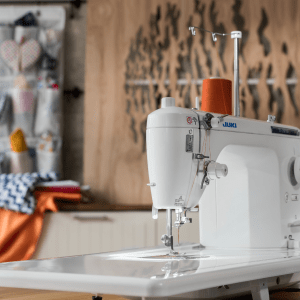
a. Clean Before Storage: Before stowing away your machine, thoroughly clean it. Start by removing any visible lint, dust, and debris from the bobbin case, feed dogs, needle plate, and other parts using a soft brush or lint roller. You can check out our blog on machine maintenance here.

b. Cover It Up: Use your JUKI machine cover, invest in a dedicated sewing machine cover, or use a soft, breathable fabric to shield your machine from dust and sunlight. Ensure the cover fits snugly but is not too tight, allowing for adequate airflow. Avoid plastic covers, which can trap moisture and create a breeding ground for mold and mildew.

c. Store in a Cool, Dry Place: Choose a storage location away from direct sunlight, heat sources, and areas prone to humidity for your sewing machine. Extreme temperatures or moisture exposure can damage delicate components such as electronics, motors, and metal parts. Consider storing your machine in a climate-controlled room or closet to maintain stable environmental conditions.

d. Proper Positioning: When storing your sewing machine, ensure it is placed in a flat, stable position to prevent it from tipping over or being knocked around. If your machine comes with an original case or storage container, utilize it for added protection during storage. Alternatively, opt for a sturdy storage box or cabinet that provides ample cushioning and support for your machine.

By following these guidelines, you can ensure that your sewing machine remains in optimal condition between uses, ready to bring your creative visions to life whenever inspiration strikes.

Fabric Storage:

Fabrics come in various textures, weights, and fibers, making proper storage essential for preserving their quality and longevity. Here’s an in-depth look at how to store your fabrics effectively:

a. Fold, Don’t Hang: Resist the temptation to hang your fabrics, as this can cause them to stretch out of shape over time. Instead, opt for folding to maintain their integrity. Neatly fold fabrics and store them vertically on shelves, bins, or drawers. This method not only saves space but also prevents creases and wrinkles.

b. Protect from Light: Sunlight can be detrimental to fabrics, causing colors to fade and fibers to weaken over time. Store your fabrics in a dark or dimly lit area to shield them from harmful UV rays. Consider using opaque storage containers or covering windows with curtains or blinds to minimize exposure to sunlight.

c. Use Acid-Free Storage Containers: Acidic materials can accelerate the deterioration of fabrics, leading to discoloration and weakening of fibers. To safeguard your fabrics, opt for acid-free cardboard boxes or plastic bins for storage. These containers are specifically designed to maintain a neutral pH level, ensuring that your fabrics remain pristine for years to come.

d. Maintain Air Circulation: Adequate airflow prevents musty odors and mildew growth in stored fabrics. Avoid tightly packing fabrics together, which can restrict ventilation and create a breeding ground for moisture. Instead, allow some space between fabric stacks to promote air circulation. Consider using breathable storage bags or containers with ventilation holes to enhance airflow further.

With these tips, you can ensure that your fabric collection remains impeccable and ready to inspire your next sewing project with its vibrant colors and luxurious textures!

Accessory Storage:

Sewing accessories such as needles, threads, scissors, and rulers are indispensable tools for any sewing enthusiast. To ensure they remain organized and safe, we recommend these guidelines for storage:
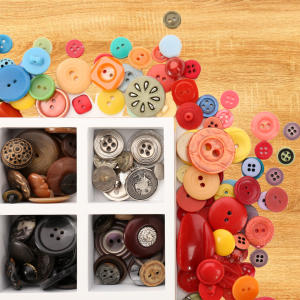
a. Organize by Category: Start by categorizing your sewing accessories into needles, threads, zippers, buttons, and other miscellaneous items. Use clear bins, drawer dividers, or labeled containers to keep each category separate and easily identifiable. This organization system not only saves time but also prevents clutter and frustration when searching for specific items.

b. Keep Sharp Objects Secure: Sharp tools like scissors, rotary cutters, and pins pose a safety hazard if unprotected. Store these items in dedicated storage containers or pouches with secure closures to prevent accidental injuries. Consider using magnetic strips or pin cushions to keep needles and pins within easy reach while minimizing the risk of pricks.

c. Moisture Control: Moisture can wreak havoc on sewing accessories, leading to rust and deterioration, especially for metal tools. Protect your accessories by storing them in a dry environment away from sources of moisture. Add silica gel packets to storage containers to absorb excess humidity and maintain optimal conditions. Additionally, periodically inspect your storage area for signs of moisture buildup and address any issues promptly.

d. Regular Maintenance: Like your sewing machine, sewing accessories require regular maintenance to ensure optimal performance and longevity. Periodically inspect your accessories for signs of wear, damage, or corrosion. Replace worn-out needles, sharpen dull scissors, and discard any damaged items to prevent accidents during use. Additionally, clean your accessories regularly to remove lint, dust, and debris buildup, ensuring they remain in top condition for your next sewing project.

By implementing these comprehensive storage and maintenance practices, you can keep your sewing accessories organized, safe, and ready for use whenever inspiration strikes. Happy sewing!
Update Your Space with JUKI

Home decor is more than just furniture and paint; it’s about creating your space with personality and style. Enter JUKI sewing machines, your ultimate companion in creating fun and stylish home accents that elevate your interior design game. Whether you’re creating new décor for your kitchen space or living room, we’ve made sure to have the right accessories for your projects. Let’s explore five trendy projects and how JUKI can help turn your vision into reality!

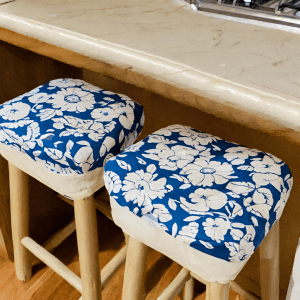
Seat covers instantly refresh chairs, sofas, or stools. Use durable fabrics like cotton canvas or upholstery-weight linen! With the amount of use these fabrics are expected to get, you want something sturdy. Select heavy-duty threads suitable for upholstery or heavy fabrics, like polyester or nylon.

Our cording and embroidery presser foot can help guide and attach decorative cords or piping to your seat covers. Ensure the foot is compatible with your JUKI sewing machine model, and experiment with different cord sizes to achieve the desired decorative effect. This is perfect for adding a decorative touch to the family room and bedroom seat covers! Have fun adding a touch of color in piping that is different from your seat cover fabric selection to bring a touch of flair to your project!

Measure your seats precisely and plan the cover dimensions accordingly. Take time to cut and prepare the fabric pieces before sewing. Additionally, plan the placement of the cord and the seams to ensure a clean and professional finish. We also recommend pre-washing your fabric in case of any shrinkage when it’s time for a wash.

Customized door banners add a touch of warmth to any entryway! Consider using heavyweight cotton or outdoor fabric to withstand varying climates, and scout the shops for durable and colorful fabrics suitable for outdoor weather.

Utilize JUKI’s embroidery foot for intricate designs or appliqué work, allowing you to personalize banners with monograms, seasonal motifs, or welcoming messages. We also recommend using appropriate stabilizers to support the fabric during embroidery. Consider using a hoop or cut-away stabilizer to prevent puckering and ensure the fabric remains stable while stitching.

Remember to practice on scrap fabric to test your designs and techniques before embroidering the door banner. Take your time, enjoy the creative process, and let your JUKI sewing machine, coupled with the embroidery foot, bring your door banner to life with intricate and delightful stitches!

You can also personalize your banners with photos and hand-drawn designs using JUKI RICOH Ri 100. Check out JUKI’s project here to create your banner alongside our JUKI Trainer Kelly!

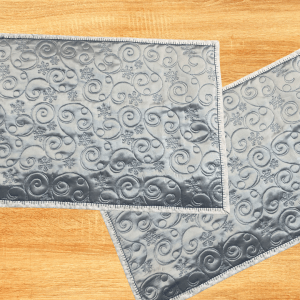
Kitchen mats not only protect floors but also inject style into culinary spaces. Check out durable and easy-to-clean fabrics suitable for kitchen use the next time you visit your local shop! Using heavy-duty cotton, canvas, or even denim for the mat’s base is excellent for easy cleaning.

Plan a fun and functional design for this project for your kitchen mat! Experiment with geometric shapes, abstract patterns, or even playful food-related motifs.

You can also experiment with applique and our open-toe presser foot. This foot is your secret weapon for nailing those fancy designs on your kitchen mats. It gives you a clear view, and the groove ensures the presser foot doesn’t catch on the stitching. Adding applique designs is a fun way of adding texture to your designs!

You can also take advantage of your JUKI sewing machine’s various decorative stitches! Try out different stitch patterns, such as scallops, waves, or leaves, to add fun visuals and embellishments to the mats. The possibilities are endless for kitchen mat designs, so have fun experimenting and working on your skills! Design for the season, holiday, occasion, or your home aesthetic.

Check out JUKI’s project here to learn how to create your own kitchen mat set with our JUKI National Account Trainer Alba!

If there’s one thing we can never have enough of as crafters, it’s baskets! For something like this, you want to use sturdy fabrics like canvas, denim, or upholstery fabrics for durability. Play with different colors, patterns, or textures to add visual interest to your baskets. You can even dive into your scrap bin for exciting looks! But remember, these types of projects get heavy use, so we want to ensure they can withstand the use!

To build some structure, check out interfacing or stabilizers. This will help the basket hold its shape and prevent it from flopping. You can also create baskets in various sizes and shapes. Small baskets are used for organizing notions, for example, or larger ones for storing blankets or towels.

In this project, you’ll also aim for an excellent shape; using a presser foot with a guide to maintain consistent seam allowance is a great way to do that! This helps in sewing straight and even seams along the edges of the basket, ensuring a nice quality finish. You can also use the guide on your presser foot for precise topstitching around the edges of the basket. This adds a professional touch and reinforces the seams, essential with baskets you expect to fill up!

Find a free pattern on our JUKI project site to make your basket here. It’s a great way to start organizing your fabric and scraps!

Elevate your entertaining game with custom coasters for wine glasses! Choose fun and absorbent fabrics suitable for coasters, like cotton or linen blends. Consider using colorful or patterned fabrics that complement your table decor or add a festive touch. We also recommend pre-washing and ironing the fabric before cutting; you never know when these will need to be washed, and this will keep from shrinkage in your finished projects! Use a rotary cutter and ruler to cut your shapes for the desired size; this will help keep them looking uniform if you create a set.

If you add any designs, the open-toe presser foot allows for better visibility while sewing intricate or detailed ideas. Utilize this visibility to create decorative stitches or free-motion embroidery on the coasters. You can also experiment with various decorative stitches your JUKI machine offers! Try out different stitch lengths, widths, or patterns to add unique details and visual interest to your coasters. Or consider adding personalized touches to the coasters. Embroider initials, names, or fun quotes using the open-toe presser foot to guide your stitching accurately.

With your JUKI sewing machine and the right presser foot, you can create charming and personalized wine glass coasters that add a touch of flair to your entertaining or gifting experiences.

When diving into these projects, having the correct presser foot can be a lifesaver! JUKI offers an array of presser feet that cater to different needs, and all feet mentioned above can be found in our Creative Set Kit. For these projects, the correct presser foot can be your trusty companion, allowing for the seamless execution of various design dreams.

With JUKI’s precision and versatility, your stylish home decor projects are bound to become conversation starters, adding a touch of personality and charm to every corner of your home! So, grab your fabrics, fire up your JUKI, and let your creativity soar!