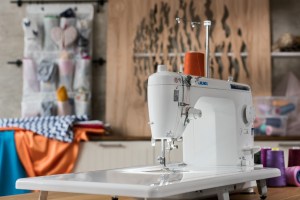
Sewing Storage Made Simple with JUKI

For passionate sewists and crafters, sewing machines, fabrics, and accessories are prized possessions. Whether you sew occasionally or every day, proper storage is essential to protect your investments and ensure they remain in optimal condition. In this guide, we’ll explore the best practices for storing your sewing machines, fabrics, and accessories to keep them safe and well-maintained.

Sewing Machine Storage:

Your sewing machine is the heart of your craft, so safeguarding it is crucial. Here are some detailed tips for storing your sewing machine effectively:
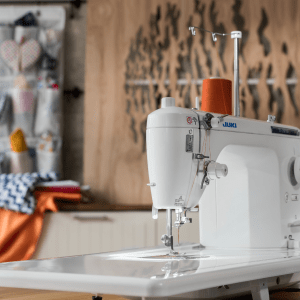
a. Clean Before Storage: Before stowing away your machine, thoroughly clean it. Start by removing any visible lint, dust, and debris from the bobbin case, feed dogs, needle plate, and other parts using a soft brush or lint roller. You can check out our blog on machine maintenance here.

b. Cover It Up: Use your JUKI machine cover, invest in a dedicated sewing machine cover, or use a soft, breathable fabric to shield your machine from dust and sunlight. Ensure the cover fits snugly but is not too tight, allowing for adequate airflow. Avoid plastic covers, which can trap moisture and create a breeding ground for mold and mildew.

c. Store in a Cool, Dry Place: Choose a storage location away from direct sunlight, heat sources, and areas prone to humidity for your sewing machine. Extreme temperatures or moisture exposure can damage delicate components such as electronics, motors, and metal parts. Consider storing your machine in a climate-controlled room or closet to maintain stable environmental conditions.

d. Proper Positioning: When storing your sewing machine, ensure it is placed in a flat, stable position to prevent it from tipping over or being knocked around. If your machine comes with an original case or storage container, utilize it for added protection during storage. Alternatively, opt for a sturdy storage box or cabinet that provides ample cushioning and support for your machine.

By following these guidelines, you can ensure that your sewing machine remains in optimal condition between uses, ready to bring your creative visions to life whenever inspiration strikes.

Fabric Storage:

Fabrics come in various textures, weights, and fibers, making proper storage essential for preserving their quality and longevity. Here’s an in-depth look at how to store your fabrics effectively:

a. Fold, Don’t Hang: Resist the temptation to hang your fabrics, as this can cause them to stretch out of shape over time. Instead, opt for folding to maintain their integrity. Neatly fold fabrics and store them vertically on shelves, bins, or drawers. This method not only saves space but also prevents creases and wrinkles.

b. Protect from Light: Sunlight can be detrimental to fabrics, causing colors to fade and fibers to weaken over time. Store your fabrics in a dark or dimly lit area to shield them from harmful UV rays. Consider using opaque storage containers or covering windows with curtains or blinds to minimize exposure to sunlight.

c. Use Acid-Free Storage Containers: Acidic materials can accelerate the deterioration of fabrics, leading to discoloration and weakening of fibers. To safeguard your fabrics, opt for acid-free cardboard boxes or plastic bins for storage. These containers are specifically designed to maintain a neutral pH level, ensuring that your fabrics remain pristine for years to come.

d. Maintain Air Circulation: Adequate airflow prevents musty odors and mildew growth in stored fabrics. Avoid tightly packing fabrics together, which can restrict ventilation and create a breeding ground for moisture. Instead, allow some space between fabric stacks to promote air circulation. Consider using breathable storage bags or containers with ventilation holes to enhance airflow further.

With these tips, you can ensure that your fabric collection remains impeccable and ready to inspire your next sewing project with its vibrant colors and luxurious textures!

Accessory Storage:

Sewing accessories such as needles, threads, scissors, and rulers are indispensable tools for any sewing enthusiast. To ensure they remain organized and safe, we recommend these guidelines for storage:
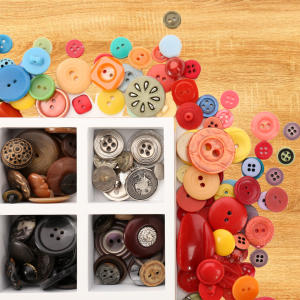
a. Organize by Category: Start by categorizing your sewing accessories into needles, threads, zippers, buttons, and other miscellaneous items. Use clear bins, drawer dividers, or labeled containers to keep each category separate and easily identifiable. This organization system not only saves time but also prevents clutter and frustration when searching for specific items.

b. Keep Sharp Objects Secure: Sharp tools like scissors, rotary cutters, and pins pose a safety hazard if unprotected. Store these items in dedicated storage containers or pouches with secure closures to prevent accidental injuries. Consider using magnetic strips or pin cushions to keep needles and pins within easy reach while minimizing the risk of pricks.

c. Moisture Control: Moisture can wreak havoc on sewing accessories, leading to rust and deterioration, especially for metal tools. Protect your accessories by storing them in a dry environment away from sources of moisture. Add silica gel packets to storage containers to absorb excess humidity and maintain optimal conditions. Additionally, periodically inspect your storage area for signs of moisture buildup and address any issues promptly.

d. Regular Maintenance: Like your sewing machine, sewing accessories require regular maintenance to ensure optimal performance and longevity. Periodically inspect your accessories for signs of wear, damage, or corrosion. Replace worn-out needles, sharpen dull scissors, and discard any damaged items to prevent accidents during use. Additionally, clean your accessories regularly to remove lint, dust, and debris buildup, ensuring they remain in top condition for your next sewing project.

By implementing these comprehensive storage and maintenance practices, you can keep your sewing accessories organized, safe, and ready for use whenever inspiration strikes. Happy sewing!
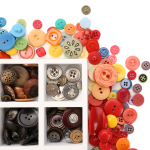
Efficient Stitches: Sewing Room Organization Tips

A well-organized sewing room or dedicated sewing space can be the key to a productive and enjoyable sewing experience. From neatly storing fabrics and notions to creating a good workflow, a functional workspace allows you to focus on your creative projects without the frustration of clutter! This blog post will explore practical tips and tricks for organizing your sewing room, innovative storage solutions, and space-saving ideas. Get ready to transform your sewing space into a haven of creativity and efficiency!

Start Evaluating and Decluttering:

Start your sewing room organization journey by evaluating your current setup and decluttering unnecessary items. Sort through your fabrics, threads, and notions, and donate or discard anything you no longer need or use. By minimizing clutter, you’ll create more space and make finding and accessing the supplies you truly need easier.

Plan Your Fabric Storage:

Proper storage of fabrics is essential for easy access and preservation. We’ve gathered a few tips for getting your storage well organized.

  • Categorize and Sort: Start by categorizing your fabric based on different criteria, such as color, fabric type, or project type. This will make finding the fabric you need easier when starting a new project.
  • Use Clear Containers or Bins: Store your fabric in clear plastic containers or bins. This lets you see the contents at a glance, saving time and effort when searching for specific fabrics.
  • Fold and Label: Fold your fabric neatly and uniformly to maximize space and prevent wrinkles. Use labels or tags to identify the fabric type, color, yardage, or other relevant details. This makes it easier to locate specific fabrics without unfolding everything.
  • Vertical Storage: Consider storing your fabric vertically rather than horizontally. This method saves space and allows you to easily browse through the fabric stacks without disturbing the neatly folded fabrics.
  • Utilize Shelving or Cubbies: Install shelves or use cubbies to store your fabric. These provide a dedicated space for each fabric category and help organize your sewing room. You can even sort fabrics by size or project type within each shelf or cubby.

Organize Your Notions and Tools:

Organizing notions and tools in your sewing and quilting room is essential for maintaining a functional and efficient workspace. Start by grouping similar items, such as needles, pins, and buttons. Utilize clear plastic containers, small jars, or compartmentalized organizers to store these smaller items, ensuring they are easily accessible and visible. Consider using a pegboard or wall-mounted tool organizer to hang scissors, rulers, and other frequently used tools, keeping them within reach and saving valuable workspace.

Designate specific shelves or drawers for larger tools like cutting mats and rotary cutters to keep them safely stored and neatly organized. Additionally, labeling containers or using clear bins for items like zippers, ribbons, and trims can make it quick and easy to find what you need. By implementing a well-thought-out organization system, you’ll streamline your sewing and quilting process and have a clutter-free environment that inspires creativity!

Organizing Those Threads and Bobbins:

Practical thread and bobbin organization in your sewing and quilting room is crucial for a smooth and efficient workflow. To keep your threads easily accessible and neatly arranged, consider using a thread rack or spool holder. These can be mounted on the wall or placed on a table or shelf, providing a convenient display of your thread collection. Group threads by color or type, allowing for quick identification and selection. Alternatively, you can store threads in clear plastic containers or drawers, protecting them from dust and light exposure.

To keep your bobbins organized, use a bobbin storage case or tray specifically designed for holding bobbins securely in place. This prevents them from unwinding and tangling. You can also match bobbins with corresponding thread spools, storing them together to easily locate the appropriate combination when needed. By implementing an effective thread and bobbin organization system, you’ll save time and frustration, allowing for a more enjoyable sewing and quilting experience.

Creating Your Workflow:

Creating an efficient workflow in your sewing and quilting room is essential for maximizing productivity and enjoying a seamless creative process! Start by organizing your workspace in a way that suits your working style. Arrange your sewing machine, cutting table, and ironing station in a seamless layout, and ensure easy access to all your needed tools and materials. Consider setting up your own assembly line for different stages of the process! Such as cutting, piecing, and assembly, to keep everything organized and efficient.

Next, establish a workflow that works best for you! Start by planning your projects in advance. Gather your fabric, confirm your pattern, and have your cutting instructions ready. With a clear roadmap, you can avoid unnecessary interruptions or backtracking during the creative process.

Prioritize tasks and break your sewing down into manageable steps! This allows you to focus on one project piece at a time, cutting fabric, sewing seams, or ironing. Remember to declutter and tidy your workspace to maintain a clear and inspiring workspace. By creating an efficient workflow tailored to your needs, you’ll be able to fully immerse yourself in your sewing and quilting projects, resulting in beautifully crafted creations!

Inspiring and Personalized Decor:

Create an inspiring environment in your sewing room by adding personal touches and decorative elements. Display finished projects, hang inspirational quotes, or place around artwork that sparks your creativity. Look into incorporating good lighting to avoid eye strain during your project creation. Maybe add a pinboard or corkboard to pin inspiration, project ideas, or fabric swatches!

A well-organized sewing room is a haven for creativity and productivity. By implementing the tips and tricks in this blog post, you can create a functional and inspiring workspace that enhances your sewing experience. From efficient fabric storage to optimizing workflow and adding personal touches, these strategies will help you maximize your sewing space and enjoy a clutter-free environment. Embrace the joy of organization and watch your sewing projects flourish in a space designed for creativity and efficiency. Happy sewing!

Designing Your Sewing Space

When we’re ready to get creative, we want to sit in a space that encourages our energy and helps us get our project done! That’s why in today’s blog, we’re going to cover some tips and tricks you can start using when setting up your workspace. Whether you’re creating in the studio room or your kitchen island, having the proper organization and setting up your space in a way that flows for you will help improve your project creation experience.

Follow along as we focus on four key aspects of any sewing area design: your space, budget, tools, and storage. Then, let’s set up a space to inspire you to get creative and have fun!

Choosing Your Space

While we may not always have options available, figuring out where to set up shop when we plan to sew can be difficult. If you have trouble deciding where to create, or keep jumping around spaces, view below for some things to consider the next time you’re ready to sew.

Think About Your Space

As long as you and your machine fit, you’ve found space! The good thing about sewing is that as long we can create an area where supplies are nearby and we can sew, we can now create our projects. Focus on organization and storage techniques if you work in a small space.

For example, if your space is limited, think of what you’re essentials are. Machines, tools, fabric, and notions can all be organized, placed, and readied for specific projects. Spend time in your space, decide what pieces you can use to expand your storage, and set up a spot that allows you to create comfortably. Options like wall organization, under-table storage, or allocating closet space can better enable you to have your tools and fabrics on hand.

Next, focus on lighting! When you’re creating, you don’t want to strain your vision to see how your stitching is going; therefore, we recommended to find a spot with natural lighting, using supplemental lighting like overhead, desktop, or portable lamps. Also, keep in mind that some machines include LED lighting, which can be another lighting option when working at night.

Last, let’s focus on how you can organize and keep it clean! While our project spaces can be free for all when sewing, it’s great to have a clean space. Think of what accessories, like baskets, drawers, carts, and more, can be brought into your room that will provide storage and organization to your project area. 

Budgeting

We all know sewing can be costly! This is why, when it’s time to set up your sewing space, it’s a good idea to allocate a budget and decide what you need or want for your area. While furniture and organization sets can be costly, there are ways to set up your space while being budget-friendly.

Upcycling

Have a desk in a spare room? How about a bookshelf rarely used or a closet with some space? These things can easily be added to your sewing space! Using what you have in your home is a great way to begin building your area because while it’s budget-friendly, it allows you to create a designated space for your craft.

It doesn’t stop at furniture, either. These are excellent storage pieces for notions and tools if you have empty cookie tins, unused containers, or storage bags. In addition, baskets can be used for fabric and even be created by you! For example, this basket (including the sewing basket on the JUKIHome website from LuAnn) is great for tossing in those scrap pieces you plan to use again in the future.

DIY

It can be extremely rewarding building furniture! For example, if you have the space allowance, you can create a piece like a custom cutting or ironing table. Or, if you’re working in a tight space, you can create custom organizational furniture that is in tune with your storage and space efficiency needs.

Thankfully, there are thousands of inspirational photos that other sewists and quilters have shared online that new sewists can find inspiration from. Search your favorite media sites like Pinterest and YouTube for tips, or check out your favorite sewist blogs, to gather ideas on what type of space projects you can do that will upgrade your sewing area without breaking the bank.

Furnishing

Finally, if this is within your budget, you can choose to purchase new furniture for your sewing room. We recommend focusing on pieces that offer ample storage space, vertical style furniture, and hanging an item like a pegboard for tools.

When setting up your space, think of the top 3 spots: your cutting area, your sewing machine spot, and your ironing area. These spaces don’t need to be large but comfortable enough for you to create and get the project done! Whether it’s your dining table, Kitchen Island, or a designated studio room, having these three spots will help get your project done.

Tools for Your Space

Think of your budget and what projects you plan to create before deciding what tools your studio needs. While it can be tempting to buy everything we see at the sewing shops, it’s best to start with the basics and build your way up to new tools and accessories. For example, a beginner sewist should create an essential sewing toolkit that includes cutting tools, a marking tool, a clear ruler, pins, needles, measuring tape, a pin cushion, an iron, and a seam ripper.

If you feel like it’s time to upgrade your toolset, pick accessories that can help you elevate your current skills. Items like curved rulers, pattern weights, seam gauges, or presser feet that weren’t included with your machine can help you create more professional-looking finished projects. If you plan to sew for life, you know new accessories and tools will always find their way into your studio space. Remember your budget, projects, and storage when choosing new tools and accessories for your studio.

Organizing Your Space

Whether we’re sewing in a small or large space, the organization is key to a tidy workspace. The fact is, if you’re creating on your kitchen table, you’re going to be packing and unpacking your machine often. Based on your needs, you can create an organization system that stores your equipment well and is within easy reach.

One of the best ways to organize your space is vertical! Using vertical shelving is perfect for all your supplies. Fabric, notions, tools, and accessories can be displayed, so you keep track of what equipment you have, and the shelving will allow you to fix the shelf sizing to your needs. You can also find add-ons like organization boxes that enable you to separate your accessories and tools easily. Other options include baskets for fabrics, hanging racks for tools, or boxes.

Since fabric tends to take over most of our storage space, we recommend folding flat or rolling the bundle to keep space. Stashing your fabric in a basket or clear container is best for viewing your inventory and keeping count of what fabrics you have on hand. Creating a swatch system with fabric descriptions or organizing by color or type is a couple of ways to organize your fabric and keep track.

For patterns, we recommend storing these in boxes or creating a pattern binder to keep track of your collection. If you’re someone who likes to purchase digital PDF patterns and don’t use them upon purchase, we recommend creating a filing system on your computer or laptop as well! Keeping these pieces organized will help you easily set up your next project and allows you to keep in mind what patterns you already have when you’re in the mood to create.

Focus on keeping your equipment clean and ready to use for machines and notions. A cover for your machine will reduce dust buildup and keep your machine safe when not in use. For your tools, a peg board for your wall can be the perfect furniture piece! Add hooks, buckets, and shelves to organize your tools by type and size. Lastly, keep notions organized with clear baskets and jars. Pieces like rolling carts, clear mini drawers, and clear plastic containers are best to easily see what you have when it’s time to create. Focus on making your most commonly used tools, notions, and accessories visible and in easy reach!

Get To Sewing!

Once you’ve planned your sewing space and have everything set up, it’s time to enjoy your new space! Keeping an organized sewing space can be hard when creating and amid the process, but having a designated area for our tools and fabrics can upgrade our creative process with each project! Of course, as you keep creating, you’ll reorganize your studio, and we hope these tips help you plan the space you’re happy to create in!

Are you looking for a new machine for your studio space? Visit your nearest JUKI dealer to learn more about JUKI near you!