Adventures in JUKI Decorative Stitches

When it comes to sewing, the magic is in the details, and nothing adds a touch of flair quite like the right decorative stitch! Whether you’re embellishing a cape or creating a statement dress, JUKI’s decorative stitches open up a world of creative possibilities. In this adventure, we’ll dive into our favorite stitches and share tips on when and where to use them to make your costume stand out!

Machine Options
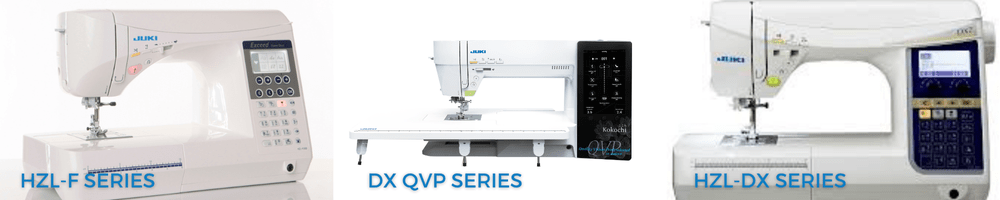
Before we dive into specifics, let’s take a moment to talk about the JUKI sewing machines that offer decorative stitches. Known for their precision and durability, JUKI machines come equipped with a wide variety of stitches that cater to every sewing need, from basic to intricate projects.

  • JUKI HZL-F Series: The HZL-F Series are powerhouse options that can reach over 250 built-in stitches, including decorative. You’ll find everything from floral patterns to geometric designs, perfect for adding unique touches to your projects. This model also includes alphanumeric stitches, so you can personalize your creations with names or messages!
  • JUKI DX QVP Series: The DX QVP Series offers up to 287 stitch patterns, including several exclusive decorative stitches designed for quilters and fashion creators alike. This machine is perfect for costume accessories that require precise stitching and detailed embellishments! The machine’s advanced features, like the floating presser foot, make it easy to work with thick fabrics or multiple layers.
  • JUKI HZL-DX Series: Reaching up to 287 stitches, including 16 different buttonhole styles and various decorative stitches, the HZL-DX Series is ideal for those who want to experiment with various designs in one project. The machine’s intuitive controls make it easy to switch between stitches, allowing you to quickly add intricate details to your projects.
Decorative Stitches On JUKI

Now, let’s talk about some decorative stitches in your machines. These stitches are more than just pretty patterns—they’re functional add-ons that can elevate your sewing projects. Here are a few recommendations on how to make the most of these stitches in your next creation:

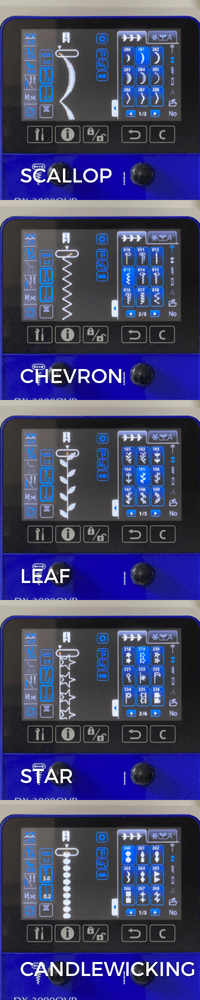
  1. Scallop Stitch: The scallop stitch adds a delicate, feminine touch to the edges of the fabric. It’s perfect for finishing off a scarf with a soft, wavy edge or adding a whimsical border to a cape. Pair it with a contrasting thread for extra pop. It is perfect for the edges of scarves, capes, and hems.
  2. Chevron Stitch: The Chevron stitch brings your projects a bold, geometric flair. This is a fantastic choice for accenting belts or bag straps, offering durability and a stylish design. It also works wonderfully around the brim of a hat, adding texture and visual interest. Perfect for belts, bags, and much more!
  3.  Leaf Stitch: The leaf stitch is ideal for nature-inspired designs. Imagine a flowing cape with a vine of leaves winding around the edges or a bag with leafy embellishments. This stitch adds an organic feel to your projects, making it perfect for costumes with a natural or fantasy theme. Perfect for capes, bags, and collars.
  4. Star Stitch: The star stitch is playful and eye-catching, perfect for superhero-themed costumes. It can be used to create star-studded borders on capes, add a touch of sparkle to hats, or embellish belts and bags. This stitch is a must for any costume that needs a bit of magic. Perfect for capes, hats, and superhero or space-themed accessories.
  5. Candlewicking Stitch: The candlewicking stitch creates a textured, almost bead-like effect on the fabric. Use it to create intricate designs on scarves or add texture to belts. It’s a great way to introduce a three-dimensional element to your accessories. It is perfect for scarves, belts, and detailed embellishments.

Bringing It All Together: Creating the Perfect Costume Accessories

Now that we’ve covered some of our favorite decorative stitches let’s talk about how to bring them together in your projects. When designing costume accessories, consider the overall theme and how the stitches can enhance it. Here are a few ideas:

  • Hats: Add a chevron or star stitch around the brim to create a statement piece that ties in with your costume’s theme.
  • Capes: Use a combination of leaf and scallop stitches to add movement and elegance to the edges.
  • Belts: A bold chevron or candlewicking stitch can transform a simple belt into a standout accessory.
  • Bags: Incorporate a variety of stitches like the leaf and star to add personality and texture.

Remember, the key to successful decorative stitching is practice and experimentation. Try different thread colors, stitch lengths, and placements to see what works best for your project.

Whether creating a full costume or adding a special touch to an accessory, JUKI’s decorative stitches offer endless possibilities. We hope this guide inspires you to experiment and have fun with your sewing projects. Don’t forget to share your creations with us—happy stitching!
Top 5 Sewing Techniques Every Sewist Loves

Sewing is a versatile craft that allows you to bring your creative vision to life. From garments to home decor and accessories, understanding and utilizing various sewing techniques can take your creations to the next level. This blog post will explore some beloved sewing techniques every sewist loves to use. These techniques not only enhance the quality and durability of your projects but also add a touch of professionalism and finesse to your craftsmanship! Get ready to elevate your sewing skills and create masterpieces you’ll be proud of.

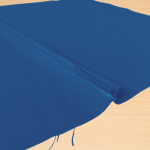
The French seam is a clean and elegant finishing technique that encloses raw fabric edges within the seam. It is commonly used in lightweight fabrics, delicate garments, or sheer materials. To create a French seam, first, sew the wrong sides of the fabric together with a narrow seam allowance. Then, trim the seam allowance, press it to one side, and fold the fabric, enclosing the raw edges. Finally, sew a second seam, enclosing the trimmed edges. French seams provide a neat and professional finish while preventing fraying.

Consider making a French seam pillowcase with enclosed seams for a clean look and added durability. For garment projects, try sewing a French seam blouse or dress, providing a polished appearance both inside and out. Another idea is to craft a French seam tote bag, ensuring the seams are strong enough to withstand the weight of your belongings while maintaining an elegant look.

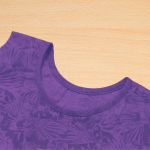
Understitching is a technique used to keep facings or linings from rolling to the front of a garment or project. It involves sewing the facing or lining to the seam allowance close to the stitching line, usually on the wrong side of the fabric. Understitching helps maintain a clean and polished appearance, ensuring the inner layers stay in place.

Consider making a tailored blazer or jacket and understitching the facing to ensure it stays in place and lays flat. You can use understitching along the neckline or armholes for garments like dresses or skirts to keep the facings or linings from peeking out. Additionally, understitching the lining can prevent it from sagging or shifting when working on projects like bags or pouches.

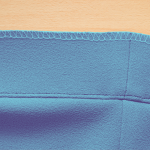
Topstitching is a functional and decorative technique that adds strength, stability, and visual interest to your sewing projects. It involves stitching on the right side of the fabric, usually a short distance away from a seam or edge. Topstitching can secure seam allowances, attach pockets, or emphasize design details. It is commonly seen on jeans, collars, cuffs, and hems. Use a longer stitch length and a coordinating or contrasting thread color to make your topstitching stand out.

Consider making a denim jacket or jeans and using topstitching to highlight the pockets, seams, and hems, adding a trendy and professional touch. Try topstitching along the edges and straps for bags and accessories to provide extra strength and a polished finish. When working on garments, you can incorporate topstitching to outline collars, cuffs, or waistbands, creating visual interest and structural reinforcement. Additionally, topstitching is a great way to add detail to home decor items such as curtains, cushions, or tablecloths, bringing a tailored and finished look to your space.

Bias binding is a versatile technique to finish raw edges, add decorative accents, or create straps and ties. Bias binding is made from strips of fabric cut on the bias, resulting in a flexible and stretchy trim. It can be purchased ready-made or created by cutting fabric strips at a 45-degree angle. Bias binding is used to neatly encase raw edges by folding them over and stitching them. It adds durability, structure, and a professional finish to your sewing projects.

Consider making a quilt and using bias binding to neatly enclose the edges, providing durability and a decorative edge. For garments like dresses or blouses, bias binding can be used to finish necklines and armholes or even create adjustable straps. Additionally, you can use bias binding to add a pop of color or pattern to home decor items such as placemats, table runners, or curtains.

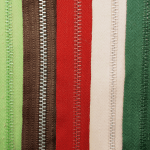
Mastering zipper installation is a valuable skill that opens up design possibilities. Whether it’s a centered, invisible, or exposed zipper, proper installation ensures secure closure and a polished look. Take the time to learn different zipper insertion techniques and practice them on scrap fabric before applying them to your projects.

Consider making a zipper pouch or cosmetic bag to showcase your zipper installation skills while providing a functional and stylish storage solution. You can incorporate zippers into skirts, dresses, or pants for garments to ensure a smooth and secure fit. Adding zippers to jackets or coats allows easy on-and-off access while maintaining a polished look. Additionally, you can create accessories like wallets, laptop sleeves, or even pillow covers with zipper closures.

Sewing techniques are vital in transforming your projects from ordinary to extraordinary. You can create beautiful, professional-quality garments, accessories, and home decor items by incorporating French seams, understitching, topstitching, bias binding, and mastering zipper installation. These techniques enhance the durability and functionality of your creations and showcase your attention to detail and craftsmanship. So, embrace these beloved sewing techniques, practice them with patience and precision, and watch your sewing skills flourish. Happy sewing, and may your creations continue to inspire and impress!