Level Up with JUKI Accessories

September is the perfect time to enhance your sewing experience with the right tools and accessories! This month, we’re featuring four JUKI accessories designed to help you achieve professional results while making your projects more enjoyable on your JUKI.

Whether you’re quilting, creating home décor, crafting handbags, or focusing on precise stitching, these accessories are tailored to meet your needs. By adding the right accessories to your sewing space, you can unlock new techniques and take your projects to the next level!

What is a JUKI Free Motion Table?

Let’s start with an accessory any sewist can appreciate, the JUKI Free Motion Table. This flat extension created for the TL series expands your workspace and provides better control over your fabric. It’s especially helpful for creators who need stability and support when working on large quilts or bulky projects. Keeping your fabric level with the machine bed reduces drag and helps maintain even stitching. This table is designed to fit perfectly with your JUKI machine, making free-motion quilting smoother and more enjoyable.

Benefits & Tips

  • Expands your workspace for easier free-motion quilting
  • Reduces fabric drag and shifting for smoother stitches
  • Ideal for large quilts, table runners, and bulky projects
  • Level your table with your sewing surface for the best results

Project to Try: Quilted Table Runner
Create a beautiful quilted table runner to celebrate the season! Using the Free Motion Table, you’ll have the stability to quilt continuous designs without fighting heavy fabric. Choose coordinating fabrics, layer your quilt sandwich, and practice smooth, even movements across the surface. The large workspace helps keep your stitches consistent, resulting in a polished and professional finish. Learn how to create this project here!

What Is a Tractor Foot?
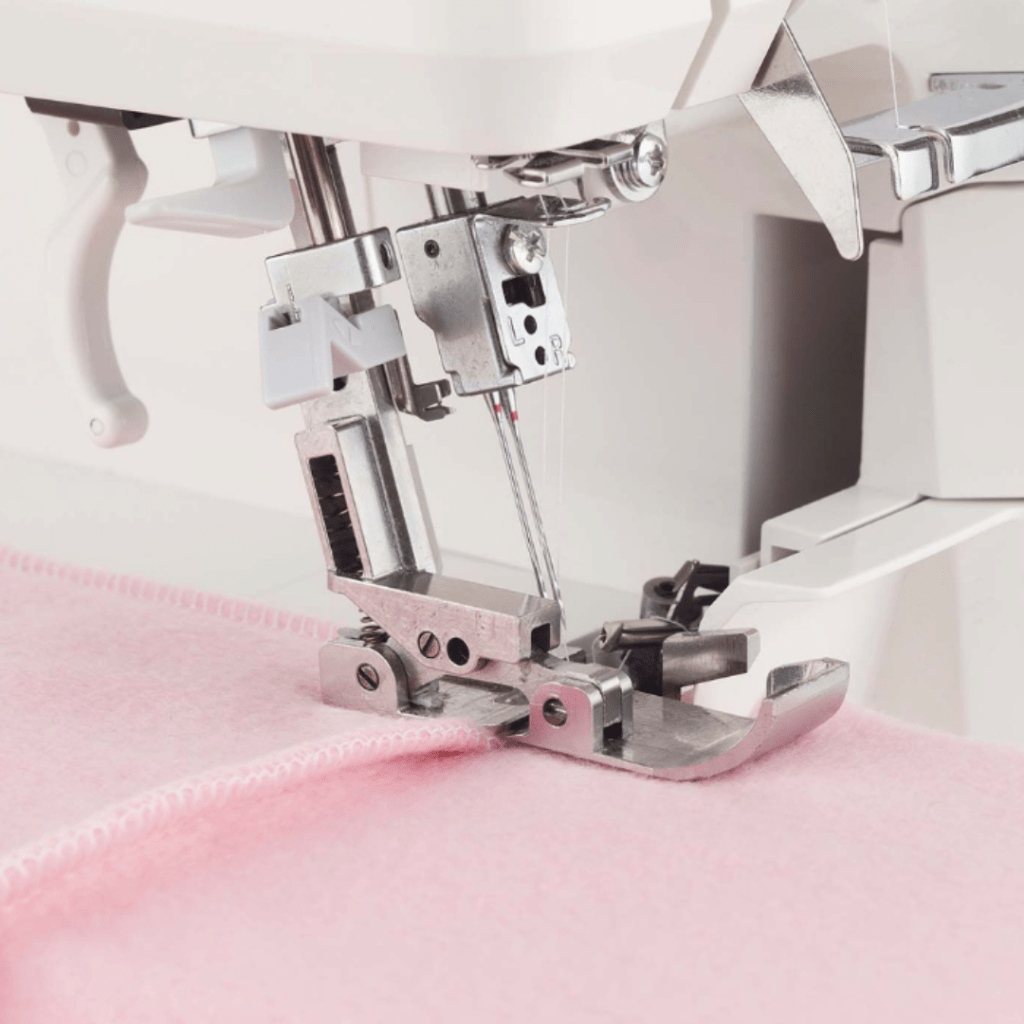
Now, if you’re someone who works on home décor, the Tractor Foot is for you! This foot is designed to help your machine glide over thick seams and uneven layers with ease. It’s perfect for home décor projects like cushions, drapes, or upholstery, where fabrics often overlap or create bulky areas. This foot “climbs” over raised sections smoothly, reducing skipped stitches and needle strain.

If you love making home projects with canvas, denim, or layered fabrics, the Tractor Foot is a must-have!

Benefits & Tips

  • Smoothly stitch over thick seams and uneven layers
  • Prevents skipped stitches on bulky home décor fabrics
  • Ideal for upholstery, drapery, and multi-layered sewing projects
  • Use a heavier needle (90/14 or 100/16) for the best results

Project to Try: Custom Throw Pillow with Piping
Upgrade your living room with a custom pillow that includes a decorative piped edge. The Tractor Foot makes it easy to stitch around corners and over layered seams without breaking needles or losing stitch quality. Cut your pillow pieces, insert piping between the front and back panels, and watch the foot handle the thickness with ease. The result is a stylish, durable pillow that looks professionally made.

What Is a Professional Set?
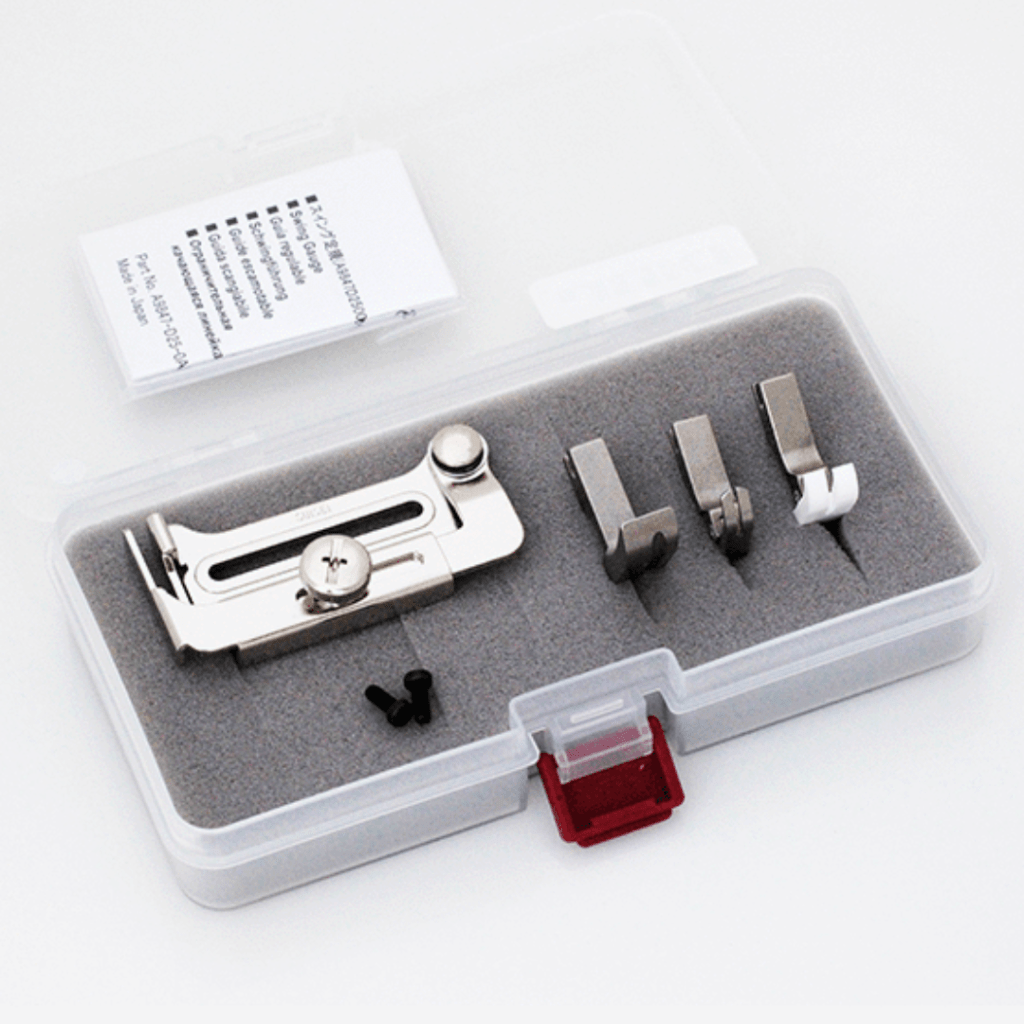
Next, we have the JUKI Professional Set, a collection of presser feet and tools designed for projects like handbags, structured totes, and more!

This set gives you the versatility to handle difficult-to-feed fabrics like leather, zipper installation, edge stitching, and decorative finishes all in one package. Each tool is designed to help you achieve clean, precise results, even on challenging materials like leather or canvas. It’s the perfect accessory kit for makers looking to expand their skills and create professional-quality bags.

Benefits & Tips

  • Provides a variety of feet for topstitching, zippers, and edge finishing
  • Helps tackle layered fabrics, leather, and canvas with ease
  • Ideal for structured accessories and professional-level bag making
  • Match the foot to the task for cleaner, faster results

Project to Try: Quilted Laptop Bag
Create a durable and stylish quilted laptop bag using the Professional Set to guide you through every stage of construction. Start by quilting your fabric layers with the walking foot to ensure smooth, even stitches. Then use the edge guide foot for clean topstitching and the zipper foot to install secure closures or inner compartments. With these tools, you’ll achieve a sturdy, professional-looking bag that keeps your laptop protected while showcasing your creative style. Learn how to create this project here!

What Is a Needle Plate?
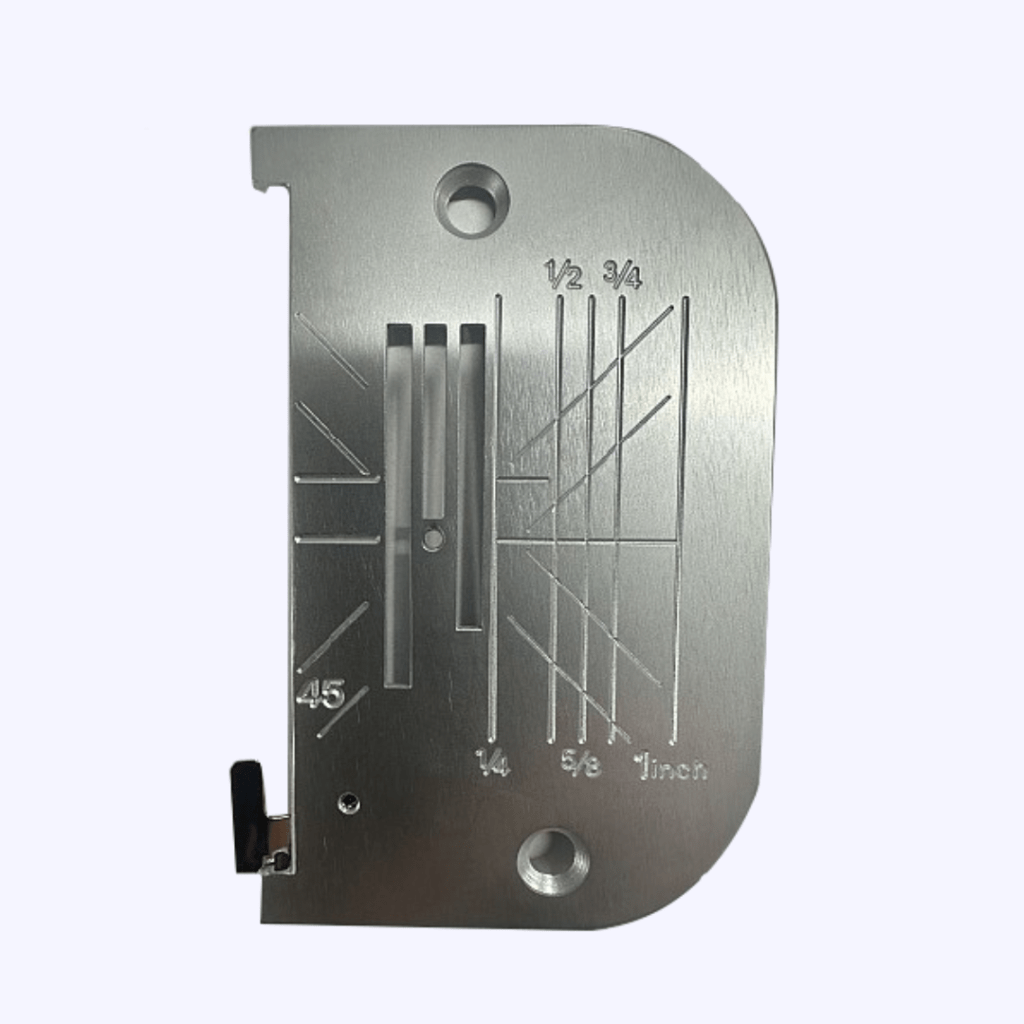
The JUKI Needle Plate is now available in inches! This upgraded plate gives you precise seam markings in inches for easier, more accurate sewing. This is especially helpful for quilters, garment makers, and general sewists who rely on consistent seam allowances. By following the inch markings, you can maintain straight, even stitches without additional guides. It’s a simple upgrade that makes a big difference in accuracy and efficiency.

Benefits & Tips

  • Provides clear inch-based seam guides for precision
  • Helps maintain consistent seam allowances without extra tools
  • Keep fabric aligned with the markings for straighter seams

Project to Try: Quilted Block
Try sewing a traditional 9-patch quilt block using the Needle Plate for perfectly consistent seams. Cut your squares, align your fabric with the ¼” marking, and chain piece your rows together. With precise guides, your finished block will press neatly and assemble smoothly with the rest of your quilt. This small upgrade helps ensure every piece comes together with accuracy!

Upgrade Your Sewing This September!

Adding the right accessories to your sewing kit can completely transform your creative experience. Whether you’re quilting with the Free Motion Table, sewing home décor with the Tractor Foot, creating professional bags with the Professional Set, or improving precision with the Needle Plate in Inches, these tools are made to elevate your projects.

Visit your local JUKI dealer to explore this month’s spotlight accessories and start your next project with confidence!
What is a 1/4″ Guide Inch Foot?

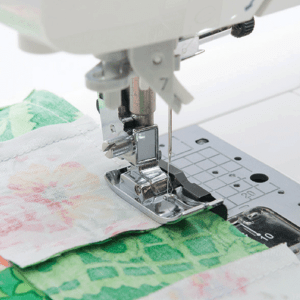
This month we’re kicking the blog off with a JUKI Accessory focus! If you’ve ever tried to make a quilt or piece together a garment, you know how important it is to achieve perfectly even seams. Without the right tools, it’s easy to end up with misaligned pieces or inconsistent stitching. The 1/4-inch guide Foot is an essential accessory that takes the guesswork out of seam allowances, helping you sew with precision and accuracy. But what is a 1/4-inch guide Foot, and why should you use it in your sewing projects? Let’s explore its features, benefits, and tips for using it effectively!

What is it?

A 1/4 Inch Guide Foot is a specialized presser foot designed to help you sew a consistent 1/4 inch seam allowance. This is important for quilting, garment construction, and any project where precision is key. Unlike a standard presser foot, the 1/4-inch guide Foot has a built-in guide or edge marker that helps you maintain a consistent seam allowance throughout your project. This tool ensures that each seam is evenly spaced, giving your work a professional finish!

The 1/4-inch guide Foot was developed to solve a common problem that sewists face—achieving consistent seam allowances. Before the invention of this foot, sewists had to rely on measuring with rulers or marking lines on their fabric, which can be time-consuming and prone to errors. The 1/4-inch guide Foot eliminated this hassle by providing an accurate guide for every seam, making it easier to achieve uniform results without extra effort.

Benefits and Uses of the 1/4 Guide Inch Foot

Now that we understand the purpose of the 1/4-inch guide Foot, let’s dive into its benefits! The primary advantage of using this foot is its ability to help you achieve perfectly even seams every time! Whether you’re working on a quilt, constructing a garment, or piecing fabric for a home décor project, this tool ensures that your seams are always uniform, resulting in better-fitting garments and neatly aligned quilt blocks.

For quilters, the 1/4-inch guide Foot is a must-have! Quilting requires precise seams, and even a tiny discrepancy can throw off the entire quilt. With this foot, you can ensure that each piece of fabric is sewn with an accurate 1/4-inch seam, which is critical for proper alignment. This foot is also perfect for piecing together small blocks or creating intricate patterns with even spacing, making your quilting process faster and more accurate.

In addition, the 1/4-inch guide Foot can help with garment construction, especially when working with fitted designs or intricate pattern pieces. By maintaining a consistent seam allowance, you can ensure that all your pattern pieces fit together perfectly, giving your garments a professional and polished look.

Tips for Using the 1/4 Inch Guide Foot

  • Test Before You Start: Always test your seam on scrap fabric to ensure the foot is set up correctly and the seam is the right width.
  • Use the Edge Guide: The built-in guide is there to help you! Keep the edge of your fabric aligned with it for a consistent seam.
  • Adjust Needle Position: Some 1/4-inch guide Feet allow you to adjust the needle position. This is useful if you need to make tiny adjustments to your seam allowance.
  • Slow and Steady: Take your time when sewing, especially if you’re working with tricky fabric or a detailed project. The slower you sew, the more precise your seams will be.

Project Ideas Using the 1/4 Inch Guide Foot

Now that you’ve got the 1/4-inch guide Foot in your toolkit, what can you make? The possibilities are endless! If you’re a quilter, consider creating a beautiful quilt top with perfect seams and precise pattern matching. This foot will make it easier to sew together blocks, ensuring they line up perfectly for a polished look.

For garment sewists, the 1/4-inch guide Foot is great for creating garments with a perfect fit. Whether you’re making a dress, blouse, or pants, this foot helps maintain consistency in your seam allowances, ensuring a more accurate fit and professional finish.

You can also use the 1/4-inch guide Foot for home décor projects like pillow covers or table runners. With this foot, you can achieve neat, straight seams that will make your home-made décor items look like they came from a high-end store.

With the 1/4 Inch Guide Foot, you’ll be able to confidently tackle your projects, knowing that your seams will be precise and your results flawless. Ready to add the 1/4-inch guide Foot to your collection? Visit JUKIQuilting.com or check out your nearest dealer here to explore this essential accessory for your sewing room!

Embrace the Cozy Season

It’s almost time for Fall JUKI lovers, so let’s indulge in sewing projects that capture the essence of Fall! Whether you’re a sewist or a quilter, Fall offers a beautiful opportunity to create cozy, stylish, and functional items for yourself and your loved ones.

In this blog, we have three projects you can create this autumn and recommendations for JUKI machines, accessories, fabrics, notions, and threads to ensure your creations turn out beautifully! Let’s go ahead and dive into one project we’ll be sharing later this month.

  1. Autumn Throw Pillows

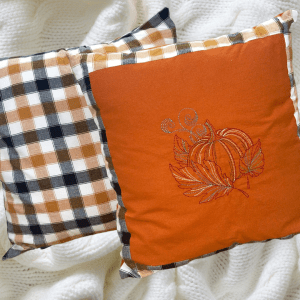
The JUKI TL-18QVP is ideal for creating autumn throw pillows. It offers precision and versatility for piecing and quilting. Its robust build and advanced features, like the automatic needle threader and adjustable presser foot pressure, make it perfect for adding decorative touches to your pillow project.

We recommend using autumn colors like deep oranges, rich browns, and forest greens in fabrics like cotton or linen. These materials are durable, easy to work with, and ideal for home décor. Consider patterns with leaves, pumpkins, or plaid for a seasonal touch!

When it comes to notions, choose a high-quality pillow form for a plush finish, or use the stuffing for a custom shape like a leaf, ensuring it’s filled to your desired firmness. For marking your design, use a fabric marking pen or chalk marker, preferably with disappearing ink for easy removal.

When it comes to thread, select a high-quality polyester in a matching or contrasting color to enhance your pillow’s design. This will provide durability and a smooth finish. A universal 80/12 needle works well for most cotton and linen fabrics, while a 90/14 needle is better suited for heavier materials, such as vinyl, if you’re planning to use it in your projects.

Stay tuned here for our project release!

JUKI Accessories:

  • Walking Foot: This foot is ideal for sewing through multiple layers of fabric, ensuring smooth feeding of the fabric for a professional finish. It’s handy when working with thicker fabrics or multiple layers.
  • Free Motion Foot: Perfect for adding custom quilting designs and free-motion embroidery to your pillow. It allows for greater control over stitching patterns and design elements.

Additional Tips:

  • Pre-Wash Fabric: Pre-wash and iron your fabrics before cutting to prevent shrinkage and ensure smooth sewing.
  • Press Seams: Press seams open or to one side to create a crisp, professional finish.

2. Cozy Beanie

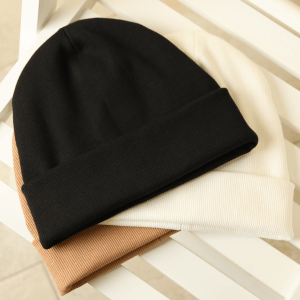
The next project we’d recommend trying your hand at is a cozy beanie! For a cozy beanie, select warm and stretchy fabrics like fleece or jersey in autumn colors or patterns. These materials provide comfort and warmth on chilly days, and those with spandex or elastane offer added stretch.

The JUKI MO-2000QVP serger is a good choice for this project. Our sergers can efficiently handle knit fabrics and sew and finish edges with precision in one step. You can incorporate an elastic band to keep the beanie in place and maintain its shape to ensure a snug fit. Fabric clips can help hold knit fabric layers together without causing snags or distortions.

Remember your thread! Polyester thread offers both stretch and durability to prevent breakage or unraveling with the fabric’s stretch. A ballpoint needle, size 70/10 or 80/12, is ideal for knit fabrics, as its rounded tip helps avoid snags and skipped stitches.

JUKI Accessories:

  • Elastic Foot: Attach elastic bands evenly and securely.
  • Gathering Foot: Create ruffles or gather fabric; it can add decorative elements to your beanie.

Additional Tips:

  • Stretch Stitch Settings: Use the serger’s stretch stitch options or differential feed settings to ensure the fabric maintains its stretch and does not distort.
  • Use Fabric Clips: Instead of pins, use fabric clips to hold knit layers together to avoid snagging and ensure a smooth sewing experience.

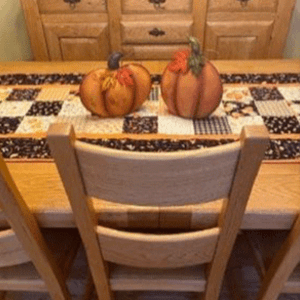
3. Quilted Autumn Table Runner

For this project, check out the JUKI Kirei HZL-NX7. Like our other computerized machines, The HZL excels in quilting projects by providing ample space and quilting features perfect for crafting detailed and beautiful autumn table runners. The ample throat space and quilting capabilities make it ideal for handling larger projects.

For a quilted autumn table runner, choose cotton quilting fabrics in warm autumn colors and patterns. Fabrics like flannel or cotton with leaf or plaid designs will give your table runner a seasonal touch. Quilting cottons are durable and come in a range of fall-themed prints!

Check out medium-weight batting to provide coziness and structure to your table runner. Cotton or polyester batting works well for quilting projects, too. We recommend keeping your quilt ruler and rotary cutter nearby for precise cutting and piecing of quilt blocks. This helps to ensure accurate measurements and clean edges.

And, of course, thread! We recommend using 100% cotton quilting thread to achieve a smooth, durable finish. This thread can be used for both piecing and quilting since it blends seamlessly with quilting fabrics. The quilting needle, size 75/11 or 80/12, both are suitable for handling multiple layers of fabric and the thickness of batting.

JUKI Accessories:

  • Quilting Foot: This is essential for free-motion quilting. It allows you to maneuver your quilt with ease and helps create intricate quilting designs without getting caught in the fabric.
  • Extension Table: If you need extra space, we recommend this one. It’ll provide extra space for quilting larger projects and help maintain smooth fabric movement. It’s beneficial for managing the bulk of a quilted project.

Additional Tips:

  • Quilt Designs: Experiment with different quilting designs, such as meandering or echo quilting, to add texture and interest to your table runner.

These fall projects are a delightful way to decorate your home and wardrobe with seasonal charm! Creating projects like throw pillows, beanies, and table runners brings a touch of Fall into your daily life and enjoyment in making something beautiful and functional.

Each project offers an opportunity to experiment with seasonal fabrics and patterns, transforming simple materials into cozy, personalized décor and accessories that reflect the theme of Fall.

With the right JUKI machine and accessories, you’ll have the tools to craft these fall projects easily! Whether you’re using a serger, computerized, or semi-industrial sewing machine, these machines’ quality and versatility ensure your projects turn out beautifully. Find the right fabrics, notions, and threads, and you’ll be equipped to produce stunning pieces that celebrate the fall season in style. Happy sewing!

Adventures in JUKI Decorative Stitches

When it comes to sewing, the magic is in the details, and nothing adds a touch of flair quite like the right decorative stitch! Whether you’re embellishing a cape or creating a statement dress, JUKI’s decorative stitches open up a world of creative possibilities. In this adventure, we’ll dive into our favorite stitches and share tips on when and where to use them to make your costume stand out!

Machine Options

Before we dive into specifics, let’s take a moment to talk about the JUKI sewing machines that offer decorative stitches. Known for their precision and durability, JUKI machines come equipped with a wide variety of stitches that cater to every sewing need, from basic to intricate projects.

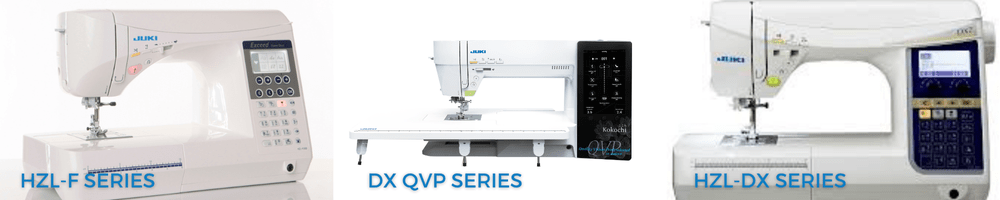
  • JUKI HZL-F Series: The HZL-F Series are powerhouse options that can reach over 250 built-in stitches, including decorative. You’ll find everything from floral patterns to geometric designs, perfect for adding unique touches to your projects. This model also includes alphanumeric stitches, so you can personalize your creations with names or messages!
  • JUKI DX QVP Series: The DX QVP Series offers up to 287 stitch patterns, including several exclusive decorative stitches designed for quilters and fashion creators alike. This machine is perfect for costume accessories that require precise stitching and detailed embellishments! The machine’s advanced features, like the floating presser foot, make it easy to work with thick fabrics or multiple layers.
  • JUKI HZL-DX Series: Reaching up to 287 stitches, including 16 different buttonhole styles and various decorative stitches, the HZL-DX Series is ideal for those who want to experiment with various designs in one project. The machine’s intuitive controls make it easy to switch between stitches, allowing you to quickly add intricate details to your projects.

Decorative Stitches On JUKI

Now, let’s talk about some decorative stitches in your machines. These stitches are more than just pretty patterns—they’re functional add-ons that can elevate your sewing projects. Here are a few recommendations on how to make the most of these stitches in your next creation:

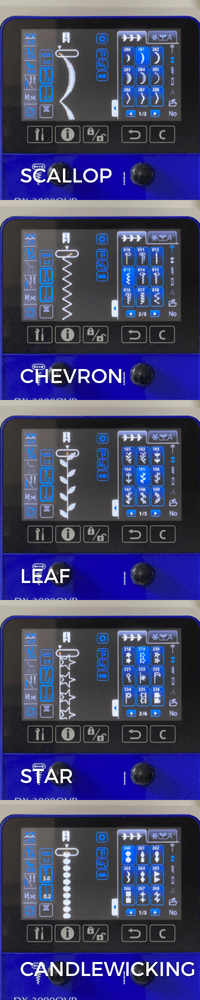
  1. Scallop Stitch: The scallop stitch adds a delicate, feminine touch to the edges of the fabric. It’s perfect for finishing off a scarf with a soft, wavy edge or adding a whimsical border to a cape. Pair it with a contrasting thread for extra pop. It is perfect for the edges of scarves, capes, and hems.
  2. Chevron Stitch: The Chevron stitch brings your projects a bold, geometric flair. This is a fantastic choice for accenting belts or bag straps, offering durability and a stylish design. It also works wonderfully around the brim of a hat, adding texture and visual interest. Perfect for belts, bags, and much more!
  3.  Leaf Stitch: The leaf stitch is ideal for nature-inspired designs. Imagine a flowing cape with a vine of leaves winding around the edges or a bag with leafy embellishments. This stitch adds an organic feel to your projects, making it perfect for costumes with a natural or fantasy theme. Perfect for capes, bags, and collars.
  4. Star Stitch: The star stitch is playful and eye-catching, perfect for superhero-themed costumes. It can be used to create star-studded borders on capes, add a touch of sparkle to hats, or embellish belts and bags. This stitch is a must for any costume that needs a bit of magic. Perfect for capes, hats, and superhero or space-themed accessories.
  5. Candlewicking Stitch: The candlewicking stitch creates a textured, almost bead-like effect on the fabric. Use it to create intricate designs on scarves or add texture to belts. It’s a great way to introduce a three-dimensional element to your accessories. It is perfect for scarves, belts, and detailed embellishments.

Bringing It All Together: Creating the Perfect Costume Accessories

Now that we’ve covered some of our favorite decorative stitches let’s talk about how to bring them together in your projects. When designing costume accessories, consider the overall theme and how the stitches can enhance it. Here are a few ideas:

  • Hats: Add a chevron or star stitch around the brim to create a statement piece that ties in with your costume’s theme.
  • Capes: Use a combination of leaf and scallop stitches to add movement and elegance to the edges.
  • Belts: A bold chevron or candlewicking stitch can transform a simple belt into a standout accessory.
  • Bags: Incorporate a variety of stitches like the leaf and star to add personality and texture.

Remember, the key to successful decorative stitching is practice and experimentation. Try different thread colors, stitch lengths, and placements to see what works best for your project.

Whether creating a full costume or adding a special touch to an accessory, JUKI’s decorative stitches offer endless possibilities. We hope this guide inspires you to experiment and have fun with your sewing projects. Don’t forget to share your creations with us—happy stitching!

Sewing Techniques for Spring

It’s that time of the year when chiffon, linen, and cotton reign supreme in the fashion world, offering a breath of fresh air to wardrobes everywhere! But mastering the art of sewing with these ethereal fabrics can be a bit like taming a butterfly—challenging yet incredibly rewarding. Let’s dive into the world of spring sewing techniques and explore how to work magic with these fabrics on our trusty JUKI machines.

Embracing Chiffon

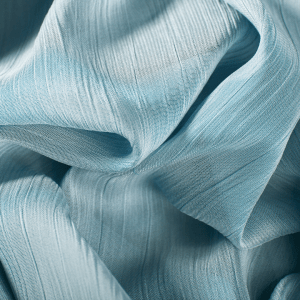
Chiffon is the epitome of elegance and lightness. Working with this sheer, floaty fabric might seem intimidating, but fear not! Please start by selecting a fine needle, preferably a size 9 or 11, to ensure it glides through the fabric without causing snags. Using a walking foot or a roller foot on your JUKI machine can also work wonders by preventing the fabric from shifting as you sew.

You can craft lightweight scarves in various colors and prints, finishing them with narrow rolled hems or decorative stitching for a personalized touch. Design flowy tops or blouses with chiffon fabric for a breezy and feminine look, incorporating details like ruffles or gathers. These projects embody the essence of spring with their lightness and grace. Below are popular techniques that Chiffon fabric can handle well.

  1. Staystitching: Before handling chiffon fabric, it’s crucial to stabilize its edges with staystitching. This prevents the fabric from stretching or distorting during construction, especially around curved or bias-cut seams.
  2. French Seams: French seams are excellent for chiffon as they encase raw edges within the seam, providing a clean finish without adding bulk. This technique helps prevent fraying and ensures a polished look, which is ideal for sheer fabrics like chiffon.
  3. Narrow Rolled Hems: Chiffon fabric lends itself well to narrow rolled hems, which create a delicate and elegant finish on edges without adding weight or bulk. This technique involves folding and stitching a small hem allowance twice to create a narrow rolled edge, perfect for chiffon’s lightweight nature.

Working with Linen

Linen, with its natural, breathable texture, is a springtime favorite. Sewing with linen on your JUKI machine can be a breeze with a few simple tricks. Start by prewashing and pressing the fabric to account for any shrinkage, and use a universal needle size 12 or 14 to handle the slightly heavier texture of linen.

Consider creating lightweight and breathable garments such as dresses or skirts, perfect for warm weather. Linen’s natural texture adds a touch of sophistication to home decor items like table runners or throw pillow covers. Additionally, you can fashion tote bags or accessories such as headbands or sun hats using linen fabric for a chic and understated look.

  1. Staystitching: Similar to chiffon, staystitching stabilizes the edges of linen fabric to prevent stretching or distortion, especially around curved or bias-cut seams.
  2. Understitching: Understitching is beneficial when sewing linens with facings or linings, helping to secure them and ensure they lie flat against the body. This technique benefits lightweight linens where topstitching may be too visible or bulky.
  3. French Seams: French seams work well with linen due to its natural texture and weight. They provide a clean finish by encasing raw edges within the seam, reducing fraying and ensuring durability without adding bulk.

Consider using a serger or finish seams with pinking shears to prevent fraying. A straight stitch or a medium-width zigzag stitch works well for sewing linen. And don’t forget about pressing—keep a trusty steam iron nearby to ensure crisp seams and a polished finish.

Cotton Comfort

Cotton, the quintessential spring fabric, offers versatility and comfort. Whether working with crisp cotton poplin or soft cotton voile, your JUKI machine can handle it like a pro. A universal needle in sizes 10 to 14 is your go-to for sewing cotton fabrics.

You can fashion vibrant and cheerful quilts or patchwork blankets, which are ideal for picnics or outdoor gatherings. Sew lightweight and breathable clothing pieces such as blouses, sundresses, or shorts, perfect for enjoying the warmer weather. Or create home decor projects, including curtains, tablecloths, or kitchen towels, adding a fresh touch to your living space. Following the techniques below, you can create with cotton seamlessly.

  1. Understitching: Utilize understitching to secure facings or linings in place, ensuring they lie flat against the body. This technique is particularly beneficial for lightweight cotton fabrics, where topstitching may be too visible or bulky.
  2. Basting: Temporary basting stitches hold fabric layers together before permanent stitching, aiding in precise seam alignment and preventing shifting during sewing. This technique is invaluable for lightweight cotton fabrics, ensuring accuracy and ease of construction.
  3. Clipping and Notching: Reduce bulk in seams and ease curved edges by carefully clipping and notching lightweight cotton fabric. This ensures smooth draping and prevents puckering or bunching, maintaining the garment’s natural flow.

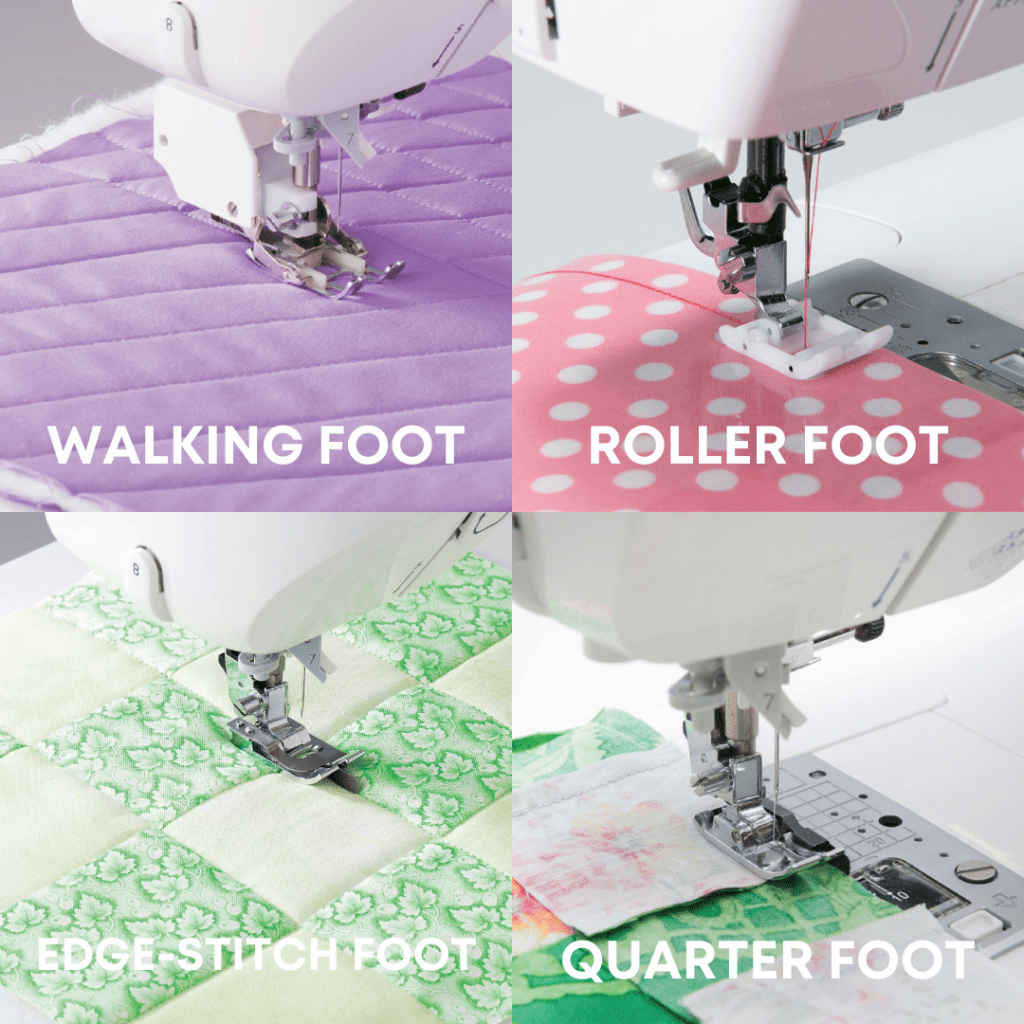
Experiment with different presser feet to enhance your sewing experience. For example, an edge-stitching foot can help achieve precise topstitching, while a quarter-inch foot is excellent for creating accurate seams in quilting-weight cotton. Use a smaller stitch length for more control and accuracy when sewing curves or delicate corners.

Must-Have Accessories

Your JUKI machine accessories can make a difference when working with these springtime fabrics. Consider investing in:

  • Walking Foot: Ideal for handling multiple layers of fabric or slippery materials like chiffon.
  • Roller Foot: Great for fabrics that tend to stick or drag, ensuring smoother sewing experiences.
  • Edge-Stitching Foot: Perfect for achieving neat, uniform topstitching on hems and edges.
  • Quarter-Inch Foot: Essential for precise quarter-inch seams, especially useful in quilting cotton.

Sewing with light and airy spring fabrics can be a delightful journey with the proper techniques and accessories at your fingertips. Remember, practice makes perfect, so don’t be disheartened if your first attempt doesn’t turn out as expected!

Embrace the nature of these fabrics, experiment with different stitches and presser feet, and most importantly, enjoy the process. With your JUKI machine as your trusty companion, you’re well-equipped to create stunning pieces that embody the essence of springtime elegance and comfort.

So, gear up your JUKI machine, grab your favorite spring fabrics, and let your creativity soar like a gentle spring breeze through the sewing world!