How to Create Your Sewing Community

In a world increasingly dominated by technology and fast-paced living, finding a fulfilling and engaging hobby has become essential for maintaining a sense of balance and well-being. Sewing, an age-old craft, has experienced a renaissance in recent years, captivating both seasoned crafters and newcomers alike. As we step into the new year, there has never been a better time to embrace the sewing revolution and connect with other sewists through various online sewing groups, workshops, and sewing retreats! Let’s delve into the significance of sewing communities and events and discover the multitude of benefits they offer in 2023.

1. Support and Inspiration:

Sewing can occasionally present challenges, and having a support network can make all the difference. Engaging with fellow sewists through online groups or workshops allows for the exchange of ideas, troubleshooting of issues, and sharing of accomplishments. The encouragement received from others can ignite the spark of inspiration and creativity, propelling one’s sewing journey to new heights. Additionally, witnessing the remarkable projects undertaken by community members serves as a wellspring of motivation to take on new challenges.

You can also connect with our National Account dealers here who throughout the year, have JUKI trainers visit to keep their staff up to date on the newest JUKI home products so they can help provide you with reliable support during and after your purchase.

2. Learning and Skill Development:

The world of sewing is vast and ever-evolving, with a plethora of techniques, styles, and materials to explore. Sewing communities often host workshops and classes, both online and in-person, led by skilled instructors and industry experts. These workshops not only introduce new skills but also offer a platform for improving existing ones. The chance to learn from experienced artisans can boost confidence and competence, enabling sewists to tackle more intricate and ambitious projects.

Connect with your local JUKI dealers here to learn more about what class options they have available to the sewing community! From weekly clubs to monthly events or special class dates, our JUKI dealers are ready to help you start creating.

3. Fostering Creativity:
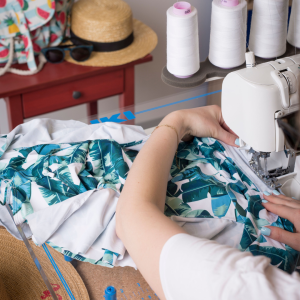
Creativity thrives in environments where ideas are freely shared and celebrated. Sewing communities provide a safe space for individuals to express their creativity without judgment. Through collaborative challenges and sharing sessions, members can explore different perspectives and experiment with their creativity, leading to innovative and imaginative sewing creations.

Fostering creativity in sewing and quilting is essential to unlocking the full potential of these crafts and producing truly unique and captivating creations. Try stepping out of your comfort zone by experimenting with different fabrics, colors, and patterns. Embrace mistakes as opportunities to learn and grow, allowing them to inspire new design directions. Draw inspiration from various sources, such as nature, art, and everyday life. By giving yourself the freedom to think outside the box and incorporating diverse influences, your sewing and quilting projects will undoubtedly flourish with newfound creativity and originality.

4. Sewing Retreats: A Time for Renewal:
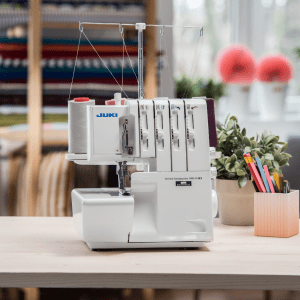
For many, the hustle and bustle of daily life can impede the full enjoyment of their hobbies. Sewing retreats present an opportunity to escape distractions and immerse oneself fully in the craft. These retreats, often set in picturesque locations, offer dedicated time for sewing, learning, and connecting with fellow participants. The serene ambiance, away from the pressures of everyday life, encourages a profound sense of relaxation and rejuvenation.

You can also attend sewing and quilting exhibitions that host a variety of sewing classes ranging from serging to sewing and quilting. These expos also offer the chance to purchase new JUKI machines at show deal prices and the opportunity to find new notions and fun fabrics! Learn more about the events JUKI attends by staying up to date on our socials here or visiting our events page here.

5. Adapting to the Digital Age:
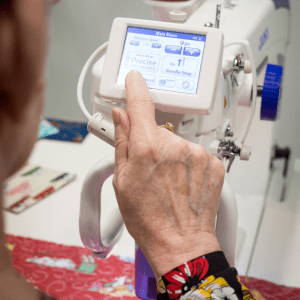
The internet has revolutionized the way we connect and share information. Online sewing groups have thrived, attracting sewists from across the globe. These virtual communities transcend geographical boundaries, bringing together people who would have never met otherwise. Through online platforms, members can share their work, participate in discussions, seek advice, and make friends, all within the comfort of their homes.

Check out JUKI’s YouTube page from the comfort of your home and learn how to create fun and easy projects by following our step-by-step videos! Thanks to the digital age, we can share our favorite projects that we love creating, and display tips and tricks you can start using on your sewing journey.

As we enter 2023, the sewing community stands stronger than ever, enriched by the passion and dedication of its members. Joining sewing communities and participating in sewing events opens doors to a world of creativity, camaraderie, and personal growth. The support, inspiration, and friendships cultivated through these interactions make the sewing journey not only enjoyable but also deeply rewarding. Good luck on a new year of creating and Happy sewing!

5 Crafty Creations for Your Festive Shop

The holiday season presents a wonderful opportunity for crafters who have honed their skills to join in on the festive spirit and create unique, handmade projects for sale! By setting up online shops on platforms like Etsy or Instagram, or displaying your wares at local holiday markets and fairs, you can connect directly with your community by spreading joy and warmth while making a meaningful income during the most magical time of the year.

Selling sewing machine projects during the holiday season not only allows crafters to share their passion with the world but also grants them to explore their artistic ideas. The possibilities for products are limitless, from whimsical Christmas-themed throw pillows to elegant tree skirts and personalized stockings. The online marketplace, allows artists like you to reach customers far and wide, making your creations part of celebrations across the globe! You can also participate in local markets, which allows for a more personal connection with buyers and fosters a sense of community.

Let’s talk about 5 ideas you could create and sell this holiday season.

Sewing a festive decorative pillow for the holiday season is a delightful way to add a touch of charm to any home! We recommend creating with an edge-stitching foot to ensure precise seam allowances and neat edges and a decorative stitching foot for embellishments that you can add to the pillow’s borders or seams. If you want to incorporate embroidery, opt for an embroidery foot to effortlessly stitch intricate designs on the fabric.

When it comes to fabric options, choose materials that evoke the holiday spirit. Rich, textured fabrics like velvet, brocade, or even burlap can add a luxurious or rustic feel to the pillow. Festive prints such as snowflakes, reindeer, or poinsettias are perfect choices for the pillow cover. For the back of the pillow, complement the theme with coordinating solid colors or a complementary print.

You can use metallic threads for a touch of sparkle or opt for contrasting thread colors to make the decorative stitches stand out. Embroidering holiday motifs like holly leaves, candy canes, or seasonal messages can elevate the pillow’s festive appeal. Alternatively, try free-motion embroidery to create custom designs or add personal messages to the pillow cover.

Selling a Christmas tree skirt for the holiday season is a perfect addition to a customer’s home decoration! To achieve precise and professional results, we recommend using a walking foot or even-feed foot to handle multiple layers of fabric smoothly, as tree skirts often require thicker fabrics and padding. For decorative elements like edging or trim, a stitch-in-the-ditch foot can help you neatly sew along seams and create a polished look.

When selecting fabric options, consider durable and luxurious materials to ensure your tree skirt stands the test of time! Felt or wool-blend fabrics work well for a cozy and classic look, while velvets or brocades add a touch of elegance. Quilted or fleece fabrics can provide extra warmth and comfort. As for decorative stitching or embroidering, consider adding festive appliqués of snowflakes, holly leaves, or Christmas ornaments to give your tree skirt a unique touch. You can also experiment with decorative stitches, such as scallops or swirls, along the edges of the skirt to elevate its overall appearance.

For the best thread options, opt for high-quality threads that complement your chosen fabrics. For decorative stitching or embroidery, metallic threads can add a touch of shimmer and festive flair. Don’t forget to use a sturdy thread for any topstitching or edging to ensure your tree skirt is both durable and visually appealing.

A holiday-themed apron is a great way to add festive charm to a kitchen and make cooking or baking even more enjoyable! For a professional-looking apron, we recommend a straight stitch foot for securing seams and hems, and an overcasting foot to prevent fraying on the raw edges of the fabric. Additionally, a bias binding foot can be useful if you want to add a neat and decorative binding around the edges of the apron.

For fabric, consider both durability and design. Cotton or linen fabrics are excellent choices for aprons due to their sturdiness and ability to handle frequent washes. For a holiday-themed touch, opt for fabrics with prints featuring snowflakes, gingerbread men, or festive ornaments. To add decorative elements, consider using embroidery to personalize the apron with names or seasonal messages. You can also include appliqués of holiday motifs such as holly leaves, Christmas trees, or reindeer for an extra touch of merriment. Metallic or variegated threads can also add a touch of sparkle to the embroidery, while high-quality polyester or cotton threads are excellent choices for construction and topstitching to ensure your holiday aprons remain durable and vibrant for many celebrations to come.

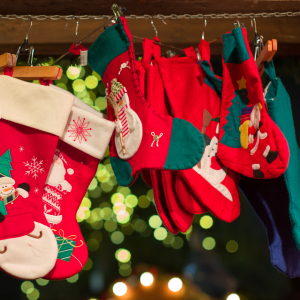
A heartwarming and cherished tradition personalized Christmas stockings are a popular shop item! Achieve professional-looking stockings with an edge-stitching foot; neatly attach stocking lining and ensure clean seams with each stitch! Add decorative elements like appliqués or trims with a blind hem foot, and get that precise stitching, giving your stockings a polished look.

Choose fabric material that is both durable and cozy. Felt or wool-blend fabrics are popular choices for their softness and ability to hold their shape. For a more luxurious touch, consider using velvet or brocade fabrics. To personalize the stockings, embroidery is a fantastic option! You can add names, initials, or festive motifs like snowflakes, Santa Claus, or reindeer. Metallic or shiny threads can add a touch of magic to the embroidery, making the stockings truly stand out. For construction and topstitching, high-quality polyester or cotton threads in coordinating colors will ensure the stockings are sturdy and long-lasting, ready to be filled with treats and treasures for many joyful Christmases to come.

Whether you choose traditional designs or contemporary themes, stockings are the perfect addition to any home holiday decor.

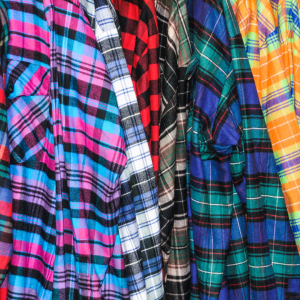
There’s nothing quite like cozying up in flannel pajamas during the winter season. Sewing and selling pajama sets in festive prints or plaid patterns can be a lucrative venture. Offer a range of sizes and styles, such as full-length pants with long-sleeved tops or shorts with tank tops. Pay attention to detail, ensuring comfortable and durable construction. Packaging these pajama sets in festive gift boxes or bags will make them even more appealing for holiday shoppers.

To achieve professional-looking pajama sets, we recommend using a walking foot or even-feed foot to ensure smooth and even stitching on the thick flannel fabric, preventing any shifting or puckering. A buttonhole foot is also essential for creating neat and precise buttonholes on pajama tops.

When selecting fabric options, opt for high-quality flannel in festive holiday prints or classic plaid patterns. Flannel is soft, breathable, and perfect for keeping warm while lounging or sleeping. To add a touch of holiday flair, consider decorative stitching or embroidery. You can add festive motifs like snowflakes, reindeer, or holly leaves to the pajama tops or bottoms. Choose complementary thread colors for the decorative stitching or embroidery, and opt for durable polyester or cotton threads for the construction and topstitching to ensure the pajama sets hold up well to regular wear and washing.

The holiday season presents a prime opportunity for sewing enthusiasts to turn their passion into a profitable venture. By creating and selling handmade items like decorative pillows, Christmas tree skirts, holiday-themed aprons, personalized stockings, and cozy pajama sets, you can tap into the market’s demand for unique and festive products. Remember to showcase your craftsmanship, pay attention to quality, and market your creations through online platforms, local markets, or social media. Embrace the joy of sewing while spreading holiday cheer and generating income during this magical time of year. Happy sewing and happy selling!

5 Wonderful Holiday Presents You Can Sew

The holiday season is the perfect time to embrace the joy of giving by creating heartfelt presents for your loved ones. Sewing personalized gifts not only adds a special touch to the celebrations but also allows you to express your creativity. Whether you’re a seasoned sewing enthusiast or a beginner looking for meaningful projects, we’ve got you covered with these five heartwarming holiday presents you can sew:

A warm and stylish flannel scarf makes for a thoughtful and cherished gift, ensuring your friends and family stay snug during the chilly months. To create this cozy accessory, opt for soft and colorful flannel fabric in either plaid or solid patterns, offering a classic yet trendy look. To enhance the scarf’s warmth and comfort, consider adding a layer of fleece as the backing, providing an extra layer of insulation. When stitching the layers together, utilizing a walking foot on your sewing machine ensures smooth and even stitches, preventing any shifting or bunching.

For that personal touch, explore the world of decorative stitches and experiment with scallops or waves along the edges of the scarf, adding a dash of uniqueness and creativity. Completing the ensemble, gift the scarf alongside a matching beanie or mittens, creating a delightful winter set that showcases your care and affection for the recipient!

Create beautiful quilted pot holders to add a touch of warmth and love to your family and friends’ kitchens! To start, opt for sturdy cotton fabric designed with festive holiday prints or vibrant colors, ensuring durability and visual appeal. Between the fabric layers, include insulating batting to provide effective heat protection, making these pot holders not only decorative but also functional.

Now, let your creativity shine by incorporating decorative stitching into your pot holder designs! Utilize an open-toe side quilting foot to have more control and flexibility while stitching unique patterns onto the fabric. You can experiment with various motifs such as holly leaves, snowflakes, or elegant swirls.

Complete the project by adding thoughtful finishing touches! Sew a loop for hanging on one corner, making it convenient for your loved one to store the pot holders when not in use. For a polished look, add decorative binding around the edges of the pot holders. This final step not only secures the layers together but also enhances the overall aesthetic, turning these practical gifts into joyful and eye-catching accessories that will brighten up any kitchen.

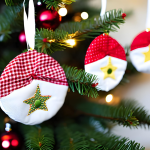
Create heartfelt memories with personalized fabric ornaments that will adorn your Christmas tree with love and warmth. Delve into a delightful mix of fabrics, such as felt, cotton, or repurposed scraps from previous projects, each offering a unique blend of colors and textures. The magic lies in the art of decorative stitching, where your sewing machine becomes a tool of creativity. Choose from an array of enchanting stitches, like stars, hearts, or letters, and let them grace the ornaments, turning them into truly special keepsakes.

To bring intricate beauty to the fabric shapes, embrace the technique of free-motion quilting. This method empowers you to add intricate details that will captivate the eye and touch the heart. Consider incorporating initials, names, or special messages into the design, making each ornament a personalized treasure for its destined recipient. The amalgamation of decorative stitches and free-motion quilting unveils a captivating display of craftsmanship, showcasing the love and care poured into each ornament. As you hang them on the Christmas tree, they will not only infuse the surroundings with festive cheer but also carry the essence of your affection, making them cherished symbols of the holiday season!

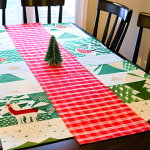
Elevate the festive ambiance of your loved ones’ dining tables by gifting them a beautifully crafted holiday-themed table runner. Embrace the versatility of cotton fabrics, choosing from an array of bright, cheerful colors or elegant metallic prints to suit their unique style. To infuse the table runner with visual charm, opt for intricate appliqué techniques, bringing to life delightful designs like Christmas trees, snowflakes, or stars. Your artistic flair will shine as you experiment with decorative stitches on your sewing machine, adding a touch of glamour and sophistication to the overall piece.

For a flawless finish, utilize the walking foot during the quilting process. This specialized presser foot helps to smoothly feed the multiple fabric layers through the sewing machine, preventing any shifting or puckering. As you quilt the layers together with precision, the holiday table runner will exude a polished and professional look, elevating the dining experience for your loved ones. With its festive design, impeccable stitching, and thoughtful creation, this holiday-themed table runner will undoubtedly become a cherished centerpiece, spreading joy and warmth during the holiday season.

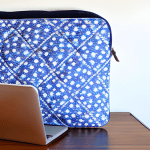
For your tech-savvy friends and family, a quilted laptop sleeve makes for a thoughtful and stylish gift. When crafting this practical accessory, opt for durable fabrics like canvas or denim for the exterior, ensuring it can withstand the rigors of daily use. For the lining, choose soft flannel or cotton to provide a gentle, protective touch to their laptops. To achieve neat and even stitching through the layers, utilize a walking foot during the sewing process. This special presser foot will help feed the fabric smoothly, preventing any shifting or bunching as you assemble the sleeve.

Enhance the laptop sleeve’s appeal with decorative stitching or free-motion quilting to add a personal touch. Get creative and create unique patterns, or even embroider your recipient’s favorite quotes, making the sleeve truly one-of-a-kind. Not only will the decorative stitching elevate its aesthetics, but it will also showcase the effort and love poured into its creation. To ensure their laptops stay safe and secure during travel, incorporate a secure zipper closure and a padded interior. This combination of functionality and style will make the quilted laptop sleeve a cherished and practical gift that your tech-savvy loved ones will appreciate every day.

As you embark on these heartwarming sewing projects, remember that the love and effort you pour into each creation will undoubtedly be cherished by your loved ones. Embrace your sewing machine’s features and get creative with different fabrics, presser feet, and decorative stitching to make these holiday presents truly special. Happy sewing and happy holidays!

Sewing and Quilting in Fall

As the crisp air of autumn settles in, it’s the perfect time to embrace the cozy and creative world of fall sewing and quilting projects! From, warm blankets to stylish accessories, the possibilities are endless. In this blog post, we will explore the best fabrics, projects, and designs that capture the essence of the fall season. Whether you’re a seasoned sewist or a beginner looking for inspiration, these ideas will help you begin a delightful autumn sewing journey.

Fabrics for Fall:

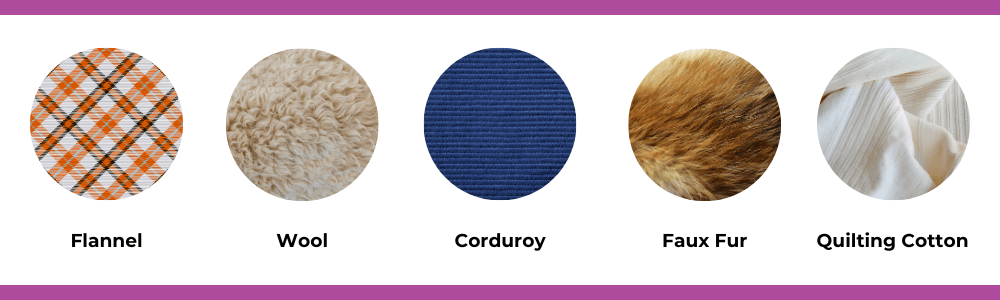
When it comes to fall sewing, selecting the right fabrics is crucial. Opt for cozy and comfortable materials that evoke a sense of warmth and texture. Some popular choices include:

  • Flannel:

A beloved fabric that instantly brings warmth and comfort to mind, this soft and brushed cotton material is perfect for creating snuggly garments like shirts, pajamas, and robes. Its insulating properties make it ideal for blankets and throws, keeping you warm during chilly autumn evenings. With a variety of colors and patterns available, flannel adds a touch of rustic charm to any fall sewing project.

  • Wool:

When it comes to fall fabrics, wool is a true champion! Known for its excellent insulation, wool is perfect for sewing cozy sweaters, scarves, and outerwear. It traps heat, keeping you comfortably warm during those low temp. autumn days. Additionally, wool’s natural elasticity ensures that your projects hold their shape and drape beautifully. From lightweight merino wool to chunky wools for heavier projects, this fabric adds a touch of warmth to your fall wardrobe.

  • Corduroy:

For retro charm and texture, look no further than corduroy! This ribbed fabric is excellent for fall sewing projects like skirts, pants, hats, and jackets. With its durability and warmth, corduroy projects are perfect for transitioning from fall to winter. The fabric is available in a variety of wale sizes and colors, and offers a vintage appeal to your creations.

  • Faux Fur:

When you want to add a luxurious and cozy touch to your fall sewing projects, faux fur is the way to go! This animal-friendly fabric is perfect for creating accessories like hats, scarves, and trimmings on your projects. It instantly elevates any design, and adds a touch of opulence to your fall wardrobe. From subtle accents to bold statement pieces, faux fur is a fantastic choice for those seeking a touch of elegance.

  • Quilting Cotton:

Quilting cotton is a versatile and widely accessible fabric, making it a popular choice for fall sewing projects. With an extensive range of prints, colors, and designs, quilting cotton is suitable for various projects, including clothing, home decor, and accessories. From pumpkin-themed tablecloths to plaid dresses, this fabric allows you to be creative and capture the essence of fall.

Fall Sewing Project Ideas:

a. Blankets and Throws: When fall arrives, there’s nothing quite as comforting as wrapping yourself in a soft and inviting blanket. Get creative with warm fabrics like flannel or wool, and experiment with patchwork designs that feature autumn-inspired colors and motifs. Incorporate leaves, pumpkins, or other seasonal elements into your blanket’s design to capture the essence of fall. Whether it’s for your living room or as a thoughtful gift for a loved one, these blankets are sure to be cherished throughout the season.

b. Scarves and Wraps: As the temperatures drop, it’s time to accessorize your fall wardrobe with fashionable scarves and wraps. Sew lightweight wool or soft knit scarves in various textures, lengths, and patterns like plaid or fall leaves. These accessories not only keep you warm but also add a touch of style to your everyday outfits. Get creative with colors that complement the season’s palette, and you’ll be ready to strut your fall fashion with confidence.

c. Pumpkin-themed Home Decor: Bring the pumpkin patch into your home with charming pumpkin-themed decor items. Sew fabric pumpkins in various sizes and fabrics, and arrange them as table centerpieces or mantle decorations. For a functional twist, create pumpkin-shaped potholders that will add a delightful autumnal touch to your kitchen. Experiment with different fabrics and colors to suit your personal taste and create a warm and inviting atmosphere for family and guests.

d. Cozy Jackets and Cardigans: With the arrival of fall, layering becomes essential, and what better way to do it than with cozy jackets and cardigans you’ve crafted yourself? Choose fabrics like corduroy or sweater knits to create stylish outerwear perfect for the season. Consider adding oversized collars, patch pockets, or belted waistlines for a fashionable touch. Sewing your own jackets and cardigans allows you to customize the fit and design, making each piece uniquely yours.

Fall Quilting Designs To Try:

a. Autumn Leaves: Incorporate leaf motifs into your quilt designs using appliqué or embroidery techniques. Experiment with different shapes, sizes, and colors to capture the vibrant hues of fall foliage.

b. Harvest-inspired Patchwork: Create quilt blocks inspired by the abundance of the harvest season. Consider using fabric prints featuring pumpkins, sunflowers, or cornstalks to infuse your quilts with a rustic charm.

c. Cozy Log Cabin Quilts: The traditional log cabin quilt pattern lends itself well to the warmth and comfort of fall. Play with earthy tones and rich browns to create a quilt that embodies the cozy atmosphere of the season.

d. Plaid and Tartan: Incorporate plaid or tartan fabrics into your quilts for a timeless fall aesthetic. Mix and match different plaid patterns to create visually appealing designs that evoke a sense of nostalgia.

Fall is a wonderful season for sewing and quilting enthusiasts to embrace the rich colors, textures, and themes that it brings. By choosing fabrics like flannel, wool, corduroy, faux fur, and quilting cotton, you can create cozy and stylish projects. Whether it’s blankets and throws, scarves and wraps, pumpkin-themed home decor, or jackets and cardigans, let your creativity flourish. Additionally, consider incorporating autumn-inspired designs like leaves, harvest motifs, log cabin patterns, and plaids into your quilting projects. Enjoy the process of sewing and quilting during this beautiful season, and bring the warmth and charm of fall into your creations. Happy stitching!

Quilters’ Sewing 101: Answering 5 Basic Questions

Quilting is a timeless craft that has allowed us to create beautiful and functional art pieces using fabric and thread. Whether you’re a beginner or have some quilting experience, you may have questions that need clarification. In this blog post, we will address five popular questions often asked by quilters. By understanding these fundamental aspects, you’ll be on your way to confidently quilting and creating those stunning quilts you’ve been dreaming of.

What is the difference between quilting cotton and regular cotton fabric?

Quilting cotton and regular cotton fabric differ primarily in construction and intended use. Quilting cotton is designed for quilting projects and is known for its tightly woven and durable nature. It typically has a higher thread count, which means that the fabric is made up of more threads per square inch. This dense weave gives quilting cotton its sturdiness, making it ideal for stitching and holding up to repeated use and washing. Additionally, quilting cotton often features vibrant prints and patterns, which add aesthetic appeal to quilts and other sewing projects.

On the other hand, regular cotton fabric refers to the broad category of cotton textiles used in various applications, including clothing, home décor, and crafts. Regular cotton fabric comes in different weights, weaves, and finishes to suit other purposes. Unlike quilting cotton, the regular cotton fabric may have a looser weave and a lower thread count, making it lighter and more breathable. It is commonly used for making garments such as t-shirts, dresses, and pants and crafting household items like curtains, pillowcases, and tablecloths.

What is the importance of accurate seam allowances in quilting?

Accurate seam allowances play a crucial role in quilting, ensuring the final project’s overall quality, precision, and consistency. Firstly, precise seam allowances help maintain the structural integrity of the quilt by ensuring that the fabric pieces are securely joined together. Accurate seam allowances ensure that the seams are strong and reliable, preventing unraveling or fraying of the fabric over time. This is especially important for quilts that will be used, washed, and handled frequently!

Secondly, precise seam allowances contribute to the quilt design’s overall visual appeal and accuracy. Quilts often involve intricate patterns and designs that rely on precise measurements and seam allowances. Consistently accurate seam allowances ensure that the blocks and elements of the quilt fit together seamlessly, creating clean lines, even corners, and balanced proportions. Inaccurate seam allowances can lead to mismatched points, distorted shapes, or misaligned seams, which can detract from the quilt’s visual impact and overall aesthetic. Quilters can achieve a professional finish by paying attention to precise seam allowances and bringing their envisioned design to life.

How do I prevent fabric stretching while quilting?

Preventing fabric stretching is crucial in quilting to ensure accurate piecing and maintain the integrity of your quilt blocks. Here are two key techniques to help you prevent fabric stretching:

Proper handling and pinning: When working with fabric, especially bias-cut pieces, handle them with care to minimize stretching. Avoid pulling or tugging the fabric excessively, as this can distort its shape. Instead, support the fabric with one hand while guiding it through the sewing machine with the other. Additionally, use pins to secure your fabric layers together before stitching. Place the pins perpendicular to the seam line, with the heads pointing away from the sewing direction. This technique will help keep the fabric in place during sewing and prevent stretching caused by shifting layers.

Stabilizing techniques: Stabilizing the fabric can also help minimize stretching. One effective method is using spray starch or fabric sizing. Lightly spray the fabric with starch or sizing and press it with an iron before cutting and piecing. This process stiffens the fabric temporarily, making it less prone to stretching. Follow the manufacturer’s instructions and test on a scrap piece of fabric first to avoid any adverse effects. Another technique is to use a stabilizer such as lightweight fusible interfacing or wash-away stabilizer. These products provide temporary support to the fabric and can be applied to specific areas or the entire fabric piece, depending on your needs.

These techniques will help any beginner or everyday quilter!

Should I prewash my fabric before quilting?

The decision to prewash fabric before quilting is a personal choice that depends on various factors. Prewashing fabric can be beneficial in addressing potential shrinkage and removing excess dyes or chemicals. By washing the fabric before cutting and piecing, you can ensure that any shrinkage occurs beforehand, reducing the risk of distortion or warping in your finished quilt. Additionally, prewashing helps remove residual substances that may bleed onto other fabrics or affect the overall appearance of your quilt. It can be advantageous when working with different fabric types with varying shrinkage rates in the same project.

On the other hand, some quilters prefer to avoid prewashing fabric to maintain its stability and finish. Prewashing can cause the fabric to lose some of its sizing or stiffness, potentially impacting the ease of cutting and piecing. Certain fabrics, such as precuts or those with delicate prints or embellishments, may be unsuitable for prewashing due to their fragile nature. In such cases, alternative precautions like color-catching sheets or test-washing small fabric pieces can help prevent bleeding without prewashing.

Ultimately, the decision to prewash fabric before quilting is a personal preference based on the desired outcome, fabric type, and project requirements. Considering factors such as shrinkage, potential bleeding, and fabric stability can help you decide whether to prewash or not.

How can I achieve precise quilting lines or designs?
Using rulers with your JUKI sewing machine can be highly beneficial to achieve precise quilting lines or designs. Here’s a step-by-step guide on how to utilize JUKI rulers for accurate quilting:

Step 1: Prepare your fabric and JUKI ruler: Start by ensuring your fabric is properly layered and basted for quilting. Then, select the appropriate JUKI ruler for the design or quilting lines you wish to create. JUKI offers a range of rulers specifically designed for quilting purposes, such as straight rulers, curved rulers, and specialty rulers for different patterns and shapes.

Step 2: Secure and position the ruler: Place your ruler on the fabric, aligning it with the desired quilting line or design. Use fabric grips or non-slip adhesive tape to secure the ruler, ensuring it remains stable and doesn’t shift during quilting. It’s vital to position the ruler accurately to achieve precise results.

Step 3: Quilt along the ruler edge: Once the ruler is secured, guide your JUKI sewing machine’s foot along the ruler’s edge. Ensure to maintain a steady speed and apply gentle pressure to the ruler to prevent it from moving. As you quilt along the ruler, the foot of the machine will follow the ruler’s edge, resulting in clean and precise quilting lines or designs.

Remember to practice and experiment with different rulers and techniques to achieve the desired quilting effects. It’s also essential to familiarize yourself with the features and settings of your specific JUKI sewing machine to ensure optimal performance during quilting.

As a quilter, understanding the basics is essential for successful and enjoyable quilting projects. By addressing these five common questions, you can better grasp the differences between quilting cotton and regular cotton fabric, the importance of accurate seam allowances, preventing fabric stretching, deciding whether to prewash fabric and achieving precise quilting lines or designs. With this knowledge, you can confidently embark on your quilting journey, create stunning quilts, and continue expanding your quilting skills. Looking for quilting machines? Be sure to check out JUKI’s wide range of machines! Happy quilting!