Don’t Miss JUKI’s Summer Sale!

Summer is here, and so is JUKI’s most anticipated event of the year! For the entire month of June, sewing enthusiasts can revel in incredible deals as JUKI dealers nationwide roll out an array of top-tier machines at unbeatable prices. Whether you’re a seasoned quilter, a passionate home sewer, or just starting your crafting journey, this is the perfect opportunity to upgrade your equipment and bring your creative visions to life.

Stay tuned as we guide you through the highlights of JUKI’s Big Summer Sale, featuring exclusive discounts on a wide range of sewing, quilting, and embroidery machines. Don’t miss out on the chance to elevate your sewing experience with the quality and innovation JUKI is renowned for, all at a fraction of the cost. Ready to stitch your way into summer savings? Let’s dive in!
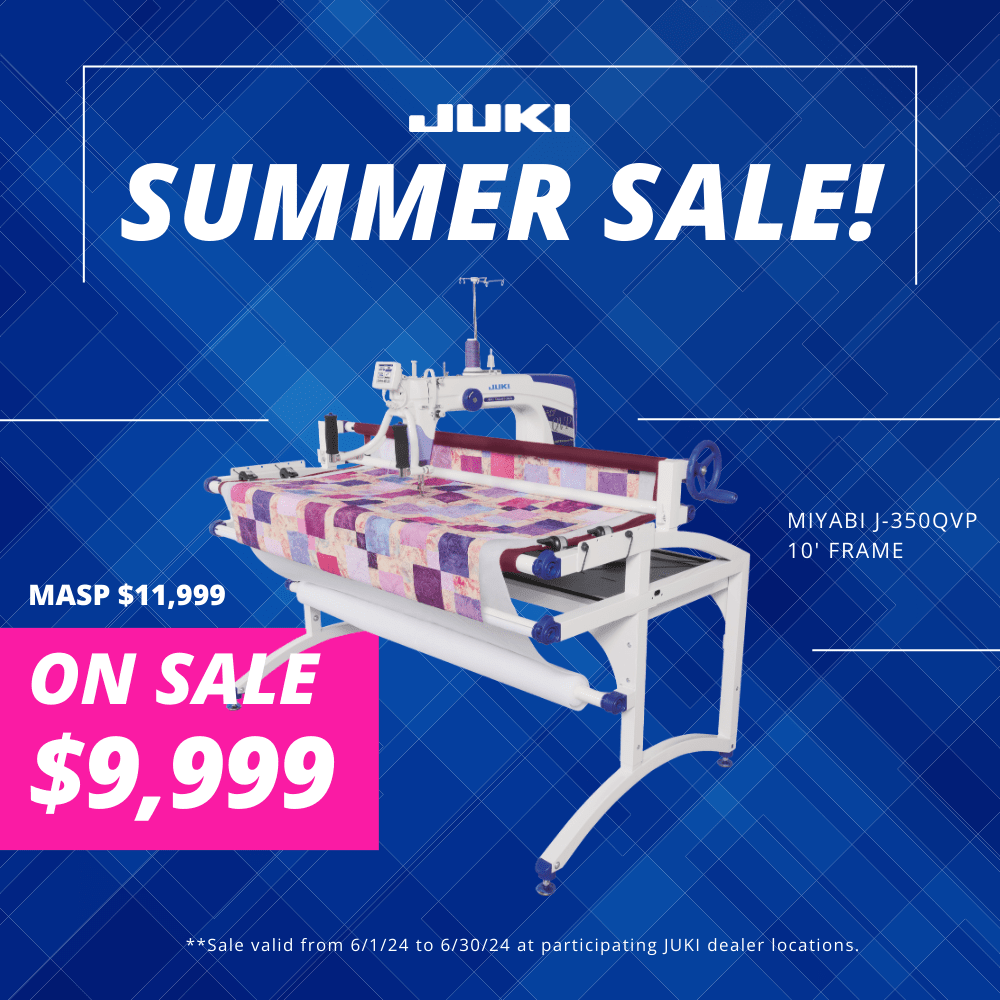
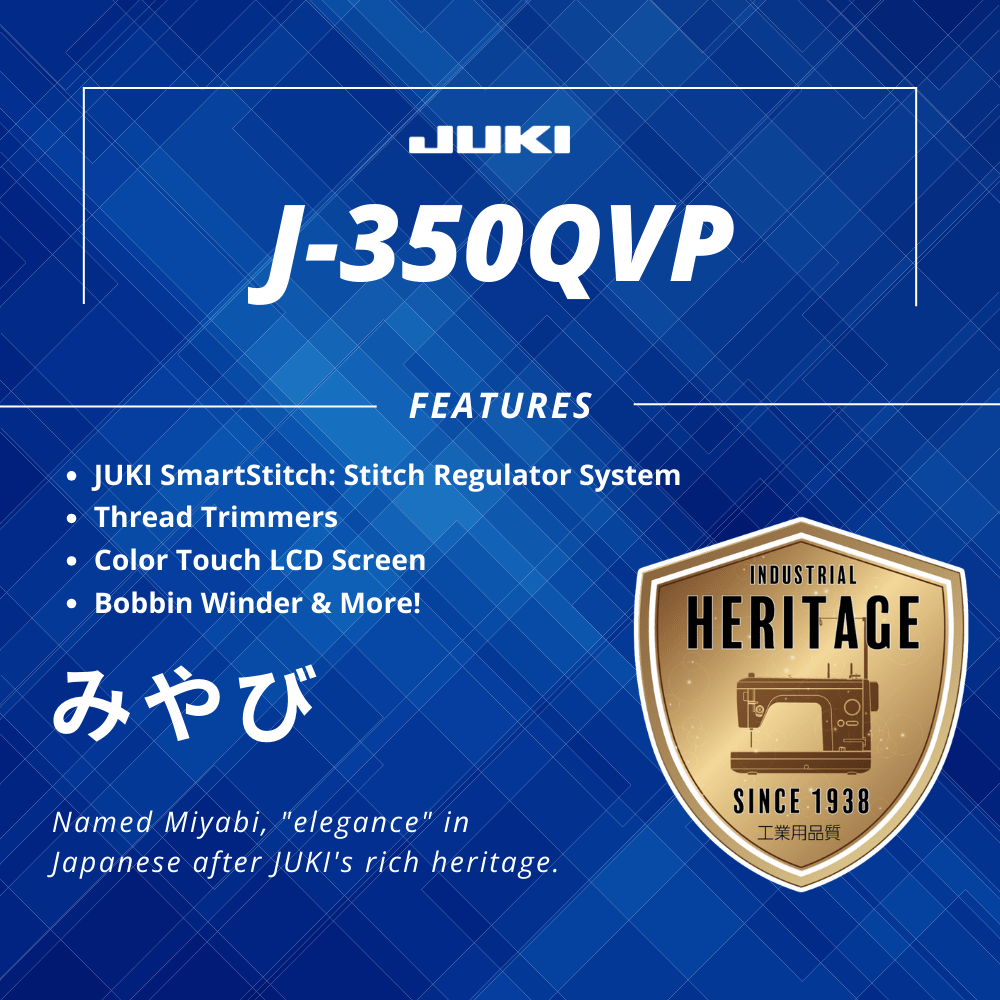
Investing in the Miyabi J-350QVP means embracing a world of creative possibilities and enjoying a quilting experience like no other. For avid quilters, the J-350QVP offers unmatched precision and ease of use, making it perfect for bringing intricate designs to life. The JUKI Smart Stitch Stitch Regulator system alone is a game-changer, providing peace of mind with every stitch, allowing quilters to focus more on their artistry rather than machine adjustments. This feature is particularly beneficial for those who love free-motion quilting, as it ensures consistent stitch quality regardless of speed or direction changes.

You can also enjoy the convenience of automatic thread trimmers and its user-friendly color touch LCD screen which adds significant joy to the quilting process! The ease of navigating through different settings and stitch options means less time spent troubleshooting and more time creating. Quilters will appreciate the expansive workspace, which seamlessly accommodates larger projects, making it ideal for creating bed-sized or detailed art quilts. With the Miyabi J-350QVP, every quilting session becomes an enjoyable, efficient, and highly rewarding experience, encouraging creativity and innovation in every stitch!
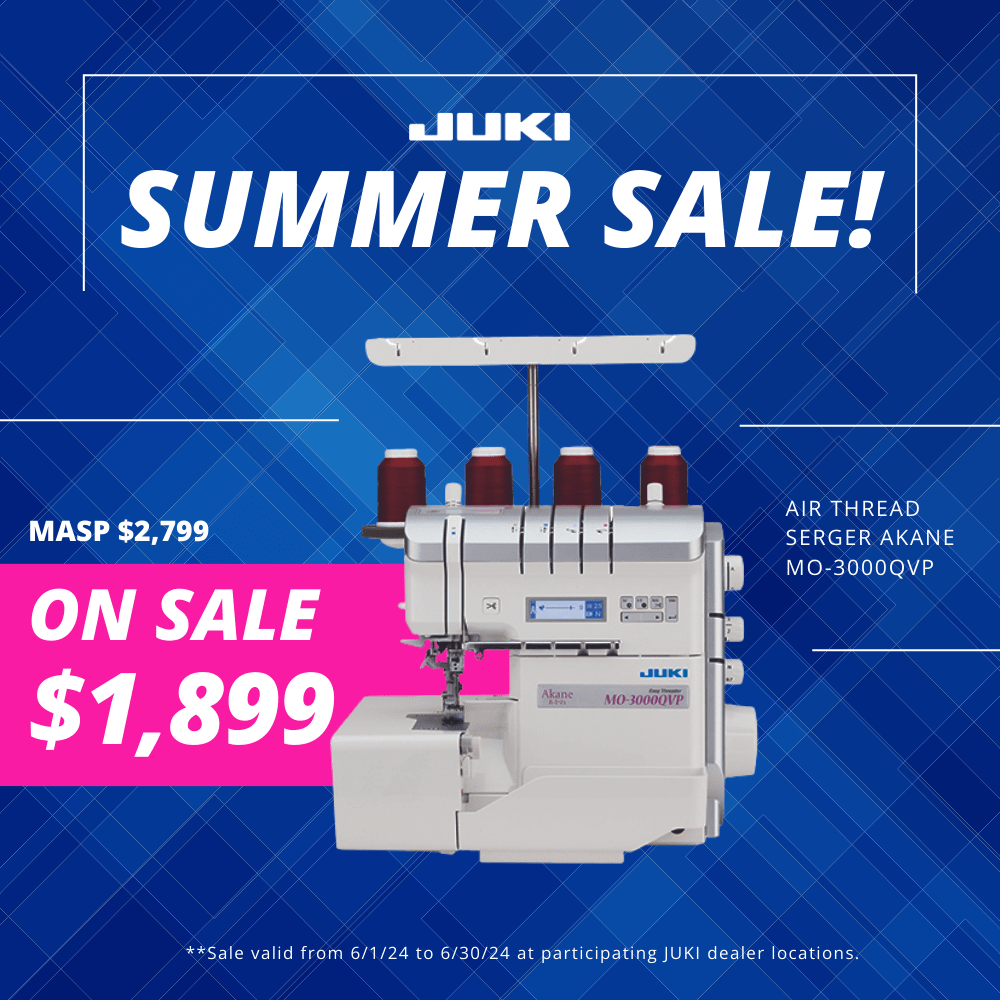
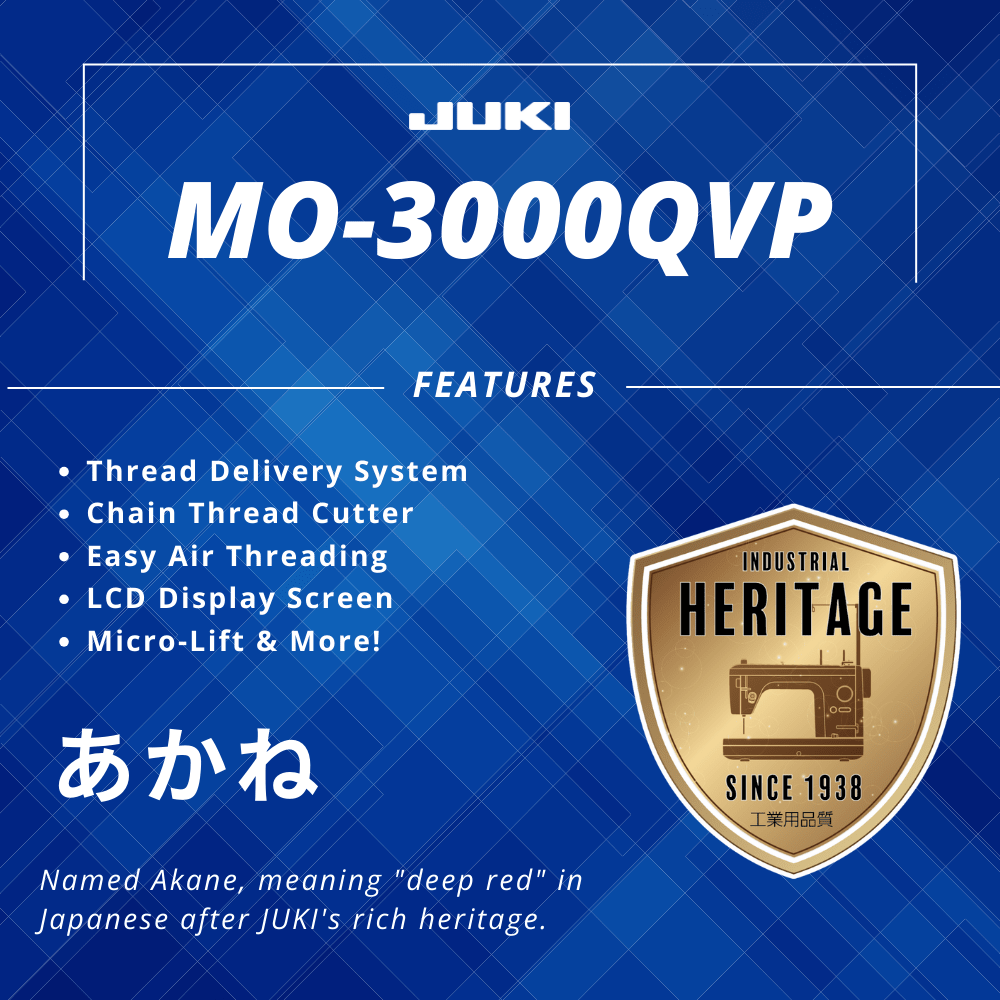
Choosing the MO-3000QVP means embracing a new level of efficiency and enjoyment in your sewing projects. For those who often work with a variety of fabrics, the easy air threading system is a game-changer, eliminating the frustration of manually threading the loopers and allowing you to switch between projects quickly and effortlessly! This feature alone can save you significant time and hassle, making your sewing sessions more productive and enjoyable.

The MO-3000QVP’s also comes with a chain thread cutter and micro-lift function, offering precise control and clean, professional finishes on every project. You can craft garments with intricate seams, work on home décor items that require durable edges, or create delicate rolled hems; this serger provides the versatility and reliability to handle it all. The machine’s advanced features simplify complex tasks, making it ideal for both beginners looking to expand their skills and experienced sewers seeking to streamline their workflow. With the MO-3000QVP, you’ll find more joy in the creative process, knowing you have a high-quality, user-friendly tool to bring your sewing visions to life!
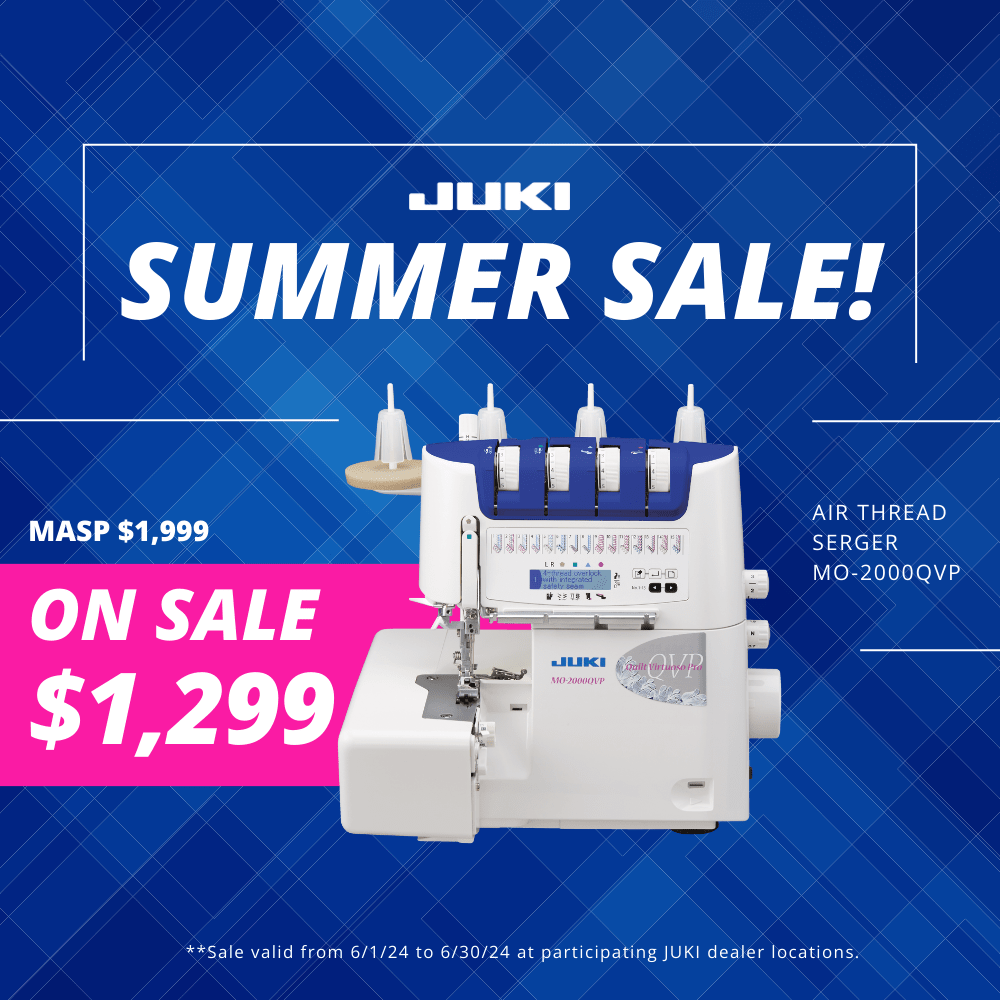
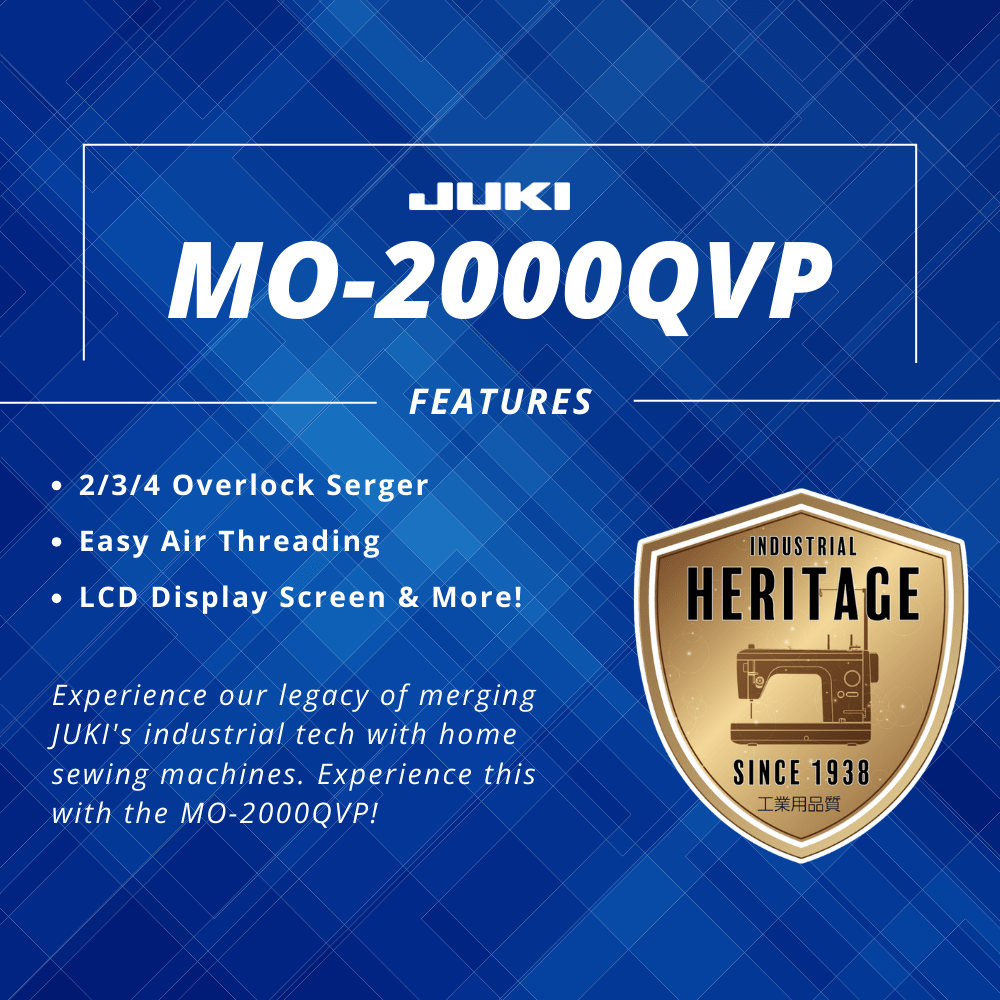
The MO-2000QVP is another stellar addition to JUKI’s line of serger machines, designed to simplify and elevate your sewing projects. One of its standout features is the easy air threading system, which utilizes a powerful jet-air mechanism to thread the loopers effortlessly. With just the push of a button, you can say goodbye to the frustration of manual threading, making setup fast and hassle-free. Additionally, the MO-2000QVP offers a variety of features aimed at enhancing your sewing experience. Its user-friendly design includes a large, brightly lit workspace, making it easier to see your work and ensure precision.

The machine also provides a range of stitch options and adjustable settings, allowing you to tackle different fabrics and techniques with ease. Whether you’re creating clothing, home décor, or craft projects, the MO-2000QVP delivers consistent, professional results, making it an invaluable tool for both novice and experienced sewers.
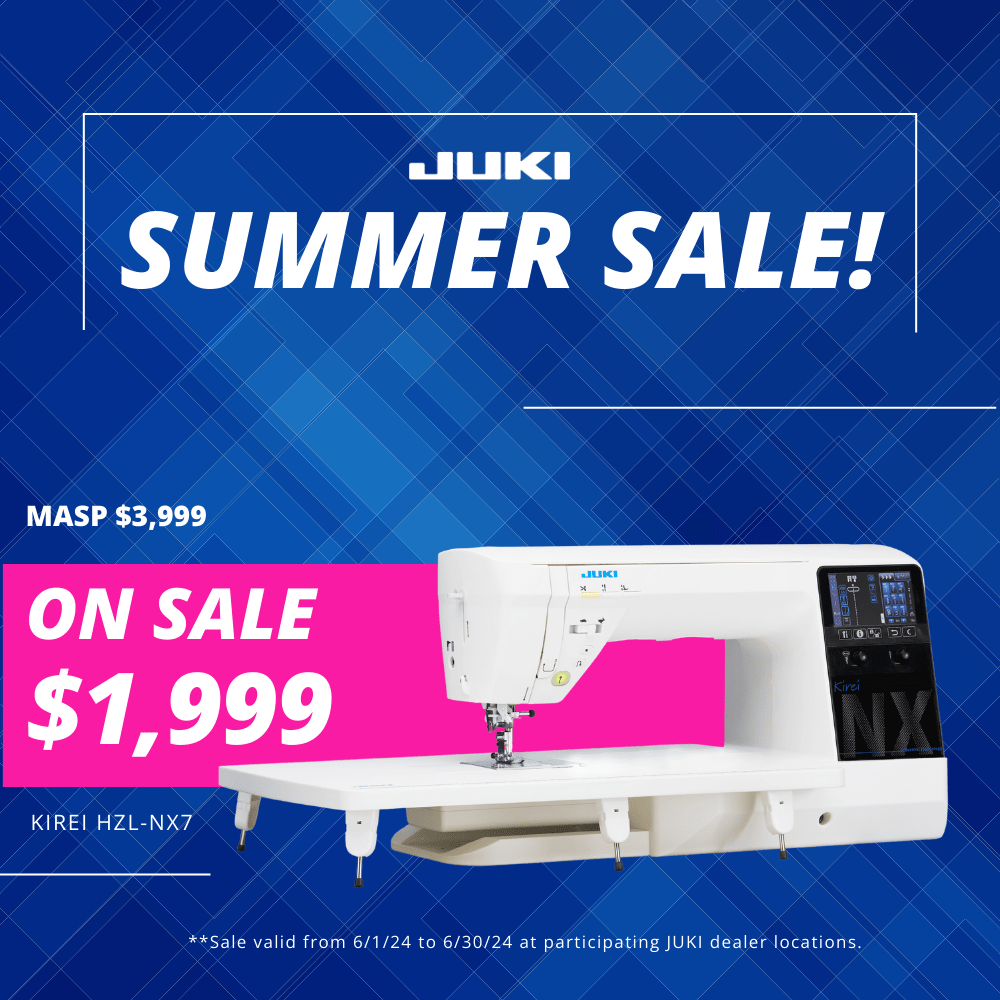
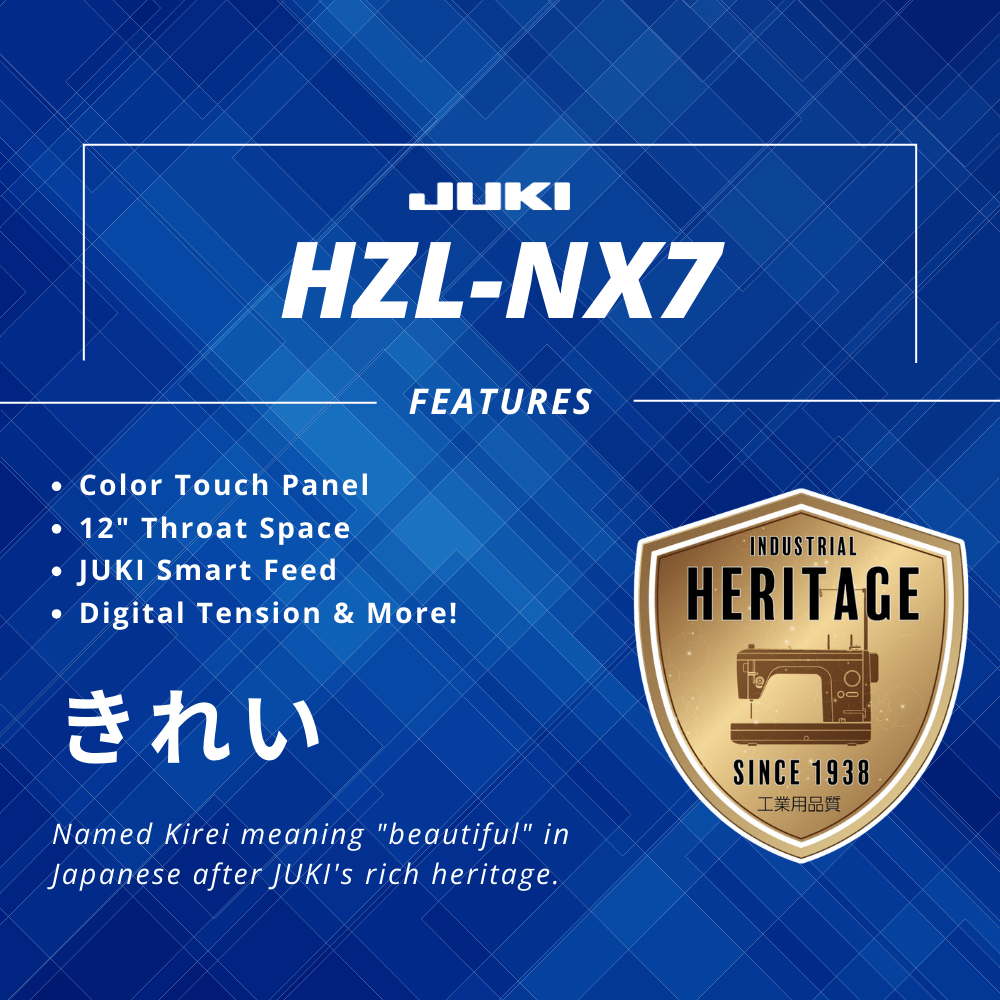
The HZL-NX7 is the ultimate tool for enhancing your sewing, quilting, or crafting endeavors. Its intuitive color touch panel simplifies selecting and adjusting stitch patterns, streamlining your workflow for both beginners and seasoned sewers alike. With a generous 12″ throat space, quilters can effortlessly handle large projects without constant repositioning, while the JUKI Smart Feed system ensures smooth and even fabric feeding, even with multiple layers, preventing common issues like shifting or puckering.

Moreover, the HZL-NX7’s digital tension control guarantees impeccable stitches, eliminating guesswork and manual adjustments for professional-quality results every time. With the HZL-NX7, sewing becomes not just a task, but a joyous expression of creativity, allowing you to focus more on your projects and less on technical challenges.

The DX-4000QVP redefines sewing excellence with its 7″ color touch panel and expansive 12″ throat space, offering unmatched versatility and convenience for projects of all sizes. Seamlessly integrating the JUKI Smart Feed system and Bobbin Sensor, this machine ensures precise stitching and uninterrupted workflow, catering to quilters, fashion enthusiasts, and home décor lovers alike. During our summer sale, acquiring the DX-4000QVP secures exceptional value and unlocks a world of creative possibilities at an unbeatable price!

From intricate quilts to tailored garments, the DX-4000QVP empowers creativity with unparalleled precision and ease. Don’t miss this chance to elevate your sewing experience and explore new horizons this summer with the DX-4000QVP!
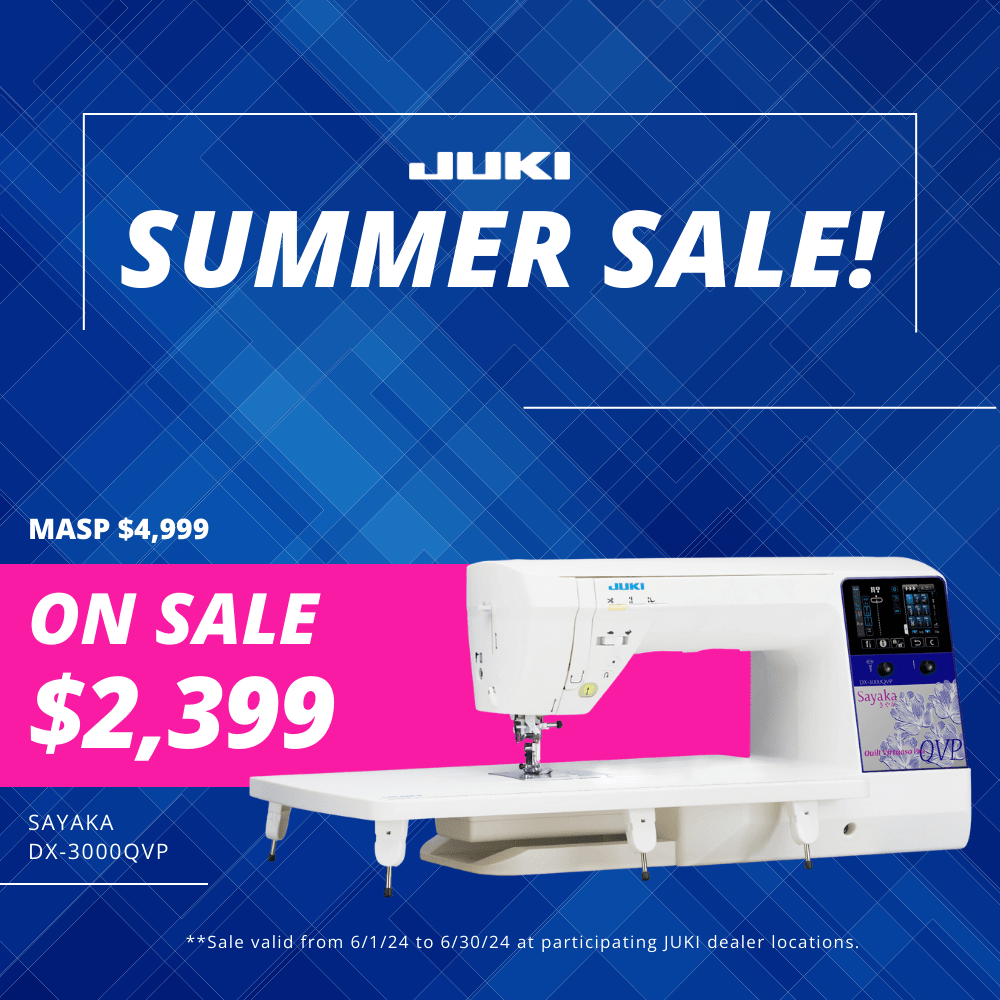
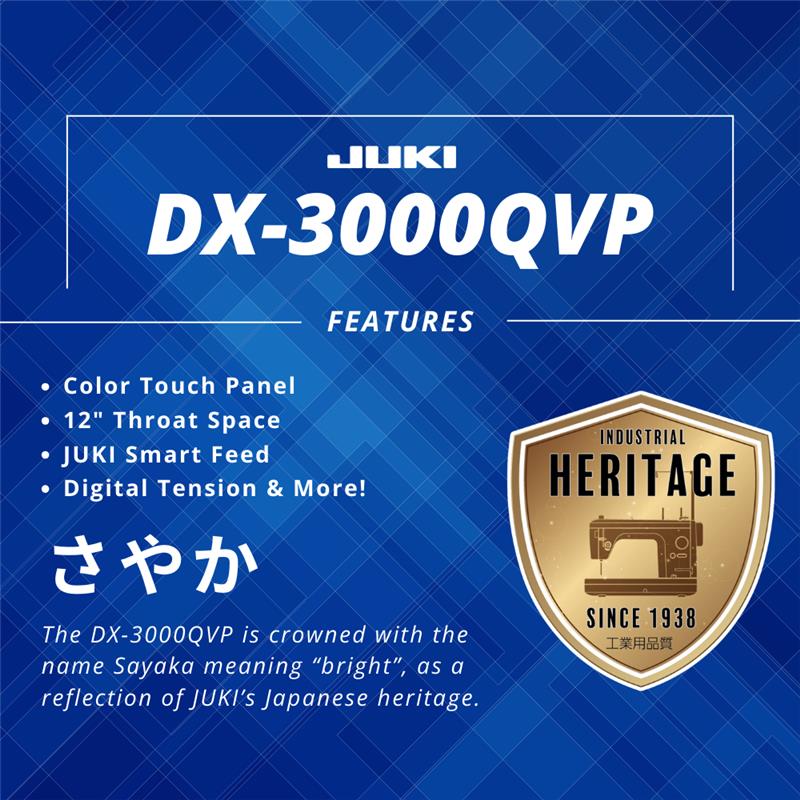
The DX-3000QVP is a remarkable machine, now available at an incredible price during the JUKI Summer Sale! Designed for both sewing and quilting enthusiasts, this machine features a spacious 12″ throat space, providing ample room for large quilts and bulky fabrics. Equipped with JUKI Smart Feed technology, it ensures consistent and precise fabric feeding, while the digital tension control allows for flawless results with adjustable precision. With a wide range of stitch options and settings, the DX-3000QVP is versatile enough to handle everything from delicate garments to heavy-duty home décor projects.

Quilters and sewers alike will love the DX-3000QVP for its ability to manage complex designs and large projects effortlessly. The combination of advanced features and reliable performance makes this machine a joy to use, inspiring creativity and confidence in every stitch. Don’t miss this limited-time opportunity to elevate your sewing experience with the DX-3000QVP during the JUKI Summer Sale.
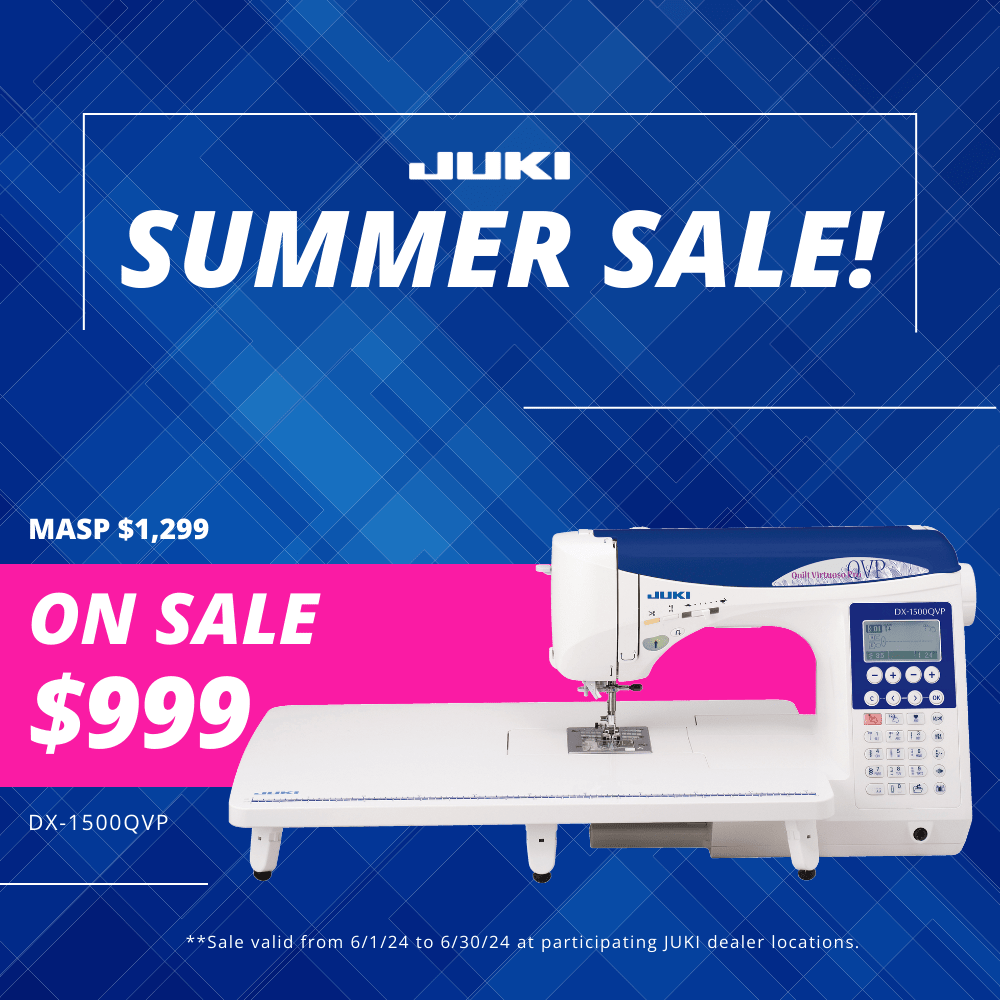
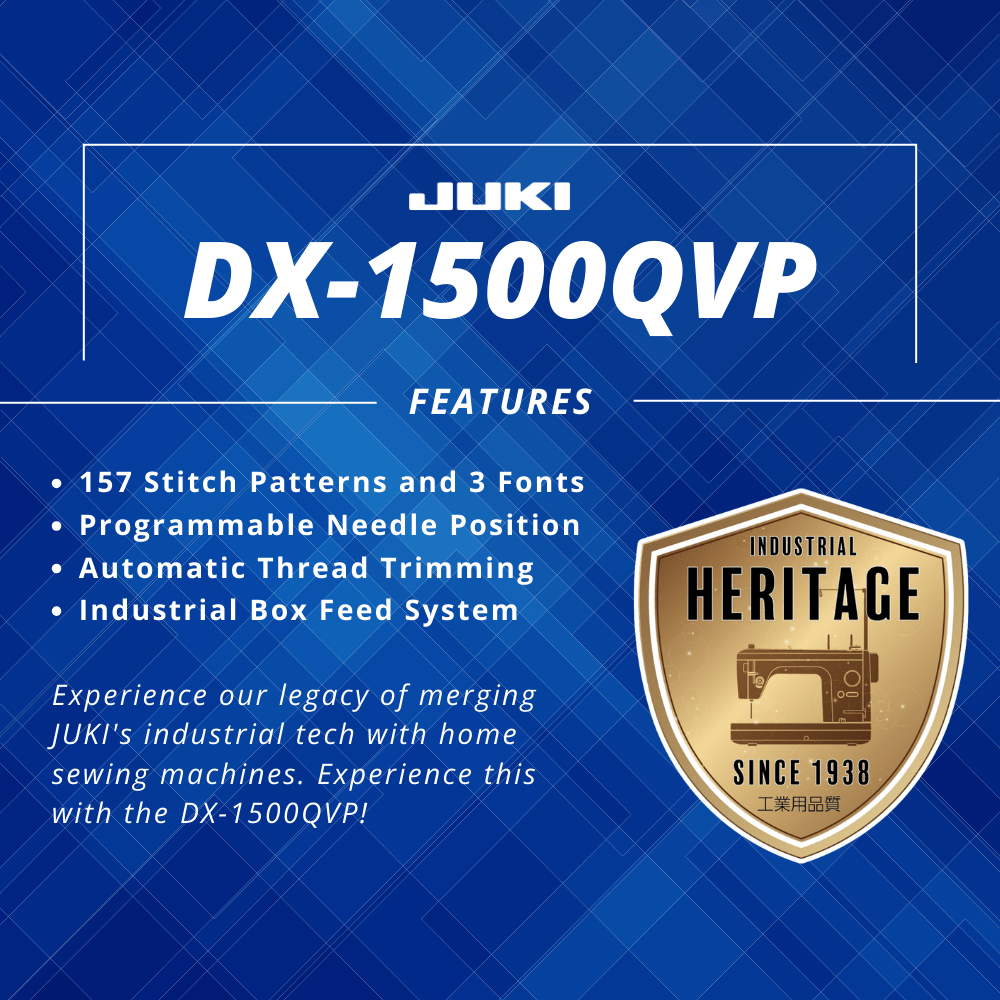
The DX-1500QVP is the final featured machine in our JUKI June Summer Sale, and it’s an offer you won’t want to miss! Created for both sewing and quilting enthusiasts, this versatile machine boasts 157 stitch patterns and 3 fonts, providing endless creative possibilities for any project. Its programmable needle position and auto thread trimming features ensure precise and efficient sewing, saving time and enhancing accuracy.

Additionally, the DX-1500QVP is equipped with an industrial box feed system, offering superior fabric handling and ensuring even, high-quality stitches on various fabric types. Whether you’re creating intricate quilts or detailed garments, this machine’s advanced features make it a joy to use.

Take advantage of this limited-time offer and elevate your sewing and quilting projects with JUKI’s Sewing and Quilting machines by your side!
How To Create A Storytelling Quilt with JUKI

In this blog, we will talk about storytelling through the intricate art of quilting with the aid of JUKI sewing machines! Gather around as we unravel the threads of creativity, explore stitch options on your machines, and delve into the magic of quilted storytelling with JUKI by your side.

Choosing the Right Textures and Fabrics

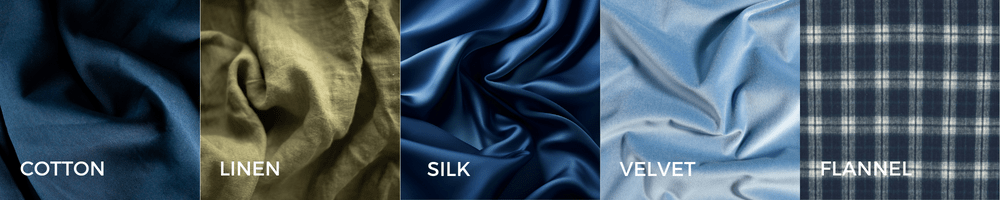
Every quilted story begins with a canvas, and the fabric is our medium in the quilting world. The choices are endless, from the soft feel of cotton to the textured touch of velvet! When crafting a narrative within a quilt, think beyond colors. Consider the textures—the smoothness of silk for a serene river, the roughness of tweed for rugged landscapes, or the cozy warmth of flannel for a comforting scene.

Below are some popular options we recommend:

Cotton: When working with cotton, we recommend pre-washing the fabric to eliminate any sizing or shrinkage and then ironing it to ensure a smooth surface before cutting. A sharp rotary cutter and a cutting mat facilitate precise cuts, as cotton is generally straightforward to manage. Maintaining the standard 1/4-inch seam allowance and pressing seams flat contributes to achieving neat blocks.

Consider using solid colors as backgrounds for appliqué or embroidery and prints that evoke specific imagery or emotions related to your stories.

Linen: Preparing linen for quilting necessitates pre-washing to accommodate potential shrinkage and wrinkles, with preference given to softened linen for easy handling. When cutting linen, caution should be exercised, employing sharp scissors to prevent fraying and handling it delicately to avoid stretching. Seam allowances remain consistent at 1/4 inch, though reinforcing may be required due to the linen’s looser weave.

With linen, you can cut shapes or pieces from linen fabric to create appliqué motifs representing characters, objects, or scenes from your stories or to add depth and dimension to your quilt.

Silk: Silk fabric requires meticulous attention to its care instructions, as it may demand special treatment, including testing for colorfastness and shrinkage before pre-washing. Fabric scissors are preferred when cutting silk, and stabilizers can mitigate shifting during the cutting process. Maintaining a 1/4-inch seam allowance and reinforcing seams where necessary is advisable to prevent fraying.

For Silk, choose fabrics in rich colors and patterns to serve as accent pieces within your quilt design. The lightweight and translucent qualities can also overlay images or create subtle transitions between storytelling elements, adding visual interest and complexity to your composition.

Velvet: Working with velvet involves gentle pre-washing to prevent crushing the pile and cutting from the wrong side using a rotary cutter to minimize distortion. Adjusting the seam allowance to approximately 3/8 inch accommodates the thickness of the velvet pile and contributes to smoother sewing.

Consider using velvet for central motifs or focal points to draw attention and create visual impact. Velvet’s plush texture allows for intricate details and subtle shading, enhancing your quilt’s realism and visual interest. You can also use velvet as a background fabric or an overlay to add depth and richness to your storytelling elements.

Flannel: For flannel, pre-washing is essential to remove lint and mitigate potential shrinkage. Care should be taken to avoid stretching when cutting flannel, and a sharp rotary cutter should be used to handle it gently. Consistent adherence to a 1/4-inch seam allowance and careful pressing to maintain fabric integrity yields favorable results in quilting with flannel.

Use flannel as a background fabric or borders for your storytelling quilt to provide a soft and cozy backdrop for your storytelling elements. Combine flannel with other fabrics, such as cotton or linen, to create contrast and texture in your quilt design.

Exploring JUKI’s Stitch Options

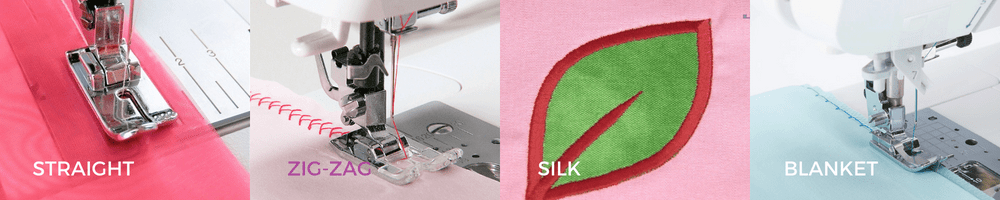
JUKI sewing machines offer a treasure trove of stitch options that can elevate your storytelling quilt to new heights! The possibilities are as vast as your imagination, from straight stitches to intricate embroidery designs. Below are 8 examples of stitches found across our machine series.

  1. Straight Stitch: The straight stitch is a fundamental option for piecing quilt blocks and creating clean, precise lines. Use it to construct the framework of your quilt and outline key elements of your story.
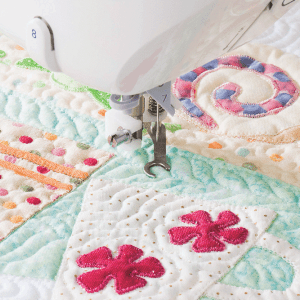
  2. Zigzag Stitch: The zigzag stitch is versatile and can be used for appliqué work to outline and secure fabric shapes onto your quilt top. It adds texture and dimension to storytelling elements like characters, objects, or scenes.
  3. Satin Stitch: The satin stitch provides a smooth and polished finish, making it ideal for appliqué and decorative stitching. Use it to fill in and highlight intricate details in your storytelling elements, such as lettering, motifs, or embellishments.
  4. Blanket Stitch: The blanket stitch is perfect for appliqué and adds a decorative border around fabric edges, resembling hand embroidery. It can frame storytelling elements and add a charming, handmade touch to your quilt.
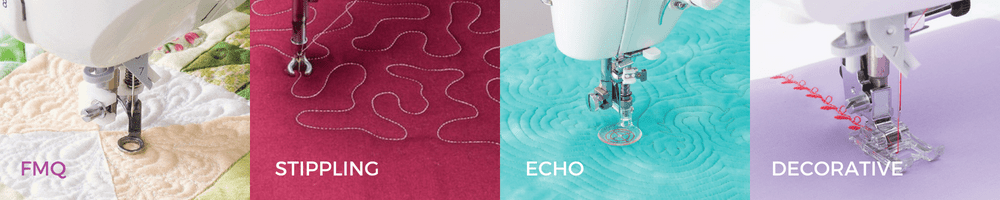
  5. Free-Motion Quilting: Explore free-motion quilting techniques to add texture and depth to your storytelling quilt. Stitch motifs, patterns, or scenes inspired by your stories, allowing your creativity to flow freely as you quilt.
  6. Stippling or Meandering Stitch: Stippling or meandering stitches create a quilted texture that can fill background areas and add dimension to your quilt. Use these stitches to evoke the mood or setting of your stories, such as swirling winds or rolling hills.
  7. Echo Quilting: Echo quilting involves stitching parallel lines around a central motif, creating concentric outlines that draw attention to storytelling elements. Use it to highlight characters, objects, or scenes within your quilt.
  8. Decorative Borders: Explore decorative border stitches, such as scallops, waves, or loops, to frame your storytelling quilt and tie together the theme. These stitches can add whimsy and charm to your quilt while enhancing its storytelling elements.

Selecting the Right Presser Feet

JUKI sewing machines come with various presser feet, each serving a unique purpose. The walking foot is a hero for quilting, ensuring even layers, and preventing fabric shifting. The free-motion quilting foot offers the freedom to doodle with stitches, letting your creativity soar as you quilt.

Experiment with different presser feet to achieve various effects. Use a piping foot to add a raised texture or a rolled hem foot for a delicate finish. With JUKI’s range of presser feet, your quilted story will have the precision and finesse it deserves.

Inspiration: The Spark Behind the Stitch

Behind every great quilt is an inspired quilter. Nature’s beauty, cherished memories, or even everyday encounters can inspire inspiration. A stroll through a forest might inspire a quilt depicting lush land, while a trip to the seaside could evoke scenes of crashing waves and sandy shores!

Look to art, literature, or personal experiences for inspiration. Let emotions guide your design. Perhaps it’s the story of a family reunion, a beloved pet, or a scenic adventure waiting to be quilted into existence. With JUKI sewing machines as your trusty companions, channel your inspiration into tangible tales through quilting.

In quilting, JUKI sewing machines stand as the faithful companions of storytellers. With their precision, versatility, and array of options, these machines empower quilters to weave narratives that transcend time.

So, dear quilters and aspiring storytellers, embrace the art of quilted storytelling! Dive into textures, explore stitch options, and let inspiration guide your hand as you craft tales with JUKI’s help. For in every stitch lies a fragment of a story waiting to be told, stitched together into a masterpiece of quilted wonderment.

Happy quilting, and may your stories be as rich as the fabrics you choose!

Personalize Your Spring Projects with JUKI

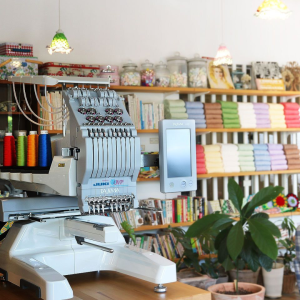
Discover the boundless possibilities of personalization with the RICOH Ri 100 direct-to-garment printer and the Tajima SAI embroidery machine! In this blog we’ll discuss how you can customize apparel and embellish accessories to show off your unique flair and individuality! With these powerful tools, get ready to elevate your sewing projects to new heights.

Designing with Tajima:

Imagine having access to a treasure trove of embroidery designs at your fingertips. Tajima’s software, Writer’s Plus, offers a diverse array of intricate patterns and motifs spanning various themes. The options are as vast as your imagination, from majestic animals to pretty flowers!

For animal lovers, the Tajima Program offers various designs featuring creatures big and small. You can find butterflies, dogs, and even wild animals like bears for your next project!

Space enthusiasts can explore the cosmos without leaving the comfort of their stitching corner. Galactic marvels like planets, stars, and more await, ready to adorn your creations with an otherworldly charm!

Rev up your sewing projects with designs inspired by the world of cars and racing. From fun family cars to exciting off-road vehicles, these designs add a dash of adrenaline to any fabric canvas.

The Tajima Software also offers a lineup of sports-themed patterns encompassing various athletic pursuits. Football, basketball, soccer, tennis – you name it. Elevate team jerseys, gym bags, or sports accessories with these spirited designs, just in time for Summer!

Step-by-Step Guide to Unleashing Tajima Magic

Now, let’s discuss the magic of the Tajima Software with a step-by-step guide on how to use these designs to create unique sewing projects.

Step 1: First, familiarize yourself with the Tajima embroidery software. Explore the design library, navigating through the various themes and motifs available. Please select your desired design and ensure it suits the dimensions of your project. You can find the size by checking the measurements of your Tajima Accessory, like your Magnetic Frame!

Step 2: Select a suitable fabric for your project, ensuring it complements the chosen design. Consider the thread colors that best enhance the design’s visual impact on the fabric. Before hooping your design, decide whether to fuse a lightweight tear-away. This can help with puckering on your designs!

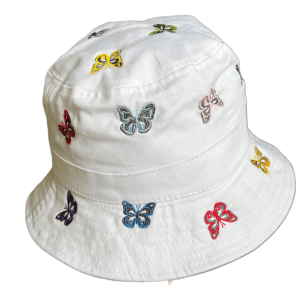
Hat embroidered on TAJIMA Sai by JUKI Team

Step 3: Proper hooping is crucial for achieving neat embroidery. Secure your fabric in the embroidery hoop, ensuring it’s taut and evenly stretched to avoid puckering.

Step 4: Transfer the selected Tajima Design to your USB and then to your embroidery machine. Double-check the design’s alignment and positioning on the fabric before commencing stitching.

Step 5: Prepare your machine for embroidery, ensuring the correct thread colors are loaded and the settings match the design’s requirements. Follow the instructions on the Tajima Panel and press start. Watch as the magic unfolds with each placed stitch!

Step 6: After the embroidery, carefully remove the fabric from the hoop. You can also choose to restitch your design for a more filled-in finish. Trim any excess threads and admire your masterpiece.

You can learn more about how to set up and create projects on the Tajima Sai here.

RICOH Designs:

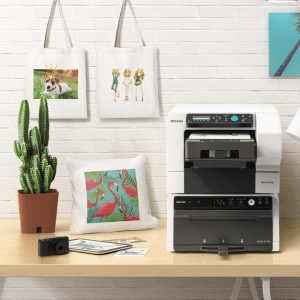
The standout feature of the RICOH Ri 100 is its ability to print directly onto the fabric, enabling users like you to produce unique textile designs tailored to your specific vision. Whether it’s a bold pattern, a subtle texture, or a full-color image, the DTG machine delivers stunning results in a wide range of colors!

The RICOH Ri 100 empowers you to add intricate designs to your sewing projects, whether intricate artwork, fun designs, or exciting typography. The RICOH ensures that every element is faithfully reproduced with precision and accuracy.

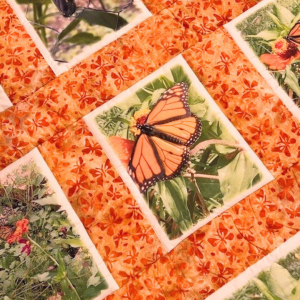
In addition to fabric designs, the RICOH Ri 100 can print vibrant photos directly onto garments, offering a unique way to personalize sewing projects. From family portraits to scenic landscapes, the DTG machine transforms ordinary fabrics into wearable works of art, adding a personal touch to every print!

Whether embellishing accessories, customizing home decor items, or adding branding to merchandise, the DTG machine offers limitless opportunities for personalization in sewing projects. The RICOH includes a variety of designs that are ready to go right when you set her up, and you can learn more about how to set up your designs here.

Step-by-Step Guide to Using Your RICOH

  1. Preparation:
    • Prepare your design file using the RICOH design software, and confirm the project specifications for size, resolution, and color mode.
  2. Fabric Preparation:
    • Choose the fabric or project you’ll be printing on and pre-press it! Ensure the fabric is clean, flat, and positioned securely on the RICOH’s tray.
  3. Loading the Design:
    • Connect your computer directly to the printer via a USB drive to load your design file onto the RICOH Ri 100. Then, use the software to adjust the design’s placement, size, and orientation as needed.
  4. Printing:
    • Once your design is loaded and properly positioned, use the start button to initiate the printing process. Printing takes approximately 2 minutes. Just load and unload your tray—it’s that easy!
  5. Finishing:
    • Once the printing is complete, remove the tray from the printer and transfer it to the RICOH finisher.
Quilt created by Kelly with RICOH Ri 100

Curing Temperature: The recommended curing temperature typically ranges from 320°F to 350°F (160°C to 177°C). This temperature range is just right for curing the ink and ensuring its adhesion to the fabric!

Curing Duration: As a general rule of thumb, curing durations typically range from 30 seconds to 3 minutes. However, keep in mind your project and design size.

After curing, allow the fabric to cool completely before handling.

Let Your Creativity Soar

The beauty of Tajima and RICOH lies not just in their capabilities but also in their ability to infuse your personality and charm into your sewing projects. Whether creating personalized gifts, embellishing garments, or adding flair to home decor, these designs serve as your creative accomplice!

So, embrace the Tajima and RICOH Ri 100, let your imagination run wild, and create your way to a world where fabric transforms into a canvas of boundless creativity. With every stitch or print, you’re not just crafting; you’re creating stories and memories and adding a touch of your unique essence into every project.

In the realm of projects, the only limit is your imagination, and with JUKI, TAJIMA Sai, and RICOH lighting the way, the possibilities are as vast as the cosmos itself. Let your projects tell a story that’s uniquely yours. Happy creating!

JUKI Tip: Creating a 1/4″ Seam Allowance on DX-2000QVP

In this tip we’re going to talk about how to get the perfect quarter-inch seam on the DX-2000QVP!

Starting off with the Regular Presser Foot, and stitch number three on your machine, this is the perfect quarter-inch seam from the edge of the presser foot. The reason why Kelly likes this combination is because it’s used using the full set of feed dogs and JUKI is a box feeding system so it’s not pushing or pulling your fabric through, it’s guiding it by a box feed which is a superior feeding system!

However, if you don’t want to go that route there is also the patchwork foot that comes with the DX-2000QVP and that will give you a perfect quick seam on the edge of the presser foot. You’ll see in the video, it is a snap-on presser foot and it can be used with stitch number one. That’ll put it in the center of the presser foot so you can get that perfect quarter inch!

Now, some Quilters like a guide so we also have the quarter-inch foot with the guide with the DX-2000QVP. We recommend using the straight stitch in the center needle position. Now when I snap that foot on you have a guide!

Thank you for joining us today to learn about getting that perfect quarter-inch seam on the DX-2000QVP! Subscribe to our channel to learn more quilting tips tricks and projects from JUKI.

Sewing Techniques for Spring

It’s that time of the year when chiffon, linen, and cotton reign supreme in the fashion world, offering a breath of fresh air to wardrobes everywhere! But mastering the art of sewing with these ethereal fabrics can be a bit like taming a butterfly—challenging yet incredibly rewarding. Let’s dive into the world of spring sewing techniques and explore how to work magic with these fabrics on our trusty JUKI machines.

Embracing Chiffon

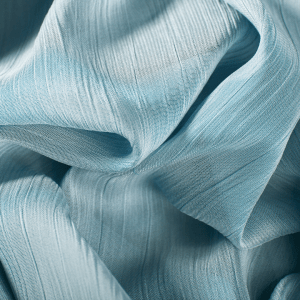
Chiffon is the epitome of elegance and lightness. Working with this sheer, floaty fabric might seem intimidating, but fear not! Please start by selecting a fine needle, preferably a size 9 or 11, to ensure it glides through the fabric without causing snags. Using a walking foot or a roller foot on your JUKI machine can also work wonders by preventing the fabric from shifting as you sew.

You can craft lightweight scarves in various colors and prints, finishing them with narrow rolled hems or decorative stitching for a personalized touch. Design flowy tops or blouses with chiffon fabric for a breezy and feminine look, incorporating details like ruffles or gathers. These projects embody the essence of spring with their lightness and grace. Below are popular techniques that Chiffon fabric can handle well.

  1. Staystitching: Before handling chiffon fabric, it’s crucial to stabilize its edges with staystitching. This prevents the fabric from stretching or distorting during construction, especially around curved or bias-cut seams.
  2. French Seams: French seams are excellent for chiffon as they encase raw edges within the seam, providing a clean finish without adding bulk. This technique helps prevent fraying and ensures a polished look, which is ideal for sheer fabrics like chiffon.
  3. Narrow Rolled Hems: Chiffon fabric lends itself well to narrow rolled hems, which create a delicate and elegant finish on edges without adding weight or bulk. This technique involves folding and stitching a small hem allowance twice to create a narrow rolled edge, perfect for chiffon’s lightweight nature.

Working with Linen

Linen, with its natural, breathable texture, is a springtime favorite. Sewing with linen on your JUKI machine can be a breeze with a few simple tricks. Start by prewashing and pressing the fabric to account for any shrinkage, and use a universal needle size 12 or 14 to handle the slightly heavier texture of linen.

Consider creating lightweight and breathable garments such as dresses or skirts, perfect for warm weather. Linen’s natural texture adds a touch of sophistication to home decor items like table runners or throw pillow covers. Additionally, you can fashion tote bags or accessories such as headbands or sun hats using linen fabric for a chic and understated look.

  1. Staystitching: Similar to chiffon, staystitching stabilizes the edges of linen fabric to prevent stretching or distortion, especially around curved or bias-cut seams.
  2. Understitching: Understitching is beneficial when sewing linens with facings or linings, helping to secure them and ensure they lie flat against the body. This technique benefits lightweight linens where topstitching may be too visible or bulky.
  3. French Seams: French seams work well with linen due to its natural texture and weight. They provide a clean finish by encasing raw edges within the seam, reducing fraying and ensuring durability without adding bulk.

Consider using a serger or finish seams with pinking shears to prevent fraying. A straight stitch or a medium-width zigzag stitch works well for sewing linen. And don’t forget about pressing—keep a trusty steam iron nearby to ensure crisp seams and a polished finish.

Cotton Comfort

Cotton, the quintessential spring fabric, offers versatility and comfort. Whether working with crisp cotton poplin or soft cotton voile, your JUKI machine can handle it like a pro. A universal needle in sizes 10 to 14 is your go-to for sewing cotton fabrics.

You can fashion vibrant and cheerful quilts or patchwork blankets, which are ideal for picnics or outdoor gatherings. Sew lightweight and breathable clothing pieces such as blouses, sundresses, or shorts, perfect for enjoying the warmer weather. Or create home decor projects, including curtains, tablecloths, or kitchen towels, adding a fresh touch to your living space. Following the techniques below, you can create with cotton seamlessly.

  1. Understitching: Utilize understitching to secure facings or linings in place, ensuring they lie flat against the body. This technique is particularly beneficial for lightweight cotton fabrics, where topstitching may be too visible or bulky.
  2. Basting: Temporary basting stitches hold fabric layers together before permanent stitching, aiding in precise seam alignment and preventing shifting during sewing. This technique is invaluable for lightweight cotton fabrics, ensuring accuracy and ease of construction.
  3. Clipping and Notching: Reduce bulk in seams and ease curved edges by carefully clipping and notching lightweight cotton fabric. This ensures smooth draping and prevents puckering or bunching, maintaining the garment’s natural flow.

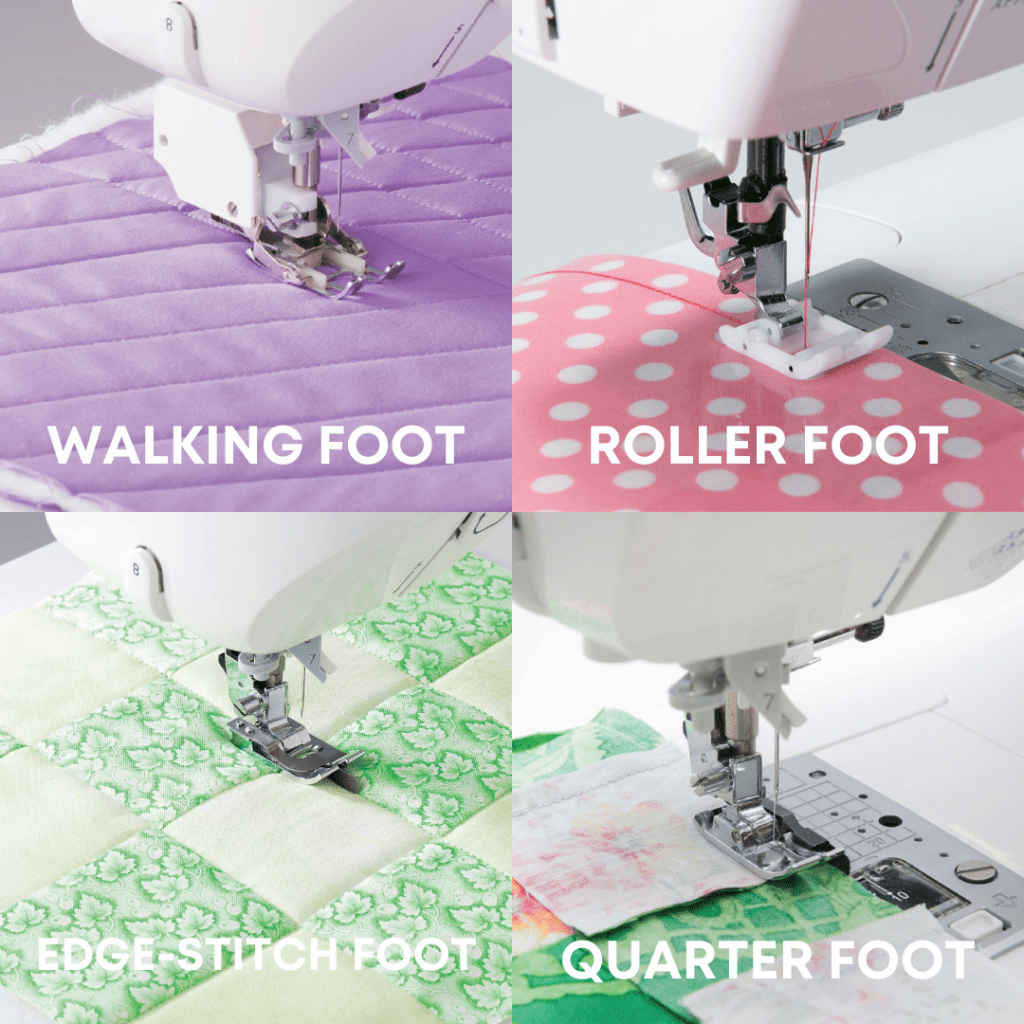
Experiment with different presser feet to enhance your sewing experience. For example, an edge-stitching foot can help achieve precise topstitching, while a quarter-inch foot is excellent for creating accurate seams in quilting-weight cotton. Use a smaller stitch length for more control and accuracy when sewing curves or delicate corners.

Must-Have Accessories

Your JUKI machine accessories can make a difference when working with these springtime fabrics. Consider investing in:

  • Walking Foot: Ideal for handling multiple layers of fabric or slippery materials like chiffon.
  • Roller Foot: Great for fabrics that tend to stick or drag, ensuring smoother sewing experiences.
  • Edge-Stitching Foot: Perfect for achieving neat, uniform topstitching on hems and edges.
  • Quarter-Inch Foot: Essential for precise quarter-inch seams, especially useful in quilting cotton.

Sewing with light and airy spring fabrics can be a delightful journey with the proper techniques and accessories at your fingertips. Remember, practice makes perfect, so don’t be disheartened if your first attempt doesn’t turn out as expected!

Embrace the nature of these fabrics, experiment with different stitches and presser feet, and most importantly, enjoy the process. With your JUKI machine as your trusty companion, you’re well-equipped to create stunning pieces that embody the essence of springtime elegance and comfort.

So, gear up your JUKI machine, grab your favorite spring fabrics, and let your creativity soar like a gentle spring breeze through the sewing world!