JUKI Small Business Seminar: Choosing Your Business Name

Choosing the right brand name can be the stepping stone to a successful business. A brand name that is memorable and catchy can give you an advantage when it’s time to market your business. When potential customers hear your brand name, you want them to remember you and think about your small business, setting you up for long-term success.

When you’re starting your business, we know how hectic it can be to think of a name on top of what you’re selling, who, and how. So follow along as we show you some tips and tricks to choosing your business name that will help you stand out from your competitors.

Best Shop Name Generators

Sometimes we need a little help or inspiration picking our company name. While it may feel like all the excellent store names have been taken, there are still many options out there!

Using a name generator is helpful for two reasons. First, it can help you come up with your business on the spot and create the perfect representation you need. Or two, it will give you ideas that you can later on work with and make your name. Below are some generators you can visit to help you create your business name.

How to choose the perfect shop name

As a small business having the correct name is crucial to your success in the e-commerce world. Having the right name can bring attention and new shoppers to your site and showcase your individuality to customers. Remember, choosing the right name will lead to success in branding and awareness on search engine sites. Below are some tips to keep in mind when choosing your name:

  • Creating a short and simple name is the right choice for a few reasons. For example, you’ll have less mispronunciation from customers, it will fit in your marketing campaigns, whether it’s physical business cards or social media posts, and it’s memorable.
  • Finding the right name can be challenging, especially with companies popping up daily. However, don’t let this discourage you! It’s a big world with many niches in the market and finding the right name for your business and niche only pushes you to be creative.

If you’re having trouble creating a name, follow the steps below.

  1. Keep it Short and Simple.

Combine different words that relate to your industry, and keep them short. Try to aim for words that rhyme or that alternate.

Tweak an existing word or create one of your own! Many companies like Skype and Häagen-Dazs began as gibberish and are now household names. Don’t be afraid to be different and have fun when creating.

Be personal. Create a company name that relates to you on a meaningful field like an old nickname, family pet name, or other nicknames that resonate with you. These quirky names can be the perfect title for your business and create that personal touch many customers love.

2. Dare to be Different

Research your competitors and see what popular names are out there in your industry or niche. Then, be different and avoid familiar rhymes, gimmicks, or phrases. This way, when it’s time for someone to look up a company in your niche, your individuality will show. Do the same when thinking of your slogan or mascot if you choose to have one, as each difference will help you stand out even more.

3. Is it Available?

Keep in mind to research your ideas before sticking to one. By heading to your favorite search engine and researching your company name ideas, you can see what companies out there might have the domain already attached to their business, pushing you to either tweak yours or choose another from your list. You want your domain to represent your brand and make an excellent first impression.

If you’re choosing to sell on an online shop platform like Amazon or Etsy, review what shop names are out there already. This will help you succeed by confirming that your name is not lost in the pool of shop hosts and also help you edit your shop name to avoid confusing future customers between your shop and others.

4. Finding your Inspiration

If you’re having trouble finding a name so far, think of themes that you can focus on for your business and work from there. Trends, nostalgia, fandoms, and even other languages can be inspiration when thinking of your shop name.

Think of what’s around you in day-to-day life that can be used as a catalyst for your creativity! Follow along with conversations, pay attention to your day-to-day sayings and jokes, your hobbies. All these things can give inspiration if you look close enough, helping you personalize your shop and create a name that represents your brand and yourself.

Why the Name Matters

Finding the right name for your brand goes beyond just putting a few words together. While this might seem like a difficult task at first, it can also be an enlightening and fun experience describing yourself and your company in a few or even one word. Put the time and effort into this as you would everything else in your shop, for a shop is only as strong as its name! Your name is how customers recognize you, so make sure it’s a name you are proud of. Remember that word of mouth is free, and you don’t want to miss out on that.

What advice would you give to those deciding on their company name? Let us know down below!

JUKI Spotlight: Designing with Kiana Bonollo!

In this month’s spotlight, we are introducing Kiana Bonollo! Fashion designer, YouTuber, and TikToker, Kiana has grown in popularity in the last couple of years due to her videos showcasing apparel projects and behind-the-scene how-tos for new sewists. Follow along today as we talk to Kiana about her journey in sewing and how she grew to the 400k audience she has now!

Photo Credit: Kiana Bonollo

From a young age, Kiana always had a curiosity for sewing. Her earliest memory was borrowing her mother’s sewing machine and altering her clothes while creating skirts from scratch! Later on, she would take her first sewing class, a week-long course on sewing basics, where she began with making pillowcases like so many of us do. Following her interest, she went on to take apparel classes in high school, finding she had a true talent for the hobby and diving into the journey. She began learning how to create patterns and learning complex skills she hadn’t tried before. College would be no different; continuing her studies in the fashion design industry, she has continued to grow her skills and talent, creating new patterns and projects for her audience and shop.

Using fashion as a form of expression, Kiana loved that fashion design allowed you to imagine anything you wanted and create it. Like so many of us, she struggled with inspiration in the past but finds that her favorite work to design are those pieces that she knows she will wear and show off in the real world! Focusing on projects that bring her happiness, her patterns range from loungewear to evening wear, a versatile selection that her followers love. 

When asked about how she chooses which patterns will be sold, “It’s really important to me that I take into consideration what my customers are suggesting and asking of me, so if a lot of my customers are asking for a prom dress- I’m going to make them a prom dress.”

Following her ideas and likes, she pulls from her customer’s suggestions and creates projects that align with their wants and her taste. It’s here that she’s been able to compromise on what’s highly requested and what she truly enjoys designing, creating that relationship with her customers, so many shops want to build.

Kiana describes her style as “edgy, but still tailored and chic.” However, finding it boring to stick to one aesthetic, she likes to dabble outside her comfort zone and enjoys mixing different design styles and aesthetics to create fun looks! With so many different style aesthetics and designs, she doesn’t let one style hold her in a box.

Photo Credit: Kiana Bonollo

With an audience of over 400k across platforms, it’s amazing to see what was accomplished in a couple of short years. Kiana’s page quickly gained popularity by opening her YouTube account in May 2020 due to her easy-to-follow and straightforward “how-to” videos and project compilations. When she first began her online page, she would put in 40 hours a week designing, editing, and creating, treating it as a full-time job. Feeling she needed to give herself a real chance, she dived into her work and focused on her dreams of working in social media and fashion design.

“I never imagined that my audience would grow to the size it currently is so fast, and I’m so grateful for everyone who has subscribed and liked my channel and followed me.”

For those out there who want to raise their following, Kiana advises finding your strengths and taking advantage of them! With so many talented artists and sewists in the world, it can be hard to distinguish yourself sometimes, but finding what you can offer that’s different or better from those out there will help you stand out. Kiana, for example, is known for her videos teaching sewist techniques and how to create different projects, focusing on her strengths of being a technical sewist and the joy she finds in educating others on her favorite hobby.

And a recommendation she has out there for those building their skills in sewing? Invest in a high-quality machine that you can also grow in too! Finding a sewing machine that can handle heavy-duty fabrics and stitches quickly and versatilely is perfect for those learning. They can upgrade their projects and skills without needing to upgrade their machine.

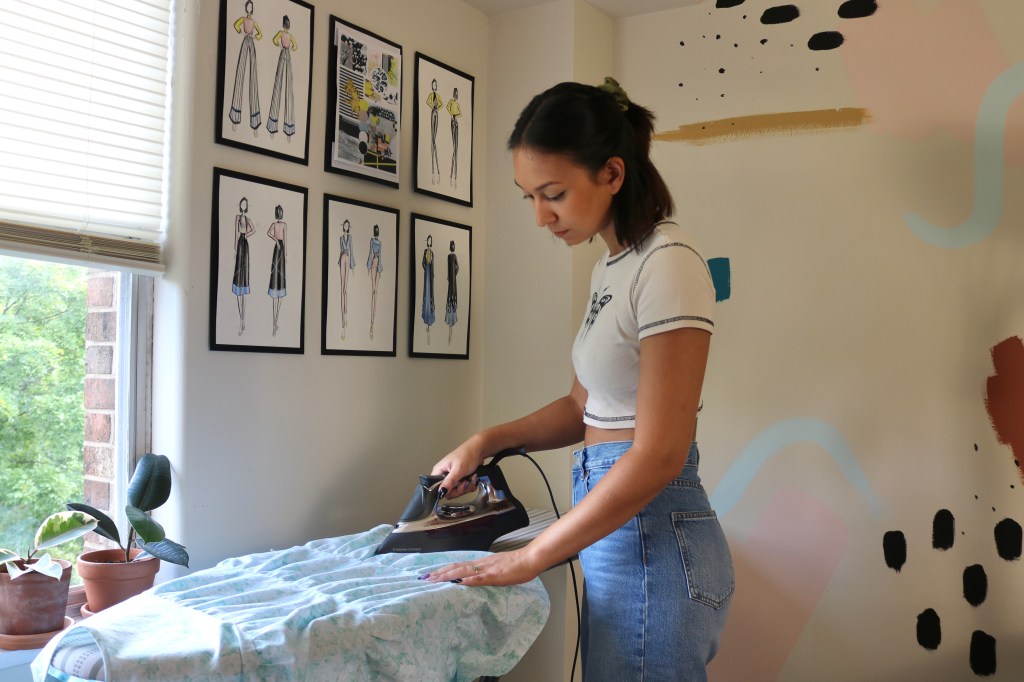
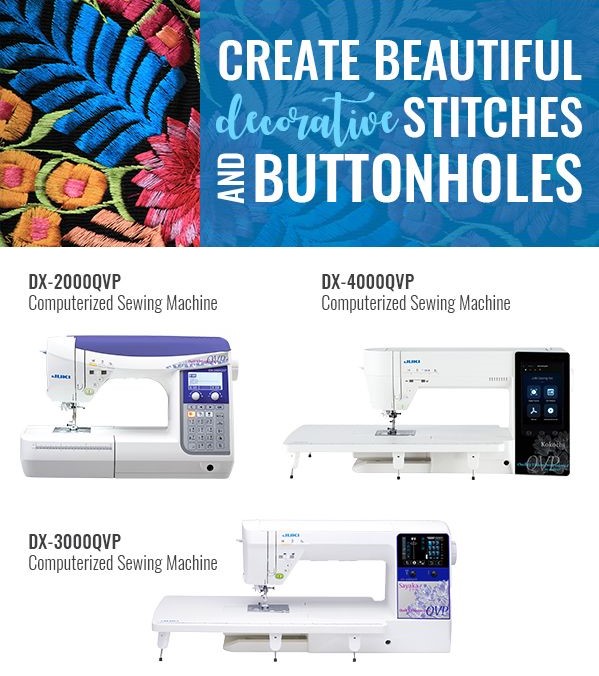
Kiana’s sewing table is always ready to work with her machines! Using the JUKI DX-2000QVP and a QVP serger, she’s prepared to create her silk gowns, cotton loungewear, and more. She loves recommending this machine to her followers who are serious about starting their journey. She states they’re great choices for intermediate and advanced sewers alike.

Photo Credit: Kiana Bonollo

Currently, her sewing table is being used for project requests and suggestions submitted by her followers. With the current pandemic closing shop for fashion shows in many cities, she’s been focusing on her customer base before planning to create another collection. Waiting for the world to feel a little safer, Kiana hopes to continue once fashion shows are back!

Besides her current wish for the runways to come back, Kiana hopes to launch a fashion design course one day and sell her fashion line. But for now, she’ll keep busy creating content for her followers and expanding her current business. We can’t wait to see what’s in store for Kiana and her fashion line!

To keep up with Kiana and her journey, click her profile below. And the next time you want to learn some fun fashion sewing tips, check out Kiana’s YouTube here!

Check out more from Kiana below!

Learn more about Kiana here!

Etsy Shop: Click here to visit!

Instagram: Click here to check out her latest projects!

Tiktok: Click here to see behind the scenes!

How to Start Your Quilting Business

Do friends and family members ask for you to make quilts for them? Is someone asking where you got that pillow that you quilted yourself? Sometimes, when we get good at our craft, we find people who want to buy our work. That’s when a business starts to grow, so where do you start?

Today we’re going to dive into how you can start your own at-home quilting business. Now, a quilting business doesn’t mean you have to create projects endlessly; in fact, there are possibilities in pattern creation, custom requested works, and more. In this post, we’ve pulled together some steps to make your own quilting business and how to start.

Create Your Business Plan

While a business can start with some scribbled plans in your notes app, creating a successful one without a real plan is much more challenging. Businesses, large and small, begin to see success when some serious planning and budgeting is put into play. A business plan is a roadmap you create for your company.

Business plans should include:

  • Description of your business
  • How do you plan to manage it
  • The products and services you plan to sell
  • Market and competitor research
  • Budget and finance plans
  • Marketing and advertising plans

All of these things can be completed by you, but if you decide to build your brand and go legal, look for a professional who focuses on small businesses. They can help you decide on a business structure that’s best for your plan and are more likely to have contacts that can help you in finance and marketing matters when you need it. Need help creating your plans? Keep up with JUKI Business Plus blog posts to help you start your business here.

Getting the Right Equipment

Now that you have your business idea in motion let’s start thinking about the equipment you’ll need for your small business.

The Machines

The best thing about quilting is it doesn’t require a specialty machine. There are two basic types of machine quilting that quilters can access on most sewing machines—straight line and free motion.

Straight-Line

This type is best accomplished by replacing a regular presser foot with a walking foot and even feed foot. A walking foot is a specialized pressure foot that grips the top of the quilt sandwich, advancing it through the machine at the same rate as the quilt’s back, which touches and is moved along by the sewing machine’s feed dogs.

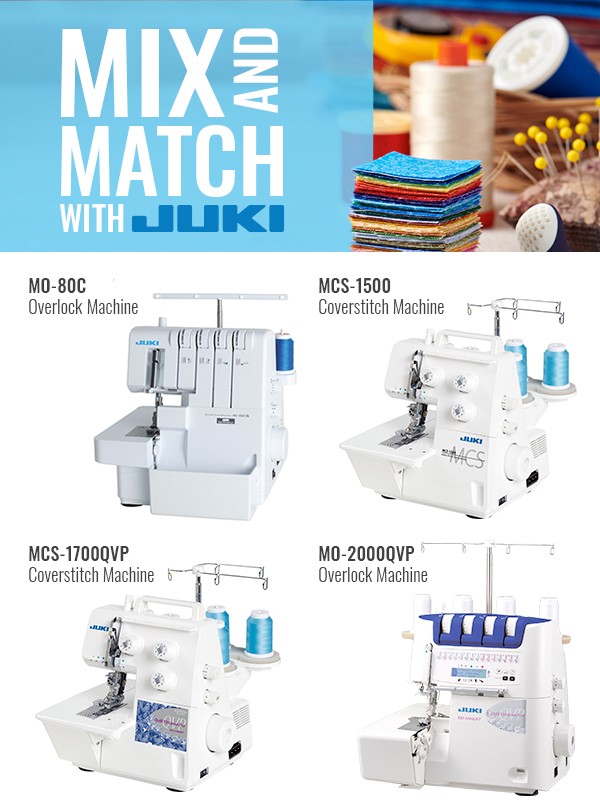
A machine like the TL-2010Q is perfect for basic straight stitches and piecing. However, a free motion quilting machine like the TL-18QVP or Miyabi J-350QVP is required for designs like curves and intricate patterns.

Free Motion Quilting

With free motion quilting, you’re able to create intricate designs as if you had hand-stitched them into the quilt. Learning FMQ takes time, but many resources are available that teach you to create unique designs.

For FMQ, the machine’s feed dogs are lowered, meaning nothing is in place under the quilt sandwich to guide it along. The quilter is in total control of the motion. Now your speed and how fast you run the sewing machine work together to determine stitch length. You have options on sewing feet like a darning foot or a special foot for machine quilting. Remember that special feet resemble a darning foot but have larger openings.

A machine like the Miyabi J-350QVP is perfect for free motion quilting since you have a large workspace and can use the machine bars to move and design intricate pieces.

What to Sell

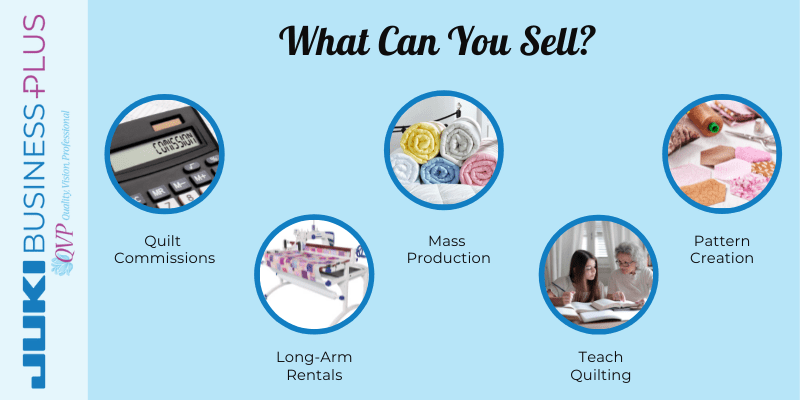
If you’ve thought about opening your quilting business, you probably already have some ideas set aside on what you would sell in your shop. However, there are so many ways to make money with your long-arm or sewing machine, so let’s review some options for what you can do with yours!

Quilts Commissions

Not everyone has the skills for quilting, and that’s where quilters like you come in to help! With so many quilt lovers in the world who don’t have the time and skills to create their ideas, you can offer services for making custom quilts. A venture like this is excellent because of revenue, as shoppers pay well for handcrafted personalized items.

Mass Production

Use that machine! Mass production doesn’t have to mean creating 100’s of quilts, but instead using simple designs and creating multiples of the quilt to sell in marketplaces or e-shops. Also, not every quilt has to be unique, as many homeowners enjoy simple pieces they can add to family rooms and bedrooms.

Patterns

Owning a quilting business doesn’t mean just selling quilts. Many quilters love to try their hand at creating new projects. Create patterns and upload their PDF files onto your site! By selling physical copies to your local quilt shop, you now have a product that people can continually purchase that doesn’t require you to quilt!

Long-Arm Rentals

Do you have a long arm at home? Many quilters work on domestic home machines, meaning they don’t have that large workspace long-arm quilters have. Offer long-arm rentals to local quilters for hourly rates, and enjoy that time to work on other projects. You can also offer your skills for rent and finish quilts for others on your long arm.

Teach Quilting

If you’ve been quilting for years, attended quilting classes yourself, and find yourself teaching friends and family, look into teaching! Contact your local quilt shop’s favorite sewing brands, or start your own social media channel. There are always new quilters in the world looking for instruction, and with technology, you can offer online and in-person education.

How and Where to Sell

Now that you have an idea of what services and products you can offer let’s discuss how you will reach your audience and sell to them. In our day and age, many small businesses begin on social media platforms or e-shops.

Social Media and Sales

The best way to reach your audience is through social media platforms. Easily accessible and free to use, sites like Facebook, Instagram, Tiktok, and more have opened up new sales channels for small businesses. One of the first things you should do when starting a side-hustle is set up a business or company page. Many customers now run to social media sites to see if your company is legit before ordering. In addition, these sites offer customers the opportunity to see what kind of products and services you offer, customer reviews, and so much more.

Social media sites now offer selling points for businesses as well. Facebook marketplace, for example, is perfect for selling home goods. Anyone can post an item for sale, and you can hit niche markets easily by discovering pages and groups for specific topics. Facebook marketplace does hold guidelines that sellers must abide by when selling, and can be found here. (link guidelines)

Instagram offers its version of an e-shop now as well. With Instagram shopping, you’re able to post products for sale directly onto your Instagram account. Think of this as a digital storefront for your shop. You can include graphics, videos, shopping tags, and more to drive sales. It also allows you to place full product descriptions, advertisements, and more. However, unlike Facebook, there is an approval process for selling on Instagram’s shop. To have a shop on Instagram, you need a business page, Instagram shop approval, and a small fee is applied.

Remember that you don’t need to invest money when selling on social media off the bat. Instead, you can focus on organically growing your business by word of mouth, using engaging posts, and attaching hashtags to your descriptions.

E-Shops

If you feel you’ve outgrown selling on social media sites and want to upgrade, the next step we recommend is researching e-shops. Now there are multiple options when it comes to opening an e-shop, so we gathered a few of the top ones below:

eBay: This eCommerce site has been a go-to for sellers since 1995. With the ability to sell any form of product and service, you can sell services like finishing quilts, or you sell your hand-made projects. Their fees include non-refundable product/service listings and fee charges if you’re placing your product in multiple categories for sale. The perks of this site revolve around its popularity. With eBay constantly having high traffic, your items can easily be accessed by customers all over the country.

Etsy: Artisan-focused and highly popular, Etsy is the perfect e-shop location for someone opening their small business. This site allows you to promote and sell your handcrafted products at low fees. Listing fees are $0.20 for each item and will last for four months. This site is great for upgrading their shops but isn’t ready to fully commit to a website.

Shopify: Shopify is an excellent option for those opening their first e-shop. With Shopify, you can create a website to sell your products and customize the site to your aesthetic. This is a significant step when building your credibility as an established business! Everything is now done on this site, from placing products and selling to handling inventory and processing payments. Shopify comes with a monthly fee from a Basic package of $29 to an Advanced package for $299.

In-Person Sales

If you’re someone who enjoys selling in person, research your local farmer’s markets and artisan fairs! You can purchase a shop space and sell to new customers you wouldn’t have reached online by communicating with these event planners. These events do require a larger budget and should be planned accordingly. Keep in mind the furniture you’ll need to showcase your products, how you’ll handle money, and other variables like food, inventory, and more. ‘

Get To Work

Now that you have a basic rundown of what you need to start your new side business, it’s time to sit down and plan! Circling back to the start of our planning, it’s time to create that business plan. Remember to include your product/service plan, marketing plan, budget plan, and finance plan. Starting a business plan is like building a roadmap. Follow the roadmap, and you’ll have a much higher chance of reaching your destination, a thriving business, than trying to jump into this with a few notes written down.

We hope this has been able to help you get a clearer vision for your future quilting business! So if you’re looking to start your own quilting business, join us here to learn more about JUKI Business plus and how we can help you today!

JUKI Small Business Seminar: How to Create a Budget and Calculate Profit

One of the most important things about starting a business is creating your budget and understanding your profit. While there will be challenges and unexpected turns in your journey as a business owner, you can avoid surprises and keep your business financially healthy by building a budget that fits your goals while keeping track of your spending.

Creating a sample budget can give you a general idea of what expectations to have for your business’s first few months or years. As your business grows, you’ll use this as a basis for your budgeting plans and create a more concise idea of your spending and expenses. We’re going to be giving a preview of what you should include in your budgeting plans for success in your company.

Expenses

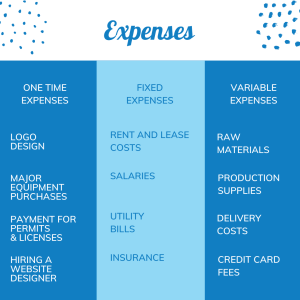
The best way to start is to focus on what you’ll be spending. Create a list of things your business will need, like materials, software programs, and staffing. Include items that will be involved in your day-to-day work, from office supplies to the thread on your machine if you’re creating an apparel shop. We recommend looking online and using your favorite search engine by researching examples of budgets in your industry. These can be layouts that will help you build your own. Let’s review the type of expenses your company can obtain.

One-Time Expenses

Think of these expenses as those big-ticket items that are more of an investment than a purchase. Your machine, for example, if you were to purchase a RICOH Ri 100, would count as a one-time expense. One-time expenses can also include laptops, office furniture, and services for your logo or website creation.

Fixed Expenses

These costs are to be expected each month in your budget planning. Think of what rent you pay, insurance, services, website hosting, and subscriptions. Keep in mind that fixed expenses vary little in price.

Variable Expenses

Here you’ll find those spending pieces that fall somewhere between a one time-expense and a fixed expense. They occur more than once but can vary in amount and payment dates. These expenses include materials you use to make your products, marketing costs, travel, accountant to file taxes, and credit payments.

Pricing

Finding the sweet spot in pricing your product is vital in your budgeting. Keeping certain factors in mind will assist you in creating a price that is true to your work but still allows your company to flourish and be profitable.

Cost of Goods

Think of what costs are going into your merchandise. For example, if you’re creating an apparel shop, keep track of spending for t-shirts, threads, ink, bobbins, and more. In addition, whatever supplies you’re using to develop your product should be added to the cost of goods.

Staffing

Do you have a team for your company? Are you paying yourself correctly? Include their fees or salaries into your cost of goods. Understanding that this involves yourself and keeping track of the hours and work you put into your own company will ensure that you’re pricing your products correctly to pay yourself back for labor. In addition, giving yourself a livable hourly wage will give you an idea of how your company is prospering and give you a nudge on when it can be time to bring others on board.

Packaging and Shipping

When you’re shipping your products to customers, your shipping can be seen as a view into your brand. When creating your packaging and how you want to present your products, factor in the costs for shipping materials, any goodies or filler placed inside, and marketing items like business cards or flyers.

Shipping is a crucial point to being on top of your industry. Failing to estimate costs correctly can throw off your budgeting and disrupt your cash flow. Focus on standard shipping prices for your products (size, weight, location, and speed.) One of the best ways to plan your shipping cost is by visiting your local post office for assistance on rates.

Remember to keep in mind how you plan to ship and the timing. While many customers expect next-day shipping, small shops shipping every day can be more costly than planned large shipments.

Online shoppers will expect shipping charges, but try to keep this reasonable. One of the top reasons many will leave their cart unpurchased from an online shop is exponential charges in the shipping cost.

Processing Fees and Credit Card Sales

Selling online means customers will pay through cash services, like debit or PayPal, while others will use their credit cards. When setting up your shop, note the processing fees that follow credit card usage. You will likely be paying a fixed processing fee per transaction and an additional fee of around 3% of the order price. However, this can vary depending on what processing service you use for your shop. For example, processing fees are higher when selling internationally, resulting in higher costs.

Damages and Returns

While we never hope our packages get damaged, it’s best to be prepared. Set aside a budget that can be used for emergency products that may have been damaged on the way to a customer. Research your product and see what’s standard for profit loss with damaged returns on your product type. Keep in mind the re-shipping cost that will follow as well. It’s essential to focus on your shipping methods for this reason and find the best way to ship your products if they’re at a higher chance of being damaged, like glass items.

When it comes to returns, you do have the option as a shop owner not to accept them. Shops that are focused on artisan sales, for example, might choose to be final sale shops. However, if you do choose to accept returns, keep these options in mind:

  • A separate charge for a “restocking fee” to recoup some of the loss.
  • If you feel you get returns often, which e-commerce sites are more likely to receive than in-person shops, you can raise your prices slightly to account for losses from those returns.
  • You can also leave your prices the same and trust this policy will allow more sales to generate due to those finding comfort in the option to return an item.

Projecting Revenue

When it comes to projecting your sales, you’re working on educated guesses from research or experience if you’re upgrading from what was once a side gig. Whether you’re going off based on your initial sales data from the side gig or starting from scratch, seeing the numbers can give you a better idea of what products to focus on and when to expect higher or lower sales rates.

For those who find themselves with no data to start with, we recommend reaching out to those in the industry you’re entering that you may know or contacting your accountant who might have contact with those in the business. Starting your own company is based on constant research and finding the right people to work with you and get you where you need to be.

How to Calculate Your Profit

First Step: to calculate profit, take your total revenue and subtract the cost of goods sold. The difference is your gross profit.

  • Revenue – Cost of Goods Sold = Gross Profit

For example, if you sold $10,000 in printed canvas tote bags and the bags themselves cost you $3,000 wholesale, your gross profit would be $7,000.

  • Revenue: $10,000
  • Cost of Goods Sold -$3,000
  • Gross Profit: $7,000

There are other expenses beyond buying the t-shirts, like the cost for your e-commerce website and your ads running on Google. These expenses are called operating expenses, which are subtracted from your gross profit.

Operating expenses include most costs that don’t directly connect to what you sell—things like rent, equipment, payroll, and marketing.

Second Step: subtract those operating expenses from gross profit. The difference is net profit.

  • Gross Profit – Operating Expenses = Net Profit

For example, following off where we left off above:

  • Revenue: $10,000
  • Cost of Goods Sold: -$3,000
  • Gross profit: $7,000
  • Operating Expenses: -$1,000
  • Net profit: $6,000

Now, if your net profit totals as a positive number, you’ve made money. If it’s a negative number, you’ve lost money. By following along with your profit calculator, you can start to see what costs might need to be reviewed and plan if you need to change your prices or other costs like shipping.

Other Expenses

While we’ve gone over the basis for most companies, your costs will be dependent on your company. Some fees to keep in mind when creating your budget are debt repayment, Equipment payments, Taxes, and money received.

Debt repayment and Equipment payment are contingent on your company and what debt you’ve entered. This can be from payment plans on machinery to owning a storefront and mortgage. Keep these things in mind when creating your expenses budget.

All companies have to pay taxes at the end of the year. So make sure to factor this in when creating your budgets so that you’re able to cover your tax payments come the season.

Money received is meant to focus on what cash payments you’ve attained. So while on paper, your sales can show $100,000, unless you’ve fully received these payments from customers, you’ll have a hard time paying your expenses when the time comes. Also, be aware that if you hold inventory for your shop, all those products have value and get included on your income statement.

Be Prepared

Whether your company is just beginning, or you’re transcending to a higher level and want to upgrade your company, creating your budget is the first stepping stone to success. You can have the best product and equipment, but you can find yourself in dire financial health if you don’t prepare your finances correctly.

Knowing how to manage and track your budgets, spending, and earnings can help you create a strong base for your business. The more you learn to control your money, the better success you’ll see in the long run!