
Quilting is an art form that has captured the hearts of people for centuries! Whether you’re a seasoned quilter or just starting out on your journey, choosing the right quilting design is one of the most common decisions you’ll make. The selected designs will elevate your quilt and add texture, depth, and visual interest. In this blog post, we’ll explore the various quilting design options available, including traditional, modern, and contemporary styles. We’ll also offer tips on matching quilting designs to quilt patterns and fabric choices for visually appealing results.
Traditional Quilting
Traditional quilting has a rich history deeply rooted in the heritage of various cultures. It is characterized by meticulous handcraftsmanship and a focus on preserving classic motifs and techniques passed down through generations. One hallmark of traditional quilting is intricate geometric patterns, often inspired by nature or everyday life. Popular designs include the Log Cabin, Flying Geese, and Nine Patch patterns, which are meticulously pieced together to create visually stunning and symmetrical quilts. Traditional quilting emphasizes the art of storytelling, as each quilt may carry its unique narrative, capturing the essence of the quilter’s life, experiences, and cultural background.
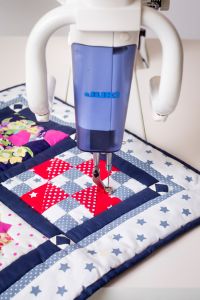
In traditional quilting, the stitch design plays a pivotal role in enhancing the overall beauty and texture of the quilt. Examples of traditional stitch designs include the timeless hand quilting method, where skilled artisans create delicate, uniform stitches using a needle and thread. This technique not only reinforces the layers of the quilt but also adds a touch of elegance and depth to the finished piece. Another standard stitch design is the classic cross-hatch pattern, achieved through machine quilting, which imparts a sense of structure and sophistication to the quilt’s surface. Traditional quilting stitch designs are often kept simple and complementary to the overall quilt pattern, celebrating the craftsmanship and patience invested in every stitch.
Colors are an essential element of traditional quilting, with a preference for a warm and earthy palette. Traditional quilts frequently showcase a harmonious blend of muted tones and natural hues reminiscent of the colors found in the countryside or the quilter’s immediate surroundings. Soft yellows, warm reds, gentle blues, and earthy greens are common choices, evoking a sense of comfort and nostalgia. While solid colors are prevalent, traditional quilts may also feature small-scale, repetitive prints or calico fabrics, adding subtle textures and visual interest to the overall design. The colors are carefully selected to create a sense of unity and balance within the quilt, emphasizing this quilting style’s timeless and enduring nature.
Regarding fabric options, traditional quilting celebrates using natural fibers like cotton and wool. Cotton is especially favored for its softness, breathability, and ease of manipulation during quilting. The selection of fabric is crucial to achieving the desired visual effect, and quilters often opt for high-quality cotton fabrics with a tight weave to ensure durability and longevity. Batik fabrics, which undergo a unique dyeing process, are also cherished for their intricate patterns and vibrant colors that add depth to the quilt’s design. In traditional quilting, the fabric serves as a canvas for the quilter’s creativity, ensuring that each quilt becomes a unique and cherished work of art, handed down through generations as a testament to the beauty of this timeless craft.
Modern Quilting
Modern quilting emerged as a refreshing departure from traditional norms, embracing modern style and innovative techniques. This style encourages quilters to explore new possibilities, break free from rigid patterns, and experiment with asymmetry and improvisation! Modern quilts often feature bold geometric shapes, minimalistic designs, and negative space, allowing the quilter’s creativity to shine through. The emphasis is on clean lines, open spaces, and creative quilting, giving the finished piece a modern and dynamic look. Unlike traditional quilting, which often focuses on symmetry, modern quilts celebrate asymmetry and intentional irregularity, giving the quilter greater artistic freedom to express their unique vision.

In modern quilting, the stitch design serves as a means of artistic expression, going beyond mere utility to become an integral part of the quilt’s design. Examples of modern stitch designs include free-motion quilting, ranging from geometric shapes to organic motifs like swirls and pebbles. Quilters may also experiment with unconventional stitch lengths and thread colors, adding texture and dimension to the quilt. Additionally, matchstick quilting, with its dense rows of parallel stitching, is another popular modern stitch design, creating a contemporary and linear effect that complements the overall aesthetic of modern quilts.
Modern quilts embrace a vibrant and eclectic color palette, often featuring bold, contrasting colors that make a statement. Bright and saturated hues, including vivid oranges, electric blues, vibrant yellows, and striking magentas, are favored. Quilters may also use high-contrast color combinations to emphasize their designs’ geometric shapes and negative space. In contrast to traditional quilting, where colors tend to be more subdued and earthy, modern quilts exude energy and a sense of playfulness. Furthermore, modern quilters often mix and match fabrics from different collections or experiment with solid-colored fabrics to create striking visual contrasts and enhance the contemporary aesthetic.
Regarding fabric options in modern quilting, quilters have many options to explore. While cotton remains a popular choice due to its versatility and availability, modern quilts may also incorporate fabrics with unique textures and contemporary prints, like linen, silk, or even metallic fabrics! Modern quilting also celebrates using unconventional materials like denim, wool, or even repurposed fabrics to unleash your creativity! The fabric options in modern quilting are limitless, encouraging quilters to think outside the box and push the boundaries of traditional quilt-making, resulting in captivating and exciting works of art that reflect the spirit of modern design.
Contemporary Quilting
Contemporary quilting represents a fusion of traditional techniques with modern touches. Embracing artistic expression, storytelling, and experimentation, contemporary quilts often feature a mix of traditional piecing and appliqué methods combined with innovative design concepts, such as imagery, photo transfers, or digital printing! Quilters in this style are not bound to strict rules or patterns, allowing them to incorporate various elements, fabrics, and materials. Contemporary quilts often showcase a sense of eclecticism, pushing the boundaries of traditional quilting while still preserving the essence of the art. The emphasis is on individuality, creativity, and the integration of personal stories, making each quilt a unique and expressive work of art.
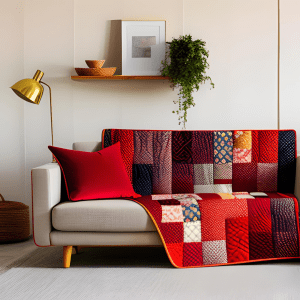
In contemporary quilting, stitch design is key in enhancing the quilt’s impact! Quilters often explore a wide variety of stitch techniques, combining machine quilting with embroidery and embellishments. Contemporary stitch design examples include thread painting, where quilters use different colored threads to create detailed images and textures on the quilt’s surface. Additionally, modern quilting may incorporate dense and elaborate quilting patterns to add intricate layers of dimension and depth to the overall design. Quilters may experiment with unconventional stitch shapes, combining straight lines with organic curves, resulting in captivating juxtapositions that elevate the visual appeal of the quilt. The stitchwork in contemporary quilts is a functional element that holds the layers together and is an integral part of the quilt’s artistic expression.
Colors for contemporary quilts are diverse and often reflect the quilter’s personal style and artistic vision. While some contemporary quilts embrace bold and vibrant colors similar to modern quilting, others may take a more muted and monochromatic approach, evoking a sense of sophistication and elegance. Quilters in this style may draw inspiration from various sources, including nature, urban landscapes, or abstract art, allowing their color choices to convey emotion and mood. Contemporary quilts may incorporate unexpected color combinations or elements of minimalism with predominantly neutral palettes, focusing on the interplay of texture and stitchwork instead. The freedom to explore an extensive range of colors allows contemporary quilters to create visually striking quilts that defy expectations.
Regarding fabric options in contemporary quilting, the sky’s the limit! Quilters in this style often go beyond traditional quilting cotton and explore various options. Use hand-dyed fabrics, silk, and velvet, or even incorporate recycled materials, like repurposed clothing or vintage textiles, adding layers of history and uniqueness to their quilts. Additionally, contemporary quilters may use digitally printed fabrics to incorporate unique designs, family photos, and more.
Matching Quilting Designs to Quilt Patterns and Fabrics
To ensure visually appealing results, it’s crucial to consider the quilt pattern and fabric choices when selecting a quilting design. Here are a few tips to keep in mind:
Consider the Quilt Pattern: The quilt pattern can guide suitable quilting designs. For example, a quilt with intricate block patterns may benefit from simpler quilting designs to avoid overwhelming the overall design. Conversely, a quilt with a more minimalist pattern might lend itself well to elaborate quilting designs for added interest.
Enhance Fabric Characteristics: Consider the characteristics of the fabric you’re using. Solid fabrics can showcase intricate quilting designs, while busy or highly patterned fabrics might benefit from more straightforward quilting to avoid competing with the fabric’s design. Consider how the chosen quilting design will interact with the fabric’s texture, color, and pattern.
Test Before Committing: Before quilting the entire quilt, we recommend creating a small test piece using the same fabric and design to see how they interact. This allows you to assess the overall effect and make necessary adjustments before proceeding with the whole quilt.
Choosing the right quilting design is an exciting part of the process that allows you to infuse your personal style and creativity into your quilt. By exploring different quilting styles, such as traditional, modern, and contemporary, and considering various techniques like free-motion quilting, straight-line quilting, or hand quilting, you can create quilts that are not only visually appealing but also reflect your artistic vision. Remember to match the quilting design to the quilt pattern and fabric choices to achieve a harmonious and well-balanced result. So, embrace your creativity, experiment, and enjoy the journey of selecting the perfect quilting design for your next quilt!
 sewinwithjuki.com