Home decor is more than just furniture and paint; it’s about creating your space with personality and style. Enter JUKI sewing machines, your ultimate companion in creating fun and stylish home accents that elevate your interior design game. Whether you’re creating new décor for your kitchen space or living room, we’ve made sure to have the right accessories for your projects. Let’s explore five trendy projects and how JUKI can help turn your vision into reality!
Seat Covers: Comfort Meets Chic
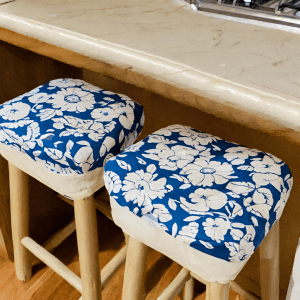
Seat covers instantly refresh chairs, sofas, or stools. Use durable fabrics like cotton canvas or upholstery-weight linen! With the amount of use these fabrics are expected to get, you want something sturdy. Select heavy-duty threads suitable for upholstery or heavy fabrics, like polyester or nylon.
Our cording and embroidery presser foot can help guide and attach decorative cords or piping to your seat covers. Ensure the foot is compatible with your JUKI sewing machine model, and experiment with different cord sizes to achieve the desired decorative effect. This is perfect for adding a decorative touch to the family room and bedroom seat covers! Have fun adding a touch of color in piping that is different from your seat cover fabric selection to bring a touch of flair to your project!
Measure your seats precisely and plan the cover dimensions accordingly. Take time to cut and prepare the fabric pieces before sewing. Additionally, plan the placement of the cord and the seams to ensure a clean and professional finish. We also recommend pre-washing your fabric in case of any shrinkage when it’s time for a wash.
Door Banners: Feeling Welcomed
Customized door banners add a touch of warmth to any entryway! Consider using heavyweight cotton or outdoor fabric to withstand varying climates, and scout the shops for durable and colorful fabrics suitable for outdoor weather.

Utilize JUKI’s embroidery foot for intricate designs or appliqué work, allowing you to personalize banners with monograms, seasonal motifs, or welcoming messages. We also recommend using appropriate stabilizers to support the fabric during embroidery. Consider using a hoop or cut-away stabilizer to prevent puckering and ensure the fabric remains stable while stitching.
Remember to practice on scrap fabric to test your designs and techniques before embroidering the door banner. Take your time, enjoy the creative process, and let your JUKI sewing machine, coupled with the embroidery foot, bring your door banner to life with intricate and delightful stitches!
You can also personalize your banners with photos and hand-drawn designs using JUKI RICOH Ri 100. Check out JUKI’s project here to create your banner alongside our JUKI Trainer Kelly!
Kitchen Mats: Functional & Fashionable
Kitchen mats not only protect floors but also inject style into culinary spaces. Check out durable and easy-to-clean fabrics suitable for kitchen use the next time you visit your local shop! Using heavy-duty cotton, canvas, or even denim for the mat’s base is excellent for easy cleaning.
Plan a fun and functional design for this project for your kitchen mat! Experiment with geometric shapes, abstract patterns, or even playful food-related motifs.
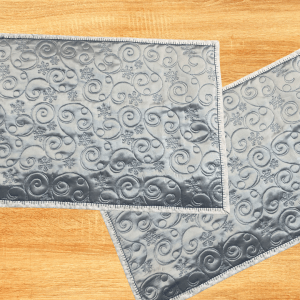
You can also experiment with applique and our open-toe presser foot. This foot is your secret weapon for nailing those fancy designs on your kitchen mats. It gives you a clear view, and the groove ensures the presser foot doesn’t catch on the stitching. Adding applique designs is a fun way of adding texture to your designs!
You can also take advantage of your JUKI sewing machine’s various decorative stitches! Try out different stitch patterns, such as scallops, waves, or leaves, to add fun visuals and embellishments to the mats. The possibilities are endless for kitchen mat designs, so have fun experimenting and working on your skills! Design for the season, holiday, occasion, or your home aesthetic.
Check out JUKI’s project here to learn how to create your own kitchen mat set with our JUKI National Account Trainer Alba!
Baskets: Organizational Charm
If there’s one thing we can never have enough of as crafters, it’s baskets! For something like this, you want to use sturdy fabrics like canvas, denim, or upholstery fabrics for durability. Play with different colors, patterns, or textures to add visual interest to your baskets. You can even dive into your scrap bin for exciting looks! But remember, these types of projects get heavy use, so we want to ensure they can withstand the use!

To build some structure, check out interfacing or stabilizers. This will help the basket hold its shape and prevent it from flopping. You can also create baskets in various sizes and shapes. Small baskets are used for organizing notions, for example, or larger ones for storing blankets or towels.
In this project, you’ll also aim for an excellent shape; using a presser foot with a guide to maintain consistent seam allowance is a great way to do that! This helps in sewing straight and even seams along the edges of the basket, ensuring a nice quality finish. You can also use the guide on your presser foot for precise topstitching around the edges of the basket. This adds a professional touch and reinforces the seams, essential with baskets you expect to fill up!
Find a free pattern on our JUKI project site to make your basket here. It’s a great way to start organizing your fabric and scraps!
Wine Glass Coasters: Stylish Protection
Elevate your entertaining game with custom coasters for wine glasses! Choose fun and absorbent fabrics suitable for coasters, like cotton or linen blends. Consider using colorful or patterned fabrics that complement your table decor or add a festive touch. We also recommend pre-washing and ironing the fabric before cutting; you never know when these will need to be washed, and this will keep from shrinkage in your finished projects! Use a rotary cutter and ruler to cut your shapes for the desired size; this will help keep them looking uniform if you create a set.

If you add any designs, the open-toe presser foot allows for better visibility while sewing intricate or detailed ideas. Utilize this visibility to create decorative stitches or free-motion embroidery on the coasters. You can also experiment with various decorative stitches your JUKI machine offers! Try out different stitch lengths, widths, or patterns to add unique details and visual interest to your coasters. Or consider adding personalized touches to the coasters. Embroider initials, names, or fun quotes using the open-toe presser foot to guide your stitching accurately.
With your JUKI sewing machine and the right presser foot, you can create charming and personalized wine glass coasters that add a touch of flair to your entertaining or gifting experiences.
When diving into these projects, having the correct presser foot can be a lifesaver! JUKI offers an array of presser feet that cater to different needs, and all feet mentioned above can be found in our Creative Set Kit. For these projects, the correct presser foot can be your trusty companion, allowing for the seamless execution of various design dreams.
With JUKI’s precision and versatility, your stylish home decor projects are bound to become conversation starters, adding a touch of personality and charm to every corner of your home! So, grab your fabrics, fire up your JUKI, and let your creativity soar!
 sewinwithjuki.com