In this blog, we will talk about storytelling through the intricate art of quilting with the aid of JUKI sewing machines! Gather around as we unravel the threads of creativity, explore stitch options on your machines, and delve into the magic of quilted storytelling with JUKI by your side.
Choosing the Right Textures and Fabrics
Every quilted story begins with a canvas, and the fabric is our medium in the quilting world. The choices are endless, from the soft feel of cotton to the textured touch of velvet! When crafting a narrative within a quilt, think beyond colors. Consider the textures—the smoothness of silk for a serene river, the roughness of tweed for rugged landscapes, or the cozy warmth of flannel for a comforting scene.
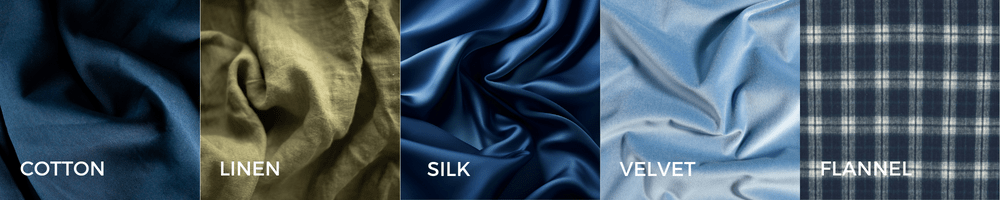
Below are some popular options we recommend:
Cotton: When working with cotton, we recommend pre-washing the fabric to eliminate any sizing or shrinkage and then ironing it to ensure a smooth surface before cutting. A sharp rotary cutter and a cutting mat facilitate precise cuts, as cotton is generally straightforward to manage. Maintaining the standard 1/4-inch seam allowance and pressing seams flat contributes to achieving neat blocks.
Consider using solid colors as backgrounds for appliqué or embroidery and prints that evoke specific imagery or emotions related to your stories.
Linen: Preparing linen for quilting necessitates pre-washing to accommodate potential shrinkage and wrinkles, with preference given to softened linen for easy handling. When cutting linen, caution should be exercised, employing sharp scissors to prevent fraying and handling it delicately to avoid stretching. Seam allowances remain consistent at 1/4 inch, though reinforcing may be required due to the linen’s looser weave.
With linen, you can cut shapes or pieces from linen fabric to create appliqué motifs representing characters, objects, or scenes from your stories or to add depth and dimension to your quilt.
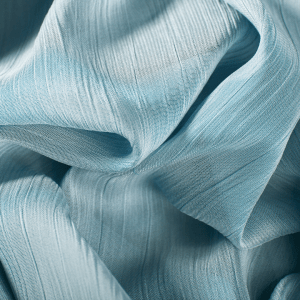
Silk: Silk fabric requires meticulous attention to its care instructions, as it may demand special treatment, including testing for colorfastness and shrinkage before pre-washing. Fabric scissors are preferred when cutting silk, and stabilizers can mitigate shifting during the cutting process. Maintaining a 1/4-inch seam allowance and reinforcing seams where necessary is advisable to prevent fraying.
For Silk, choose fabrics in rich colors and patterns to serve as accent pieces within your quilt design. The lightweight and translucent qualities can also overlay images or create subtle transitions between storytelling elements, adding visual interest and complexity to your composition.
Velvet: Working with velvet involves gentle pre-washing to prevent crushing the pile and cutting from the wrong side using a rotary cutter to minimize distortion. Adjusting the seam allowance to approximately 3/8 inch accommodates the thickness of the velvet pile and contributes to smoother sewing.
Consider using velvet for central motifs or focal points to draw attention and create visual impact. Velvet’s plush texture allows for intricate details and subtle shading, enhancing your quilt’s realism and visual interest. You can also use velvet as a background fabric or an overlay to add depth and richness to your storytelling elements.
Flannel: For flannel, pre-washing is essential to remove lint and mitigate potential shrinkage. Care should be taken to avoid stretching when cutting flannel, and a sharp rotary cutter should be used to handle it gently. Consistent adherence to a 1/4-inch seam allowance and careful pressing to maintain fabric integrity yields favorable results in quilting with flannel.
Use flannel as a background fabric or borders for your storytelling quilt to provide a soft and cozy backdrop for your storytelling elements. Combine flannel with other fabrics, such as cotton or linen, to create contrast and texture in your quilt design.
Exploring JUKI’s Stitch Options
JUKI sewing machines offer a treasure trove of stitch options that can elevate your storytelling quilt to new heights! The possibilities are as vast as your imagination, from straight stitches to intricate embroidery designs. Below are 8 examples of stitches found across our machine series.
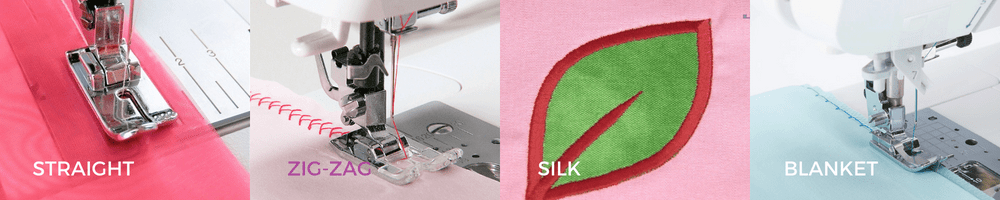
- Straight Stitch: The straight stitch is a fundamental option for piecing quilt blocks and creating clean, precise lines. Use it to construct the framework of your quilt and outline key elements of your story.
- Zigzag Stitch: The zigzag stitch is versatile and can be used for appliqué work to outline and secure fabric shapes onto your quilt top. It adds texture and dimension to storytelling elements like characters, objects, or scenes.
- Satin Stitch: The satin stitch provides a smooth and polished finish, making it ideal for appliqué and decorative stitching. Use it to fill in and highlight intricate details in your storytelling elements, such as lettering, motifs, or embellishments.
- Blanket Stitch: The blanket stitch is perfect for appliqué and adds a decorative border around fabric edges, resembling hand embroidery. It can frame storytelling elements and add a charming, handmade touch to your quilt.
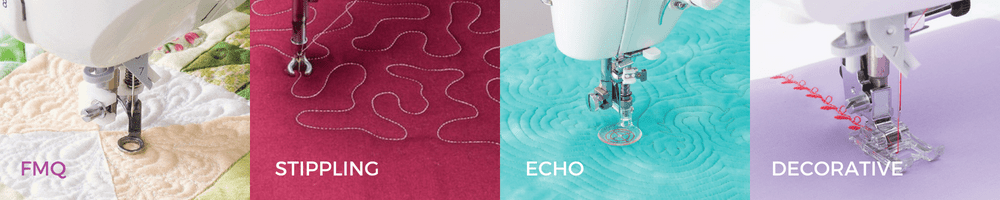
- Free-Motion Quilting: Explore free-motion quilting techniques to add texture and depth to your storytelling quilt. Stitch motifs, patterns, or scenes inspired by your stories, allowing your creativity to flow freely as you quilt.
- Stippling or Meandering Stitch: Stippling or meandering stitches create a quilted texture that can fill background areas and add dimension to your quilt. Use these stitches to evoke the mood or setting of your stories, such as swirling winds or rolling hills.
- Echo Quilting: Echo quilting involves stitching parallel lines around a central motif, creating concentric outlines that draw attention to storytelling elements. Use it to highlight characters, objects, or scenes within your quilt.
- Decorative Borders: Explore decorative border stitches, such as scallops, waves, or loops, to frame your storytelling quilt and tie together the theme. These stitches can add whimsy and charm to your quilt while enhancing its storytelling elements.
Selecting the Right Presser Feet
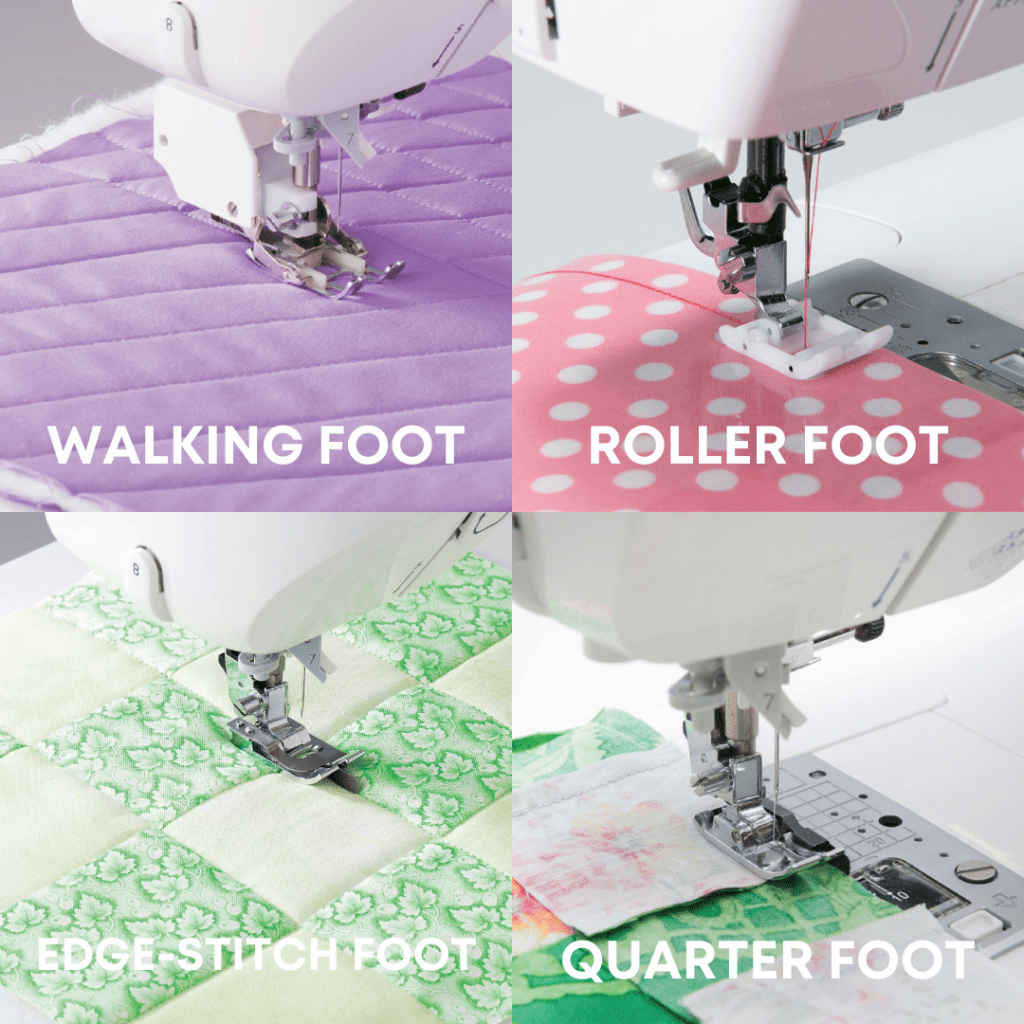
JUKI sewing machines come with various presser feet, each serving a unique purpose. The walking foot is a hero for quilting, ensuring even layers, and preventing fabric shifting. The free-motion quilting foot offers the freedom to doodle with stitches, letting your creativity soar as you quilt.
Experiment with different presser feet to achieve various effects. Use a piping foot to add a raised texture or a rolled hem foot for a delicate finish. With JUKI’s range of presser feet, your quilted story will have the precision and finesse it deserves.
Inspiration: The Spark Behind the Stitch
Behind every great quilt is an inspired quilter. Nature’s beauty, cherished memories, or even everyday encounters can inspire inspiration. A stroll through a forest might inspire a quilt depicting lush land, while a trip to the seaside could evoke scenes of crashing waves and sandy shores!
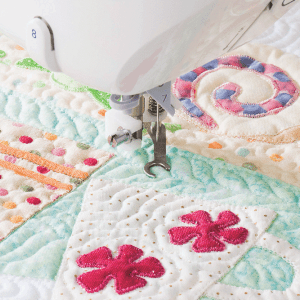
Look to art, literature, or personal experiences for inspiration. Let emotions guide your design. Perhaps it’s the story of a family reunion, a beloved pet, or a scenic adventure waiting to be quilted into existence. With JUKI sewing machines as your trusty companions, channel your inspiration into tangible tales through quilting.
In quilting, JUKI sewing machines stand as the faithful companions of storytellers. With their precision, versatility, and array of options, these machines empower quilters to weave narratives that transcend time.
So, dear quilters and aspiring storytellers, embrace the art of quilted storytelling! Dive into textures, explore stitch options, and let inspiration guide your hand as you craft tales with JUKI’s help. For in every stitch lies a fragment of a story waiting to be told, stitched together into a masterpiece of quilted wonderment.
Happy quilting, and may your stories be as rich as the fabrics you choose!


 sewinwithjuki.com