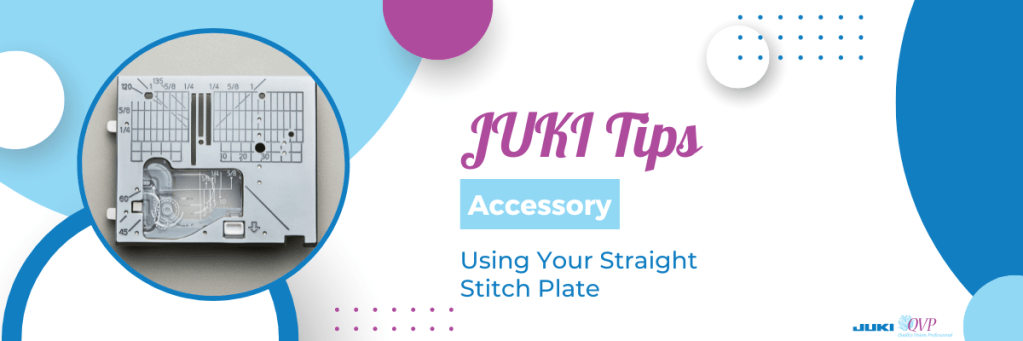
JUKI Tip: Using Your Straight Stitch Plate

In this month’s tip, JUKI National Account Trainer Alba showcases how to use the straight stitch plate and straight stitch presser foot. Going over when, and how to use them, follow along to begin using yours on your next project. In this video, we talk about the DX series and the TL series.

Follow along below for a rundown of what Alba covers on today’s JUKI Tip!

Hello all my JUKI friends, my name is Alba, and welcome back to my studio. Today I am going over a tip, a trick, for JUKI machines, and in the last session that I did several of you asked about straight stitch plate and straight stitch foot. What are they? When do I use them? Why would I want to use them? How do I use them?

So today I am going to be showing you the straight stitch plate and foot. How they get installed, how you use them, and also some tips on when you use them and when they make your sewing easier. I will be showing you this on two machines, on the DX-2000 QVP and on the DX-4000 QVP.

Both of these machines, this goes on a little bit differently. On the DX-2000 QVP the straight stitch plate is built into the machine, so it’s a lever that you’re touching to activate this feature and I wanted to show that because it is just such a great way to do that; and on the DX-4000 QVP it is an actual plate that you’re changing out but there’s also a feed dog system that you’re switching out when you go to the straight stitch plate,

I’m really looking forward to getting up close and personal with both of these machines and showing you how to do that. Now when you use a straight stitch plate, for some people if they’re using a straight stitch on their machine that straight stitch plate is always on, and for others, it’s only on for certain scenarios that they use it. What a straight stitch plate does, is it turns a machine with lots of decorative stitches that has that sideway needle movement into a straight stitch only machine. It stabilizes that needle bar so that the straight stitch is straighter and also the opening in the plate is smaller so that when you are sewing, the fabric that you’re sewing onto, does not get pushed into the feed dogs; and if that’s ever happened to you that alone is a reason to switch out to a straight stitch plate.

Welcome back everyone just like I promised I am right in front of the machine and I wanted to get really up close, very personal with the machine, so that you could see exactly what I am doing; and I am just making sure that I am at a straight stitch because I will be talking about the straight stitch plate and feed dog. Now the first thing I wanted to do is, most of you are familiar with the straight stitch plate that has a hole that just the needle goes into as opposed to the zigzag plate which this opening goes wide across and is sometimes referred to as the shape of the Jelly Bean.

What JUKI does differently on their full-size, 12-inch throat, machines is that they give you the feed dogs that match up to the plate, so that you’re getting full contact with the foot and the plate at all times. Now, I’m going to move a little bit closer and I’m going to show you removing the plate as well as putting on the new feed dog. Right now, I do not have a foot or needle in my machine just for safety reasons and to give you the clearest view possible.

So this is the zigzag plate and this is to allow the needle to move to different positions, to do decorative stitching. And because this needle moves on a straight stitch the straight stitch plate gives it a bit more stability because its opening is only allowing for that needle drop. For no movement whatsoever. So that is the main difference between that straight stitch plate and the zig-zag plate.

Now, I’m going to zoom in on that feed dog system and I am just lifting that out and pulling it out of my machine. If you notice my zigzag plate matches up to my zigzag feed dog, that’s a nice close-up shot, and I want you to see the difference in how narrow the two are.

I am going to put in the straight stitch feed dogs, and you could see that just slid in really easily, and it just went right into place, and this allows for me to clean in between my feed dogs and also be able to get into this area for cleaning really nicely.

Now I’m gonna place my straight stitch plate on my machine and just pop it back down and it sets into place, and as you could see right here is where that needle would be dropping. So as I said, especially when you’re doing triangles and you’re doing half Square triangles, when you’re sewing right on the edge of the fabric to sew, that fabric will sometimes get pushed down into the feed dog system and because this opening is smaller that allows for that not to happen.

Now, the DX-2000 QVP does not have the plate and the feed dog system like we just saw on the DX-4000QVP. It’s a little bit different and I’m going to get into how to activate this and again I’m going to remove my foot and I’m going to zoom in so that you can see. Right now I have that zigzag opening and I mentioned that this machine has a straight stitch plate built into it and this mechanism here when I activate that plate it slides up and gives me a straight stitch plate.

Let me show you how easily that’s done. I am removing my bobbin cover and with a quick slide of that mechanism, I’m going to do this with the tweezer so that you can see that, so here it is all the way to the left and I have that zigzag opening right here where that needle drops, and when I slide that over, my looks like a stitch finger on a serger came forward and look at where my needle is dropping into and I’m going to try and get just a little bit closer and zoom a little bit more but you could see that that is allowing for stitching to take place in a smaller opening which is why you would want to use that straight stitch plate so again with the automatic this is on the DX-2000 QVP and the changing of the plate was done on the DX-4000 QVP

I hope you enjoyed that demonstration of putting in a straight stitch plate, and some of the uses for straight stitch plate, and when and why you would use it. When I am piecing, and I know I’m going to be piecing for a long time, or even if I’m doing garment sewing where I’m constructing, I like to put in my straight stitch plate because as I said it just gives me that feel and that Stitch quality like a straight Stitch machine would. For any time when you’re working with very fine sheer fabrics that tend to get pulled down into that feed dog system, the straight Stitch plate eliminates that.

Until next time for the next tip and trick with JUKI, I will see you then. I want to thank you for joining me, please make comments during the video and at the end so that we know what to present and what you would like to see just like the few people who commented that they needed to understand that straight stitch plate better! I was able to do that for you, so please leave your comments and share the video with your friends.

Until next time, bye bye!
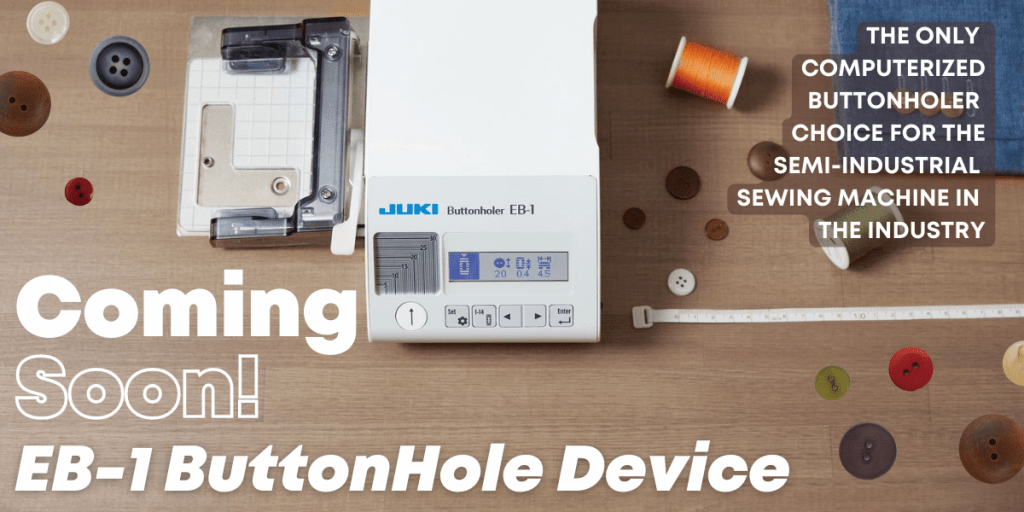
Coming Soon: The New EB-1!


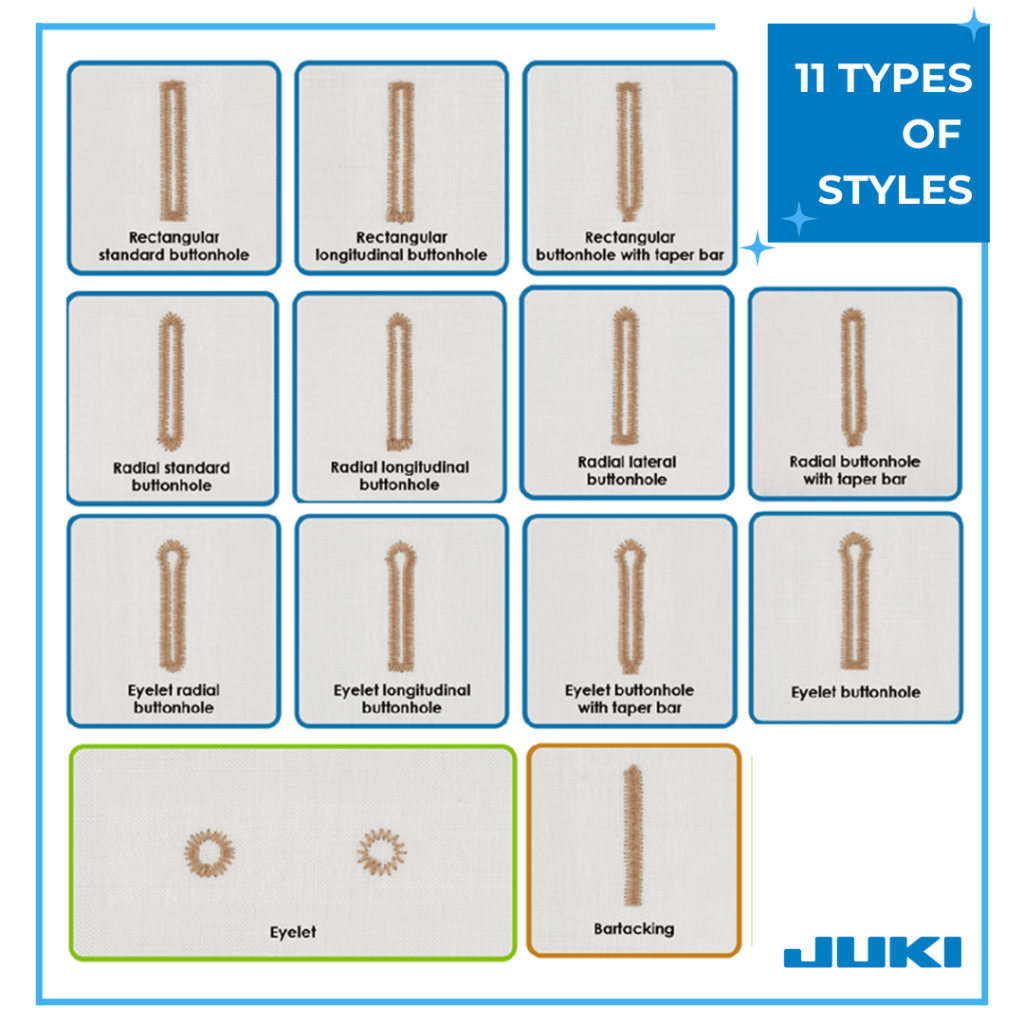
Coming soon, the EB-1 is an innovative computerized buttonholer tailored for semi-industrial sewing machines. Unparalleled in the industry, this accessory stands out with its 11 pre-set buttonhole patterns complete with bartack and eyelet functionality. The bartacking stitch proves versatile, accommodating tasks like pocket corner sewing, zipper end reinforcement, and belt loop attachment. Meanwhile, the eyelet function serves both functional and decorative purposes, allowing string passage and enhancing clothing aesthetics.

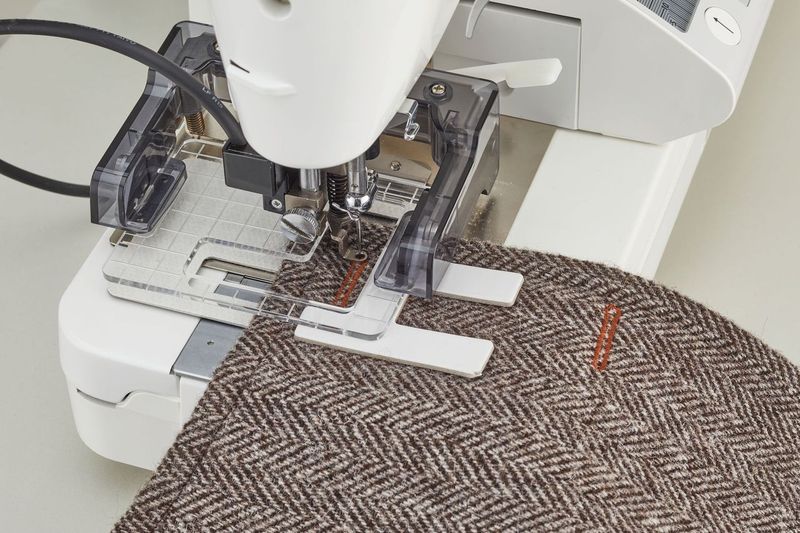
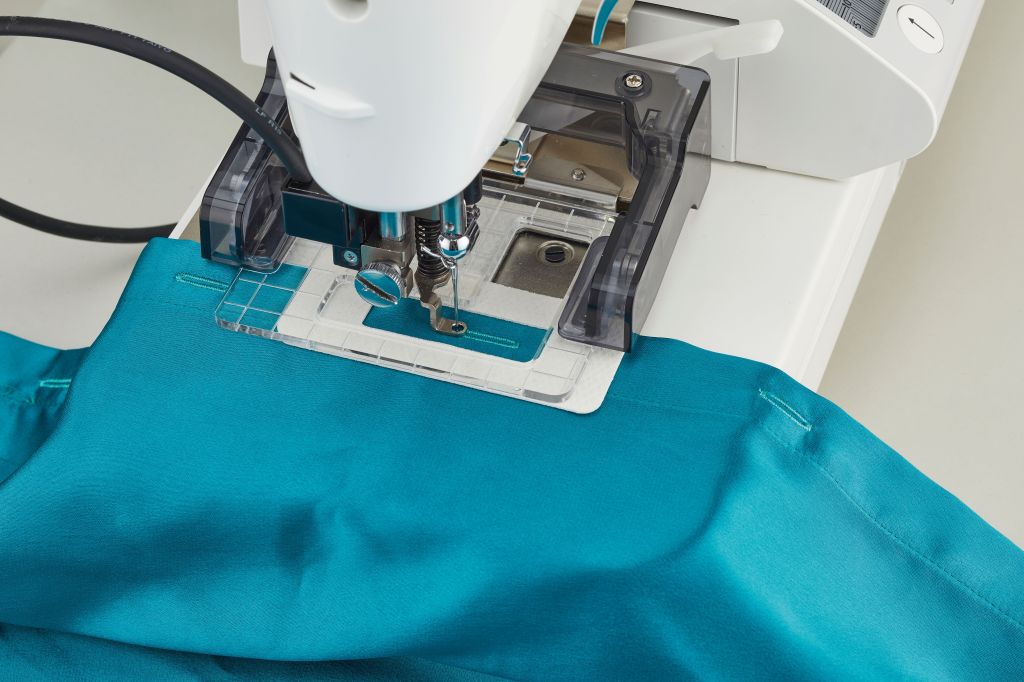
Elevate your garment craftsmanship with the EB-1, revolutionizing buttonhole creation on your TL machine. Whether fashioning elegant dresses or stylish shirts, this accessory lends a flawless final touch. Operating by maneuvering the presser frame with material, the EB-1 enables buttonhole pattern rotation by 90 degrees along the X and Y axes, facilitating the sewing of both vertical and horizontal buttonholes. Moreover, its impeccable design averts jamming, facilitating seamless stitching even on denser fabrics.

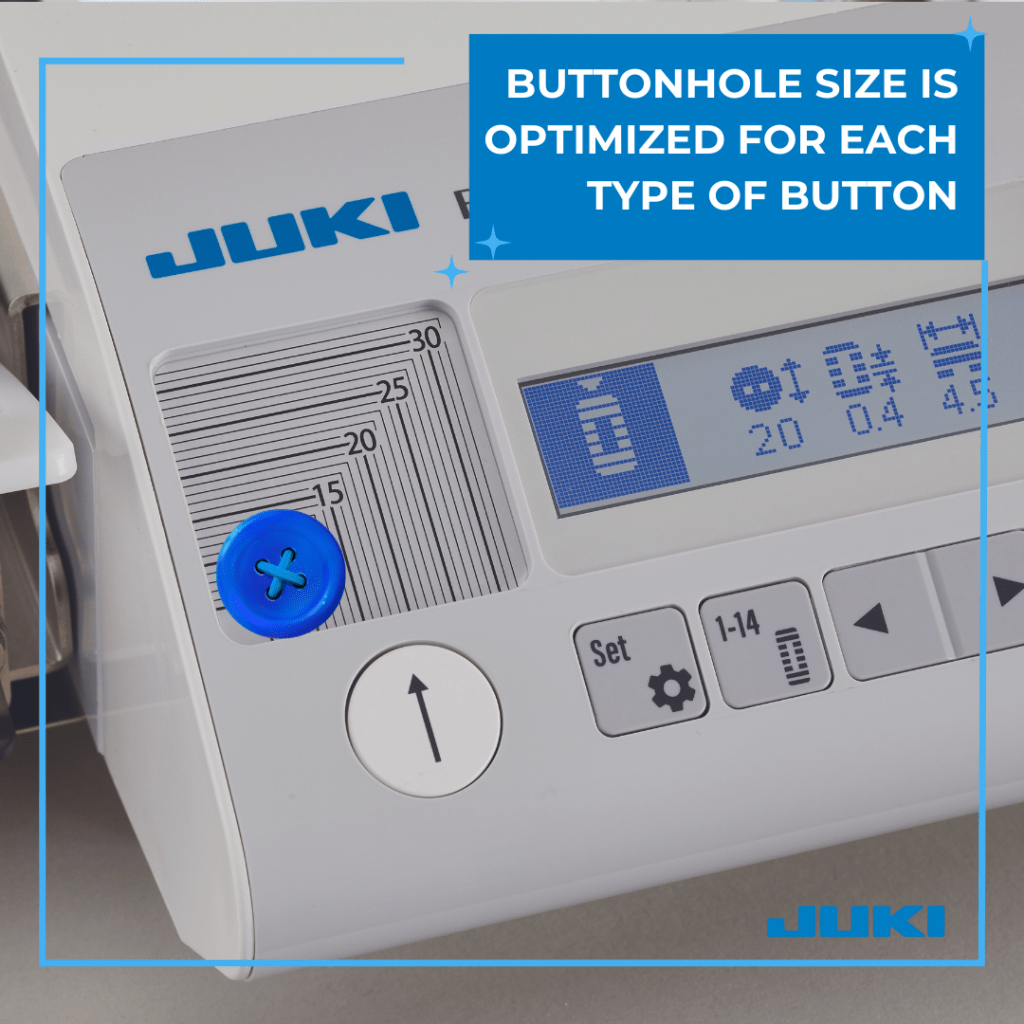
Facilitating precision, the EB-1 incorporates a 1 cm grid for effortless project alignment on both the X and Y axes. The transparent presser foot streamlines the initial positioning, ensuring accurate buttonhole placement. Being a computerized tool, the EB-1 empowers users to select from a plethora of buttonhole stitch patterns and intricate settings. With the capacity to input button diameter in 1mm increments, the EB-1 automates appropriate buttonhole sizing, catering to buttons ranging from 5mm to 32mm in diameter.

Features

  • Professional Level Stitch Quality
  • Beautiful buttonhole stitch
  • Buttonhole size is optimized for each type of button
  • Flexible seam button
  • Capable of creating a basting stitch
  • Accessible features

Included Accessories

  • Difference-in-Height Correction Plate: used when sewing buttonholes on multilayered parts of the material.
  • Non-Slip Sheet: can be placed on a slippery fabric so that it does not easily slip. The sheet can also be cut to adjust its length as desired.

Learn more about the NEW EB-1 at your nearest JUKI Dealer, releasing later this year, 2023. To find your local JUKI Dealer, click here today!

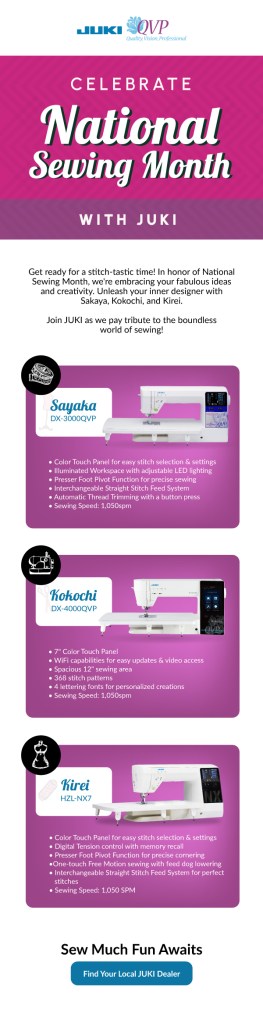
Celebrate National Sewing Month with JUKI!

Get ready to stitch up a storm this National Sewing Month with JUKI! 🧵 Dive into the world of creativity and craftsmanship as we celebrate the art of sewing throughout September. Whether you’re a seasoned seamstress or just starting to thread your needle, JUKI has something special in store for you.

Discover the magic of precision and innovation with our top picks for sewing enthusiasts. Explore the exquisite Sayaka DX-3000QVP, a machine that seamlessly combines technology and tradition, elevating your sewing experience. Take your skills up a notch with the Kokochi DX-4000QVP, designed to empower your creativity with its versatile features and impeccable stitch quality.

For the ultimate sewing journey, meet the HZL-NX7 – a machine that redefines sewing with its cutting-edge capabilities. Unleash your imagination and let your ideas flourish as you experiment with this exceptional machine.

Join us in celebrating National Sewing Month and discover the joy of bringing your visions to life stitch by stitch. Whether you sew for passion, profession, or relaxation, JUKI has the perfect companion for your creative endeavors.

New Product Announcement: The New HZL-HT740!


Experience the joy of innovation with the HZL-HT740 computerized sewing machine—a fusion of precision, ingenuity, and convenience. Bid farewell to the drudgery of manual thread trimming, for the HZL-HT740 boasts automated thread trimmers that effortlessly snip upper and lower threads at the push of a button, liberating your time and energy!

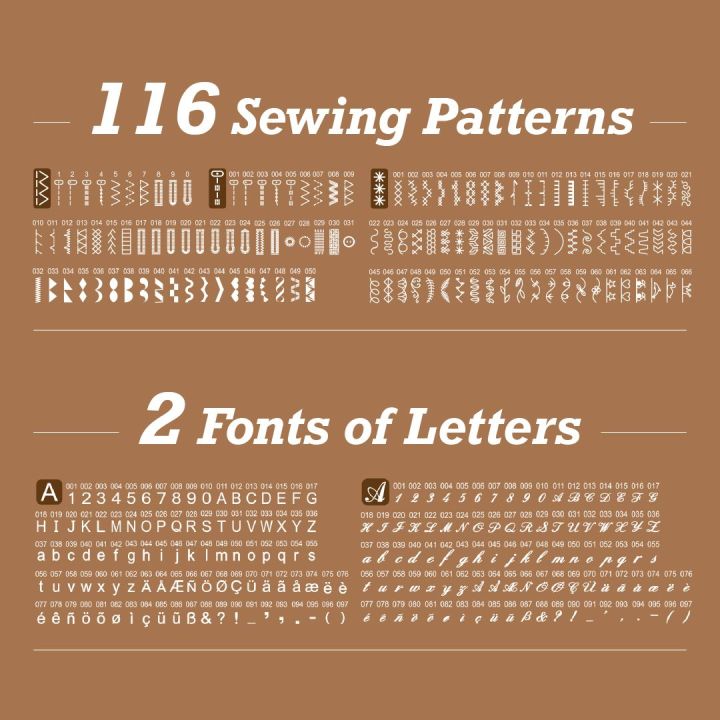
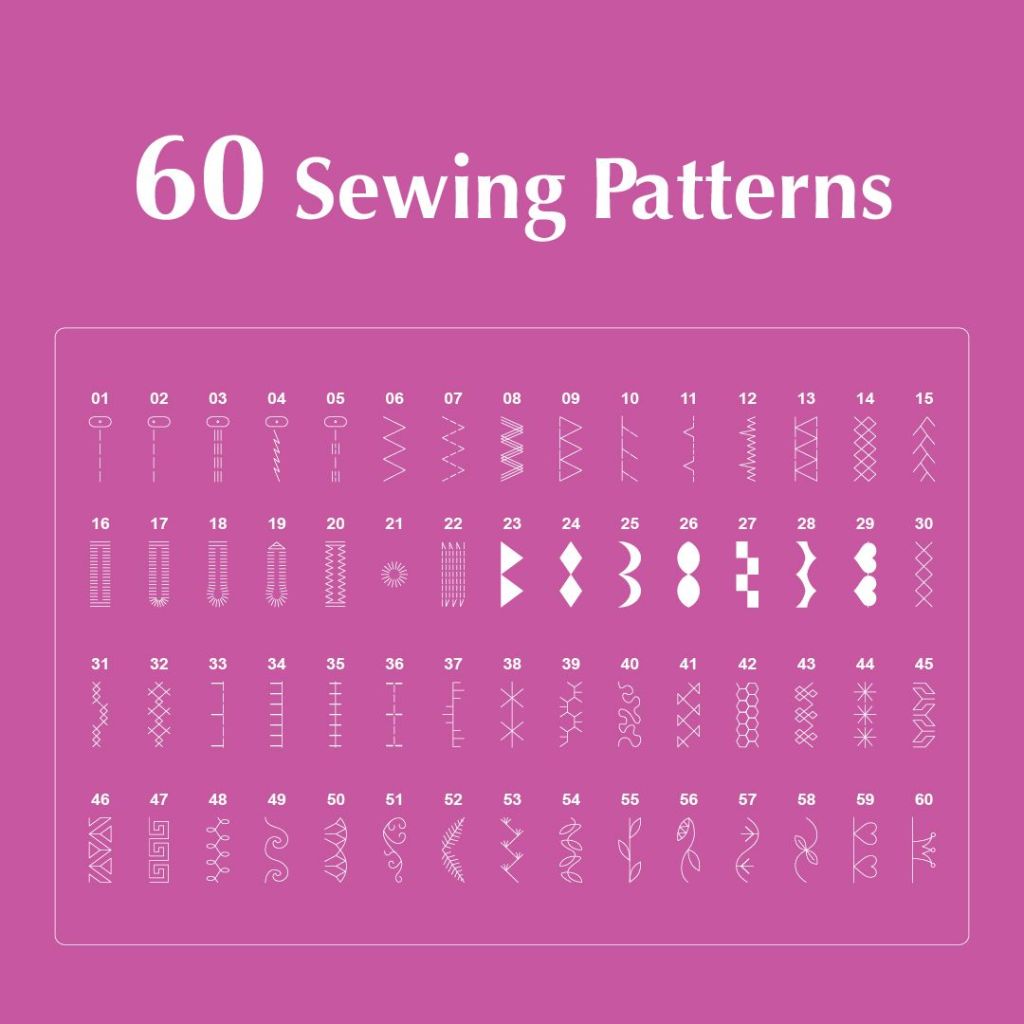
With a remarkable repertoire of 116 stitch patterns and two fonts, novice crafters and seasoned artisans, can create a variety of projects thanks to its ideal stitch options. This sewing marvel encompasses rudimentary stitches, ornate designs, buttonholes, and even scripted lettering, ensuring your creations are nothing short of spectacular.

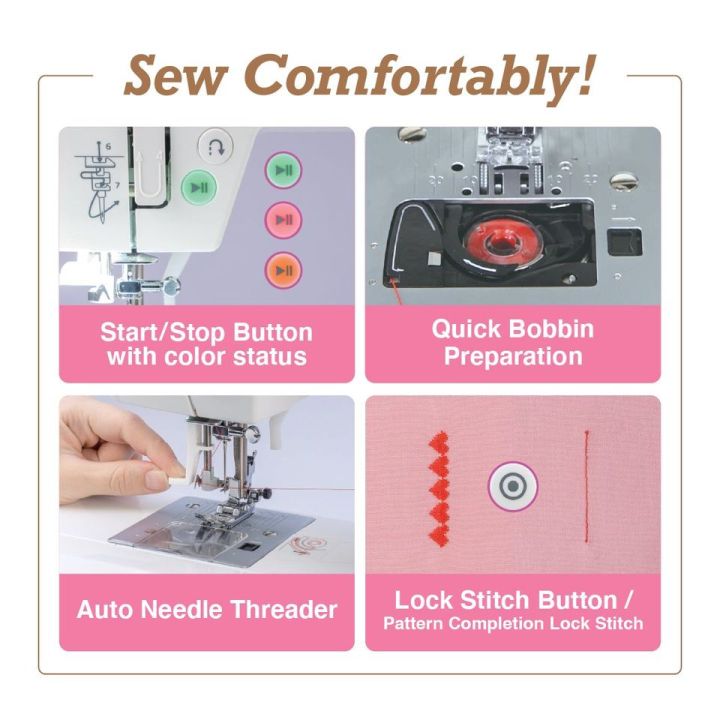
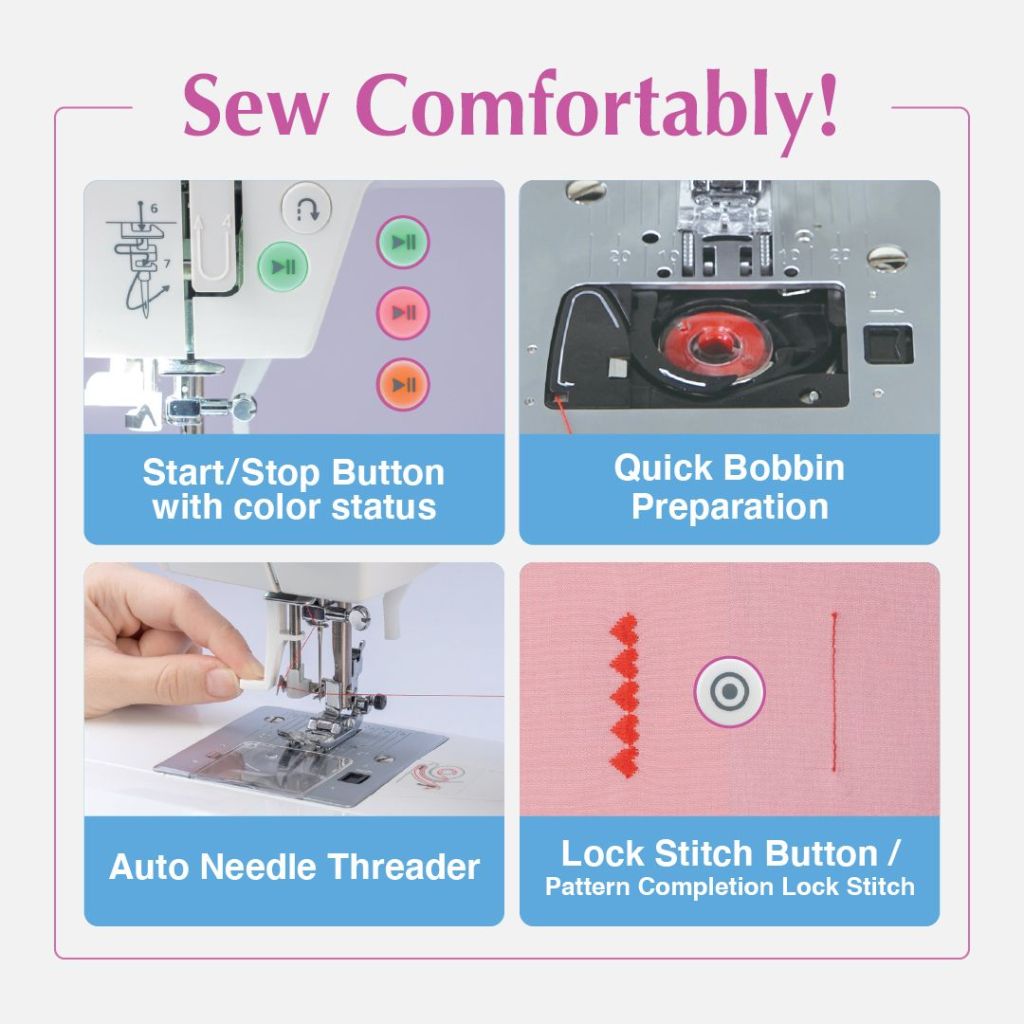
Moreover, threading frustrations become relics of the past, thanks to the HZL-HT740’s ingenious auto needle threader. The machine takes charge of threading, making the process seamless and swift. With the HZL-HT740 as your creative companion, embrace impeccable stitching, intuitive thread control, and an ensemble of user-friendly functions that redefine your sewing expedition. Whether you sew for leisure or career, this sewing marvel is your gateway to transformative sewing experiences. Embrace the HZL-HT740 and embark on an odyssey of unbounded sewing potential!

Features

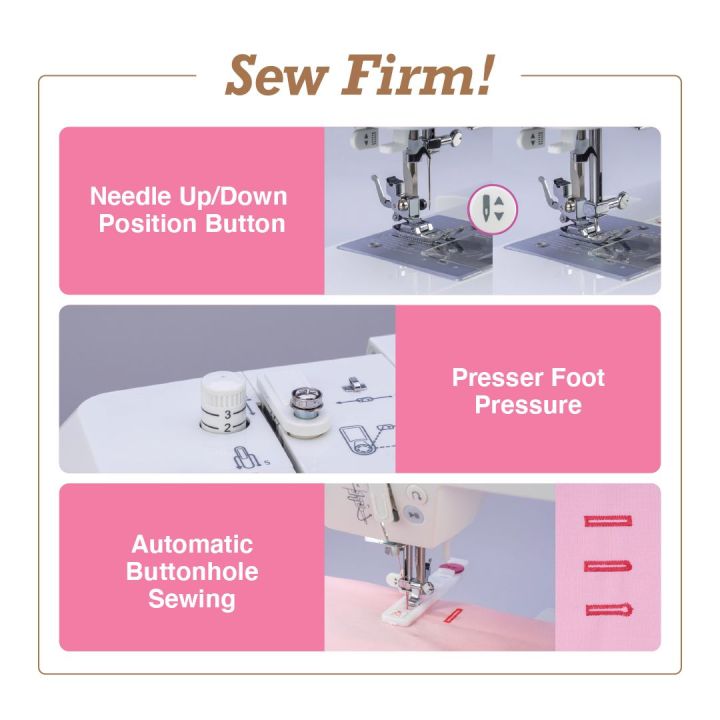
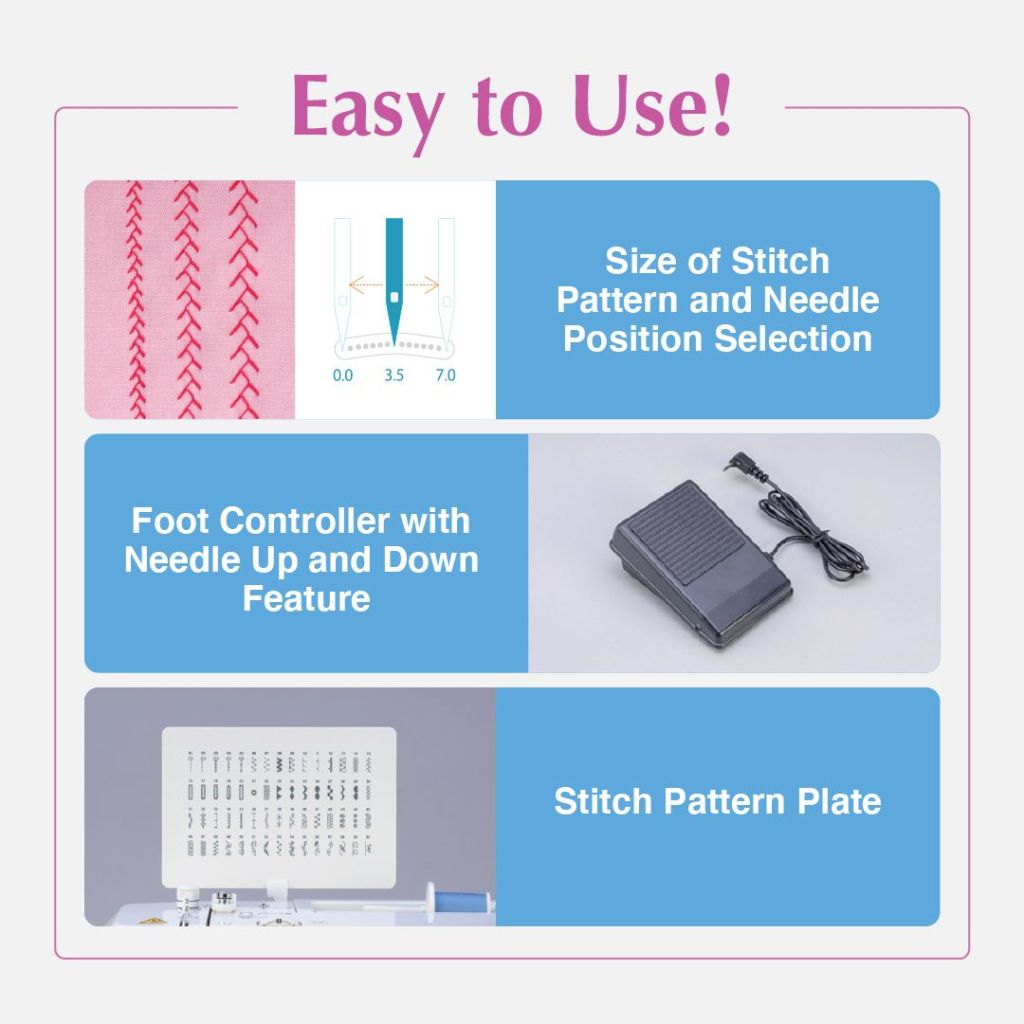
  • Lockstitch
  • Needle Up/Down Button
  • Adjustable Presser Foot Pressure
  • Buttonhole
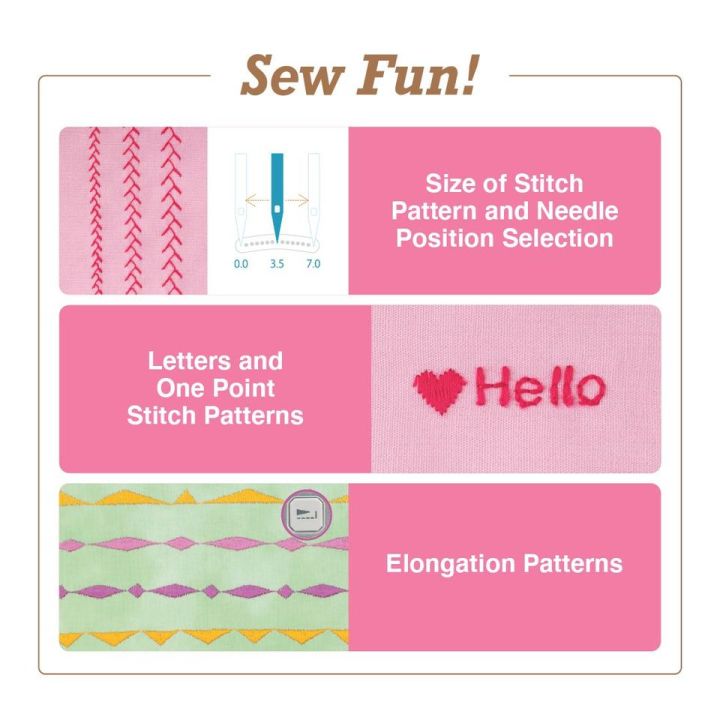
  • Elongation Patterns
  • Size of Stitch Patterns and Needle Position
  • Start/Stop Button
  • Quick Bobbin Preparation

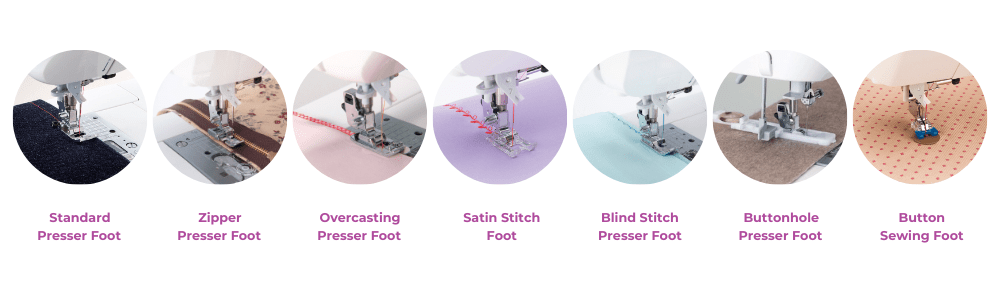
Included Accessories

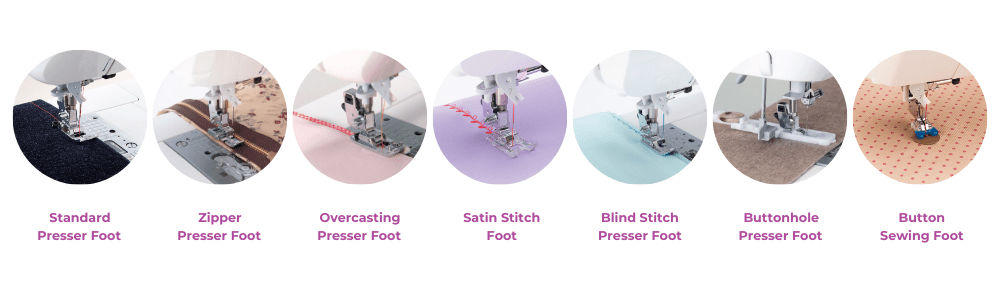
  • Standard Presser Foot 
  • Zipper Presser Foot 
  • Overcasting Presser Foot 
  • Satin Stitch Foot
  • Blind Stitch Presser Foot
  • Buttonhole Presser Foot 
  • Button Sewing Foot

Learn more about the NEW HZL-HT740 at your nearest JUKI Dealer. To find your local JUKI Dealer, click here today!

New Product Announcement: The New HZL-HT710!


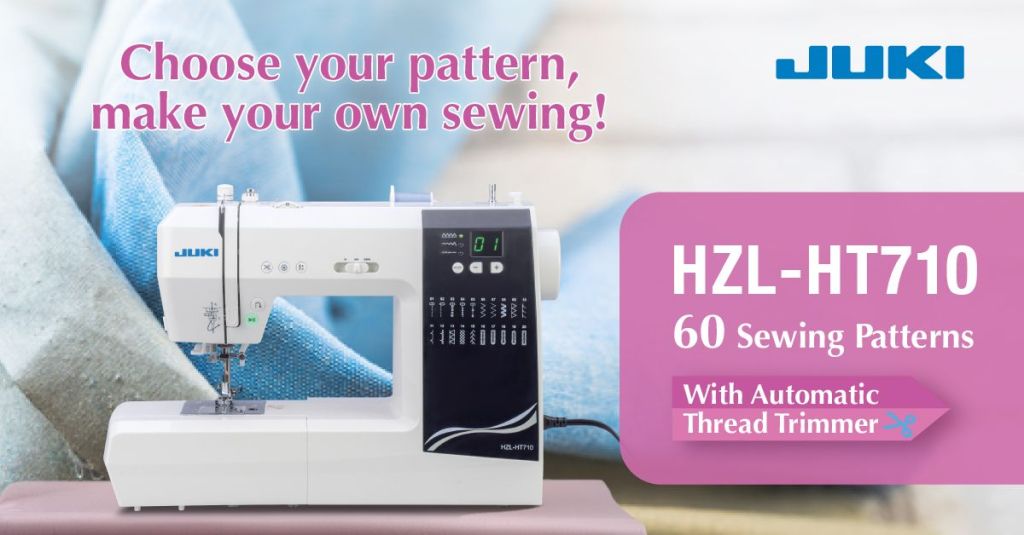
Introducing the HZL-HT710 computerized sewing machine, an innovation that revolutionizes your sewing journey. Seamlessly merging cutting-edge technology with a host of user-friendly functions, this exceptional machine streamlines your sewing tasks and ensures impeccable results. The machine’s standout feature lies in its automatic thread-trimming capability. A single button press elegantly tidies both upper and lower threads, allowing you to save time and concentrate on your craft. Enrich your artistic ventures with an extensive collection of 60 stitch patterns, covering everything from foundational stitches to elaborate motifs.

Bid farewell to the frustrations of threading the needle, thanks to the in-built auto needle threader. The age-old struggle is replaced with a straightforward procedure—follow the guide, and watch the HZL-HT710 elegantly thread the needle on your behalf. Embrace the myriad possibilities that come with the HZL-HT710 computerized sewing machine. Its progressive features and intuitive design empower your creative pursuit and guarantee remarkable sewing achievements. As you invest in the HZL-HT710 today, you unlock a realm of effortless sewing, taking your projects to unprecedented heights of excellence. The journey to seamless stitching and crafting joy awaits.

Features

  • Automatic Thread Trimmers
  • Start/Stop Button
  • Quick Bobbin Preparation
  • Auto Needle Threader
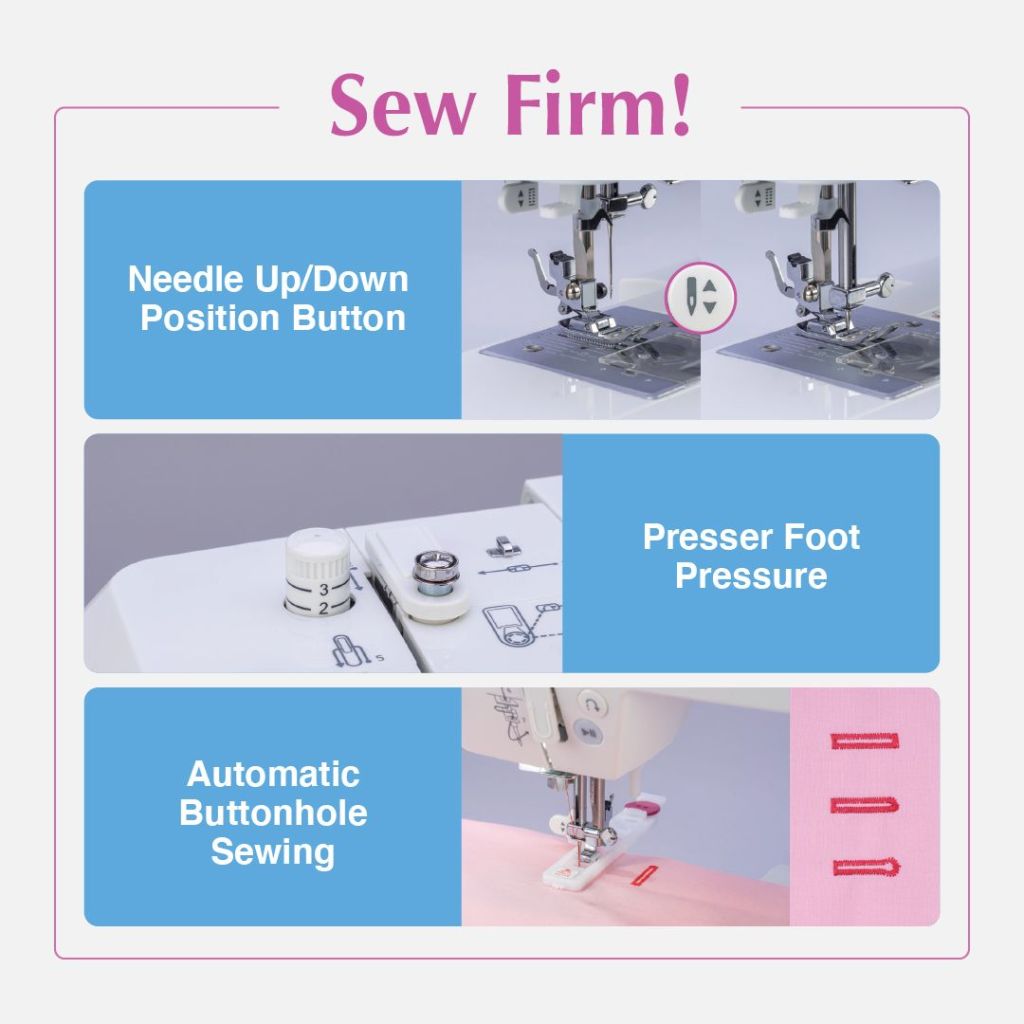
  • Lockstitch
  • Needle Up/Down Button
  • Adjustable Presser Foot Pressure
  • Size of Stitch Patterns and Needle Position

Included Accessories

  • Standard Presser Foot 
  • Zipper Presser Foot 
  • Overcasting Presser Foot 
  • Satin Stitch Foot
  • Blind Stitch Presser Foot
  • Buttonhole Presser Foot 
  • Button Sewing Foot

Learn more about the NEW HZL-HT710 at your nearest JUKI Dealer. To find your local JUKI Dealer, click here today!