Sew Outdoors with JUKI

When it comes to creating for outdoor spaces, choosing the right materials and understanding how weather impacts your projects is essential. From patio cushions to garden accessories, outdoor sewing requires fabrics and threads that can stand up to sun, rain, wind, and wear. In this blog, we’ll explore the best types of outdoor fabrics and threads to ensure your creations last season after season.

We’ll also dive into how weather elements affect fabrics, the importance of UV resistance, and simple maintenance tips to keep your outdoor pieces looking fresh. Plus, we’ll recommend three JUKI sewing machines perfectly suited for outdoor projects! From a versatile serger to a reliable semi-industrial machine, we have what you need. Whether you’re an experienced sewist or just getting started, this guide will help you create durable, beautiful items made to withstand the great outdoors.

How Weather Affects Outdoor Fabrics

Outdoor fabrics are constantly exposed to sunlight, moisture, and wind, all of which take a toll over time! UV rays from the sun break down fabric fibers, cause colors to fade, and weaken your material’s strength. Moisture from rain, dew, or humidity can create mildew growth and lead to stains or fabric damage if your material isn’t properly treated or allowed to dry thoroughly.

Wind brings its own challenges by causing abrasion as dust and debris rub against fabric surfaces, especially around seams and edges depending on where you live. These combined weather effects mean outdoor fabrics need to be specially designed and cared for to maintain their durability and appearance through changing seasons! Let’s talk about how you can achieve that.

Best Fabrics and Threads for Outdoor Projects

Choosing the right materials is key to success. Outdoor fabrics are engineered for weather resistance and durability, while outdoor threads must hold up to UV exposure and moisture without breaking down or losing strength.
Outdoor Fabrics:

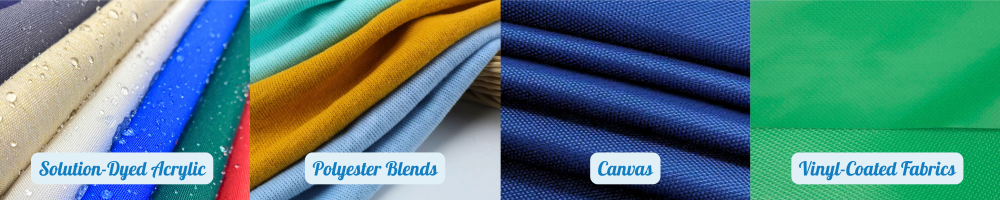
  • Solution-Dyed Acrylic: Highly resistant to UV rays, water, and mildew, this fabric is great for patio furniture cushions and umbrellas.
  • Polyester Blends: Durable and generally fade-resistant, polyester blends offer excellent protection from stretching and fading, making them a great option for outdoor pillows and covers.
  • Canvas: Thick and water-resistant, this fabric is perfect for boat covers, awnings, and heavy-duty outdoor gear.
  • Vinyl-Coated Fabrics: Generally water-repellent and easy to clean, vinyl-coated materials are usually used for tablecloths, rain gear, and protective covers.

Outdoor Threads:

  • Polyester Thread: Strong and UV resistant, polyester thread holds up well under sun exposure and moisture, making it a reliable choice for outdoor projects with heavy use like cushions and protective covers.
  • UV-Resistant Thread: Specifically treated to resist sun damage, this thread maintains strength and color over time.
  • Waterproof and Mildew-Resistant Thread: This thread can become essential for seams exposed to water and humidity since these threads prevent rot and mildew buildup. It’s perfect for projects you expect to get wet after a pool day or a rainy afternoon.
Using the right combination of these fabrics and threads will help your outdoor creations withstand changing weather conditions while keeping their appearance and function intact season after season!

JUKI Machines for Outdoor Sewing

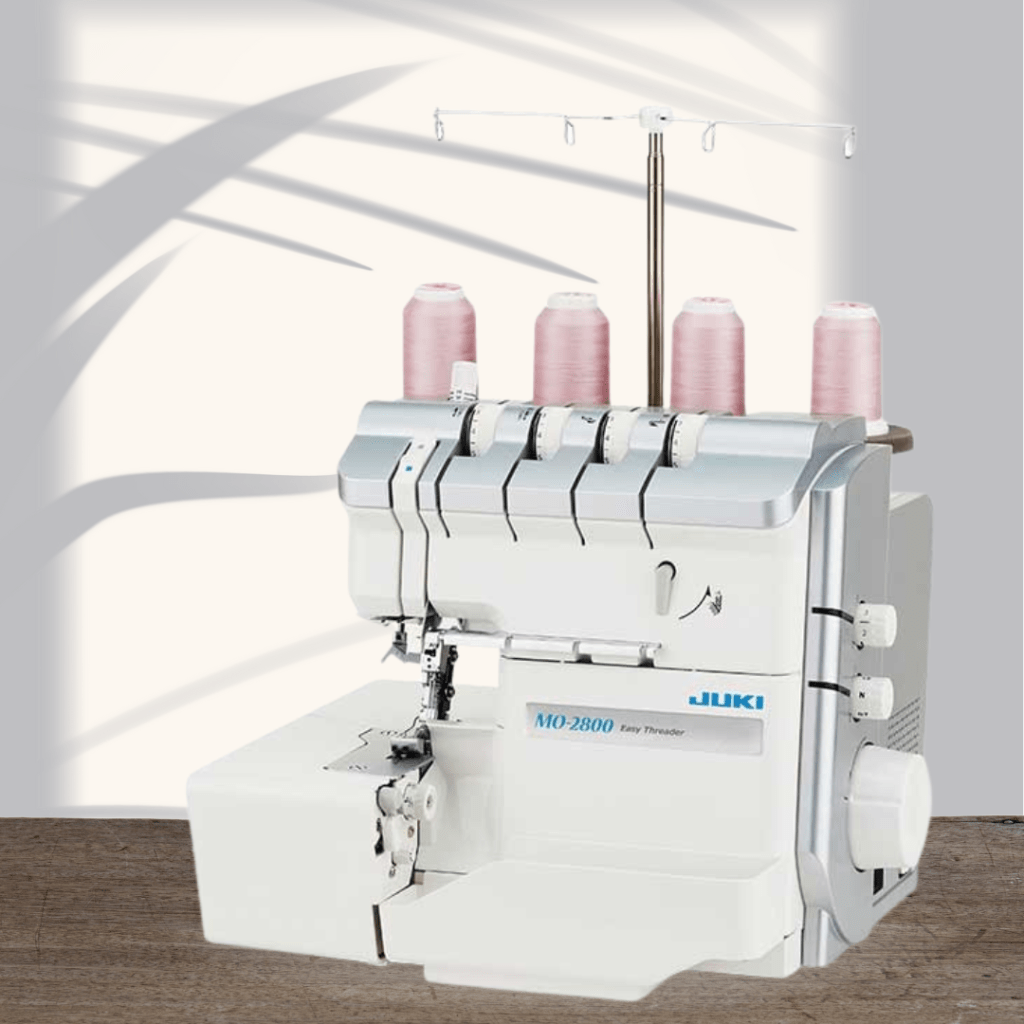
MO-2800 Serger
For durable seam finishes on outdoor gear, the MO-2800 delivers power and precision. This high-performance serger handles thick fabrics like vinyl or canvas with ease. Features include:

  • Strong differential feed for smooth, even stitching
  • Adjustable stitch length for custom results
  • Optional Binder Foot for clean, reinforced edges or piping

Perfect for: Cushions, awnings, outdoor bags, or any project needing polished, long-lasting seams.
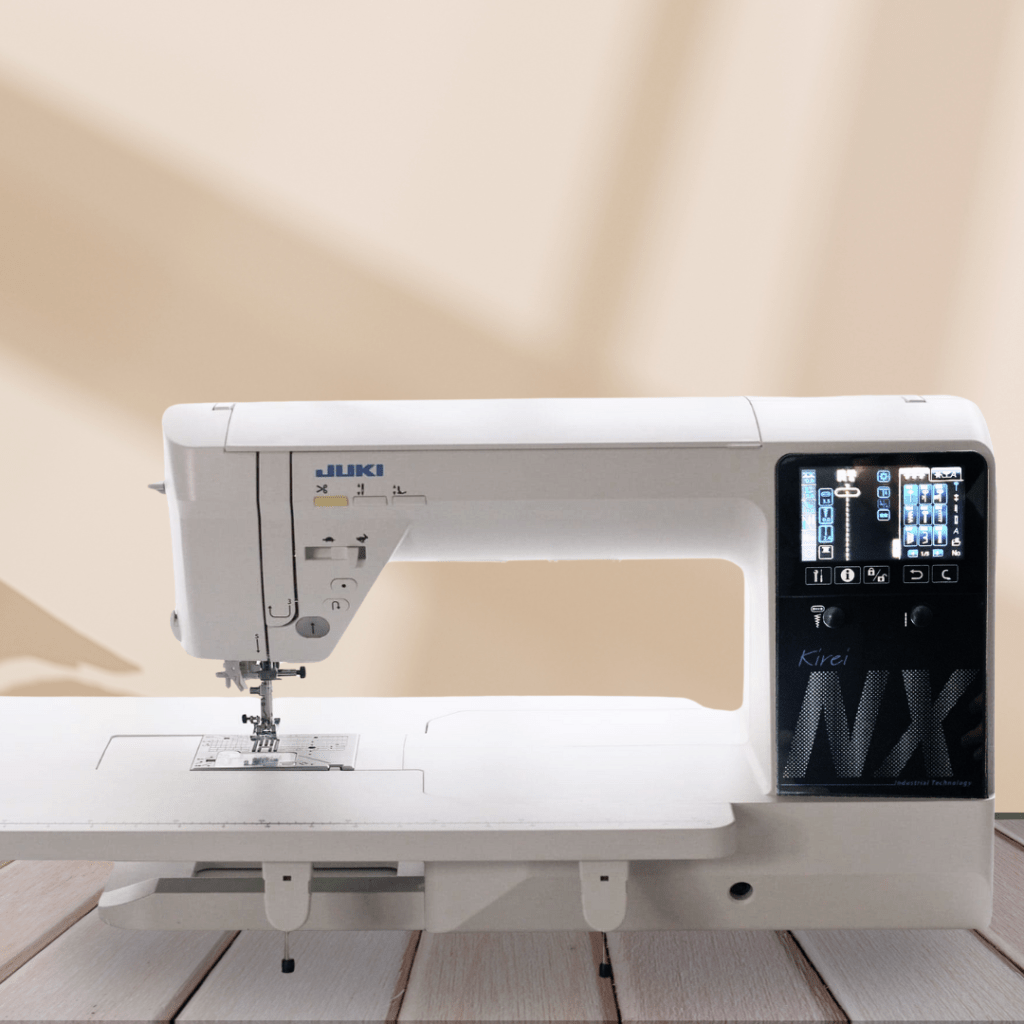
HZL-NX7 Computerized Sewing Machine
With the HZL-NX7, you’ll find versatility and precision for a wide range of outdoor sewing projects! Its computerized controls include speed adjustment, automatic thread trimming, and a large LCD screen that makes stitch selection intuitive.

Highlights:

  • 330 built-in stitches (including utility and decorative)
  • Speed control, auto thread trimming, and an LCD screen
  • Works beautifully with the walking foot accessory to handle layered outdoor fabrics
  • Perfect for: Decorative pieces, personalization, light-to-medium outdoor applications

TL-2010Q Semi-Industrial Machine
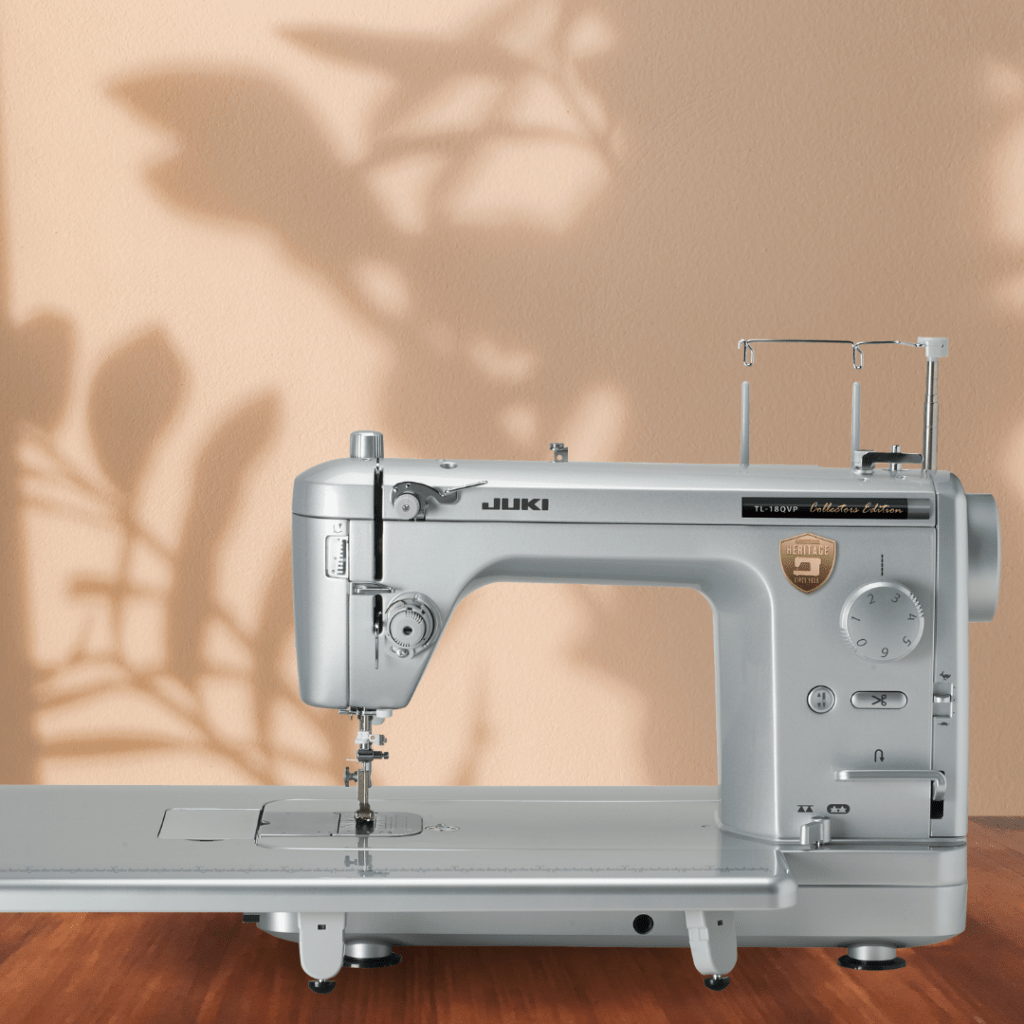
Last, we have the TL-2010Q, an ideal machine for sewing thick, tough outdoor materials like vinyl and heavy canvas.
Highlights:

  • High-speed, consistent stitching through thick materials
  • Large extension table for bulky fabric handling
  • Adjustable presser foot pressure for multi-layer management
  • Recommended: Roller Foot for smooth sewing over sticky or textured surfaces

Perfect for: Vinyl, canvas, tarps, backpacks, tents, or any rugged outdoor sewing

Create to Withstand the Elements

Creating for the outdoors is about more than just style! It’s about choosing the right materials, tools, and techniques to ensure your projects last through every season. By understanding how weather affects fabrics, selecting the right materials and threads, and using the right tools, you can craft pieces that are as durable as they are beautiful.

With the help of our trusted JUKI machines, your outdoor projects can be finished with precision, strength, and confidence!
What Is a Zipper Foot?

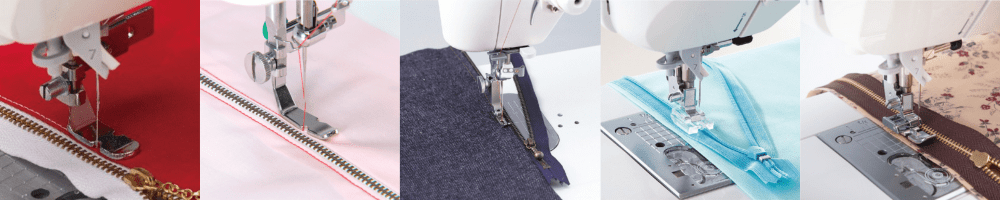
This month, we’re talking about zippers, one of the most useful and versatile closures you can add to your sewing projects, but inserting them neatly can sometimes feel tricky! That’s where the Zipper Foot comes in. This presser foot is specially designed to help you sew close to the zipper teeth or coil without the needle hitting the foot, giving you a clean, professional finish every time.

In this blog, we’ll walk you through the basics of the Zipper Foot, share tips on working with zippers in a variety of projects, and inspire you with creative zipper projects you can try at home!

What Is It?

Let’s start with how we got the Zipper Foot in the first place. This foot was invented to address a challenge in sewing: how to stitch close to the teeth of a zipper without the needle hitting the zipper’s metal or plastic parts. Zippers themselves were first created in the late 19th century, but it wasn’t until the early 20th century that we saw them used widely in garments and accessories. As zippers started to become a common closure method, sewists needed to find a specialized tool that allowed precise stitching along the narrow edge of the zipper tape.

Early zipper feet were simple but effective attachments that could be mounted on most domestic sewing machines, allowing the needle to sew on either side of the zipper. Over time, improvements have led to adjustable feet compatible with different zipper sizes and sewing machine models, making zipper installation more accessible and professional-looking for home sewists and industrial applications alike.

Benefits and Uses

The zipper foot is an essential tool because it allows precise stitching close to the zipper teeth without interference. It also helps prevent needle breakage and skipped stitches, making zipper installation smooth and professional, right from home. Beyond zippers, this versatile foot is also useful for other detailed sewing tasks that require stitching close to bulky edges or trims.

With the Zipper Foot you can:

  • Sewing various types of zippers (invisible, separating, metal, and nylon coil)
  • Attaching piping or cording for decorative edges
  • Topstitch close to bulky trims or seams
  • Sewing along the edges of thick fabrics or multiple layers

Using the zipper foot not only improves the accuracy of your stitching but also speeds up the sewing process by allowing you to work confidently close to the zipper teeth. Its versatility makes it a valuable tool beyond zipper installation, helping you achieve professional finishes on a variety of projects.

Tips for Using the Zipper Foot

  • Sew slowly and carefully near zipper stops to avoid needle breakage.
  • Use pins or basting tape to hold the zipper securely in place before stitching.
  • Practice on scrap fabric to get comfortable with needle placement and foot adjustment.
  • Backstitch at the start and end of your zipper seam to reinforce.

Zipper Projects to Try

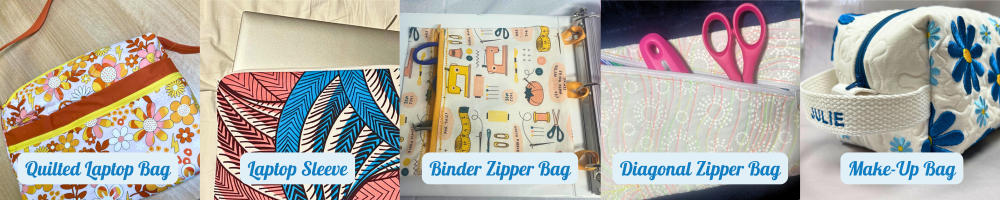
Ready to try your hand at using a zipper foot? Below are five zipper projects featuring video tutorials from our JUKI team!

1. Quilted Laptop Bag: Join Alba in this detailed tutorial where you’ll learn to create a quilted laptop bag using the JUKI Haruka TL-18QVP. This project includes quilting tips, adding pockets, zipper installation, and attaching a comfortable strap, perfect for stylish, functional protection on the go.

Follow along here!

2. Laptop Sleeve: Looking for a simple zipper project? This laptop sleeve tutorial guides you through making a slim, personalized cover for your laptop. It’s a great introduction to sewing zippers with style and function!

Follow along here!

3. Binder Zipper Bag: Perfect for back-to-school organization, this project uses a nylon zipper to create a handy pencil and supply holder that fits in a three-ring binder. Created on the Kokochi DX-4000QVP, it’s a practical, beginner-friendly zipper bag with lots of uses.

Follow along here!

4. Diagonal Zipper Bag: This stylish zipper bag is ideal for makeup, tickets, or toiletries and is made using the DX-2000QVP and MO-2800 serger. The tutorial shows how to sew with batting and cotton thread, perfect for an easy, functional accessory!

Follow along here!

5. Make-Up Bag: Here our Brand Ambassador Nicole Moore demonstrates how to sew a travel-friendly make-up bag with the JUKI TL Series machine, personalized with embroidery. This project is suitable for all skill levels and perfect for gifting or personal use.

Follow along here!

Zip Up and Sew with JUKI!

Mastering the zipper foot can open a world of creative possibilities, making zipper installation easier and more precise! Whether you’re sewing bags, garments, or accessories, this simple yet powerful tool can help you achieve clean, professional results every time.

Grab your zipper foot, explore the projects we’ve shared, and take your sewing skills to the next level with confidence! Visit your nearest JUKI dealer here to find the right accessories for your project today.

Dive Into Summer Savings with JUKI

This summer, we’re celebrating creativity, craftsmanship, and community with unbeatable promotions on some of our most popular and compact machines! Whether you’re upgrading your studio, shopping for your first serger, or searching for the right machine that can bring your creations to life, JUKI has something special waiting for you. Let’s take a closer look at the deals heating up this month!

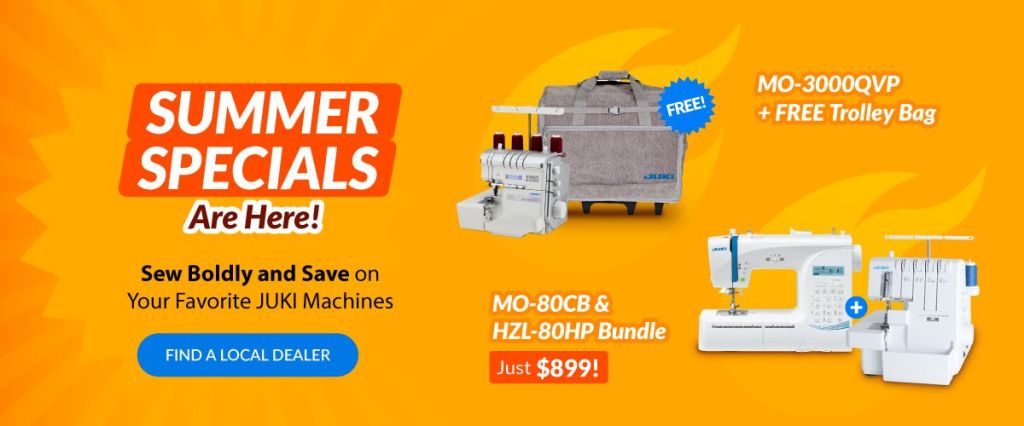
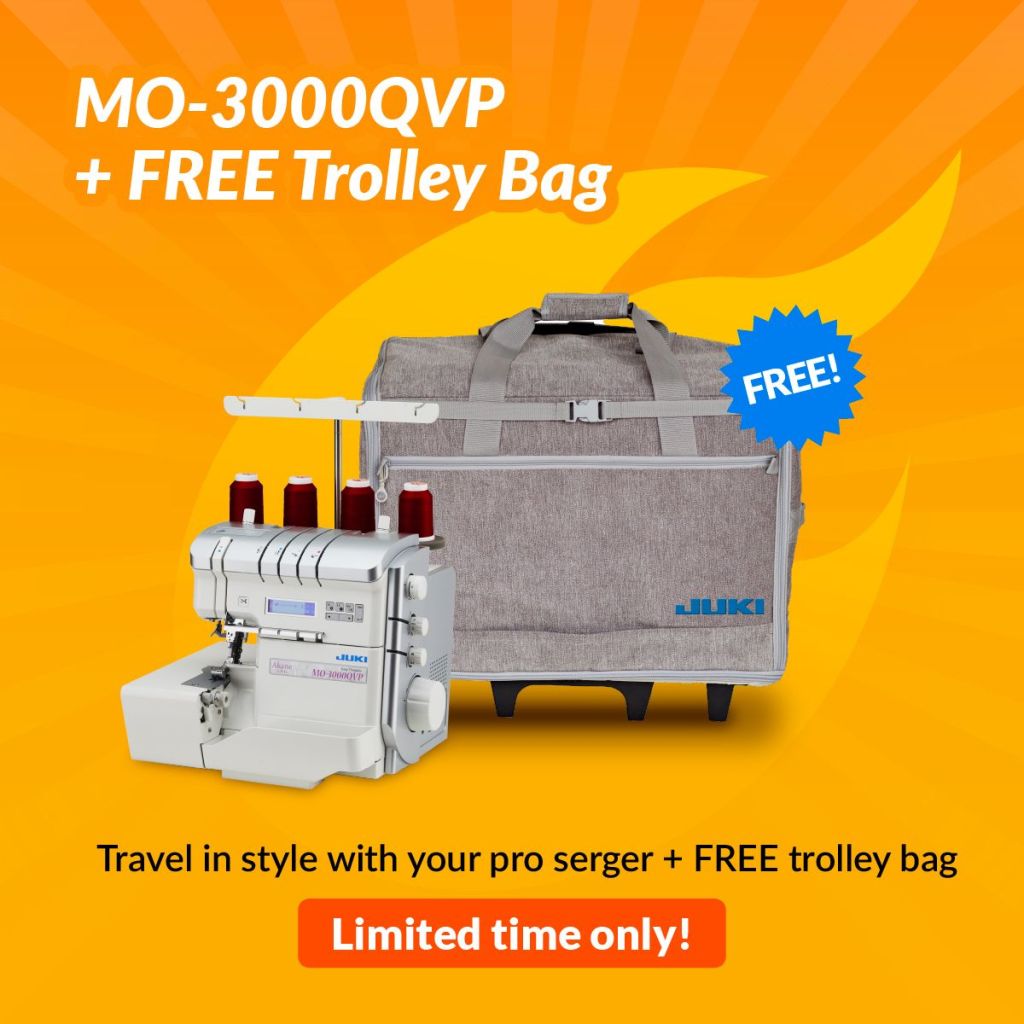
Get a FREE JUKI Trolley Bag with the MO-3000QVP Air Serger!

The Akane MO-3000QVP is not your average serger! This machine features air threading technology for both loopers, making setup quick and frustration-free. The wide throat space, intuitive touchscreen, and automatic tension adjustment give you professional-quality finishes on everything from delicate knits to heavy denim.

Whether you’re finishing edges, creating rolled hems, or adding decorative touches to garments, the MO-3000QVP offers industrial precision in a home sewing package!

Bonus: This is your last month to receive a FREE JUKI Trolley Bag with your MO-3000QVP purchase! Designed for mobility and protection, it’s ideal for transporting your serger to classes, retreats, and sewing meetups.

Available at participating JUKI dealers.

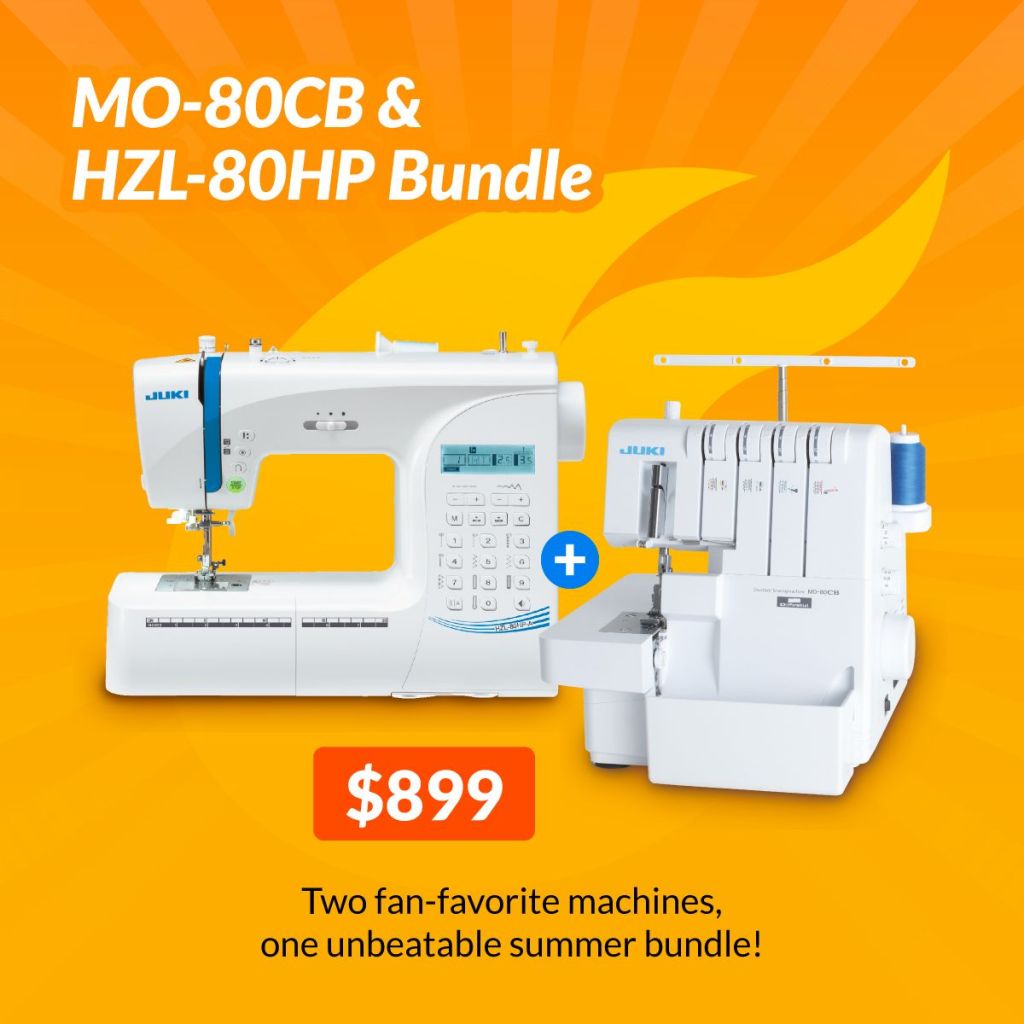
The MO-80CB Serger + HZL-80HP-A Sewing Machine Combo is Just $899!

Ready to build your dream sewing setup or gift a powerful starter bundle? Look no further than this dynamic duo!

The MO-80CB is a 2/3/4 thread serger with differential feed, easy color-coded threading, and precise cutting capabilities. It handles a variety of fabrics and helps you achieve clean, strong seams with a polished look.

Paired with the HZL-80HP-A, a lightweight yet powerful computerized sewing machine, this bundle brings creativity to life! With 197 stitch patterns, including buttonholes and decorative stitches, plus adjustable speed control and needle stop positioning, the HZL-80HP-A is great for both beginner sewists and seasoned hobbyists looking for reliability and flexibility.

This month only, get both machines for just $899! It’s an incredible value, available exclusively at participating JUKI dealers.

For a Limited Time, the DX-4000QVP Expert Edition

Searching for a machine that combines smart design, advanced features, and elevated style? The DX-4000QVP Expert Edition, known as Kokochi (meaning “good feeling” in Japanese) is your perfect match.

With a generous 12″ sewing area, 7″ touchscreen with WiFi, and 368 built-in stitches, this limited-edition powerhouse is ideal for quilting, crafting, and garment sewing.

What’s more, it comes with a matching trolley bag, premium scissor set, and a stunning platinum finish, making it a standout in both function and style. Available in limited quantities.

Ready to Create Something Beautiful This Summer?

Whether you’re upgrading your equipment, starting fresh, or treating yourself to something truly special, JUKI’s summer promotions are here to support your creativity. From professional sergers to beginner-friendly bundles and limited-edition showstoppers, there’s a machine for every maker and every kind of project!

Stop by your local participating JUKI dealer to explore these offers while they last, and make this summer your most inspired season yet.

Quilting Your Memories with JUKI

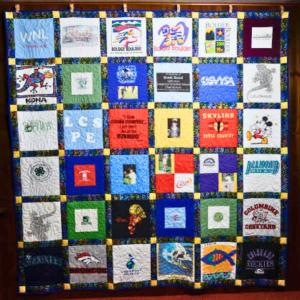
Today, we’re going to talk about memory quilts and how they’re more than just cozy blankets but tangible pieces of our personal histories! Transforming old T-shirts, jerseys, and other sentimental clothing into quilts creates unique keepsakes that celebrate special moments and memories. In this guide, we’ll discuss the process of crafting a memory quilt, from gathering materials to the final stitches, and how to use the advanced features of JUKI sewing machines to bring your vision to life.

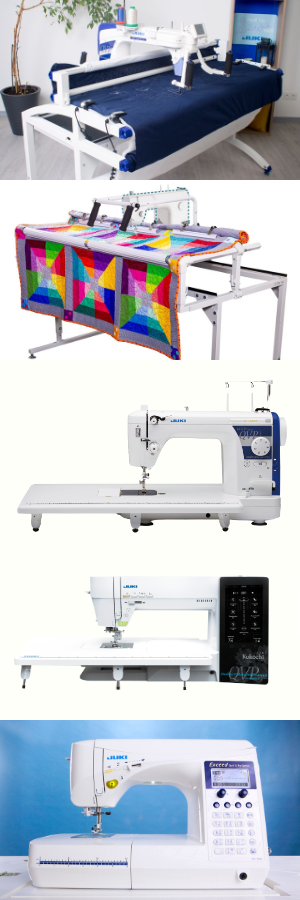
Many JUKI machines can help you create the perfect memory quilt, so here are a few of our favorites! For larger machine space options, the Miyabi J-350QVP offers a spacious work area up to a king quilt and precision stitching capabilities, which are ideal for handling large quilt tops and intricate designs. The Q-Zone Hoop Frame provides the stability and ease needed for quilting. It’s compatible with multiple JUKI machines and ensures your finished quilt will be beautiful and durable.

For smaller workspaces, the TL-18QVP offers the strength of our JUKI Industrial machines, with features like the automatic needle threader and float function for quilting. We also have computerized sewing machines like the F series and DX QVP series that offer various stitch options for decorative stitching and free-motion quilting.

Step 1: The Memories

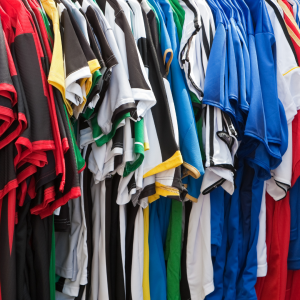
Let’s start planning your memory quilt by deciding what pieces of clothing items have sentimental value! Think of your T-shirts from memorable events or team shirts from sports teams. Give these items a quick wash and check they’re in good condition, like stains or excessive wear.

If any pieces are damaged but meaningful, consider using the undamaged portions. Pay attention to the fabric type and weight; it will affect how you prepare and stabilize the fabrics. Understanding the differences will help you plan the quilt layout and choose the right material for your project.

Keep in mind the fabrics you select. You can aim to coordinate solids, patterns, or themed prints or make a theme like sports, traveling, or interests. Consider using neutral tones like white or black to frame and balance more vibrant pieces. At this stage, consider the backing fabric, ensuring it complements the front and is durable enough for regular use. Cotton is popular for its softness, but flannel or themed prints can add a personal touch. These additional fabrics will help unify the overall design and enhance the quilt’s aesthetic appeal.

2. Preparing the Clothing

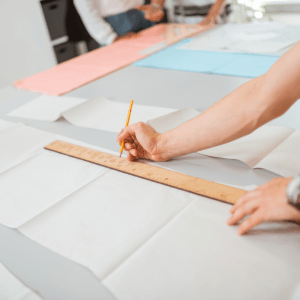
Cutting: Start by laying your clothing items flat on a cutting mat; this will help ensure accuracy and consistency in your cuts. Using a rotary cutter, carefully cut the clothing into uniform squares or rectangles; 12″12″ is a common and manageable size for quilt blocks if you’re unsure where to start.

If your clothing items feature logos, graphics, or designs you want to highlight, center them within your cut pieces. Using a clear acrylic ruler to guide your cuts is also helpful, ensuring straight edges and precise measurements.

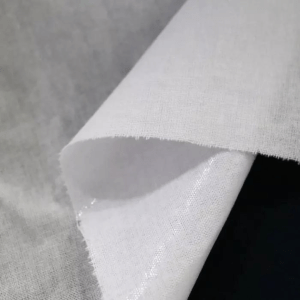
Stabilizing: Stretchy fabrics like those found in T-shirts require extra care to ensure they don’t warp or lose shape during quilting. To stabilize, apply fusible interfacing to the back of each piece before cutting it to size.

Fusible interfacing is a lightweight material that, when ironed onto the fabric, provides additional structure and reduces stretch. Once stabilized, these pieces will be easier to work with, allowing for more precise cutting and sewing. This will result in a quilt that lies flat and retains its shape over time.

3. Designing the Quilt Layout

Plan Your Layout: We recommend starting your memory quilt by arranging your pieces on a flat surface, like a large table or the floor, and experimenting with different quilt layouts. This allows you to visualize how the colors, patterns, and clothing designs will work together.

Balance the colors and the placement of significant items, like logos or graphics, to ensure they are well spaced out across the quilt. This step is key to achieving a harmonious and aesthetically pleasing design!

Create a Mock-Up: Once you’ve settled on a layout you like, consider creating a mock-up to finalize your design. You can use design software like Adobe Illustrator or quilt-specific programs to digitally recreate your layout, allowing for easy adjustments and precise planning.

If you prefer a hands-on approach, sketch your layout on paper, noting the position of each piece! This mock-up will be a valuable reference during the assembly process, ensuring that your final quilt matches your envisioned design. It also helps you spot any potential issues with spacing or alignment before you start sewing.

4. Assembling the Quilt Top

Sewing Pieces Together: Begin by sewing your fabric pieces into individual rows. Align the edges carefully as you sew to ensure even rows and minimize fabric shifting. Once your rows are complete, join them, matching the seams where they meet.

Pressing Seams: After sewing each row, pressing the seams is important to create a smooth quilt top. Depending on your preference and the thickness of the fabric, you can either press the seams open or to one side.

Pressing seams open reduces bulk and helps the quilt top lie flatter, especially if multiple seams intersect. Use a hot iron and apply firm pressure to set the seams, ensuring that the fabric lies evenly and without puckering. Properly pressed seams will make the quilting process easier and contribute to the overall polished appearance of your finished quilt.

5. Adding Batting and Backing

Choose Batting: Find a batting material that complements your quilt’s desired thickness, warmth, and overall feel. Batting comes in various materials, such as cotton, polyester, wool, or blends, offering different loft levels and insulation.

When making your choice, consider how you intend to use the quilt—whether it’s for warmth, display, or as a lightweight throw. Cotton batting is popular for its breathability and smooth finish, while polyester offers more loft and is lightweight!

Cut Backing Fabric: Once you’ve chosen your batting, it’s time to prepare the backing fabric. Cut the backing fabric slightly larger than your quilt top, typically adding a few extra inches on all sides. This extra fabric allows for any shifting during the quilting process and ensures full coverage. Lay the backing fabric flat and smooth out any wrinkles before cutting to ensure a precise fit.

6. Quilting with JUKI

Layering: Next, lay out the quilt layers on a flat surface. Position the backing fabric with the wrong side facing up, followed by the batting layer, and finally, the quilt top with the right side facing up. Carefully smooth out any wrinkles or folds in each layer to ensure a smooth surface.

Once aligned, baste the layers together using your preferred methods, such as safety pins, basting spray, or hand stitches. This step secures the layers, preventing them from shifting during quilting.

Quilting: With your quilt layers basted together, you’re ready to begin quilting! Choose a quilting method that complements your design, such as straight-line quilting for a clean, modern look or free-motion quilting for more intricate and personalized patterns.

Take your time to work evenly across the quilt, starting from the center and moving outward to avoid any puckering or uneven tension. Depending on the design, you should stitch in the ditch (along the seams) or create an all-over pattern that adds texture and visual interest.

7. Binding the Quilt

Trim Excess: Once the quilting is complete, trim the excess batting and backing fabric to match the edges of your quilt top. Use a rotary cutter and ruler to achieve straight, clean edges, ensuring the quilt’s perimeter is uniform.

Attach Binding: Attach the binding to the edges to finish your quilt. Binding seals the raw edges and adds a polished frame to your quilt! Start by sewing the binding to the front of the quilt, then fold it over to the back and hand-stitch or machine-stitch it in place. Take care to miter the corners for a clean, professional look.

8. Finishing Touches

Final Press: After attaching the binding, give your quilt a final press to smooth out any wrinkles and set the seams. Be sure to press both the front and back of the quilt, paying extra attention to the binding edges for a neat finish!

Creating a memory quilt is a heartfelt way to preserve and celebrate cherished moments through fabric. You can craft a beautiful quilt that tells a personal story by carefully selecting your materials, preparing your clothing, and following each step from layering to finishing.

For the perfect quilting machine to bring your projects to life, be sure to check out JUKIQuilting.com to find the right fit for your needs. Additionally, explore our JUKIHomeSewing YouTube page for inspiring projects and helpful tutorials. Take advantage of our detailed memory quilt project guide at this link to help you get started on your own special creation! Happy Sewing!

Starting a Sewing Business with JUKI

The start of a new year is the perfect opportunity to pursue your dreams and set ambitious goals! If you’ve been thinking about turning your love for sewing into a business, 2025 is the time to make it happen. A sewing or quilting business allows you to combine creativity with entrepreneurship, offering the freedom to work on projects you’re passionate about while earning income. From custom creations to unique products for your community or online marketplace, the possibilities are endless.

Today we’re going to talk about how you can start planning your business using JUKI sewing machines. Launching a sewing business can feel daunting, but it can be an exciting and rewarding journey with the right mindset and planning! Focusing on quality, originality, and a clear vision of what you want to create and sell can help you stand out in a competitive market. Whether you plan to specialize in custom quilting, stylish garments, or personalized home décor, JUKI can help set the stage for success.

Let’s talk about top business machines!

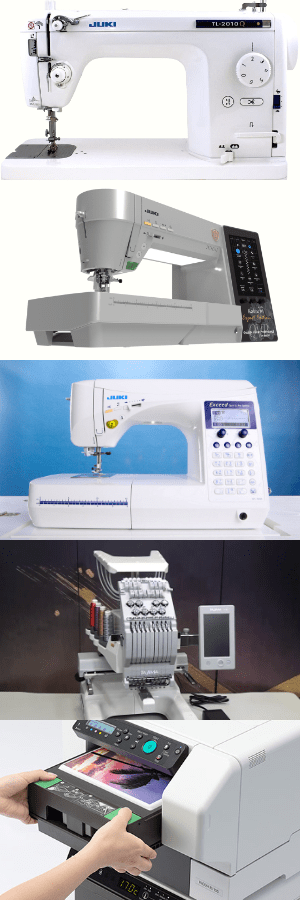
The TL-2010Q is a semi-industrial straight stitch machine perfect for small businesses that focus on quilting or other projects that require high-speed sewing. Its powerful motor allows for faster production, ideal for shops creating custom orders like large quilts, home décor items, or table runners efficiently. With features like a knee-lift lever, adjustable presser foot pressure, and an automatic thread cutter, this machine enhances productivity and precision, enabling you to handle bulk orders without compromising quality!

The DX-4000QVP Expert Edition is a versatile electronic machine designed for advanced stitching needs, making it a great choice for creating intricate designs and high-end garments. It has an intuitive touchscreen interface and comes installed with over 400 stitch patterns that can help you get creative when finalizing your designs! This machine also has a box-feed system which ensures even stitching on all types of fabric. This feature is important if you plan on creating garments that offer different textures and styles! For small business owners, these machine features are invaluable for crafting unique, professional-grade products that stand out in your market.

The HZL-F600 offers a combination of power and versatility, making it a favorite for small businesses that handle a mix of apparel, quilting, and home décor projects. It has a wide range of decorative and utility stitches, comes installed with an automatic thread trimmer, and includes free-motion sewing capabilities that allow you to create diverse products with ease. If you’re planning a startup, the HZL-F600’s user-friendly features will help you reduce production time and increase efficiency, while also helping you meet customer demands without overwhelming your workflow!

The TAJIMA Sai 8-needle embroidery machine is a game-changer for businesses looking to offer personalized and embroidered products. Since the machine offers eight needles for multicolor designs, you can be creative and detailed in your design ideas! It’s also a compact size suitable for smaller workspaces while still offering professional capabilities with convenience. Its precision and speed make it ideal for creating custom logos, monograms, and intricate embroidery, giving your business the edge to cater to the growing demand for unique, customized items. Perfect for creating apparel for teams, events, businesses, and more!

Last, we have the RICOH Ri 100 Printer, which is perfect for small businesses interested in fabric printing. The RICOH comes in a compact design and offers an easy-to-use interface, which makes it accessible for beginners! This machine offers the ability to print high-quality images on textiles and opens up opportunities for custom t-shirts, tote bags, banners, and more. For startups, the RICOH’s efficiency and affordability compared to other garment printers in the market will allow you to experiment with creative ideas and expand your product range without significant overhead costs!

Next, let’s talk about the products you can create and sell using these machines!

  1. Custom Quilts and Home Décor
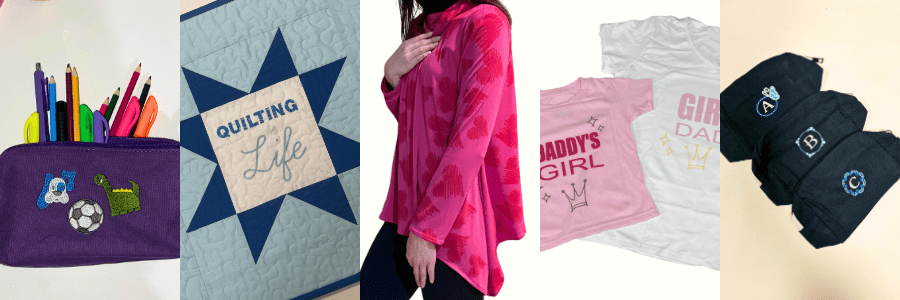
    Quilts are timeless and highly valued items! These are perfect for selling at markets or online. With a machine like the 2010Q, you can craft intricate quilt designs, table runners, or wall hangings quickly and professionally. Pair your quilting skills with trendy fabrics and patterns to attract customers looking for unique, handmade pieces for their homes. Personalized touches, like embroidered initials or custom color schemes and themes, can further increase their appeal and value!
  2. Fashion and Accessories
    Using machines like the DX-4000QVP or HZL-F600, you can create fashionable clothing and accessories tailored to your target audience. From boutique dresses to custom tote bags and accessories, these projects are practical and in demand. Decorative stitches and advanced design features allow you to add special details that make your items stand out! At markets, customers are often drawn to unique, handcrafted garments and accessories they can’t find in stores, and you can create their next beloved fashion piece!
  3. Personalized Embroidered and Printed Items
    For customers seeking personalized gifts, embroidered or printed items like hats, t-shirts, towels, and baby blankets are always a hit! With the TAJIMA Sai 8-needle embroidery machine, you can add intricate monograms, logos, or designs to your products, while the RICOH Ri 100 Printer allows you to create vibrant, custom-printed fabrics. These items make great gifts and are ideal for special occasions like birthdays, weddings, or holidays. Offering customization options gives your business an edge in attracting a wide range of customers!

Starting a sewing business is an exciting way to channel your creativity into a profitable endeavor, and JUKI machines are here to support your journey! With our reliability, versatility, and advanced features, these machines empower you to produce high-quality products that stand out in any market. Whether you’re crafting intricate quilts, stylish outfits, or personalized gifts, the right tools can make all the difference in turning your vision into reality.

Let this New Year be the start of your successful sewing venture, and visit your nearest JUKI dealer by clicking here!