Crafting Your JUKI Sewing Ritual

Whether you’re an amateur enthusiast or a seasoned seamstress, this new year, JUKI will help you establish a ritual you can follow before diving into your sewing endeavors. These steps can significantly elevate your crafting experience! Crafting a dedicated routine for your JUKI sewing machine ensures a smooth and gratifying sewing journey.

Embrace the Ritual
Before the machine’s hum fills the air with creative promise, embark on a ritual that sets the stage for a seamless sewing session. Here’s a guide to crafting a pre-sewing routine specifically tailored for your JUKI machine:

  1. Needle Check:
    Every project starts with the first stitch. Before commencing your project, inspect the needle for any signs of wear, such as dullness or bends. Ensure it’s securely fastened and aligned correctly. Replace the needle if it shows any signs of damage or has been used for an extended period.

A damaged needle can cause many issues in your project process and creation. Your stitch quality can go down with a broken needle, as this can lead to skipped or uneven stitching. The fabric you’re working on can be damaged and lost due to nonrepairable holes. The needle can break if already chipped and damage your machine or yourself, and lastly, you won’t get the results you’re looking for.

The needles are an important first step to ensuring your machine is ready to create.

  1. Bobbin Space Cleaning:
    A clutter-free bobbin area is vital for smooth stitching. Remove the bobbin case and clean out any lint, dust, or stray threads that might have accumulated. Use a small brush or the machine’s cleaning tools to ensure the area is pristine.

Cleaning your bobbin space will help you prevent any malfunctions while creating like uneven stitches, thread breakage, or skipped stitches. We’re also aiming to avoid those thread jams, maintain consistent tension, and extend the lifespan of your machine.

Lastly, debris in the bobbin area can transfer onto the fabric, causing stains or marks, so keep your projects clean and smooth with a quick sweep of your bobbin area.

  1. Thread Space Maintenance:
    Keeping the upper thread path clean ensures consistent tension and prevents thread snags. Use a lint brush or compressed air to remove debris from the tension discs, thread guides, and around the needle. A clean thread path is crucial for optimal stitching quality.

When you don’t clean your thread space, you might notice inconsistent tension due to dust or lint accumulating, which can interfere with the tension discs or thread guides. You’ll also be able to extend the lifespan of your thread and needle with clean thread space and preserve your fabric from dealing with stains or marks from the debris.

Keeping this area clean is optimal for getting that excellent quality finish you want on your projects!

  1. Stitch Plate Selection:
    Ensure the appropriate stitch plate is installed depending on your project and the type of stitch you’ll be using. Swap to a straight stitch plate for delicate fabrics or a zigzag stitch plate for decorative or stretch stitches.

The right plate will help you achieve quality stitch accuracy, protect your needle from breaking or damage, and reduce puckering in your projects. JUKI also has different options for plate selection on light or heavy-weight fabrics.

  1. Bobbin Thread Compatibility:
    Confirm that the bobbin thread matches the upper thread in weight and type. Consistency in thread choices ensures uniform and balanced stitching.

Having the correct bobbin will also help you with tension control, as mismatched bobbin thread could lead to difficulties in achieving balanced tension. Having the correct tension will also ensure that your fabric doesn’t receive any damage.

And remember, specific sewing projects, such as quilting, may require specific types or weights of bobbin thread for optimal results.

  1. Foot Selection and Attachment:
    Choose the appropriate presser foot for your project. Attach it securely to the machine to guarantee smooth fabric feeding and precise stitching. Different feet cater to various sewing techniques; ensure you have the correct one for your intended stitches.

Having the right foot is an important step to a smooth sailing project. The right presser foot will allow you to maintain excellent stitch quality, and certain feet have markings or guides that assist in maintaining precise seam allowances or stitching lines.

For example, some sewing projects require specialized techniques that can only be achieved with specific presser feet. An edge-stitching foot helps create precise edge stitches. Check out your JUKI options by visiting here!

  1. Test Stitching:
    Before beginning your project, perform a test stitch on a scrap fabric. This allows you to verify the thread tension, stitch length, and stitch quality before starting on your main project.

Testing stitches will help ensure your machine is calibrated correctly, that your tension settings are in order, and that your stitches will finish clean. Taking the time to perform test stitching or practice stitches before beginning your main project is a valuable step.

Crafting a pre-sewing ritual for your JUKI sewing machine establishes a foundation of consistency and attention to detail. By diligently checking the essentials – from needles to thread paths and stitch plates – you pave the way for a hassle-free and enjoyable sewing experience!

Embrace this ritual as a series of steps and a meaningful ceremony that honors your craft. Let your JUKI machine reflect your dedication to precision and commitment to turning every sewing project into a masterpiece. Start your sewing journey on the right foot by embracing the art of preparation with your trusted JUKI machine!
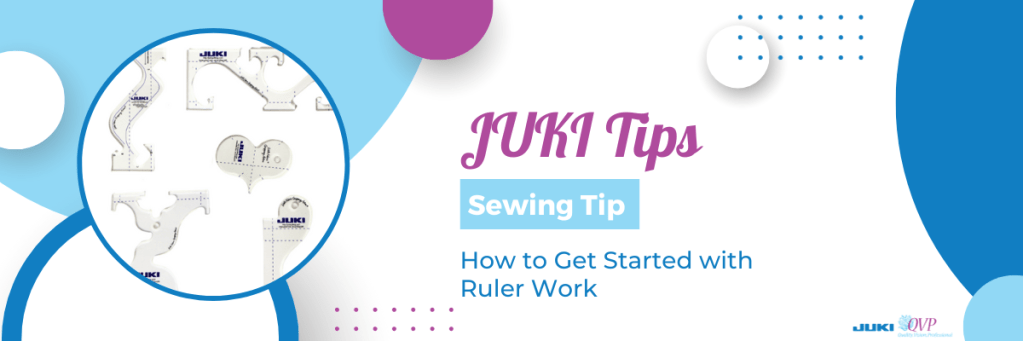
JUKI Tip: How to Get Started with Ruler Work

In this month’s tip, JUKI National Account Trainer Alba teaches us a fun and easy way to use our new JUKI ruler set in the Hearts and Wings collection! Showcased by Alba, check out examples of patterns you can create and an easy trick on how to plan out your designs the next time you’re creating.

Follow along below for a rundown of what Alba covers on today’s JUKI Tip!

Hello, all my JUKI friends my name is Alba and I am the national accounts trainer for JUKI Home Sewing! I’d like to welcome you to my home and today I’m really excited because this is almost like a double video for you. I am not only introducing a new product but I’m going to give you a tip on getting started with that new product. So let’s get right to it and let me show you the new product!

What I’m referring to is the hearts and wings ruler set. This is absolutely beautiful, you’re getting five different rulers that I have spread out on the video and they are clear rulers so I do have them down on white paper to try and make it easy for you to see them. As you could see, they give you five different shapes and really endless possibilities and a lot of people when they get started with rulers and quilting one of the first questions they ask is “so how do I get started?” And that’s exactly my tip for you today!

Now you notice I have no machine set up because really getting started with rulers or any free motion for that fact is on paper or a dry-erase material. So you can work on paper with pen, and I do recommend getting a pen that does not have a click on/off, because that pen will close on you as you are tracing those rulers or templates. You may hear this term, ruler or a template, and they refer to the same thing.

What I am going to do, is at my local Dollar General they have a dry-erase wallpaper and for me, I put this on the back of my cutting mat and it makes it really easy for me to audition and practice with my rulers. So the first thing I am going to do is I will be doing a border with this ruler here, and what I like about the JUKI ruler is, it doesn’t show well on camera, but there are a little dots of grips fabric grips on these rulers so it makes it really easy to start using them.

To start in the video I’ll draw a center line, and what I like about the dry erase is I can just erase if I’ve make a mistake and it makes it really practical on this dry erase material but remember to use a dry erase marker that’s especially made for this. Now with free motion it really doesn’t matter where you start at the beginning or at the end because you have full 360 movements; but for me when I start I like to start at the top of my fabric with the bulk towards me so as I move I’m moving into the machine and that’s exactly what I will be doing here.

I am going to place my ruler down and you will notice on the video all the cross markings, and these are indicator markings to keep you straight, plum and even. So I am going to line up, and when using rulers you want to put some of your fingers on the ruler and some of them off the ruler guiding it and having you keep it from moving or shifting. Now if this were my machine I would be following the edge and at any point stop because that is what will give you a nice beautiful point. Now I am going to move my ruler and line up and make sure that I am staying on those lines.

Now I’m going to turn my ruler around and go to the other side. I could either start from the top or the bottom and always when you’re doing this, pause at that corner. Im going to make sure I am lined up beautifully, and look at what a beautiful design this makes for a border!

As you play with this you could put a medium size one in between and audition but this is what I like about working with a dry erase area paper pen, you’re getting to play with it and really experimenting with the movement and the shape that you will create. Now by using the dry erase, it will be slightly larger because my foot does grip about A4 of an inch from that ruler base but this is a good way to get that general idea of how that ruler will take shape and also to play with it and trying create new and exciting shapes of your own.

I want to thank you for sharing this time with me! If you enjoyed this video and others that you’ve seen make sure to hit subscribe and make sure to leave comments as well on what you’d like to see. Please come back and show me your progress that you’re making with your rulers and again this is the new hearts and wings ruler set that I am playing with a five-piece ruler set so please reach out to your local dealer and get a really nice look at this set!

Sewing Into 2024 with JUKI

Embarking on a sewing journey is akin to unraveling a treasure trove of creativity and skills waiting to be discovered. For beginners eager to delve into the craft with a reliable JUKI sewing machine this new year, here are five delightful and straightforward projects that promise a smooth learning curve!

1. Chic Coin Purse

Crafting a coin purse is an ideal starting point for newbies. When selecting fabrics for this project, consider using lightweight cotton or canvas for the exterior and coordinating cotton or polyester for the lining. These fabrics are easy to handle and come in many colors and patterns.

Using a simple design and thanks to its practicality, this project is functional and rewarding! This project also only consumes a little time, which is excellent motivation when just starting.

Recommended Notions:

  • Zipper: Opt for a standard nylon or polyester zipper in a matching or contrasting color. A zipper attachment is an important skill to learn, as this skill will be used in various projects like bags, garments, and more.
  • Thread: Use a good quality all-purpose thread for exterior and lining fabrics. Using the right thread will help your project have a longer-lasting quality and reduce thread breakage when creating your coin purse.
  • Sewing Foot: A zipper foot is essential for precise stitching when attaching the zipper. Using a zipper foot will help you easily attach the zipper and reduce mistakes in your project!

2. Hair Scrunchies

Creating scrunchies allows beginners to experiment with different textures and stretchy materials. Opt for fabrics like cotton, satin, or velvet. These materials are readily available, accessible to work with, and come in various colors and prints.

The skill of working with different fabrics is essential! As you learn to sew, you’ll learn that some fabrics have more stretch than others, what fabrics can handle constant use, what threads and needles will work best, and more.

Learning how to attach an elastic is also an excellent tool! Attaching elastic is a popular skill in garment creation, and using this project as a stepping stone is a great way to learn how to run the elastic through project pieces or attach them to fabric,

Recommended Notions:

  • Elastic: Choose a narrow, soft elastic that is comfortable to wear. The best thing to do is decide how big you want your scrunchies and then pick the correct width. The typical width of an average scrunchie usually falls within ¼ inches.
  • Thread: Use a matching thread for seamless blending. Remember any scrunchies you may have at home, and study the design and stitching to better understand how your closure should look when you finish your project!
  • Sewing Foot: A basic sewing foot works well for this project, making this perfect for all beginner sewers.

3. Stylish Eye Glass Case

When making an eyeglass case, consider using fabric with a bit of structure, like quilt-weight cotton or denim, for durability. A soft cotton or felt for the lining will help protect the glasses.

This project will teach you how to create projects with a form or shape that requires maintaining structure. These fabrics can be thicker and offer stability to more than just eyeglass cases; even used in tote bags, hats, quilts, and more. You can also learn to use different thread weights and needle sizes, as denim requires a larger needle than chiffon or cotton.

This project will also help you learn the basics of small buttons or snap closures. While zipper closures are a popular option, button closures and snaps are expected in bag creations, home décor, garments, and more. Learning this skill will help you when you step up to creating dresses, skirts, and more!

Recommended Notions:

  • Button or Snap: Opt for a small button or snap closure for easy use. JUKI machines offer button attachment accessories, and we have a selection of machines that offer buttonhole creation. Those tools would help any sewist, beginner or advanced, create quality finished closures for their projects.
  • Thread: Use a sturdy thread to ensure durability. Eyeglass cases receive a lot of use, like your scrunchies, so make sure to use a thread that can handle that form of wear and tear and even a little stretch in case your glasses fit snugly in their new case.
  • Sewing Foot: A walking foot helps when sewing through multiple layers of fabric. With a walking foot, you’ll notice even feeding, reduced slippage as you have layers placed together, and prevention of wrinkles and puckering, giving you that finished quality look you’re aiming for!

4. Quaint Coasters

Coasters are an excellent canvas to showcase your creativity. Choose absorbent fabrics, such as cotton, linen, or a cotton-linen blend, to absorb moisture from glasses effectively. Remember to bring that skill of layering into play! Placing layers in between tour fabrics will help with creating a sturdy project.

The simple and manageable design size will help you build your confidence in project creation while allowing you to experiment with different stitch designs, fabric types, patterns, and more! This will also teach you basic techniques like measuring and cutting fabric accurately, sewing straight seams, turning corners, and finishing edges neatly.

This project is also a low-cost and low-time-consuming idea, giving creators a budget-friendly option that builds their confidence.

Recommended Notions:

  • Batting or Interfacing: Adding a layer of batting or interfacing between the fabrics gives the coasters a sturdy feel, perfect for guests and homebodies.
  • Thread: Use a coordinating thread for neat finishing.
  • Sewing Foot: A walking or quilting foot helps maintain even stitches when working with multiple layers. As we mentioned before, prevent those wrinkles and puckers, and enjoy the finished quality.

5. Nook Carrier for Books

Select durable fabrics like canvas or twill for the exterior to provide adequate protection for a nook carrier or book sleeve. Use soft cotton for the lining to prevent scratches on the nook or book. This book sleeve can be used for travel, so you want to use a fabric that can handle heavy use and possibly different weather conditions.

This project is a great skill builder for beginners because it has a straightforward design that is easily customizable to your needs; you can take the opportunity to learn how to attach straps to a carrier case, an important lesson for garment and bag creation, and beginners can experiment with fabric choices, colors, patterns, and embellishments to add a personal touch to the project.

Recommended Notions:

  • Velcro or Button Closure: Choose a closure option that secures the carrier while offering easy access. Velcro options are popular thanks to how easy they are to install onto projects and their budget-friendly cost. It’s also easy for many users to use as a closure with its easy opening. In some cases, if the Velcro wears out due to heavy use, it’s relatively easy to replace without having to reconstruct the entire project.
  • Thread: Use a strong thread for structural integrity. A Book or Nook carry will be heavily used by a book lover, so keep that in mind when choosing your thread and building your project. Backstitching is a great skill to learn for enforcing the durability of your project and can be done with the press of a button on our JUKI machines.
  • Sewing Foot: A walking foot ensures smooth stitching through different fabric layers. This will help as you attach a lining to the carrier case for solid protection. Remember that these carries will be used for travel, and a good, durable fabric and filler will protect the item.

Pro Tips:

  1. Fabric Preparation: Always pre-wash and iron your fabric before starting any project to prevent shrinkage or distortion after sewing.
  2. Practice Stitches: Familiarize yourself with different stitch options on your JUKI machine before starting the projects to achieve the desired finish. Grab the fabric you plan to create for your project to test how the stitches will work with your fabric and design choice.
  3. Seam Allowances: Pay attention to seam allowances; they ensure accurate sizing and neat finishing. We recommend checking out JUKI’s ¼ Presser Foot for a seamless and measured look.

These beginner-friendly JUKI sewing projects offer an excellent way to learn while creating practical and visually appealing items. With the recommended fabric choices, notions, and sewing accessories, beginners like you can confidently embark on their sewing journey, guided by the reliability and precision of their JUKI sewing machine.

So, gather your materials, unleash your creativity, and let your sewing adventures begin! Visit our project page here for more project ideas that beginners and advanced sewists alike will love creating. 

How to Create Your Sewing Community

In a world increasingly dominated by technology and fast-paced living, finding a fulfilling and engaging hobby has become essential for maintaining a sense of balance and well-being. Sewing, an age-old craft, has experienced a renaissance in recent years, captivating both seasoned crafters and newcomers alike. As we step into the new year, there has never been a better time to embrace the sewing revolution and connect with other sewists through various online sewing groups, workshops, and sewing retreats! Let’s delve into the significance of sewing communities and events and discover the multitude of benefits they offer in 2023.

1. Support and Inspiration:

Sewing can occasionally present challenges, and having a support network can make all the difference. Engaging with fellow sewists through online groups or workshops allows for the exchange of ideas, troubleshooting of issues, and sharing of accomplishments. The encouragement received from others can ignite the spark of inspiration and creativity, propelling one’s sewing journey to new heights. Additionally, witnessing the remarkable projects undertaken by community members serves as a wellspring of motivation to take on new challenges.

You can also connect with our National Account dealers here who throughout the year, have JUKI trainers visit to keep their staff up to date on the newest JUKI home products so they can help provide you with reliable support during and after your purchase.

2. Learning and Skill Development:

The world of sewing is vast and ever-evolving, with a plethora of techniques, styles, and materials to explore. Sewing communities often host workshops and classes, both online and in-person, led by skilled instructors and industry experts. These workshops not only introduce new skills but also offer a platform for improving existing ones. The chance to learn from experienced artisans can boost confidence and competence, enabling sewists to tackle more intricate and ambitious projects.

Connect with your local JUKI dealers here to learn more about what class options they have available to the sewing community! From weekly clubs to monthly events or special class dates, our JUKI dealers are ready to help you start creating.

3. Fostering Creativity:

Creativity thrives in environments where ideas are freely shared and celebrated. Sewing communities provide a safe space for individuals to express their creativity without judgment. Through collaborative challenges and sharing sessions, members can explore different perspectives and experiment with their creativity, leading to innovative and imaginative sewing creations.

Fostering creativity in sewing and quilting is essential to unlocking the full potential of these crafts and producing truly unique and captivating creations. Try stepping out of your comfort zone by experimenting with different fabrics, colors, and patterns. Embrace mistakes as opportunities to learn and grow, allowing them to inspire new design directions. Draw inspiration from various sources, such as nature, art, and everyday life. By giving yourself the freedom to think outside the box and incorporating diverse influences, your sewing and quilting projects will undoubtedly flourish with newfound creativity and originality.

4. Sewing Retreats: A Time for Renewal:

For many, the hustle and bustle of daily life can impede the full enjoyment of their hobbies. Sewing retreats present an opportunity to escape distractions and immerse oneself fully in the craft. These retreats, often set in picturesque locations, offer dedicated time for sewing, learning, and connecting with fellow participants. The serene ambiance, away from the pressures of everyday life, encourages a profound sense of relaxation and rejuvenation.

You can also attend sewing and quilting exhibitions that host a variety of sewing classes ranging from serging to sewing and quilting. These expos also offer the chance to purchase new JUKI machines at show deal prices and the opportunity to find new notions and fun fabrics! Learn more about the events JUKI attends by staying up to date on our socials here or visiting our events page here.

5. Adapting to the Digital Age:

The internet has revolutionized the way we connect and share information. Online sewing groups have thrived, attracting sewists from across the globe. These virtual communities transcend geographical boundaries, bringing together people who would have never met otherwise. Through online platforms, members can share their work, participate in discussions, seek advice, and make friends, all within the comfort of their homes.

Check out JUKI’s YouTube page from the comfort of your home and learn how to create fun and easy projects by following our step-by-step videos! Thanks to the digital age, we can share our favorite projects that we love creating, and display tips and tricks you can start using on your sewing journey.

As we enter 2023, the sewing community stands stronger than ever, enriched by the passion and dedication of its members. Joining sewing communities and participating in sewing events opens doors to a world of creativity, camaraderie, and personal growth. The support, inspiration, and friendships cultivated through these interactions make the sewing journey not only enjoyable but also deeply rewarding. Good luck on a new year of creating and Happy sewing!

Top 5 Sewing Techniques Every Sewist Loves

Sewing is a versatile craft that allows you to bring your creative vision to life. From garments to home decor and accessories, understanding and utilizing various sewing techniques can take your creations to the next level. This blog post will explore some beloved sewing techniques every sewist loves to use. These techniques not only enhance the quality and durability of your projects but also add a touch of professionalism and finesse to your craftsmanship! Get ready to elevate your sewing skills and create masterpieces you’ll be proud of.

The French seam is a clean and elegant finishing technique that encloses raw fabric edges within the seam. It is commonly used in lightweight fabrics, delicate garments, or sheer materials. To create a French seam, first, sew the wrong sides of the fabric together with a narrow seam allowance. Then, trim the seam allowance, press it to one side, and fold the fabric, enclosing the raw edges. Finally, sew a second seam, enclosing the trimmed edges. French seams provide a neat and professional finish while preventing fraying.

Consider making a French seam pillowcase with enclosed seams for a clean look and added durability. For garment projects, try sewing a French seam blouse or dress, providing a polished appearance both inside and out. Another idea is to craft a French seam tote bag, ensuring the seams are strong enough to withstand the weight of your belongings while maintaining an elegant look.

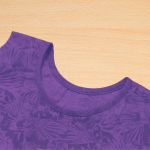
Understitching is a technique used to keep facings or linings from rolling to the front of a garment or project. It involves sewing the facing or lining to the seam allowance close to the stitching line, usually on the wrong side of the fabric. Understitching helps maintain a clean and polished appearance, ensuring the inner layers stay in place.

Consider making a tailored blazer or jacket and understitching the facing to ensure it stays in place and lays flat. You can use understitching along the neckline or armholes for garments like dresses or skirts to keep the facings or linings from peeking out. Additionally, understitching the lining can prevent it from sagging or shifting when working on projects like bags or pouches.

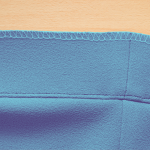
Topstitching is a functional and decorative technique that adds strength, stability, and visual interest to your sewing projects. It involves stitching on the right side of the fabric, usually a short distance away from a seam or edge. Topstitching can secure seam allowances, attach pockets, or emphasize design details. It is commonly seen on jeans, collars, cuffs, and hems. Use a longer stitch length and a coordinating or contrasting thread color to make your topstitching stand out.

Consider making a denim jacket or jeans and using topstitching to highlight the pockets, seams, and hems, adding a trendy and professional touch. Try topstitching along the edges and straps for bags and accessories to provide extra strength and a polished finish. When working on garments, you can incorporate topstitching to outline collars, cuffs, or waistbands, creating visual interest and structural reinforcement. Additionally, topstitching is a great way to add detail to home decor items such as curtains, cushions, or tablecloths, bringing a tailored and finished look to your space.

Bias binding is a versatile technique to finish raw edges, add decorative accents, or create straps and ties. Bias binding is made from strips of fabric cut on the bias, resulting in a flexible and stretchy trim. It can be purchased ready-made or created by cutting fabric strips at a 45-degree angle. Bias binding is used to neatly encase raw edges by folding them over and stitching them. It adds durability, structure, and a professional finish to your sewing projects.

Consider making a quilt and using bias binding to neatly enclose the edges, providing durability and a decorative edge. For garments like dresses or blouses, bias binding can be used to finish necklines and armholes or even create adjustable straps. Additionally, you can use bias binding to add a pop of color or pattern to home decor items such as placemats, table runners, or curtains.

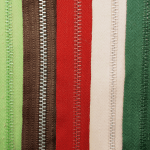
Mastering zipper installation is a valuable skill that opens up design possibilities. Whether it’s a centered, invisible, or exposed zipper, proper installation ensures secure closure and a polished look. Take the time to learn different zipper insertion techniques and practice them on scrap fabric before applying them to your projects.

Consider making a zipper pouch or cosmetic bag to showcase your zipper installation skills while providing a functional and stylish storage solution. You can incorporate zippers into skirts, dresses, or pants for garments to ensure a smooth and secure fit. Adding zippers to jackets or coats allows easy on-and-off access while maintaining a polished look. Additionally, you can create accessories like wallets, laptop sleeves, or even pillow covers with zipper closures.

Sewing techniques are vital in transforming your projects from ordinary to extraordinary. You can create beautiful, professional-quality garments, accessories, and home decor items by incorporating French seams, understitching, topstitching, bias binding, and mastering zipper installation. These techniques enhance the durability and functionality of your creations and showcase your attention to detail and craftsmanship. So, embrace these beloved sewing techniques, practice them with patience and precision, and watch your sewing skills flourish. Happy sewing, and may your creations continue to inspire and impress!