Embrace the Cozy Season

It’s almost time for Fall JUKI lovers, so let’s indulge in sewing projects that capture the essence of Fall! Whether you’re a sewist or a quilter, Fall offers a beautiful opportunity to create cozy, stylish, and functional items for yourself and your loved ones.

In this blog, we have three projects you can create this autumn and recommendations for JUKI machines, accessories, fabrics, notions, and threads to ensure your creations turn out beautifully! Let’s go ahead and dive into one project we’ll be sharing later this month.

  1. Autumn Throw Pillows

The JUKI TL-18QVP is ideal for creating autumn throw pillows. It offers precision and versatility for piecing and quilting. Its robust build and advanced features, like the automatic needle threader and adjustable presser foot pressure, make it perfect for adding decorative touches to your pillow project.
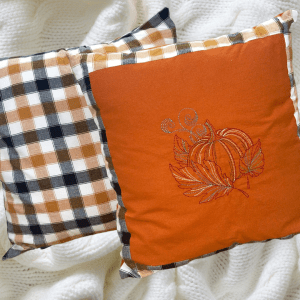
We recommend using autumn colors like deep oranges, rich browns, and forest greens in fabrics like cotton or linen. These materials are durable, easy to work with, and ideal for home décor. Consider patterns with leaves, pumpkins, or plaid for a seasonal touch!

When it comes to notions, choose a high-quality pillow form for a plush finish, or use the stuffing for a custom shape like a leaf, ensuring it’s filled to your desired firmness. For marking your design, use a fabric marking pen or chalk marker, preferably with disappearing ink for easy removal.

When it comes to thread, select a high-quality polyester in a matching or contrasting color to enhance your pillow’s design. This will provide durability and a smooth finish. A universal 80/12 needle works well for most cotton and linen fabrics, while a 90/14 needle is better suited for heavier materials, such as vinyl, if you’re planning to use it in your projects.

Stay tuned here for our project release!

JUKI Accessories:

  • Walking Foot: This foot is ideal for sewing through multiple layers of fabric, ensuring smooth feeding of the fabric for a professional finish. It’s handy when working with thicker fabrics or multiple layers.
  • Free Motion Foot: Perfect for adding custom quilting designs and free-motion embroidery to your pillow. It allows for greater control over stitching patterns and design elements.

Additional Tips:

  • Pre-Wash Fabric: Pre-wash and iron your fabrics before cutting to prevent shrinkage and ensure smooth sewing.
  • Press Seams: Press seams open or to one side to create a crisp, professional finish.

2. Cozy Beanie
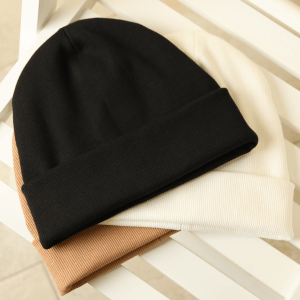
The next project we’d recommend trying your hand at is a cozy beanie! For a cozy beanie, select warm and stretchy fabrics like fleece or jersey in autumn colors or patterns. These materials provide comfort and warmth on chilly days, and those with spandex or elastane offer added stretch.

The JUKI MO-2000QVP serger is a good choice for this project. Our sergers can efficiently handle knit fabrics and sew and finish edges with precision in one step. You can incorporate an elastic band to keep the beanie in place and maintain its shape to ensure a snug fit. Fabric clips can help hold knit fabric layers together without causing snags or distortions.

Remember your thread! Polyester thread offers both stretch and durability to prevent breakage or unraveling with the fabric’s stretch. A ballpoint needle, size 70/10 or 80/12, is ideal for knit fabrics, as its rounded tip helps avoid snags and skipped stitches.

JUKI Accessories:

  • Elastic Foot: Attach elastic bands evenly and securely.
  • Gathering Foot: Create ruffles or gather fabric; it can add decorative elements to your beanie.

Additional Tips:

  • Stretch Stitch Settings: Use the serger’s stretch stitch options or differential feed settings to ensure the fabric maintains its stretch and does not distort.
  • Use Fabric Clips: Instead of pins, use fabric clips to hold knit layers together to avoid snagging and ensure a smooth sewing experience.

3. Quilted Autumn Table Runner

For this project, check out the JUKI Kirei HZL-NX7. Like our other computerized machines, The HZL excels in quilting projects by providing ample space and quilting features perfect for crafting detailed and beautiful autumn table runners. The ample throat space and quilting capabilities make it ideal for handling larger projects.

For a quilted autumn table runner, choose cotton quilting fabrics in warm autumn colors and patterns. Fabrics like flannel or cotton with leaf or plaid designs will give your table runner a seasonal touch. Quilting cottons are durable and come in a range of fall-themed prints!
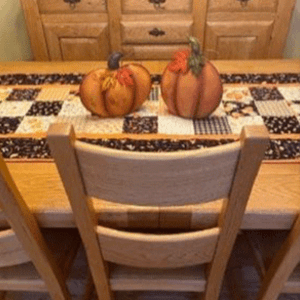
Check out medium-weight batting to provide coziness and structure to your table runner. Cotton or polyester batting works well for quilting projects, too. We recommend keeping your quilt ruler and rotary cutter nearby for precise cutting and piecing of quilt blocks. This helps to ensure accurate measurements and clean edges.

And, of course, thread! We recommend using 100% cotton quilting thread to achieve a smooth, durable finish. This thread can be used for both piecing and quilting since it blends seamlessly with quilting fabrics. The quilting needle, size 75/11 or 80/12, both are suitable for handling multiple layers of fabric and the thickness of batting.

JUKI Accessories:

  • Quilting Foot: This is essential for free-motion quilting. It allows you to maneuver your quilt with ease and helps create intricate quilting designs without getting caught in the fabric.
  • Extension Table: If you need extra space, we recommend this one. It’ll provide extra space for quilting larger projects and help maintain smooth fabric movement. It’s beneficial for managing the bulk of a quilted project.

Additional Tips:

  • Quilt Designs: Experiment with different quilting designs, such as meandering or echo quilting, to add texture and interest to your table runner.

These fall projects are a delightful way to decorate your home and wardrobe with seasonal charm! Creating projects like throw pillows, beanies, and table runners brings a touch of Fall into your daily life and enjoyment in making something beautiful and functional.

Each project offers an opportunity to experiment with seasonal fabrics and patterns, transforming simple materials into cozy, personalized décor and accessories that reflect the theme of Fall.

With the right JUKI machine and accessories, you’ll have the tools to craft these fall projects easily! Whether you’re using a serger, computerized, or semi-industrial sewing machine, these machines’ quality and versatility ensure your projects turn out beautifully. Find the right fabrics, notions, and threads, and you’ll be equipped to produce stunning pieces that celebrate the fall season in style. Happy sewing!
JUKI Tip: Creating a 1/4″ Seam Allowance on DX-2000QVP

In this tip we’re going to talk about how to get the perfect quarter-inch seam on the DX-2000QVP!

Starting off with the Regular Presser Foot, and stitch number three on your machine, this is the perfect quarter-inch seam from the edge of the presser foot. The reason why Kelly likes this combination is because it’s used using the full set of feed dogs and JUKI is a box feeding system so it’s not pushing or pulling your fabric through, it’s guiding it by a box feed which is a superior feeding system!

However, if you don’t want to go that route there is also the patchwork foot that comes with the DX-2000QVP and that will give you a perfect quick seam on the edge of the presser foot. You’ll see in the video, it is a snap-on presser foot and it can be used with stitch number one. That’ll put it in the center of the presser foot so you can get that perfect quarter inch!

Now, some Quilters like a guide so we also have the quarter-inch foot with the guide with the DX-2000QVP. We recommend using the straight stitch in the center needle position. Now when I snap that foot on you have a guide!

Thank you for joining us today to learn about getting that perfect quarter-inch seam on the DX-2000QVP! Subscribe to our channel to learn more quilting tips tricks and projects from JUKI.

Sewing Techniques for Spring

It’s that time of the year when chiffon, linen, and cotton reign supreme in the fashion world, offering a breath of fresh air to wardrobes everywhere! But mastering the art of sewing with these ethereal fabrics can be a bit like taming a butterfly—challenging yet incredibly rewarding. Let’s dive into the world of spring sewing techniques and explore how to work magic with these fabrics on our trusty JUKI machines.

Embracing Chiffon

Chiffon is the epitome of elegance and lightness. Working with this sheer, floaty fabric might seem intimidating, but fear not! Please start by selecting a fine needle, preferably a size 9 or 11, to ensure it glides through the fabric without causing snags. Using a walking foot or a roller foot on your JUKI machine can also work wonders by preventing the fabric from shifting as you sew.

You can craft lightweight scarves in various colors and prints, finishing them with narrow rolled hems or decorative stitching for a personalized touch. Design flowy tops or blouses with chiffon fabric for a breezy and feminine look, incorporating details like ruffles or gathers. These projects embody the essence of spring with their lightness and grace. Below are popular techniques that Chiffon fabric can handle well.

  1. Staystitching: Before handling chiffon fabric, it’s crucial to stabilize its edges with staystitching. This prevents the fabric from stretching or distorting during construction, especially around curved or bias-cut seams.
  2. French Seams: French seams are excellent for chiffon as they encase raw edges within the seam, providing a clean finish without adding bulk. This technique helps prevent fraying and ensures a polished look, which is ideal for sheer fabrics like chiffon.
  3. Narrow Rolled Hems: Chiffon fabric lends itself well to narrow rolled hems, which create a delicate and elegant finish on edges without adding weight or bulk. This technique involves folding and stitching a small hem allowance twice to create a narrow rolled edge, perfect for chiffon’s lightweight nature.

Working with Linen

Linen, with its natural, breathable texture, is a springtime favorite. Sewing with linen on your JUKI machine can be a breeze with a few simple tricks. Start by prewashing and pressing the fabric to account for any shrinkage, and use a universal needle size 12 or 14 to handle the slightly heavier texture of linen.

Consider creating lightweight and breathable garments such as dresses or skirts, perfect for warm weather. Linen’s natural texture adds a touch of sophistication to home decor items like table runners or throw pillow covers. Additionally, you can fashion tote bags or accessories such as headbands or sun hats using linen fabric for a chic and understated look.

  1. Staystitching: Similar to chiffon, staystitching stabilizes the edges of linen fabric to prevent stretching or distortion, especially around curved or bias-cut seams.
  2. Understitching: Understitching is beneficial when sewing linens with facings or linings, helping to secure them and ensure they lie flat against the body. This technique benefits lightweight linens where topstitching may be too visible or bulky.
  3. French Seams: French seams work well with linen due to its natural texture and weight. They provide a clean finish by encasing raw edges within the seam, reducing fraying and ensuring durability without adding bulk.

Consider using a serger or finish seams with pinking shears to prevent fraying. A straight stitch or a medium-width zigzag stitch works well for sewing linen. And don’t forget about pressing—keep a trusty steam iron nearby to ensure crisp seams and a polished finish.

Cotton Comfort

Cotton, the quintessential spring fabric, offers versatility and comfort. Whether working with crisp cotton poplin or soft cotton voile, your JUKI machine can handle it like a pro. A universal needle in sizes 10 to 14 is your go-to for sewing cotton fabrics.

You can fashion vibrant and cheerful quilts or patchwork blankets, which are ideal for picnics or outdoor gatherings. Sew lightweight and breathable clothing pieces such as blouses, sundresses, or shorts, perfect for enjoying the warmer weather. Or create home decor projects, including curtains, tablecloths, or kitchen towels, adding a fresh touch to your living space. Following the techniques below, you can create with cotton seamlessly.

  1. Understitching: Utilize understitching to secure facings or linings in place, ensuring they lie flat against the body. This technique is particularly beneficial for lightweight cotton fabrics, where topstitching may be too visible or bulky.
  2. Basting: Temporary basting stitches hold fabric layers together before permanent stitching, aiding in precise seam alignment and preventing shifting during sewing. This technique is invaluable for lightweight cotton fabrics, ensuring accuracy and ease of construction.
  3. Clipping and Notching: Reduce bulk in seams and ease curved edges by carefully clipping and notching lightweight cotton fabric. This ensures smooth draping and prevents puckering or bunching, maintaining the garment’s natural flow.

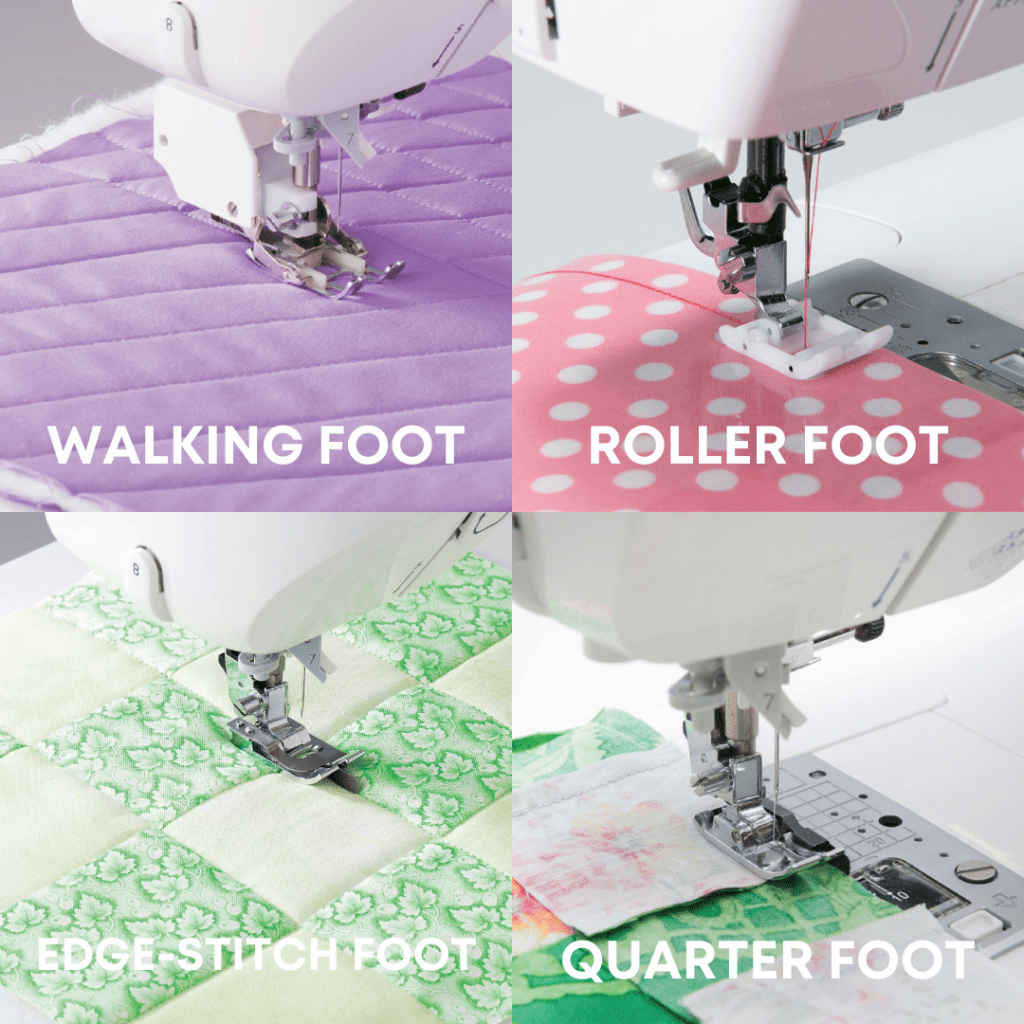
Experiment with different presser feet to enhance your sewing experience. For example, an edge-stitching foot can help achieve precise topstitching, while a quarter-inch foot is excellent for creating accurate seams in quilting-weight cotton. Use a smaller stitch length for more control and accuracy when sewing curves or delicate corners.

Must-Have Accessories

Your JUKI machine accessories can make a difference when working with these springtime fabrics. Consider investing in:

  • Walking Foot: Ideal for handling multiple layers of fabric or slippery materials like chiffon.
  • Roller Foot: Great for fabrics that tend to stick or drag, ensuring smoother sewing experiences.
  • Edge-Stitching Foot: Perfect for achieving neat, uniform topstitching on hems and edges.
  • Quarter-Inch Foot: Essential for precise quarter-inch seams, especially useful in quilting cotton.

Sewing with light and airy spring fabrics can be a delightful journey with the proper techniques and accessories at your fingertips. Remember, practice makes perfect, so don’t be disheartened if your first attempt doesn’t turn out as expected!

Embrace the nature of these fabrics, experiment with different stitches and presser feet, and most importantly, enjoy the process. With your JUKI machine as your trusty companion, you’re well-equipped to create stunning pieces that embody the essence of springtime elegance and comfort.

So, gear up your JUKI machine, grab your favorite spring fabrics, and let your creativity soar like a gentle spring breeze through the sewing world!

That’s Sew JUKI Spring

It’s almost spring! As the season of renewal and vibrant blooms unfold, the world of fashion beckons with fresh colors, patterns, and trends just waiting to be stitched into existence. This season, infuse your sewing projects with the essence of spring, and let JUKI guide you!

Renowned for our precision, reliability, and innovative features, JUKI machines are poised to revolutionize your spring sewing experience. From intricate floral motifs to breezy sundresses and chic accessories, JUKI offers the tools and accessories to bring your spring fashion inspirations to life with impeccable craftsmanship and ease.

Join us as we explore trends, share tips and tricks, and delve into the endless possibilities that spring sewing with JUKI machines offers.

Spring Fashion Palette: Colors to Embrace

As we dive into the vibrant world of spring fashion, harnessing the power of color to truly bring your sewing projects to life is essential. The spring fashion palette offers a kaleidoscope of hues, evoking a distinct mood and energy. Here’s a closer look at the colors to embrace this season:

  • Sunny Yellows: As the epitome of sunshine and optimism, shades of yellow illuminate the spring landscape with their cheerful glow! Whether you opt for pale buttery tones or vivid like Lemon Fruit, yellow injects a sense of joy and brightness into your creations.
  • Fresh Greens: From minty hues to the depth of shades echoing nature, greens reign supreme in the spring palette. Green hues can infuse any project with fresh air and vitality, symbolizing growth and renewal.
  • Pastel Pinks: Soft and delicate, pastel pinks evoke a sense of romance and femininity synonymous with spring! Whether you’re crafting delicate florals or dreamy garments, pastel pinks add a touch of soft beauty and grace to your creations.
  • Soothing Blues: Like a tranquil oasis amidst the hustle and bustle of spring, shades of serene blues offer a calming contrast to the lively tones of the season! Look for shades like colors of the sky or of the sea. Blue hues bring a sense of peace and tranquility to your sewing projects.
  • Cheerful Corals: Vibrant and energetic corals infuse your creations with warmth! With their cheerful tone, corals add a playful pop of color to any project, radiating positivity.

In addition to embracing these colors, selecting the right thread color is crucial to achieving impeccable results in your sewing endeavors. You can match your thread to your fabric to achieve seamless and professional-looking seams or select threads that complement the color and texture of your fabric for a contrasting pop of design and color.

Experiment with contrasting colors to create visual interest and depth, adding a dynamic element to your sewing projects. Whether accentuating intricate details or adding decorative embellishments, thread colors can elevate your creations to new heights of artistry and expression.

Patterns and Trends for Spring Sewing

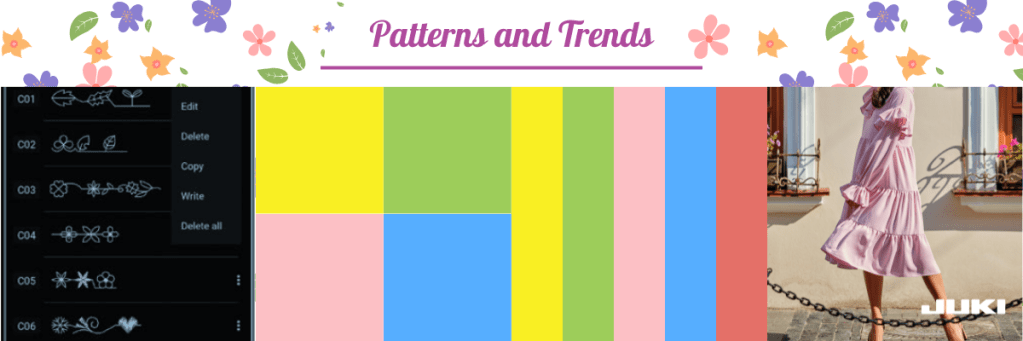
Patterns and Trends for Spring Sewing are all about embracing the vibrant colors and timeless motifs that define the season. With JUKI machines, sewing enthusiasts can easily bring these trends to life. Equipped with a wide range of design stitches, JUKI machines allow for intricate embellishments and precise detailing, enhancing garments, quilts, and accessories with stunning motifs and textures. Whether stitching delicate petals or crafting striking color combinations, JUKI machines empower you to infuse your spring sewing projects with style and sophistication, ensuring impeccable results every time.

Below are a few patterns and trends we love for spring sewing!

  1. Florals and Botanicals: Embrace the timeless allure of florals and botanical prints with JUKI machines’ array of decorative stitches. Whether you’re stitching floral designs or intricate leaves, JUKI’s digital sewing machines offer various decorative stitch options to embellish garments, quilts, or accessories with stunning motifs.
  2. Pastel Color Blocks: Dive into the trend of pastel color blocking with confidence, as JUKI machines ensure precise stitching for seamless color transitions. Mix and match soft pastels from the spring palette to create striking yet soothing combinations in garments, quilts, or home décor items.
  3. Stripes and Gingham: Whether you’re drawn to bold stripes or the timeless charm of gingham, JUKI machines offer the precision stitching needed to execute these patterns with finesse. Experiment with varying stripe widths and directions or play with the scale of gingham checks to create garments or home décor items that exude classic sophistication. With JUKI’s accessory feet, you can create seamless patterns with ease.
  4. Flowy Silhouettes: Embrace the lightness of spring with flowy, relaxed silhouettes crafted using JUKI machines. With JUKI’s advanced feed mechanisms and precise stitching capabilities, sewing with lightweight fabrics like chiffon, silk, or cotton voile becomes effortless. Whether crafting billowy blouses, airy skirts, or elegant dresses, JUKI machines ensure that your creations drape beautifully and move gracefully with every step.

With JUKI sewing machines as your trusted companions, the possibilities for spring sewing projects are as boundless as your imagination. Whether embellishing garments with intricate floral motifs, experimenting with color blocking, or mastering classic patterns like stripes and gingham, JUKI empowers you to bring your creative visions to life with precision and ease.

Incorporating Spring Trends with JUKI Machines

Before jumping into creation, let’s talk about the JUKI features you can find on your machine and how to use them on your next project. JUKI machines offer a plethora of features and functionalities to bring your spring sewing visions to life:

  1. Creative Embellishments: Discover the multitude of decorative stitches offered by JUKI machines, perfect for enhancing your spring garments or quilts with floral accents, decorative borders, or intricate patterns like those mentioned above!
  2. Impeccable Stitching: Benefit from JUKI machines’ precision stitching capabilities, guaranteeing flawlessly executed lines and precise seam allowances. This precision is invaluable for crafting garments with tailored fits or intricate patchwork designs. From flowy dresses to clean-cut blouses, the right stitch is vital for a seamless finish.
  3. Fabric Versatility: JUKI machines excel in handling a wide range of fabrics, from delicate silks to durable cotton. This adaptability empowers you to explore various materials, allowing for seamless experimentation and creativity in your spring sewing endeavors. Use fabrics like Chiffon or Vinyl on the same machine with ease of switch and create projects that vary in design and texture for fun and vibrant new looks!
  4. Ease of work: JUKI machines are designed to be the ultimate ally in your sewing journey, effortlessly streamlining your workload with various innovative features. From the convenience of automatic needle threaders to the efficiency of air threaders on our sergers, JUKI machines eliminate the hassle of manual threading, allowing you to focus on your creative process. Enhanced lighting ensures optimal visibility, while extension tables provide ample space for easily handling larger projects. With JUKI machines, every aspect of your sewing experience is optimized for efficiency, precision, and comfort, empowering you to tackle any task with confidence and ease!

As the fashion world awakens to the allure of spring, sewing enthusiasts have an opportunity to infuse their creations with the season’s vibrant colors, patterns, and trends. With JUKI machines as your creative companion, the possibilities are endless.

Whether you’re designing flowy dresses, quilting vibrant florals, or crafting accessories in the season’s palette, JUKI machines provide the precision, versatility, and decorative stitches needed to bring your spring sewing visions to fruition. Embrace the essence of spring, one stitch at a time, and weave a tapestry of creativity with JUKI.

Different Ways You Can Learn How to Sew!

Have you been looking to pick up sewing but need help figuring out where to start? Then join us as we’ve gathered four different ways you can begin learning today! From in-person classes to self-study, the world of sewing is now at the touch of our fingers, and we will share how you can access this information.

Passed Down Knowledge

If you have a family member, or friend, who loves the hobby and may even be the reason you’re interested in learning, don’t be afraid to reach out and ask for some lessons! Having a connection in the sewing and quilting world will help you learn techniques, allowing you to practice on their machines before purchasing your own, and a lesson on what features they commonly use that you can practice using.

Choosing your first sewing machine can be intimidating if you need to become more familiar with what machine features you’ll need or what stitches you’ll use. Practicing with a family member’s or friend’s machine will make you get comfortable with the options available and help you understand what you need to create your projects. If you’re interested in learning more about beginner sewing machines that JUKI offers, you can learn more here.

Working with family and friends will also give you the feedback you need. While attending classes and using online resources is an option, we’ll cover these options in the following sections of the blog, having a connection that can provide feedback will be extremely useful when you create throughout the day. So take the time to learn from their past projects, follow along as they show you how to use different techniques, and ask those questions you would be embarrassed to ask in front of a class.

In-Person Training Classes

The easiest and most common way of learning to sew is by researching your local area for sewing and quilting classes! Many times you’ll find these programs in your local libraries, your nearest sewing and quilting machine dealers, or at specialized locations that offer crafting classes.

For example, if you’re a new owner of the Miyabi J-350QVP, you might be looking for some training on how to use your longarm quilting machine. At JUKI, we offer the opportunity to attend a longarm training 3-day course that teaches users the basics of the machine and how to use it and shares information on the Quilter’s Creative touch. These classes are offered at select JUKI dealers and can be found here.

You can also attend quilting and sewing tradeshows to find in-person sewing classes! For example, at JUKI, you can commonly find us hosting serger classes at OSQE, with sign-up availability on the OSQE website here. These classes are offered nationwide as the tradeshow travels from coast to coast, helping new sewists hone their skills.

Check out your local community colleges and community centers for sewing class events! These programs are usually offered at low rates and allow you to learn the basics of sewing. The classes also provide an opportunity to receive feedback and ask those questions you’ve been having. Don’t worry if you can’t attend face-to-face classes; thanks to the online world, we have many more options!

Using Your Online Resources

Thanks to the internet, we can now access many videos focusing on sewing skills, projects, tutorials, and so much more. Almost any question you have can now be answered with just one search. Using this, new sewists and quilters can find free or paid online resources to teach you how to complete certain stitches, use presser feet, thread your machines, and more!

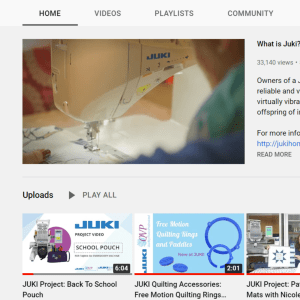
These teaching formats can come in videos, PDFs, online books, and online classes, allowing you to find different resources as you learn new skills and techniques. One of the best resources you can find content on is YouTube! On JUKI Home Sewing’s YouTube, you can find out how to operate your machines, set them up for sewing, and check out accessories and what they’re used for. You can also follow along with past projects and lives, where we demonstrate how to create a project from beginning to end.

There are countless online creators out there who are so excited to demonstrate techniques, projects, skills, and machine features for new sewists and quilters like you, and the content can be found for free or at low costs. You can, however, choose to invest in your skills and join online programs with teaching professionals who show you how to build your skills step-by-step and offer constructive feedback and knowledge you can learn from, usually offered at varying prices depending on the skill level of the instructor.

Lastly, take advantage of what influencers in fashion and quilting can teach you on their social media pages! While many creators focus on posting project-based content, many will bring it to their media outlets for learning moments. These quick snippets can explain how to use a presser foot and other accessories to keep on hand, and much more.

Hit the Books!

Let’s go back to the original days of sewing and check out the books available for quilting and sewing! Many of these books will offer resources on beginner basics for using your sewing machine, provide tips and tricks on what tools you’ll need in your studio, what presser feet are and which ones to have on hand to complete specific techniques, and even walk-throughs of a series of projects you can begin creating to start building your skill set.

There are also book resources that explain how to maintain your machines, offer beginner to advanced sewist projects where you build your skill set as you create, and so much more. Check out your local libraries or bookstores to see what’s available, and remember to browse the internet for recommended books!

No matter how you decide to learn, picking up a new hobby is a great adventure! Whether you go online and try it alone or pick up some classes at your local community center, sewing and quilting are great hobbies for letting your creativity flow. We hope today’s blog encourages you to start working on your hobby and learning new skills!