Exploring the JUKI Miyabi: A Quilter’s Dream

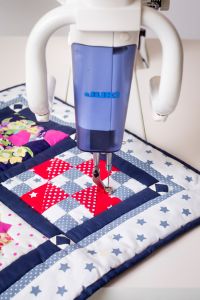
Welcome to our National Quilting Month celebration! Quilting enthusiasts rejoice as we dive into the vibrant world of fabric artistry. At the heart of this creative journey lies the JUKI Miyabi J-350QVP, a long-arm quilting machine that transcends mere functionality—a portal to endless possibilities. With its spacious 18-inch horizontal throat space and 10-inch height, the Miyabi provides ample room for your quilting masterpieces to unfold.

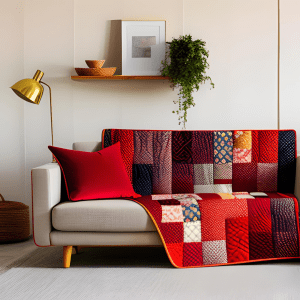
Imagine effortlessly crafting king-size quilts or personalizing couch covers with precision, thanks to JUKI’s SmartStitch technology. But the magic doesn’t stop there; when paired with Quilter’s Creative Touch 5, this machine becomes a sanctuary for artistic expression, catering to both seasoned quilters and newcomers alike.

Join us as we unravel the enchantment of the Miyabi J-350QVP and how it transforms quilting dreams into breathtaking realities. Let’s embark on this journey together, where every stitch tells a story of creativity, passion, and the timeless art of quilting.
JUKI SmartStitch stitch regulator system

Unveiling Miyabi: Crafted for Perfection

Named after the Japanese word for elegance, the Miyabi J-350QVP seamlessly integrates JUKI’s heritage with cutting-edge technology. Central to its allure is the JUKI SmartStitch stitch regulator system, ensuring impeccable stitch lengths regardless of the complexity of your design.

At the heart of its capabilities lies an expansive 18 inches of horizontal throat space and a remarkable 10-inch height, setting it apart from its counterparts. This spacious setup allows quilters to explore expansive designs without constraints, a true delight for those working on king-size quilts or even crafting custom couch covers.

Versatility in Functionality

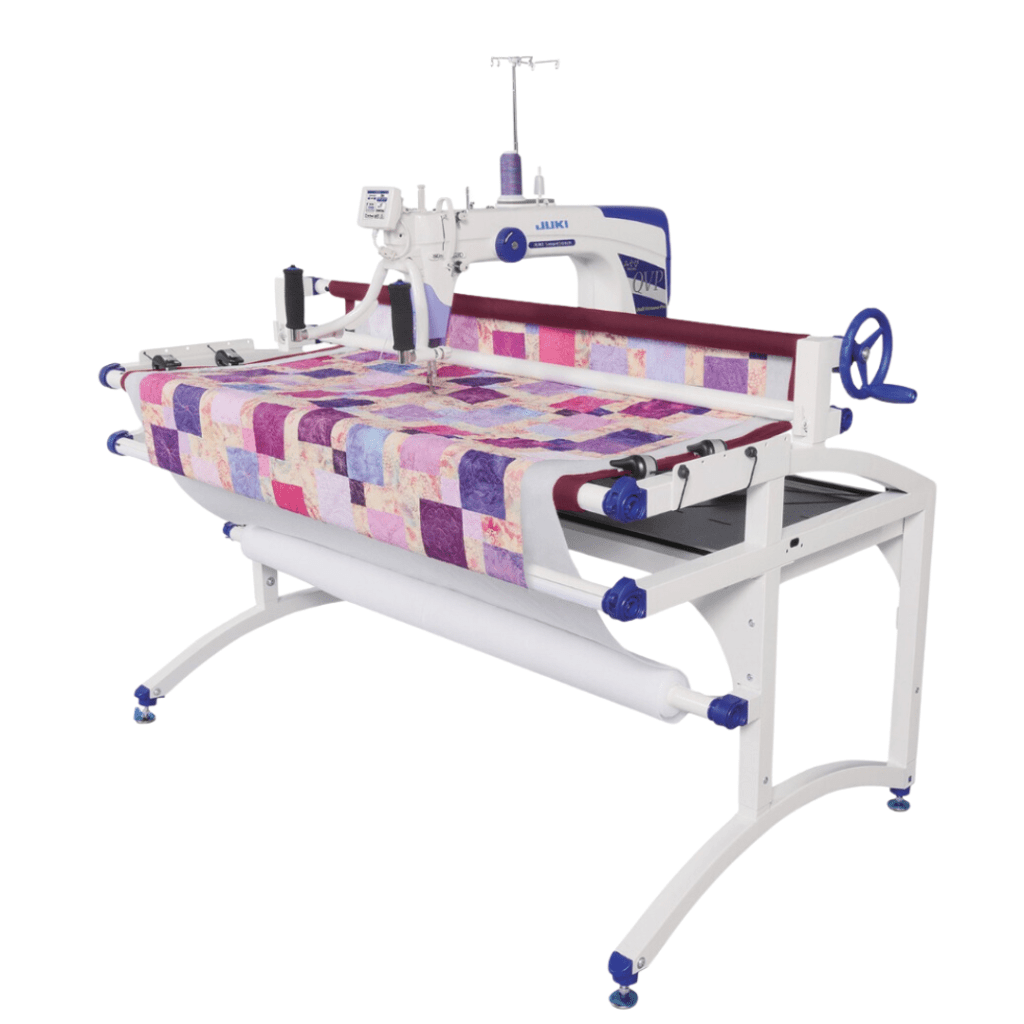
One of the standout features of the Miyabi J-350QVP is its adaptability. It seamlessly transitions from a sit-down configuration (33″ x 33″) to varying frame lengths ranging from 5 to 12 feet, catering to individual preferences and project demands. This adaptability, coupled with a user-friendly interface, extends to its compatibility with Quilter’s Creative Touch (QTC), unlocking a world of possibilities for quilting enthusiasts.

Versatility in a quilting machine isn’t just an added bonus; it’s an absolute game-changer! Whether tackling a small, intricate piece or embarking on a grand, sprawling quilt, this adaptability is a lifesaver. It’s like having multiple machines in one, all at your fingertips.
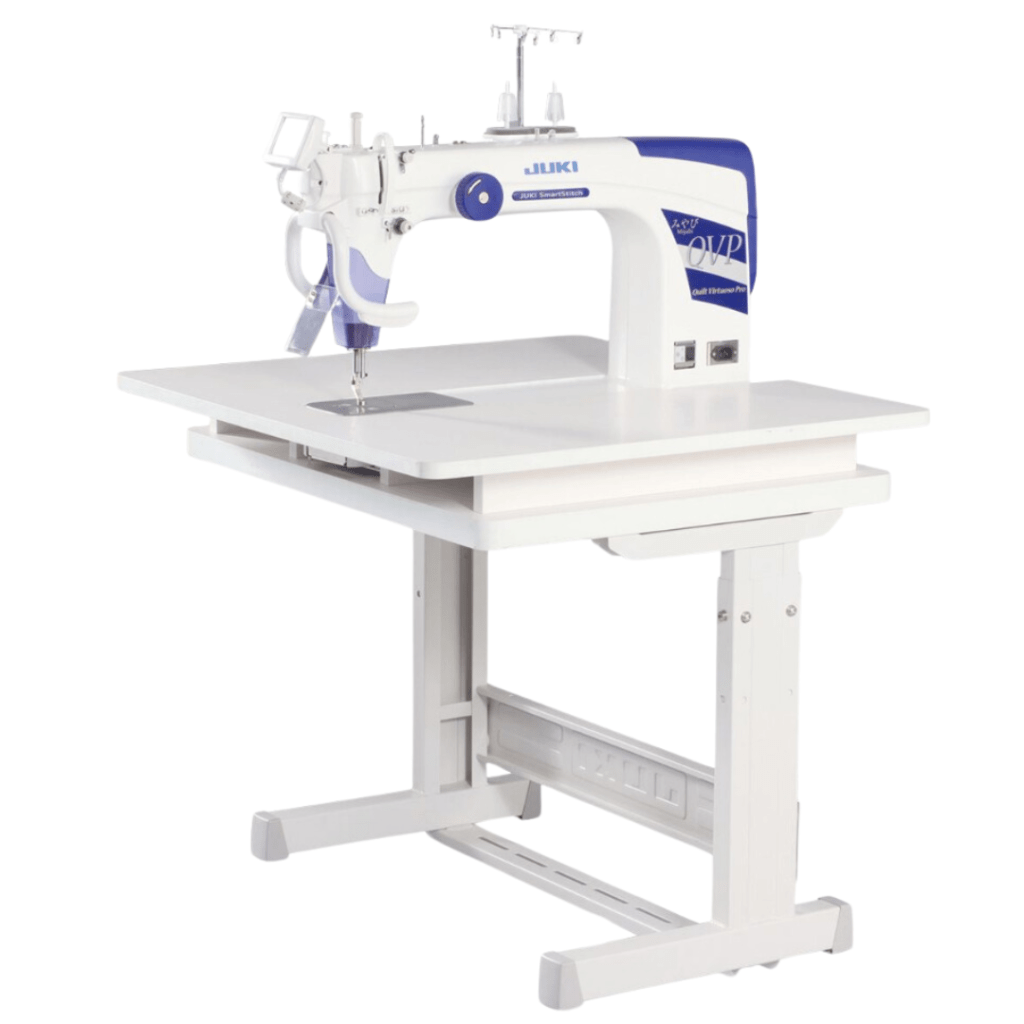
Miyabi J-350QVP Sit-Down
Miyabi J-350QVP Stand-Up

Why does this matter in the world of quilting? Well, creativity doesn’t fit a one-size-fits-all mold. Quilters are artists; just like artists, they need the freedom to explore, experiment, and create without limitations. The Miyabi’s adaptability offers precisely that. It’s the canvas that adjusts to your vision, whether you’re working in a cozy corner or have a spacious studio. When coupled with Quilter’s Creative Touch, it’s not just about space; it’s about the freedom to design, experiment, and bring intricate patterns or expansive quilts with the same machine to life. This flexibility isn’t just a convenience; it’s the key to unlocking boundless creativity in quilting.

The Power of Quilter’s Creative Touch 5

The marriage of the Miyabi J-350QVP with Quilter’s Creative Touch 5 software elevates the quilting experience to new heights. Whether driven by hand or utilizing the software’s capabilities, the Miyabi J-350QVP becomes an artist’s canvas.

For beginners, it’s the ultimate learning companion. The software’s intuitive interface facilitates easy pattern sizing, rotating, and flipping, making the initial steps of quilting feel like second nature. Imagine exploring over 220 pre-existing designs or venturing into creating your own, all with the assurance of precise and automated quilting. The inForm feature is your personal tutor, offering built-in tutorials and tips, transforming your learning curve into a smooth, enjoyable journey.

Now, for the experienced quilters, this software elevates your craft to new heights. The Pro features like PatternCAD™ and QultCAD™ enable you to become a digital architect, designing intricate patterns and entire quilt layouts with finesse. Ever thought of turning your free-motion quilting into reusable patterns? With Quilter’s Creative Touch 5, it’s not just a thought—it’s a reality. And that’s just the beginning.

The program’s goal is to nurture beginners’ budding creativity and amplify seasoned quilters’ expertise, making every quilting journey an enriching and fulfilling experience.

Gold Card Access: Elevating Creativity

For those eager to explore every facet of Quilter’s Creative Touch 5, the Gold Card Access opens doors to an array of exclusive features. Borders and Corners™, Virtual Longarm™, Font Stitcher™, and Fabric Compensation are among the many advanced features offered, empowering users to enhance their quilting prowess.

Let’s Talk Features

At its core lies the JUKI SmartStitch: Stitch Regulator System (JSS), a technological marvel that ensures impeccable stitching regardless of your speed! The image sensors carefully track movement, guaranteeing flawless stitch lengths as you quilt away, maintaining accuracy at every turn and curve of your creative design.
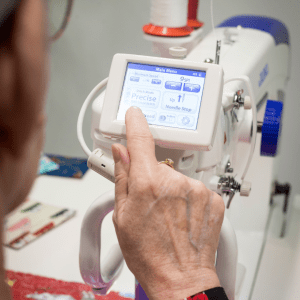
The large color LCD touch screen serves as your command center, providing a seamless interface to control various settings—from stitch regulator modes and LED light configurations to speed control and automatic/manual thread trimming—putting the reins of your quilting journey in your capable hands.

But that’s just the beginning! This powerhouse boasts various features like adjustable front handlebars for personalized comfort, push-button handlebar controls for effortless maneuverability, and an automatic needle positioner for precise stitching placement. The laser guide light aids in following patterns seamlessly, while the Direct Drive Technology ensures smooth, efficient operation with minimal maintenance.

Add to that the solid steel heavy-duty frame, multiple stitching modes, directional LED lighting, and the convenience of an optional rear handlebar—the J-350QVP Miyabi is a quilting dream come true! With its thread cutter system and the option for rear handlebars for pantographs, this machine doesn’t just promise efficiency; it delivers a flawless quilting experience, marking a new era in crafting perfection.
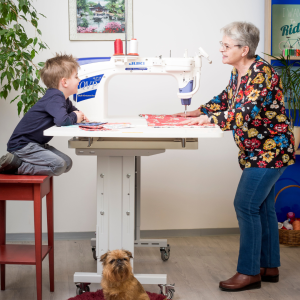
The Miyabi J-350QVP is not just a machine; it embodies tradition meeting innovation. Its technology, space, and precision integration foster an environment where crafting king-size quilts or bringing intricate designs to life becomes a seamless, enjoyable experience. With its impeccable stitching, adaptability, and robust functionalities of Quilter’s Creative Touch 5, the Miyabi J-350QVP is a testament to JUKI’s commitment to empowering quilters worldwide.

As National Quilting Month unfolds, we celebrate the vibrant world of quilting, a time-honored craft that unites enthusiasts of all levels. It’s a month to revel in the joy of creativity, where every stitch tells a story of passion and artistry. Whether we’re quilting veterans or newcomers, we’re united by our love for fabric and its endless possibilities! Let’s embrace this month as an opportunity to explore new techniques, share our experiences, and inspire one another to create something beautiful. Here’s to a month filled with laughter, learning, and the joy of quilting!
Competing in Quilting

As you navigate the world of quilting, you’ve likely marveled at the quilts displayed at quilt shows. Quilting transcends the confines of individual studios, occasionally gracing the grand stages of quilt shows across North America! Have you thought of entering your own quilt, but not sure where to start? To guide you through the experience of submitting your masterpiece for competition, this blog, written with the help of Belle Brunner, Quilt Pattern Designer & Guild Consultant/Educator from Seams Sew Me, will unravel the steps that pave the way to your first quilt show!

Quilt shows offer two distinct submission categories: judged and non-judged. Opting for the non-judged category ensures your quilt will be showcased if accepted. Conversely, selecting the judged category opens the door to valuable written feedback on your quilt. This additional layer of critique proves invaluable for those apprehensive about subjecting their work to judgment, providing a unique platform for growth and self-expression. Join us as we explore the intricacies of this captivating journey, backed by insights from Belle Brunner, to make your debut at a quilt show a resounding success.

Steps to Joining a Quilt Show

1. Research and Select a Show:

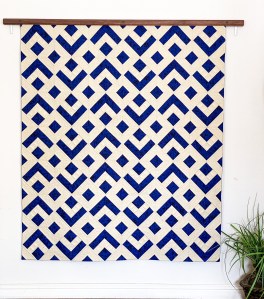
Dueling Diamonds in Nightall by Belle Brunner

The first step on your journey to participating in a quilt show involves a thorough research and a thoughtful selection process. North America boasts a multitude of quilt shows, each with its unique charm and character. Take the time to explore various shows, considering their themes, judging criteria, and the overall atmosphere to ensure a good fit with your personal style and preferences!

While the allure of larger, internationally acclaimed shows is undeniable, don’t underestimate the potential gems hidden in your own county and regional exhibitions. These local showcases often provide a more comforting setting and will help you foster a supportive community with fellow quilters and art enthusiasts. Opting for a smaller venue can be an excellent starting point for those who may feel hesitant about entering the vibrant world of quilt competitions. Belle Brunner, for example, entered her first quilt into a Regional show. “It can feel a bit intimidating to enter a quilt into your first show, but I am so glad that I took the leap and did a few years ago. I picked a regional quilt show for my first entry and read all of the rules.” At smaller shows, you’ll find a welcoming environment that encourages both novices and seasoned quilters to share their creations, building confidence and camaraderie within the quilting community.

You can check out our site here to learn more about which shows JUKI attends throughout the year.

2. Review Submission Guidelines:

Once you’ve selected a show, carefully review its submission guidelines. These guidelines typically include information about quilt size, theme (if any), submission deadlines, entry fees, and specific rules or requirements.

3. Prepare Your Quilt:

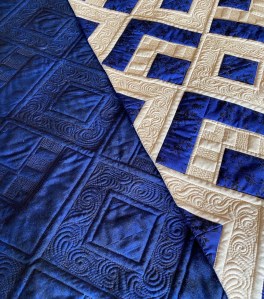
Dueling Diamonds Close Up by Belle Brunner

Before showcasing your quilt at the upcoming show, preparation is key! Begin by either creating a new quilt or selecting one from your home collection that aligns with the show’s theme or specific criteria. Whether you’re pushing the boundaries of traditional techniques with a modern quilt, catching onlookers’ eyes with a stunning 3D masterpiece, or presenting a meticulously crafted traditional piece, the emphasis is on ensuring your creation is nothing short of immaculate.

In addition to the visual appeal of your quilt, quilt shows typically have specific requirements for display. One essential aspect is the creation of a quilt sleeve, adhering to certain measurements to ensure proper hanging. This might be a new challenge for hobby quilters entering a show for the first time. To navigate this requirement successfully, consider watching a tutorial that guides you through the process, or contacting your fellow quilter community members who have submitted in the past.

Acquiring this skill not only contributes to the seamless presentation of your quilt but also grants you the added advantage of extra time to complete this aspect well in advance of the submission deadline. So, as you prepare your quilt, pay close attention to both its aesthetic excellence and the practical aspects that ensure it is ready for a spotlight moment at the show.

4. Documentation and Photography:

Capture the essence of your quilt-making journey by meticulously documenting the process and capturing high-quality photographs. Clear, well-lit images play a pivotal role in showcasing the intricate details of your work when submitting to quilt shows.

Be attentive to the specific requirements outlined for image submissions. These guidelines often include details such as pixel dimensions, megabytes, and other technical specifications. It is crucial to adhere to these specifications to ensure that your submission features your quilt in the best possible light. Avoid the risk of hitches in the submission process by not sending just any type of photo. Instead, prioritize clarity and precision in your visuals, allowing the judges and viewers to appreciate the craftsmanship and nuances of your quilt with utmost clarity.

5. Complete Submission Forms:

Fill out the necessary submission forms accurately and thoroughly. Double-check all details, including contact information, as errors might lead to disqualification or communication issues.

6. Pay Attention to Deadlines:

Meet submission deadlines diligently. Missing deadlines could mean missing the chance to exhibit your masterpiece.

7. Shipping or Delivery:

Adhere closely to the show’s detailed instructions regarding the shipment or delivery of your quilt. Proper packaging and strict adherence to shipping guidelines are imperative to guarantee the safe arrival of your quilt at its destination!

It’s essential to note that different shows have varied procedures for quilt retrieval. While some shows allow you to personally pick up your quilt post-event, others opt for mailing it back to you. In cases where the show handles the return shipment, be aware that there may be associated costs, often borne by the quilter. Ensure you familiarize yourself with the specific instructions provided by the show, ensuring a smooth and secure process for both the submission and return of your cherished quilt!

8. Await Notification:

After submission, patiently await notification from the quilt show organizers regarding acceptance or rejection.

Top 5 Quilt and Sewing Shows in North America

Before we dive into the big leagues, let’s talk about dipping our toes into the vibrant world of quilt and sewing shows in North America, with local, county, state, and regional events that can be a fantastic way to ease into the experience.

Winsome Windows Quilt by Belle Brunner

These smaller-scale shows offer a more intimate setting, providing a welcoming environment for beginners and enthusiasts alike. One excellent starting point is local quilt guild exhibitions, where community members showcase their talents and creations. County fairs often host sewing competitions and exhibits, combining the joy of crafting with a celebration of local culture. State-level quilting events bring together a broader community of creators, offering diverse perspectives and techniques. Regional quilt shows cater to a wider audience and feature a variety of vendors, workshops, and displays, allowing attendees to explore different aspects of the craft.

Belle Brunner, after competing in multiple shows, has some advice she would pass on to newcomers. “The feedback from the judge was really helpful in regard to a few areas I could improve on, yet to my surprise, I still won 3rd place in that very first show! I entered the same quilt in another show and didn’t place so you never know how your quilt will compete. I’ve entered two more quilts into shows and found the process of entering rather simple – just make sure you read and follow all the guidelines. One piece of advice I can’t share enough- don’t compare your quilts to others. Otherwise, it will rob you of the joy and pride you put into making your beautiful quilts.”

These smaller shows will not only serve as stepping stones for those new to the scene but also foster a sense of camaraderie and shared passion among attendees. Remember, each quilt is unique to its creator, and that’s the beauty of attending and submitting your quilt to these shows! Now, let’s talk about 5 big shows in North America you could find yourself at one day.

  1. International Quilt Festival (IQF) – Renowned for its scale and diversity, the IQF attracts both seasoned artists and newcomers. It features various categories like art quilts, traditional quilts, modern quilts, and more.
  2. American Quilter’s Society (AQS) QuiltWeek – A series of shows held in multiple locations, the AQS QuiltWeek offers an array of categories, workshops, and exhibitions, providing a platform for quilters to display their talents.
  3. QuiltCon – Celebrating modern quilting, QuiltCon focuses on contemporary designs, bold colors, and innovative techniques. It’s an ideal avenue for artists exploring modern quilt aesthetics.
  4. Road to California – This show features an impressive display of quilts and offers various competitions, workshops, and lectures. It’s known for its diverse themes and vibrant community.
  5. Pacific International Quilt Festival (PIQF) – Held annually in California, PIQF showcases a vast collection of quilts ranging from traditional to avant-garde, attracting artists and enthusiasts alike.

Theme Ideas for Entry

When embarking on the creative journey of selecting themes for quilt show submissions, creators may find themselves at the crossroads of endless possibilities. To navigate this vast realm of ideas, it is advisable to first explore the specific categories designated for submissions within the show.

By delving into these predefined categories, quilters gain insights that not only guide their creative process but also spark inspiration for potential project designs. These categories, acting as a structured framework, serve as a starting point for you to conceptualize and develop you quilt designs. However, it is crucial to bear in mind that these categories come with explicit and stringent rules that quilters must conscientiously adhere to. This adherence ensures that the expression aligns seamlessly with the guidelines set forth by the show organizers, thereby contributing to the overall coherence and integrity of the exhibition.

Below are some examples of quilt categories that shows would have space for:

  1. Modern Quilts: Experiment with abstract designs, bold colors, and asymmetrical patterns to showcase innovation in quilt-making.
  2. 3D Quilts: Create quilts incorporating three-dimensional elements or optical illusions, adding depth and intrigue.
  3. Traditional Quilts: Celebrate heritage and history by crafting quilts using classic patterns and techniques.
  4. Nature-Inspired Quilts: Draw inspiration from the natural world, incorporating flora, fauna, landscapes, or environmental themes.
  5. Cultural Diversity Quilts: Explore diverse cultures and traditions through quilting, highlighting unique stories and artistry.
Petal Starburst Quilt by Belle Brunner

Participating in a quilt show as an artist and entering a quilt competition is a rewarding experience that provides quilters with a platform to display their creativity and proficiency. Through careful preparation, strict adherence to guidelines, and the infusion of your artistic designs, engaging in these shows can unlock avenues for acknowledgment, networking, and the chance to share one’s passion with a wider audience! Participants also have the opportunity to receive constructive feedback from judges, highlighting their strengths and offering insights into areas for improvement. This feedback becomes a valuable tool for future growth, enabling artists to refine their skills and elevate their craft to new heights.

Joining a quilt show as an artist and submitting a quilt for competition is an enriching experience that allows creators like you to showcase their creativity and skills. With meticulous preparation, adherence to guidelines, and a touch of artistic flair, participating in these shows can open doors to recognition, networking opportunities, and sharing your passion with a broader audience!

“Even if you don’t win a ribbon or prize, you can come away with not only helpful feedback but a feeling of accomplishment that your quilt was selected to be displayed and that so many quilters were able to appreciate the firsthand view of all of the hard work that you put into making your quilt. Just go for it! You have nothing to lose.” – Belle Brunner

Follow along on Belle’s quilting journey below!

Website: www.SeamsSewMe.com

Instagram: @Seams_Sew_Me 

YouTube: Belle of Seams Sew Me

Unwrap Savings This Holiday Season!

Get ready for the holidays with JUKI and check out our latest deals for the season! With so many options to choose from, we offer a variety of machines to help you find the best gift for yourself or someone you love this holiday season.

Check out your nearest JUKI dealer here to learn more about JUKI’s holiday specials and how you can find your dream machine!

Quilting Uncovered: Exploring Different Styles

Quilting is an art form that has captured the hearts of people for centuries! Whether you’re a seasoned quilter or just starting out on your journey, choosing the right quilting design is one of the most common decisions you’ll make. The selected designs will elevate your quilt and add texture, depth, and visual interest. In this blog post, we’ll explore the various quilting design options available, including traditional, modern, and contemporary styles. We’ll also offer tips on matching quilting designs to quilt patterns and fabric choices for visually appealing results.

Traditional quilting has a rich history deeply rooted in the heritage of various cultures. It is characterized by meticulous handcraftsmanship and a focus on preserving classic motifs and techniques passed down through generations. One hallmark of traditional quilting is intricate geometric patterns, often inspired by nature or everyday life. Popular designs include the Log Cabin, Flying Geese, and Nine Patch patterns, which are meticulously pieced together to create visually stunning and symmetrical quilts. Traditional quilting emphasizes the art of storytelling, as each quilt may carry its unique narrative, capturing the essence of the quilter’s life, experiences, and cultural background.

In traditional quilting, the stitch design plays a pivotal role in enhancing the overall beauty and texture of the quilt. Examples of traditional stitch designs include the timeless hand quilting method, where skilled artisans create delicate, uniform stitches using a needle and thread. This technique not only reinforces the layers of the quilt but also adds a touch of elegance and depth to the finished piece. Another standard stitch design is the classic cross-hatch pattern, achieved through machine quilting, which imparts a sense of structure and sophistication to the quilt’s surface. Traditional quilting stitch designs are often kept simple and complementary to the overall quilt pattern, celebrating the craftsmanship and patience invested in every stitch.

Colors are an essential element of traditional quilting, with a preference for a warm and earthy palette. Traditional quilts frequently showcase a harmonious blend of muted tones and natural hues reminiscent of the colors found in the countryside or the quilter’s immediate surroundings. Soft yellows, warm reds, gentle blues, and earthy greens are common choices, evoking a sense of comfort and nostalgia. While solid colors are prevalent, traditional quilts may also feature small-scale, repetitive prints or calico fabrics, adding subtle textures and visual interest to the overall design. The colors are carefully selected to create a sense of unity and balance within the quilt, emphasizing this quilting style’s timeless and enduring nature.

Regarding fabric options, traditional quilting celebrates using natural fibers like cotton and wool. Cotton is especially favored for its softness, breathability, and ease of manipulation during quilting. The selection of fabric is crucial to achieving the desired visual effect, and quilters often opt for high-quality cotton fabrics with a tight weave to ensure durability and longevity. Batik fabrics, which undergo a unique dyeing process, are also cherished for their intricate patterns and vibrant colors that add depth to the quilt’s design. In traditional quilting, the fabric serves as a canvas for the quilter’s creativity, ensuring that each quilt becomes a unique and cherished work of art, handed down through generations as a testament to the beauty of this timeless craft.

Modern quilting emerged as a refreshing departure from traditional norms, embracing modern style and innovative techniques. This style encourages quilters to explore new possibilities, break free from rigid patterns, and experiment with asymmetry and improvisation! Modern quilts often feature bold geometric shapes, minimalistic designs, and negative space, allowing the quilter’s creativity to shine through. The emphasis is on clean lines, open spaces, and creative quilting, giving the finished piece a modern and dynamic look. Unlike traditional quilting, which often focuses on symmetry, modern quilts celebrate asymmetry and intentional irregularity, giving the quilter greater artistic freedom to express their unique vision.

In modern quilting, the stitch design serves as a means of artistic expression, going beyond mere utility to become an integral part of the quilt’s design. Examples of modern stitch designs include free-motion quilting, ranging from geometric shapes to organic motifs like swirls and pebbles. Quilters may also experiment with unconventional stitch lengths and thread colors, adding texture and dimension to the quilt. Additionally, matchstick quilting, with its dense rows of parallel stitching, is another popular modern stitch design, creating a contemporary and linear effect that complements the overall aesthetic of modern quilts.

Modern quilts embrace a vibrant and eclectic color palette, often featuring bold, contrasting colors that make a statement. Bright and saturated hues, including vivid oranges, electric blues, vibrant yellows, and striking magentas, are favored. Quilters may also use high-contrast color combinations to emphasize their designs’ geometric shapes and negative space. In contrast to traditional quilting, where colors tend to be more subdued and earthy, modern quilts exude energy and a sense of playfulness. Furthermore, modern quilters often mix and match fabrics from different collections or experiment with solid-colored fabrics to create striking visual contrasts and enhance the contemporary aesthetic.

Regarding fabric options in modern quilting, quilters have many options to explore. While cotton remains a popular choice due to its versatility and availability, modern quilts may also incorporate fabrics with unique textures and contemporary prints, like linen, silk, or even metallic fabrics! Modern quilting also celebrates using unconventional materials like denim, wool, or even repurposed fabrics to unleash your creativity! The fabric options in modern quilting are limitless, encouraging quilters to think outside the box and push the boundaries of traditional quilt-making, resulting in captivating and exciting works of art that reflect the spirit of modern design.

Contemporary quilting represents a fusion of traditional techniques with modern touches. Embracing artistic expression, storytelling, and experimentation, contemporary quilts often feature a mix of traditional piecing and appliqué methods combined with innovative design concepts, such as imagery, photo transfers, or digital printing! Quilters in this style are not bound to strict rules or patterns, allowing them to incorporate various elements, fabrics, and materials. Contemporary quilts often showcase a sense of eclecticism, pushing the boundaries of traditional quilting while still preserving the essence of the art. The emphasis is on individuality, creativity, and the integration of personal stories, making each quilt a unique and expressive work of art.

In contemporary quilting, stitch design is key in enhancing the quilt’s impact! Quilters often explore a wide variety of stitch techniques, combining machine quilting with embroidery and embellishments. Contemporary stitch design examples include thread painting, where quilters use different colored threads to create detailed images and textures on the quilt’s surface. Additionally, modern quilting may incorporate dense and elaborate quilting patterns to add intricate layers of dimension and depth to the overall design. Quilters may experiment with unconventional stitch shapes, combining straight lines with organic curves, resulting in captivating juxtapositions that elevate the visual appeal of the quilt. The stitchwork in contemporary quilts is a functional element that holds the layers together and is an integral part of the quilt’s artistic expression.

Colors for contemporary quilts are diverse and often reflect the quilter’s personal style and artistic vision. While some contemporary quilts embrace bold and vibrant colors similar to modern quilting, others may take a more muted and monochromatic approach, evoking a sense of sophistication and elegance. Quilters in this style may draw inspiration from various sources, including nature, urban landscapes, or abstract art, allowing their color choices to convey emotion and mood. Contemporary quilts may incorporate unexpected color combinations or elements of minimalism with predominantly neutral palettes, focusing on the interplay of texture and stitchwork instead. The freedom to explore an extensive range of colors allows contemporary quilters to create visually striking quilts that defy expectations.

Regarding fabric options in contemporary quilting, the sky’s the limit! Quilters in this style often go beyond traditional quilting cotton and explore various options. Use hand-dyed fabrics, silk, and velvet, or even incorporate recycled materials, like repurposed clothing or vintage textiles, adding layers of history and uniqueness to their quilts. Additionally, contemporary quilters may use digitally printed fabrics to incorporate unique designs, family photos, and more.

To ensure visually appealing results, it’s crucial to consider the quilt pattern and fabric choices when selecting a quilting design. Here are a few tips to keep in mind:

Consider the Quilt Pattern: The quilt pattern can guide suitable quilting designs. For example, a quilt with intricate block patterns may benefit from simpler quilting designs to avoid overwhelming the overall design. Conversely, a quilt with a more minimalist pattern might lend itself well to elaborate quilting designs for added interest.

Enhance Fabric Characteristics: Consider the characteristics of the fabric you’re using. Solid fabrics can showcase intricate quilting designs, while busy or highly patterned fabrics might benefit from more straightforward quilting to avoid competing with the fabric’s design. Consider how the chosen quilting design will interact with the fabric’s texture, color, and pattern.

Test Before Committing: Before quilting the entire quilt, we recommend creating a small test piece using the same fabric and design to see how they interact. This allows you to assess the overall effect and make necessary adjustments before proceeding with the whole quilt.

Choosing the right quilting design is an exciting part of the process that allows you to infuse your personal style and creativity into your quilt. By exploring different quilting styles, such as traditional, modern, and contemporary, and considering various techniques like free-motion quilting, straight-line quilting, or hand quilting, you can create quilts that are not only visually appealing but also reflect your artistic vision. Remember to match the quilting design to the quilt pattern and fabric choices to achieve a harmonious and well-balanced result. So, embrace your creativity, experiment, and enjoy the journey of selecting the perfect quilting design for your next quilt!

Unleashing Creativity: JUKI Heavy User Kit

For avid sewists and professionals, having a versatile set of presser feet is essential to elevate the quality and variety of their sewing projects. The JUKI Heavy User Kit is a fantastic collection that offers a range of presser feet designed to tackle different sewing techniques and achieve professional results. In this blog, we will delve into the diverse capabilities of each presser foot in the JUKI Heavy User Kit, including the button-attaching presser foot, invisible zipper foot, rolled hemming presser foot, binder presser foot, presser foot with a guide, cording presser foot, and embroidery presser foot. Let’s explore the ways each presser foot can enhance your sewing projects!

Button Attaching Presser Foot:

The Button-attaching Presser Foot is an essential tool for any sewing enthusiast, as it simplifies the process of adding buttons to garments or fabric projects. This specialized foot is designed with two prongs that securely hold the button in place while the sewing machine stitches it onto the fabric. It ensures precise button placement and evenly spaced stitches, resulting in a professional finish. The button attaching presser foot is adjustable to accommodate various button sizes, making it versatile for different projects.

From crafting chic button-down shirts and blouses to adding decorative buttons on skirts, dresses, and jackets, this foot allows you to add functional or stylish elements to your clothing creations! Additionally, you can use it to create button closures on bags, pouches, and other accessories.

For quilting enthusiasts, this presser foot comes in handy when incorporating fabric-covered buttons as embellishments on quilted wall hangings, cushions, or even quilts themselves.

Invisible Zipper Foot:

The Invisible Zipper Foot is a game-changer for sewing enthusiasts, especially when it comes to creating seamless and polished garment finishes. This specialized presser foot allows you to insert invisible zippers into projects with ease. The foot features two grooves on the underside, which accommodate the zipper coils while the needle stitches close to them, concealing the zipper within the fabric. The result is a clean and smooth appearance that gives the illusion of an uninterrupted fabric surface.

For garment making, this foot is ideal for dresses, skirts, trousers, and blouses, where you want to maintain a sleek and professional look without visible zipper teeth. It also works wonders for creating invisible closures on cushions, pillowcases, and home decor items!

Quilters can utilize the Invisible Zipper Foot to attach hidden pockets on quilted totes, and purses, or even to seamlessly join sections of a quilt without any exposed seams.

Rolled Hemming Presser Foot:

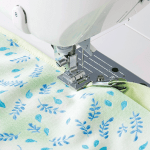
The Rolled Hemming Presser Foot is a fantastic tool for achieving delicate and narrow hems on fabric edges. This specialized foot is designed with a narrow channel that allows you to fold and roll the fabric as you sew, creating a beautifully finished hem with minimal effort. The foot’s unique structure guides the fabric smoothly through the machine, resulting in even, consistent stitches. It is particularly useful when working with lightweight and sheer fabrics, as it prevents them from getting caught or frayed during the hemming process.

With the Rolled Hemming Presser Foot, you can take on a variety of sewing and quilting projects that demand a touch of elegance. For clothing projects, this foot is perfect for creating hems on chiffon blouses, silk dresses, or lightweight skirts, adding a professional touch to your garments. You can also use it for crafting decorative hems on table linens, napkins, and other home decor items.

Quilters can utilize the Rolled Hemming Presser Foot to add subtle finishing touches to the edges of quilted wall hangings or to create narrow borders for smaller quilt projects. Whether you’re working on fashion, home decor, or quilting projects, this foot allows you to achieve neat and dainty hems that elevate the overall appearance of your creations!

Binder Presser Foot:

The Binder Presser Foot is a versatile and time-saving tool that aids in adding beautiful binding to the edges of fabric projects. This specialized foot is designed with a slot that accommodates the folded binding strip, guiding it precisely as it’s stitched onto the fabric. It allows for quick and consistent binding application, creating a clean and professional finish!

One of the primary uses of the Binder Presser Foot is in quilting projects. It enables you to attach binding to the edges of quilts with ease, providing a neat and durable finish. You can use it to add contrasting or coordinating binding to your quilts, enhancing their overall appearance.

The Binder Presser Foot is also perfect for sewing projects that require binding, such as aprons, placemats, and fabric baskets. By using this foot, you can streamline the binding process and achieve professional-looking results on a wide range of sewing and quilting projects.

Presser Foot with a Guide:

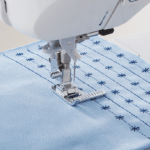
The Presser Foot with a Guide is an invaluable accessory for sewists and quilters, providing enhanced precision and control while sewing. This specialized foot comes with an adjustable guide that allows you to sew straight lines or parallel stitching with ease. The guide keeps the fabric aligned and ensures consistent seam allowances, making it ideal for projects that require accurate stitching, such as quilting, topstitching, and adding decorative elements.

With the Presser Foot with a Guide, you can undertake a wide range of sewing and quilting projects that demand precise stitching. In quilting, this foot is excellent for creating straight-line quilting designs, channel quilting, and stitch-in-the-ditch quilting.

It also comes in handy when topstitching on garments, as it ensures evenly spaced lines and parallel stitching! Additionally, you can use the guide for sewing borders, trims, and embellishments onto various fabric projects.

Cording and Embroidery Presser Foot:

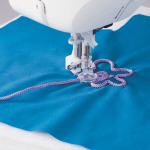
The Cording and Embroidery Presser Foot from JUKI is a versatile tool designed for free-motion sewing of cording. Its unique design includes a hole through which the cording can be fed, allowing users to effortlessly sew over the cording. By lowering the feed dog, the fabric becomes free to move in any direction, enabling the creation of elegant and intricate embroidery designs using the cording as a decorative element.

This foot is perfect for adding beautiful embellishments to garments, home decor items, and accessories. In sewing, you can use this foot to add delicate cording details to hems, necklines, cuffs, and more. It’s an excellent choice for adding a touch of sophistication and texture to any sewing project.

In quilting, this presser foot opens up a whole new realm of creative possibilities. You can use it to quilt intricate designs with cording, adding depth and dimension to your quilt. This foot also allows you to create beautiful trapunto quilting, where cording is inserted to raise certain areas of the quilt and make them stand out, adding an extra layer of visual interest to your quilting projects.

The JUKI Heavy User Kit offers a comprehensive range of presser feet that elevate your sewing projects to professional standards. Each presser foot serves a specific purpose, whether it’s attaching buttons, creating invisible zippers, achieving rolled hems, binding edges, guiding precise stitching, adding decorative cording, or incorporating embroidery. By harnessing the capabilities of these presser feet, you can explore endless creative possibilities and achieve impeccable results in your sewing endeavors. So, equip your sewing machine with the JUKI Heavy User Kit and unlock the potential to create stunning and professional-looking projects!