Quilting Your Memories with JUKI

Today, we’re going to talk about memory quilts and how they’re more than just cozy blankets but tangible pieces of our personal histories! Transforming old T-shirts, jerseys, and other sentimental clothing into quilts creates unique keepsakes that celebrate special moments and memories. In this guide, we’ll discuss the process of crafting a memory quilt, from gathering materials to the final stitches, and how to use the advanced features of JUKI sewing machines to bring your vision to life.

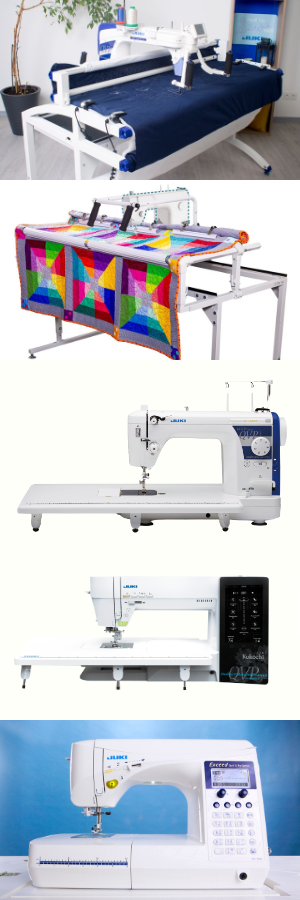
Many JUKI machines can help you create the perfect memory quilt, so here are a few of our favorites! For larger machine space options, the Miyabi J-350QVP offers a spacious work area up to a king quilt and precision stitching capabilities, which are ideal for handling large quilt tops and intricate designs. The Q-Zone Hoop Frame provides the stability and ease needed for quilting. It’s compatible with multiple JUKI machines and ensures your finished quilt will be beautiful and durable.

For smaller workspaces, the TL-18QVP offers the strength of our JUKI Industrial machines, with features like the automatic needle threader and float function for quilting. We also have computerized sewing machines like the F series and DX QVP series that offer various stitch options for decorative stitching and free-motion quilting.

Step 1: The Memories

Let’s start planning your memory quilt by deciding what pieces of clothing items have sentimental value! Think of your T-shirts from memorable events or team shirts from sports teams. Give these items a quick wash and check they’re in good condition, like stains or excessive wear.

If any pieces are damaged but meaningful, consider using the undamaged portions. Pay attention to the fabric type and weight; it will affect how you prepare and stabilize the fabrics. Understanding the differences will help you plan the quilt layout and choose the right material for your project.

Keep in mind the fabrics you select. You can aim to coordinate solids, patterns, or themed prints or make a theme like sports, traveling, or interests. Consider using neutral tones like white or black to frame and balance more vibrant pieces. At this stage, consider the backing fabric, ensuring it complements the front and is durable enough for regular use. Cotton is popular for its softness, but flannel or themed prints can add a personal touch. These additional fabrics will help unify the overall design and enhance the quilt’s aesthetic appeal.

2. Preparing the Clothing

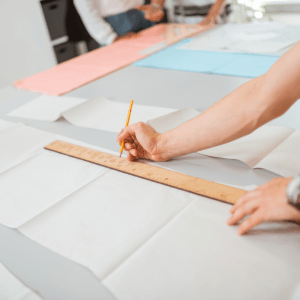
Cutting: Start by laying your clothing items flat on a cutting mat; this will help ensure accuracy and consistency in your cuts. Using a rotary cutter, carefully cut the clothing into uniform squares or rectangles; 12″12″ is a common and manageable size for quilt blocks if you’re unsure where to start.

If your clothing items feature logos, graphics, or designs you want to highlight, center them within your cut pieces. Using a clear acrylic ruler to guide your cuts is also helpful, ensuring straight edges and precise measurements.

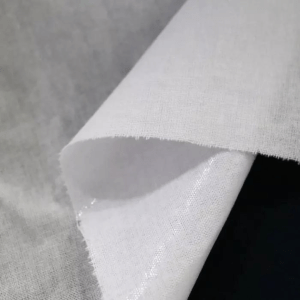
Stabilizing: Stretchy fabrics like those found in T-shirts require extra care to ensure they don’t warp or lose shape during quilting. To stabilize, apply fusible interfacing to the back of each piece before cutting it to size.

Fusible interfacing is a lightweight material that, when ironed onto the fabric, provides additional structure and reduces stretch. Once stabilized, these pieces will be easier to work with, allowing for more precise cutting and sewing. This will result in a quilt that lies flat and retains its shape over time.

3. Designing the Quilt Layout

Plan Your Layout: We recommend starting your memory quilt by arranging your pieces on a flat surface, like a large table or the floor, and experimenting with different quilt layouts. This allows you to visualize how the colors, patterns, and clothing designs will work together.

Balance the colors and the placement of significant items, like logos or graphics, to ensure they are well spaced out across the quilt. This step is key to achieving a harmonious and aesthetically pleasing design!
Create a Mock-Up: Once you’ve settled on a layout you like, consider creating a mock-up to finalize your design. You can use design software like Adobe Illustrator or quilt-specific programs to digitally recreate your layout, allowing for easy adjustments and precise planning.

If you prefer a hands-on approach, sketch your layout on paper, noting the position of each piece! This mock-up will be a valuable reference during the assembly process, ensuring that your final quilt matches your envisioned design. It also helps you spot any potential issues with spacing or alignment before you start sewing.

4. Assembling the Quilt Top

Sewing Pieces Together: Begin by sewing your fabric pieces into individual rows. Align the edges carefully as you sew to ensure even rows and minimize fabric shifting. Once your rows are complete, join them, matching the seams where they meet.

Pressing Seams: After sewing each row, pressing the seams is important to create a smooth quilt top. Depending on your preference and the thickness of the fabric, you can either press the seams open or to one side.

Pressing seams open reduces bulk and helps the quilt top lie flatter, especially if multiple seams intersect. Use a hot iron and apply firm pressure to set the seams, ensuring that the fabric lies evenly and without puckering. Properly pressed seams will make the quilting process easier and contribute to the overall polished appearance of your finished quilt.

5. Adding Batting and Backing
Choose Batting: Find a batting material that complements your quilt’s desired thickness, warmth, and overall feel. Batting comes in various materials, such as cotton, polyester, wool, or blends, offering different loft levels and insulation.

When making your choice, consider how you intend to use the quilt—whether it’s for warmth, display, or as a lightweight throw. Cotton batting is popular for its breathability and smooth finish, while polyester offers more loft and is lightweight!

Cut Backing Fabric: Once you’ve chosen your batting, it’s time to prepare the backing fabric. Cut the backing fabric slightly larger than your quilt top, typically adding a few extra inches on all sides. This extra fabric allows for any shifting during the quilting process and ensures full coverage. Lay the backing fabric flat and smooth out any wrinkles before cutting to ensure a precise fit.

6. Quilting with JUKI

Layering: Next, lay out the quilt layers on a flat surface. Position the backing fabric with the wrong side facing up, followed by the batting layer, and finally, the quilt top with the right side facing up. Carefully smooth out any wrinkles or folds in each layer to ensure a smooth surface.

Once aligned, baste the layers together using your preferred methods, such as safety pins, basting spray, or hand stitches. This step secures the layers, preventing them from shifting during quilting.

Quilting: With your quilt layers basted together, you’re ready to begin quilting! Choose a quilting method that complements your design, such as straight-line quilting for a clean, modern look or free-motion quilting for more intricate and personalized patterns.

Take your time to work evenly across the quilt, starting from the center and moving outward to avoid any puckering or uneven tension. Depending on the design, you should stitch in the ditch (along the seams) or create an all-over pattern that adds texture and visual interest.

7. Binding the Quilt

Trim Excess: Once the quilting is complete, trim the excess batting and backing fabric to match the edges of your quilt top. Use a rotary cutter and ruler to achieve straight, clean edges, ensuring the quilt’s perimeter is uniform.
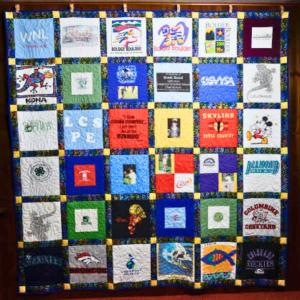
Attach Binding: Attach the binding to the edges to finish your quilt. Binding seals the raw edges and adds a polished frame to your quilt! Start by sewing the binding to the front of the quilt, then fold it over to the back and hand-stitch or machine-stitch it in place. Take care to miter the corners for a clean, professional look.

8. Finishing Touches

Final Press: After attaching the binding, give your quilt a final press to smooth out any wrinkles and set the seams. Be sure to press both the front and back of the quilt, paying extra attention to the binding edges for a neat finish!

Creating a memory quilt is a heartfelt way to preserve and celebrate cherished moments through fabric. You can craft a beautiful quilt that tells a personal story by carefully selecting your materials, preparing your clothing, and following each step from layering to finishing.

For the perfect quilting machine to bring your projects to life, be sure to check out JUKIQuilting.com to find the right fit for your needs. Additionally, explore our JUKIHomeSewing YouTube page for inspiring projects and helpful tutorials. Take advantage of our detailed memory quilt project guide at this link to help you get started on your own special creation! Happy Sewing!
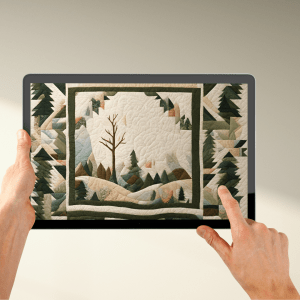
How To Create A Storytelling Quilt with JUKI

In this blog, we will talk about storytelling through the intricate art of quilting with the aid of JUKI sewing machines! Gather around as we unravel the threads of creativity, explore stitch options on your machines, and delve into the magic of quilted storytelling with JUKI by your side.

Choosing the Right Textures and Fabrics

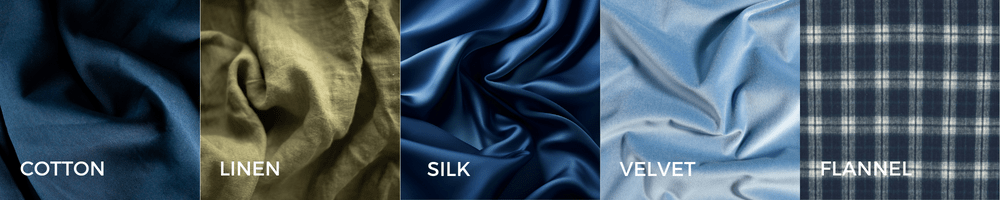
Every quilted story begins with a canvas, and the fabric is our medium in the quilting world. The choices are endless, from the soft feel of cotton to the textured touch of velvet! When crafting a narrative within a quilt, think beyond colors. Consider the textures—the smoothness of silk for a serene river, the roughness of tweed for rugged landscapes, or the cozy warmth of flannel for a comforting scene.

Below are some popular options we recommend:

Cotton: When working with cotton, we recommend pre-washing the fabric to eliminate any sizing or shrinkage and then ironing it to ensure a smooth surface before cutting. A sharp rotary cutter and a cutting mat facilitate precise cuts, as cotton is generally straightforward to manage. Maintaining the standard 1/4-inch seam allowance and pressing seams flat contributes to achieving neat blocks.

Consider using solid colors as backgrounds for appliqué or embroidery and prints that evoke specific imagery or emotions related to your stories.

Linen: Preparing linen for quilting necessitates pre-washing to accommodate potential shrinkage and wrinkles, with preference given to softened linen for easy handling. When cutting linen, caution should be exercised, employing sharp scissors to prevent fraying and handling it delicately to avoid stretching. Seam allowances remain consistent at 1/4 inch, though reinforcing may be required due to the linen’s looser weave.

With linen, you can cut shapes or pieces from linen fabric to create appliqué motifs representing characters, objects, or scenes from your stories or to add depth and dimension to your quilt.

Silk: Silk fabric requires meticulous attention to its care instructions, as it may demand special treatment, including testing for colorfastness and shrinkage before pre-washing. Fabric scissors are preferred when cutting silk, and stabilizers can mitigate shifting during the cutting process. Maintaining a 1/4-inch seam allowance and reinforcing seams where necessary is advisable to prevent fraying.

For Silk, choose fabrics in rich colors and patterns to serve as accent pieces within your quilt design. The lightweight and translucent qualities can also overlay images or create subtle transitions between storytelling elements, adding visual interest and complexity to your composition.

Velvet: Working with velvet involves gentle pre-washing to prevent crushing the pile and cutting from the wrong side using a rotary cutter to minimize distortion. Adjusting the seam allowance to approximately 3/8 inch accommodates the thickness of the velvet pile and contributes to smoother sewing.

Consider using velvet for central motifs or focal points to draw attention and create visual impact. Velvet’s plush texture allows for intricate details and subtle shading, enhancing your quilt’s realism and visual interest. You can also use velvet as a background fabric or an overlay to add depth and richness to your storytelling elements.

Flannel: For flannel, pre-washing is essential to remove lint and mitigate potential shrinkage. Care should be taken to avoid stretching when cutting flannel, and a sharp rotary cutter should be used to handle it gently. Consistent adherence to a 1/4-inch seam allowance and careful pressing to maintain fabric integrity yields favorable results in quilting with flannel.

Use flannel as a background fabric or borders for your storytelling quilt to provide a soft and cozy backdrop for your storytelling elements. Combine flannel with other fabrics, such as cotton or linen, to create contrast and texture in your quilt design.

Exploring JUKI’s Stitch Options

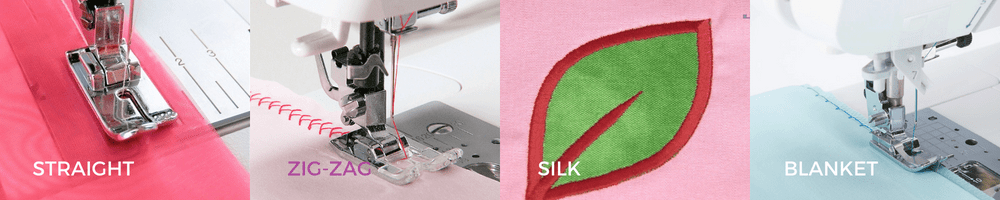
JUKI sewing machines offer a treasure trove of stitch options that can elevate your storytelling quilt to new heights! The possibilities are as vast as your imagination, from straight stitches to intricate embroidery designs. Below are 8 examples of stitches found across our machine series.

  1. Straight Stitch: The straight stitch is a fundamental option for piecing quilt blocks and creating clean, precise lines. Use it to construct the framework of your quilt and outline key elements of your story.
  2. Zigzag Stitch: The zigzag stitch is versatile and can be used for appliqué work to outline and secure fabric shapes onto your quilt top. It adds texture and dimension to storytelling elements like characters, objects, or scenes.
  3. Satin Stitch: The satin stitch provides a smooth and polished finish, making it ideal for appliqué and decorative stitching. Use it to fill in and highlight intricate details in your storytelling elements, such as lettering, motifs, or embellishments.
  4. Blanket Stitch: The blanket stitch is perfect for appliqué and adds a decorative border around fabric edges, resembling hand embroidery. It can frame storytelling elements and add a charming, handmade touch to your quilt.
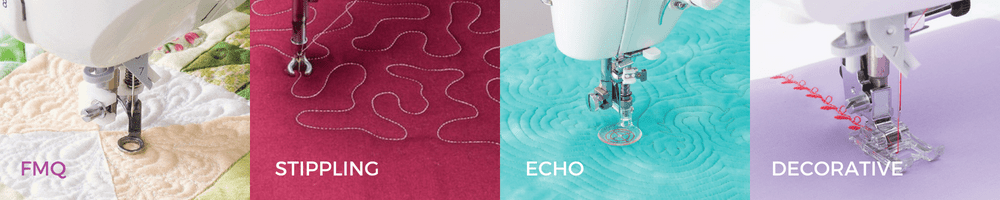
  5. Free-Motion Quilting: Explore free-motion quilting techniques to add texture and depth to your storytelling quilt. Stitch motifs, patterns, or scenes inspired by your stories, allowing your creativity to flow freely as you quilt.
  6. Stippling or Meandering Stitch: Stippling or meandering stitches create a quilted texture that can fill background areas and add dimension to your quilt. Use these stitches to evoke the mood or setting of your stories, such as swirling winds or rolling hills.
  7. Echo Quilting: Echo quilting involves stitching parallel lines around a central motif, creating concentric outlines that draw attention to storytelling elements. Use it to highlight characters, objects, or scenes within your quilt.
  8. Decorative Borders: Explore decorative border stitches, such as scallops, waves, or loops, to frame your storytelling quilt and tie together the theme. These stitches can add whimsy and charm to your quilt while enhancing its storytelling elements.

Selecting the Right Presser Feet

JUKI sewing machines come with various presser feet, each serving a unique purpose. The walking foot is a hero for quilting, ensuring even layers, and preventing fabric shifting. The free-motion quilting foot offers the freedom to doodle with stitches, letting your creativity soar as you quilt.

Experiment with different presser feet to achieve various effects. Use a piping foot to add a raised texture or a rolled hem foot for a delicate finish. With JUKI’s range of presser feet, your quilted story will have the precision and finesse it deserves.

Inspiration: The Spark Behind the Stitch

Behind every great quilt is an inspired quilter. Nature’s beauty, cherished memories, or even everyday encounters can inspire inspiration. A stroll through a forest might inspire a quilt depicting lush land, while a trip to the seaside could evoke scenes of crashing waves and sandy shores!

Look to art, literature, or personal experiences for inspiration. Let emotions guide your design. Perhaps it’s the story of a family reunion, a beloved pet, or a scenic adventure waiting to be quilted into existence. With JUKI sewing machines as your trusty companions, channel your inspiration into tangible tales through quilting.

In quilting, JUKI sewing machines stand as the faithful companions of storytellers. With their precision, versatility, and array of options, these machines empower quilters to weave narratives that transcend time.

So, dear quilters and aspiring storytellers, embrace the art of quilted storytelling! Dive into textures, explore stitch options, and let inspiration guide your hand as you craft tales with JUKI’s help. For in every stitch lies a fragment of a story waiting to be told, stitched together into a masterpiece of quilted wonderment.

Happy quilting, and may your stories be as rich as the fabrics you choose!

Become Inspired by Nature and JUKI

In its intricate tapestry, life often encourages us to seek inspiration in various places, moments, and experiences. For creators immersed in sewing, finding that elusive inspiration is akin to uncovering a treasure trove of ideas, designs, and possibilities. At JUKI, we understand the importance of fueling creativity and want to offer a few tips to navigate through creative blockades, so to celebrate the final weekend of National Quilting Month, we’re going to talk about ways you can go out and become inspired by nature for your next quilt!

Embracing Nature’s Bounty

In its beauty, nature often holds the key to unlocking boundless creativity. Picture the tranquil embrace of the beach, the calming rhythm of waves against the shore, or the reflective stillness of a lake. These natural settings serve as sanctuaries for rejuvenation, clearing the clutter from the mind and allowing fresh inspiration to flow in.

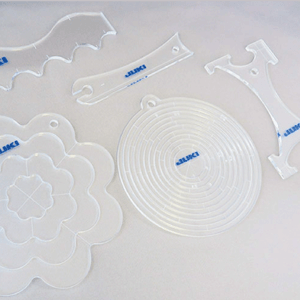
JUKI Rulers

Taking a break from the sewing room and venturing into these natural retreats can invigorate the senses and provide a new perspective. Nature’s sounds, sights, and sensations can ignite dormant creativity, sparking ideas that translate into unique sewing projects!

Consider incorporating earthy tones, vibrant floral hues, serene blues, or natural greens into your fabric selections for quilting or sewing. Let nature guide your color choices. Think of intricate patterns in leaves, water ripples, or petals’ symmetry to inspire quilt block designs or embroidery motifs. You can easily create shapes on your quilting machines with JUKI rulers like these. Experiment with free-motion quilting techniques to emulate natural shapes like waves, foliage, or clouds.

Also, the most beautiful part is that nature isn’t perfectly symmetrical. Embrace asymmetry or organic shapes in your designs, allowing a more natural and spontaneous feel to your quilting or sewing projects!

Seeking Inspiration Amidst Adventure

For those drawn to the thrill of adventure, camping amidst the wilderness is a playground for the imagination. The vast expanse of nature, the crackling of a campfire, and the star-studded night sky all weave tales that can inspire new sewing designs and concepts.

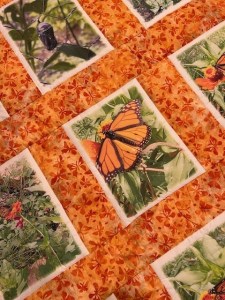
Butterly Quilt, created by NA Trainer Kelly Latreille

From the bustle of everyday life, camping fosters an environment of simplicity and introspection. It’s a canvas where creators can disconnect, immerse themselves in the present, and allow inspiration to find its way in.

While camping or at the playground, sketch the landscapes, wildlife, or exciting patterns you encounter. Use these sketches as inspiration for embroidery designs or quilt patterns later! You can also notice textures like tree bark, grass, or the grainy surface of land around you. Try experimenting with different quilting techniques or stitch patterns to replicate these textures in your projects.

We also recommend collecting small souvenirs like leaves, pebbles, or twigs that catch your eye! Use these as templates for appliqué designs or as inspiration for color palettes in your quilting projects. By merging the experiences and inspirations gained from your outdoor adventures into your sewing and quilting, you can create a unique and personal project, making them functional and reflective of your cherished moments in nature.

Digital Wellsprings of Inspiration

In the digital age, inspiration is merely a click away. Our YouTube channel is a treasure trove of tutorials, tips, and projects designed to ignite creativity. From beginner-friendly guides to advanced techniques, these videos offer knowledge and inspiration.

You can also visit craft sites like Pinterest and create digital mood boards or collages. Collect images, colors, and patterns that resonate with you! These visual boards can serve as references for fabric selection and project inspiration. Extract color palettes from nature photographs or videos and experiment with landscape quilting, appliqué depicting natural scenes, or using various fabric manipulation techniques to emulate natural textures.

Additionally, our project page serves as an oasis of ideas, hosting many sewing projects for creators to explore. Whether it’s quilting, home decor, or embroidery, many projects spark inspiration and guide enthusiasts through their creative journey.

Connecting through Social Media

Social media platforms serve as vibrant hubs where creators connect to share ideas, showcase their work, and draw inspiration from fellow enthusiasts. Our social media channels foster a community where sewing enthusiasts engage, exchange ideas, and celebrate the artistry of sewing!

You can stay inspired by nature on Social Media! There are lovely sewing and quilting accounts that focus on nature-themed projects and accounts dedicated to nature itself. You can also follow nature photographers or accounts that share stunning images of landscapes, flora, and fauna and use that to create color palettes, patterns, and motifs for your projects.

Engaging with like-minded individuals, participating in discussions, and exploring the creations of others can be a funnel of inspiration! These platforms can offer a window into a variety of perspectives and techniques. Share your progress, and celebrate your nature-inspired creations! And remember, when you’re creating, inspiration can come not just from the images but also from the stories, tips, and experiences shared by fellow makers.

Joining Local Dealer Events and Sewing Communities

Attending events hosted by local dealers or sewing communities is an excellent way to immerse yourself in the sewing world! These events offer opportunities to connect with fellow creators, learn new techniques, and gain inspiration from workshops and demonstrations. At JUKI we host training classes and events with our JUKI dealers, ready to help you create! You can learn more about our events and training classes by visiting us here.

Local dealer events also host workshops and classes where you can learn new techniques or gather ideas for projects. We recommend participating in these sessions to expand your skills and try new techniques! This is also a great way to get in touch with your sewing community and get inspired by other creators like yourself.

At JUKI, we believe inspiration is woven into the fabric of everyday life, waiting to be discovered in the most unexpected places. From the tranquility of nature to the digital realm and vibrant sewing communities, there’s a world of inspiration out there waiting to be explored.

Creativity knows no bounds, and finding inspiration is an ongoing journey! Whether through the calming embrace of nature, the digital world of education and tutorials, or the exciting energy of your sewing community, enjoy nature and uncover a world brimming with innovative ideas and endless possibilities!

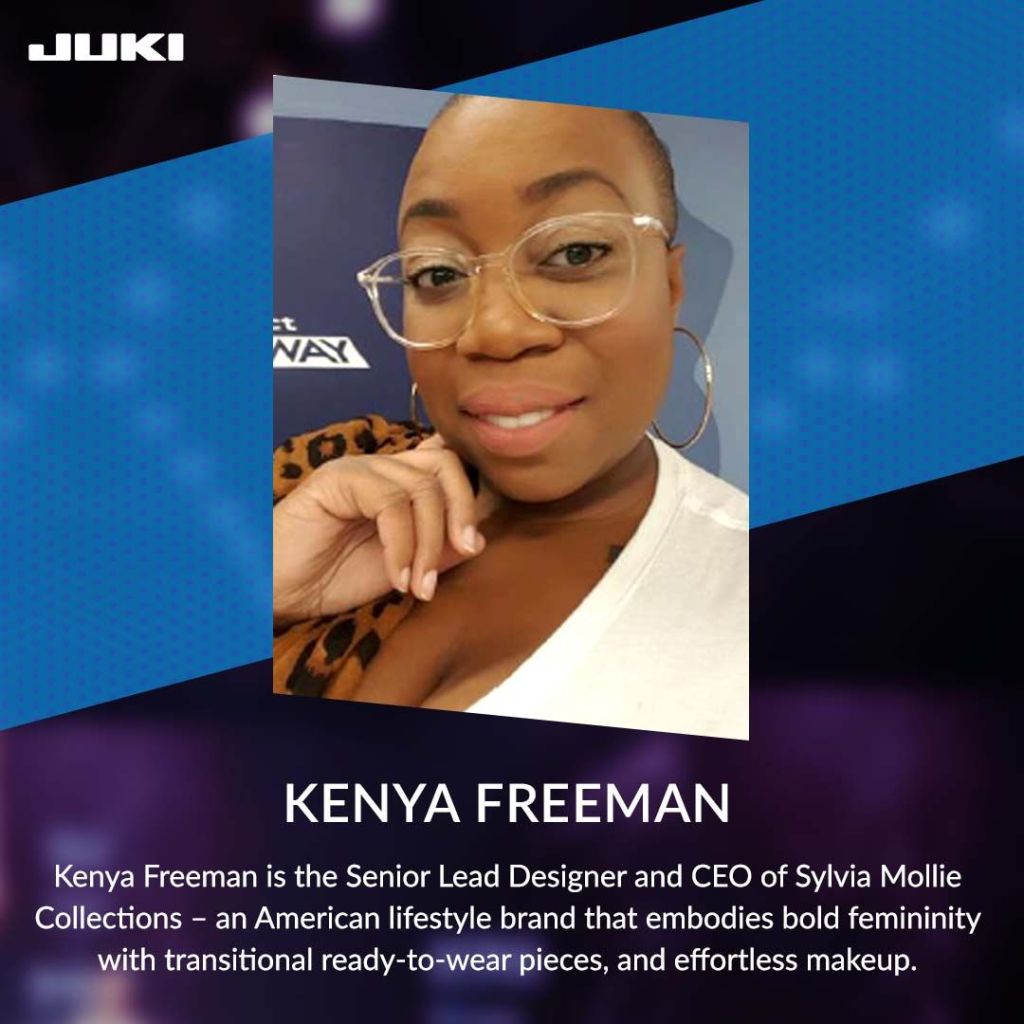
JUKI Designer Ambassador: Kenya Freeman

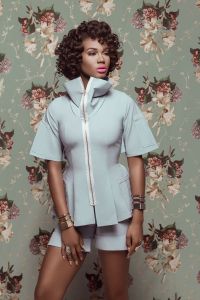
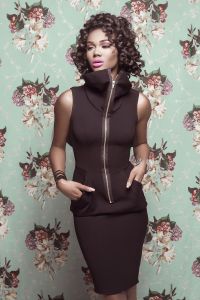
Meet our new JUKI Designer Ambassador, Kenya Freeman, CEO and Senior Lead Designer of Sylvia Mollie Collections – an American lifestyle brand that embodies bold femininity. Her garments are meant to instill power and confidence to fearless woman! And its’ because of this that Kenya’s motivation to create is simple: this is her purpose.

“It is my calling and my assignment beyond the passion. Knowing what I do is going to change the lives of many after me.”

We are very excited to have Kenya join the JUKI family as a JUKI Designer Ambassador and want to share a tidbit of her story with our JUKI Lovers! So follow along as we share a part of Kenya’s sewing journey.

Inspired by life, Kenya stumbles upon inspiration in her day-to-day activities. From dreams to the seasons, she’s always observing life outside of her home and the people she passes. Situations in life have continued to bring her inspiration, leading to her beautiful bold fashion pieces.

Kenya’s favorite pieces to work on are dresses. From the challenging cuts to the techniques she’s picked up, she looks forward to the pieces that will shine. Using Frixon pens, her favorite sewing trend, she drapes and uses her tool to mark those seams and lines. Her favorite part is heating it and seeing all the marks disappear from her work.

Kenya acclaims her season on Project Runway to be her most significant achievement in her sewing journey. Setting the tone for her future in fashion, Kenya’s life changed. As one of the top 5 finalists, Kenya’s work is loved by viewers. Her popularity quickly rose, and she inspired so many others to work on their skills.

Her love for sewing comes in full form when she sees the final product. It amazes her to see the process from concept to creation. As she continues to grow her brand Kenya’s primary goal is to relaunch her fashion line to sizes 10-20, creating an inclusive atmosphere for all fashion lovers.

Currently, in the process of the product development stage, Kenya is nothing but excited! With a roller coaster of an adventure since she joined the fashion industry, she’s experienced crazy, insane, exciting, devastating, and unforgettable moments. Her advice to sewers is simple, “Keep practicing. Keep practicing.  Keep practicing.  Never give up. It only gets better with time.”

We hope you enjoyed getting to learn about Kenya as much as we did, JUKI lovers! So join us on our socials and visit us here to keep up with our new friend Kenya and her journey in fashion.

Which of Kenya’s pieces did you love the most? Let us know below!