From Sketch to Garment

Every sewing project starts the same way, with an idea. And, when it comes to turning that idea into something wearable, it’s especially important to have a machine that can support every step of the process.

In this blog, we’re going to talk about the journey of garment creation from ideas to planning and construction, and how to do it with JUKI by your side. Our sergers and sewing machines are created to help you conquer each step with ease and create an outfit you’ll love to wear. But before we get to the features that help you create, let’s start with the base of your project.

Start With the Vision

Before the first stitch, garment creation starts with a concept. This is the stage where everything starts to take shape. Fabric choices, patterns, colors, and fit can all come together before you even sit down at the machine. Some sewists prefer sketching out full designs, while others gather inspiration from fashion trends, social media, or ready-to-wear pieces they want to reinterpret.

It also helps to think through how the garment will actually be worn in real life. Is it an everyday piece, something more structured and tailored, or something soft and flowy with movement? Fabric choice plays a huge role here, since the same pattern can feel completely different depending on the material you use.

A few key things to think about at this stage:

  • Fit adjustments and shaping
  • Thread color and weight choices
  • Closures like zippers, buttons, or hooks
  • Seam finishes and interior details
  • How the garment will actually be worn

Taking a little extra time here can make a big difference later. We recommend pre-washing fabric, organizing pattern pieces, testing stitches, and planning your steps ahead of time. All these steps can help make the sewing process smoother once you begin construction. Even small details like topstitching placement can elevate the final look.

This is often one of the most creative parts of the process; it’s where your idea starts becoming something real, long before the first seam is sewn.
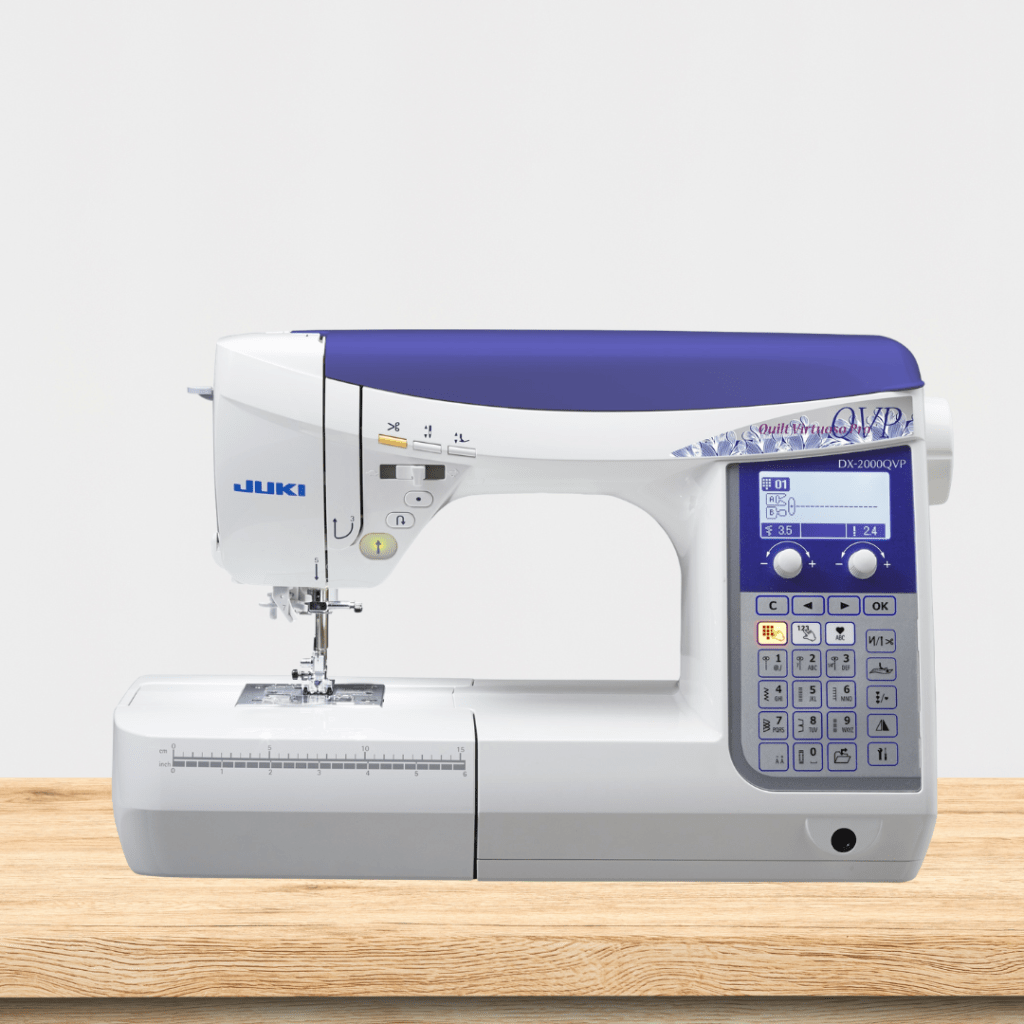
Building with the DX-2000QVP

Once you have your concept design, it’s time for everything to start coming together. Fabric pieces turn into structure, seams start forming shape, and your idea becomes something you can actually try on.

One machine we want to highlight for garment creators is the DX-2000QVP. This machine was created to support you through that entire construction process. From straight seams to curved stitching, it handles a wide range of garment work with steady control. Whether you’re piecing together a fitted bodice, attaching sleeves, or working through multiple layers, it helps keep stitching consistent so you can focus more on the construction itself.

It also gives you flexibility as you move through different steps of garment-making. You can go from utility stitches to zipper insertion, buttonholes, and decorative topstitching without constantly overcomplicating the setup. That makes it easier to stay in the flow of your project instead of stopping to adjust settings every few minutes.

From structured jackets to everyday dresses, shirts, and skirts, the DX-2000QVP supports the full build process while still giving you space to add personal details and creative touches along the way.

Finishing with the MO-2000QVP

Once your garment is fully assembled, finishing is what brings everything together and gives it that clean, professional look.

With an Air Serger like the MO-2000QVP, each step feels more approachable and efficient. For example, its air threading system helps make setup quicker and less of a hassle, so you can move straight into finishing your seams and edges.
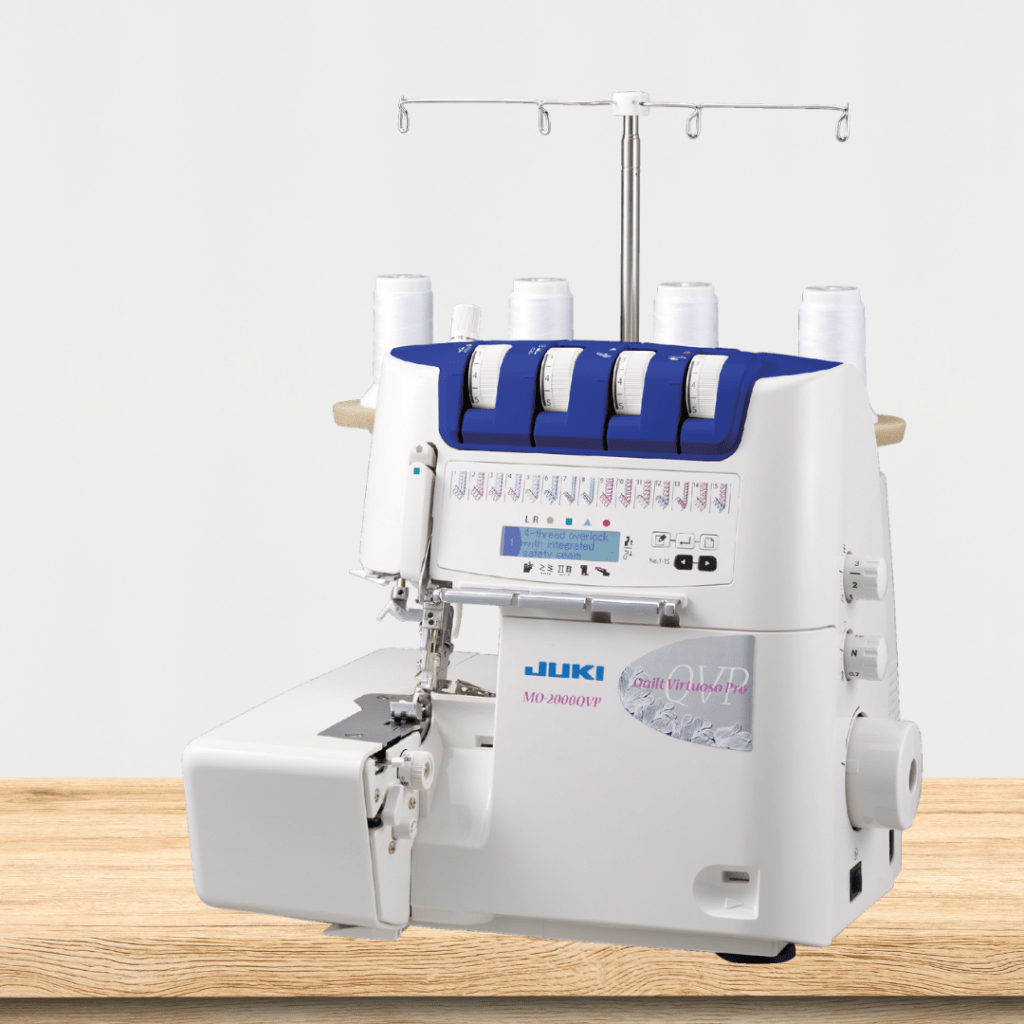
It also works smoothly across a variety of fabrics, which is especially helpful when you’re sewing garments that combine different materials or weights. Whether you’re working with lightweight cotton, stretch fabrics, or more structured textiles, it helps keep seam finishes consistent and clean.

Here is where you can add touches like rolled hems to seam finishing and clean edge work, really bringing your garment to life. Once you’re on a serger, it’s not just about construction anymore; it’s about refining the inside and outside so the finished piece feels intentional and wearable.

Bringing It All Together

From the first sketch to the final seam, garment making is really about watching an idea evolve step by step. What starts as inspiration slowly turns into pattern pieces, then structure, then something you can actually wear and use in life.

The DX-2000QVP and MO-2000QVP work together through that entire process in different ways. One supports the construction and shaping of your garment, while the other helps you finish it with clean, polished edges that bring everything together.

When you step back and look at the finished piece, it’s not just about the final result; it’s everything that happened along the way. The planning, the adjustments, the small creative decisions, and the finishing details all come together to turn an idea into something real.

That’s the part that makes garment sewing so rewarding: every project starts the same way, but no two finished pieces ever tell exactly the same story. Looking for a new partner in your sewing journey? Take a look at our full collection to see which machines are right for your fashion needs at JUKIQuilting.com.
Update Your Wardrobe with JUKI

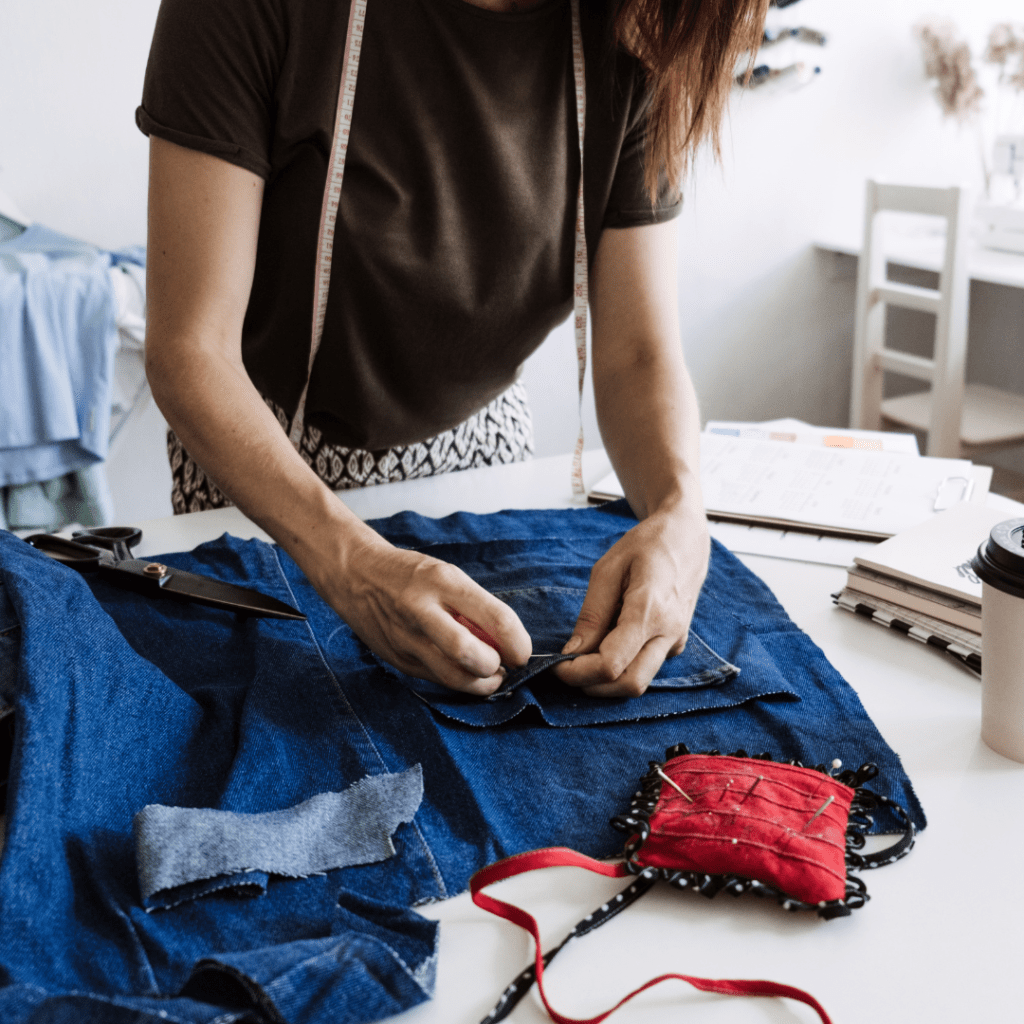
Before you think about buying something new, take a closer look at what’s already in your closet, because with a few sewing updates, you can completely transform the clothes you already own into pieces that feel new again. In this blog, we’ll explore why upcycling matters, walk through five easy wardrobe refresh projects, and show how the JUKI HZL-DX7 and JUKI MO-114 can help you reshape, rebuild, and finish garments so they feel wearable again instead of forgotten.

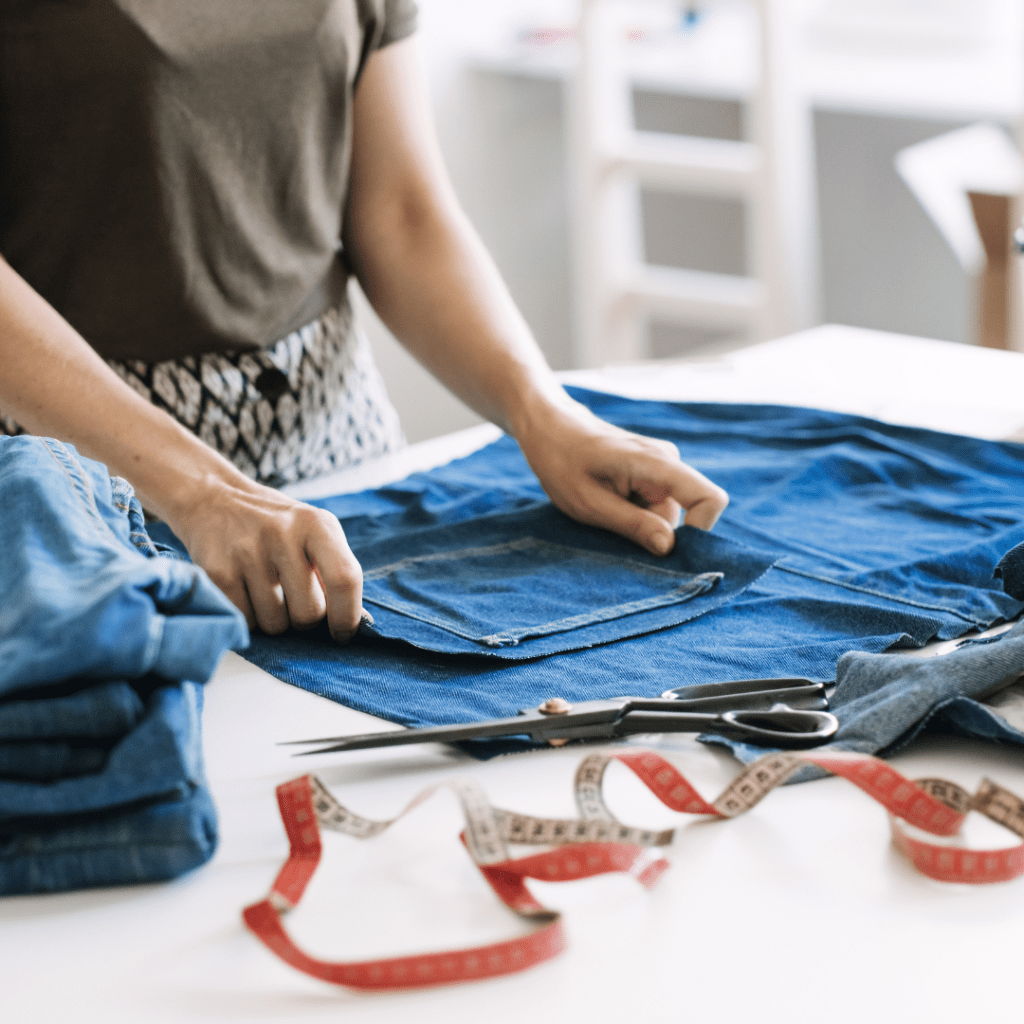
Here is where your closet might be more useful than you think. Instead of tossing out clothing that no longer fits your style, upcycling gives you the chance to reshape, refresh, and reuse pieces you already own. From turning oversized denim into a fitted favorite to giving worn garments a cleaner finish, sewing can help extend the life of your wardrobe while giving every piece a more personal touch.

Upcycling has become a growing trend for sewists looking to reduce waste, save money, and create one-of-a-kind clothing and with the right sewing machine and tools, those updates become even easier.

Upcycling with JUKI

Upcycling projects often involve more than a quick hem or simple repair. You’re reshaping existing garments, working around old seams, sewing through uneven layers, and trying to make everything look clean and wearable again. Having sewing machines that can handle those transitions smoothly makes the process feel much more approachable, especially when you’re transforming clothing instead of starting from scratch.

The JUKI HZL-DX7 is especially helpful when you start altering clothing that already has structure and history. Upcycling isn’t about starting with perfect fabric; it’s about working with what’s already there. The adjustable presser foot pressure helps you move between lightweight knits, worn cotton shirts, and heavier denim without constantly fighting the fabric. That flexibility matters when you’re taking in seams on jeans, reshaping a jacket, or working through multiple layers where old stitching has already created bulk.

When you’re rebuilding a garment, control is everything. The HZL-DX7’s smooth, consistent stitching helps you stay accurate when you’re adjusting silhouettes, like tapering sleeves, adding darts, or reshaping side seams on oversized pieces. You also have features like automatic thread trimming that keep the process flowing, so you’re not breaking focus every few minutes. It’s especially useful when you’re turning something outdated into something wearable again, because you can take your time refining the fit without worrying about uneven stitching or stop-and-start interruptions.

Once the shape is right, the JUKI MO-114 steps in to finish the job. Upcycling often means working with fabrics that have already been worn, washed, and stretched over time, which means it may be time to update those edge details. The MO-114 helps you encase raw edges quickly and evenly so your garment doesn’t just look updated, it actually holds up to everyday use.

The differential feed is especially helpful when working with reclaimed fabrics. Old seams, stretchy materials, or uneven cuts can easily pucker or stretch out of shape, but this feature helps everything feed through smoothly. That makes it easier to finish side seams on refashioned jeans, clean up inside edges of reconstructed dresses, or stabilize cut sweatshirt hems without distortion. Instead of fighting the fabric, you’re guiding it into a clean, consistent finish.

Together, these two machines create a natural upcycling workflow: the HZL-DX7 helps you reshape and rebuild garments with precision, and the MO-114 helps you refine and finish them so they feel intentional, durable, and ready to wear again.

5 Upcycle Projects to Try

One of the best parts about upcycling is that even small changes can completely transform how a garment looks and feels. Whether you’re resizing, reshaping, or rebuilding from scraps, these projects are a great way to give older pieces a second life while practicing practical sewing techniques along the way.

1. Resize an Oversized Denim Jacket: Take an oversized jacket and bring it in through the body and sleeves using the HZL-DX7 for clean, controlled seam adjustments. Once the fit is right, use the MO-114 to finish interior seams so the heavier denim layers stay neat and durable.

2. Turn Old Jeans into a Skirt: Rework worn jeans by opening the inseam and reshaping them into a skirt. The HZL-DX7 helps manage thick seam transitions, while the MO-114 keeps raw denim edges from fraying after reconstruction.

3. Crop and Refresh Sweatshirts: Cut and reshape oversized sweatshirts into cropped or fitted pieces. Add structure back in with new seams, then finish edges with the serger for a cleaner, more intentional look.

4. Patchwork Tote from Scrap Fabrics: Combine leftover fabric pieces into a structured tote bag. Use the HZL-DX7 to piece everything together evenly, and the MO-114 to secure inside seams so the bag holds up with daily use.

5. Modernize Dresses with Simple Alterations: Shorten hems, adjust waistlines, or reshape sleeves to bring older dresses up to date. The combination of precise stitching and clean finishing helps the garment feel refreshed instead of just “altered.”

Sew More, Waste Less

Upcycling is about seeing potential in what you already own. Small changes can completely shift how a garment fits, feels, and functions in your wardrobe. With the right tools, those changes become easier to execute and more satisfying to wear!

Visit JUKIHome.com to explore more sewing inspiration, machines, and project ideas for your next wardrobe refresh.