What is a Walking Foot?

Have you ever struggled with layers of fabric shifting, puckering, or uneven seams that don’t cooperate? If you have, this month, we’re talking about an accessory you’ll love! The JUKI walking foot is your secret weapon for achieving smooth, professional-quality stitching on even the trickiest of projects.
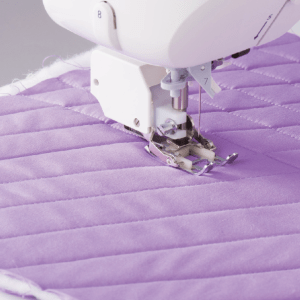
The walking foot, also known as an even-feed foot, addresses a large challenge in the sewing world: the uneven feeding of fabric layers during stitching. It was invented as a specialized presser foot and designed to complement the feed dogs under the fabric to ensure a synchronized feeding motion. It does this by moving its own feed dogs in unison with those beneath the needle plate, eliminating fabric shifting and puckering.

This accessory was needed in the community! It helps sew multiple layers of fabric, tricky materials like knits or slippery satin, and make bulky quilts more manageable. This attachment is an essential tool for quilters, seamstresses, and hobbyists, helping you transform the quality and ease of your sewing projects!

Originally, this was developed for industrial sewing machines, but the walking foot was later adapted for home sewing machines like yours, making its benefits accessible to everyday sewists like you!

Benefits and Uses of a Walking Foot
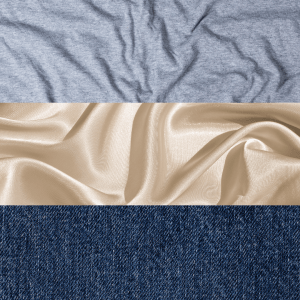
Now, what benefits does the walking foot offer? Well, it has a wide range of benefits, making it a valuable tool for sewists of all skill levels! One of its primary advantages is its ability to provide even feeding of fabric layers, which is particularly important when working with thick or multiple layers, like quilts, denim, or canvas. Without a walking foot, fabric layers can shift and create puckering, leading to uneven seams. The walking foot eliminates these issues and produces professional-quality results.

The walking foot can also become essential for sewing slippery or stretchy fabrics like satin, silk, or knits! These materials tend to stretch and shift under a standard presser foot, which can lead to uneven stitches or distorted seams. The walking foot’s dual-feed system prevents this by evenly pulling all layers of fabric through the machine, ensuring consistent stitching and reducing the likelihood of fabric shifting or puckering.

Beyond quilting and clothing, the walking foot is also useful for home décor projects, like curtains, cushions, and upholstery! These projects often involve multiple layers of fabric, making it difficult to get those neat stitches. With the walking foot, you can ensure that all layers move smoothly through the machine, making topstitching, binding, and decorative stitching much easier.

Tips for Quilting and Sewing with a Walking Foot

  1. Use the Right Needle and Thread: For heavier fabrics like denim or quilts, use a larger needle (90/14 or 100/16) to avoid skipped stitches or damage. For delicate fabrics like knits or silks, a smaller needle (70/10) helps reduce distortion. Using the right thread—like a heavyweight thread for quilting or a finer thread for garment sewing—also helps to ensure better results.
  2. Set the Correct Stitch Length: The walking foot works best when using a longer stitch length, especially for quilting. It’s because the longer stitch helps the feed dogs move more smoothly and ensures that your stitches are more evenly spaced. For quilting, a stitch length of 2.5 to 3.0 mm is usually recommended but always adjust based on your fabric type and project!
  3. Practice on Scrap Fabric: Before taking on your main project, try to practice with your walking foot on scrap fabric! This will help you get a feel for how the foot moves, and you’ll be able to tune your tension settings, stitch length, and fabric alignment.
  4. Baste or Pin Layers Together: If you’re sewing with multiple layers of fabric, basting or pinning can help keep everything aligned and prevent shifting. The walking foot works best when layers stay even, so by securing your fabric with pins or basting stitches beforehand you can provide more control and prevent puckering.

Project Ideas Using the Walking Foot

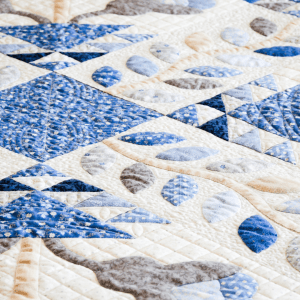
We’ve talked about how the walking foot is a versatile tool that can enhance a wide range of sewing projects, so let’s talk about those projects you can create! One of the most common projects created with a walking foot is quilts. Quilting almost always involves multiple layers of fabric, quilt tops, batting, and backing, which often shift or pucker under a standard presser foot. With a walking foot you can ensure that all the layers are fed evenly, reducing the chances of uneven stitches and puckered seams. For quilt projects, especially those with complex patterns or layered fabrics like cotton, flannel, or even heavier materials like denim or canvas, the walking foot is perfect for achieving neat and professional results!
You’ll also find many sewists use the walking foot for garment sewing, especially when working with fabrics like knits or satin, silk, and rayon. The walking foot helps prevent stretch and shift by ensuring that the top and bottom layers move smoothly together, providing consistent quality. For projects like T-shirts, stretchy leggings, or flowy dresses, the walking foot helps keep those seams from being stretched out or puckered, giving you clean, professional-looking results!

Lastly, the walking foot helps create home décor projects. With projects like curtains, cushions, and upholstery, you’ll see thick or multiple layers of fabric. If you’re sewing with heavy-duty fabrics like canvas, denim, or home décor-weight cotton, a walking foot can help manage those thick seams and bulky layers. It will ensure even stitching when joining quilted cushions, adding padding to chair cushions, or creating decorative pillow covers! For projects like bags and totes, usually made from similar home décor materials like heavy canvas or structured materials, the walking foot also helps maintain uniform stitching, making your finished products look polished and durable.

The walking foot is a game-changer for any sewist, offering improved precision and control, especially when working with challenging fabrics! Whether you’re quilting, working on fashion, or creating new home décor, this tool helps achieve professional results with less puckering and more even stitching. You can find project ideas and inspiration by visiting us here!

When you master the use of a walking foot, you’ll elevate your sewing projects and gain the confidence to tackle a wide range of fabrics with ease! So, whether you’re a beginner or an experienced sewist, consider adding a walking foot to your toolbox—it’s sure to transform your sewing experience. Find out more by visiting your nearest dealer here!
Embrace the Cozy Season

It’s almost time for Fall JUKI lovers, so let’s indulge in sewing projects that capture the essence of Fall! Whether you’re a sewist or a quilter, Fall offers a beautiful opportunity to create cozy, stylish, and functional items for yourself and your loved ones.

In this blog, we have three projects you can create this autumn and recommendations for JUKI machines, accessories, fabrics, notions, and threads to ensure your creations turn out beautifully! Let’s go ahead and dive into one project we’ll be sharing later this month.

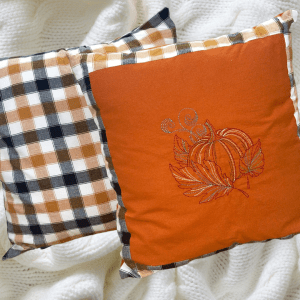
  1. Autumn Throw Pillows

The JUKI TL-18QVP is ideal for creating autumn throw pillows. It offers precision and versatility for piecing and quilting. Its robust build and advanced features, like the automatic needle threader and adjustable presser foot pressure, make it perfect for adding decorative touches to your pillow project.

We recommend using autumn colors like deep oranges, rich browns, and forest greens in fabrics like cotton or linen. These materials are durable, easy to work with, and ideal for home décor. Consider patterns with leaves, pumpkins, or plaid for a seasonal touch!

When it comes to notions, choose a high-quality pillow form for a plush finish, or use the stuffing for a custom shape like a leaf, ensuring it’s filled to your desired firmness. For marking your design, use a fabric marking pen or chalk marker, preferably with disappearing ink for easy removal.

When it comes to thread, select a high-quality polyester in a matching or contrasting color to enhance your pillow’s design. This will provide durability and a smooth finish. A universal 80/12 needle works well for most cotton and linen fabrics, while a 90/14 needle is better suited for heavier materials, such as vinyl, if you’re planning to use it in your projects.

Stay tuned here for our project release!

JUKI Accessories:

  • Walking Foot: This foot is ideal for sewing through multiple layers of fabric, ensuring smooth feeding of the fabric for a professional finish. It’s handy when working with thicker fabrics or multiple layers.
  • Free Motion Foot: Perfect for adding custom quilting designs and free-motion embroidery to your pillow. It allows for greater control over stitching patterns and design elements.

Additional Tips:

  • Pre-Wash Fabric: Pre-wash and iron your fabrics before cutting to prevent shrinkage and ensure smooth sewing.
  • Press Seams: Press seams open or to one side to create a crisp, professional finish.

2. Cozy Beanie

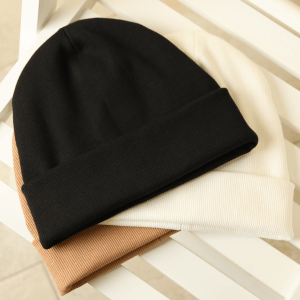
The next project we’d recommend trying your hand at is a cozy beanie! For a cozy beanie, select warm and stretchy fabrics like fleece or jersey in autumn colors or patterns. These materials provide comfort and warmth on chilly days, and those with spandex or elastane offer added stretch.

The JUKI MO-2000QVP serger is a good choice for this project. Our sergers can efficiently handle knit fabrics and sew and finish edges with precision in one step. You can incorporate an elastic band to keep the beanie in place and maintain its shape to ensure a snug fit. Fabric clips can help hold knit fabric layers together without causing snags or distortions.

Remember your thread! Polyester thread offers both stretch and durability to prevent breakage or unraveling with the fabric’s stretch. A ballpoint needle, size 70/10 or 80/12, is ideal for knit fabrics, as its rounded tip helps avoid snags and skipped stitches.

JUKI Accessories:

  • Elastic Foot: Attach elastic bands evenly and securely.
  • Gathering Foot: Create ruffles or gather fabric; it can add decorative elements to your beanie.

Additional Tips:

  • Stretch Stitch Settings: Use the serger’s stretch stitch options or differential feed settings to ensure the fabric maintains its stretch and does not distort.
  • Use Fabric Clips: Instead of pins, use fabric clips to hold knit layers together to avoid snagging and ensure a smooth sewing experience.

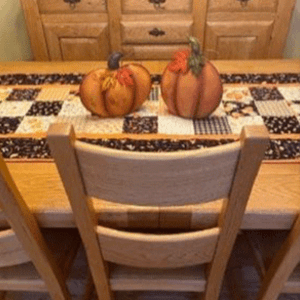
3. Quilted Autumn Table Runner

For this project, check out the JUKI Kirei HZL-NX7. Like our other computerized machines, The HZL excels in quilting projects by providing ample space and quilting features perfect for crafting detailed and beautiful autumn table runners. The ample throat space and quilting capabilities make it ideal for handling larger projects.

For a quilted autumn table runner, choose cotton quilting fabrics in warm autumn colors and patterns. Fabrics like flannel or cotton with leaf or plaid designs will give your table runner a seasonal touch. Quilting cottons are durable and come in a range of fall-themed prints!

Check out medium-weight batting to provide coziness and structure to your table runner. Cotton or polyester batting works well for quilting projects, too. We recommend keeping your quilt ruler and rotary cutter nearby for precise cutting and piecing of quilt blocks. This helps to ensure accurate measurements and clean edges.

And, of course, thread! We recommend using 100% cotton quilting thread to achieve a smooth, durable finish. This thread can be used for both piecing and quilting since it blends seamlessly with quilting fabrics. The quilting needle, size 75/11 or 80/12, both are suitable for handling multiple layers of fabric and the thickness of batting.

JUKI Accessories:

  • Quilting Foot: This is essential for free-motion quilting. It allows you to maneuver your quilt with ease and helps create intricate quilting designs without getting caught in the fabric.
  • Extension Table: If you need extra space, we recommend this one. It’ll provide extra space for quilting larger projects and help maintain smooth fabric movement. It’s beneficial for managing the bulk of a quilted project.

Additional Tips:

  • Quilt Designs: Experiment with different quilting designs, such as meandering or echo quilting, to add texture and interest to your table runner.

These fall projects are a delightful way to decorate your home and wardrobe with seasonal charm! Creating projects like throw pillows, beanies, and table runners brings a touch of Fall into your daily life and enjoyment in making something beautiful and functional.

Each project offers an opportunity to experiment with seasonal fabrics and patterns, transforming simple materials into cozy, personalized décor and accessories that reflect the theme of Fall.

With the right JUKI machine and accessories, you’ll have the tools to craft these fall projects easily! Whether you’re using a serger, computerized, or semi-industrial sewing machine, these machines’ quality and versatility ensure your projects turn out beautifully. Find the right fabrics, notions, and threads, and you’ll be equipped to produce stunning pieces that celebrate the fall season in style. Happy sewing!

5 Quilting Project Ideas for You!

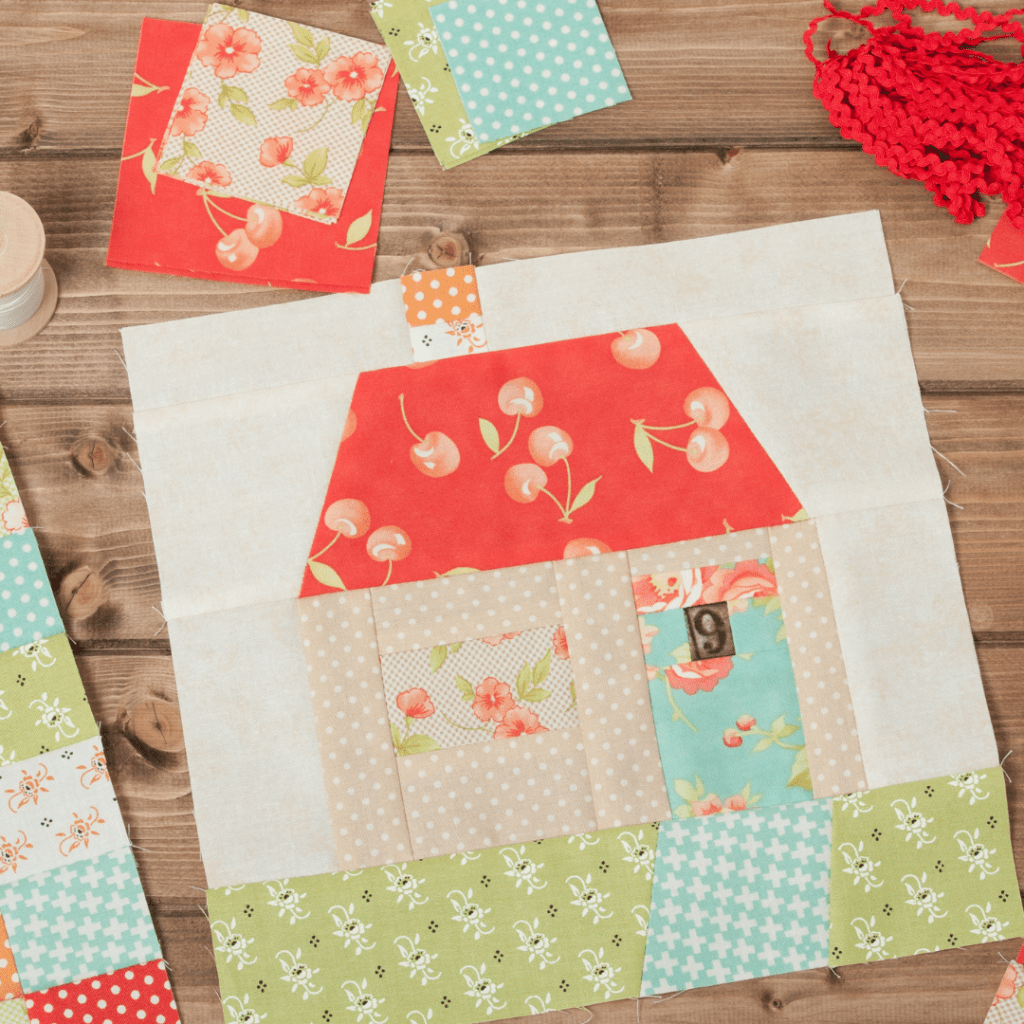
Celebrate National Quilting Month by bringing out your favorite charm squares, jelly rolls, and sandwiches! Whether you’re creating for friends and family or your small business, we’ve put together a few fun ideas for projects you can quilt next. 

Wall Hanging

Decorating new office spaces or livening up current homes is easy with wall hangings. Projects like these are perfect because you can create smaller designs than quilts and use them for seasonal purposes. With the ability to create on a large or small scale, you can try new techniques like adding embellishments and accents (for example, cording) that you wouldn’t have thought of using before. This project is excellent for when holidays and birthdays come around since it can brighten up any room, from a nursing home to your kid’s college dorm. 

Accessories like the Couching Foot are perfect when creating wall hangings. They allow you to add three-dimensional textures to your projects, bringing in an extra element that will make your design pop. Use decorative threads like yarn and cord or other thicker threads that don’t fit your needle. 

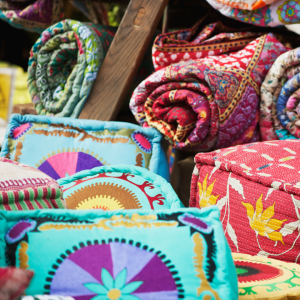
Pillows 

Pillows are great for many reasons:

  1. You can create beautiful personalized décor and treat pillows like a small sample for a quilt idea you have by making that one block you need. A pillow allows you the freedom of creation like a quilt, with less fabric and space required.
  2. You can treat pillows as an add-on to your quilts and create matching or complementary designs.
  3. Creating simple add-ons like pillows is a great way to increase your revenue if you have a small business. 

Look into an accessory like the Glide Foot when creating décor like pillows. This foot can help you glide along with applique, and other three-dimensional textures, allowing you to get creative and add more personalization to your projects. 

Table Top Décor

Have holidays motivated you to create new table runners? Have the seasons changed, and do you want to brighten up your home for spring? Table décor is a great way to bring color to your home! Create pieces like table toppers, table runners, dresser décor, storage covers, and so much more. Perfect for protecting your furniture while bringing in color and a theme to your rooms, these patterns are great for anyone who wants a touch of color in their home. 

If you want to add fun shapes and lines to your designs, look into quilting rulers like our JUKI Ruler Set. You can create different textures from straight lines to circles and waves and bring your designs to life.  

Totes, Pouches, and More!

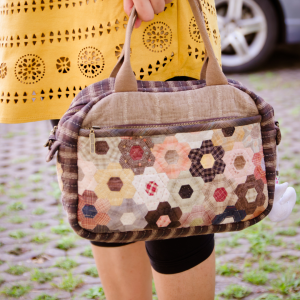
Bring your artwork outside your home by creating beautiful travel gear! Show off your quilting skills by creating pieces that can hold your money, electronics, or clothing. Work in matching sets like wallets and handbags or traveling sets like make-up bags and carrier totes to brighten up your trips. The possibilities are endless when it comes to hitting the road with your creations. 

Tools like Grip and Stitch are great to have one hand when you’re quilting those detailed projects. They make free-motion quilting fun and easy and allow you to easily add on fun designs like spirals, feathers, and more. 

Quilts and More Quilts

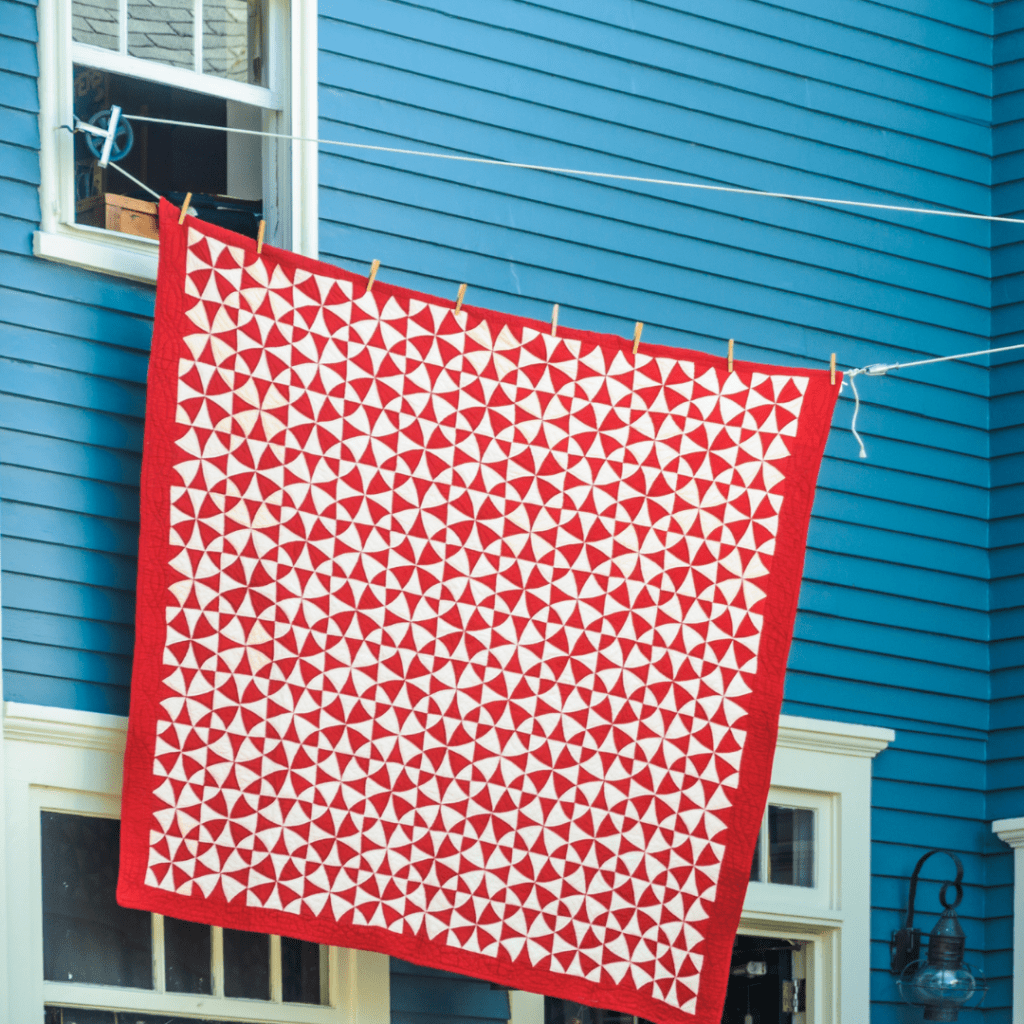
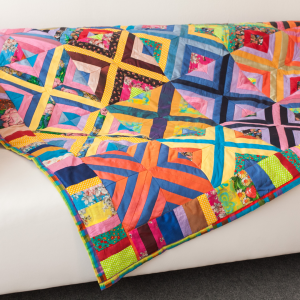
Whether your project was created for comfort and lounging, or décor that can bring in bright colors, quilts will never be out of style. Quilts can be so versatile when we step outside of the box. Decorate your home by placing quilts on racks and ladders, use them to upholster chairs and love seats, toss them on white couches for pops of colors. Whether you’re using them for comfort or because the pattern was just suitable for your aesthetic, you can never go wrong with creating a quilt. 

Look into extension poles when quilting more significant projects for a more effortless and more fun experience! By adding extension poles, you can easily design quilts from twin to king-size on your stand-up quilting machine like the Miyabi J-350QVP.

While quilts may have started off as a necessity in the past, they’ve become their own form of artwork for current generation quilters. So branch out and try your skill in new quilting projects like the ones mentioned above the next time you start on a new project! What are your favorite inventive ways to use your quilts?