Update Your Wardrobe with JUKI

Before you think about buying something new, take a closer look at what’s already in your closet, because with a few sewing updates, you can completely transform the clothes you already own into pieces that feel new again. In this blog, we’ll explore why upcycling matters, walk through five easy wardrobe refresh projects, and show how the JUKI HZL-DX7 and JUKI MO-114 can help you reshape, rebuild, and finish garments so they feel wearable again instead of forgotten.

Here is where your closet might be more useful than you think. Instead of tossing out clothing that no longer fits your style, upcycling gives you the chance to reshape, refresh, and reuse pieces you already own. From turning oversized denim into a fitted favorite to giving worn garments a cleaner finish, sewing can help extend the life of your wardrobe while giving every piece a more personal touch.

Upcycling has become a growing trend for sewists looking to reduce waste, save money, and create one-of-a-kind clothing and with the right sewing machine and tools, those updates become even easier.
Upcycling with JUKI

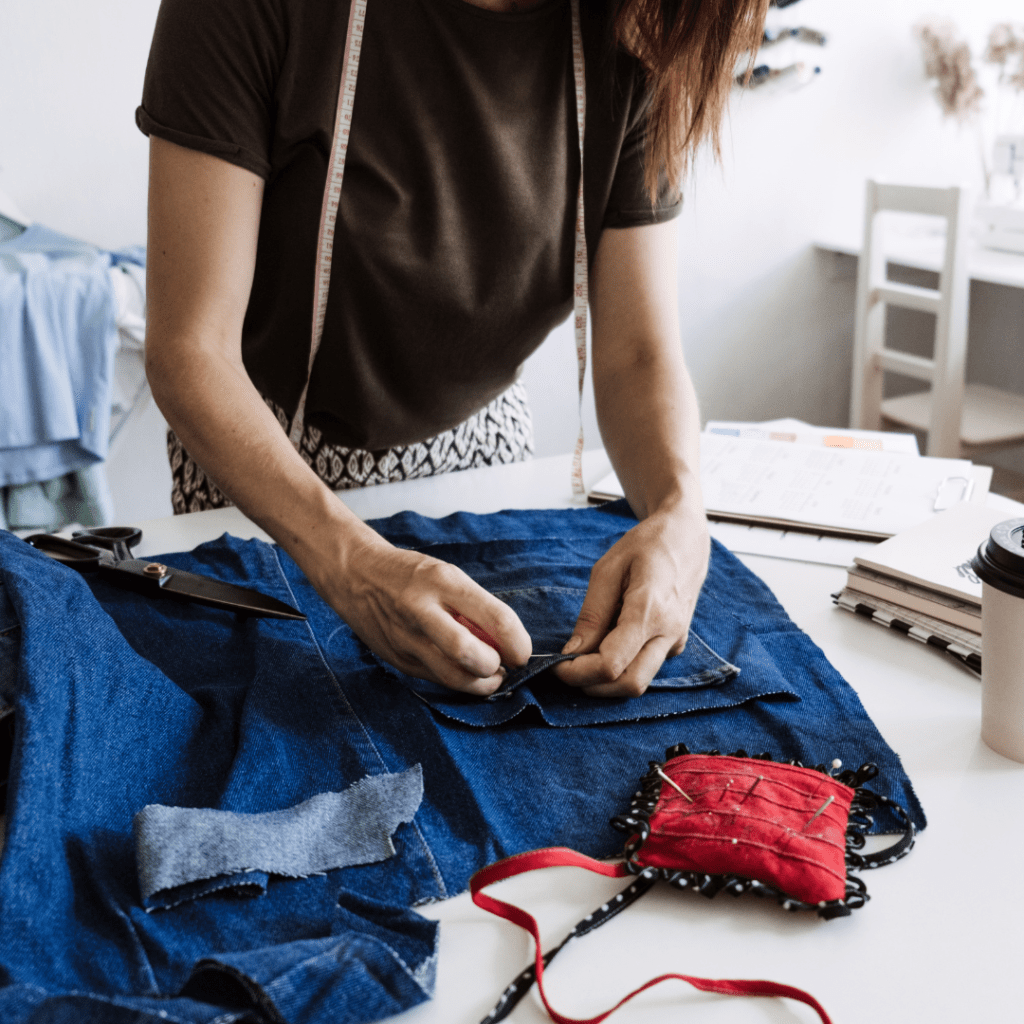
Upcycling projects often involve more than a quick hem or simple repair. You’re reshaping existing garments, working around old seams, sewing through uneven layers, and trying to make everything look clean and wearable again. Having sewing machines that can handle those transitions smoothly makes the process feel much more approachable, especially when you’re transforming clothing instead of starting from scratch.

The JUKI HZL-DX7 is especially helpful when you start altering clothing that already has structure and history. Upcycling isn’t about starting with perfect fabric; it’s about working with what’s already there. The adjustable presser foot pressure helps you move between lightweight knits, worn cotton shirts, and heavier denim without constantly fighting the fabric. That flexibility matters when you’re taking in seams on jeans, reshaping a jacket, or working through multiple layers where old stitching has already created bulk.

When you’re rebuilding a garment, control is everything. The HZL-DX7’s smooth, consistent stitching helps you stay accurate when you’re adjusting silhouettes, like tapering sleeves, adding darts, or reshaping side seams on oversized pieces. You also have features like automatic thread trimming that keep the process flowing, so you’re not breaking focus every few minutes. It’s especially useful when you’re turning something outdated into something wearable again, because you can take your time refining the fit without worrying about uneven stitching or stop-and-start interruptions.

Once the shape is right, the JUKI MO-114 steps in to finish the job. Upcycling often means working with fabrics that have already been worn, washed, and stretched over time, which means it may be time to update those edge details. The MO-114 helps you encase raw edges quickly and evenly so your garment doesn’t just look updated, it actually holds up to everyday use.

The differential feed is especially helpful when working with reclaimed fabrics. Old seams, stretchy materials, or uneven cuts can easily pucker or stretch out of shape, but this feature helps everything feed through smoothly. That makes it easier to finish side seams on refashioned jeans, clean up inside edges of reconstructed dresses, or stabilize cut sweatshirt hems without distortion. Instead of fighting the fabric, you’re guiding it into a clean, consistent finish.

Together, these two machines create a natural upcycling workflow: the HZL-DX7 helps you reshape and rebuild garments with precision, and the MO-114 helps you refine and finish them so they feel intentional, durable, and ready to wear again.

5 Upcycle Projects to Try

One of the best parts about upcycling is that even small changes can completely transform how a garment looks and feels. Whether you’re resizing, reshaping, or rebuilding from scraps, these projects are a great way to give older pieces a second life while practicing practical sewing techniques along the way.
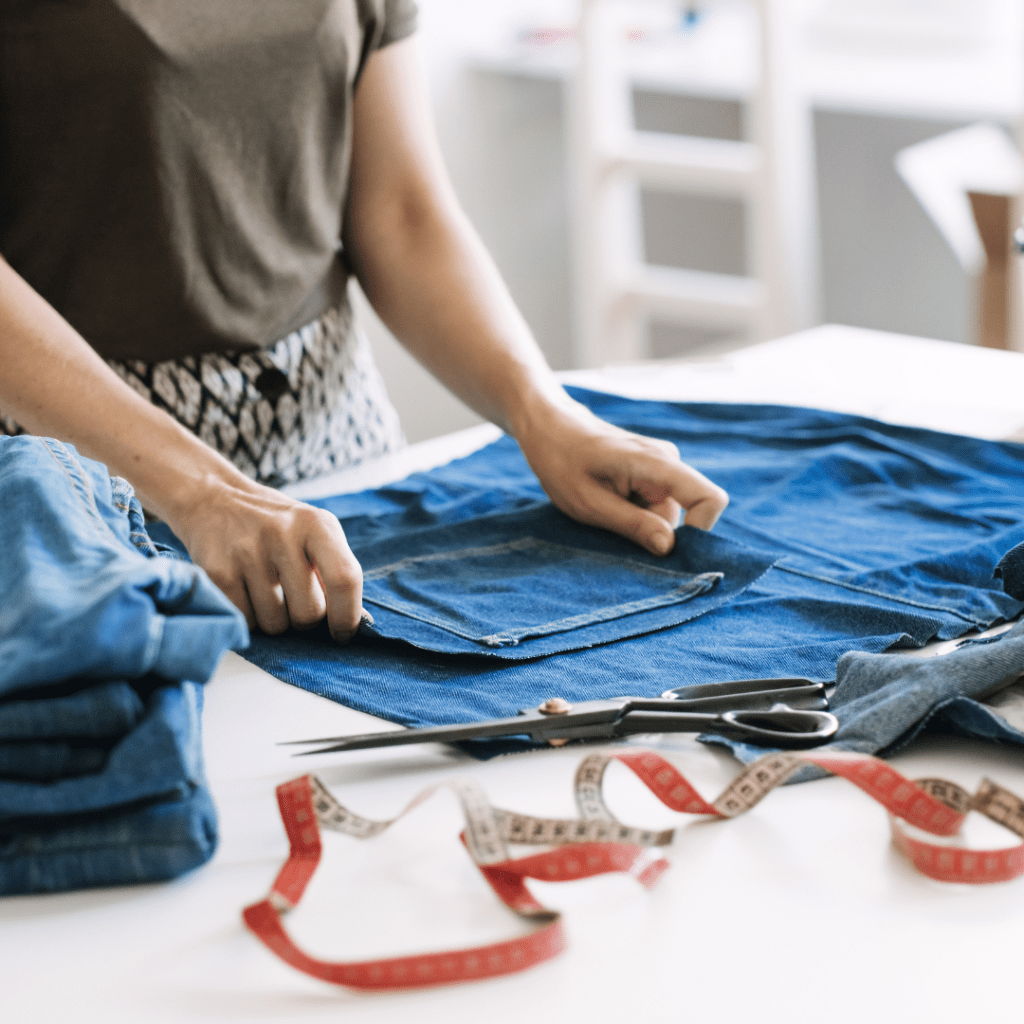
1. Resize an Oversized Denim Jacket: Take an oversized jacket and bring it in through the body and sleeves using the HZL-DX7 for clean, controlled seam adjustments. Once the fit is right, use the MO-114 to finish interior seams so the heavier denim layers stay neat and durable.

2. Turn Old Jeans into a Skirt: Rework worn jeans by opening the inseam and reshaping them into a skirt. The HZL-DX7 helps manage thick seam transitions, while the MO-114 keeps raw denim edges from fraying after reconstruction.

3. Crop and Refresh Sweatshirts: Cut and reshape oversized sweatshirts into cropped or fitted pieces. Add structure back in with new seams, then finish edges with the serger for a cleaner, more intentional look.

4. Patchwork Tote from Scrap Fabrics: Combine leftover fabric pieces into a structured tote bag. Use the HZL-DX7 to piece everything together evenly, and the MO-114 to secure inside seams so the bag holds up with daily use.

5. Modernize Dresses with Simple Alterations: Shorten hems, adjust waistlines, or reshape sleeves to bring older dresses up to date. The combination of precise stitching and clean finishing helps the garment feel refreshed instead of just “altered.”

Sew More, Waste Less

Upcycling is about seeing potential in what you already own. Small changes can completely shift how a garment fits, feels, and functions in your wardrobe. With the right tools, those changes become easier to execute and more satisfying to wear!

Visit JUKIHome.com to explore more sewing inspiration, machines, and project ideas for your next wardrobe refresh.
Embrace the Cozy Season

It’s almost time for Fall JUKI lovers, so let’s indulge in sewing projects that capture the essence of Fall! Whether you’re a sewist or a quilter, Fall offers a beautiful opportunity to create cozy, stylish, and functional items for yourself and your loved ones.

In this blog, we have three projects you can create this autumn and recommendations for JUKI machines, accessories, fabrics, notions, and threads to ensure your creations turn out beautifully! Let’s go ahead and dive into one project we’ll be sharing later this month.

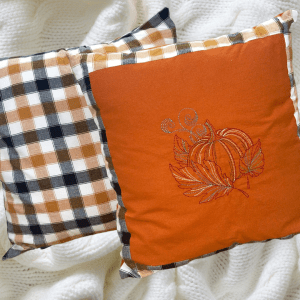
  1. Autumn Throw Pillows

The JUKI TL-18QVP is ideal for creating autumn throw pillows. It offers precision and versatility for piecing and quilting. Its robust build and advanced features, like the automatic needle threader and adjustable presser foot pressure, make it perfect for adding decorative touches to your pillow project.

We recommend using autumn colors like deep oranges, rich browns, and forest greens in fabrics like cotton or linen. These materials are durable, easy to work with, and ideal for home décor. Consider patterns with leaves, pumpkins, or plaid for a seasonal touch!

When it comes to notions, choose a high-quality pillow form for a plush finish, or use the stuffing for a custom shape like a leaf, ensuring it’s filled to your desired firmness. For marking your design, use a fabric marking pen or chalk marker, preferably with disappearing ink for easy removal.

When it comes to thread, select a high-quality polyester in a matching or contrasting color to enhance your pillow’s design. This will provide durability and a smooth finish. A universal 80/12 needle works well for most cotton and linen fabrics, while a 90/14 needle is better suited for heavier materials, such as vinyl, if you’re planning to use it in your projects.

Stay tuned here for our project release!

JUKI Accessories:

  • Walking Foot: This foot is ideal for sewing through multiple layers of fabric, ensuring smooth feeding of the fabric for a professional finish. It’s handy when working with thicker fabrics or multiple layers.
  • Free Motion Foot: Perfect for adding custom quilting designs and free-motion embroidery to your pillow. It allows for greater control over stitching patterns and design elements.

Additional Tips:

  • Pre-Wash Fabric: Pre-wash and iron your fabrics before cutting to prevent shrinkage and ensure smooth sewing.
  • Press Seams: Press seams open or to one side to create a crisp, professional finish.

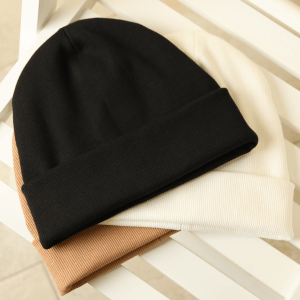
2. Cozy Beanie

The next project we’d recommend trying your hand at is a cozy beanie! For a cozy beanie, select warm and stretchy fabrics like fleece or jersey in autumn colors or patterns. These materials provide comfort and warmth on chilly days, and those with spandex or elastane offer added stretch.

The JUKI MO-2000QVP serger is a good choice for this project. Our sergers can efficiently handle knit fabrics and sew and finish edges with precision in one step. You can incorporate an elastic band to keep the beanie in place and maintain its shape to ensure a snug fit. Fabric clips can help hold knit fabric layers together without causing snags or distortions.

Remember your thread! Polyester thread offers both stretch and durability to prevent breakage or unraveling with the fabric’s stretch. A ballpoint needle, size 70/10 or 80/12, is ideal for knit fabrics, as its rounded tip helps avoid snags and skipped stitches.

JUKI Accessories:

  • Elastic Foot: Attach elastic bands evenly and securely.
  • Gathering Foot: Create ruffles or gather fabric; it can add decorative elements to your beanie.

Additional Tips:

  • Stretch Stitch Settings: Use the serger’s stretch stitch options or differential feed settings to ensure the fabric maintains its stretch and does not distort.
  • Use Fabric Clips: Instead of pins, use fabric clips to hold knit layers together to avoid snagging and ensure a smooth sewing experience.

3. Quilted Autumn Table Runner

For this project, check out the JUKI Kirei HZL-NX7. Like our other computerized machines, The HZL excels in quilting projects by providing ample space and quilting features perfect for crafting detailed and beautiful autumn table runners. The ample throat space and quilting capabilities make it ideal for handling larger projects.

For a quilted autumn table runner, choose cotton quilting fabrics in warm autumn colors and patterns. Fabrics like flannel or cotton with leaf or plaid designs will give your table runner a seasonal touch. Quilting cottons are durable and come in a range of fall-themed prints!

Check out medium-weight batting to provide coziness and structure to your table runner. Cotton or polyester batting works well for quilting projects, too. We recommend keeping your quilt ruler and rotary cutter nearby for precise cutting and piecing of quilt blocks. This helps to ensure accurate measurements and clean edges.

And, of course, thread! We recommend using 100% cotton quilting thread to achieve a smooth, durable finish. This thread can be used for both piecing and quilting since it blends seamlessly with quilting fabrics. The quilting needle, size 75/11 or 80/12, both are suitable for handling multiple layers of fabric and the thickness of batting.

JUKI Accessories:

  • Quilting Foot: This is essential for free-motion quilting. It allows you to maneuver your quilt with ease and helps create intricate quilting designs without getting caught in the fabric.
  • Extension Table: If you need extra space, we recommend this one. It’ll provide extra space for quilting larger projects and help maintain smooth fabric movement. It’s beneficial for managing the bulk of a quilted project.

Additional Tips:

  • Quilt Designs: Experiment with different quilting designs, such as meandering or echo quilting, to add texture and interest to your table runner.

These fall projects are a delightful way to decorate your home and wardrobe with seasonal charm! Creating projects like throw pillows, beanies, and table runners brings a touch of Fall into your daily life and enjoyment in making something beautiful and functional.

Each project offers an opportunity to experiment with seasonal fabrics and patterns, transforming simple materials into cozy, personalized décor and accessories that reflect the theme of Fall.

With the right JUKI machine and accessories, you’ll have the tools to craft these fall projects easily! Whether you’re using a serger, computerized, or semi-industrial sewing machine, these machines’ quality and versatility ensure your projects turn out beautifully. Find the right fabrics, notions, and threads, and you’ll be equipped to produce stunning pieces that celebrate the fall season in style. Happy sewing!