JUKI’s Autumn Sewing Guide

As the leaves turn and the air gets crisp, it’s the perfect time to dive into autumn sewing projects! The season invites us to create with warm, rich colors and cozy fabrics that reflect the beauty of fall. Choosing the right fabrics and colors can set the tone for your creations, whether you’re planning to make cozy quilts, stylish scarves, or warm throw pillows.

In this blog, we’ll explore the best fabric choices and color palettes for fall and highlight JUKI sewing machine presser feet accessories that work well with these fabrics to make your sewing experience smooth and enjoyable. Plus, discover free project ideas to inspire your fall sewing. Let’s get started on making the most of this vibrant season!

Embracing Autumn Colors
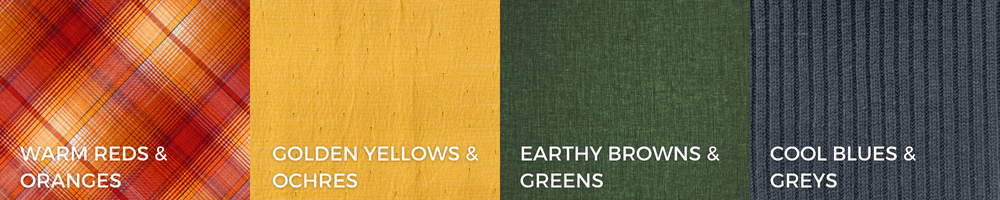
When we think of autumn, we think of rich, earthy tones! Here are some color hue ideas to consider for your upcoming projects:

  • Warm Reds and Oranges: Think of the vibrant hues of autumn leaves. Shades like burnt orange, crimson, and deep red add a warm touch to any project!
  • Golden Yellows and Ochres: These colors speak to the warmth of fall sunshine and can bring a cheerful contrast to the darker tones of fall projects.
  • Earthy Browns and Greens: From deep forest greens to warm browns, these colors provide a grounded, rustic feel perfect for fall, bringing in that feeling of the earth.
  • Cool Blues and Greys: While less typical, muted blues and greys can balance the warmer tones and add sophistication to your designs! Give these colors a chance and mix them with those above for a unique fall look.

Selecting Fabrics and Accessories for Fall
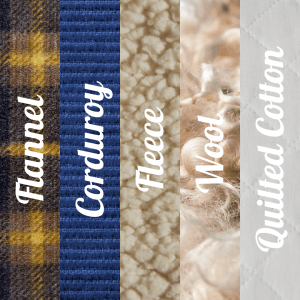
Choosing the right fabric is crucial for achieving that cozy autumn vibe, and pairing them with the right JUKI presser feet accessories can enhance your sewing experience. Here are some fabric options and their ideal accessory companion:

  • Flannel: This soft, warm fabric is ideal for quilts, pajamas, and throw pillows. To sew flannel smoothly, use the JUKI Walking Foot. It helps feed multiple layers of fabric evenly and prevents shifting and puckering.
  • Corduroy: This distinctive texture is great for jackets, skirts, and pants. With the JUKI Zipper Foot, you can sew close to the corduroy’s ridges for precise stitching and add closures with ease.
  • Fleece: Perfect for scarves, blankets, and mittens, fleece provides warmth and comfort. With the JUKI Even Feed Foot or JUKI Walking Foot, you can prevent the fabric from sticking to the presser foot and help manage the bulk.
  • Wool is a traditional choice for fall garments. It’s great for crafting sweaters, hats, and shawls! Using the JUKI Overcasting Presser Foot, you can finish edges and seams neatly and easily.
  • Quilted Cotton: Perfect for your quilted projects, quilted cotton offers both style and functionality! With the JUKI ¼” Foot by your side, you can ensure accurate seam allowances and beautiful quilted designs.

Patterns and Prints

Patterns can add a lot of character to your fall projects. Here are some patterns we recommend checking out at your fabric shops:

  • Plaids and Tartan: These classic patterns are staples in autumn fashion and home decor and work well with everything from skirts to quilt blocks!
  • Leaves and Acorns: Prints or appliques featuring autumn leaves or acorns add a seasonal touch to any project.
  • Stripes: Subtle stripes in fall colors can add visual interest without overwhelming your design if you’re looking for a simpler look.
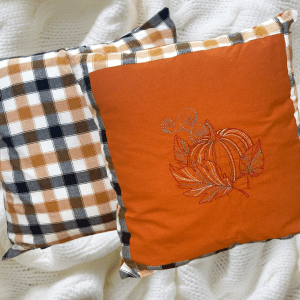
  • Nature-Inspired Prints: For a charming seasonal look, consider fabrics with motifs like pumpkins, pinecones, or woodland animals. These fabrics are perfect for home décor and quilt blocks.

Consider using the RICOH Ri 100 Direct-to-Garment Printing Machine to create custom fall fabrics. This machine allows you to print your designs directly onto the fabric, giving you the freedom to create unique patterns and prints that perfectly match your vision. Imagine the possibility of adding last year’s Thanksgiving dinner photo to this year’s family t-shirt—an exciting new tradition!

If you want to add texture and dimension to your patterns, check out the JUKI Tajima Sai 8 Needle Embroidery Machine. This machine offers advanced embroidery capabilities that enhance your designs with intricate details and embellishments, like leaves, quotes, cartoons, and more.
Tips for Choosing Fabrics and Colors

Selecting suitable fabrics and colors can significantly improve your sewing projects. Consider how each fabric and color choice will complement your project’s overall design and functionality.

  • Consider the Project: Match the fabric type and color to the purpose of your project. For instance, flannel is great for cozy quilts, while corduroy is perfect for fall apparel.
  • Mix and Match: Feel free to combine different colors and patterns. Balance bold prints with solid colors to avoid overwhelming your design.
  • Swatch First: Before committing to a large amount of fabric, get swatches to see how the colors and patterns appear in person.

With these autumn fabric and color ideas and the right JUKI presser feet accessories, you’re ready to embark on your fall sewing adventure! Whether you’re crafting cozy quilts, stylish garments, or charming home decor, these tips will help you create beautiful, seasonal pieces that capture the essence of autumn.

Are you looking for inspiration? Visit JUKI Quilting Projects for a variety of free project ideas that are perfect for fall. From sweet memory quilts to stylish home decor, these projects offer creative ways to use autumn fabrics and colors.

We also have a new project featuring fall throw pillows! Tune in on our YouTube page at JUKIHomeSewing to create yours today and get fresh ideas and inspiration for incorporating autumn colors and patterns into your home decor.
From Fiber to Fabric with JUKI

Immersing ourselves in a new hobby may lead us to questions we never thought of asking! For example, at the heart of our beloved sewing and quilting projects lies fabric, the canvas upon which sewists and quilters weave their magic. But have you ever wondered about your fabric’s journey before it reaches your fingertips?

Here, we’ll cover the fascinating fabric creation process, where raw fibers transform into the vibrant materials that inspire our projects! Whether you’re a seasoned sewist or just starting, understanding this journey adds a new layer of fascination to your crafting experience.

Let’s Talk Fibers

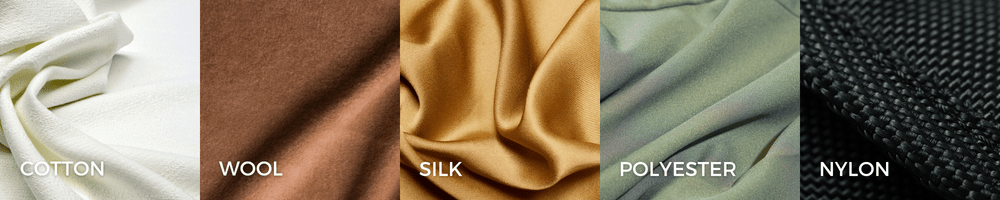
Natural fibers, such as cotton, wool, and silk, are sourced from plants or animals. Cotton cultivation occurs primarily in warm climates where mature cotton bolls are picked from the plants and then subjected to ginning. This process separates the fibers from the seeds and other impurities.

Wool is obtained through shearing sheep. It’s followed by cleaning the wool to remove dirt and grease, carding to align the fibers, and optional dyeing for coloration. Silk production involves rearing silkworms, harvesting their cocoons, boiling cocoons to soften the sericin coating, and then reeling the silk filaments to produce yarn.

Then, we have synthetic fibers like polyester and nylon, made from oil-based chemicals. Polyester is created by combining small molecules from petroleum, a process called polymerization. These combined molecules are then melted and pushed through tiny holes called spinnerets to form long strands of fibers.

Nylon goes through a similar process where specific chemicals derived from petroleum are mixed to form polymers, which are then pushed through spinnerets and cooled down to create nylon fibers. Essentially, polyester and nylon are made by melting oil-based ingredients and shaping them into fibers.

These processes highlight the contrasting methods of obtaining raw materials for natural and synthetic fibers, each contributing to the diverse range of products available in the textile industry!

Spinning

After the fibers are harvested from natural sources or synthesized from petrochemicals, the next step in the textile production process is spinning them into yarn! The spinning process involves aligning the fibers and twisting them together, forming a continuous thread. This process is crucial as it imparts strength and coherence to the yarn!

Several methods of spinning are employed in the industry. One method is ring spinning, a traditional technique for producing fine, strong yarn. The fibers are drawn out, twisted, and wound onto a bobbin in a ring spinning.

Another method is open-end spinning, a faster alternative that results in bulkier yarn. In open-end spinning, the fibers are fed into a rotor that rotates rapidly, pulling and twisting them together to form yarn. Each spinning method offers distinct advantages and is chosen based on the final yarn’s desired characteristics and the production efficiency required.

Dyeing

Dyeing is the next process in textile manufacturing, where color and patterns are infused into yarn or fabric. This step is versatile and can be carried out at different stages of production!

Fiber dyeing, also known as stock dyeing, is a method in which the fibers are dyed before being spun into yarn. This approach ensures uniform coloration throughout the yarn and fabric.

Yarn dyeing, in contrast, involves dyeing the yarn after it has been spun. It is commonly employed for creating patterned fabrics using different colored yarns.

Lastly, piece dyeing occurs after the fabric is woven or knit. In this method, the entire fabric piece is submerged in a dye bath, allowing for the uniform application of color.

Each dyeing method offers distinct advantages in color control, efficiency, and flexibility, catering to various requirements in the textile industry!

Weaving and Knitting

Following the dye production stage for yarn, the process advances to transforming yarn into fabric, achieved through either weaving or knitting techniques.

Weaving is a method that entails interlacing yarns at right angles to form a fabric. Basic weave patterns such as plain, twill, and satin are commonly utilized. Each imparts distinct characteristics to the resulting fabric, including texture, durability, and appearance. The chosen weave directly influences the fabric’s properties, like its drape, strength, and surface finish.

Knitting involves interloping yarns to create fabric. Knitted fabrics, like jerseys and rib knits, are known for their elasticity and stretchability, which distinguishes them from woven fabrics. The knitting process offers versatility in fabric design and texture and variations in stitch patterns, allowing for the creation of diverse fabric structures and surface effects.

Each technique—weaving and knitting—contributes to the spectrum of fabrics available in the textile industry, catering to various applications and consumer preferences.

Finishing

After the fabrication process through weaving or knitting, the next stage is the finishing process, which enhances the fabric’s appearance, texture, and longevity.

Mechanical finishes use techniques like brushing, which raises the fabric’s surface fibers for a softer feel and enhanced texture. Calendaring involves the application of heat and pressure to smooth the fabric’s surface, creating a fantastic sheen and improving the feel when you pass your hand on the fabric. Embossing creates decorative patterns or textures on the fabric’s surface, adding an excellent aesthetic appeal.

We also have chemical finishes, including treatments to boost the fabric’s functionality. These treatments include applications for water repellency, ensuring the fabric repels water and remains dry in wet conditions. They also have wrinkle-resistance treatments that minimize creasing and maintain the fabric’s smooth appearance. Chemical finishes may also include flame inhibitor treatments to enhance the fabric’s resistance to ignition and combustion, making it safer for wear.

Together, these finishing processes are crucial in refining the fabric’s characteristics, making it more visually appealing, comfortable, and functional for its intended use!

Cutting and Sewing

Once the fabric is finished, it is prepared for the final production stage: pattern making and assembly into textile products. This phase begins with pattern making, creating templates for the desired item. These patterns serve as guides for accurately cutting the fabric into individual pieces. The fabric is then carefully selected to meet the project’s specific requirements. This involves considering factors such as fabric type, weight, color, and pattern.

Once the fabric is chosen, it is distributed to local quilt and sewing shops, where it becomes available for purchase by creators like you! These shops are hubs for enthusiasts and professionals, providing various fabrics, notions, and tools for sewing and quilting projects.

Understanding the fabric creation process allows you to choose the best materials for your sewing and quilting projects. Each step, from harvesting raw materials to sending the final product to your favorite dealers, plays a crucial role in the quality and characteristics of the final fabric. The next time you start a project, take a moment to appreciate the journey your fabric has taken to reach your hands. Check out your nearest JUKI dealer and see the fabrics available here! Happy sewing and quilting!

JUKI’s Spring Floral Flourish

As the seasons transition and nature awakens with vibrant blooms, it’s the perfect time to infuse our sewing projects with the beauty of spring! Embracing floral and nature-inspired embellishments brings a touch of the outdoors into our creations, and with JUKI machines equipped with decorative stitches, adding these intricate details becomes an easy and fun endeavor!

Embracing Nature’s Beauty with JUKI Machines
Among the impressive lineup of JUKI sewing machines, several models stand out for their exceptional decorative stitching capabilities. Whether you want to add flair and elegance to your projects or infuse them with nature-inspired motifs, JUKI has you covered.

The JUKI HZL-F Series, G Series, and DX Series are prime examples of machines that boast an extensive array of decorative stitches. These stitches go beyond the ordinary, featuring intricate floral patterns, delicate vine motifs, and other nature-inspired designs. With such a diverse selection, you’ll have endless possibilities to explore and embellish your creations with stunning detail and finesse.

Each of these JUKI machines is equipped with various decorative stitches, allowing you to unleash your creativity and personalize your projects to your heart’s content. Whether you’re crafting garments, quilts, or home décor items, these machines provide the perfect tools to elevate your work from ordinary to extraordinary.

Guide to Adding Floral Embellishments
Selection of Fabrics:

  1. Cotton: Renowned for its versatility and ease of stitching, cotton fabric is a popular choice for embroidery and decorative stitches. It provides a smooth and stable surface that allows stitches to stand out with clarity and precision. Cotton also comes in various weights and finishes, making it suitable for various projects, from delicate garments to sturdy home decor items.
  2. Linen: With its natural texture and drape, linen adds an elegant and rustic charm to floral embellishments. It offers a slightly more textured surface than cotton, lending depth and dimension to intricate stitchwork. Linen fabric is particularly well-suited for embroidery projects where a tactile, organic feel is desired.
  3. Silk: For a luxurious touch, consider using silk fabric as the canvas for your floral embellishments. Silk’s smooth and lustrous surface provides a beautiful backdrop for intricate stitches, creating a stunning contrast between the delicate fabric and the boldness of the embroidery. While silk can be more challenging to work with due to its delicate nature, the results are well worth the effort, resulting in exquisite and refined floral designs!
  4. Blend Fabrics: Additionally, consider experimenting with fabric blends that combine the best qualities of different materials. For example, a cotton-linen blend offers the durability of cotton with the texture and drape of linen, making it a versatile choice for various projects. Similarly, blends incorporating synthetic fibers like polyester can provide added stability and resilience to embroidery stitches.

Thread Selection:

  1. Match or Contrast: Consider whether you want your thread to blend in with the fabric or stand out as a contrasting element. Matching thread creates a subtle and cohesive look, allowing the intricate stitches to blend with the fabric seamlessly. On the other hand, contrasting thread adds visual interest and can make your nature designs pop, especially when using vibrant colors against a neutral background.
  2. Thread Weight: Choose the appropriate weight of thread based on the scale and intricacy of your embroidery stitches. Thicker threads, such as embroidery floss or pearl cotton, are ideal for bold and chunky stitches that create texture and dimension. Finer threads, such as machine embroidery or silk thread, are better suited for delicate and intricate stitches requiring precision and detail.
  3. Thread Material: Depending on your preferences and the requirements of your project, opt for high-quality thread made from natural or synthetic fibers. Cotton thread is a popular choice for embroidery due to its strength, durability, and ability to hold up well over time. Polyester thread offers excellent colorfastness and is less prone to breakage, making it suitable for machine embroidery and decorative stitches. Silk thread is prized for its luxurious sheen and smooth texture, adding elegance to fine embroidery work.
  4. Variegated Thread: Consider using variegated thread for added visual interest in your floral designs. Variegated thread features multiple colors blended in a single strand, creating subtle color transitions and shading effects. This can add depth and dimension to your embroidery stitches, mimicking the natural variation in real flowers!

Choosing Decorative Stitches:
Explore the variety of décor stitches available on your JUKI machine. These stitches include blossoms, leaves, vines, and other nature-inspired designs. Refer to your machine’s manual to identify and understand the specific decorative stitches it offers.

Practice on Scrap Fabric:
Before embellishing your project, practice the decorative stitches on scrap fabric to familiarize yourself with the stitch settings, length, and tension adjustments. This allows for fine-tuning and ensures the desired outcome on your final piece.

Embroidering Floral Embellishments:

  1. Along Hems: Embroidering floral motifs along hems add a delicate and whimsical touch to garments, quilts, or home decor items. Whether you adorn the hem of a skirt, the edge of a tablecloth, or the border of a pillowcase, floral embroidery adds visual interest and enhances the overall design.
  2. On Collars: Embellishing collars with floral motifs create a charming and eye-catching detail that elevates the look of shirts, blouses, or dresses. Consider embroidering a delicate vine along the collar edge or adding small floral clusters for a subtle yet stylish accent.
  3. On Pockets: Adding floral embroidery to pockets transforms ordinary pockets into statement pieces that showcase your creativity and craftsmanship. Embroider a single flower or a cluster of blooms on the corner of a pocket or create a border of floral motifs for a whimsical touch.
  4. As Focal Points: Use floral embroidery as focal points on garments, quilts, or home decor items to draw attention and create visual interest. Embroider a large floral motif on the back of a denim jacket, create a floral centerpiece for a quilt block or embellish a throw pillow with a striking floral design.
  5. In Allover Patterns: For a more intricate and detailed look, consider embroidering allover floral patterns on larger surfaces such as table runners, curtains, or bedding. Create a lush garden scene with abundant flowers and foliage, or opt for a more structured design with repeating floral motifs.

Layering and Mixing Stitches:
Experiment with layering different stitches to create unique floral patterns. Combining various décor stitches can produce intricate and captivating designs resembling blooming gardens or vines.

Blending Techniques:
Blend different fabrics or colors within your floral designs for added dimension. Mixing textures and shades within the embellishments can create depth and visual interest.

Elevating your spring sewing projects with nature-inspired embellishments brings fresh air and an infusion of natural beauty. With JUKI’s selection of machines equipped with decorative stitches, adorning your creations with blossoms, vines, and leaves becomes an enjoyable and creatively fulfilling experience.

Whether you’re quilting, garment-making, or indulging in home décor projects, let your imagination flourish as you embrace the charm of spring with JUKI’s versatile machines and their exquisite decorative stitches. Unlock the potential to craft stunning pieces that reflect the beauty of the season, one floral stitch at a time.

To learn more about our sewing and quilting machines that offer decorative stitching, visit us here.

That’s Sew JUKI Spring

It’s almost spring! As the season of renewal and vibrant blooms unfold, the world of fashion beckons with fresh colors, patterns, and trends just waiting to be stitched into existence. This season, infuse your sewing projects with the essence of spring, and let JUKI guide you!

Renowned for our precision, reliability, and innovative features, JUKI machines are poised to revolutionize your spring sewing experience. From intricate floral motifs to breezy sundresses and chic accessories, JUKI offers the tools and accessories to bring your spring fashion inspirations to life with impeccable craftsmanship and ease.

Join us as we explore trends, share tips and tricks, and delve into the endless possibilities that spring sewing with JUKI machines offers.

Spring Fashion Palette: Colors to Embrace

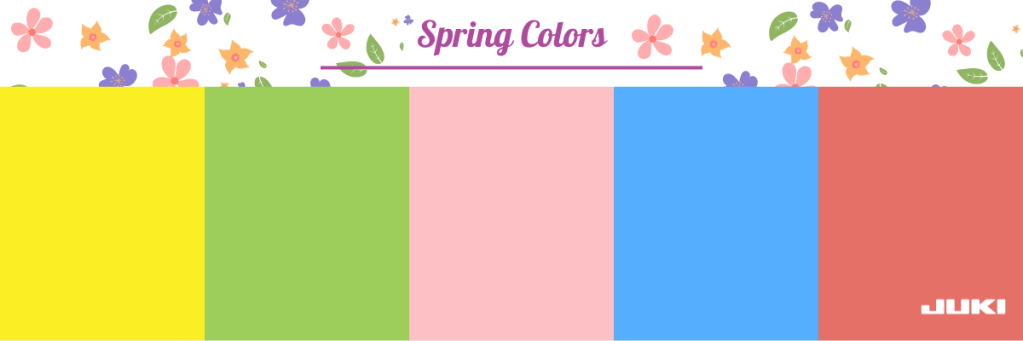
As we dive into the vibrant world of spring fashion, harnessing the power of color to truly bring your sewing projects to life is essential. The spring fashion palette offers a kaleidoscope of hues, evoking a distinct mood and energy. Here’s a closer look at the colors to embrace this season:

  • Sunny Yellows: As the epitome of sunshine and optimism, shades of yellow illuminate the spring landscape with their cheerful glow! Whether you opt for pale buttery tones or vivid like Lemon Fruit, yellow injects a sense of joy and brightness into your creations.
  • Fresh Greens: From minty hues to the depth of shades echoing nature, greens reign supreme in the spring palette. Green hues can infuse any project with fresh air and vitality, symbolizing growth and renewal.
  • Pastel Pinks: Soft and delicate, pastel pinks evoke a sense of romance and femininity synonymous with spring! Whether you’re crafting delicate florals or dreamy garments, pastel pinks add a touch of soft beauty and grace to your creations.
  • Soothing Blues: Like a tranquil oasis amidst the hustle and bustle of spring, shades of serene blues offer a calming contrast to the lively tones of the season! Look for shades like colors of the sky or of the sea. Blue hues bring a sense of peace and tranquility to your sewing projects.
  • Cheerful Corals: Vibrant and energetic corals infuse your creations with warmth! With their cheerful tone, corals add a playful pop of color to any project, radiating positivity.

In addition to embracing these colors, selecting the right thread color is crucial to achieving impeccable results in your sewing endeavors. You can match your thread to your fabric to achieve seamless and professional-looking seams or select threads that complement the color and texture of your fabric for a contrasting pop of design and color.

Experiment with contrasting colors to create visual interest and depth, adding a dynamic element to your sewing projects. Whether accentuating intricate details or adding decorative embellishments, thread colors can elevate your creations to new heights of artistry and expression.

Patterns and Trends for Spring Sewing

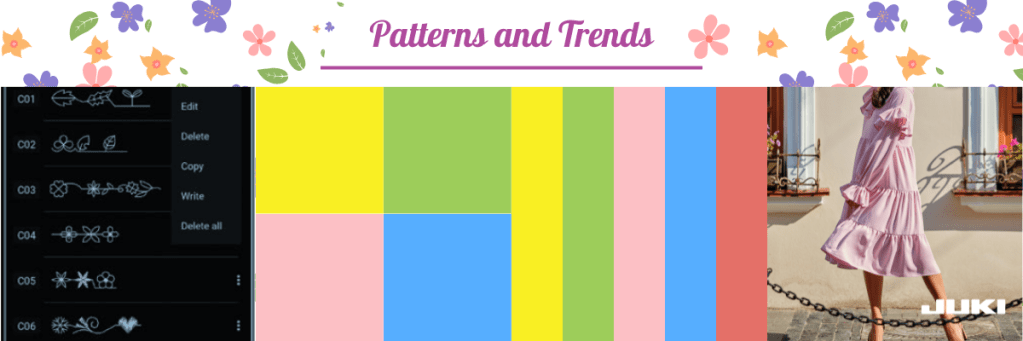
Patterns and Trends for Spring Sewing are all about embracing the vibrant colors and timeless motifs that define the season. With JUKI machines, sewing enthusiasts can easily bring these trends to life. Equipped with a wide range of design stitches, JUKI machines allow for intricate embellishments and precise detailing, enhancing garments, quilts, and accessories with stunning motifs and textures. Whether stitching delicate petals or crafting striking color combinations, JUKI machines empower you to infuse your spring sewing projects with style and sophistication, ensuring impeccable results every time.

Below are a few patterns and trends we love for spring sewing!

  1. Florals and Botanicals: Embrace the timeless allure of florals and botanical prints with JUKI machines’ array of decorative stitches. Whether you’re stitching floral designs or intricate leaves, JUKI’s digital sewing machines offer various decorative stitch options to embellish garments, quilts, or accessories with stunning motifs.
  2. Pastel Color Blocks: Dive into the trend of pastel color blocking with confidence, as JUKI machines ensure precise stitching for seamless color transitions. Mix and match soft pastels from the spring palette to create striking yet soothing combinations in garments, quilts, or home décor items.
  3. Stripes and Gingham: Whether you’re drawn to bold stripes or the timeless charm of gingham, JUKI machines offer the precision stitching needed to execute these patterns with finesse. Experiment with varying stripe widths and directions or play with the scale of gingham checks to create garments or home décor items that exude classic sophistication. With JUKI’s accessory feet, you can create seamless patterns with ease.
  4. Flowy Silhouettes: Embrace the lightness of spring with flowy, relaxed silhouettes crafted using JUKI machines. With JUKI’s advanced feed mechanisms and precise stitching capabilities, sewing with lightweight fabrics like chiffon, silk, or cotton voile becomes effortless. Whether crafting billowy blouses, airy skirts, or elegant dresses, JUKI machines ensure that your creations drape beautifully and move gracefully with every step.

With JUKI sewing machines as your trusted companions, the possibilities for spring sewing projects are as boundless as your imagination. Whether embellishing garments with intricate floral motifs, experimenting with color blocking, or mastering classic patterns like stripes and gingham, JUKI empowers you to bring your creative visions to life with precision and ease.

Incorporating Spring Trends with JUKI Machines

Before jumping into creation, let’s talk about the JUKI features you can find on your machine and how to use them on your next project. JUKI machines offer a plethora of features and functionalities to bring your spring sewing visions to life:

  1. Creative Embellishments: Discover the multitude of decorative stitches offered by JUKI machines, perfect for enhancing your spring garments or quilts with floral accents, decorative borders, or intricate patterns like those mentioned above!
  2. Impeccable Stitching: Benefit from JUKI machines’ precision stitching capabilities, guaranteeing flawlessly executed lines and precise seam allowances. This precision is invaluable for crafting garments with tailored fits or intricate patchwork designs. From flowy dresses to clean-cut blouses, the right stitch is vital for a seamless finish.
  3. Fabric Versatility: JUKI machines excel in handling a wide range of fabrics, from delicate silks to durable cotton. This adaptability empowers you to explore various materials, allowing for seamless experimentation and creativity in your spring sewing endeavors. Use fabrics like Chiffon or Vinyl on the same machine with ease of switch and create projects that vary in design and texture for fun and vibrant new looks!
  4. Ease of work: JUKI machines are designed to be the ultimate ally in your sewing journey, effortlessly streamlining your workload with various innovative features. From the convenience of automatic needle threaders to the efficiency of air threaders on our sergers, JUKI machines eliminate the hassle of manual threading, allowing you to focus on your creative process. Enhanced lighting ensures optimal visibility, while extension tables provide ample space for easily handling larger projects. With JUKI machines, every aspect of your sewing experience is optimized for efficiency, precision, and comfort, empowering you to tackle any task with confidence and ease!

As the fashion world awakens to the allure of spring, sewing enthusiasts have an opportunity to infuse their creations with the season’s vibrant colors, patterns, and trends. With JUKI machines as your creative companion, the possibilities are endless.

Whether you’re designing flowy dresses, quilting vibrant florals, or crafting accessories in the season’s palette, JUKI machines provide the precision, versatility, and decorative stitches needed to bring your spring sewing visions to fruition. Embrace the essence of spring, one stitch at a time, and weave a tapestry of creativity with JUKI.

Let’s Talk Fabric

As a sewist, you know the importance of choosing suitable fabric for your project and how it can significantly affect your finished product! Today JUKI Lovers, we’re going to go over different fabric types and how to choose the right one for your project.

Quilting Cotton
The most common fabric you’re going to find in big stores is quilting cotton. A light to medium fabric, this material is made of cotton and woven, making it a popular choice for quilting projects. Keep in mind, this material is not the best for clothing construction on most projects. While it can create structured shirts well like a button-down, if you’re looking for a look that has more stretch, flow, or drapes, this fabric wouldn’t work best.

Linen
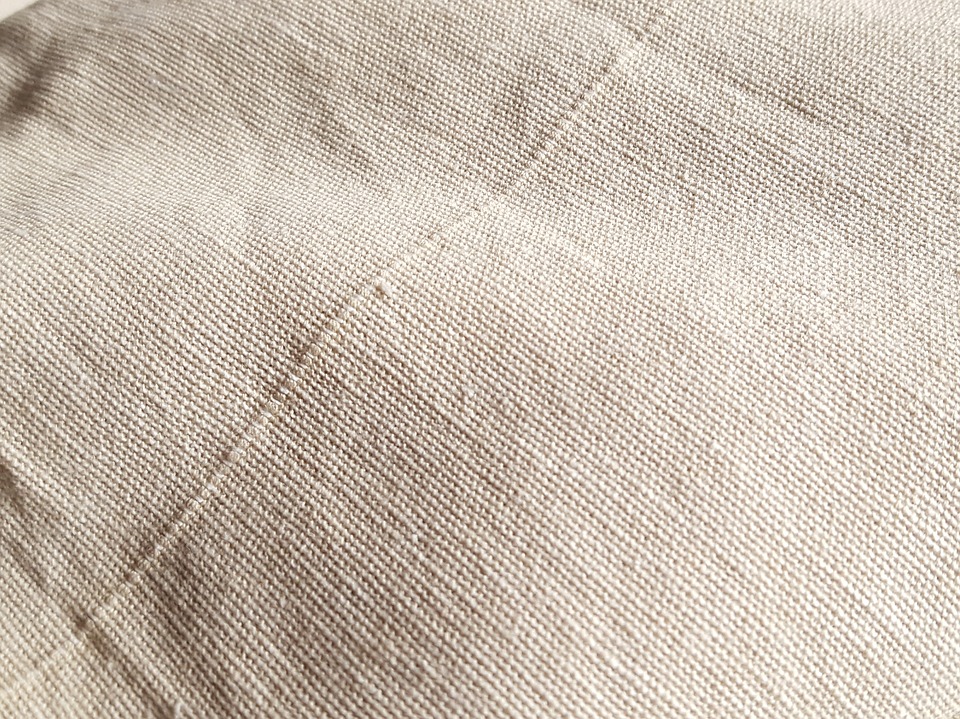
Linen fabric is a slightly different fabric from cotton. While similar as both are plant-based, the linen fabrics tend to be very soft and very breathable. Linen is best for warmer temperatures and is done in a plain weave. Some linen fabrics will have a noticeable color variation due to the threads that created the material. It’s well known to drape nicely, and it softens after washes creating the perfect comfort material for the winter times. Still, it’s best to keep in mind linen proneness to shrinking.

Silky Solids and Prints
When you’re looking for something bright or eye-catching, silky solids and prints are a bold choice. This material drapes well and has two options for construction. One silk material is made of polyester, a high-quality dupe of the original silk created from cocoons. When creating blouses or dresses, the structure of the material gives the proper flow and accentuates nicely. Choose this material when wanting to create light, loose clothing.

Canvas
Canvas fabrics come in different styles, but it’s primarily a solid material best used for home décor projects, theatre set designing, and bags. Canvas can also be best used for home furniture projects because of the soft material and works well on footrests and ottomans. Of course, this material can also be used for painting and other art projects. Keep canvas in your fabric drawer as it is an incredibly versatile fabric for many hobbies!

Chiffon
When creating beautiful and frilly pieces, chiffon is a charming choice! Woven sheer fabric is perfect for creating skirts with a flow and can also be used for home décor such as curtains. Always keep in mind when using chiffon for clothing that the material can be complex for new sewers to work with due to its proneness to frame and be shifty. We recommend testing with a small piece of fabric and adjusting your settings as you go.

Twill
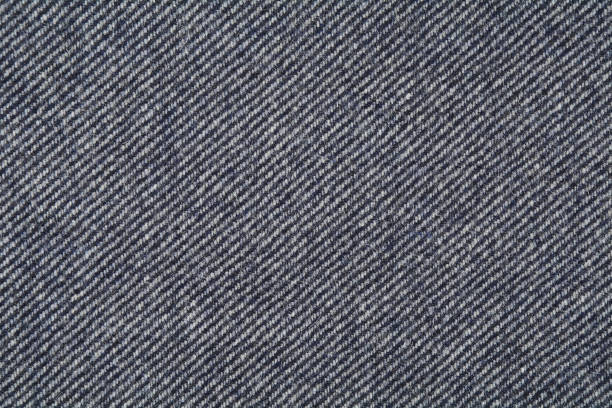
Making curtains? Twill is the perfect fabric for that project! Twill is a fabric created out of cotton or cotton spandex and is best used for dress pants, home décor, and bags. Twill is created using a twill weave and is generally woven with threads of only one color. Perfect for curtains, the material is thick and drapes well with low wrinkles creating a cleaner look in your space.

Flannel
Flannel garments rise from their slumber during the colder seasons due to their comfort and warmth. Woven cotton is brushed on or both sides creating this fuzzy and soft texture that allows warmth to be kept. This material is excellent when designing winter pajamas or cozy outfits for the fall. Using this soft material, you can also create warm blankets and quilts for the family.

With so many materials and fabrics available for sewers out there, we want to make sure you’re choosing the right one! What are some fabrics you’ve worked with that you love using?