Magical Sewing Techniques for Halloween Costumes

Decorative stitching is a wonderful way to add flair and personality to your Halloween creations this month. You can transform your creations into unique and eye-catching pieces with the right sewing machine and techniques! In this blog post, we will explore five different types of decorative stitching and how you can incorporate them into your costume creations. Let’s delve into decorative stitching and discover how these techniques can elevate your sewing projects.
Satin Stitch:

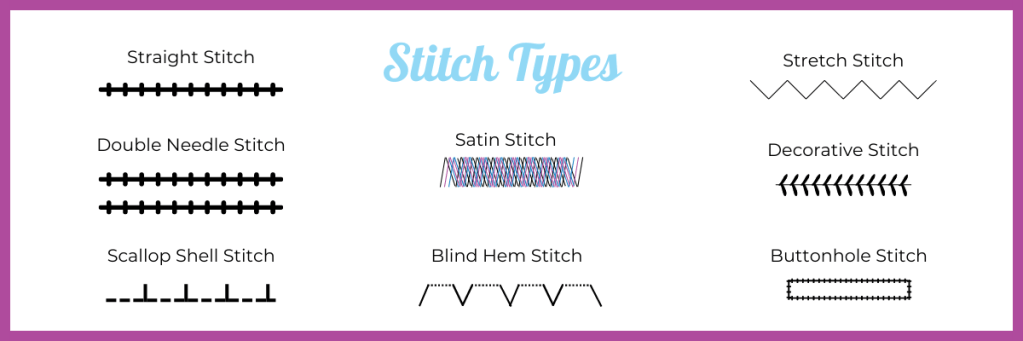
The satin stitch is a dense and smooth decorative stitch perfect for creating bold outlines, filling shapes, or adding intricate details. It is commonly used for appliqués, monograms, and decorative borders. To create a satin stitch, set your sewing machine to a wide zigzag stitch and shorten the stitch length. Use a satin stitch foot or a stabilizer underneath the fabric to ensure smooth stitching. Experiment with different thread colors and widths to achieve the desired effect and make your designs pop.

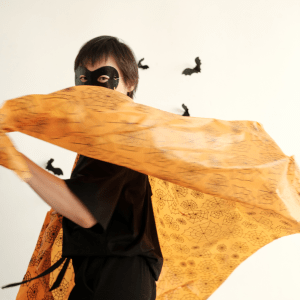
Craft a fairy or mermaid costume and use satin stitch to embellish the wings or scales, adding a touch of enchantment. For spooky creatures like witches or vampires, the satin stitch can create intricate appliques on capes or hats, bringing them to life. Additionally, you can use satin stitch to embroider haunting motifs like spiders, skulls, or bats onto costume pieces such as vests, gloves, or masks.

Decorative Embroidery Stitches:
Embroidery stitches offer a world of possibilities when it comes to decorative stitching on garments. From delicate flowers to intricate motifs, countless embroidery stitches exist to explore. These stitches can embellish collars, cuffs, and pockets or create beautiful focal points on your garments. Transfer your design onto the fabric, and use embroidery floss or decorative threads to bring your vision to life.

Use this technique when creating a whimsical fairy costume and using decorative embroidery stitches to add intricate floral patterns or delicate butterfly motifs to the wings and dress. For a frightful twist, bring your vampire or witch costume to life by embroidering intricate cobweb designs or eerie symbols onto capes and hats. Additionally, you can use decorative embroidery stitches to add a touch of mystique to costumes such as fortune tellers, pirates, or mythical creatures. With various stitches like chain stitch, feather stitch, or French knots at your disposal, you can create captivating textures and embellishments that will make your Halloween costume truly unforgettable.

Decorative Hemstitching:

Hemstitching is a classic decorative technique that adds elegance and refinement to garments. It is often seen on hems, cuffs, and necklines. Hemstitching involves creating a row of evenly spaced and neatly aligned holes along the edge of the fabric, followed by stitching that secures the fabric and creates a decorative effect. You can achieve hemstitching with a wing or twin needle on your sewing machine. Experiment with different stitch widths and thread colors to create unique and personalized hemstitched details.

Imagine sewing a vampire or witch costume and using decorative hemstitching along the edges of the cloak or cape, adding a subtle yet mesmerizing touch! For ethereal creatures like fairies or mythical beings, you can incorporate decorative hemstitching to create intricate patterns on the hems of flowing skirts or sleeves, evoking a sense of enchantment. Additionally, consider using this technique to add texture and interest to costumes like ghosts or ghouls, where delicate and uneven hemstitching can mimic the appearance of the tattered fabric.

Scallop or Shell Stitch:

Scallop or shell stitching is a beautiful decorative stitch that adds a feminine and playful touch to garments. It is commonly used on necklines, hems, or as an accent trim. The scallop stitch creates a series of rounded or pointed arches resembling scallop shells. You can achieve this stitch using a decorative stitch setting on your sewing machine or with a scallop-shaped embroidery foot. Experiment with different stitch lengths and thread colors to create varied and delightful scallop designs.

Consider crafting a mermaid or ocean-themed costume and using the scallop or shell stitch to create a stunning scale-like effect on the tail or bodice. For angel or mystical creature costumes, incorporate this technique to embellish the edges of wings or capes, evoking a sense of enchantment. The scallop or shell stitch can also create spooky accents on costumes like witches or sorcerers, where a scalloped hem or trim adds a touch of eerie elegance.

Pintucks:
Pintucks are tiny, parallel folds of fabric that add texture and dimension to garments. They are commonly used on bodices, collars, or as decorative accents on sleeves. Pintucks can be created with a pintuck foot on your sewing machine, which helps guide the fabric and maintain even spacing between the folds. Experiment with different pintuck widths and spacing to achieve the desired effect. Pintucks can be further enhanced using contrasting thread colors or adding decorative stitching along the folds.

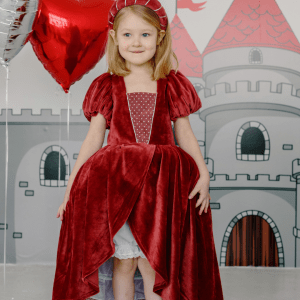
Imagine crafting a Victorian-inspired vampire or steampunk outfit and using pintucks to create intricate details on the bodice or sleeves, giving it an air of timeless elegance. For magical creatures like fairies or enchanted beings, pintucks can create delicate pleating on flowing skirts or delicate wings, adding a touch of enchantment to the costume. Additionally, pintucks can be utilized to create structured elements on costumes like knights or superheroes, providing a bold and heroic aesthetic.

Decorative stitching opens up a world of creative possibilities in garment creation. By incorporating techniques such as satin stitching, decorative embroidery stitches, hemstitching, scallop or shell stitching, and pintucks, you can add depth, personality, and uniqueness to your garments. These techniques allow you to experiment with different thread colors, stitch widths, and designs, giving your creations a personalized touch. So, unleash your creativity, explore these decorative stitching techniques, and let your garments become works of art. Happy sewing, and may your decorative stitches bring joy and beauty to your sewing projects!
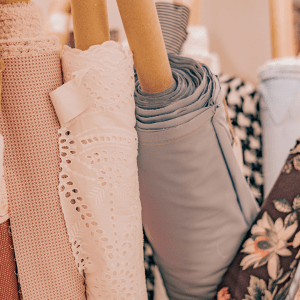
Quilters’ Sewing 101: Answering 5 Basic Questions

Quilting is a timeless craft that has allowed us to create beautiful and functional art pieces using fabric and thread. Whether you’re a beginner or have some quilting experience, you may have questions that need clarification. In this blog post, we will address five popular questions often asked by quilters. By understanding these fundamental aspects, you’ll be on your way to confidently quilting and creating those stunning quilts you’ve been dreaming of.

What is the difference between quilting cotton and regular cotton fabric?

Quilting cotton and regular cotton fabric differ primarily in construction and intended use. Quilting cotton is designed for quilting projects and is known for its tightly woven and durable nature. It typically has a higher thread count, which means that the fabric is made up of more threads per square inch. This dense weave gives quilting cotton its sturdiness, making it ideal for stitching and holding up to repeated use and washing. Additionally, quilting cotton often features vibrant prints and patterns, which add aesthetic appeal to quilts and other sewing projects.

On the other hand, regular cotton fabric refers to the broad category of cotton textiles used in various applications, including clothing, home décor, and crafts. Regular cotton fabric comes in different weights, weaves, and finishes to suit other purposes. Unlike quilting cotton, the regular cotton fabric may have a looser weave and a lower thread count, making it lighter and more breathable. It is commonly used for making garments such as t-shirts, dresses, and pants and crafting household items like curtains, pillowcases, and tablecloths.

What is the importance of accurate seam allowances in quilting?

Accurate seam allowances play a crucial role in quilting, ensuring the final project’s overall quality, precision, and consistency. Firstly, precise seam allowances help maintain the structural integrity of the quilt by ensuring that the fabric pieces are securely joined together. Accurate seam allowances ensure that the seams are strong and reliable, preventing unraveling or fraying of the fabric over time. This is especially important for quilts that will be used, washed, and handled frequently!

Secondly, precise seam allowances contribute to the quilt design’s overall visual appeal and accuracy. Quilts often involve intricate patterns and designs that rely on precise measurements and seam allowances. Consistently accurate seam allowances ensure that the blocks and elements of the quilt fit together seamlessly, creating clean lines, even corners, and balanced proportions. Inaccurate seam allowances can lead to mismatched points, distorted shapes, or misaligned seams, which can detract from the quilt’s visual impact and overall aesthetic. Quilters can achieve a professional finish by paying attention to precise seam allowances and bringing their envisioned design to life.

How do I prevent fabric stretching while quilting?

Preventing fabric stretching is crucial in quilting to ensure accurate piecing and maintain the integrity of your quilt blocks. Here are two key techniques to help you prevent fabric stretching:

Proper handling and pinning: When working with fabric, especially bias-cut pieces, handle them with care to minimize stretching. Avoid pulling or tugging the fabric excessively, as this can distort its shape. Instead, support the fabric with one hand while guiding it through the sewing machine with the other. Additionally, use pins to secure your fabric layers together before stitching. Place the pins perpendicular to the seam line, with the heads pointing away from the sewing direction. This technique will help keep the fabric in place during sewing and prevent stretching caused by shifting layers.

Stabilizing techniques: Stabilizing the fabric can also help minimize stretching. One effective method is using spray starch or fabric sizing. Lightly spray the fabric with starch or sizing and press it with an iron before cutting and piecing. This process stiffens the fabric temporarily, making it less prone to stretching. Follow the manufacturer’s instructions and test on a scrap piece of fabric first to avoid any adverse effects. Another technique is to use a stabilizer such as lightweight fusible interfacing or wash-away stabilizer. These products provide temporary support to the fabric and can be applied to specific areas or the entire fabric piece, depending on your needs.

These techniques will help any beginner or everyday quilter!

Should I prewash my fabric before quilting?

The decision to prewash fabric before quilting is a personal choice that depends on various factors. Prewashing fabric can be beneficial in addressing potential shrinkage and removing excess dyes or chemicals. By washing the fabric before cutting and piecing, you can ensure that any shrinkage occurs beforehand, reducing the risk of distortion or warping in your finished quilt. Additionally, prewashing helps remove residual substances that may bleed onto other fabrics or affect the overall appearance of your quilt. It can be advantageous when working with different fabric types with varying shrinkage rates in the same project.

On the other hand, some quilters prefer to avoid prewashing fabric to maintain its stability and finish. Prewashing can cause the fabric to lose some of its sizing or stiffness, potentially impacting the ease of cutting and piecing. Certain fabrics, such as precuts or those with delicate prints or embellishments, may be unsuitable for prewashing due to their fragile nature. In such cases, alternative precautions like color-catching sheets or test-washing small fabric pieces can help prevent bleeding without prewashing.

Ultimately, the decision to prewash fabric before quilting is a personal preference based on the desired outcome, fabric type, and project requirements. Considering factors such as shrinkage, potential bleeding, and fabric stability can help you decide whether to prewash or not.

How can I achieve precise quilting lines or designs?
Using rulers with your JUKI sewing machine can be highly beneficial to achieve precise quilting lines or designs. Here’s a step-by-step guide on how to utilize JUKI rulers for accurate quilting:

Step 1: Prepare your fabric and JUKI ruler: Start by ensuring your fabric is properly layered and basted for quilting. Then, select the appropriate JUKI ruler for the design or quilting lines you wish to create. JUKI offers a range of rulers specifically designed for quilting purposes, such as straight rulers, curved rulers, and specialty rulers for different patterns and shapes.

Step 2: Secure and position the ruler: Place your ruler on the fabric, aligning it with the desired quilting line or design. Use fabric grips or non-slip adhesive tape to secure the ruler, ensuring it remains stable and doesn’t shift during quilting. It’s vital to position the ruler accurately to achieve precise results.

Step 3: Quilt along the ruler edge: Once the ruler is secured, guide your JUKI sewing machine’s foot along the ruler’s edge. Ensure to maintain a steady speed and apply gentle pressure to the ruler to prevent it from moving. As you quilt along the ruler, the foot of the machine will follow the ruler’s edge, resulting in clean and precise quilting lines or designs.

Remember to practice and experiment with different rulers and techniques to achieve the desired quilting effects. It’s also essential to familiarize yourself with the features and settings of your specific JUKI sewing machine to ensure optimal performance during quilting.

As a quilter, understanding the basics is essential for successful and enjoyable quilting projects. By addressing these five common questions, you can better grasp the differences between quilting cotton and regular cotton fabric, the importance of accurate seam allowances, preventing fabric stretching, deciding whether to prewash fabric and achieving precise quilting lines or designs. With this knowledge, you can confidently embark on your quilting journey, create stunning quilts, and continue expanding your quilting skills. Looking for quilting machines? Be sure to check out JUKI’s wide range of machines! Happy quilting!

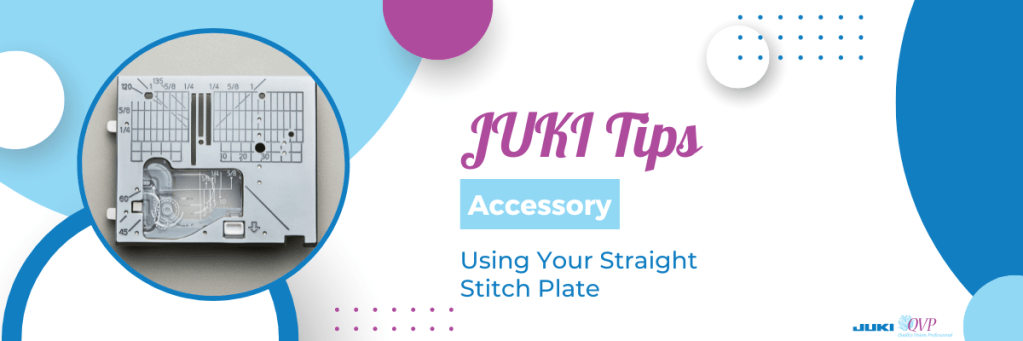
JUKI Tip: Using Your Straight Stitch Plate

In this month’s tip, JUKI National Account Trainer Alba showcases how to use the straight stitch plate and straight stitch presser foot. Going over when, and how to use them, follow along to begin using yours on your next project. In this video, we talk about the DX series and the TL series.

Follow along below for a rundown of what Alba covers on today’s JUKI Tip!

Hello all my JUKI friends, my name is Alba, and welcome back to my studio. Today I am going over a tip, a trick, for JUKI machines, and in the last session that I did several of you asked about straight stitch plate and straight stitch foot. What are they? When do I use them? Why would I want to use them? How do I use them?

So today I am going to be showing you the straight stitch plate and foot. How they get installed, how you use them, and also some tips on when you use them and when they make your sewing easier. I will be showing you this on two machines, on the DX-2000 QVP and on the DX-4000 QVP.

Both of these machines, this goes on a little bit differently. On the DX-2000 QVP the straight stitch plate is built into the machine, so it’s a lever that you’re touching to activate this feature and I wanted to show that because it is just such a great way to do that; and on the DX-4000 QVP it is an actual plate that you’re changing out but there’s also a feed dog system that you’re switching out when you go to the straight stitch plate,

I’m really looking forward to getting up close and personal with both of these machines and showing you how to do that. Now when you use a straight stitch plate, for some people if they’re using a straight stitch on their machine that straight stitch plate is always on, and for others, it’s only on for certain scenarios that they use it. What a straight stitch plate does, is it turns a machine with lots of decorative stitches that has that sideway needle movement into a straight stitch only machine. It stabilizes that needle bar so that the straight stitch is straighter and also the opening in the plate is smaller so that when you are sewing, the fabric that you’re sewing onto, does not get pushed into the feed dogs; and if that’s ever happened to you that alone is a reason to switch out to a straight stitch plate.

Welcome back everyone just like I promised I am right in front of the machine and I wanted to get really up close, very personal with the machine, so that you could see exactly what I am doing; and I am just making sure that I am at a straight stitch because I will be talking about the straight stitch plate and feed dog. Now the first thing I wanted to do is, most of you are familiar with the straight stitch plate that has a hole that just the needle goes into as opposed to the zigzag plate which this opening goes wide across and is sometimes referred to as the shape of the Jelly Bean.

What JUKI does differently on their full-size, 12-inch throat, machines is that they give you the feed dogs that match up to the plate, so that you’re getting full contact with the foot and the plate at all times. Now, I’m going to move a little bit closer and I’m going to show you removing the plate as well as putting on the new feed dog. Right now, I do not have a foot or needle in my machine just for safety reasons and to give you the clearest view possible.

So this is the zigzag plate and this is to allow the needle to move to different positions, to do decorative stitching. And because this needle moves on a straight stitch the straight stitch plate gives it a bit more stability because its opening is only allowing for that needle drop. For no movement whatsoever. So that is the main difference between that straight stitch plate and the zig-zag plate.

Now, I’m going to zoom in on that feed dog system and I am just lifting that out and pulling it out of my machine. If you notice my zigzag plate matches up to my zigzag feed dog, that’s a nice close-up shot, and I want you to see the difference in how narrow the two are.

I am going to put in the straight stitch feed dogs, and you could see that just slid in really easily, and it just went right into place, and this allows for me to clean in between my feed dogs and also be able to get into this area for cleaning really nicely.

Now I’m gonna place my straight stitch plate on my machine and just pop it back down and it sets into place, and as you could see right here is where that needle would be dropping. So as I said, especially when you’re doing triangles and you’re doing half Square triangles, when you’re sewing right on the edge of the fabric to sew, that fabric will sometimes get pushed down into the feed dog system and because this opening is smaller that allows for that not to happen.

Now, the DX-2000 QVP does not have the plate and the feed dog system like we just saw on the DX-4000QVP. It’s a little bit different and I’m going to get into how to activate this and again I’m going to remove my foot and I’m going to zoom in so that you can see. Right now I have that zigzag opening and I mentioned that this machine has a straight stitch plate built into it and this mechanism here when I activate that plate it slides up and gives me a straight stitch plate.

Let me show you how easily that’s done. I am removing my bobbin cover and with a quick slide of that mechanism, I’m going to do this with the tweezer so that you can see that, so here it is all the way to the left and I have that zigzag opening right here where that needle drops, and when I slide that over, my looks like a stitch finger on a serger came forward and look at where my needle is dropping into and I’m going to try and get just a little bit closer and zoom a little bit more but you could see that that is allowing for stitching to take place in a smaller opening which is why you would want to use that straight stitch plate so again with the automatic this is on the DX-2000 QVP and the changing of the plate was done on the DX-4000 QVP

I hope you enjoyed that demonstration of putting in a straight stitch plate, and some of the uses for straight stitch plate, and when and why you would use it. When I am piecing, and I know I’m going to be piecing for a long time, or even if I’m doing garment sewing where I’m constructing, I like to put in my straight stitch plate because as I said it just gives me that feel and that Stitch quality like a straight Stitch machine would. For any time when you’re working with very fine sheer fabrics that tend to get pulled down into that feed dog system, the straight Stitch plate eliminates that.

Until next time for the next tip and trick with JUKI, I will see you then. I want to thank you for joining me, please make comments during the video and at the end so that we know what to present and what you would like to see just like the few people who commented that they needed to understand that straight stitch plate better! I was able to do that for you, so please leave your comments and share the video with your friends.

Until next time, bye bye!

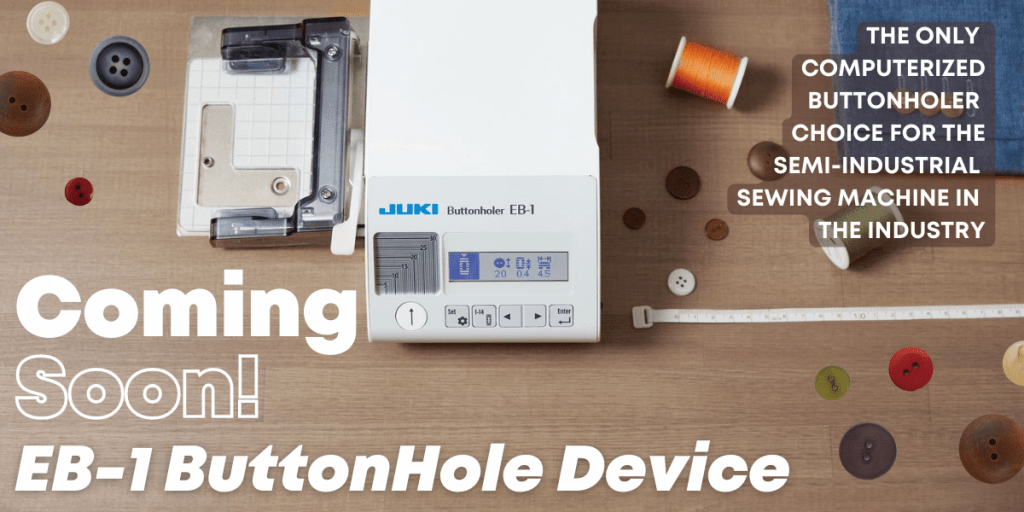
Coming Soon: The New EB-1!


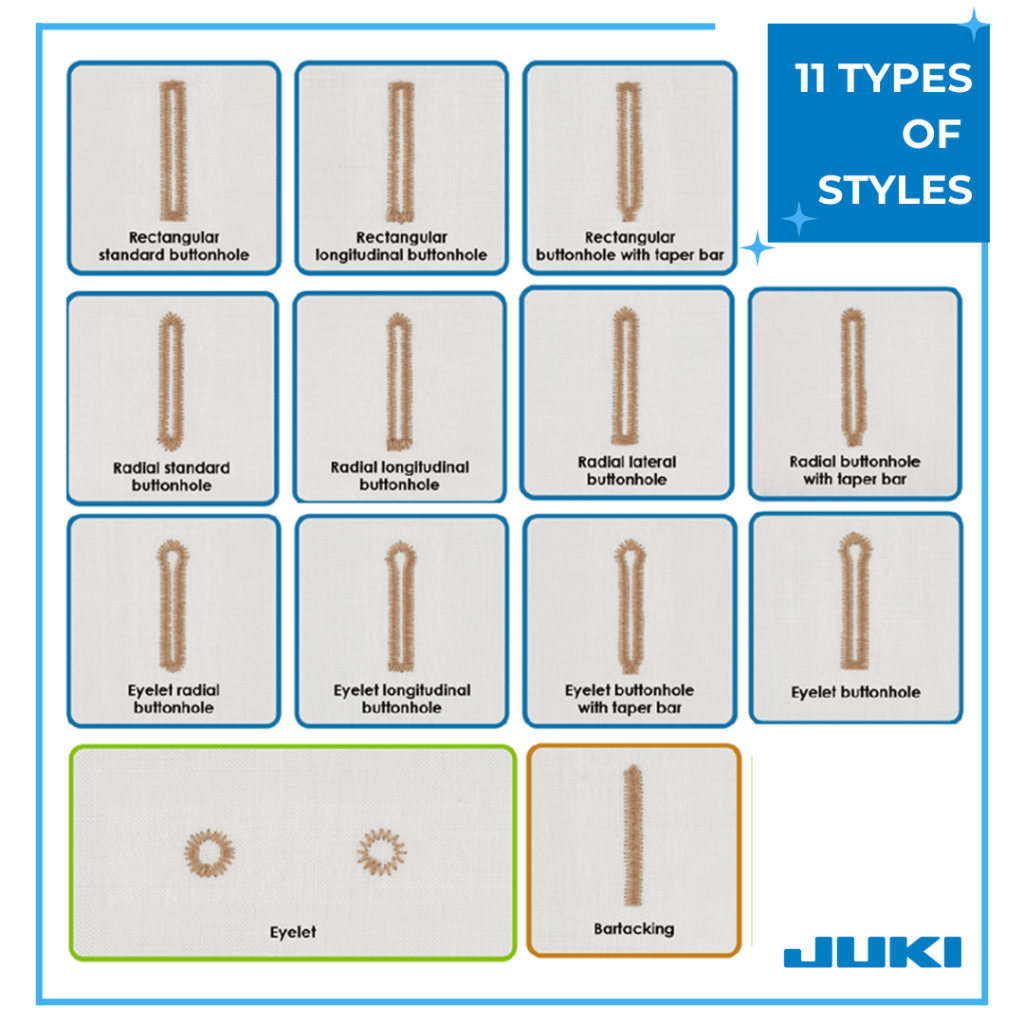
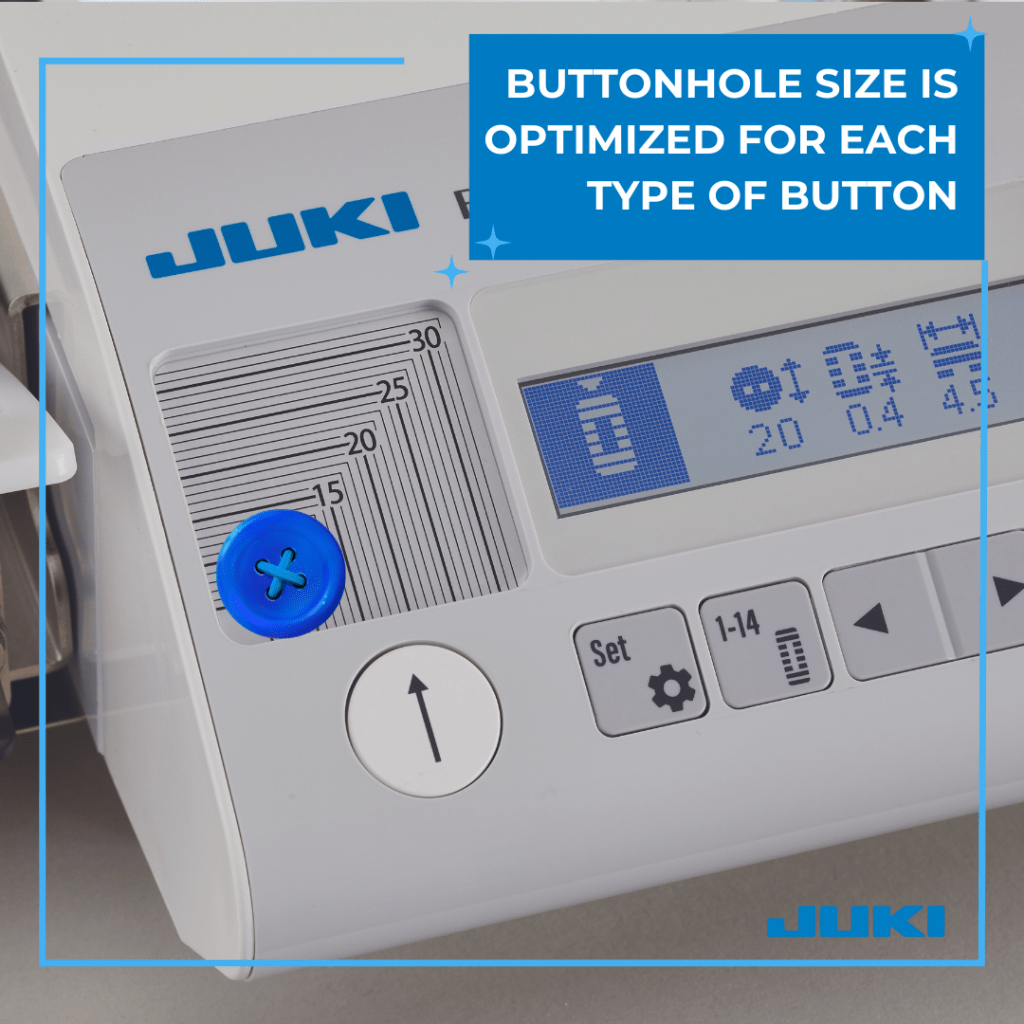
Coming soon, the EB-1 is an innovative computerized buttonholer tailored for semi-industrial sewing machines. Unparalleled in the industry, this accessory stands out with its 11 pre-set buttonhole patterns complete with bartack and eyelet functionality. The bartacking stitch proves versatile, accommodating tasks like pocket corner sewing, zipper end reinforcement, and belt loop attachment. Meanwhile, the eyelet function serves both functional and decorative purposes, allowing string passage and enhancing clothing aesthetics.

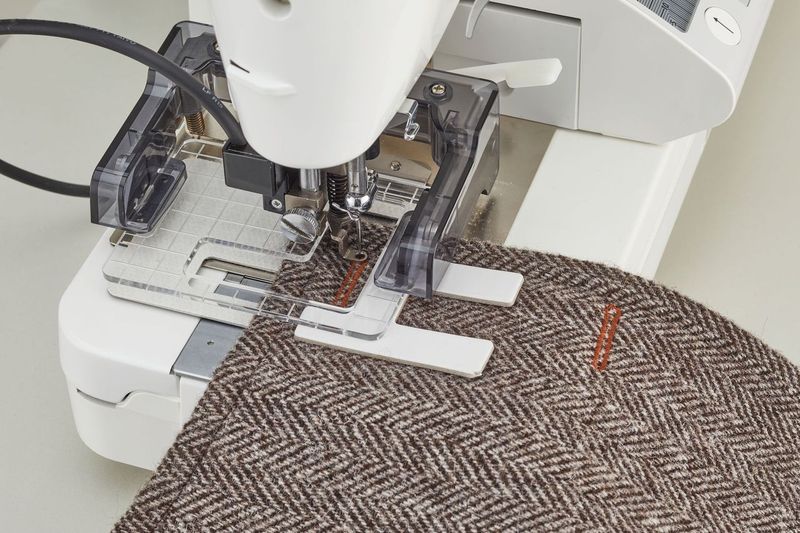
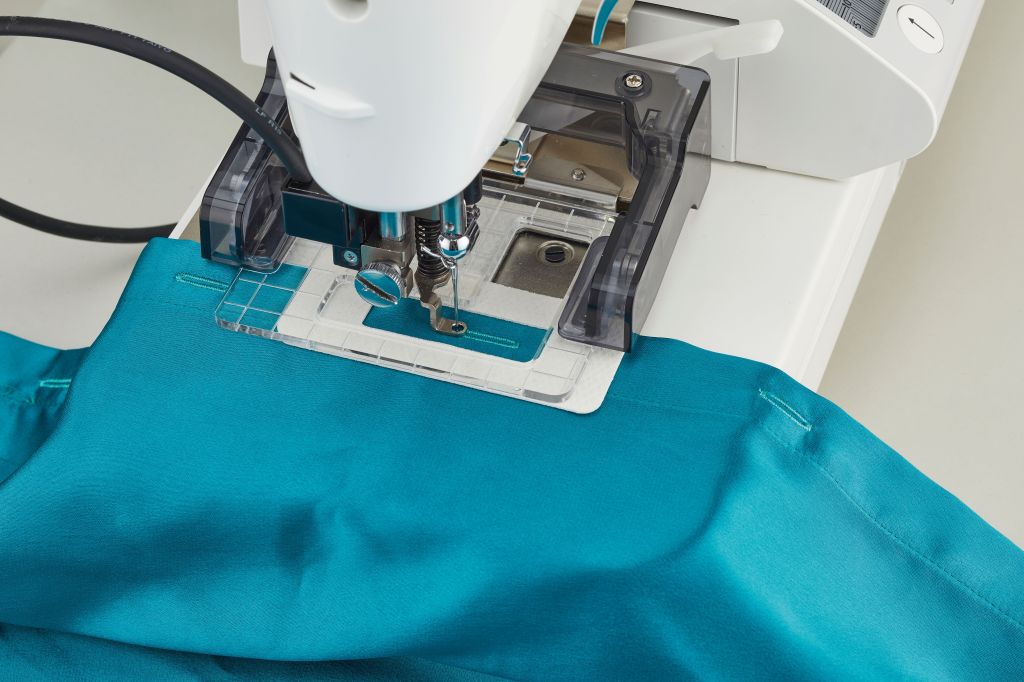
Elevate your garment craftsmanship with the EB-1, revolutionizing buttonhole creation on your TL machine. Whether fashioning elegant dresses or stylish shirts, this accessory lends a flawless final touch. Operating by maneuvering the presser frame with material, the EB-1 enables buttonhole pattern rotation by 90 degrees along the X and Y axes, facilitating the sewing of both vertical and horizontal buttonholes. Moreover, its impeccable design averts jamming, facilitating seamless stitching even on denser fabrics.

Facilitating precision, the EB-1 incorporates a 1 cm grid for effortless project alignment on both the X and Y axes. The transparent presser foot streamlines the initial positioning, ensuring accurate buttonhole placement. Being a computerized tool, the EB-1 empowers users to select from a plethora of buttonhole stitch patterns and intricate settings. With the capacity to input button diameter in 1mm increments, the EB-1 automates appropriate buttonhole sizing, catering to buttons ranging from 5mm to 32mm in diameter.

Features

  • Professional Level Stitch Quality
  • Beautiful buttonhole stitch
  • Buttonhole size is optimized for each type of button
  • Flexible seam button
  • Capable of creating a basting stitch
  • Accessible features

Included Accessories

  • Difference-in-Height Correction Plate: used when sewing buttonholes on multilayered parts of the material.
  • Non-Slip Sheet: can be placed on a slippery fabric so that it does not easily slip. The sheet can also be cut to adjust its length as desired.

Learn more about the NEW EB-1 at your nearest JUKI Dealer, releasing later this year, 2023. To find your local JUKI Dealer, click here today!

New Product Announcement: The New HZL-HT740!


Experience the joy of innovation with the HZL-HT740 computerized sewing machine—a fusion of precision, ingenuity, and convenience. Bid farewell to the drudgery of manual thread trimming, for the HZL-HT740 boasts automated thread trimmers that effortlessly snip upper and lower threads at the push of a button, liberating your time and energy!

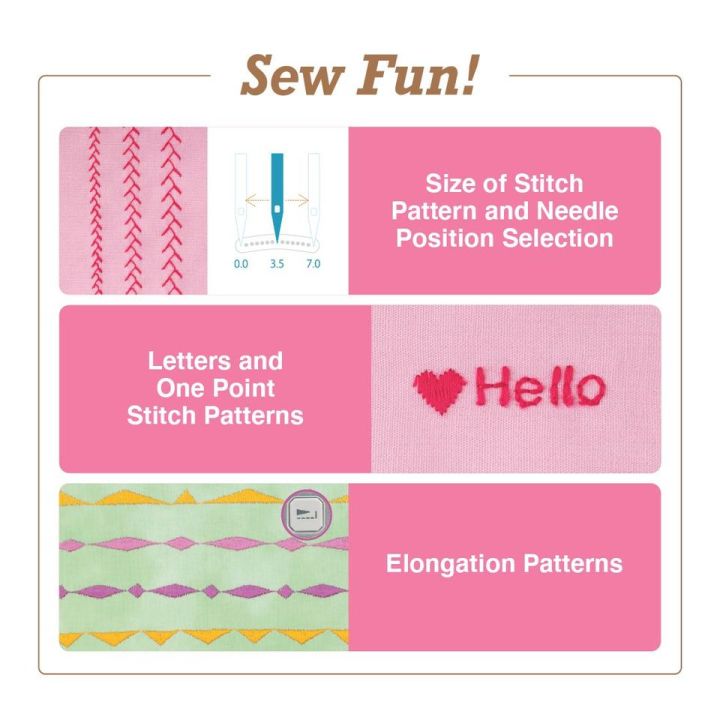
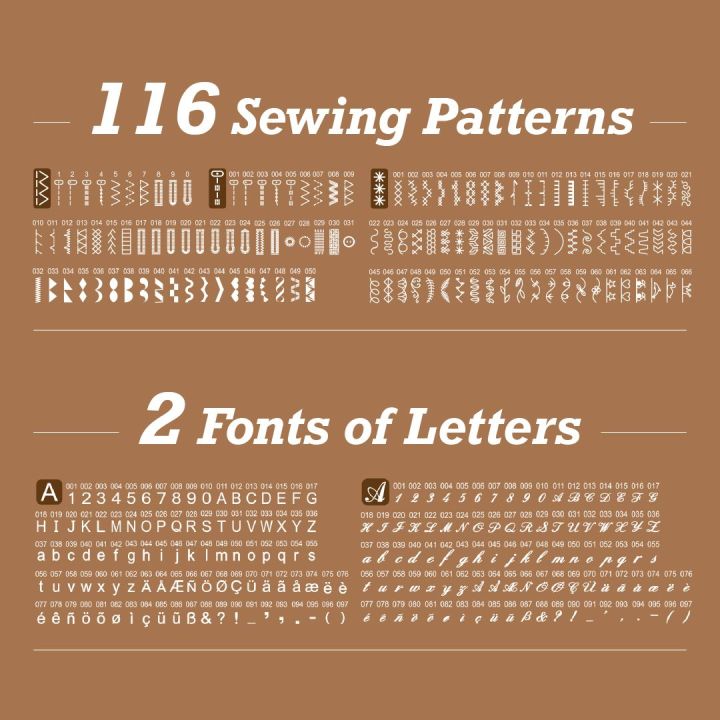
With a remarkable repertoire of 116 stitch patterns and two fonts, novice crafters and seasoned artisans, can create a variety of projects thanks to its ideal stitch options. This sewing marvel encompasses rudimentary stitches, ornate designs, buttonholes, and even scripted lettering, ensuring your creations are nothing short of spectacular.

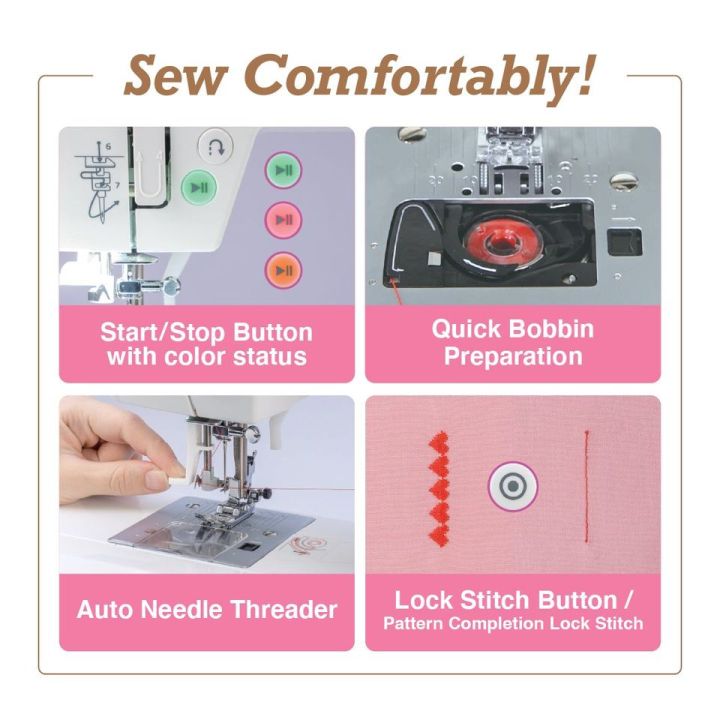
Moreover, threading frustrations become relics of the past, thanks to the HZL-HT740’s ingenious auto needle threader. The machine takes charge of threading, making the process seamless and swift. With the HZL-HT740 as your creative companion, embrace impeccable stitching, intuitive thread control, and an ensemble of user-friendly functions that redefine your sewing expedition. Whether you sew for leisure or career, this sewing marvel is your gateway to transformative sewing experiences. Embrace the HZL-HT740 and embark on an odyssey of unbounded sewing potential!

Features

  • Lockstitch
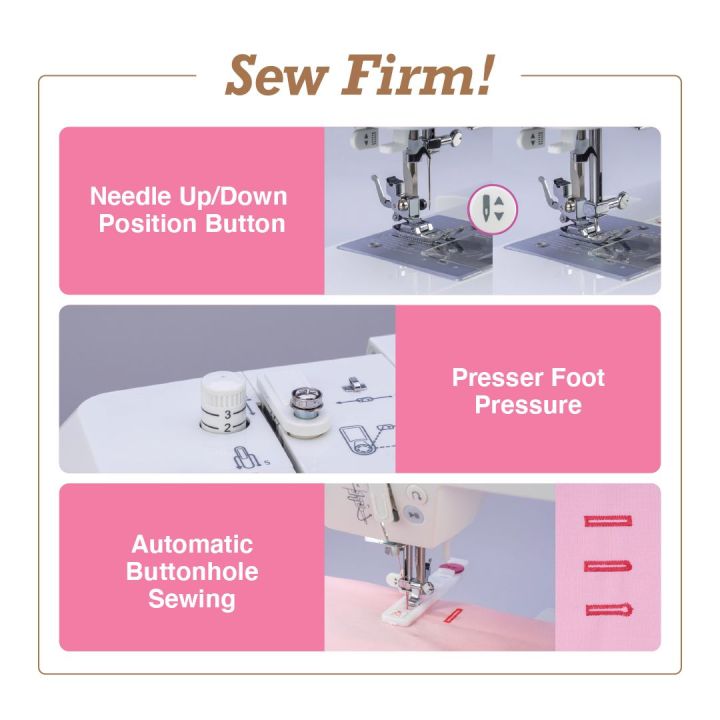
  • Needle Up/Down Button
  • Adjustable Presser Foot Pressure
  • Buttonhole
  • Elongation Patterns
  • Size of Stitch Patterns and Needle Position
  • Start/Stop Button
  • Quick Bobbin Preparation

Included Accessories

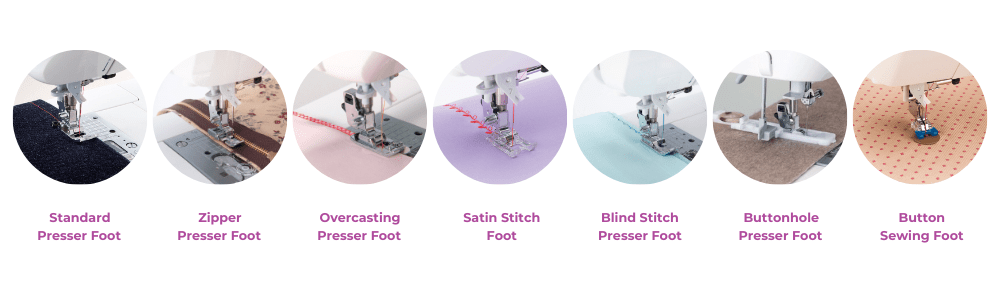
  • Standard Presser Foot 
  • Zipper Presser Foot 
  • Overcasting Presser Foot 
  • Satin Stitch Foot
  • Blind Stitch Presser Foot
  • Buttonhole Presser Foot 
  • Button Sewing Foot

Learn more about the NEW HZL-HT740 at your nearest JUKI Dealer. To find your local JUKI Dealer, click here today!