JUKI Spotlight: Designing with Kiana Bonollo!

In this month’s spotlight, we are introducing Kiana Bonollo! Fashion designer, YouTuber, and TikToker, Kiana has grown in popularity in the last couple of years due to her videos showcasing apparel projects and behind-the-scene how-tos for new sewists. Follow along today as we talk to Kiana about her journey in sewing and how she grew to the 400k audience she has now!
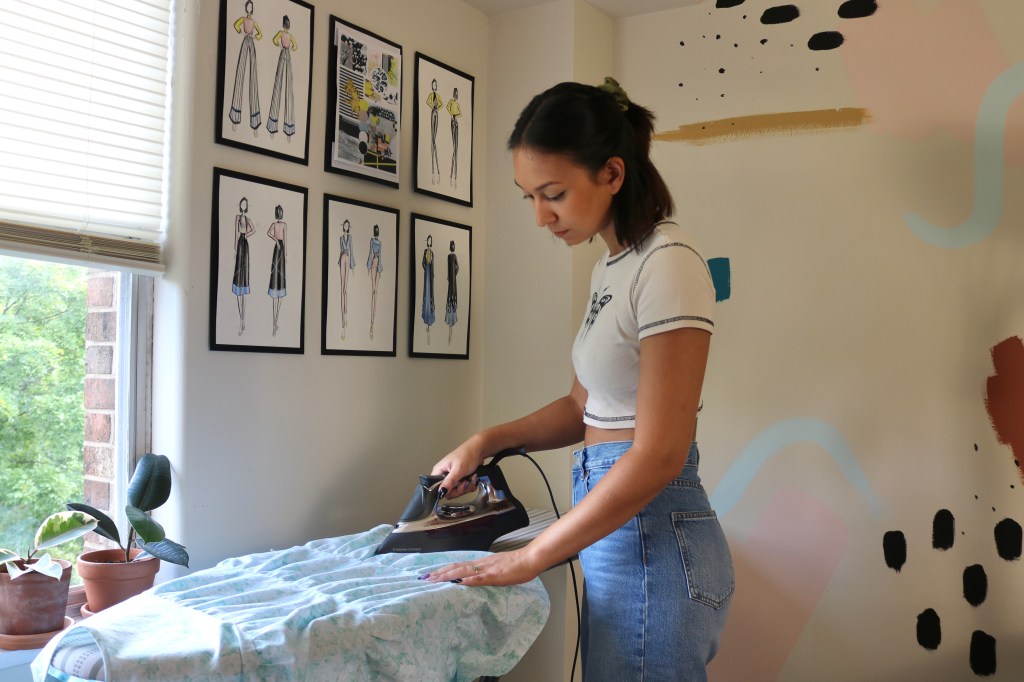
Photo Credit: Kiana Bonollo

From a young age, Kiana always had a curiosity for sewing. Her earliest memory was borrowing her mother’s sewing machine and altering her clothes while creating skirts from scratch! Later on, she would take her first sewing class, a week-long course on sewing basics, where she began with making pillowcases like so many of us do. Following her interest, she went on to take apparel classes in high school, finding she had a true talent for the hobby and diving into the journey. She began learning how to create patterns and learning complex skills she hadn’t tried before. College would be no different; continuing her studies in the fashion design industry, she has continued to grow her skills and talent, creating new patterns and projects for her audience and shop.

Using fashion as a form of expression, Kiana loved that fashion design allowed you to imagine anything you wanted and create it. Like so many of us, she struggled with inspiration in the past but finds that her favorite work to design are those pieces that she knows she will wear and show off in the real world! Focusing on projects that bring her happiness, her patterns range from loungewear to evening wear, a versatile selection that her followers love. 

When asked about how she chooses which patterns will be sold, “It’s really important to me that I take into consideration what my customers are suggesting and asking of me, so if a lot of my customers are asking for a prom dress- I’m going to make them a prom dress.”

Following her ideas and likes, she pulls from her customer’s suggestions and creates projects that align with their wants and her taste. It’s here that she’s been able to compromise on what’s highly requested and what she truly enjoys designing, creating that relationship with her customers, so many shops want to build.

Kiana describes her style as “edgy, but still tailored and chic.” However, finding it boring to stick to one aesthetic, she likes to dabble outside her comfort zone and enjoys mixing different design styles and aesthetics to create fun looks! With so many different style aesthetics and designs, she doesn’t let one style hold her in a box.
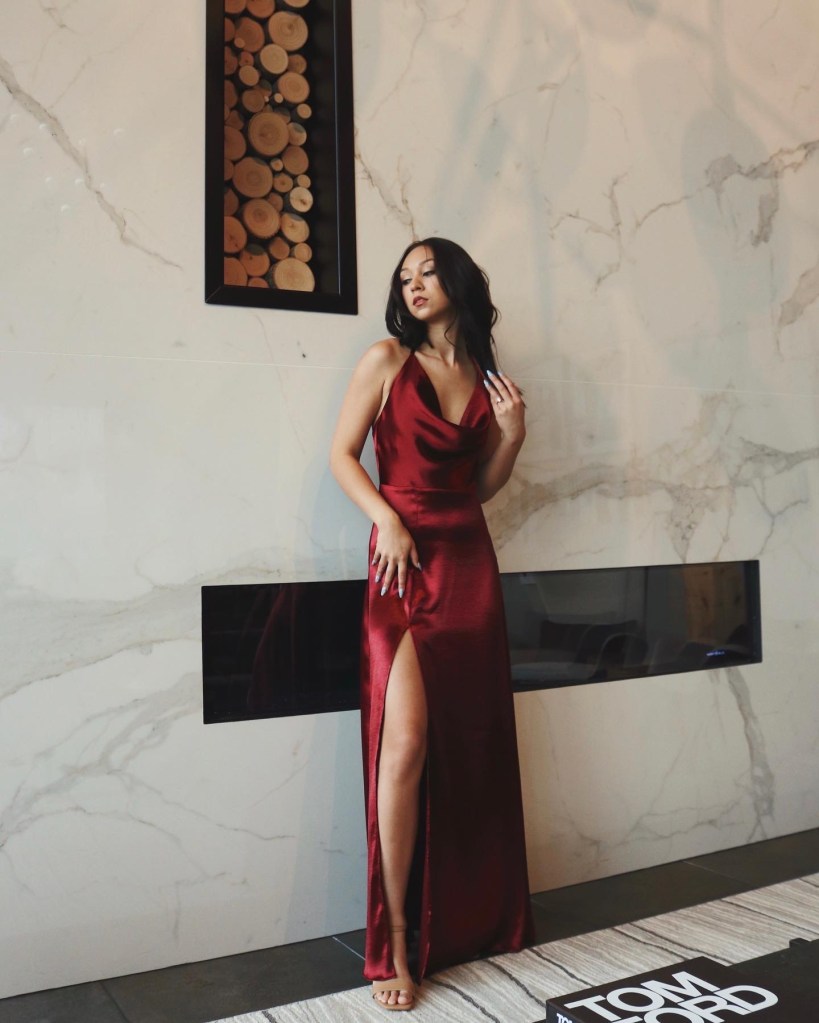
Photo Credit: Kiana Bonollo

With an audience of over 400k across platforms, it’s amazing to see what was accomplished in a couple of short years. Kiana’s page quickly gained popularity by opening her YouTube account in May 2020 due to her easy-to-follow and straightforward “how-to” videos and project compilations. When she first began her online page, she would put in 40 hours a week designing, editing, and creating, treating it as a full-time job. Feeling she needed to give herself a real chance, she dived into her work and focused on her dreams of working in social media and fashion design.

“I never imagined that my audience would grow to the size it currently is so fast, and I’m so grateful for everyone who has subscribed and liked my channel and followed me.”

For those out there who want to raise their following, Kiana advises finding your strengths and taking advantage of them! With so many talented artists and sewists in the world, it can be hard to distinguish yourself sometimes, but finding what you can offer that’s different or better from those out there will help you stand out. Kiana, for example, is known for her videos teaching sewist techniques and how to create different projects, focusing on her strengths of being a technical sewist and the joy she finds in educating others on her favorite hobby.

And a recommendation she has out there for those building their skills in sewing? Invest in a high-quality machine that you can also grow in too! Finding a sewing machine that can handle heavy-duty fabrics and stitches quickly and versatilely is perfect for those learning. They can upgrade their projects and skills without needing to upgrade their machine.

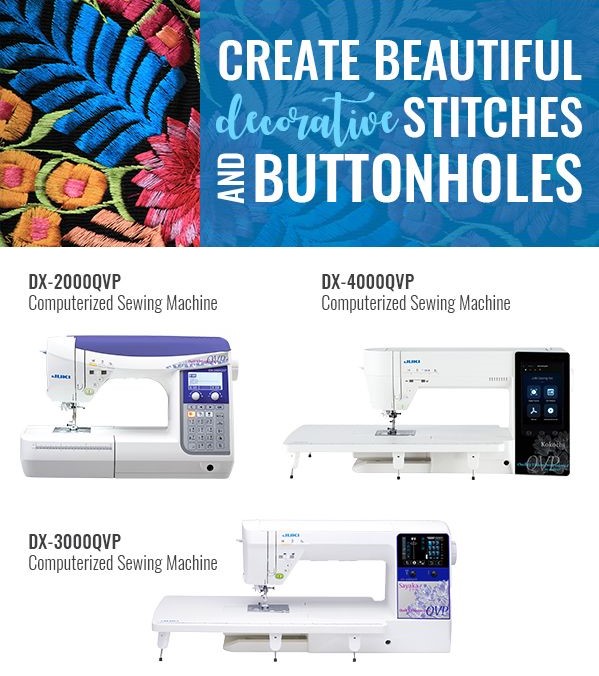
Kiana’s sewing table is always ready to work with her machines! Using the JUKI DX-2000QVP and a QVP serger, she’s prepared to create her silk gowns, cotton loungewear, and more. She loves recommending this machine to her followers who are serious about starting their journey. She states they’re great choices for intermediate and advanced sewers alike.

Photo Credit: Kiana Bonollo

Currently, her sewing table is being used for project requests and suggestions submitted by her followers. With the current pandemic closing shop for fashion shows in many cities, she’s been focusing on her customer base before planning to create another collection. Waiting for the world to feel a little safer, Kiana hopes to continue once fashion shows are back!

Besides her current wish for the runways to come back, Kiana hopes to launch a fashion design course one day and sell her fashion line. But for now, she’ll keep busy creating content for her followers and expanding her current business. We can’t wait to see what’s in store for Kiana and her fashion line!

To keep up with Kiana and her journey, click her profile below. And the next time you want to learn some fun fashion sewing tips, check out Kiana’s YouTube here!

Check out more from Kiana below!

Learn more about Kiana here!

Etsy Shop: Click here to visit!

Instagram: Click here to check out her latest projects!

Tiktok: Click here to see behind the scenes!
How to Start Your Clothing Brand

In a generation where fashion has no limits, fashion brands and designs have continued to change, evolve and return over the past decade. Whether it’s fast fashion, one of a kind, or small shop drops, there is no limit to the options available for your closet. Even in this era of fashion where we can choose styles from all over the world, there is always room for new fashion and trends to grow, and that’s where you come in! If you’ve been dreaming of starting your clothing brand and apparel shop, follow along as we go over ways you can start planning your new business today. From figuring out your market to budgeting, we go over the things you should know before jumping into this journey.

Start With a Plan

Before beginning any business, it’s best to start with a plan. The fashion industry is more than the pieces being sold, but understanding its steps to sell those pieces. There are multiple options for creating apparel: Direct-To-Garment based apparel, Embroidery apparel, Ready-Made Apparel, Custom Apparel, and so much more. The world of fashion is not one skill set or technique but is filled with endless options on how to create.

Once you have an idea of the products you plan to create, you can build your business plan. Your business plan should include ideas for your brand and products, budgeting and sale goals, marketing ideas, and more. The more details and work put into your plan, the better chance you’ll have when it comes to the time to open your shop and sales.

If you’re looking for more information on how to create a budget plan and calculate profit visit our post here to begin creating your own today.

Who’s Your Market?

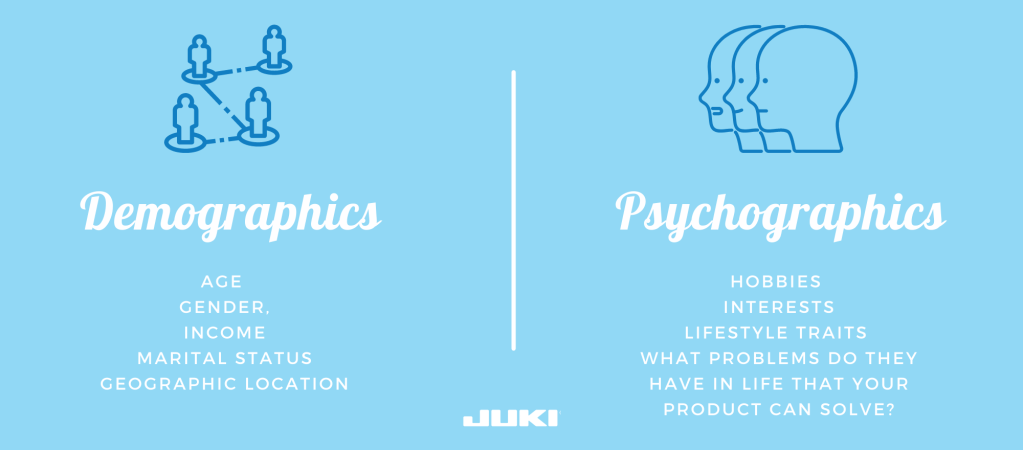
Let’s begin by thinking of who will wear your fashion pieces! By identifying your target audience and what they’re looking for when they want to shop apparel, you’ll be able to locate your niche and find your customer base. The better you understand your audience base, the better you’ll be at marketing your products to them.

The top two things to keep in mind when studying your audience is:

Demographics: age, gender, income, marital status, geographic location, etc.

When you understand your audience’s demographics, you’ll have a higher chance of completing a sale. For example, if you market your product to women in their early twenties, you’ll have a higher chance of gaining a sale on Instagram and Tiktok than marketing on Facebook. Likewise, by knowing your audience, you can find the correct places to push your products and not spend energy on a site that focuses on an older audience like Facebook, whose average users are in their mid-40s and higher.

Psychographics: hobbies, interests, lifestyle traits, and what problems do they have in life that your product can solve.

Knowing the psychographics of your audience is where you’ll be able to create the right products. Here is where you can learn what fabric to use (is your audience athletic and need breathable material?), what interests they have (can you design graphic tees for fan bases?), and more. With every detail you learn about your audience, you’ll be able to create products that are better suited for their wants and create a solid returning customer base.

Once you better understand your niche audience, you can begin creating a solid marketing plan. If you’re having trouble making your marketing plan, follow along here as we show you step by step how to begin yours today.

Focus On Your Brand

Now that we know what you’re going to sell and who you’re going to sell to let’s start talking about building your brand. Branding goes past your business name and logo and dives into what your values are, what your mission is, and more.

Create brand guidelines and a storyline for your products that customers resonate with and want to follow. Focusing on platforms like your website, social media pages, email marketing program, and more will build that relationship between buyers and your shop. The best way to bring your brand to life in today’s age is through marketing on social media!

The key to building your brand is being consistent in your message, constantly posting and promoting your brand and products, and making sure what you put out into the world defines your brand correctly. If you’re unsure what to post, look into examples like behind-the-scenes videos, how-to’s, fashion inspo using your pieces, and more for ideas. Have fun and be creative when it’s time to get your brand out there!

Let’s Start Development

Now that we have an idea for your brand let’s begin designing and developing your clothing line.

  1. Keep your Sketchbook on You

Any artist will tell you that inspiration hits anywhere and any time. So be prepared for when you want to design a new piece by keeping a sketchpad on you or using your phone as a digital sketchbook with apps like ProCreate, Adobe Designs, and Adobe Illustrator.

2. Create Samples

Start creating sample pieces of what you want to make for your shop. Whether you’ll be doing buy-to-make or pre-made pieces, having sample work is perfect for modeling on social media and understanding material costs for re-production.

3. Have Your Beginning Set

When you first open up shop, it’s best to not overwhelm yourself with product varieties. Instead, find your top 3-5 products you want to create and go from there as you begin building your audience base and receiving orders. Once you create more demand for your brand, you can start testing out new designs and growing your product options.

Now that we’re in the development phase make sure you have your station ready! Start by deciding what fabrics you’ll be using in your apparel shop, what style you’ll create, and what machinery and notions you’ll need to get there.

For example, if you want to open an apparel shop that focuses on couture dress-making, you would look into a machine like the MO-654DE that offers built-in rolled hemming and the HZL-DX7 which offers presser feet options like the button attaching presser foot, invisible zipper foot and more. Your fabric choices could be options like silk, tulle, satin, and more. 

By knowing what you plan to create, you’ll be able to have the right machinery, accessories, and notions on hand when it’s time to begin producing.

Start Setting Up Shop

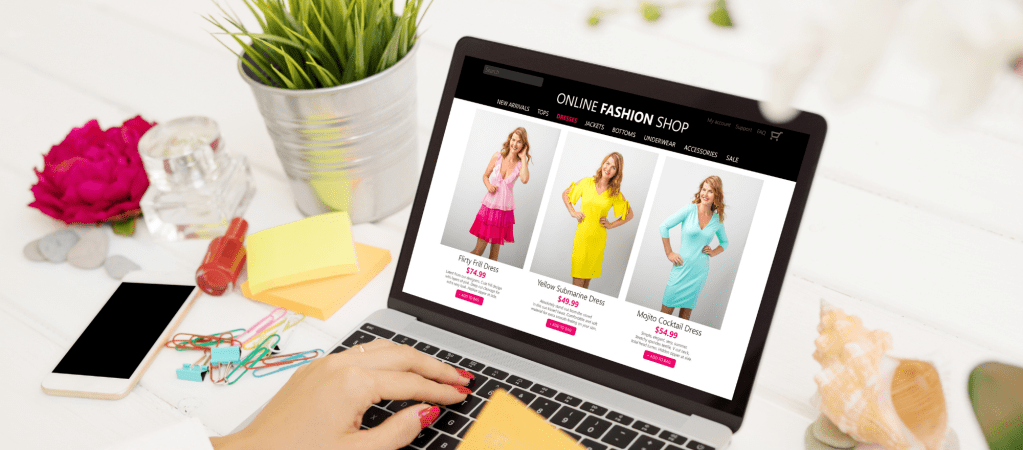
Whether you’re setting up shop online or in person, having an online face is a great way to promote your business and gain new customers. Online shops allow you to reach new audiences! Below are some things to keep in mind when setting up shop.

Clothing Images: Take photos of your clothing that truly presents its colors, fabric textures, and closures. These photos don’t need to be professional if you’re working on a small budget; just have a simple lighting kit, a good camera and learn some tricks on taking professional fashion DIY shots.

Pricing, Shipping, and Handling: Make sure to have a plan in place for how you’ll be pricing your products. From shipping to taxes, you’ll need to make sure you price your products correctly to pay for your bills, time, workspace, etc. Learn your target audience’s price point and what they’re willing to pay for your product. Then, keep an eye on competitor pricing to confirm you’re in the suitable price range.

Website Design: Don’t forget to add your brand’s personality to your site! Set up your Social media, include graphics of your work, add an ‘About Me page, use your brand theme colors, bring in customers and build relationships.

Put Your Marketing Plan into Action

You’re now ready to begin implementing if you’ve created your marketing plan from our earlier steps! Start by setting up your shops’ profiles and deciding how you’ll be advertising. Organic advertising, meaning you do not pay and use search engine optimization like hashtags and tags, is a perfect way to start when you’re on a low budget. If you’re marketing budget includes spending for advertisements, begin setting up your ads by using the information you have on your niche. Focus on your top media sites for higher chances of receiving a sale.

Don’t forget the power of word of mouth, and research your options in ambassador marketing. By offering free items, or negotiating payments, you can bring in influencers from your target audience and work with them to promote your brands and products.

Let’s Launch!

Launching your first clothing brand doesn’t happen quickly or easily. It will take time and dedication, but you’ll create your brand soon with the proper steps! After that, you can begin selling in numerous ways, from your social media accounts to in-person artisan markets and pop-up shops. Then, finally, it’s time to get your product out there.

Now that you have an idea of where to start when it comes to opening your apparel shop and starting your brand, we hope to see your brands’ names soon! What kind of apparel would you create if you were to open your apparel shop?

How to Start Sewing Your Own Clothes

In the past few years, we’ve seen a rise in sewists pop up from all over the world, beginners starting their journey. If you recently started sewing and are interested in learning how to start sewing your own clothes, today we’re here to help you start! Follow along as we go over the basic supplies you should keep on hand, beginner machines and the machine types, and more.

What You Need to Start

The most important thing for sewing your own clothes is your tools! Having the right tools on hand will help the process go smoothly, and you’ll have better quality projects at the end of it. Below is a list of tools every sewist should have in their tool kit.

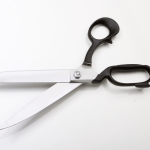
  1. Scissors

A prominent tool, but an important one! When it comes to your sewing scissor, we always recommend having one dedicated to only fabric and one for everything else. This helps to keep your fabric scissor blades sharp longer so that you don’t fray your fabric when it’s time to cut.

2. Measuring Tape

Important and handy, having a measuring tape in your kit is a need! A measuring tape is a must for any sewist, from measuring yourself when it’s time to begin creating to measuring your fabric, elastic, and more.

3. Sewing Gauges

An excellent tool for when it’s seam allowance time, the sewing gauge is a t-shape measuring stick with a slide gauge that allows you to measure the distance from your edge of the fabric to where you are stitching. So when you’re sewing apparel, this tool is perfect for hemming!

4. Thread Snips

This tool is perfect for creating apparel because it allows you to get that close thread cut on your projects without the fear of cutting your fabric. So without fear, cut close to your fabric using a thread snip on your next project.

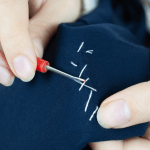
5. Seam Ripper

Made a mistake in your stitching? Want to reconstruct a piece in your closet? It’s easier deconstructing those mistakes and projects with a seam ripper. This tool has a sharp hook that easily rips through the thread, breaking those pieces apart. Be careful, though, with its sharp end, it can also easily go through the fabric if you’re too rough.

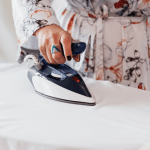
6. Iron and Ironing Board

When you’re sewing clothes, it’s best to have your iron and ironing board nearby! When creating, there are a lot of pieces that need to be pressed, so having this is a need! If you don’t have room for an ironing board, you can always get an ironing mat. This is perfect for beginner projects and is a great place to start.

7. Pins and Clips

Whether you keep them in a jar, or a cushion, having clips and pins on hand is necessary when you’re sewing. These little tools are needed to keep fabric pieces together and aligned, ensuring your project comes out exactly as you want it to!

8. Fabrics and Threads

There is an abundance of options for choosing fabrics and threads for your apparel projects. Check out your current closet to see what fabric types you already use to better figure out what options you should buy. As for the thread, sewing is an excellent fabric/thread/needle game. Depending on what fabric you’re working with, you’ll be able to choose the right thread type and the right needle. 

We recommend looking for fabric created for apparel and 100% polyester thread which is durable and comes in every color.

9. Sewing Patterns

When you’re new to creating apparel, following sewing patterns is a great way to learn! Look at online patterns, your local quilt shops, and even antique and vintage shops when you begin browsing for your next pattern! Some pattern designers even offer step-by-step video tutorials and diagrams for the beginner sewist.

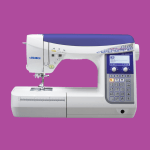
10. Sewing Machine

When you’re first choosing a sewing machine, how many options are out there can be daunting, but we’re here to help! Whether you get a machine with all the bells and whistles, or a basic straight-stitch, finding the suitable machine depends on your needs and wants. So follow along below as discuss the different types of machines out there, and what you should look for in yours.

Picking Your Sewing Machine

Let’s start by discussing the different types of machines out there! It’s important to know your options for what’s available out there and understand how each machine can help you build your project.

Mechanical Sewing Machines

JUKI Options: TL-2010Q, TL-2020PE, TL-2000Qi, TL-18QVP

JUKI Haruka TL-18QVP

A mechanical sewing machine, or electric sewing machine, has little to almost no circuitry. It has a motor that moves the needles up and down, a foot pedal to drive the motor. Some mechanical sewing machine options, like the JUKI line, also offer Free Motion Quilting, allowing you to piece and quilt.

These machines are perfect for beginners because they’re simple to use, and don’t have a lot of bells and whistles. For someone who is just beginning, and doesn’t want too many buttons or stitch options, a mechanical sewing machine is perfect.

These sewing machines are also perfect for the sewist who plans to work with heavy or thick fabrics. Our TL series, for example, is a popular choice among bag makers because it can handle multiple pieces of fabric at once and can sew through fabrics like vinyl, leather, and cork.

Computerized Sewing Machines

JUKI Options: HZL-DX7, HZL F-600, HZL DX-4000QVP

JUKI Kokochi DX-4000QVP

A sophisticated type of machine, the computerized sewing machine includes an LCD screen and offers more stitch options and functions. There are many digital features including sensor systems, pivot functions, digital tension, auto thread trimming, and more.

Some machines like, the HZL-NX7, come with features like JUKI Smart Feed, to move the top layer of your fabric in sync with the lower layer. If you’re working on apparel, this feature is perfect for stitching without the worry of shifting layered fabrics.

Computerized sewing machines, even with their selection of features, are relatively simple to use and for many make sewing an easier process.

Let’s Talk Features

Let’s go through some features you need, and features you’ll want. Knowing the options available to you will help you build a better wish list once you start looking for your machine.

  1. Know Your Presser Feet

Keep in mind the projects you plan to create and research what presser feet you’ll need to own. Some machines come with these accessories in their set, others you’ll have to purchase separately. Having the right foot is important when you start implementing techniques like gathering, adding elastics, and more.

Some feet we recommend for apparel are the Buttonhole Foot, Walking Foot, Smooth Foot, and Invisible Zipper Foot to start.

2. Stitches

Think about the type of stitches you’ll want to work with. Some machines only offer straight stitch, others will offer zig-zag. You can also find machines that offer stitches for quilting, piecing, overlocking, triple stretch, blind hem, and more.

3. Creating Buttonholes

This can take 4 steps, or 1 step depending on the machine you purchase. Some machines will offer an automatic one-step buttonhole while in others you must manually switch between the zigzag and bar tack stitches to form the buttonholes. If you’re a beginner, finding a machine that uses an automatic option is great, especially if you plan on using buttons often!

4. Built-In Free Arm

If you plan on creating apparel, a free arm is perfect for pants legs, and sleeves. This free arm will allow you to sew those narrow cylindrical or tubular items, helping you create the perfect closet.

5. Automatic Needle Threader

A small feature with a big impact, the automatic needle threader feature is great for users who have difficulty with eye-sight or shaky hands. This feature works by using a small hook to pull the thread through the eye of the needle.

Let’s Start Creating!

Now that you know what tools you’ll need and have a better idea of what machine you’ll want, you can start planning your sewing journey! Sewing your own clothes is a wondrous journey where mistakes will happen, your skills will surprise you, and you’ll constantly be learning. Pick beginner-friendly projects and patterns, research local sewing classes, and test your skills by grabbing thrifted and discounted fabric when you first start.

We recommend looking on YouTube for online tutorials and lessons when you find yourself lost, and enjoy the limitless amount of resources out on the web for sewist! We put together our top 5 tips for new sewists!

  1. Start Small

Don’t psych yourself out with big projects when you first start sewing. Pick up simple patterns and projects and start there before building your skill base and attempting larger projects. By doing this you’ll reduce the chances of burnout and have fun making mistakes!

2. Use Scrap Fabric

Don’t let those pieces go to waste! Scrap fabric is perfect for when you want to practice new stitches and techniques.

3. Read Those Patterns!

Don’t start a project before fulling reading through a pattern. Then, if you need to make adjustments, you can catch it early on and do so before you start cutting. It will also help you understand the steps you’re about to take and help you understand the entire process before you begin stitching.

4. Check, and Check Again

Test trying your outfits and projects as you sew is the perfect way to confirm you’re doing it right. Check on the stitches, make sure the length is correct, and make those adjustments.

5. Enjoy the Journey

Not many call themselves sewing experts, even those who have been doing it for years. Every time we sew and create, there’s a chance for a new technique to be learned and a new project to be created, meaning the journey is never-ending! Enjoy the process and watch yourself grow as you sew.

We hope these tips and resources help you find the right tools and machines when you start sewing! What do you wish you had known before you started sewing? Comment down below and leave tips for the new sewist!

JUKI Spotlight: Blossoming with Flower Sew!

From quilting to bag making, Flower Sew has you covered! Today we’re meeting up with Daisi Toegel, Flower Sew’s shop owner. In 2017, Daisi founded Flower Sew only one year after learning how to sew. Flower Sew began as an idea out of curiosity for the sewing world. After watching endless videos of other sewists creating bags and projects on video sites, Daisi found herself wanting a sewing machine to start her journey in the community. A year after seeing these videos, Daisi’s boyfriend surprised her with a sewing machine to begin, and the rest was history.

Daisi went on to practice and practice some more after receiving her gift. Finally, a year after receiving her gift, Daisi began constructing bag patterns, creating and selling them. Since completely self-teaching herself, she sewed and sold bags for three years at her local craft fairs and on her online e-shop, Flower Sew, named after her now husband’s pet name for Daisi, Flower.

After three years of focusing on bag creations and patterns, 2020 changed the course of Daisi’s business. She began creating and selling masks during the pandemic, creating and designing over 2,000 masks. Daisi, later on, realized she wanted to take a step back from sewing masks and find a new craft within the sewing world. So she began venturing into the quilting world, where she taught herself to quilt, and began expanding her knowledge and business along the way.

Taking a step back from her bag-making days, Daisi jumped into the quilting world head-on. Using her social media platforms, she began sharing her progress and work with her followers, re-building her brand along the way. 

Now focused on quilting, Daisi has held six ambassador roles over the years that range from small notions to beautiful fabrics. These programs helped her not only grow her business but allowed her to make connections in the sewing and quilting community.

After discovering her passion for creating quilts, she moved on to pattern designing, a hobby she had picked up in her bag-making days. When she started patterns for her bags, she was inspired to design something different and new. Quilting was no different. She bought a design program and began drawing! Starting small, Daisi began with baby-sized quilts and built herself up through trial and error. Through this practice that she’s been able to create seven patterns; 4 on her own and 3 in collaboration with different craft and sewing magazines. Many of her patterns interwork the ambassador programs she’s involved with by including their notions and fabrics. 

As someone who’s been able to grow her business and obtain credibility from other sewing and quilting brands as an ambassador, we asked Daisi what advice she has for those out there trying to build their brand.

“Forget about money. In the beginning, it’s all about gaining value and confidence before you gain any money. If you need to give your time, work, or product for free, do it. The reward is certain, just know everything has its own time to come. Being an ambassador doesn’t involve anything but receiving products in exchange for your time and work, and it is the most wonderful experience I have had in the quilt world; it’s fun, and I learn a lot. There’s nothing that says that.”

Daisi’s brand continues to grow each day through her social media channels filled with new pattern works, projects, and her quilt progresses. What makes Flower Sew unique is the designs and patterns created by Daisi, inspired by ideas that bring her happiness and not trends. Focusing her attention on bright colors and fun designs, Daisi’s page is filled with bright fabrics and colorful looks. As she continues to grow her skills in quilting, we’re looking forward to seeing more patterns released!

The future of Flower Sew is blossoming beautifully! Daisi’s plans for her small business include more original pattern creations, with the hope for a pattern book soon, and continuing her ambassador programs with new possible positions. Currently, a sketch is in motion for membership for Daisi’s business, but we’ll have to wait and see for that one JUKI lover!

We hope you enjoyed getting to learn more about Flower Sews and its owner Daisi Togel! When you’re building your brand, learning skills like pattern designing or diving into ambassador programs are great ways to get yourself out there and grow your business. We hope reading Daisi’s story in how her business has grown and changed over the years inspires you to begin yours!

To follow along Daisi’s journey, follow along below.

Visit Flower Sew’s shop here!

Follow Daisi’s quilting journey here!