
As you navigate the world of quilting, you’ve likely marveled at the quilts displayed at quilt shows. Quilting transcends the confines of individual studios, occasionally gracing the grand stages of quilt shows across North America! Have you thought of entering your own quilt, but not sure where to start? To guide you through the experience of submitting your masterpiece for competition, this blog, written with the help of Belle Brunner, Quilt Pattern Designer & Guild Consultant/Educator from Seams Sew Me, will unravel the steps that pave the way to your first quilt show!
Quilt shows offer two distinct submission categories: judged and non-judged. Opting for the non-judged category ensures your quilt will be showcased if accepted. Conversely, selecting the judged category opens the door to valuable written feedback on your quilt. This additional layer of critique proves invaluable for those apprehensive about subjecting their work to judgment, providing a unique platform for growth and self-expression. Join us as we explore the intricacies of this captivating journey, backed by insights from Belle Brunner, to make your debut at a quilt show a resounding success.
Steps to Joining a Quilt Show
1. Research and Select a Show:
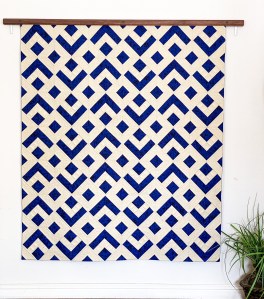
The first step on your journey to participating in a quilt show involves a thorough research and a thoughtful selection process. North America boasts a multitude of quilt shows, each with its unique charm and character. Take the time to explore various shows, considering their themes, judging criteria, and the overall atmosphere to ensure a good fit with your personal style and preferences!
While the allure of larger, internationally acclaimed shows is undeniable, don’t underestimate the potential gems hidden in your own county and regional exhibitions. These local showcases often provide a more comforting setting and will help you foster a supportive community with fellow quilters and art enthusiasts. Opting for a smaller venue can be an excellent starting point for those who may feel hesitant about entering the vibrant world of quilt competitions. Belle Brunner, for example, entered her first quilt into a Regional show. “It can feel a bit intimidating to enter a quilt into your first show, but I am so glad that I took the leap and did a few years ago. I picked a regional quilt show for my first entry and read all of the rules.” At smaller shows, you’ll find a welcoming environment that encourages both novices and seasoned quilters to share their creations, building confidence and camaraderie within the quilting community.
You can check out our site here to learn more about which shows JUKI attends throughout the year.
2. Review Submission Guidelines:
Once you’ve selected a show, carefully review its submission guidelines. These guidelines typically include information about quilt size, theme (if any), submission deadlines, entry fees, and specific rules or requirements.
3. Prepare Your Quilt:
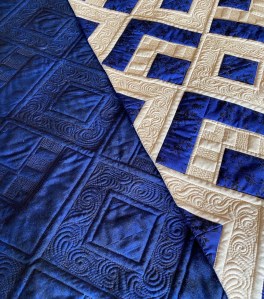
Before showcasing your quilt at the upcoming show, preparation is key! Begin by either creating a new quilt or selecting one from your home collection that aligns with the show’s theme or specific criteria. Whether you’re pushing the boundaries of traditional techniques with a modern quilt, catching onlookers’ eyes with a stunning 3D masterpiece, or presenting a meticulously crafted traditional piece, the emphasis is on ensuring your creation is nothing short of immaculate.
In addition to the visual appeal of your quilt, quilt shows typically have specific requirements for display. One essential aspect is the creation of a quilt sleeve, adhering to certain measurements to ensure proper hanging. This might be a new challenge for hobby quilters entering a show for the first time. To navigate this requirement successfully, consider watching a tutorial that guides you through the process, or contacting your fellow quilter community members who have submitted in the past.
Acquiring this skill not only contributes to the seamless presentation of your quilt but also grants you the added advantage of extra time to complete this aspect well in advance of the submission deadline. So, as you prepare your quilt, pay close attention to both its aesthetic excellence and the practical aspects that ensure it is ready for a spotlight moment at the show.
4. Documentation and Photography:
Capture the essence of your quilt-making journey by meticulously documenting the process and capturing high-quality photographs. Clear, well-lit images play a pivotal role in showcasing the intricate details of your work when submitting to quilt shows.
Be attentive to the specific requirements outlined for image submissions. These guidelines often include details such as pixel dimensions, megabytes, and other technical specifications. It is crucial to adhere to these specifications to ensure that your submission features your quilt in the best possible light. Avoid the risk of hitches in the submission process by not sending just any type of photo. Instead, prioritize clarity and precision in your visuals, allowing the judges and viewers to appreciate the craftsmanship and nuances of your quilt with utmost clarity.
5. Complete Submission Forms:
Fill out the necessary submission forms accurately and thoroughly. Double-check all details, including contact information, as errors might lead to disqualification or communication issues.
6. Pay Attention to Deadlines:
Meet submission deadlines diligently. Missing deadlines could mean missing the chance to exhibit your masterpiece.
7. Shipping or Delivery:
Adhere closely to the show’s detailed instructions regarding the shipment or delivery of your quilt. Proper packaging and strict adherence to shipping guidelines are imperative to guarantee the safe arrival of your quilt at its destination!
It’s essential to note that different shows have varied procedures for quilt retrieval. While some shows allow you to personally pick up your quilt post-event, others opt for mailing it back to you. In cases where the show handles the return shipment, be aware that there may be associated costs, often borne by the quilter. Ensure you familiarize yourself with the specific instructions provided by the show, ensuring a smooth and secure process for both the submission and return of your cherished quilt!
8. Await Notification:
After submission, patiently await notification from the quilt show organizers regarding acceptance or rejection.
Top 5 Quilt and Sewing Shows in North America
Before we dive into the big leagues, let’s talk about dipping our toes into the vibrant world of quilt and sewing shows in North America, with local, county, state, and regional events that can be a fantastic way to ease into the experience.

These smaller-scale shows offer a more intimate setting, providing a welcoming environment for beginners and enthusiasts alike. One excellent starting point is local quilt guild exhibitions, where community members showcase their talents and creations. County fairs often host sewing competitions and exhibits, combining the joy of crafting with a celebration of local culture. State-level quilting events bring together a broader community of creators, offering diverse perspectives and techniques. Regional quilt shows cater to a wider audience and feature a variety of vendors, workshops, and displays, allowing attendees to explore different aspects of the craft.
Belle Brunner, after competing in multiple shows, has some advice she would pass on to newcomers. “The feedback from the judge was really helpful in regard to a few areas I could improve on, yet to my surprise, I still won 3rd place in that very first show! I entered the same quilt in another show and didn’t place so you never know how your quilt will compete. I’ve entered two more quilts into shows and found the process of entering rather simple – just make sure you read and follow all the guidelines. One piece of advice I can’t share enough- don’t compare your quilts to others. Otherwise, it will rob you of the joy and pride you put into making your beautiful quilts.”
These smaller shows will not only serve as stepping stones for those new to the scene but also foster a sense of camaraderie and shared passion among attendees. Remember, each quilt is unique to its creator, and that’s the beauty of attending and submitting your quilt to these shows! Now, let’s talk about 5 big shows in North America you could find yourself at one day.
- International Quilt Festival (IQF) – Renowned for its scale and diversity, the IQF attracts both seasoned artists and newcomers. It features various categories like art quilts, traditional quilts, modern quilts, and more.
- American Quilter’s Society (AQS) QuiltWeek – A series of shows held in multiple locations, the AQS QuiltWeek offers an array of categories, workshops, and exhibitions, providing a platform for quilters to display their talents.
- QuiltCon – Celebrating modern quilting, QuiltCon focuses on contemporary designs, bold colors, and innovative techniques. It’s an ideal avenue for artists exploring modern quilt aesthetics.
- Road to California – This show features an impressive display of quilts and offers various competitions, workshops, and lectures. It’s known for its diverse themes and vibrant community.
- Pacific International Quilt Festival (PIQF) – Held annually in California, PIQF showcases a vast collection of quilts ranging from traditional to avant-garde, attracting artists and enthusiasts alike.
Theme Ideas for Entry
When embarking on the creative journey of selecting themes for quilt show submissions, creators may find themselves at the crossroads of endless possibilities. To navigate this vast realm of ideas, it is advisable to first explore the specific categories designated for submissions within the show.
By delving into these predefined categories, quilters gain insights that not only guide their creative process but also spark inspiration for potential project designs. These categories, acting as a structured framework, serve as a starting point for you to conceptualize and develop you quilt designs. However, it is crucial to bear in mind that these categories come with explicit and stringent rules that quilters must conscientiously adhere to. This adherence ensures that the expression aligns seamlessly with the guidelines set forth by the show organizers, thereby contributing to the overall coherence and integrity of the exhibition.
Below are some examples of quilt categories that shows would have space for:
- Modern Quilts: Experiment with abstract designs, bold colors, and asymmetrical patterns to showcase innovation in quilt-making.
- 3D Quilts: Create quilts incorporating three-dimensional elements or optical illusions, adding depth and intrigue.
- Traditional Quilts: Celebrate heritage and history by crafting quilts using classic patterns and techniques.
- Nature-Inspired Quilts: Draw inspiration from the natural world, incorporating flora, fauna, landscapes, or environmental themes.
- Cultural Diversity Quilts: Explore diverse cultures and traditions through quilting, highlighting unique stories and artistry.

Participating in a quilt show as an artist and entering a quilt competition is a rewarding experience that provides quilters with a platform to display their creativity and proficiency. Through careful preparation, strict adherence to guidelines, and the infusion of your artistic designs, engaging in these shows can unlock avenues for acknowledgment, networking, and the chance to share one’s passion with a wider audience! Participants also have the opportunity to receive constructive feedback from judges, highlighting their strengths and offering insights into areas for improvement. This feedback becomes a valuable tool for future growth, enabling artists to refine their skills and elevate their craft to new heights.
Joining a quilt show as an artist and submitting a quilt for competition is an enriching experience that allows creators like you to showcase their creativity and skills. With meticulous preparation, adherence to guidelines, and a touch of artistic flair, participating in these shows can open doors to recognition, networking opportunities, and sharing your passion with a broader audience!
“Even if you don’t win a ribbon or prize, you can come away with not only helpful feedback but a feeling of accomplishment that your quilt was selected to be displayed and that so many quilters were able to appreciate the firsthand view of all of the hard work that you put into making your quilt. Just go for it! You have nothing to lose.” – Belle Brunner
Follow along on Belle’s quilting journey below!
Website: www.SeamsSewMe.com
Instagram: @Seams_Sew_Me
YouTube: Belle of Seams Sew Me


 sewinwithjuki.com