JUKI Small Business Seminar: Creating Customer Loyalty 

It’s great to get new customers and introduce your brand to new people, but one of the best ways to succeed is to create those returning customers. You can cultivate the relationship from the first time they purchase and continue it through social media and other channels.

One of the ways you can do this is by GLUE marketing, a strategy we’ll dive into in this article, where you ‘Give Little Unexpected Extras’ to customers during their experience with you and help them feel a sense of gratitude. By going just a bit above your competitors with this tactic, you can build closer relationships with each sale. GLUE doesn’t have to break the bank but can be a small thank you note, freebie minis of your product, or fun advertising products like stickers.

GLUE doesn’t need to be used all the time, but it can be used as an assistant. So if you’re going to be doing a sales promotion, for example, you can go ahead and throw in those GLUE tricks you’ve been saving on surprising customers and building that bond.

Follow along as we go over other GLUE tactics on your marketing plans to encourage those repeat customers and bring in new ones.

Build a connection 

With marketing, you can also advertise your business and brand, so take the time to introduce yourself and the company’s story to build that bridge of connection with your customer base.

You can focus on your company’s guidelines, bring attention to how you create or source your products and materials, or share what you use for sustainable practices in your company. All these little things will open a door between the inside of your business and customers, creating a more personal feel to your work.

Honesty in marketing is one of the best ways to get your name out there. By sharing the behind-the-scenes, and showcasing how to use a product or how it’s made, you can bring in new customers, and they’ll feel closer to your brand.

Content in your packaging 

Receiving a package in the mail is one of our generation’s favorite feelings, which is why as an e-commerce shop owner, you’ll want to create a package that will engage the customer long after it’s been opened. Opening that package and seeing your product for the first time is what all your work has gone into, and you want to make sure your work was worth it.

Minor aspects like prints, including business cards or flyers, can bring those customers back to your business through blogs, social media, and your website.

While the GLUE tactic can take planning and work from you or your team, it can create a strong bond between customers and your brand and keep them interested in re-purchasing. That personal touch drives people to specific shops, so taking the time to add this to your marketing plan can be a successful tactic.

Branded Gifts 

You’ve probably shopped before and experienced this, like receiving a sticker with the brand name, for example. You have two options to consider when you decide to place branded gifts on your packages, ‘Value Add’s’ or an ‘Identity-based’ gift.

– Value Add: this is a small and economical gift that can help the customer get more experience with your products. Think of this as an opportunity for immediate use and a sample of a different product they can come back to purchase (creating that returning customer you want).

– Identity-based: this can be considered a form of free advertising while still a valuable gift for the customers. Think of identity-based gifts like branded stickers or pins that can be placed on apparel, cars, or more that will showcase your brand while showing off their interest. For example, every purchase with Vans shoes comes with a sticker of the vans logo, which a skater can add to their board. This is free advertising for Vans and is now a fun accessory for the customer.

Video 

During the onset of COVID-19, we saw an increase in brands using videos to get personal with their customers. With the removal of face-to-face shopping for some time, and many have switched over to preferring to shop online, creating that personal touch between the consumer and seller is essential.

Videos can bring that personal touch many have been feeling has gone missing. Follow along for a few ways you can take this and use it in your marketing plans.

  1. Try creating thank you videos during the holiday season! By posting a video thanking your buyers during the holidays and wishing them well on your social platforms, you can bring in that special touch. Create these in comfortable places like your kitchen or living room to take away the business side and showcase something homier.
  2. Use videos in your newsletters or other email campaigns! By including videos that showcase your products, how-to’s, project ideas, and more, you can share the uses of your product while bringing a face to your work. Many shoppers miss that face-to-face feeling when shopping, so creating a video can be the touch they need to purchase from you.
  3. Use video conferencing in your customer support cases! When it comes to online customer support, you want to create an experience that makes the customer happy. Use video conferencing for support calls to assist with questions, concerns, and more. You can even use screen share to help thoroughly when needed.
  4. Create videos for your products if they require assembly or directions to use. Walk the customer through and showcase tips you might have recommended if you had sold the product in person. Add the link on a business card or flyer in the packaging for easy access for the customer.

Customer Support

Customer support is one of the biggest deal-breakers when returning to a shop. No one wants to deal with poor customer support during their shopping, so look into ways to build a successful support plan or upgrade your current one.

Focus on shipping and handling policies, and establish how and where customers can reach you. By having a dedicated contact they can reach out to, customers will feel more comfortable when shopping with you if they have questions or need to handle a return/exchange.

This is still a GLUE version, even if it’s not a gift. Offering proper support and contact information can be the difference between you and another online retailer that doesn’t offer these options. Remember that this doesn’t mean you need to be available 24/7. Good support is setting and meeting reasonable expectations for you and the customer. This falls on you to respond promptly, assist where you can, offer support where you can’t, and be accountable for shop/item issues.

When handling customer support, some tips to keep in mind are setting up follow-up dates for issues and concerns or creating an FAQ for your shop that customers can easily access.

GLUE and You

In the end, using GLUE in your business is a tactic that can lead to success and assist you in creating a loyal customer base. For GLUE to work correctly, you need to ensure your product and customer service are up to level. Think about how you can make the customer’s experience special, and plan your customer approach from there. Remember, your product and service are the main focus, but the little extras sure help!

JUKI Small Business Seminar: Choosing Your Business Name

Choosing the right brand name can be the stepping stone to a successful business. A brand name that is memorable and catchy can give you an advantage when it’s time to market your business. When potential customers hear your brand name, you want them to remember you and think about your small business, setting you up for long-term success.

When you’re starting your business, we know how hectic it can be to think of a name on top of what you’re selling, who, and how. So follow along as we show you some tips and tricks to choosing your business name that will help you stand out from your competitors.

Best Shop Name Generators

Sometimes we need a little help or inspiration picking our company name. While it may feel like all the excellent store names have been taken, there are still many options out there!

Using a name generator is helpful for two reasons. First, it can help you come up with your business on the spot and create the perfect representation you need. Or two, it will give you ideas that you can later on work with and make your name. Below are some generators you can visit to help you create your business name.

How to choose the perfect shop name

As a small business having the correct name is crucial to your success in the e-commerce world. Having the right name can bring attention and new shoppers to your site and showcase your individuality to customers. Remember, choosing the right name will lead to success in branding and awareness on search engine sites. Below are some tips to keep in mind when choosing your name:

  • Creating a short and simple name is the right choice for a few reasons. For example, you’ll have less mispronunciation from customers, it will fit in your marketing campaigns, whether it’s physical business cards or social media posts, and it’s memorable.
  • Finding the right name can be challenging, especially with companies popping up daily. However, don’t let this discourage you! It’s a big world with many niches in the market and finding the right name for your business and niche only pushes you to be creative.

If you’re having trouble creating a name, follow the steps below.

  1. Keep it Short and Simple.

Combine different words that relate to your industry, and keep them short. Try to aim for words that rhyme or that alternate.

Tweak an existing word or create one of your own! Many companies like Skype and Häagen-Dazs began as gibberish and are now household names. Don’t be afraid to be different and have fun when creating.

Be personal. Create a company name that relates to you on a meaningful field like an old nickname, family pet name, or other nicknames that resonate with you. These quirky names can be the perfect title for your business and create that personal touch many customers love.

2. Dare to be Different

Research your competitors and see what popular names are out there in your industry or niche. Then, be different and avoid familiar rhymes, gimmicks, or phrases. This way, when it’s time for someone to look up a company in your niche, your individuality will show. Do the same when thinking of your slogan or mascot if you choose to have one, as each difference will help you stand out even more.

3. Is it Available?

Keep in mind to research your ideas before sticking to one. By heading to your favorite search engine and researching your company name ideas, you can see what companies out there might have the domain already attached to their business, pushing you to either tweak yours or choose another from your list. You want your domain to represent your brand and make an excellent first impression.

If you’re choosing to sell on an online shop platform like Amazon or Etsy, review what shop names are out there already. This will help you succeed by confirming that your name is not lost in the pool of shop hosts and also help you edit your shop name to avoid confusing future customers between your shop and others.

4. Finding your Inspiration

If you’re having trouble finding a name so far, think of themes that you can focus on for your business and work from there. Trends, nostalgia, fandoms, and even other languages can be inspiration when thinking of your shop name.

Think of what’s around you in day-to-day life that can be used as a catalyst for your creativity! Follow along with conversations, pay attention to your day-to-day sayings and jokes, your hobbies. All these things can give inspiration if you look close enough, helping you personalize your shop and create a name that represents your brand and yourself.

Why the Name Matters

Finding the right name for your brand goes beyond just putting a few words together. While this might seem like a difficult task at first, it can also be an enlightening and fun experience describing yourself and your company in a few or even one word. Put the time and effort into this as you would everything else in your shop, for a shop is only as strong as its name! Your name is how customers recognize you, so make sure it’s a name you are proud of. Remember that word of mouth is free, and you don’t want to miss out on that.

What advice would you give to those deciding on their company name? Let us know down below!

JUKI Spotlight: Designing with Kiana Bonollo!

In this month’s spotlight, we are introducing Kiana Bonollo! Fashion designer, YouTuber, and TikToker, Kiana has grown in popularity in the last couple of years due to her videos showcasing apparel projects and behind-the-scene how-tos for new sewists. Follow along today as we talk to Kiana about her journey in sewing and how she grew to the 400k audience she has now!

Photo Credit: Kiana Bonollo

From a young age, Kiana always had a curiosity for sewing. Her earliest memory was borrowing her mother’s sewing machine and altering her clothes while creating skirts from scratch! Later on, she would take her first sewing class, a week-long course on sewing basics, where she began with making pillowcases like so many of us do. Following her interest, she went on to take apparel classes in high school, finding she had a true talent for the hobby and diving into the journey. She began learning how to create patterns and learning complex skills she hadn’t tried before. College would be no different; continuing her studies in the fashion design industry, she has continued to grow her skills and talent, creating new patterns and projects for her audience and shop.

Using fashion as a form of expression, Kiana loved that fashion design allowed you to imagine anything you wanted and create it. Like so many of us, she struggled with inspiration in the past but finds that her favorite work to design are those pieces that she knows she will wear and show off in the real world! Focusing on projects that bring her happiness, her patterns range from loungewear to evening wear, a versatile selection that her followers love. 

When asked about how she chooses which patterns will be sold, “It’s really important to me that I take into consideration what my customers are suggesting and asking of me, so if a lot of my customers are asking for a prom dress- I’m going to make them a prom dress.”

Following her ideas and likes, she pulls from her customer’s suggestions and creates projects that align with their wants and her taste. It’s here that she’s been able to compromise on what’s highly requested and what she truly enjoys designing, creating that relationship with her customers, so many shops want to build.

Kiana describes her style as “edgy, but still tailored and chic.” However, finding it boring to stick to one aesthetic, she likes to dabble outside her comfort zone and enjoys mixing different design styles and aesthetics to create fun looks! With so many different style aesthetics and designs, she doesn’t let one style hold her in a box.

Photo Credit: Kiana Bonollo

With an audience of over 400k across platforms, it’s amazing to see what was accomplished in a couple of short years. Kiana’s page quickly gained popularity by opening her YouTube account in May 2020 due to her easy-to-follow and straightforward “how-to” videos and project compilations. When she first began her online page, she would put in 40 hours a week designing, editing, and creating, treating it as a full-time job. Feeling she needed to give herself a real chance, she dived into her work and focused on her dreams of working in social media and fashion design.

“I never imagined that my audience would grow to the size it currently is so fast, and I’m so grateful for everyone who has subscribed and liked my channel and followed me.”

For those out there who want to raise their following, Kiana advises finding your strengths and taking advantage of them! With so many talented artists and sewists in the world, it can be hard to distinguish yourself sometimes, but finding what you can offer that’s different or better from those out there will help you stand out. Kiana, for example, is known for her videos teaching sewist techniques and how to create different projects, focusing on her strengths of being a technical sewist and the joy she finds in educating others on her favorite hobby.

And a recommendation she has out there for those building their skills in sewing? Invest in a high-quality machine that you can also grow in too! Finding a sewing machine that can handle heavy-duty fabrics and stitches quickly and versatilely is perfect for those learning. They can upgrade their projects and skills without needing to upgrade their machine.

Kiana’s sewing table is always ready to work with her machines! Using the JUKI DX-2000QVP and a QVP serger, she’s prepared to create her silk gowns, cotton loungewear, and more. She loves recommending this machine to her followers who are serious about starting their journey. She states they’re great choices for intermediate and advanced sewers alike.

Photo Credit: Kiana Bonollo

Currently, her sewing table is being used for project requests and suggestions submitted by her followers. With the current pandemic closing shop for fashion shows in many cities, she’s been focusing on her customer base before planning to create another collection. Waiting for the world to feel a little safer, Kiana hopes to continue once fashion shows are back!

Besides her current wish for the runways to come back, Kiana hopes to launch a fashion design course one day and sell her fashion line. But for now, she’ll keep busy creating content for her followers and expanding her current business. We can’t wait to see what’s in store for Kiana and her fashion line!

To keep up with Kiana and her journey, click her profile below. And the next time you want to learn some fun fashion sewing tips, check out Kiana’s YouTube here!

Check out more from Kiana below!

Learn more about Kiana here!

Etsy Shop: Click here to visit!

Instagram: Click here to check out her latest projects!

Tiktok: Click here to see behind the scenes!

How to Start Your Clothing Brand

In a generation where fashion has no limits, fashion brands and designs have continued to change, evolve and return over the past decade. Whether it’s fast fashion, one of a kind, or small shop drops, there is no limit to the options available for your closet. Even in this era of fashion where we can choose styles from all over the world, there is always room for new fashion and trends to grow, and that’s where you come in! If you’ve been dreaming of starting your clothing brand and apparel shop, follow along as we go over ways you can start planning your new business today. From figuring out your market to budgeting, we go over the things you should know before jumping into this journey.

Start With a Plan

Before beginning any business, it’s best to start with a plan. The fashion industry is more than the pieces being sold, but understanding its steps to sell those pieces. There are multiple options for creating apparel: Direct-To-Garment based apparel, Embroidery apparel, Ready-Made Apparel, Custom Apparel, and so much more. The world of fashion is not one skill set or technique but is filled with endless options on how to create.

Once you have an idea of the products you plan to create, you can build your business plan. Your business plan should include ideas for your brand and products, budgeting and sale goals, marketing ideas, and more. The more details and work put into your plan, the better chance you’ll have when it comes to the time to open your shop and sales.

If you’re looking for more information on how to create a budget plan and calculate profit visit our post here to begin creating your own today.

Who’s Your Market?

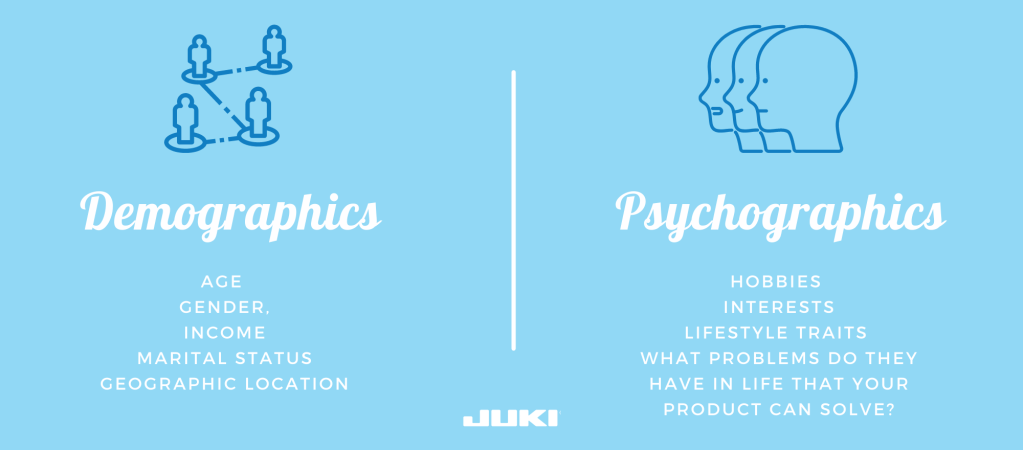
Let’s begin by thinking of who will wear your fashion pieces! By identifying your target audience and what they’re looking for when they want to shop apparel, you’ll be able to locate your niche and find your customer base. The better you understand your audience base, the better you’ll be at marketing your products to them.

The top two things to keep in mind when studying your audience is:

Demographics: age, gender, income, marital status, geographic location, etc.

When you understand your audience’s demographics, you’ll have a higher chance of completing a sale. For example, if you market your product to women in their early twenties, you’ll have a higher chance of gaining a sale on Instagram and Tiktok than marketing on Facebook. Likewise, by knowing your audience, you can find the correct places to push your products and not spend energy on a site that focuses on an older audience like Facebook, whose average users are in their mid-40s and higher.

Psychographics: hobbies, interests, lifestyle traits, and what problems do they have in life that your product can solve.

Knowing the psychographics of your audience is where you’ll be able to create the right products. Here is where you can learn what fabric to use (is your audience athletic and need breathable material?), what interests they have (can you design graphic tees for fan bases?), and more. With every detail you learn about your audience, you’ll be able to create products that are better suited for their wants and create a solid returning customer base.

Once you better understand your niche audience, you can begin creating a solid marketing plan. If you’re having trouble making your marketing plan, follow along here as we show you step by step how to begin yours today.

Focus On Your Brand

Now that we know what you’re going to sell and who you’re going to sell to let’s start talking about building your brand. Branding goes past your business name and logo and dives into what your values are, what your mission is, and more.

Create brand guidelines and a storyline for your products that customers resonate with and want to follow. Focusing on platforms like your website, social media pages, email marketing program, and more will build that relationship between buyers and your shop. The best way to bring your brand to life in today’s age is through marketing on social media!

The key to building your brand is being consistent in your message, constantly posting and promoting your brand and products, and making sure what you put out into the world defines your brand correctly. If you’re unsure what to post, look into examples like behind-the-scenes videos, how-to’s, fashion inspo using your pieces, and more for ideas. Have fun and be creative when it’s time to get your brand out there!

Let’s Start Development

Now that we have an idea for your brand let’s begin designing and developing your clothing line.

  1. Keep your Sketchbook on You

Any artist will tell you that inspiration hits anywhere and any time. So be prepared for when you want to design a new piece by keeping a sketchpad on you or using your phone as a digital sketchbook with apps like ProCreate, Adobe Designs, and Adobe Illustrator.

2. Create Samples

Start creating sample pieces of what you want to make for your shop. Whether you’ll be doing buy-to-make or pre-made pieces, having sample work is perfect for modeling on social media and understanding material costs for re-production.

3. Have Your Beginning Set

When you first open up shop, it’s best to not overwhelm yourself with product varieties. Instead, find your top 3-5 products you want to create and go from there as you begin building your audience base and receiving orders. Once you create more demand for your brand, you can start testing out new designs and growing your product options.

Now that we’re in the development phase make sure you have your station ready! Start by deciding what fabrics you’ll be using in your apparel shop, what style you’ll create, and what machinery and notions you’ll need to get there.

For example, if you want to open an apparel shop that focuses on couture dress-making, you would look into a machine like the MO-654DE that offers built-in rolled hemming and the HZL-DX7 which offers presser feet options like the button attaching presser foot, invisible zipper foot and more. Your fabric choices could be options like silk, tulle, satin, and more. 

By knowing what you plan to create, you’ll be able to have the right machinery, accessories, and notions on hand when it’s time to begin producing.

Start Setting Up Shop

Whether you’re setting up shop online or in person, having an online face is a great way to promote your business and gain new customers. Online shops allow you to reach new audiences! Below are some things to keep in mind when setting up shop.

Clothing Images: Take photos of your clothing that truly presents its colors, fabric textures, and closures. These photos don’t need to be professional if you’re working on a small budget; just have a simple lighting kit, a good camera and learn some tricks on taking professional fashion DIY shots.

Pricing, Shipping, and Handling: Make sure to have a plan in place for how you’ll be pricing your products. From shipping to taxes, you’ll need to make sure you price your products correctly to pay for your bills, time, workspace, etc. Learn your target audience’s price point and what they’re willing to pay for your product. Then, keep an eye on competitor pricing to confirm you’re in the suitable price range.

Website Design: Don’t forget to add your brand’s personality to your site! Set up your Social media, include graphics of your work, add an ‘About Me page, use your brand theme colors, bring in customers and build relationships.

Put Your Marketing Plan into Action

You’re now ready to begin implementing if you’ve created your marketing plan from our earlier steps! Start by setting up your shops’ profiles and deciding how you’ll be advertising. Organic advertising, meaning you do not pay and use search engine optimization like hashtags and tags, is a perfect way to start when you’re on a low budget. If you’re marketing budget includes spending for advertisements, begin setting up your ads by using the information you have on your niche. Focus on your top media sites for higher chances of receiving a sale.

Don’t forget the power of word of mouth, and research your options in ambassador marketing. By offering free items, or negotiating payments, you can bring in influencers from your target audience and work with them to promote your brands and products.

Let’s Launch!

Launching your first clothing brand doesn’t happen quickly or easily. It will take time and dedication, but you’ll create your brand soon with the proper steps! After that, you can begin selling in numerous ways, from your social media accounts to in-person artisan markets and pop-up shops. Then, finally, it’s time to get your product out there.

Now that you have an idea of where to start when it comes to opening your apparel shop and starting your brand, we hope to see your brands’ names soon! What kind of apparel would you create if you were to open your apparel shop?