Competing in Quilting

As you navigate the world of quilting, you’ve likely marveled at the quilts displayed at quilt shows. Quilting transcends the confines of individual studios, occasionally gracing the grand stages of quilt shows across North America! Have you thought of entering your own quilt, but not sure where to start? To guide you through the experience of submitting your masterpiece for competition, this blog, written with the help of Belle Brunner, Quilt Pattern Designer & Guild Consultant/Educator from Seams Sew Me, will unravel the steps that pave the way to your first quilt show!

Quilt shows offer two distinct submission categories: judged and non-judged. Opting for the non-judged category ensures your quilt will be showcased if accepted. Conversely, selecting the judged category opens the door to valuable written feedback on your quilt. This additional layer of critique proves invaluable for those apprehensive about subjecting their work to judgment, providing a unique platform for growth and self-expression. Join us as we explore the intricacies of this captivating journey, backed by insights from Belle Brunner, to make your debut at a quilt show a resounding success.

Steps to Joining a Quilt Show

1. Research and Select a Show:
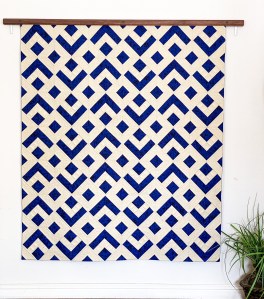
Dueling Diamonds in Nightall by Belle Brunner

The first step on your journey to participating in a quilt show involves a thorough research and a thoughtful selection process. North America boasts a multitude of quilt shows, each with its unique charm and character. Take the time to explore various shows, considering their themes, judging criteria, and the overall atmosphere to ensure a good fit with your personal style and preferences!

While the allure of larger, internationally acclaimed shows is undeniable, don’t underestimate the potential gems hidden in your own county and regional exhibitions. These local showcases often provide a more comforting setting and will help you foster a supportive community with fellow quilters and art enthusiasts. Opting for a smaller venue can be an excellent starting point for those who may feel hesitant about entering the vibrant world of quilt competitions. Belle Brunner, for example, entered her first quilt into a Regional show. “It can feel a bit intimidating to enter a quilt into your first show, but I am so glad that I took the leap and did a few years ago. I picked a regional quilt show for my first entry and read all of the rules.” At smaller shows, you’ll find a welcoming environment that encourages both novices and seasoned quilters to share their creations, building confidence and camaraderie within the quilting community.

You can check out our site here to learn more about which shows JUKI attends throughout the year.

2. Review Submission Guidelines:

Once you’ve selected a show, carefully review its submission guidelines. These guidelines typically include information about quilt size, theme (if any), submission deadlines, entry fees, and specific rules or requirements.

3. Prepare Your Quilt:
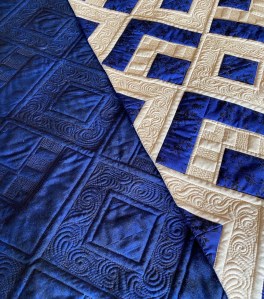
Dueling Diamonds Close Up by Belle Brunner

Before showcasing your quilt at the upcoming show, preparation is key! Begin by either creating a new quilt or selecting one from your home collection that aligns with the show’s theme or specific criteria. Whether you’re pushing the boundaries of traditional techniques with a modern quilt, catching onlookers’ eyes with a stunning 3D masterpiece, or presenting a meticulously crafted traditional piece, the emphasis is on ensuring your creation is nothing short of immaculate.

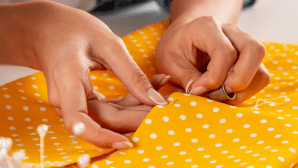
In addition to the visual appeal of your quilt, quilt shows typically have specific requirements for display. One essential aspect is the creation of a quilt sleeve, adhering to certain measurements to ensure proper hanging. This might be a new challenge for hobby quilters entering a show for the first time. To navigate this requirement successfully, consider watching a tutorial that guides you through the process, or contacting your fellow quilter community members who have submitted in the past.

Acquiring this skill not only contributes to the seamless presentation of your quilt but also grants you the added advantage of extra time to complete this aspect well in advance of the submission deadline. So, as you prepare your quilt, pay close attention to both its aesthetic excellence and the practical aspects that ensure it is ready for a spotlight moment at the show.

4. Documentation and Photography:

Capture the essence of your quilt-making journey by meticulously documenting the process and capturing high-quality photographs. Clear, well-lit images play a pivotal role in showcasing the intricate details of your work when submitting to quilt shows.

Be attentive to the specific requirements outlined for image submissions. These guidelines often include details such as pixel dimensions, megabytes, and other technical specifications. It is crucial to adhere to these specifications to ensure that your submission features your quilt in the best possible light. Avoid the risk of hitches in the submission process by not sending just any type of photo. Instead, prioritize clarity and precision in your visuals, allowing the judges and viewers to appreciate the craftsmanship and nuances of your quilt with utmost clarity.

5. Complete Submission Forms:

Fill out the necessary submission forms accurately and thoroughly. Double-check all details, including contact information, as errors might lead to disqualification or communication issues.

6. Pay Attention to Deadlines:

Meet submission deadlines diligently. Missing deadlines could mean missing the chance to exhibit your masterpiece.

7. Shipping or Delivery:

Adhere closely to the show’s detailed instructions regarding the shipment or delivery of your quilt. Proper packaging and strict adherence to shipping guidelines are imperative to guarantee the safe arrival of your quilt at its destination!

It’s essential to note that different shows have varied procedures for quilt retrieval. While some shows allow you to personally pick up your quilt post-event, others opt for mailing it back to you. In cases where the show handles the return shipment, be aware that there may be associated costs, often borne by the quilter. Ensure you familiarize yourself with the specific instructions provided by the show, ensuring a smooth and secure process for both the submission and return of your cherished quilt!

8. Await Notification:

After submission, patiently await notification from the quilt show organizers regarding acceptance or rejection.

Top 5 Quilt and Sewing Shows in North America

Before we dive into the big leagues, let’s talk about dipping our toes into the vibrant world of quilt and sewing shows in North America, with local, county, state, and regional events that can be a fantastic way to ease into the experience.

Winsome Windows Quilt by Belle Brunner

These smaller-scale shows offer a more intimate setting, providing a welcoming environment for beginners and enthusiasts alike. One excellent starting point is local quilt guild exhibitions, where community members showcase their talents and creations. County fairs often host sewing competitions and exhibits, combining the joy of crafting with a celebration of local culture. State-level quilting events bring together a broader community of creators, offering diverse perspectives and techniques. Regional quilt shows cater to a wider audience and feature a variety of vendors, workshops, and displays, allowing attendees to explore different aspects of the craft.

Belle Brunner, after competing in multiple shows, has some advice she would pass on to newcomers. “The feedback from the judge was really helpful in regard to a few areas I could improve on, yet to my surprise, I still won 3rd place in that very first show! I entered the same quilt in another show and didn’t place so you never know how your quilt will compete. I’ve entered two more quilts into shows and found the process of entering rather simple – just make sure you read and follow all the guidelines. One piece of advice I can’t share enough- don’t compare your quilts to others. Otherwise, it will rob you of the joy and pride you put into making your beautiful quilts.”

These smaller shows will not only serve as stepping stones for those new to the scene but also foster a sense of camaraderie and shared passion among attendees. Remember, each quilt is unique to its creator, and that’s the beauty of attending and submitting your quilt to these shows! Now, let’s talk about 5 big shows in North America you could find yourself at one day.

  1. International Quilt Festival (IQF) – Renowned for its scale and diversity, the IQF attracts both seasoned artists and newcomers. It features various categories like art quilts, traditional quilts, modern quilts, and more.
  2. American Quilter’s Society (AQS) QuiltWeek – A series of shows held in multiple locations, the AQS QuiltWeek offers an array of categories, workshops, and exhibitions, providing a platform for quilters to display their talents.
  3. QuiltCon – Celebrating modern quilting, QuiltCon focuses on contemporary designs, bold colors, and innovative techniques. It’s an ideal avenue for artists exploring modern quilt aesthetics.
  4. Road to California – This show features an impressive display of quilts and offers various competitions, workshops, and lectures. It’s known for its diverse themes and vibrant community.
  5. Pacific International Quilt Festival (PIQF) – Held annually in California, PIQF showcases a vast collection of quilts ranging from traditional to avant-garde, attracting artists and enthusiasts alike.

Theme Ideas for Entry

When embarking on the creative journey of selecting themes for quilt show submissions, creators may find themselves at the crossroads of endless possibilities. To navigate this vast realm of ideas, it is advisable to first explore the specific categories designated for submissions within the show.

By delving into these predefined categories, quilters gain insights that not only guide their creative process but also spark inspiration for potential project designs. These categories, acting as a structured framework, serve as a starting point for you to conceptualize and develop you quilt designs. However, it is crucial to bear in mind that these categories come with explicit and stringent rules that quilters must conscientiously adhere to. This adherence ensures that the expression aligns seamlessly with the guidelines set forth by the show organizers, thereby contributing to the overall coherence and integrity of the exhibition.

Below are some examples of quilt categories that shows would have space for:

  1. Modern Quilts: Experiment with abstract designs, bold colors, and asymmetrical patterns to showcase innovation in quilt-making.
  2. 3D Quilts: Create quilts incorporating three-dimensional elements or optical illusions, adding depth and intrigue.
  3. Traditional Quilts: Celebrate heritage and history by crafting quilts using classic patterns and techniques.
  4. Nature-Inspired Quilts: Draw inspiration from the natural world, incorporating flora, fauna, landscapes, or environmental themes.
  5. Cultural Diversity Quilts: Explore diverse cultures and traditions through quilting, highlighting unique stories and artistry.
Petal Starburst Quilt by Belle Brunner

Participating in a quilt show as an artist and entering a quilt competition is a rewarding experience that provides quilters with a platform to display their creativity and proficiency. Through careful preparation, strict adherence to guidelines, and the infusion of your artistic designs, engaging in these shows can unlock avenues for acknowledgment, networking, and the chance to share one’s passion with a wider audience! Participants also have the opportunity to receive constructive feedback from judges, highlighting their strengths and offering insights into areas for improvement. This feedback becomes a valuable tool for future growth, enabling artists to refine their skills and elevate their craft to new heights.

Joining a quilt show as an artist and submitting a quilt for competition is an enriching experience that allows creators like you to showcase their creativity and skills. With meticulous preparation, adherence to guidelines, and a touch of artistic flair, participating in these shows can open doors to recognition, networking opportunities, and sharing your passion with a broader audience!

“Even if you don’t win a ribbon or prize, you can come away with not only helpful feedback but a feeling of accomplishment that your quilt was selected to be displayed and that so many quilters were able to appreciate the firsthand view of all of the hard work that you put into making your quilt. Just go for it! You have nothing to lose.” – Belle Brunner

Follow along on Belle’s quilting journey below!

Website: www.SeamsSewMe.com

Instagram: @Seams_Sew_Me 

YouTube: Belle of Seams Sew Me

How to Create Your Sewing Community

In a world increasingly dominated by technology and fast-paced living, finding a fulfilling and engaging hobby has become essential for maintaining a sense of balance and well-being. Sewing, an age-old craft, has experienced a renaissance in recent years, captivating both seasoned crafters and newcomers alike. As we step into the new year, there has never been a better time to embrace the sewing revolution and connect with other sewists through various online sewing groups, workshops, and sewing retreats! Let’s delve into the significance of sewing communities and events and discover the multitude of benefits they offer in 2023.

1. Support and Inspiration:

Sewing can occasionally present challenges, and having a support network can make all the difference. Engaging with fellow sewists through online groups or workshops allows for the exchange of ideas, troubleshooting of issues, and sharing of accomplishments. The encouragement received from others can ignite the spark of inspiration and creativity, propelling one’s sewing journey to new heights. Additionally, witnessing the remarkable projects undertaken by community members serves as a wellspring of motivation to take on new challenges.

You can also connect with our National Account dealers here who throughout the year, have JUKI trainers visit to keep their staff up to date on the newest JUKI home products so they can help provide you with reliable support during and after your purchase.

2. Learning and Skill Development:

The world of sewing is vast and ever-evolving, with a plethora of techniques, styles, and materials to explore. Sewing communities often host workshops and classes, both online and in-person, led by skilled instructors and industry experts. These workshops not only introduce new skills but also offer a platform for improving existing ones. The chance to learn from experienced artisans can boost confidence and competence, enabling sewists to tackle more intricate and ambitious projects.

Connect with your local JUKI dealers here to learn more about what class options they have available to the sewing community! From weekly clubs to monthly events or special class dates, our JUKI dealers are ready to help you start creating.

3. Fostering Creativity:

Creativity thrives in environments where ideas are freely shared and celebrated. Sewing communities provide a safe space for individuals to express their creativity without judgment. Through collaborative challenges and sharing sessions, members can explore different perspectives and experiment with their creativity, leading to innovative and imaginative sewing creations.

Fostering creativity in sewing and quilting is essential to unlocking the full potential of these crafts and producing truly unique and captivating creations. Try stepping out of your comfort zone by experimenting with different fabrics, colors, and patterns. Embrace mistakes as opportunities to learn and grow, allowing them to inspire new design directions. Draw inspiration from various sources, such as nature, art, and everyday life. By giving yourself the freedom to think outside the box and incorporating diverse influences, your sewing and quilting projects will undoubtedly flourish with newfound creativity and originality.

4. Sewing Retreats: A Time for Renewal:

For many, the hustle and bustle of daily life can impede the full enjoyment of their hobbies. Sewing retreats present an opportunity to escape distractions and immerse oneself fully in the craft. These retreats, often set in picturesque locations, offer dedicated time for sewing, learning, and connecting with fellow participants. The serene ambiance, away from the pressures of everyday life, encourages a profound sense of relaxation and rejuvenation.

You can also attend sewing and quilting exhibitions that host a variety of sewing classes ranging from serging to sewing and quilting. These expos also offer the chance to purchase new JUKI machines at show deal prices and the opportunity to find new notions and fun fabrics! Learn more about the events JUKI attends by staying up to date on our socials here or visiting our events page here.

5. Adapting to the Digital Age:

The internet has revolutionized the way we connect and share information. Online sewing groups have thrived, attracting sewists from across the globe. These virtual communities transcend geographical boundaries, bringing together people who would have never met otherwise. Through online platforms, members can share their work, participate in discussions, seek advice, and make friends, all within the comfort of their homes.

Check out JUKI’s YouTube page from the comfort of your home and learn how to create fun and easy projects by following our step-by-step videos! Thanks to the digital age, we can share our favorite projects that we love creating, and display tips and tricks you can start using on your sewing journey.

As we enter 2023, the sewing community stands stronger than ever, enriched by the passion and dedication of its members. Joining sewing communities and participating in sewing events opens doors to a world of creativity, camaraderie, and personal growth. The support, inspiration, and friendships cultivated through these interactions make the sewing journey not only enjoyable but also deeply rewarding. Good luck on a new year of creating and Happy sewing!

Quilting Uncovered: Exploring Different Styles

Quilting is an art form that has captured the hearts of people for centuries! Whether you’re a seasoned quilter or just starting out on your journey, choosing the right quilting design is one of the most common decisions you’ll make. The selected designs will elevate your quilt and add texture, depth, and visual interest. In this blog post, we’ll explore the various quilting design options available, including traditional, modern, and contemporary styles. We’ll also offer tips on matching quilting designs to quilt patterns and fabric choices for visually appealing results.

Traditional quilting has a rich history deeply rooted in the heritage of various cultures. It is characterized by meticulous handcraftsmanship and a focus on preserving classic motifs and techniques passed down through generations. One hallmark of traditional quilting is intricate geometric patterns, often inspired by nature or everyday life. Popular designs include the Log Cabin, Flying Geese, and Nine Patch patterns, which are meticulously pieced together to create visually stunning and symmetrical quilts. Traditional quilting emphasizes the art of storytelling, as each quilt may carry its unique narrative, capturing the essence of the quilter’s life, experiences, and cultural background.

In traditional quilting, the stitch design plays a pivotal role in enhancing the overall beauty and texture of the quilt. Examples of traditional stitch designs include the timeless hand quilting method, where skilled artisans create delicate, uniform stitches using a needle and thread. This technique not only reinforces the layers of the quilt but also adds a touch of elegance and depth to the finished piece. Another standard stitch design is the classic cross-hatch pattern, achieved through machine quilting, which imparts a sense of structure and sophistication to the quilt’s surface. Traditional quilting stitch designs are often kept simple and complementary to the overall quilt pattern, celebrating the craftsmanship and patience invested in every stitch.

Colors are an essential element of traditional quilting, with a preference for a warm and earthy palette. Traditional quilts frequently showcase a harmonious blend of muted tones and natural hues reminiscent of the colors found in the countryside or the quilter’s immediate surroundings. Soft yellows, warm reds, gentle blues, and earthy greens are common choices, evoking a sense of comfort and nostalgia. While solid colors are prevalent, traditional quilts may also feature small-scale, repetitive prints or calico fabrics, adding subtle textures and visual interest to the overall design. The colors are carefully selected to create a sense of unity and balance within the quilt, emphasizing this quilting style’s timeless and enduring nature.

Regarding fabric options, traditional quilting celebrates using natural fibers like cotton and wool. Cotton is especially favored for its softness, breathability, and ease of manipulation during quilting. The selection of fabric is crucial to achieving the desired visual effect, and quilters often opt for high-quality cotton fabrics with a tight weave to ensure durability and longevity. Batik fabrics, which undergo a unique dyeing process, are also cherished for their intricate patterns and vibrant colors that add depth to the quilt’s design. In traditional quilting, the fabric serves as a canvas for the quilter’s creativity, ensuring that each quilt becomes a unique and cherished work of art, handed down through generations as a testament to the beauty of this timeless craft.

Modern quilting emerged as a refreshing departure from traditional norms, embracing modern style and innovative techniques. This style encourages quilters to explore new possibilities, break free from rigid patterns, and experiment with asymmetry and improvisation! Modern quilts often feature bold geometric shapes, minimalistic designs, and negative space, allowing the quilter’s creativity to shine through. The emphasis is on clean lines, open spaces, and creative quilting, giving the finished piece a modern and dynamic look. Unlike traditional quilting, which often focuses on symmetry, modern quilts celebrate asymmetry and intentional irregularity, giving the quilter greater artistic freedom to express their unique vision.

In modern quilting, the stitch design serves as a means of artistic expression, going beyond mere utility to become an integral part of the quilt’s design. Examples of modern stitch designs include free-motion quilting, ranging from geometric shapes to organic motifs like swirls and pebbles. Quilters may also experiment with unconventional stitch lengths and thread colors, adding texture and dimension to the quilt. Additionally, matchstick quilting, with its dense rows of parallel stitching, is another popular modern stitch design, creating a contemporary and linear effect that complements the overall aesthetic of modern quilts.

Modern quilts embrace a vibrant and eclectic color palette, often featuring bold, contrasting colors that make a statement. Bright and saturated hues, including vivid oranges, electric blues, vibrant yellows, and striking magentas, are favored. Quilters may also use high-contrast color combinations to emphasize their designs’ geometric shapes and negative space. In contrast to traditional quilting, where colors tend to be more subdued and earthy, modern quilts exude energy and a sense of playfulness. Furthermore, modern quilters often mix and match fabrics from different collections or experiment with solid-colored fabrics to create striking visual contrasts and enhance the contemporary aesthetic.

Regarding fabric options in modern quilting, quilters have many options to explore. While cotton remains a popular choice due to its versatility and availability, modern quilts may also incorporate fabrics with unique textures and contemporary prints, like linen, silk, or even metallic fabrics! Modern quilting also celebrates using unconventional materials like denim, wool, or even repurposed fabrics to unleash your creativity! The fabric options in modern quilting are limitless, encouraging quilters to think outside the box and push the boundaries of traditional quilt-making, resulting in captivating and exciting works of art that reflect the spirit of modern design.

Contemporary quilting represents a fusion of traditional techniques with modern touches. Embracing artistic expression, storytelling, and experimentation, contemporary quilts often feature a mix of traditional piecing and appliqué methods combined with innovative design concepts, such as imagery, photo transfers, or digital printing! Quilters in this style are not bound to strict rules or patterns, allowing them to incorporate various elements, fabrics, and materials. Contemporary quilts often showcase a sense of eclecticism, pushing the boundaries of traditional quilting while still preserving the essence of the art. The emphasis is on individuality, creativity, and the integration of personal stories, making each quilt a unique and expressive work of art.

In contemporary quilting, stitch design is key in enhancing the quilt’s impact! Quilters often explore a wide variety of stitch techniques, combining machine quilting with embroidery and embellishments. Contemporary stitch design examples include thread painting, where quilters use different colored threads to create detailed images and textures on the quilt’s surface. Additionally, modern quilting may incorporate dense and elaborate quilting patterns to add intricate layers of dimension and depth to the overall design. Quilters may experiment with unconventional stitch shapes, combining straight lines with organic curves, resulting in captivating juxtapositions that elevate the visual appeal of the quilt. The stitchwork in contemporary quilts is a functional element that holds the layers together and is an integral part of the quilt’s artistic expression.

Colors for contemporary quilts are diverse and often reflect the quilter’s personal style and artistic vision. While some contemporary quilts embrace bold and vibrant colors similar to modern quilting, others may take a more muted and monochromatic approach, evoking a sense of sophistication and elegance. Quilters in this style may draw inspiration from various sources, including nature, urban landscapes, or abstract art, allowing their color choices to convey emotion and mood. Contemporary quilts may incorporate unexpected color combinations or elements of minimalism with predominantly neutral palettes, focusing on the interplay of texture and stitchwork instead. The freedom to explore an extensive range of colors allows contemporary quilters to create visually striking quilts that defy expectations.

Regarding fabric options in contemporary quilting, the sky’s the limit! Quilters in this style often go beyond traditional quilting cotton and explore various options. Use hand-dyed fabrics, silk, and velvet, or even incorporate recycled materials, like repurposed clothing or vintage textiles, adding layers of history and uniqueness to their quilts. Additionally, contemporary quilters may use digitally printed fabrics to incorporate unique designs, family photos, and more.

To ensure visually appealing results, it’s crucial to consider the quilt pattern and fabric choices when selecting a quilting design. Here are a few tips to keep in mind:

Consider the Quilt Pattern: The quilt pattern can guide suitable quilting designs. For example, a quilt with intricate block patterns may benefit from simpler quilting designs to avoid overwhelming the overall design. Conversely, a quilt with a more minimalist pattern might lend itself well to elaborate quilting designs for added interest.

Enhance Fabric Characteristics: Consider the characteristics of the fabric you’re using. Solid fabrics can showcase intricate quilting designs, while busy or highly patterned fabrics might benefit from more straightforward quilting to avoid competing with the fabric’s design. Consider how the chosen quilting design will interact with the fabric’s texture, color, and pattern.

Test Before Committing: Before quilting the entire quilt, we recommend creating a small test piece using the same fabric and design to see how they interact. This allows you to assess the overall effect and make necessary adjustments before proceeding with the whole quilt.

Choosing the right quilting design is an exciting part of the process that allows you to infuse your personal style and creativity into your quilt. By exploring different quilting styles, such as traditional, modern, and contemporary, and considering various techniques like free-motion quilting, straight-line quilting, or hand quilting, you can create quilts that are not only visually appealing but also reflect your artistic vision. Remember to match the quilting design to the quilt pattern and fabric choices to achieve a harmonious and well-balanced result. So, embrace your creativity, experiment, and enjoy the journey of selecting the perfect quilting design for your next quilt!

Sewing and Quilting in Fall

As the crisp air of autumn settles in, it’s the perfect time to embrace the cozy and creative world of fall sewing and quilting projects! From, warm blankets to stylish accessories, the possibilities are endless. In this blog post, we will explore the best fabrics, projects, and designs that capture the essence of the fall season. Whether you’re a seasoned sewist or a beginner looking for inspiration, these ideas will help you begin a delightful autumn sewing journey.

Fabrics for Fall:

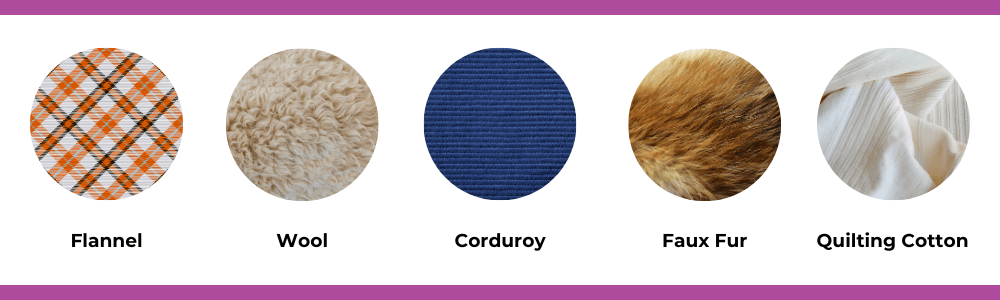
When it comes to fall sewing, selecting the right fabrics is crucial. Opt for cozy and comfortable materials that evoke a sense of warmth and texture. Some popular choices include:

  • Flannel:

A beloved fabric that instantly brings warmth and comfort to mind, this soft and brushed cotton material is perfect for creating snuggly garments like shirts, pajamas, and robes. Its insulating properties make it ideal for blankets and throws, keeping you warm during chilly autumn evenings. With a variety of colors and patterns available, flannel adds a touch of rustic charm to any fall sewing project.

  • Wool:

When it comes to fall fabrics, wool is a true champion! Known for its excellent insulation, wool is perfect for sewing cozy sweaters, scarves, and outerwear. It traps heat, keeping you comfortably warm during those low temp. autumn days. Additionally, wool’s natural elasticity ensures that your projects hold their shape and drape beautifully. From lightweight merino wool to chunky wools for heavier projects, this fabric adds a touch of warmth to your fall wardrobe.

  • Corduroy:

For retro charm and texture, look no further than corduroy! This ribbed fabric is excellent for fall sewing projects like skirts, pants, hats, and jackets. With its durability and warmth, corduroy projects are perfect for transitioning from fall to winter. The fabric is available in a variety of wale sizes and colors, and offers a vintage appeal to your creations.

  • Faux Fur:

When you want to add a luxurious and cozy touch to your fall sewing projects, faux fur is the way to go! This animal-friendly fabric is perfect for creating accessories like hats, scarves, and trimmings on your projects. It instantly elevates any design, and adds a touch of opulence to your fall wardrobe. From subtle accents to bold statement pieces, faux fur is a fantastic choice for those seeking a touch of elegance.

  • Quilting Cotton:

Quilting cotton is a versatile and widely accessible fabric, making it a popular choice for fall sewing projects. With an extensive range of prints, colors, and designs, quilting cotton is suitable for various projects, including clothing, home decor, and accessories. From pumpkin-themed tablecloths to plaid dresses, this fabric allows you to be creative and capture the essence of fall.

Fall Sewing Project Ideas:

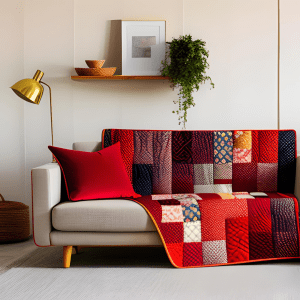
a. Blankets and Throws: When fall arrives, there’s nothing quite as comforting as wrapping yourself in a soft and inviting blanket. Get creative with warm fabrics like flannel or wool, and experiment with patchwork designs that feature autumn-inspired colors and motifs. Incorporate leaves, pumpkins, or other seasonal elements into your blanket’s design to capture the essence of fall. Whether it’s for your living room or as a thoughtful gift for a loved one, these blankets are sure to be cherished throughout the season.

b. Scarves and Wraps: As the temperatures drop, it’s time to accessorize your fall wardrobe with fashionable scarves and wraps. Sew lightweight wool or soft knit scarves in various textures, lengths, and patterns like plaid or fall leaves. These accessories not only keep you warm but also add a touch of style to your everyday outfits. Get creative with colors that complement the season’s palette, and you’ll be ready to strut your fall fashion with confidence.

c. Pumpkin-themed Home Decor: Bring the pumpkin patch into your home with charming pumpkin-themed decor items. Sew fabric pumpkins in various sizes and fabrics, and arrange them as table centerpieces or mantle decorations. For a functional twist, create pumpkin-shaped potholders that will add a delightful autumnal touch to your kitchen. Experiment with different fabrics and colors to suit your personal taste and create a warm and inviting atmosphere for family and guests.

d. Cozy Jackets and Cardigans: With the arrival of fall, layering becomes essential, and what better way to do it than with cozy jackets and cardigans you’ve crafted yourself? Choose fabrics like corduroy or sweater knits to create stylish outerwear perfect for the season. Consider adding oversized collars, patch pockets, or belted waistlines for a fashionable touch. Sewing your own jackets and cardigans allows you to customize the fit and design, making each piece uniquely yours.

Fall Quilting Designs To Try:

a. Autumn Leaves: Incorporate leaf motifs into your quilt designs using appliqué or embroidery techniques. Experiment with different shapes, sizes, and colors to capture the vibrant hues of fall foliage.

b. Harvest-inspired Patchwork: Create quilt blocks inspired by the abundance of the harvest season. Consider using fabric prints featuring pumpkins, sunflowers, or cornstalks to infuse your quilts with a rustic charm.

c. Cozy Log Cabin Quilts: The traditional log cabin quilt pattern lends itself well to the warmth and comfort of fall. Play with earthy tones and rich browns to create a quilt that embodies the cozy atmosphere of the season.

d. Plaid and Tartan: Incorporate plaid or tartan fabrics into your quilts for a timeless fall aesthetic. Mix and match different plaid patterns to create visually appealing designs that evoke a sense of nostalgia.

Fall is a wonderful season for sewing and quilting enthusiasts to embrace the rich colors, textures, and themes that it brings. By choosing fabrics like flannel, wool, corduroy, faux fur, and quilting cotton, you can create cozy and stylish projects. Whether it’s blankets and throws, scarves and wraps, pumpkin-themed home decor, or jackets and cardigans, let your creativity flourish. Additionally, consider incorporating autumn-inspired designs like leaves, harvest motifs, log cabin patterns, and plaids into your quilting projects. Enjoy the process of sewing and quilting during this beautiful season, and bring the warmth and charm of fall into your creations. Happy stitching!

Efficient Stitches: Sewing Room Organization Tips

A well-organized sewing room or dedicated sewing space can be the key to a productive and enjoyable sewing experience. From neatly storing fabrics and notions to creating a good workflow, a functional workspace allows you to focus on your creative projects without the frustration of clutter! This blog post will explore practical tips and tricks for organizing your sewing room, innovative storage solutions, and space-saving ideas. Get ready to transform your sewing space into a haven of creativity and efficiency!

Start Evaluating and Decluttering:

Start your sewing room organization journey by evaluating your current setup and decluttering unnecessary items. Sort through your fabrics, threads, and notions, and donate or discard anything you no longer need or use. By minimizing clutter, you’ll create more space and make finding and accessing the supplies you truly need easier.

Plan Your Fabric Storage:

Proper storage of fabrics is essential for easy access and preservation. We’ve gathered a few tips for getting your storage well organized.

  • Categorize and Sort: Start by categorizing your fabric based on different criteria, such as color, fabric type, or project type. This will make finding the fabric you need easier when starting a new project.
  • Use Clear Containers or Bins: Store your fabric in clear plastic containers or bins. This lets you see the contents at a glance, saving time and effort when searching for specific fabrics.
  • Fold and Label: Fold your fabric neatly and uniformly to maximize space and prevent wrinkles. Use labels or tags to identify the fabric type, color, yardage, or other relevant details. This makes it easier to locate specific fabrics without unfolding everything.
  • Vertical Storage: Consider storing your fabric vertically rather than horizontally. This method saves space and allows you to easily browse through the fabric stacks without disturbing the neatly folded fabrics.
  • Utilize Shelving or Cubbies: Install shelves or use cubbies to store your fabric. These provide a dedicated space for each fabric category and help organize your sewing room. You can even sort fabrics by size or project type within each shelf or cubby.

Organize Your Notions and Tools:

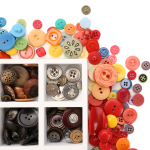
Organizing notions and tools in your sewing and quilting room is essential for maintaining a functional and efficient workspace. Start by grouping similar items, such as needles, pins, and buttons. Utilize clear plastic containers, small jars, or compartmentalized organizers to store these smaller items, ensuring they are easily accessible and visible. Consider using a pegboard or wall-mounted tool organizer to hang scissors, rulers, and other frequently used tools, keeping them within reach and saving valuable workspace.

Designate specific shelves or drawers for larger tools like cutting mats and rotary cutters to keep them safely stored and neatly organized. Additionally, labeling containers or using clear bins for items like zippers, ribbons, and trims can make it quick and easy to find what you need. By implementing a well-thought-out organization system, you’ll streamline your sewing and quilting process and have a clutter-free environment that inspires creativity!

Organizing Those Threads and Bobbins:

Practical thread and bobbin organization in your sewing and quilting room is crucial for a smooth and efficient workflow. To keep your threads easily accessible and neatly arranged, consider using a thread rack or spool holder. These can be mounted on the wall or placed on a table or shelf, providing a convenient display of your thread collection. Group threads by color or type, allowing for quick identification and selection. Alternatively, you can store threads in clear plastic containers or drawers, protecting them from dust and light exposure.

To keep your bobbins organized, use a bobbin storage case or tray specifically designed for holding bobbins securely in place. This prevents them from unwinding and tangling. You can also match bobbins with corresponding thread spools, storing them together to easily locate the appropriate combination when needed. By implementing an effective thread and bobbin organization system, you’ll save time and frustration, allowing for a more enjoyable sewing and quilting experience.

Creating Your Workflow:

Creating an efficient workflow in your sewing and quilting room is essential for maximizing productivity and enjoying a seamless creative process! Start by organizing your workspace in a way that suits your working style. Arrange your sewing machine, cutting table, and ironing station in a seamless layout, and ensure easy access to all your needed tools and materials. Consider setting up your own assembly line for different stages of the process! Such as cutting, piecing, and assembly, to keep everything organized and efficient.

Next, establish a workflow that works best for you! Start by planning your projects in advance. Gather your fabric, confirm your pattern, and have your cutting instructions ready. With a clear roadmap, you can avoid unnecessary interruptions or backtracking during the creative process.

Prioritize tasks and break your sewing down into manageable steps! This allows you to focus on one project piece at a time, cutting fabric, sewing seams, or ironing. Remember to declutter and tidy your workspace to maintain a clear and inspiring workspace. By creating an efficient workflow tailored to your needs, you’ll be able to fully immerse yourself in your sewing and quilting projects, resulting in beautifully crafted creations!

Inspiring and Personalized Decor:

Create an inspiring environment in your sewing room by adding personal touches and decorative elements. Display finished projects, hang inspirational quotes, or place around artwork that sparks your creativity. Look into incorporating good lighting to avoid eye strain during your project creation. Maybe add a pinboard or corkboard to pin inspiration, project ideas, or fabric swatches!

A well-organized sewing room is a haven for creativity and productivity. By implementing the tips and tricks in this blog post, you can create a functional and inspiring workspace that enhances your sewing experience. From efficient fabric storage to optimizing workflow and adding personal touches, these strategies will help you maximize your sewing space and enjoy a clutter-free environment. Embrace the joy of organization and watch your sewing projects flourish in a space designed for creativity and efficiency. Happy sewing!