Exploring the JUKI Miyabi: A Quilter’s Dream

Welcome to our National Quilting Month celebration! Quilting enthusiasts rejoice as we dive into the vibrant world of fabric artistry. At the heart of this creative journey lies the JUKI Miyabi J-350QVP, a long-arm quilting machine that transcends mere functionality—a portal to endless possibilities. With its spacious 18-inch horizontal throat space and 10-inch height, the Miyabi provides ample room for your quilting masterpieces to unfold.

Imagine effortlessly crafting king-size quilts or personalizing couch covers with precision, thanks to JUKI’s SmartStitch technology. But the magic doesn’t stop there; when paired with Quilter’s Creative Touch 5, this machine becomes a sanctuary for artistic expression, catering to both seasoned quilters and newcomers alike.

Join us as we unravel the enchantment of the Miyabi J-350QVP and how it transforms quilting dreams into breathtaking realities. Let’s embark on this journey together, where every stitch tells a story of creativity, passion, and the timeless art of quilting.
JUKI SmartStitch stitch regulator system

Unveiling Miyabi: Crafted for Perfection

Named after the Japanese word for elegance, the Miyabi J-350QVP seamlessly integrates JUKI’s heritage with cutting-edge technology. Central to its allure is the JUKI SmartStitch stitch regulator system, ensuring impeccable stitch lengths regardless of the complexity of your design.

At the heart of its capabilities lies an expansive 18 inches of horizontal throat space and a remarkable 10-inch height, setting it apart from its counterparts. This spacious setup allows quilters to explore expansive designs without constraints, a true delight for those working on king-size quilts or even crafting custom couch covers.

Versatility in Functionality

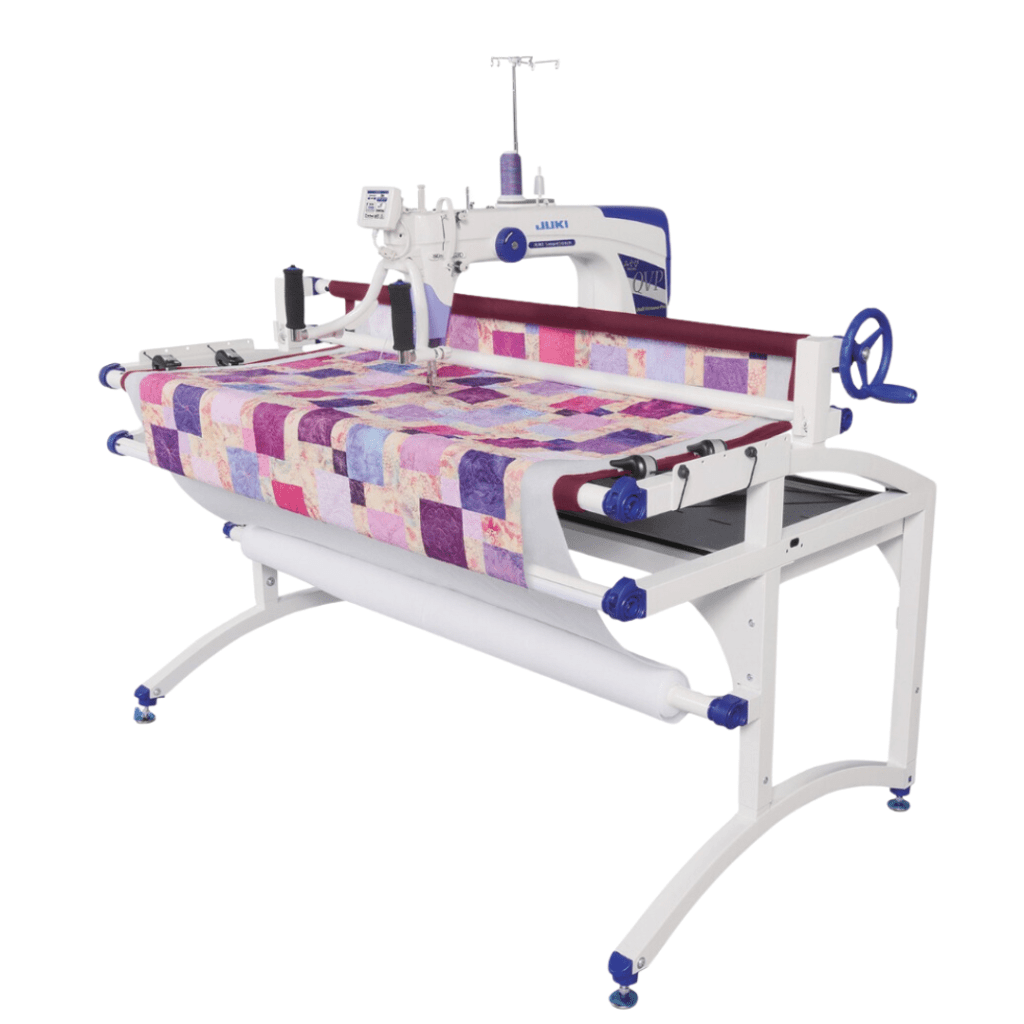
One of the standout features of the Miyabi J-350QVP is its adaptability. It seamlessly transitions from a sit-down configuration (33″ x 33″) to varying frame lengths ranging from 5 to 12 feet, catering to individual preferences and project demands. This adaptability, coupled with a user-friendly interface, extends to its compatibility with Quilter’s Creative Touch (QTC), unlocking a world of possibilities for quilting enthusiasts.

Versatility in a quilting machine isn’t just an added bonus; it’s an absolute game-changer! Whether tackling a small, intricate piece or embarking on a grand, sprawling quilt, this adaptability is a lifesaver. It’s like having multiple machines in one, all at your fingertips.
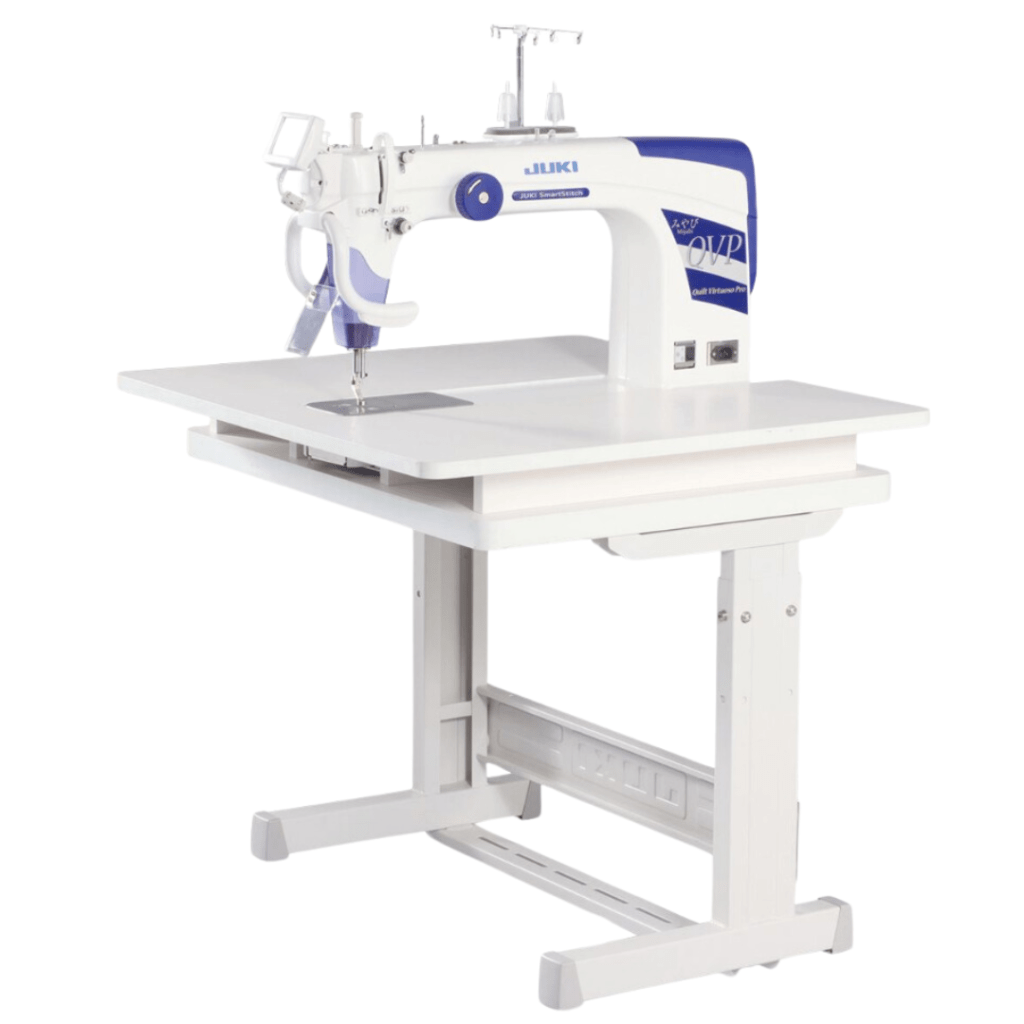
Miyabi J-350QVP Sit-Down
Miyabi J-350QVP Stand-Up

Why does this matter in the world of quilting? Well, creativity doesn’t fit a one-size-fits-all mold. Quilters are artists; just like artists, they need the freedom to explore, experiment, and create without limitations. The Miyabi’s adaptability offers precisely that. It’s the canvas that adjusts to your vision, whether you’re working in a cozy corner or have a spacious studio. When coupled with Quilter’s Creative Touch, it’s not just about space; it’s about the freedom to design, experiment, and bring intricate patterns or expansive quilts with the same machine to life. This flexibility isn’t just a convenience; it’s the key to unlocking boundless creativity in quilting.

The Power of Quilter’s Creative Touch 5

The marriage of the Miyabi J-350QVP with Quilter’s Creative Touch 5 software elevates the quilting experience to new heights. Whether driven by hand or utilizing the software’s capabilities, the Miyabi J-350QVP becomes an artist’s canvas.
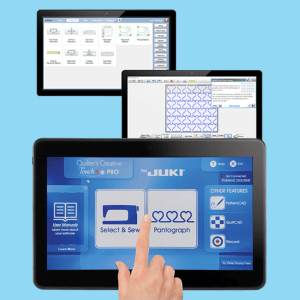
For beginners, it’s the ultimate learning companion. The software’s intuitive interface facilitates easy pattern sizing, rotating, and flipping, making the initial steps of quilting feel like second nature. Imagine exploring over 220 pre-existing designs or venturing into creating your own, all with the assurance of precise and automated quilting. The inForm feature is your personal tutor, offering built-in tutorials and tips, transforming your learning curve into a smooth, enjoyable journey.

Now, for the experienced quilters, this software elevates your craft to new heights. The Pro features like PatternCAD™ and QultCAD™ enable you to become a digital architect, designing intricate patterns and entire quilt layouts with finesse. Ever thought of turning your free-motion quilting into reusable patterns? With Quilter’s Creative Touch 5, it’s not just a thought—it’s a reality. And that’s just the beginning.

The program’s goal is to nurture beginners’ budding creativity and amplify seasoned quilters’ expertise, making every quilting journey an enriching and fulfilling experience.

Gold Card Access: Elevating Creativity

For those eager to explore every facet of Quilter’s Creative Touch 5, the Gold Card Access opens doors to an array of exclusive features. Borders and Corners™, Virtual Longarm™, Font Stitcher™, and Fabric Compensation are among the many advanced features offered, empowering users to enhance their quilting prowess.

Let’s Talk Features

At its core lies the JUKI SmartStitch: Stitch Regulator System (JSS), a technological marvel that ensures impeccable stitching regardless of your speed! The image sensors carefully track movement, guaranteeing flawless stitch lengths as you quilt away, maintaining accuracy at every turn and curve of your creative design.
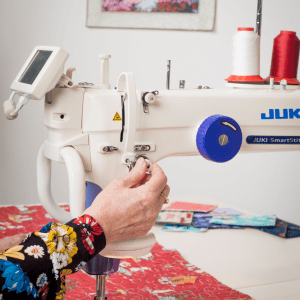
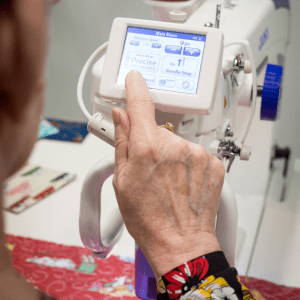
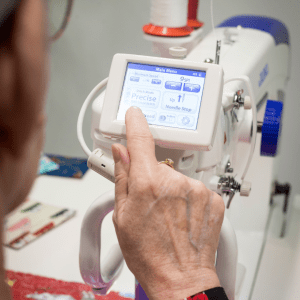
The large color LCD touch screen serves as your command center, providing a seamless interface to control various settings—from stitch regulator modes and LED light configurations to speed control and automatic/manual thread trimming—putting the reins of your quilting journey in your capable hands.

But that’s just the beginning! This powerhouse boasts various features like adjustable front handlebars for personalized comfort, push-button handlebar controls for effortless maneuverability, and an automatic needle positioner for precise stitching placement. The laser guide light aids in following patterns seamlessly, while the Direct Drive Technology ensures smooth, efficient operation with minimal maintenance.

Add to that the solid steel heavy-duty frame, multiple stitching modes, directional LED lighting, and the convenience of an optional rear handlebar—the J-350QVP Miyabi is a quilting dream come true! With its thread cutter system and the option for rear handlebars for pantographs, this machine doesn’t just promise efficiency; it delivers a flawless quilting experience, marking a new era in crafting perfection.
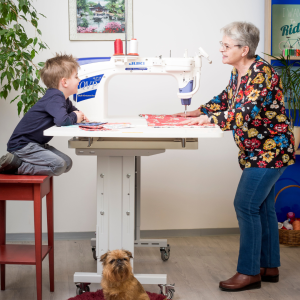
The Miyabi J-350QVP is not just a machine; it embodies tradition meeting innovation. Its technology, space, and precision integration foster an environment where crafting king-size quilts or bringing intricate designs to life becomes a seamless, enjoyable experience. With its impeccable stitching, adaptability, and robust functionalities of Quilter’s Creative Touch 5, the Miyabi J-350QVP is a testament to JUKI’s commitment to empowering quilters worldwide.

As National Quilting Month unfolds, we celebrate the vibrant world of quilting, a time-honored craft that unites enthusiasts of all levels. It’s a month to revel in the joy of creativity, where every stitch tells a story of passion and artistry. Whether we’re quilting veterans or newcomers, we’re united by our love for fabric and its endless possibilities! Let’s embrace this month as an opportunity to explore new techniques, share our experiences, and inspire one another to create something beautiful. Here’s to a month filled with laughter, learning, and the joy of quilting!
Competing in Quilting

As you navigate the world of quilting, you’ve likely marveled at the quilts displayed at quilt shows. Quilting transcends the confines of individual studios, occasionally gracing the grand stages of quilt shows across North America! Have you thought of entering your own quilt, but not sure where to start? To guide you through the experience of submitting your masterpiece for competition, this blog, written with the help of Belle Brunner, Quilt Pattern Designer & Guild Consultant/Educator from Seams Sew Me, will unravel the steps that pave the way to your first quilt show!

Quilt shows offer two distinct submission categories: judged and non-judged. Opting for the non-judged category ensures your quilt will be showcased if accepted. Conversely, selecting the judged category opens the door to valuable written feedback on your quilt. This additional layer of critique proves invaluable for those apprehensive about subjecting their work to judgment, providing a unique platform for growth and self-expression. Join us as we explore the intricacies of this captivating journey, backed by insights from Belle Brunner, to make your debut at a quilt show a resounding success.

Steps to Joining a Quilt Show

1. Research and Select a Show:

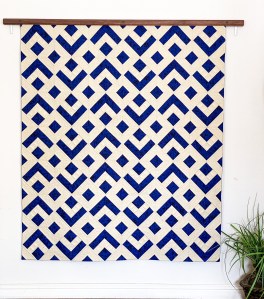
Dueling Diamonds in Nightall by Belle Brunner

The first step on your journey to participating in a quilt show involves a thorough research and a thoughtful selection process. North America boasts a multitude of quilt shows, each with its unique charm and character. Take the time to explore various shows, considering their themes, judging criteria, and the overall atmosphere to ensure a good fit with your personal style and preferences!

While the allure of larger, internationally acclaimed shows is undeniable, don’t underestimate the potential gems hidden in your own county and regional exhibitions. These local showcases often provide a more comforting setting and will help you foster a supportive community with fellow quilters and art enthusiasts. Opting for a smaller venue can be an excellent starting point for those who may feel hesitant about entering the vibrant world of quilt competitions. Belle Brunner, for example, entered her first quilt into a Regional show. “It can feel a bit intimidating to enter a quilt into your first show, but I am so glad that I took the leap and did a few years ago. I picked a regional quilt show for my first entry and read all of the rules.” At smaller shows, you’ll find a welcoming environment that encourages both novices and seasoned quilters to share their creations, building confidence and camaraderie within the quilting community.

You can check out our site here to learn more about which shows JUKI attends throughout the year.

2. Review Submission Guidelines:

Once you’ve selected a show, carefully review its submission guidelines. These guidelines typically include information about quilt size, theme (if any), submission deadlines, entry fees, and specific rules or requirements.

3. Prepare Your Quilt:

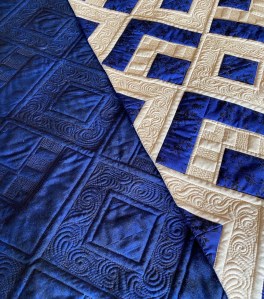
Dueling Diamonds Close Up by Belle Brunner

Before showcasing your quilt at the upcoming show, preparation is key! Begin by either creating a new quilt or selecting one from your home collection that aligns with the show’s theme or specific criteria. Whether you’re pushing the boundaries of traditional techniques with a modern quilt, catching onlookers’ eyes with a stunning 3D masterpiece, or presenting a meticulously crafted traditional piece, the emphasis is on ensuring your creation is nothing short of immaculate.

In addition to the visual appeal of your quilt, quilt shows typically have specific requirements for display. One essential aspect is the creation of a quilt sleeve, adhering to certain measurements to ensure proper hanging. This might be a new challenge for hobby quilters entering a show for the first time. To navigate this requirement successfully, consider watching a tutorial that guides you through the process, or contacting your fellow quilter community members who have submitted in the past.

Acquiring this skill not only contributes to the seamless presentation of your quilt but also grants you the added advantage of extra time to complete this aspect well in advance of the submission deadline. So, as you prepare your quilt, pay close attention to both its aesthetic excellence and the practical aspects that ensure it is ready for a spotlight moment at the show.

4. Documentation and Photography:

Capture the essence of your quilt-making journey by meticulously documenting the process and capturing high-quality photographs. Clear, well-lit images play a pivotal role in showcasing the intricate details of your work when submitting to quilt shows.

Be attentive to the specific requirements outlined for image submissions. These guidelines often include details such as pixel dimensions, megabytes, and other technical specifications. It is crucial to adhere to these specifications to ensure that your submission features your quilt in the best possible light. Avoid the risk of hitches in the submission process by not sending just any type of photo. Instead, prioritize clarity and precision in your visuals, allowing the judges and viewers to appreciate the craftsmanship and nuances of your quilt with utmost clarity.

5. Complete Submission Forms:

Fill out the necessary submission forms accurately and thoroughly. Double-check all details, including contact information, as errors might lead to disqualification or communication issues.

6. Pay Attention to Deadlines:

Meet submission deadlines diligently. Missing deadlines could mean missing the chance to exhibit your masterpiece.

7. Shipping or Delivery:

Adhere closely to the show’s detailed instructions regarding the shipment or delivery of your quilt. Proper packaging and strict adherence to shipping guidelines are imperative to guarantee the safe arrival of your quilt at its destination!

It’s essential to note that different shows have varied procedures for quilt retrieval. While some shows allow you to personally pick up your quilt post-event, others opt for mailing it back to you. In cases where the show handles the return shipment, be aware that there may be associated costs, often borne by the quilter. Ensure you familiarize yourself with the specific instructions provided by the show, ensuring a smooth and secure process for both the submission and return of your cherished quilt!

8. Await Notification:

After submission, patiently await notification from the quilt show organizers regarding acceptance or rejection.

Top 5 Quilt and Sewing Shows in North America

Before we dive into the big leagues, let’s talk about dipping our toes into the vibrant world of quilt and sewing shows in North America, with local, county, state, and regional events that can be a fantastic way to ease into the experience.

Winsome Windows Quilt by Belle Brunner

These smaller-scale shows offer a more intimate setting, providing a welcoming environment for beginners and enthusiasts alike. One excellent starting point is local quilt guild exhibitions, where community members showcase their talents and creations. County fairs often host sewing competitions and exhibits, combining the joy of crafting with a celebration of local culture. State-level quilting events bring together a broader community of creators, offering diverse perspectives and techniques. Regional quilt shows cater to a wider audience and feature a variety of vendors, workshops, and displays, allowing attendees to explore different aspects of the craft.

Belle Brunner, after competing in multiple shows, has some advice she would pass on to newcomers. “The feedback from the judge was really helpful in regard to a few areas I could improve on, yet to my surprise, I still won 3rd place in that very first show! I entered the same quilt in another show and didn’t place so you never know how your quilt will compete. I’ve entered two more quilts into shows and found the process of entering rather simple – just make sure you read and follow all the guidelines. One piece of advice I can’t share enough- don’t compare your quilts to others. Otherwise, it will rob you of the joy and pride you put into making your beautiful quilts.”

These smaller shows will not only serve as stepping stones for those new to the scene but also foster a sense of camaraderie and shared passion among attendees. Remember, each quilt is unique to its creator, and that’s the beauty of attending and submitting your quilt to these shows! Now, let’s talk about 5 big shows in North America you could find yourself at one day.

  1. International Quilt Festival (IQF) – Renowned for its scale and diversity, the IQF attracts both seasoned artists and newcomers. It features various categories like art quilts, traditional quilts, modern quilts, and more.
  2. American Quilter’s Society (AQS) QuiltWeek – A series of shows held in multiple locations, the AQS QuiltWeek offers an array of categories, workshops, and exhibitions, providing a platform for quilters to display their talents.
  3. QuiltCon – Celebrating modern quilting, QuiltCon focuses on contemporary designs, bold colors, and innovative techniques. It’s an ideal avenue for artists exploring modern quilt aesthetics.
  4. Road to California – This show features an impressive display of quilts and offers various competitions, workshops, and lectures. It’s known for its diverse themes and vibrant community.
  5. Pacific International Quilt Festival (PIQF) – Held annually in California, PIQF showcases a vast collection of quilts ranging from traditional to avant-garde, attracting artists and enthusiasts alike.

Theme Ideas for Entry

When embarking on the creative journey of selecting themes for quilt show submissions, creators may find themselves at the crossroads of endless possibilities. To navigate this vast realm of ideas, it is advisable to first explore the specific categories designated for submissions within the show.

By delving into these predefined categories, quilters gain insights that not only guide their creative process but also spark inspiration for potential project designs. These categories, acting as a structured framework, serve as a starting point for you to conceptualize and develop you quilt designs. However, it is crucial to bear in mind that these categories come with explicit and stringent rules that quilters must conscientiously adhere to. This adherence ensures that the expression aligns seamlessly with the guidelines set forth by the show organizers, thereby contributing to the overall coherence and integrity of the exhibition.

Below are some examples of quilt categories that shows would have space for:

  1. Modern Quilts: Experiment with abstract designs, bold colors, and asymmetrical patterns to showcase innovation in quilt-making.
  2. 3D Quilts: Create quilts incorporating three-dimensional elements or optical illusions, adding depth and intrigue.
  3. Traditional Quilts: Celebrate heritage and history by crafting quilts using classic patterns and techniques.
  4. Nature-Inspired Quilts: Draw inspiration from the natural world, incorporating flora, fauna, landscapes, or environmental themes.
  5. Cultural Diversity Quilts: Explore diverse cultures and traditions through quilting, highlighting unique stories and artistry.
Petal Starburst Quilt by Belle Brunner

Participating in a quilt show as an artist and entering a quilt competition is a rewarding experience that provides quilters with a platform to display their creativity and proficiency. Through careful preparation, strict adherence to guidelines, and the infusion of your artistic designs, engaging in these shows can unlock avenues for acknowledgment, networking, and the chance to share one’s passion with a wider audience! Participants also have the opportunity to receive constructive feedback from judges, highlighting their strengths and offering insights into areas for improvement. This feedback becomes a valuable tool for future growth, enabling artists to refine their skills and elevate their craft to new heights.

Joining a quilt show as an artist and submitting a quilt for competition is an enriching experience that allows creators like you to showcase their creativity and skills. With meticulous preparation, adherence to guidelines, and a touch of artistic flair, participating in these shows can open doors to recognition, networking opportunities, and sharing your passion with a broader audience!

“Even if you don’t win a ribbon or prize, you can come away with not only helpful feedback but a feeling of accomplishment that your quilt was selected to be displayed and that so many quilters were able to appreciate the firsthand view of all of the hard work that you put into making your quilt. Just go for it! You have nothing to lose.” – Belle Brunner

Follow along on Belle’s quilting journey below!

Website: www.SeamsSewMe.com

Instagram: @Seams_Sew_Me 

YouTube: Belle of Seams Sew Me

How to Create Your Sewing Community

In a world increasingly dominated by technology and fast-paced living, finding a fulfilling and engaging hobby has become essential for maintaining a sense of balance and well-being. Sewing, an age-old craft, has experienced a renaissance in recent years, captivating both seasoned crafters and newcomers alike. As we step into the new year, there has never been a better time to embrace the sewing revolution and connect with other sewists through various online sewing groups, workshops, and sewing retreats! Let’s delve into the significance of sewing communities and events and discover the multitude of benefits they offer in 2023.

1. Support and Inspiration:

Sewing can occasionally present challenges, and having a support network can make all the difference. Engaging with fellow sewists through online groups or workshops allows for the exchange of ideas, troubleshooting of issues, and sharing of accomplishments. The encouragement received from others can ignite the spark of inspiration and creativity, propelling one’s sewing journey to new heights. Additionally, witnessing the remarkable projects undertaken by community members serves as a wellspring of motivation to take on new challenges.

You can also connect with our National Account dealers here who throughout the year, have JUKI trainers visit to keep their staff up to date on the newest JUKI home products so they can help provide you with reliable support during and after your purchase.

2. Learning and Skill Development:

The world of sewing is vast and ever-evolving, with a plethora of techniques, styles, and materials to explore. Sewing communities often host workshops and classes, both online and in-person, led by skilled instructors and industry experts. These workshops not only introduce new skills but also offer a platform for improving existing ones. The chance to learn from experienced artisans can boost confidence and competence, enabling sewists to tackle more intricate and ambitious projects.

Connect with your local JUKI dealers here to learn more about what class options they have available to the sewing community! From weekly clubs to monthly events or special class dates, our JUKI dealers are ready to help you start creating.

3. Fostering Creativity:

Creativity thrives in environments where ideas are freely shared and celebrated. Sewing communities provide a safe space for individuals to express their creativity without judgment. Through collaborative challenges and sharing sessions, members can explore different perspectives and experiment with their creativity, leading to innovative and imaginative sewing creations.

Fostering creativity in sewing and quilting is essential to unlocking the full potential of these crafts and producing truly unique and captivating creations. Try stepping out of your comfort zone by experimenting with different fabrics, colors, and patterns. Embrace mistakes as opportunities to learn and grow, allowing them to inspire new design directions. Draw inspiration from various sources, such as nature, art, and everyday life. By giving yourself the freedom to think outside the box and incorporating diverse influences, your sewing and quilting projects will undoubtedly flourish with newfound creativity and originality.

4. Sewing Retreats: A Time for Renewal:

For many, the hustle and bustle of daily life can impede the full enjoyment of their hobbies. Sewing retreats present an opportunity to escape distractions and immerse oneself fully in the craft. These retreats, often set in picturesque locations, offer dedicated time for sewing, learning, and connecting with fellow participants. The serene ambiance, away from the pressures of everyday life, encourages a profound sense of relaxation and rejuvenation.

You can also attend sewing and quilting exhibitions that host a variety of sewing classes ranging from serging to sewing and quilting. These expos also offer the chance to purchase new JUKI machines at show deal prices and the opportunity to find new notions and fun fabrics! Learn more about the events JUKI attends by staying up to date on our socials here or visiting our events page here.

5. Adapting to the Digital Age:

The internet has revolutionized the way we connect and share information. Online sewing groups have thrived, attracting sewists from across the globe. These virtual communities transcend geographical boundaries, bringing together people who would have never met otherwise. Through online platforms, members can share their work, participate in discussions, seek advice, and make friends, all within the comfort of their homes.

Check out JUKI’s YouTube page from the comfort of your home and learn how to create fun and easy projects by following our step-by-step videos! Thanks to the digital age, we can share our favorite projects that we love creating, and display tips and tricks you can start using on your sewing journey.

As we enter 2023, the sewing community stands stronger than ever, enriched by the passion and dedication of its members. Joining sewing communities and participating in sewing events opens doors to a world of creativity, camaraderie, and personal growth. The support, inspiration, and friendships cultivated through these interactions make the sewing journey not only enjoyable but also deeply rewarding. Good luck on a new year of creating and Happy sewing!

5 Crafty Creations for Your Festive Shop

The holiday season presents a wonderful opportunity for crafters who have honed their skills to join in on the festive spirit and create unique, handmade projects for sale! By setting up online shops on platforms like Etsy or Instagram, or displaying your wares at local holiday markets and fairs, you can connect directly with your community by spreading joy and warmth while making a meaningful income during the most magical time of the year.

Selling sewing machine projects during the holiday season not only allows crafters to share their passion with the world but also grants them to explore their artistic ideas. The possibilities for products are limitless, from whimsical Christmas-themed throw pillows to elegant tree skirts and personalized stockings. The online marketplace, allows artists like you to reach customers far and wide, making your creations part of celebrations across the globe! You can also participate in local markets, which allows for a more personal connection with buyers and fosters a sense of community.

Let’s talk about 5 ideas you could create and sell this holiday season.

Sewing a festive decorative pillow for the holiday season is a delightful way to add a touch of charm to any home! We recommend creating with an edge-stitching foot to ensure precise seam allowances and neat edges and a decorative stitching foot for embellishments that you can add to the pillow’s borders or seams. If you want to incorporate embroidery, opt for an embroidery foot to effortlessly stitch intricate designs on the fabric.

When it comes to fabric options, choose materials that evoke the holiday spirit. Rich, textured fabrics like velvet, brocade, or even burlap can add a luxurious or rustic feel to the pillow. Festive prints such as snowflakes, reindeer, or poinsettias are perfect choices for the pillow cover. For the back of the pillow, complement the theme with coordinating solid colors or a complementary print.

You can use metallic threads for a touch of sparkle or opt for contrasting thread colors to make the decorative stitches stand out. Embroidering holiday motifs like holly leaves, candy canes, or seasonal messages can elevate the pillow’s festive appeal. Alternatively, try free-motion embroidery to create custom designs or add personal messages to the pillow cover.

Selling a Christmas tree skirt for the holiday season is a perfect addition to a customer’s home decoration! To achieve precise and professional results, we recommend using a walking foot or even-feed foot to handle multiple layers of fabric smoothly, as tree skirts often require thicker fabrics and padding. For decorative elements like edging or trim, a stitch-in-the-ditch foot can help you neatly sew along seams and create a polished look.

When selecting fabric options, consider durable and luxurious materials to ensure your tree skirt stands the test of time! Felt or wool-blend fabrics work well for a cozy and classic look, while velvets or brocades add a touch of elegance. Quilted or fleece fabrics can provide extra warmth and comfort. As for decorative stitching or embroidering, consider adding festive appliqués of snowflakes, holly leaves, or Christmas ornaments to give your tree skirt a unique touch. You can also experiment with decorative stitches, such as scallops or swirls, along the edges of the skirt to elevate its overall appearance.

For the best thread options, opt for high-quality threads that complement your chosen fabrics. For decorative stitching or embroidery, metallic threads can add a touch of shimmer and festive flair. Don’t forget to use a sturdy thread for any topstitching or edging to ensure your tree skirt is both durable and visually appealing.

A holiday-themed apron is a great way to add festive charm to a kitchen and make cooking or baking even more enjoyable! For a professional-looking apron, we recommend a straight stitch foot for securing seams and hems, and an overcasting foot to prevent fraying on the raw edges of the fabric. Additionally, a bias binding foot can be useful if you want to add a neat and decorative binding around the edges of the apron.

For fabric, consider both durability and design. Cotton or linen fabrics are excellent choices for aprons due to their sturdiness and ability to handle frequent washes. For a holiday-themed touch, opt for fabrics with prints featuring snowflakes, gingerbread men, or festive ornaments. To add decorative elements, consider using embroidery to personalize the apron with names or seasonal messages. You can also include appliqués of holiday motifs such as holly leaves, Christmas trees, or reindeer for an extra touch of merriment. Metallic or variegated threads can also add a touch of sparkle to the embroidery, while high-quality polyester or cotton threads are excellent choices for construction and topstitching to ensure your holiday aprons remain durable and vibrant for many celebrations to come.

A heartwarming and cherished tradition personalized Christmas stockings are a popular shop item! Achieve professional-looking stockings with an edge-stitching foot; neatly attach stocking lining and ensure clean seams with each stitch! Add decorative elements like appliqués or trims with a blind hem foot, and get that precise stitching, giving your stockings a polished look.

Choose fabric material that is both durable and cozy. Felt or wool-blend fabrics are popular choices for their softness and ability to hold their shape. For a more luxurious touch, consider using velvet or brocade fabrics. To personalize the stockings, embroidery is a fantastic option! You can add names, initials, or festive motifs like snowflakes, Santa Claus, or reindeer. Metallic or shiny threads can add a touch of magic to the embroidery, making the stockings truly stand out. For construction and topstitching, high-quality polyester or cotton threads in coordinating colors will ensure the stockings are sturdy and long-lasting, ready to be filled with treats and treasures for many joyful Christmases to come.

Whether you choose traditional designs or contemporary themes, stockings are the perfect addition to any home holiday decor.

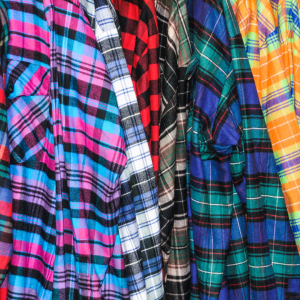
There’s nothing quite like cozying up in flannel pajamas during the winter season. Sewing and selling pajama sets in festive prints or plaid patterns can be a lucrative venture. Offer a range of sizes and styles, such as full-length pants with long-sleeved tops or shorts with tank tops. Pay attention to detail, ensuring comfortable and durable construction. Packaging these pajama sets in festive gift boxes or bags will make them even more appealing for holiday shoppers.

To achieve professional-looking pajama sets, we recommend using a walking foot or even-feed foot to ensure smooth and even stitching on the thick flannel fabric, preventing any shifting or puckering. A buttonhole foot is also essential for creating neat and precise buttonholes on pajama tops.

When selecting fabric options, opt for high-quality flannel in festive holiday prints or classic plaid patterns. Flannel is soft, breathable, and perfect for keeping warm while lounging or sleeping. To add a touch of holiday flair, consider decorative stitching or embroidery. You can add festive motifs like snowflakes, reindeer, or holly leaves to the pajama tops or bottoms. Choose complementary thread colors for the decorative stitching or embroidery, and opt for durable polyester or cotton threads for the construction and topstitching to ensure the pajama sets hold up well to regular wear and washing.

The holiday season presents a prime opportunity for sewing enthusiasts to turn their passion into a profitable venture. By creating and selling handmade items like decorative pillows, Christmas tree skirts, holiday-themed aprons, personalized stockings, and cozy pajama sets, you can tap into the market’s demand for unique and festive products. Remember to showcase your craftsmanship, pay attention to quality, and market your creations through online platforms, local markets, or social media. Embrace the joy of sewing while spreading holiday cheer and generating income during this magical time of year. Happy sewing and happy selling!

5 Wonderful Holiday Presents You Can Sew

The holiday season is the perfect time to embrace the joy of giving by creating heartfelt presents for your loved ones. Sewing personalized gifts not only adds a special touch to the celebrations but also allows you to express your creativity. Whether you’re a seasoned sewing enthusiast or a beginner looking for meaningful projects, we’ve got you covered with these five heartwarming holiday presents you can sew:

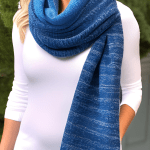
A warm and stylish flannel scarf makes for a thoughtful and cherished gift, ensuring your friends and family stay snug during the chilly months. To create this cozy accessory, opt for soft and colorful flannel fabric in either plaid or solid patterns, offering a classic yet trendy look. To enhance the scarf’s warmth and comfort, consider adding a layer of fleece as the backing, providing an extra layer of insulation. When stitching the layers together, utilizing a walking foot on your sewing machine ensures smooth and even stitches, preventing any shifting or bunching.

For that personal touch, explore the world of decorative stitches and experiment with scallops or waves along the edges of the scarf, adding a dash of uniqueness and creativity. Completing the ensemble, gift the scarf alongside a matching beanie or mittens, creating a delightful winter set that showcases your care and affection for the recipient!

Create beautiful quilted pot holders to add a touch of warmth and love to your family and friends’ kitchens! To start, opt for sturdy cotton fabric designed with festive holiday prints or vibrant colors, ensuring durability and visual appeal. Between the fabric layers, include insulating batting to provide effective heat protection, making these pot holders not only decorative but also functional.

Now, let your creativity shine by incorporating decorative stitching into your pot holder designs! Utilize an open-toe side quilting foot to have more control and flexibility while stitching unique patterns onto the fabric. You can experiment with various motifs such as holly leaves, snowflakes, or elegant swirls.

Complete the project by adding thoughtful finishing touches! Sew a loop for hanging on one corner, making it convenient for your loved one to store the pot holders when not in use. For a polished look, add decorative binding around the edges of the pot holders. This final step not only secures the layers together but also enhances the overall aesthetic, turning these practical gifts into joyful and eye-catching accessories that will brighten up any kitchen.

Create heartfelt memories with personalized fabric ornaments that will adorn your Christmas tree with love and warmth. Delve into a delightful mix of fabrics, such as felt, cotton, or repurposed scraps from previous projects, each offering a unique blend of colors and textures. The magic lies in the art of decorative stitching, where your sewing machine becomes a tool of creativity. Choose from an array of enchanting stitches, like stars, hearts, or letters, and let them grace the ornaments, turning them into truly special keepsakes.

To bring intricate beauty to the fabric shapes, embrace the technique of free-motion quilting. This method empowers you to add intricate details that will captivate the eye and touch the heart. Consider incorporating initials, names, or special messages into the design, making each ornament a personalized treasure for its destined recipient. The amalgamation of decorative stitches and free-motion quilting unveils a captivating display of craftsmanship, showcasing the love and care poured into each ornament. As you hang them on the Christmas tree, they will not only infuse the surroundings with festive cheer but also carry the essence of your affection, making them cherished symbols of the holiday season!

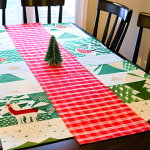
Elevate the festive ambiance of your loved ones’ dining tables by gifting them a beautifully crafted holiday-themed table runner. Embrace the versatility of cotton fabrics, choosing from an array of bright, cheerful colors or elegant metallic prints to suit their unique style. To infuse the table runner with visual charm, opt for intricate appliqué techniques, bringing to life delightful designs like Christmas trees, snowflakes, or stars. Your artistic flair will shine as you experiment with decorative stitches on your sewing machine, adding a touch of glamour and sophistication to the overall piece.

For a flawless finish, utilize the walking foot during the quilting process. This specialized presser foot helps to smoothly feed the multiple fabric layers through the sewing machine, preventing any shifting or puckering. As you quilt the layers together with precision, the holiday table runner will exude a polished and professional look, elevating the dining experience for your loved ones. With its festive design, impeccable stitching, and thoughtful creation, this holiday-themed table runner will undoubtedly become a cherished centerpiece, spreading joy and warmth during the holiday season.

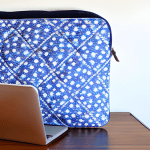
For your tech-savvy friends and family, a quilted laptop sleeve makes for a thoughtful and stylish gift. When crafting this practical accessory, opt for durable fabrics like canvas or denim for the exterior, ensuring it can withstand the rigors of daily use. For the lining, choose soft flannel or cotton to provide a gentle, protective touch to their laptops. To achieve neat and even stitching through the layers, utilize a walking foot during the sewing process. This special presser foot will help feed the fabric smoothly, preventing any shifting or bunching as you assemble the sleeve.

Enhance the laptop sleeve’s appeal with decorative stitching or free-motion quilting to add a personal touch. Get creative and create unique patterns, or even embroider your recipient’s favorite quotes, making the sleeve truly one-of-a-kind. Not only will the decorative stitching elevate its aesthetics, but it will also showcase the effort and love poured into its creation. To ensure their laptops stay safe and secure during travel, incorporate a secure zipper closure and a padded interior. This combination of functionality and style will make the quilted laptop sleeve a cherished and practical gift that your tech-savvy loved ones will appreciate every day.

As you embark on these heartwarming sewing projects, remember that the love and effort you pour into each creation will undoubtedly be cherished by your loved ones. Embrace your sewing machine’s features and get creative with different fabrics, presser feet, and decorative stitching to make these holiday presents truly special. Happy sewing and happy holidays!