Sewing Challenges Fixed in No Time!

Let’s talk about how sewing should be a creative and calming process, but sometimes just frustrates us. From puckered seams to skipped stitches or uneven lines, these common issues can leave you feeling stuck and ready to set your project in the “finish later” bin. But the good news is that most of these challenges can be solved in just a few minutes when you know the right adjustments to make. In this blog, we’ll walk through three of the most common sewing problems—puckering, skipped stitches, and uneven seams—and show you quick solutions you can apply right away.

1. Problem: Puckering

Puckering happens when fabric gathers unintentionally along a seam, often caused by using the wrong needle for the fabric. A fine, lightweight material like chiffon or voile needs a smaller, sharper needle that glides through cleanly, while sturdy fabrics like denim or canvas require a heavier needle built to handle thick layers. Using the wrong size can distort the fabric and create rippling seams.

Solution:

Match your needle to the fabric weight and adjust presser foot pressure accordingly. Lighter pressure prevents delicate fabrics from stretching or distorting, while heavier fabrics need firmer pressure to feed smoothly. JUKI machines make these adjustments quick and easy, so you can switch between projects without slowing down. Always test on a scrap first—once your settings are right, puckering can usually be solved in minutes, leaving your seams smooth and professional.

2. Problem Skipped Stitches

Now, skipped stitches are one of the most frustrating sewing problems because they interrupt the flow of a seam. Usually, a dull or bent needle is the most common culprit, but thread tension is often overlooked and can be the cause. If the thread isn’t seated properly in the tension discs, the machine won’t pull evenly, which can result in gaps where stitches should be.

Solution:

When threading your machine, it’s important to lift the presser foot first. This opens the tension discs, allowing the thread to slide in fully. Once the foot is lowered, the discs close and grip the thread to apply even tension. If you thread with the foot down, the thread sits on the outside of the discs instead of inside them, which leads to loose, inconsistent stitches.

Built-in features can help you manage skipped stitches more effectively. For example, needle up/down keeps your fabric anchored so you can pause and check tension without losing your place. Combined with correct threading and a fresh needle, this feature helps create consistent, reliable stitches across every seam.

3. Problem: Uneven Seams

Last, uneven seams are another issue that can affect both appearance and durability. Your fabric may drift away from the seam allowance line, especially on long seams or slippery materials. Using a seam or edge guide gives you a physical marker to follow, helping you maintain steady control and improve accuracy.

Solution:

Stitch length also plays an important role in seam quality. Short stitches on thick fabrics can look crowded and cause bunching, while long stitches on lightweight fabric can appear unbalanced and wobbly. Adjusting stitch length based on the material keeps seams looking clean and uniform. A quick test run on a scrap piece can help you find the right balance before sewing your final project.

Machine features like stitch memory allow you to save and repeat stitch settings, ensuring your adjustments stay consistent throughout a project. When combined with edge guides and precise stitch length, these tools make uneven seams much easier to manage. Instead of redoing your work, you’ll be able to correct and continue with confidence.

Quick Fixes with JUKI Features

While sewing challenges like puckering, skipped stitches, and uneven seams can appear on any project, the right features make them quicker to solve. Presser foot pressure adjustments, needle up/down, stitch memory, and automatic thread trimming all help reduce errors and make troubleshooting faster. Small corrections often take less than ten minutes when you have these options built into your machine.

This month, JUKI is highlighting two models in our promotion: the Kokochi DX-4000QVP with Expert Edition Bundle and the Akane MO-3000QVP. Available with 0% financing for 24 months through Synchrony, these machines combine advanced features with ease of use, helping sewists tackle projects with greater precision and creativity. The Kokochi DX-4000QVP EE is designed for versatile sewing and quilting, while the Akane MO-3000QVP brings professional-quality finishes to every seam.

For more guidance, please refer to your machine manual, visit our YouTube channel JUKIHomeSewing for tutorials,  or email us at home@juki.com with your questions. You can also connect with your local JUKI dealer for personalized support, classes, and training. With the right knowledge and tools, you’ll be able to tackle challenges quickly and keep your sewing process enjoyable!

Understanding Tension Like A Pro

When it comes to sewing, tension is one of those subtle but essential details that can elevate your work from homemade to professional. Proper tension ensures your stitches are even, your seams lie flat, and your finished pieces look polished and durable. For many sewists, understanding tension can feel intimidating, but it doesn’t have to be. With a clear grasp of how tension works and how to adjust it, you can handle a variety of fabrics, threads, and stitch patterns with confidence! Whether you’re tackling a delicate silk blouse or a heavy denim tote, knowing the right tension settings is a key skill for every sewist.

Even experienced sewers sometimes overlook tension until they run into issues like puckering, looping, or uneven stitches. Learning to recognize these signs and respond quickly not only saves time and frustration but also improves the quality of every project you make. By mastering tension, you’re not just fixing problems; you’re gaining control over your machine and your creativity. That’s why we’re diving into the basics of tension: what it is, when to adjust it, and how JUKI machines help you master it with ease.

Upper vs. Lower Tension

Sewing machines rely on two main sources of tension: the upper thread and the lower thread from the bobbin. Upper tension controls how tightly the top thread is pulled through the fabric, influencing how the stitch looks on the front. If it’s too tight, you might see puckering or fabric distortion; too loose, and loops may form on the underside.

Lower tension affects how the bobbin thread interacts with the upper thread. If the bobbin tension is off, the back of your fabric may show loops, uneven stitches, or weak seams. Understanding this balance is key to achieving neat, consistent stitching.

The relationship between upper and lower tension is like a dance; both threads need to work together smoothly. Even a small adjustment on one side can drastically affect stitch quality, especially when working with challenging fabrics or decorative stitches. Observing your stitches carefully and practicing with different settings can help you intuitively feel when adjustments are necessary. Over time, adjusting tension will become second nature, and you’ll be able to troubleshoot issues almost instantly.

When to Adjust

Tension isn’t static; it should change based on your fabric, thread, and stitch type. Lightweight fabrics like chiffon or silk generally need looser tension to prevent puckering, while thick or multiple-layered fabrics like denim or canvas benefit from slightly tighter tension for strong, balanced stitches. Threads also vary in thickness and elasticity, which can affect how the upper and lower threads interact. Specialty threads, such as metallic or decorative threads, often require fine-tuning to prevent breakage or uneven stitching.

Different stitch types can also demand tension adjustments. Straight stitches, zigzag stitches, decorative stitches, and quilting stitches all interact with the fabric in unique ways. For instance, a zigzag stitch on a stretchy knit may need looser tension than a straight stitch on woven cotton. By understanding when and why to adjust your tension, you’ll not only avoid common sewing issues but also enhance the durability and appearance of your finished projects.

JUKI Features That Make Tension Easy

Our JUKI machines come packed with features that make tension adjustments intuitive and stress-free. Manual tension dials allow precise control over the upper thread, giving you the flexibility to tweak your settings for different fabrics and threads. With clear markings and easy-to-turn dials, making adjustments is faster and less intimidating, even for beginners.

Many JUKI machines also include automatic tension systems, which take the guesswork out of stitching. These systems detect the fabric thickness and thread type, adjusting tension automatically for balanced, consistent stitches. This is particularly helpful for sewists who frequently switch between projects or work with tricky fabrics, ensuring professional results without constant manual adjustments.

Thread guides and setup recommendations further simplify the process. JUKI machines provide clear threading paths and tension suggestions for a variety of stitch types. Even when using decorative or specialty threads, these guides help prevent common issues like skipped stitches or thread breakage. By combining manual control, automatic assistance, and helpful guides, JUKI machines make mastering tension far more approachable for all skill levels.

JUKI Machines for Tension Control

If you’re ready to take your sewing to the next level, two JUKI machines stand out for their advanced tension features and user-friendly design. The Kokochi DX-4000QVP EE, computerized sewing machine, offers innovative technology, including intuitive settings and automatic adjustments that make handling tension easy, even on complex projects. For sewists who love overlock serging, the Akane MO-3000QVP delivers precision and versatility, ensuring clean, balanced stitches across a variety of fabrics.

Both machines are built with JUKI’s quality engineering, giving you the confidence to explore new techniques without the worry of uneven stitches or constant troubleshooting. And this month, they’re more accessible than ever; available with 0% financing for 24 months through Synchrony at your nearest dealer. It’s the perfect time to invest in a machine that will grow with your skills while simplifying the tension process.

Mastering tension is possible! The best way to learn is through practice. Experiment with different fabrics, threads, and stitch types, and watch how small adjustments can transform your results. Learn better with visuals? Check out our YouTube Channel here and locate your machine’s playlist! We cover tension and machine setups to help you get started on your next project.

Holiday Sewing on a Budget

The holidays are the perfect time to celebrate creativity, generosity, and the joy of making something by hand. Sewing your gifts adds a personal touch that can’t be found in store-bought items, and the best part is—you don’t have to spend a lot to create something beautiful. With thoughtful planning, clever use of your sewing stash, and the right tools, you can make festive, heartfelt presents while keeping your budget in check. Holiday sewing on a budget is about turning what you already have into something magical.

There’s a special joy in creating with intention and making every piece of fabric or trim count. When you approach your projects with a budget-friendly mindset, you unlock new opportunities for creativity. Instead of focusing on what you need to buy, you get to reimagine what’s already at your fingertips. Scraps become treasures, old materials are given new life, and every stitch becomes part of a story. This season, budget-friendly sewing isn’t about limitation—it’s about discovering new ways to bring your vision to life.

Use What You Have

Your sewing space is likely full of hidden gems just waiting to be rediscovered. That stack of leftover fabrics, trims tucked away in a drawer, and notions from past projects all hold potential. With a little imagination, you can transform them into gift bags, festive coasters, or handmade ornaments. Repurposing what you already own not only stretches your budget but also gives your gifts character and uniqueness that no store-bought item could match.

Even the smallest details, like lace from an older project or buttons saved from a shirt, can be the finishing touch that makes your handmade gift stand out. By embracing what you already have, you reduce costs while giving sentimental value to each project. These materials aren’t just supplies; they’re memories and creative sparks that bring extra heart to your holiday creations.

Minimize Waste

Once you’ve chosen your materials, the next step is making the most of them. Thoughtful cutting layouts help you maximize every inch of fabric, while project planning ensures you get multiple items from the same yardage. Larger scraps can be set aside for patchwork or linings, and the tiniest offcuts can still shine as appliqués, quilt pieces, or embellishments.

This approach not only saves money but also promotes eco-friendly sewing. By repurposing leftovers into ornaments, gift tags, or small accessories, you’re turning what might have been tossed aside into meaningful extras. Sewing with intention helps you stretch your supplies further while also celebrating sustainability during the holidays.

Maximize Your JUKI Machine Features

Your JUKI sewing machine is a partner in bringing your budget-friendly ideas to life. With its wide variety of stitch options, you can take the simplest fabrics and transform them into gifts that look refined and polished. For example, a plain square of fabric can become a personalized drawstring bag just by adding decorative borders or playful stitch patterns. Every stitch becomes a design choice, helping you create special gifts without the need for extra embellishments.

Features like needle up/down, automatic thread cutting, and easy stitch adjustments also make sewing more efficient and enjoyable. When you’re upcycling or repurposing old garments, these tools help you work with confidence and speed. A shirt that no longer fits can quickly become a tote bag or pillow cover when your machine handles tricky seams with ease. With JUKI’s thoughtful design, you get more done in less time, giving you the freedom to focus on creativity rather than complication.

For those who want to elevate their holiday sewing, JUKI offers not only an array of decorative and functional stitches but also specialty accessory feet that add unique finishing touches. The beading foot makes it easy to add sparkle with strands of beads or sequins, while the piping foot allows you to sew crisp, professional-looking edges on pillows, bags, or garments. Ruffle and gathering feet help you create volume and detail for festive projects like holiday skirts, table décor, or gift wrap embellishments. These accessories open up even more creative possibilities, all while working with materials you already have on hand. By combining stitch variety with these specialty feet, you can create polished, one-of-a-kind gifts without buying extra trims or costly embellishments.

Machine Options that Stretch Your Creativity

If you’re thinking about adding a new machine to your sewing room, now is the perfect time! The Kokochi DX-4000QVP EE makes holiday sewing effortless with its intuitive touch screen, hundreds of stitch patterns, and advanced settings that let you customize every detail. From quilting to garment-making, this machine gives you the flexibility to create polished gifts using the fabrics you already own.

On the serging side, the Akane MO-3000QVP shines for finishing edges, working with knits, and tackling multiple layers. With air threading and automatic tension adjustment, it makes sewing faster, smoother, and more fun. From cozy scarves to reusable fabric bags, the Akane helps you achieve professional-quality results that stretch your materials further. With the Kokochi and Akane, you can unlock more ways to create stunning holiday projects while staying resourceful.

Sewing on a budget isn’t about doing less; it’s about finding joy in doing more with what you have. With your creativity, your JUKI machine, and a little planning, you can design gifts that are personal, memorable, and full of heart. The process itself becomes part of the celebration, giving you the chance to slow down, enjoy your craft, and make something truly special.

This season, let your sewing room be the place where fabric scraps turn into treasures, and where thoughtful stitches carry the spirit of the holidays. For more inspiration, visit our projects page here to find ideas that use small pieces or leftover fabrics. And if you’re ready to expand your sewing possibilities, the Kokochi DX-4000QVP EE and Akane MO-3000QVP are here to help, with 0% financing for 24 months through Synchrony this month only at participating dealers. With the right machine and a creative mindset, holiday sewing on a budget can be your most joyful tradition yet!

Elevate Your Sewing with JUKI

Sewing is more than just a craft; it’s an outlet for expression, creativity, and skill! The right sewing machine transforms ideas into beautifully finished projects. , and that’s exactly what JUKI machines are designed to do. With built-in features and thoughtful accessories, they make sewing easier, more precise, and more enjoyable. Whether you’re sewing garments, quilts, or household items, these built-in tools ensure your projects reflect the care and creativity you put into them.

When investing in a sewing machine, the features included straight out of the box make all the difference. JUKI machines like the DX and NX series (including our new DX-4000QVP EE) are equipped with solutions for your everyday sewing needs and help you explore techniques with confidence.

Sensor Buttonhole: Consistency Every Time

Buttonholes can be tricky, especially when working with different fabric weights or layering. The sensor buttonhole feature takes the guesswork out of this process. By automatically adjusting to the fabric thickness and button size, it ensures that every buttonhole is stitched evenly, cleanly, securely, and quickly.

Zipper Foot: Smooth Installation

Installing a zipper doesn’t have to be intimidating! The zipper foot transforms this tricky step into a smooth and manageable process. Designed to sit close to the zipper teeth, it allows you to sew precise, straight stitches without fabric shifting or bulk getting in the way. Perfect for garments, bags, and pillows, this tool makes zipper installation faster, stronger, and more accurate!

Decorative Stitch Patterns: Built-In Creativity

Sewing isn’t just about construction; it’s also about creativity and adding your personal touch. JUKI machines offer a wide variety of decorative stitches that can easily elevate the look of your projects with the press of a button. From delicate accents to bold designs, these stitches allow you to experiment freely and make each project uniquely yours.

Machines That Deliver It All

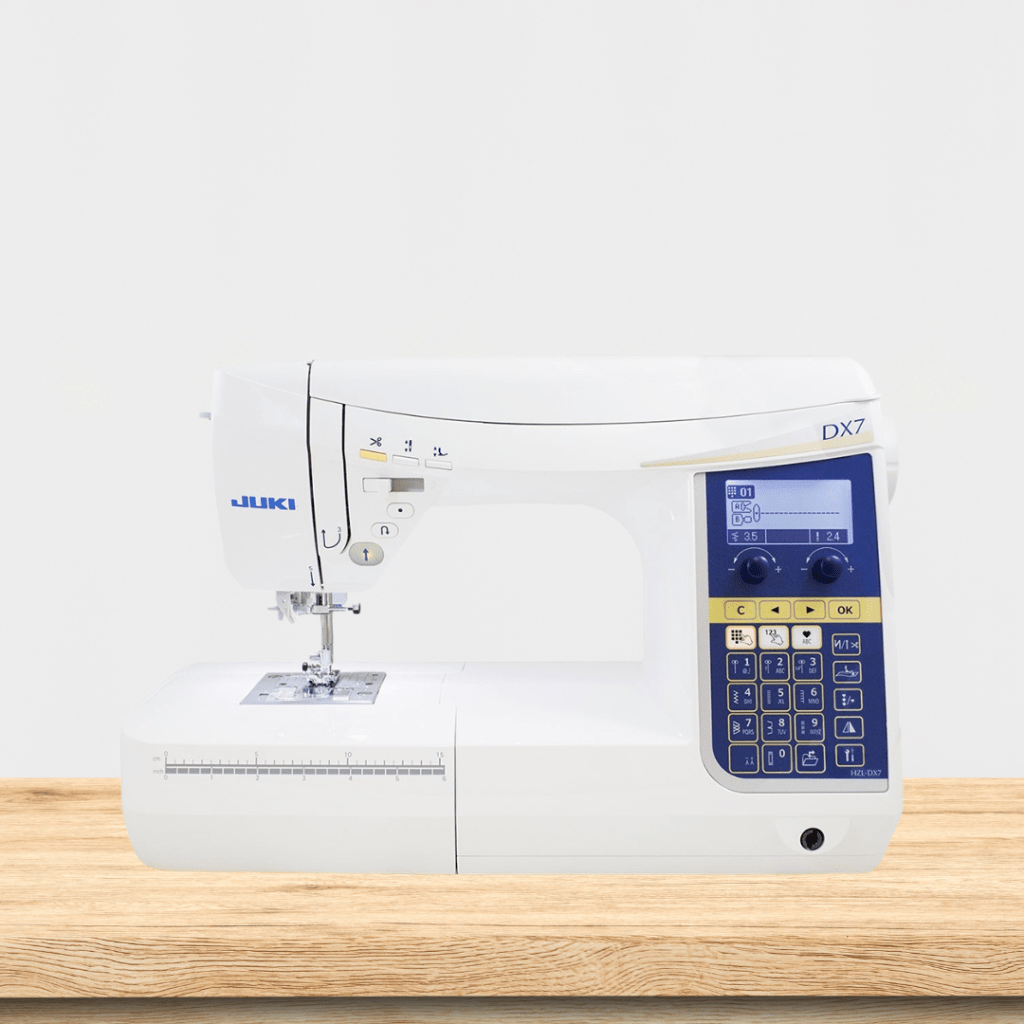
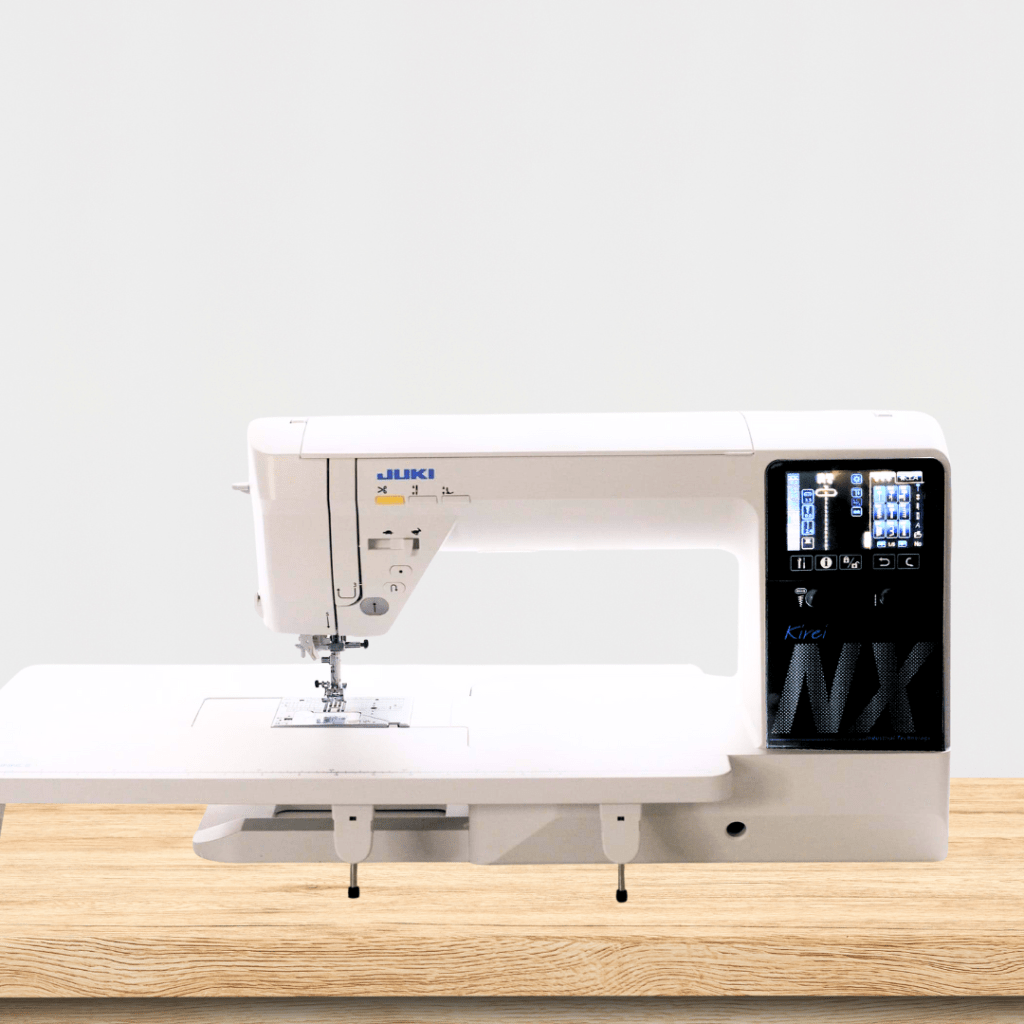
Now that we’ve explored the features that make sewing easier and more creative, let’s look at the machines where you’ll find them. The HZL-DX5, HZL-DX7, and HZL-NX7 combine these tools to provide sewists with everyday versatility and professional-quality results. These models shine in garment construction, home projects, and detailed finishing, offering a balance of power and ease of use that makes sewing enjoyable and precise. With built-in features like the sensor buttonhole, zipper foot, and a library of decorative stitches, they provide the tools needed to take on a wide range of creative projects.

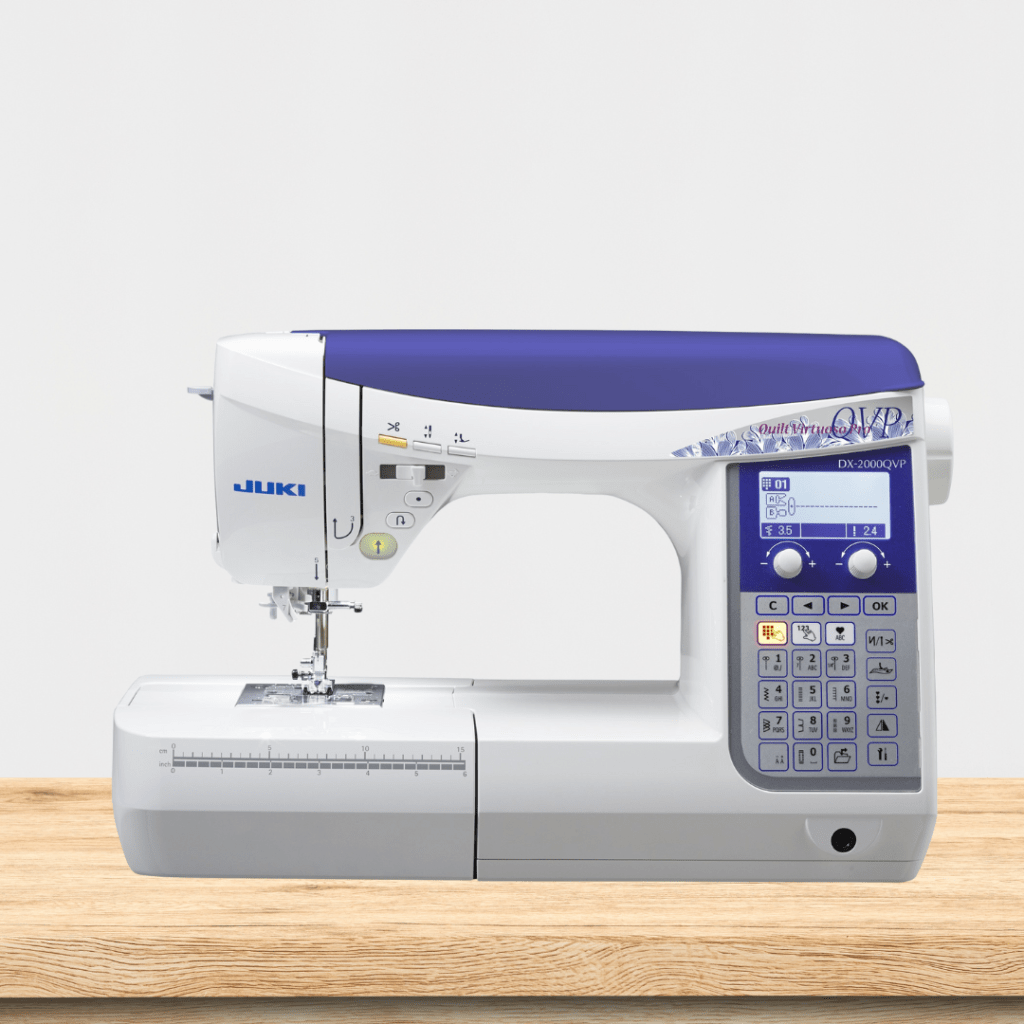
For those who love quilting, the DX-2000QVP and DX-3000QVP are equipped to handle larger, more detailed projects with ease. With features that support free-motion quilting, precise piecing, and advanced stitch control, these models are tailored for quilters who want flexibility and performance in one machine.

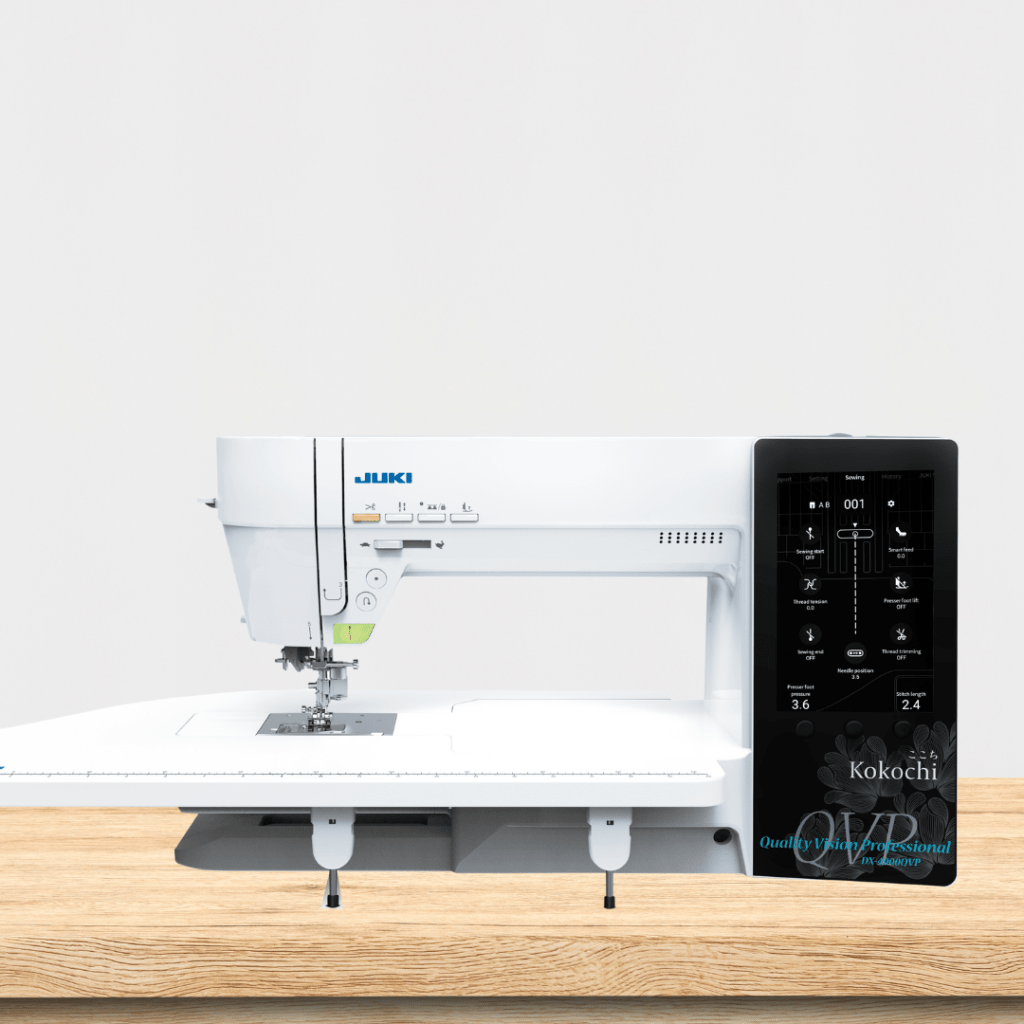
Finally, at the top of the series is the DX-4000QVP EE. As our latest advanced model, the EE edition combines innovation, intuitive operation, and robust performance. Built to inspire creativity while supporting ambitious projects, it offers everything sewists need for both sewing and quilting. The DX-4000QVP EE brings together JUKI’s finest technology to deliver results that elevate every project, and is only here for a limited time!

Adding the Button Sewing Foot

While these machines come packed with features, there’s one accessory that’s not included that we have to mention: the button sewing foot! Available as an attachment for all the above models, this accessory streamlines the process of securely attaching buttons by machine. Instead of hand-sewing each button, you can achieve strong, consistent results quickly and with minimal effort.

For those who regularly create garments, jackets, or home items with button details, adding the button sewing foot expands your sewing possibilities even further. Paired with the sensor buttonhole, it completes your button-finishing toolkit, ensuring your projects have both polished openings and securely fastened closures.

With advanced features, optional accessories, and models built for every skill level, JUKI machines grow with you and your creativity. Wherever your sewing takes you, JUKI provides the reliability, innovation, and support to make it happen.

Learn more about our JUKI machine by visiting your nearest dealer here and seeing it in action!

Create Your Boo-Buddy with JUKI!

Halloween sewing projects are some of the most fun to create because they bring imagination to life in such a playful way! This time we have a Boo-Buddy project that is simple, eye-catching, and quick. It’s the perfect project to bring a touch of handmade charm into your seasonal décor.

Whether you use your ghost as a wall hanging, window decoration, or a festive toy, it’s a craft that instantly adds spirit to your home. In this blog, we’ll share the inspiration behind the project and how to create your own!

The Inspiration Behind the Project

When it comes to Halloween sewing, inspiration can come from just about anywhere: costumes, decorations, and classic spooky characters. Ghosts are timeless, easy to personalize, and instantly recognizable. With just a bit of fabric and thread, you can create a playful design that fits your style.

Want a friendly ghost to greet trick-or-treaters? Add a big smile or rosy cheeks. Looking for something a little spookier? Try darker fabrics, dramatic eyes, or even glow-in-the-dark thread. Each ghost tells its own story, making this project fun to repeat year after year.

Family Friendly Spooks

One of the best things about this ghost project is that it’s incredibly family-friendly. Children can join in by sketching their own ghostly faces, cutting out paper templates, or even helping pick fabric scraps to bring their characters to life.

This also makes it a wonderful introduction for kids to see how sewing goes beyond garments; it’s about crafting, storytelling, and making memories. Parents can take care of the machine stitching while little ones handle safe tasks like tracing, designing, or choosing embellishments — and the quick process keeps everyone engaged with instant results.

Creating the Boo-Buddy

Bringing your Boo-Buddy to life is all about creativity and personality. Starting with a simple base shape cut from soft, sensory-friendly fabrics like fleece, you can layer two pieces together and add a face that’s uniquely yours. The ghost comes with different style options, but you can freehand a design or let kids draw their own expressions, making each Boo-Buddy completely one-of-a-kind. As you shape and stuff the layers, clipping the curves and adjusting the edges ensures a soft, rounded form that really pops. Press play below to start working on yours today!

The DX-2000QVP maintains smooth and precise stitching, making appliqué, curved seams, and topstitching simple, so you can focus on the creative details. By the end, you’ll have a cuddly Boo-Buddy that’s perfect for decorating, gifting, or simply celebrating the season!

Create Your Own Boo Buddy Today!

This project proves sewing doesn’t have to be complicated! Sometimes the best makes are quick, creative, and fun. So, whether you’re looking to fill your home with handmade charm, keep the kids entertained with a creative activity, or simply enjoy a quick sewing project for yourself, this ghost design is a boo-tiful way to celebrate the season!