From Fiber to Fabric with JUKI

Immersing ourselves in a new hobby may lead us to questions we never thought of asking! For example, at the heart of our beloved sewing and quilting projects lies fabric, the canvas upon which sewists and quilters weave their magic. But have you ever wondered about your fabric’s journey before it reaches your fingertips?

Here, we’ll cover the fascinating fabric creation process, where raw fibers transform into the vibrant materials that inspire our projects! Whether you’re a seasoned sewist or just starting, understanding this journey adds a new layer of fascination to your crafting experience.

Let’s Talk Fibers
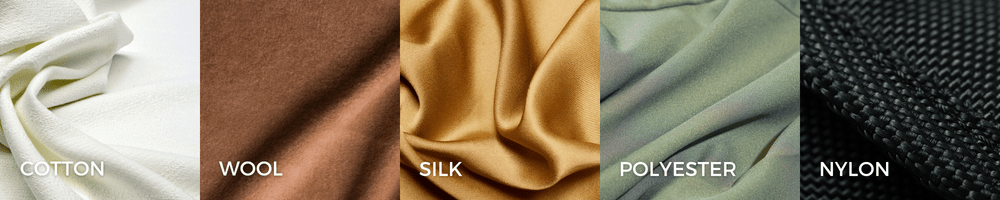
Natural fibers, such as cotton, wool, and silk, are sourced from plants or animals. Cotton cultivation occurs primarily in warm climates where mature cotton bolls are picked from the plants and then subjected to ginning. This process separates the fibers from the seeds and other impurities.

Wool is obtained through shearing sheep. It’s followed by cleaning the wool to remove dirt and grease, carding to align the fibers, and optional dyeing for coloration. Silk production involves rearing silkworms, harvesting their cocoons, boiling cocoons to soften the sericin coating, and then reeling the silk filaments to produce yarn.

Then, we have synthetic fibers like polyester and nylon, made from oil-based chemicals. Polyester is created by combining small molecules from petroleum, a process called polymerization. These combined molecules are then melted and pushed through tiny holes called spinnerets to form long strands of fibers.

Nylon goes through a similar process where specific chemicals derived from petroleum are mixed to form polymers, which are then pushed through spinnerets and cooled down to create nylon fibers. Essentially, polyester and nylon are made by melting oil-based ingredients and shaping them into fibers.

These processes highlight the contrasting methods of obtaining raw materials for natural and synthetic fibers, each contributing to the diverse range of products available in the textile industry!

Spinning

After the fibers are harvested from natural sources or synthesized from petrochemicals, the next step in the textile production process is spinning them into yarn! The spinning process involves aligning the fibers and twisting them together, forming a continuous thread. This process is crucial as it imparts strength and coherence to the yarn!

Several methods of spinning are employed in the industry. One method is ring spinning, a traditional technique for producing fine, strong yarn. The fibers are drawn out, twisted, and wound onto a bobbin in a ring spinning.

Another method is open-end spinning, a faster alternative that results in bulkier yarn. In open-end spinning, the fibers are fed into a rotor that rotates rapidly, pulling and twisting them together to form yarn. Each spinning method offers distinct advantages and is chosen based on the final yarn’s desired characteristics and the production efficiency required.

Dyeing

Dyeing is the next process in textile manufacturing, where color and patterns are infused into yarn or fabric. This step is versatile and can be carried out at different stages of production!

Fiber dyeing, also known as stock dyeing, is a method in which the fibers are dyed before being spun into yarn. This approach ensures uniform coloration throughout the yarn and fabric.

Yarn dyeing, in contrast, involves dyeing the yarn after it has been spun. It is commonly employed for creating patterned fabrics using different colored yarns.

Lastly, piece dyeing occurs after the fabric is woven or knit. In this method, the entire fabric piece is submerged in a dye bath, allowing for the uniform application of color.

Each dyeing method offers distinct advantages in color control, efficiency, and flexibility, catering to various requirements in the textile industry!

Weaving and Knitting

Following the dye production stage for yarn, the process advances to transforming yarn into fabric, achieved through either weaving or knitting techniques.

Weaving is a method that entails interlacing yarns at right angles to form a fabric. Basic weave patterns such as plain, twill, and satin are commonly utilized. Each imparts distinct characteristics to the resulting fabric, including texture, durability, and appearance. The chosen weave directly influences the fabric’s properties, like its drape, strength, and surface finish.

Knitting involves interloping yarns to create fabric. Knitted fabrics, like jerseys and rib knits, are known for their elasticity and stretchability, which distinguishes them from woven fabrics. The knitting process offers versatility in fabric design and texture and variations in stitch patterns, allowing for the creation of diverse fabric structures and surface effects.

Each technique—weaving and knitting—contributes to the spectrum of fabrics available in the textile industry, catering to various applications and consumer preferences.

Finishing

After the fabrication process through weaving or knitting, the next stage is the finishing process, which enhances the fabric’s appearance, texture, and longevity.

Mechanical finishes use techniques like brushing, which raises the fabric’s surface fibers for a softer feel and enhanced texture. Calendaring involves the application of heat and pressure to smooth the fabric’s surface, creating a fantastic sheen and improving the feel when you pass your hand on the fabric. Embossing creates decorative patterns or textures on the fabric’s surface, adding an excellent aesthetic appeal.

We also have chemical finishes, including treatments to boost the fabric’s functionality. These treatments include applications for water repellency, ensuring the fabric repels water and remains dry in wet conditions. They also have wrinkle-resistance treatments that minimize creasing and maintain the fabric’s smooth appearance. Chemical finishes may also include flame inhibitor treatments to enhance the fabric’s resistance to ignition and combustion, making it safer for wear.

Together, these finishing processes are crucial in refining the fabric’s characteristics, making it more visually appealing, comfortable, and functional for its intended use!

Cutting and Sewing

Once the fabric is finished, it is prepared for the final production stage: pattern making and assembly into textile products. This phase begins with pattern making, creating templates for the desired item. These patterns serve as guides for accurately cutting the fabric into individual pieces. The fabric is then carefully selected to meet the project’s specific requirements. This involves considering factors such as fabric type, weight, color, and pattern.

Once the fabric is chosen, it is distributed to local quilt and sewing shops, where it becomes available for purchase by creators like you! These shops are hubs for enthusiasts and professionals, providing various fabrics, notions, and tools for sewing and quilting projects.

Understanding the fabric creation process allows you to choose the best materials for your sewing and quilting projects. Each step, from harvesting raw materials to sending the final product to your favorite dealers, plays a crucial role in the quality and characteristics of the final fabric. The next time you start a project, take a moment to appreciate the journey your fabric has taken to reach your hands. Check out your nearest JUKI dealer and see the fabrics available here! Happy sewing and quilting!

Creating Your Studio with JUKI

In this blog post, we’ll cover three different projects you can create today for your sewing studio! Whether you’re a seasoned sewist looking to enhance your workspace or a beginner eager to add unique touches to your sewing kit, crafting your sewing essentials is rewarding and practical. From handcrafted pincushions and customized pattern weights to personalized sewing machine covers, we’ll talk about how to create these indispensable tools with ease and flair.

These DIY projects help you tailor your sewing supplies to your specific needs and infuse your workspace with a sense of individuality and style. With the right materials and a reliable sewing machine like your JUKI, you can elevate your sewing experience and enjoy creating tools that are uniquely yours!

Pincushions have become indispensable tools for sewists over the decades, providing a convenient way to keep needles and pins close at hand during projects. Using a compact sewing machine like the JUKI HZL-F300, crafters can elevate these humble accessories into works of art. The HZL-F300 offers diverse stitch options so that you can decorate your cushions and precise stitching capabilities to make those intricate designs a breeze.

We recommend using the JUKI Standard Presser Foot to ensure smooth fabric feeding and stitch accuracy. Optimal fabric choices like medium-weight cotton or linen offer stability and versatility for crafting durable and stable pincushions. For the inside of your cushion, we recommend the following.

  1. Polyester Fiberfill: This synthetic stuffing material is lightweight, resilient, and retains its shape, making it ideal for pincushions.
  2. Crushed Walnut Shells: Natural and environmentally friendly, crushed walnut shells provide weight to keep the pin cushion in place and prevent it from sliding around.
  3. Emery Sand: Often used in combination with other filling materials, emery sand is abrasive and helps to sharpen and clean pins and needles as they are inserted and removed from the pincushion.
  4. Fabric Scraps: Some sewists use fabric scraps or trimmings as filling for their pincushions, especially if they want to add extra bulk or customize the weight of the pincushion.
  5. Rice or Sand: These materials can also add weight to the pin cushion, but they may provide less stability or durability than other options.

Ultimately, the choice of filling depends on personal preference and the desired characteristics of the pin cushion.

Modern sewists have also transformed pincushions from functional tools into personalized expressions of creativity. Sewists can infuse their pincushions with unique flair and character by incorporating customized touches such as embroidery, applique, or fabric embellishments. Sewists can take it a step further by adding a wrist attachment to provide a convenient way to wear the pincushion while creating, offering functionality and style!

With the right combination of materials and design elements, handcrafted pincushions become cherished companions for sewists, helping you create clean and organized projects.

Next, we recommend creating your own set of fabric weights. Fabric weights emerged as an alternative to traditional pins for holding the fabric in place during cutting and sewing, offering advantages like preventing fabric distortion, speeding up the process, and enhancing safety.

Fabric weights can be created for use on various fabric types, from delicate silks to heavyweight denim, and they have become an essential tool for both professionals and hobbyists seeking efficiency and precision in their sewing projects.

For those wanting to create their own set, the JUKI TL Series is a top option. Their robust motor and high-speed stitching capabilities effortlessly tackle multiple fabric and heavy materials layers. With the JUKI Even Feed Foot, this machine ensures consistent fabric feeding, preventing shifting and puckering during sewing. We recommend adding closures or decorative elements to your fabric weights with the JUKI Zipper Foot.

We recommend aiming for a weight of around 4 to 8 ounces (113 to 227 grams) per weight. This weight provides enough stability to hold the fabric in place without being too heavy or cumbersome to handle.

For fabric choice, opt for sturdy materials like canvas, denim, or upholstery fabric. Their weight provides ample stability for holding patterns and fabrics in place while cutting, ensuring accuracy and precision in every project. These fabrics also offer durability and strength, essential for pattern weights that withstand frequent use. With the right materials and equipment, DIY fabric weights can easily be created and become essential tools for sewists, streamlining the cutting process and enhancing the quality of your projects!

Last, we want to discuss creating a sewing machine cover for your machine. These protect your machine from dust, scratches, and potential damage. They also help to keep your workspace tidy and add a personalized touch to your sewing area. When selecting fabric for sewing machine covers, prioritize durability and longevity. Fabrics like twill, duck canvas, or denim offer superior protection while adding a touch of sophistication to any sewing space. Quilted padding or interfacing provides extra cushioning and structure, ensuring your sewing machine remains safe and stylish.

To ensure a perfect fit, measure your sewing machine’s dimensions carefully, including height, width, and depth. Add a few inches to each measurement for ease and seam allowances. This attention to sizing ensures that the cover will fit comfortably and securely over your machine, providing maximum protection.

Crafting personalized sewing machine covers is a breeze with the JUKI HZL-DX7 sewing machine. Its advanced features, including automatic thread trimming and customizable stitch settings, empower crafters to create professional-quality covers with precision and ease.

Pairing seamlessly with the JUKI Walking Foot, this machine effortlessly sews through multiple layers of fabric and thick padding, ensuring durability and sturdiness in every cover. You can also add decorative details with the JUKI Edge Stitch Foot. By combining the right materials and accessories with the JUKI HZL-DX7, crafters can create personalized covers that protect their sewing machines and elevate the aesthetic of their sewing area.

Having items like pincushions, pattern weights, and sewing machine covers in your sewing studio is essential for maintaining an organized, efficient, and aesthetically pleasing workspace. These tools enhance the functionality and ease of your sewing projects and add a personal touch to your creative environment.

By creating these pieces yourself, you can tailor them to your specific needs and preferences, ensuring they meet your unique requirements. Crafting your sewing tools allows for size, fabric choice, and design customization, making them practical and reflective of your personal style! Making these items can be a rewarding and enjoyable experience, further connecting you with your craft. With the right materials and the help of reliable equipment like your JUKI, you can create high-quality, personalized tools that will serve you well in all your sewing endeavors!

JUKI Tip: Adjusting Your Ruler Foot

Welcome to another tip with JUKI! Presented by our National Account Trainer Alba, we’re going to talk about quilting and our JUKI Ruler Foot for the TL Series.

In this video, we’re working on the JUKI TL-18QVP Semi-Industrial Sewing Machine and using our optional accessory the Ruler Foot. In this tip, we’re going to show you how to adjust that ruler foot for perfect stitching. You may notice that when you put your ruler foot on your machine it’s really high above your fabric and you never want to do that.

You really want the height of a credit card, a hotel key, or a thin plastic sheet and as you watch the video, you’ll see there’s a lot of height to start us off with, but the ruler foot has a screw on the side that you can turn and that will raise and lower your presser foot. Using your hotel card, or thin plastic sheet, will help you get that height you need and you’ll want to be where that credit card barely skims the bottom of that foot.

What this does is, as the needle goes up and down it prevents the fabric from bouncing and gives you those perfect stitches you want on your free motion quilt projects.

What tip do you want to see next? Let us know in the comment below!

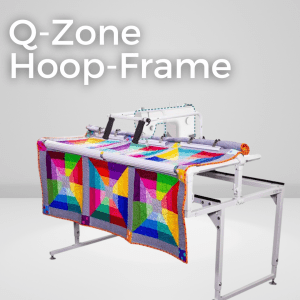
Introducing the Q-Zone Hoop-Frame

Quilting enthusiasts, rejoice! JUKI has unveiled its latest innovation designed to revolutionize your quilting experience: the Q-Zone Hoop-Frame. If you’re passionate about quilting but have felt limited by traditional frames, the Q-Zone Hoop-Frame offers a simple, affordable, and versatile solution. Let’s talk about what you can expect to see on this machine!

Compact Design: One of the most impressive aspects of the Q-Zone Hoop-Frame is its compact design, which is 4.5 feet wide. This frame fits snugly into your workspace without monopolizing valuable room. Whether you have a dedicated quilting studio or a corner of your living room, the frame seamlessly integrates into your environment, allowing you to quilt without feeling cramped or restricted.

The compact size also makes the Q-Zone Hoop-Frame ideal for quilters with limited space. If you live in a small apartment or have a cozy crafting nook, this frame offers all the benefits of a larger quilting setup without sacrificing precious square footage.

Freedom of Movement: Traditional sewing machines have their limitations when it comes to quilting. They guide fabric in a single direction, restricting your creativity and making intricate designs challenging to achieve. However, with the Q-Zone Hoop-Frame, those limitations vanish!

The Q-Zone Hoop-Frame empowers you with unparalleled freedom of movement. Instead of being confined to straight lines or simple patterns, your machine glides effortlessly over the fabric in any direction. Whether creating delicate swirls, intricate feathers, or flowing waves, the Quilt EZ allows you to unleash your creativity and quickly bring your vision to life.

Smooth Motion: One of the keys to successful free-motion quilting is smooth, uninterrupted movement, and Q-Zone Hoop-Frame excels in this area, providing a seamless quilting experience that feels like drawing with a pen on paper but on fabric!

By disabling the feed dogs on your JUKI sewing machine and placing the sewing machine on the Q-Zone Hoop-Frame carriage, you’ll experience effortless movement across the fabric. The carriage glides smoothly along the frame, allowing you to focus on your stitching without worrying about jerky or uneven movement.

This smooth motion is essential for achieving professional-quality results. Whether you’re quilting at high speeds or working on intricate details, the Q-Zone Hoop-Frame ensures that your stitches are even, consistent, and beautifully executed.

Use Your Machine: One of the most appealing aspects of the Q-Zone Hoop-Frame is its compatibility with a wide range of quilting machines. Whether you own a domestic sewing machine or a specialized long arm with up to a 19-inch throat space, the Q-Zone Hoop-Frame can accommodate your needs.

This compatibility makes the Q-Zone Hoop-Frame accessible to quilters of all levels, from beginners to seasoned professionals. Whether you’re just starting your quilting journey or looking to upgrade your existing setup, the Q-Zone Hoop-Frame offers the perfect combination of versatility, performance, and ease of use.

Adjustable Depth: The Q-Zone Hoop-Frame is designed to adapt to your specific quilting needs, offering adjustable depth to tailor the working area of the frame to suit your machine. Whether using a home sewing machine or a midarm machine, you can adjust the frame’s depth accordingly. This flexibility ensures that you can quilt comfortably and efficiently, regardless of the machine you’re using.

Work Sitting or Standing: The Q-Zone Hoop-Frame is designed to accommodate your preferred quilting style, whether you prefer quilting while seated or standing. Its versatile design allows you to adjust the frame to the perfect height for your comfort, ensuring an enjoyable quilting experience every time.

If you prefer to quilt while seated, the frame’s small footprint allows you to comfortably reach both ends of your quilt. This ensures that you can quilt with ease without straining or stretching, allowing you to focus on your stitching.

Alternatively, if you prefer to quilt standing up, the frame can be adjusted to a height that suits you. This adaptability allows you to quilt in the position that feels most natural and comfortable, reducing fatigue and allowing you to quilt for more extended periods without discomfort.

What’s Included: The Q-Zone Hoop-Frame has everything you need to start your quilting journey. The package includes a carriage, quilt clips, and bungee clamps, providing you with the essential tools for successful quilting.

If you’re ready to take your quilting to the next level, the Q-Zone Hoop-Frame is the perfect companion for your creative journey! Say goodbye to limitations on quilt size and hello to effortless zone quilting. With its compact design, versatility, and user-friendly features, this frame empowers you to bring your quilting dreams to life like never before!

To learn more about the Q-Zone Hoop-Frame, visit your nearest dealer here!

JUKI’s Summer Sewing Guide

Welcome to our guide on sewing for warm weather and beating the heat! As summer’s golden rays bring us outdoors, it’s time to embrace the season with a wardrobe that’s both stylish and comfortable. Crafting garments for warmer temperatures requires more than just selecting the right fabrics. From ensuring breathability to incorporating clever ventilation features, mastering the art of summer sewing is essential for staying cool and chic in the heat.

In this blog, we’ll dive into practical tips and techniques to help you conquer the challenges of sewing for warm weather. Whether you’re a seasoned seamstress or just starting your sewing journey, our expert advice will equip you with the knowledge and skills needed to create lightweight, breezy garments that keep you feeling fresh and fabulous all summer long! So, grab your sewing machine, stock up on breathable fabrics, and let’s beat the heat together with style and flair!

Choose the Right Fabrics

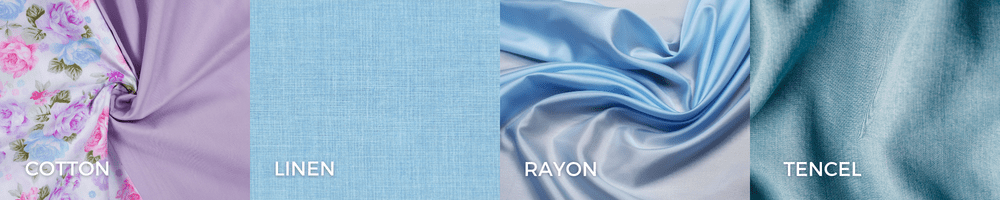
Choosing the right fabrics is paramount when creating summer wardrobes that keep you feeling fresh and comfortable. In the scorching heat of summer, breathability is vital to ensuring your garments remain airy and cool, allowing for ample air circulation to prevent overheating. Lightweight materials such as cotton, linen, rayon, and lightweight knits emerge as the champions of summer sewing, offering a perfect blend of style and functionality. Here are four fabulous fabrics perfect for warm-weather garments:

  1. Cotton: A timeless favorite, cotton is celebrated for its softness, breathability, and moisture-wicking properties. This natural fiber circulates air freely, keeping you cool and comfortable even on hot days. Whether you’re sewing breezy tops, lightweight dresses, or casual shorts, cotton is a versatile choice that never disappoints.
  2. Linen: With its crisp texture and excellent breathability, linen is a staple fabric for summer attire. Known for its ability to absorb moisture and quickly release it into the air, linen keeps you cool and dry in humid conditions. From airy shirts to relaxed trousers, linen garments exude laid-back elegance perfect for warm-weather days.
  3. Rayon: A synthetic fiber made from natural cellulose, rayon combines the luxurious feel of silk with the practicality of cotton. This lightweight and breathable fabric drapes beautifully, making it ideal for flowy dresses, blouses, and skirts. Rayon’s moisture-absorbing properties ensure you stay comfortable and stylish throughout summer.
  4. Tencel (Lyocell): Made from sustainably sourced wood pulp, Tencel is an eco-friendly fabric renowned for its softness, breathability, and moisture-wicking abilities. With its smooth and silky texture, Tencel drapes elegantly and feels cool against the skin, making it perfect for creating chic summer ensembles. Whether you’re sewing relaxed jumpsuits, airy blouses, or lightweight trousers, Tencel is a luxurious yet practical choice for warm-weather garments.

Use Lightweight Interfacing

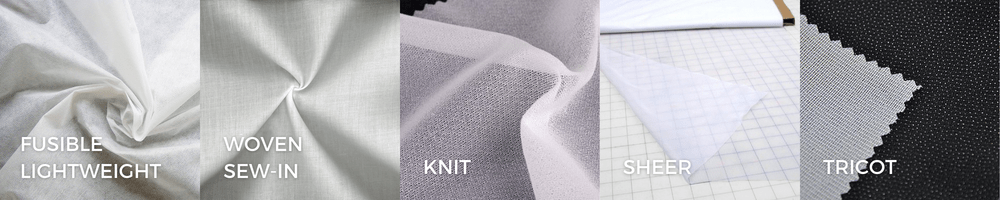
When sewing summer garments, it’s essential to use lightweight interfacing to maintain the drape and breathability of the fabric. JUKI sewing machines offer a range of options for applying interfacing with precision and ease, ensuring that your garments retain their lightweight feel while still providing the necessary structure and support. When it comes to interfacing options for summer garments, we recommend the following lightweight choices:

  1. Fusible Lightweight Interfacing: Ideal for a wide range of lightweight fabrics, fusible interfacing offers ease of application and a seamless finish. Look for options labeled as “lightweight” to ensure that your fabrics retain their natural drape and breathability.
  2. Woven Sew-In Interfacing: Woven sew-in interfacing provides stability and support without adding bulk to your garments. This option is particularly suitable for fabrics that may not be compatible with fusible interfacing, such as delicate silks or sheer fabrics.
  3. Knit Interfacing: Perfect for stretch fabrics like lightweight knits or jerseys, knit interfacing offers flexibility and ease of movement while providing the necessary structure. Choose a lightweight knit interfacing to maintain the fluidity of your fabrics and ensure a comfortable fit.
  4. Sheer Interfacing: For fabrics that require minimal support, such as chiffon or organza, sheer interfacing offers subtle reinforcement without altering the fabric’s texture or transparency. This option is ideal for maintaining the delicate look and feel of sheer fabrics while adding a touch of stability.
  5. Tricot Interfacing: Tricot interfacing is a lightweight option that provides stability without adding stiffness to your garments. This versatile choice works well for lightweight fabrics and offers excellent drape and breathability.

These interfacing options are compatible with JUKI sewing machines and can be applied precisely and easily, ensuring that your summer garments retain their lightweight feel and effortless charm. Experiment with different types of interfacing to find the perfect match for your fabrics and sewing projects, and enjoy professional results with every stitch.

Adjust Patterns for Better Airflow

In creating summer garments that prioritize comfort and breathability, adjusting patterns to enhance airflow and ventilation becomes paramount. By making strategic modifications to your sewing patterns, you can optimize the design of your garments to ensure optimal air circulation, keeping you cool and comfortable even on the hottest days.

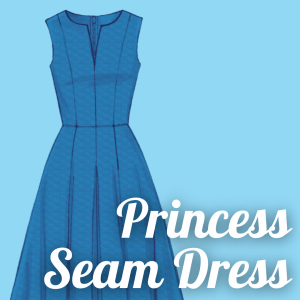
Consider incorporating features such as princess seams, which add shaping and structure to your garments and create natural channels for air to flow through. Additionally, open-back designs offer a stylish and practical solution for maximizing ventilation, allowing air to circulate freely and preventing overheating in warm weather. Another option is to add side slits, which not only add visual interest to your garments but also provide additional room for movement and airflow.

With the precision and versatility of JUKI sewing machines, customizing your patterns to suit your individual style and comfort needs is a breeze. Whether adjusting seam allowances, creating new pattern pieces, or experimenting with innovative design elements, JUKI machines offer the precision and reliability needed to bring your creative vision to life.

Focus on Seam Finishes

Paying attention to seam finishes is important when creating summer garments that are both comfortable and stylish. Seam finishes contribute to the overall aesthetic appeal of your garments and play a crucial role in ensuring comfort against the skin. Opting for lightweight and breathable seam finishes is essential for minimizing bulk and irritation, allowing you to enjoy wearing your creations with ease.

Consider incorporating seam finishes such as French seams, flat-felled seams, or serged edges into your summer garments. With their enclosed edges, French seams provide a neat and polished finish that eliminates the need for additional seam allowances, making them ideal for lightweight fabrics. Flat-felled seams, commonly found in denim garments, offer durability and strength while reducing bulk, ensuring a comfortable fit. Serged edges, created with an overlock stitch, offer a clean and professional finish that prevents fraying and adds a touch of refinement to your garments.

With the precision and speed of JUKI sewing machines, achieving clean and professional seam finishes is a breeze. Whether you’re stitching delicate fabrics or heavyweight materials, JUKI sewing machines offer unparalleled accuracy and control, allowing you to easily achieve flawless results. With JUKI by your side, you can focus on enjoying your summer wardrobe to the fullest, knowing that your garments are stylish and impeccably finished for maximum comfort and wearability!

Sewing summer garments doesn’t have to be a sweat-inducing endeavor. Following these practical tips and techniques, you can beat the heat and create stylish and comfortable attire perfect for the warmer months! So, grab your fabrics, fire up your JUKI sewing machine, and get ready to sew through summer in style! Whether you’re whipping up lightweight tops, flowy dresses, or breathable jackets, these tips will help you stay cool and comfortable all season long.