JUKI’s Seasonal Cleaning Guide

Spring is here, and it’s the perfect time to refresh our sewing space and ensure machines are in top shape! Whether you use a sewing machine, quilting machine, or serger, regular maintenance is essential for smooth operation. Things like lint buildup, thread debris, and oiling can lead to performance issues. By taking the time to properly clean, organize, and check out a professional servicing with your JUKI dealer, you can extend the life of your machine and enjoy uninterrupted creativity in a clutter-free studio!

Each JUKI machine has unique maintenance needs. JUKI’s semi-industrial TL Series machines require regular oiling and manual cleaning, while the DX and HZL Series computerized machines have self-lubricating mechanisms and need careful electronic component care. Let’s dive into essential spring cleaning tips, professional maintenance schedules, and how to optimize your sewing space!

Cleaning & Maintaining Your Sewing Machine

Your sewing machine is the heart of your craft, and keeping it clean ensures clear stitching, smooth operation, and a long machine life! Understanding your machine’s maintenance needs will help keep it in top condition for years.
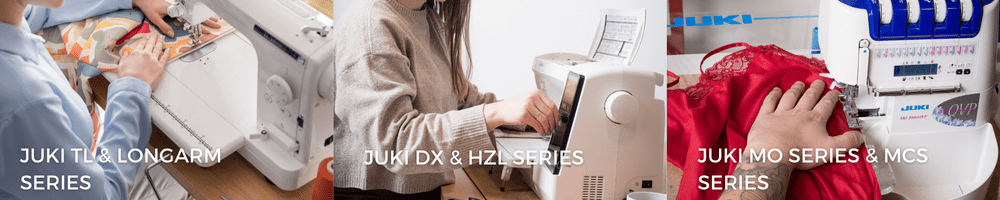
JUKI TL (Semi-Industrial Straight Stitch Machines) & Longarm Series

  • These machines require regular oiling, especially in the hook and the lubrication points shown in your manual. Use the machine oil. Without proper lubrication, you may experience skipped stitches or increased noise.
  • Use a lint brush to remove debris, especially after working with heavy fabrics like denim or quilting layers.
  • Since these machines are mechanical, periodic manual adjustments and cleanings help maintain smooth operation.

JUKI DX & HZL Series (Computerized Machines)

  • These models do not require manual oiling, thanks to their internal lubrication systems.
  • Avoid compressed air! It can push lint deeper into the machine. Instead, use a lint brush or vacuum attachment.
  • Because of their electronic components, avoid excessive moisture when cleaning. We recommend a soft, dry cloth to clean the machine.
  • Regularly update firmware (if applicable) and make sure your machine is plugged into a surge protector to avoid electrical damages!

JUKI MO Series (Overlock Sergers) & MCS Series (Coverstitch)

  • Regularly clean the loopers, feed dogs, and knife area using a lint brush or vacuum attachment to remove accumulated lint and thread.
  • Apply a few drops of sewing machine oil to the moving parts as recommended in your manual to ensure smooth operation.
  • Replace needles frequently, as serger needles dull faster due to high-speed stitching.
  • Check and adjust thread tension regularly to maintain balanced and professional-looking stitches.
  • Avoid using compressed air, as it can push debris into delicate internal components.

Regardless of your machine type, changing your needle regularly (about every 8-10 hours of sewing or every new project) and using high-quality thread reduces tension issues and lint buildup.

Professional Servicing: When & Why?

Even with diligent home maintenance, your machine needs professional servicing to ensure all internal components are aligned, lubricated, and calibrated correctly. Here’s a guide to when you should schedule servicing based on usage:

  • Occasional Use (A Few Times a Month) – Service your machine once a year to prevent internal wear.
  • Frequent Use (Several Days a Week) – Schedule servicing every 6 months to maintain peak performance.
  • Heavy Use (Daily or Professional Sewing) – A check-up every 3-4 months is recommended, as frequent use increases wear on moving parts.

Your JUKI dealer is your best source for professional servicing! They’ll inspect tension, replace worn parts, and ensure that your machine is operating at its best. If you notice unusual noises, skipped stitches, or thread tension problems, it might be time for an early tune-up!

Timing & Storage Tips

A clutter-free sewing space makes it easier to focus on projects and prevents dust from settling into your machines. Here are some tips on how to maintain a clean and organized studio:

  • Create a Seasonal Cleaning Schedule – Set aside time each season for deep cleaning. Empty out drawers, dust off surfaces, and reorganize tools!
  • Cover Your Machines When Not in Use – Use dust covers or hard cases to prevent lint and debris from settling inside.
  • Invest in Smart Storage Solutions – Clear bins for fabric, drawer organizers for notions, and labeled shelves for tools help keep everything within reach without clutter.

What to Do with Last Season’s Fabric Scraps?
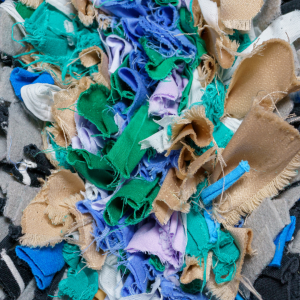
If your scrap bin is overflowing, get creative or give them a new home! Here’s how:

  • Sort & Donate: Quilting guilds, local schools, and nonprofit organizations often accept fabric scraps for community projects.
  • Repurpose for Small Projects: Use scraps for appliqué, patchwork quilts, fabric bookmarks, or fabric baskets for storage.
  • Host a Scrap Swap: Organize a trade event with fellow sewists to exchange materials and refresh your collection.

Visit Your Local Dealer for Maintenance & Service

Your JUKI dealer is the best place to get expert servicing for your JUKI sewing machine. Regular maintenance ensures precision stitching, extends the lifespan of your machine, and prevents costly repairs. Contact your dealer here today to schedule your next tune-up!

By maintaining your machines, organizing your sewing space, and finding creative ways to repurpose fabric, you’ll start each season refreshed and ready to tackle new projects. Happy sewing!

Quilt Your Way This National Quilting Month!

March is National Quilting Month, and there’s no better time to create, stitch, and express yourself through quilting! At JUKI, we understand that every quilter has different needs when it comes to space and setup. Whether you have a small, medium, or large workspace, we have the right quilting machine and frame to help you bring your projects to life.

Find Your Perfect Quilting Setup

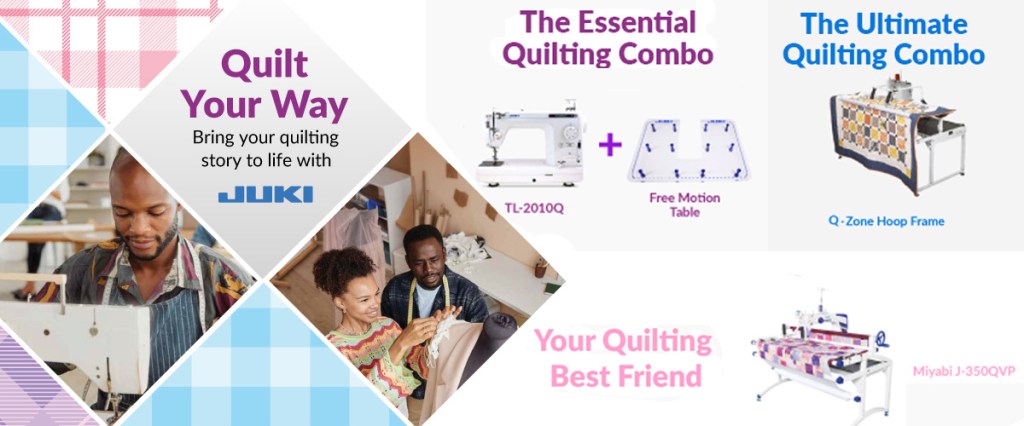
Large Spaces – Miyabi J-350QVP Stand-Up Quilting Machine

For those with room to spare, the Miyabi J-350QVP is the ultimate quilting experience! This longarm machine offers smooth, precise stitching and can handle your largest quilting projects with ease. Our Miyabi offers plenty of space with 18 inches of horizontal throat space between the arm of the machine and the needle and a 10-inch height, mounted on a deluxe quilting frame that can range from 5 to 12 feet!

Whether you’re working on king-size quilts or intricate free-motion designs, this setup provides professional-grade results in your home or studio.

Learn more about this machine by clicking here!

Medium Spaces – Q-Zone Hoop Frame

Tight on space but want the flexibility of a quilting frame? The Q-Zone Hoop Frame offers comfort and power without taking up space at 4 1/2 feet wide! This compact yet versatile frame pairs with various JUKI models, allowing you to create larger projects without needing a full-sized frame.

It’s a great middle-ground option for quilters who want the benefits of a stand-up quilting experience in a smaller footprints, and its ergonomic design reduces strain on your body, letting you quilt for longer periods without discomfort.

Learn more about this machine by clicking here!

Small Spaces – TL-2010Q + Free Motion Table Combo

No dedicated quilting room? No problem. The JUKI TL-2010Q + Free Motion Table Combo is designed for quilters who need a compact yet powerful setup. This straight-stitch, semi-industrial machine is built for precision, and when paired with the free-motion table, that’s transparent, making it easy to see under the work surface, it provides a smooth quilting experience even in limited spaces.

Learn more about this machine by clicking here!

Visit your local JUKI Authorized Dealer to find the perfect quilting setup for your space and celebrate National Quilting Month with the tools you need to create something special!

JUKI’s Social Media Tips for Sewers

Promoting your small sewing business has never been more exciting! With social media sites like Instagram, Pinterest, YouTube, Facebook, and TikTok, you have a world of opportunities to showcase your talents, connect with potential customers, and grow your brand right at your hands. Whether you’re sharing creative project ideas, offering tutorials, or promoting your latest designs and products, these platforms provide exciting ways to make your business shine!

In this blog, we’ll explore ways to promote your sewing brand and business online. From crafting viral videos on TikTok to building inspiring Pinterest boards, we’ll talk about actionable tips for turning social media into your secret weapon. Let’s dive into how you can make your sewing business stand out and thrive in the digital age!

1. Instagram: Build a Strong Presence

Instagram is the perfect platform to showcase your sewing creations through visually appealing photos, Reels, and Stories! Popular and used worldwide, it allows you to connect with a community of like-minded individuals and share behind-the-scenes glimpses of your sewing process. By using Instagram’s features like carousels and hashtags, you can attract followers, engage with your audience, and build a strong brand presence. Below are tips on features Instagram offers that we recommend!

  • Photos and Carousels: Post high-resolution images of your sewing projects, showcasing close-ups of intricate details, finished products, or behind-the-scenes moments from your workspace. Instagram carousels (multiple images in one post) allow you to share step-by-step photos of your sewing process, which can engage followers and showcase your skills!
  • Stories & Reels: Stories are perfect for behind-the-scenes content, like showing how a project evolves from idea to completion. Reels are great for quick, engaging tutorials or time-lapse videos of your sewing process. These short-form videos often perform well and can go viral, drawing in more followers. These can also be previews for long-form videos on other platforms, like YouTube.
  • Hashtags & Captions: Use relevant hashtags (#sewingcommunity, #lovesew) to increase visibility. Think about your captions, too! These can tell your story, share tips, or highlight your sewing process, encouraging interaction and building connections with your audience.
  • How to Promote: Post consistently, engage with your audience through comments, and collaborate with other sewists to tap into wider communities. Use Instagram Insights to track what type of content resonates most with your followers and adjust your strategy accordingly!

2. Pinterest: Drive Traffic & Inspire

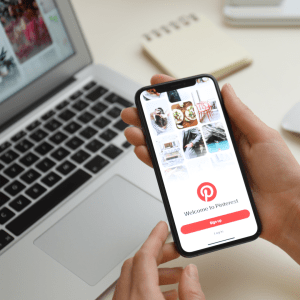
Pinterest is a valuable tool for promoting your sewing brand by curating beautiful boards filled with inspiration, tutorials, and finished projects. It helps drive traffic to your website or Etsy shop through pins and keywords. By creating engaging content and joining relevant boards, you can inspire potential customers and grow your reach!

  • Boards & Pins: Create boards categorized by themes (e.g., DIY Sewing Projects, Sewing Tutorials, Holiday Crafts). Post and Pin high-quality images of your creations along with step-by-step tutorials and behind-the-scenes content.
  • Rich Pins: Use Rich Pins, which pull live updates from your website or Etsy shop, ensuring your pins remain relevant and drive traffic back to your store.
  • Keywords & Descriptions: Optimize your pin descriptions with relevant keywords so your posts appear in searches. Use keywords like “beginner sewing tutorial,” “DIY sewing projects,” or “how to sew clothes”! These are popular search quotes.
  • How to Promote: Pin regularly, join group boards, and collaborate with others in the sewing community! Use Pinterest Analytics to track which pins are driving the most traffic, and create more of what performs best.

3. YouTube: Build Trust

YouTube is perfect for sharing in-depth sewing tutorials, product reviews, and “sew with me” sessions! It allows you to establish yourself as an expert in the sewing community while building trust with your audience, and long-form videos are encouraged, unlike Instagram and Tik-Tok. Creating inspired content and engaging with viewers helps grow your subscriber base and attract a dedicated following!

  • Tutorials & DIY Videos: Create step-by-step sewing tutorials, product reviews, and “sew with me” sessions. Cover topics like how to use machine features, fabric recommendations, or beginner-friendly techniques. Establish yourself as a go-to resource for sewing tips!
  • Thumbnail & Title: Your video thumbnail and title play a key role in attracting viewers. Create visually appealing thumbnails with clear, catchy titles that describe the content (e.g., “Sewing Machine Review & Tips for Beginners”).
  • How to Promote: Optimize your videos with SEO-friendly titles, tags, and descriptions. Engage with your audience by responding to comments and encouraging them to like and subscribe for more content. Don’t forget to promote your YouTube channel across your other social media platforms!

4. Facebook: Build Community

Facebook is a great platform to build a community around your sewing business and brand, whether through a business page or dedicated groups. You can showcase your latest projects, host live videos, and sell products directly through Facebook Shops. Engaging with your followers and using targeted ads helps drive sales and build brand loyalty.

  • Business Page & Groups: Create a business page to share updates, highlight new products, and interact with followers. Join Facebook groups related to sewing and crafts to engage with people who share your interests. Go live to showcase your latest projects, share sewing tips, or host live.
  • Facebook Shops: Set up a Facebook Shop to sell your products directly. This feature allows customers to browse and purchase your creations without leaving Facebook.
  • How to Promote: Post consistently, engage with your community and use Facebook ads to target specific audiences. Highlight customer testimonials and showcase your products to encourage sales.

5. TikTok: Build Authenticity

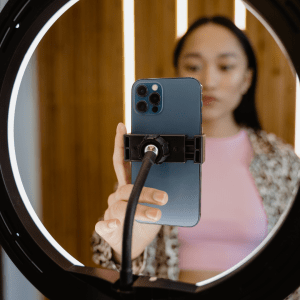
TikTok is perfect for creating short, fun, and creative videos that showcase your sewing skills! By leveraging trending sounds, challenges, and authentic storytelling, you can reach new audiences and go viral. The platform encourages creativity and short-form videos, making it ideal for engaging with younger demographics and growing your brand.

  • Short, Creative Videos: Post short videos showcasing quick sewing hacks, tutorials, or behind-the-scenes looks at your creative process. Trends like challenges, DIYs, and catchy sounds can help your videos go viral. Incorporate popular sounds or create your own to boost discoverability.
  • Authenticity & Storytelling: TikTok thrives on authenticity. Show your personality, share your story, and let your creativity shine. Connect with your audience by sharing your sewing journey and the inspiration behind your creations.
  • How to Promote: Post consistently, engage with trending content, and collaborate with other TikTok creators. Track what resonates with your audience and continue to refine your content strategy based on engagement and feedback.

By leveraging these platforms you have the tools at the tip of your fingers to effectively promote your small sewing business! Each platform offers unique features that cater to different types of content and audiences, helping you showcase your creativity, drive traffic, and build a loyal community.

By staying consistent, engaging with your audience, and utilizing the strengths of each platform, you’ll be well on your way to growing your brand and achieving success in the digital sewing world!

What is an Even Feed Foot?

If you’ve ever struggled with sewing slippery or thick fabrics, you’re not alone! Many sewists deal with puckering, uneven stitching, or fabric that seems to have a mind of its own. The Even Feed Foot is a game-changing accessory designed to overcome these challenges, allowing you to sew with ease and leave those struggles behind! But what is an Even Feed Foot, and how can it transform your sewing experience? Let’s dive in and explore its features, history, and incredible benefits!

The Even Feed Foot is a specialized sewing machine attachment that ensures fabric feeds evenly under the needle. Unlike a Standard Presser Foot, it has built-in feed dogs that work in tandem with your sewing machine’s feed system. This dual-action feeding mechanism prevents shifting between fabric layers, making it ideal for quilting, matching patterns, or working with challenging materials like vinyl, leather, and silk.

The Even Feed Foot was developed to solve common sewing challenges when working with multiple fabric layers or slippery materials! Traditional presser feet often cause fabrics to move at different rates, causing misaligned seams or puckered stitching. This was particularly seen in quilting, where precise alignment is crucial, and in garment construction, when sewists used delicate or sticky fabrics.

Benefits and Uses of the Even Feed Foot

Now that we know why the Even Feed Foot was created, let’s talk about the benefits of putting it to use. Its primary benefit is its ability to handle slippery fabrics like silk, satin, and vinyl! These materials often shift or stick under a regular presser foot, leading to uneven stitches or puckering. The Even Feed Foot eliminates these issues by feeding the fabric layers evenly, ensuring smooth, professional results every time.

If you’re a quilter, you’ll find the Even Feed Foot indispensable! When working with multiple layers of fabric and batting, achieving alignment can be a challenge. This foot will ensure that all layers move together without shifting, resulting in beautifully aligned quilt tops and precise stitching. It’s also perfect for handling thick materials or layered seams, like denim or canvas.

Another benefit we’ll mention is the ability to help with pattern matching. Whether you’re working with plaid, stripes, or intricate prints, aligning patterns perfectly at the seams can be daunting! The Even Feed Foot’s dual-feed mechanism allows you to keep fabric pieces in place, making it easier to achieve seamless transitions and professional-looking garments or home decor items.

Tips for Using the Even Feed Foot

  1. Choose the Right Needle: Pair your fabric with the correct needle type, such as leather or ballpoint needles.
  2. Adjust Stitch Settings: For thicker fabrics, lengthen the stitch for better results.
  3. Use Clips Instead of Pins: For materials like vinyl or leather, avoid pinholes by using clips to hold layers together.
  4. Test on Scrap Fabric: Always test your settings on a scrap piece to ensure everything is working smoothly.
  5. Clean Regularly: Keep your foot and sewing machine feed dogs clean to maintain optimal performance.

Project Ideas Using the Even Feed Foot

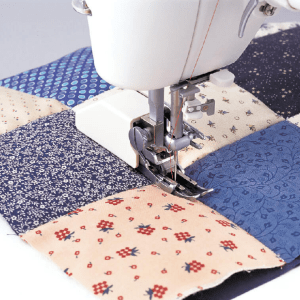
Lastly, let’s talk about the projects you can now create with more ease using the Even Feed Foot. For quilters, it is the perfect tool for crafting quilted placemats or patchwork blankets! The foot ensures that all layers of fabric and batting remain perfectly aligned, resulting in a polished finish and precise decorative stitching. These projects are not only functional but also great opportunities to showcase your quilting skills.

If you love working with vinyl or leather, the Even Feed Foot is a game-changer! Consider making a vinyl cosmetic bag that is durable and stylish or a leather tote bag with clean, professional seams. These materials can be tricky to sew, but the Even Feed Foot makes it possible to achieve high-quality results without the frustration of sticking or shifting.

For sewists working with delicate fabrics, projects like silk pajamas or satin pillowcases become much easier! The Even Feed Foot glides smoothly over these materials, ensuring flawless seams that enhance the luxurious feel of your finished pieces. Whether you’re sewing garments or home decor, the Even Feed Foot allows you to work confidently with materials that might otherwise be challenging.

With the Even Feed Foot, you can confidently tackle a variety of creative endeavors, all while enjoying smoother and more efficient sewing. The Even Feed Foot is more than just an accessory—it’s a game-changer for challenging sewing projects. Ready to try the Even Feed Foot for yourself? Visit your nearest JUKI dealer to explore this versatile accessory and see how it can enhance your sewing experience!

JUKI’s Valentine’s Date Night

Love is in the air, and Valentine’s Day is the perfect excuse to get creative! This year, ditch the store-bought gifts and add a personal touch with handmade creations that will make your celebration extra special. Whether you’re crafting gifts for your significant other or decorating for a romantic evening, these DIY project ideas will bring a touch of magic to your date night.

From embroidered sneakers that scream “personalized perfection” to heart garlands that set the mood, we’ve got the perfect projects to spark your creativity. Let’s explore vibrant fabrics, timeless Valentine’s motifs, and thoughtful designs to make this holiday unforgettable. In this blog, we’re diving into five easy-to-make projects, with machine recommendations, fabric tips, and design ideas to help you create something truly memorable!

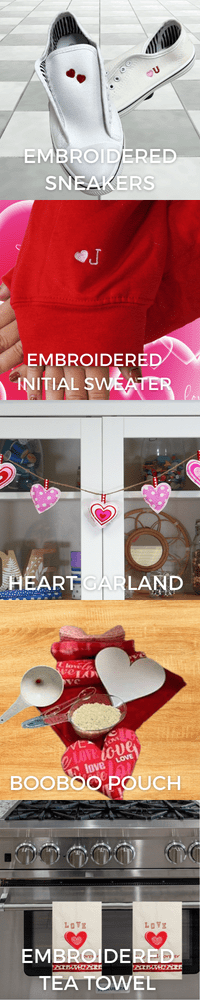
1. Embroidered Sneakers

Our first project is our customized sneakers with embroidery! This is a fun and stylish way to add personality to your Valentine’s outfit or gifts. The Tajima Sai 8-needle Embroidery Machine makes it easy to embroider complex designs on canvas or leather shoes. Popular Valentine’s motifs include hearts, roses, and initials, which can be stitched in red, pink, or metallic gold threads. Use stabilizer sheets inside the sneakers to ensure clean, precise stitching. These personalized shoes are not just a great fashion statement but also a thoughtful gift for your special someone.

  • Recommended Machine: Tajima Sai 8-Needle Embroidery Machine
  • Fabric Choice: Canvas sneakers for easy stitching or leather for a luxe look.
  • Design Ideas: Embroider hearts, initials, or love-themed patterns like roses or cupids. Use vibrant red or metallic threads to highlight the Valentine’s theme.

2. Embroidered Initial Sweater

Next, stay warm with an embroidered sweater! This project adds a cozy, personalized touch to your Valentine’s Day wardrobe, or can be the perfect personalized gift. Using the Tajima Sai, you can stitch initials, romantic quotes, or decorative motifs like arrows and hearts onto cotton or fleece sweaters. Choose pastel tones like blush or cream to match the season or opt for bold red for a striking look. A fun tip is adding satin stitching around the embroidery to give the design a polished and professional finish! Whether as a gift or a matching outfit for date night, these sweaters are sure to spread the love.

  • Recommended Machine: Tajima Sai 8-Needle Embroidery Machine
  • Fabric Choice: Fleece or cotton sweaters in classic Valentine’s hues like pink, red, or cream.
  • Design Ideas: Try a small monogram over the wrist or a larger motif like intertwined initials with a decorative border.

3. Heart Garland

Add a touch of love to your space! A heart garland is the perfect way to create a festive atmosphere for your Valentine’s celebration. With our Sewing Machines, you can easily stitch hearts in different sizes and fabrics like felt or quilting cotton. Alternate red, pink, and white, or use pastels like candy hearts, for a classic Valentine’s palette! You can also have fun and mix in patterned fabrics of hearts, flowers, and more for a playful twist. Decorate by hanging the garland across a mantle, along a table, or in a doorway for a charming decorative touch.

  • Recommended Machine: TL Series Sewing Machines
  • Fabric Choice: Felt or quilting cotton in an assortment of Valentine hues.
  • Design Ideas: Use different heart sizes and layer contrasting colors for depth. Add decorative stitches, such as zigzag or scallop, around the edges for a professional look!

4. Booboo Pouch

This cute little pouch is perfect for helping with those little booboo’s we all get, especially for kids! It’s a thoughtful and functional Valentine’s Day gift that provides comfort and care. You can fill the pouch with rice or flaxseeds to make it versatile—heat it in the microwave for 30 seconds for warmth or store it in the freezer for a cold pack. Use soft, cozy fabrics like cotton or flannel in Valentine’s patterns to make it festive and fun. Stitch it up with precise, neat edges, and add a decorative topstitch for an extra touch of charm.

  • Recommended Machine: DX or HZL Series for detailed stitching
  • Fabric Choice: Valentine’s Day-themed prints like tiny hearts or florals, paired with a coordinating solid fabric for the lining.
  • Design Ideas: Embroider the word “Love” or include a small heart motif. You can also use contrasting thread for a decorative topstitch to highlight the seams.

5. Embroidered Tea Towel

The Now and Forever Tea Towel is a sentimental yet practical gift for Valentine’s Day! Embroider the phrase “Now and Forever” or any romantic quote with valentine motifs using the Tajima Sai or your DX Sewing machine. For fabric, choose linen or cotton in soft pastel shades that complement your kitchen décor. Add scalloped edges with your trusty Serger to give the towel an elegant finish. Whether used in the kitchen or displayed as a decorative piece, this tea towel is a loving reminder of your thoughtfulness!

  • Recommended Machine: Tajima Sai for embroidery or DX series for Decorative Stitches.
  • Fabric Choice: Linen or cotton in pastel tones like blush or cream.
  • Design Ideas: Embroider phrases like “Now and Forever” or “Be Mine.” Add a scalloped edge or decorative stitching along the borders to elevate the look.

This Valentine’s Day, let your creativity shine and make the celebration truly unforgettable with these heartfelt projects! From unique gifts to romantic decorations, each creation is a labor of love that will leave a lasting impression. With JUKI’s reliable machines and your imagination, the possibilities are endless.

Ready to start crafting your perfect Valentine’s Day? Visit our JUKI Project Page for step-by-step instructions and even more inspiration. Let’s sew some love this season!