JUKI’s Autumn Sewing Guide

As the leaves turn and the air gets crisp, it’s the perfect time to dive into autumn sewing projects! The season invites us to create with warm, rich colors and cozy fabrics that reflect the beauty of fall. Choosing the right fabrics and colors can set the tone for your creations, whether you’re planning to make cozy quilts, stylish scarves, or warm throw pillows.

In this blog, we’ll explore the best fabric choices and color palettes for fall and highlight JUKI sewing machine presser feet accessories that work well with these fabrics to make your sewing experience smooth and enjoyable. Plus, discover free project ideas to inspire your fall sewing. Let’s get started on making the most of this vibrant season!

Embracing Autumn Colors

When we think of autumn, we think of rich, earthy tones! Here are some color hue ideas to consider for your upcoming projects:

  • Warm Reds and Oranges: Think of the vibrant hues of autumn leaves. Shades like burnt orange, crimson, and deep red add a warm touch to any project!
  • Golden Yellows and Ochres: These colors speak to the warmth of fall sunshine and can bring a cheerful contrast to the darker tones of fall projects.
  • Earthy Browns and Greens: From deep forest greens to warm browns, these colors provide a grounded, rustic feel perfect for fall, bringing in that feeling of the earth.
  • Cool Blues and Greys: While less typical, muted blues and greys can balance the warmer tones and add sophistication to your designs! Give these colors a chance and mix them with those above for a unique fall look.

Selecting Fabrics and Accessories for Fall
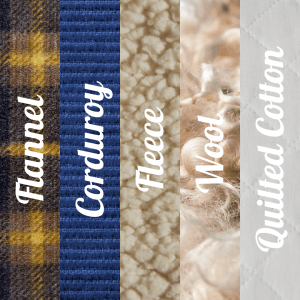
Choosing the right fabric is crucial for achieving that cozy autumn vibe, and pairing them with the right JUKI presser feet accessories can enhance your sewing experience. Here are some fabric options and their ideal accessory companion:

  • Flannel: This soft, warm fabric is ideal for quilts, pajamas, and throw pillows. To sew flannel smoothly, use the JUKI Walking Foot. It helps feed multiple layers of fabric evenly and prevents shifting and puckering.
  • Corduroy: This distinctive texture is great for jackets, skirts, and pants. With the JUKI Zipper Foot, you can sew close to the corduroy’s ridges for precise stitching and add closures with ease.
  • Fleece: Perfect for scarves, blankets, and mittens, fleece provides warmth and comfort. With the JUKI Even Feed Foot or JUKI Walking Foot, you can prevent the fabric from sticking to the presser foot and help manage the bulk.
  • Wool is a traditional choice for fall garments. It’s great for crafting sweaters, hats, and shawls! Using the JUKI Overcasting Presser Foot, you can finish edges and seams neatly and easily.
  • Quilted Cotton: Perfect for your quilted projects, quilted cotton offers both style and functionality! With the JUKI ¼” Foot by your side, you can ensure accurate seam allowances and beautiful quilted designs.

Patterns and Prints

Patterns can add a lot of character to your fall projects. Here are some patterns we recommend checking out at your fabric shops:

  • Plaids and Tartan: These classic patterns are staples in autumn fashion and home decor and work well with everything from skirts to quilt blocks!
  • Leaves and Acorns: Prints or appliques featuring autumn leaves or acorns add a seasonal touch to any project.
  • Stripes: Subtle stripes in fall colors can add visual interest without overwhelming your design if you’re looking for a simpler look.
  • Nature-Inspired Prints: For a charming seasonal look, consider fabrics with motifs like pumpkins, pinecones, or woodland animals. These fabrics are perfect for home décor and quilt blocks.

Consider using the RICOH Ri 100 Direct-to-Garment Printing Machine to create custom fall fabrics. This machine allows you to print your designs directly onto the fabric, giving you the freedom to create unique patterns and prints that perfectly match your vision. Imagine the possibility of adding last year’s Thanksgiving dinner photo to this year’s family t-shirt—an exciting new tradition!

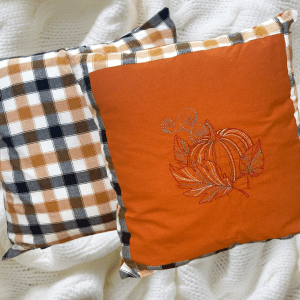
If you want to add texture and dimension to your patterns, check out the JUKI Tajima Sai 8 Needle Embroidery Machine. This machine offers advanced embroidery capabilities that enhance your designs with intricate details and embellishments, like leaves, quotes, cartoons, and more.
Tips for Choosing Fabrics and Colors

Selecting suitable fabrics and colors can significantly improve your sewing projects. Consider how each fabric and color choice will complement your project’s overall design and functionality.

  • Consider the Project: Match the fabric type and color to the purpose of your project. For instance, flannel is great for cozy quilts, while corduroy is perfect for fall apparel.
  • Mix and Match: Feel free to combine different colors and patterns. Balance bold prints with solid colors to avoid overwhelming your design.
  • Swatch First: Before committing to a large amount of fabric, get swatches to see how the colors and patterns appear in person.

With these autumn fabric and color ideas and the right JUKI presser feet accessories, you’re ready to embark on your fall sewing adventure! Whether you’re crafting cozy quilts, stylish garments, or charming home decor, these tips will help you create beautiful, seasonal pieces that capture the essence of autumn.

Are you looking for inspiration? Visit JUKI Quilting Projects for a variety of free project ideas that are perfect for fall. From sweet memory quilts to stylish home decor, these projects offer creative ways to use autumn fabrics and colors.

We also have a new project featuring fall throw pillows! Tune in on our YouTube page at JUKIHomeSewing to create yours today and get fresh ideas and inspiration for incorporating autumn colors and patterns into your home decor.
Elastic Elegance with JUKI

Are you ready to create a fall outfit that offers comfort and style for the holiday season? In this latest blog, we’ll dive into the world of stretch fabrics—think jersey, spandex, and elastane—and reveal how JUKI can help you master them. From essential sewing techniques to must-have tools, we’ve got you covered. We’ll also share creative project ideas that are perfect for the upcoming Thanksgiving holiday. Join us to explore how JUKI can make your stretch fabric projects shine!

Why Choose Stretch Fabrics?

Stretch fabrics are renowned for their flexibility and comfort. These materials are perfect for creating garments that move with your body, making them the ideal choice for casual wear, athletic wear, and stylish outfits for events like Thanksgiving that need a bit of give. At Thanksgiving dinner, a stretch fabric outfit that combines comfort with elegance and leaves you unrestricted is exactly what you need!

Essential Techniques for Working with Stretch Fabrics

Sewing with stretch fabrics can be rewarding, but it does require specific techniques to ensure success. Understanding how to handle these materials and adjust your sewing machine settings is the key to achieving a professional finish! Let’s talk about some essential techniques for working with stretch fabrics, including the right tools and methods to use. Whether new to stretch fabrics or looking to refine your skills, these tips will help you sew confidently.

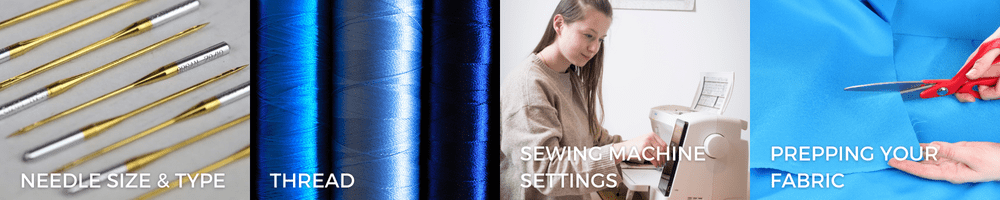
  1. Needle Size and Type:
    • Ballpoint Needles: When working with stretch fabrics, use ballpoint or stretch needles. These needles have a rounded tip that pushes the fabric fibers aside rather than piercing them, which helps prevent snags and runs.
    • Needle Size: A 75/11 or 80/12 needle generally works well for lightweight stretch fabrics. For heavier stretch fabrics, like thick knits, consider using a 90/14 needle.
  2. Thread Choice:
    • Stretch Threads: For durability and flexibility, opt for polyester or nylon stretch threads. These threads can stretch with the fabric and reduce the risk of breaking.
    • Serger Threads: If you’re using a serger, make sure to use high-quality serger threads that can handle the tension and movement of stretch fabrics.
  3. Sewing Machine Settings:
    • Stitch Selection: Use a zigzag or a stretch stitch to allow the seams to stretch with the fabric. Avoid using a straight stitch, which can break when the fabric is stretched.
    • Tension Settings: Adjust the tension on your sewing machine to accommodate the stretch of the fabric. You may need to decrease the tension to avoid puckering.
  4. Prepping Your Fabric:
    • Pre-Wash: Always pre-wash your stretch fabrics to prevent shrinkage or color bleeding after sewn your garment.
    • Cutting: Use sharp fabric scissors or a rotary cutter to ensure clean edges. Avoid pulling the fabric as you cut, which can distort the shape.

Essential JUKI Accessories for Stretch Fabrics

When working with stretch fabrics, having the right accessories can make a significant difference in the quality of your finished project! JUKI sewing machines offer a variety of accessories designed to handle the unique challenges posed by stretch materials. Let’s explore three JUKI sewing machine accessories that excel with stretch fabrics. These tools will help you achieve precise and beautifully finished projects with ease.

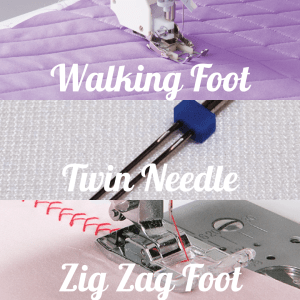
  1. Walking Foot: This accessory helps feed stretch fabrics evenly through the machine, reducing the risk of stretching and puckering and ensuring smooth stitching.
  2. Twin Needle: Ideal for creating professional-looking hems on stretch fabrics, the twin needle provides a decorative and durable finish while allowing for stretchy seams.
  3. Zig Zag Presser Foot for HZL: This ensures smooth feeding of stretch fabrics by preventing the fabric from catching on the stitching, reducing the risk of shifting and puckering. Its design supports versatile stitching, making achieving precise and professional results easier with stretchy materials.

Project Ideas for Stretch Fabrics

Now, let’s discuss a few projects you can create for this holiday season using stretch fabrics! Stretch fabrics offer endless possibilities for creating stylish and comfortable garments, but focus on how these materials can be transformed into a variety of fashionable projects.

  • Thanksgiving Dinner Dress or Tunic: Using a soft stretch fabric like jersey or Ponte, you can create a stylish and comfortable dress or tunic. Find a pattern with a fitted bodice and an A-line skirt for a flattering silhouette that still allows you to enjoy your Thanksgiving feast!
  • Comfy Leggings: Sew a pair of leggings from a stretchy fabric such as lycra or spandex. Pair them with a tunic or long sweater for a cozy and chic Thanksgiving outfit.
  • Elastic Waist Skirt: An elastic waist skirt in a stretch fabric can be both comfortable and fashionable. Look for a high-waisted design with a flowing silhouette to balance comfort and style.
  • Wrap Dress: A wrap dress made from a stretch fabric can be dressed up or down for Thanksgiving dinner! Choose a fabric with a bit of sheen or texture to add an elegant touch to your outfit.

To ensure a successful project, test your stitch settings on a scrap piece of fabric and confirm that everything works properly. Then, when pressing your project, use a pressing cloth to protect the fabric from melting or damage, and press the seams gently without pulling on the material!

By following these tips and techniques, you’ll be well on your way to mastering the art of sewing with stretch fabrics. Whether creating a cozy fall outfit or experimenting with new designs, stretch fabrics offer comfort and style. Tag us on your Thanksgiving projects this season, and show us what your stretch projects look like at @JUKIHomeSewing!

Celebrate QuiltsGiving with JUKI

Have you heard of QuiltsGiving? Imagine combining the spirit of Friendsgiving with the creativity and joy of quilting! QuiltsGiving is a unique event designed to celebrate the art of quilting through exciting quilt block swaps. This occasion is perfect for bringing together quilters of all levels to exchange handcrafted quilt blocks, share ideas, and build a sense of community.

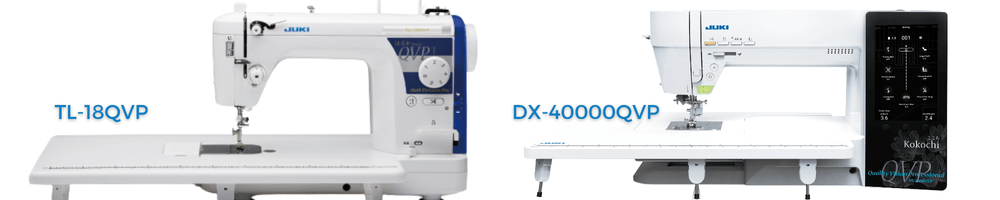
Whether you’re looking to explore new patterns or connect with other quilting enthusiasts, QuiltsGiving is the perfect opportunity to dive into your passion for quilting. With the help of JUKI machines like the TL-18QVP and DX-4000QVP, you can bring your quilt block designs to life with precision and ease! Let’s explore how you can make the most of QuiltsGiving with your favorite machines and people by your side.

The Excitement of Quilt Block Swaps

Participating in quilt block swaps is not just about exchanging fabric pieces—it’s an opportunity to explore new patterns, build community, and create unique quilts. Each swap can allow you to explore unique themes or patterns, allowing you to experiment with new techniques and designs! The variety of blocks you receive will result in a distinctive quilt that reflects the creativity of your quilting community.

Quilting Machines to Have on Hand

When it comes to quilting, having the right tools can make all the difference. JUKI offers a range of high-quality quilting machines that can elevate your quilting projects:

  • JUKI TL-18QVP: This machine is known for its exceptional stitch quality and ease of use. Its spacious work area is perfect for tackling large quilt blocks. With its advanced needle threader and automatic thread trimming, you can focus more on your creative process and less on manual tasks!
  • JUKI DX-4000QVP: The DX-4000QVP is a versatile machine designed for precision and creativity. It has various built-in stitches and quilting feet, allowing you to experiment with different techniques and designs. Its user-friendly interface and advanced features ensure a smooth quilting experience.

These machines enhance your quilting experience and ensure that your quilt blocks are stitched with the highest level of detail and accuracy. If you want to upgrade your quilting setup or explore the full potential of your JUKI machine, visit your local JUKI dealer. They can provide valuable insights into the latest quilting technology and connect you with local quilting communities and events!

How to Organize a QuiltsGiving Event

  1. Choose a Theme
    • Pick a theme that resonates with your group, such as seasonal designs or holiday patterns. This will add a fun and cohesive element to the swap.
  2. Set Up the Swap Details
    • Block Size and Pattern: Decide on the size and pattern of the quilt blocks. Ensure the instructions are clear and accessible for all creators!
    • Number of Blocks: Determine how many blocks each quilter should make and exchange. This helps in organizing the swap efficiently.
    • Timeline: Discuss deadlines for submitting and exchanging blocks to keep everything on track.
  3. Create a Signup Sheet
    • Use online tools like Google Forms or spreadsheets to manage members and their contact details!
  4. Distribute and Collect Blocks
    • Provide clear instructions for sending and receiving blocks through a drop-off point or direct mailing.
  5. Host a Gathering
    • Organize a virtual or in-person event to exchange blocks, showcase finished quilts, and celebrate the creativity of all quilters who joined!

Tips for a Successful QuiltsGiving Event

  • Encourage Creativity: Encourage quilters to put their spin on their blocks while sticking to the theme!
  • Support: Offer resources or assistance for those who might be new to quilt block swaps or need help with their designs. This is a great opportunity for experts in the hobby to teach tips and tricks to newcomers falling in love with the art!
  • Promote on Social Media: Share updates and showcase the blocks and finished quilts using the hashtag #JUKIQuiltGiving. Social media is a great way to connect with a wider quilting community and build excitement!

Connect with JUKI and Your Local Community

Check out your local JUKI dealer to learn more about your quilting communities and potential quilt swaps already happening in your area! JUKI dealers often have insights into local events and can offer valuable advice on using your machines to enhance your quilting experience.

QuiltsGiving is an opportunity to celebrate quilting with a festive twist. By participating in quilt block swaps, you not only expand your quilting skills but also create connections within your quilting community. So, gather your friends, pick a theme, and use your JUKI machines to bring your quilt block designs to life. Spread the QuiltsGiving cheer and let your creativity shine!

Introducing the DX-4000QVP Expert Edition

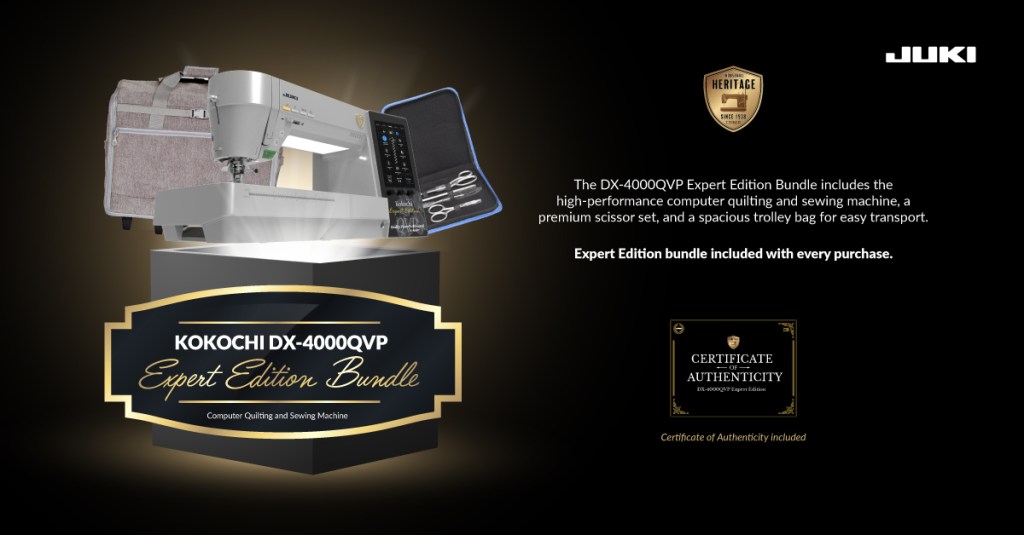
In this blog, we’re introducing JUKI’s limited-edition DX-4000QVP Expert Edition sewing machine! This machine blends advanced features with elegance and is designed for dedicated sewers looking to elevate their craft. This exclusive model comes with a 5-piece scissor set, a sturdy large trolley bag for easy transport, and a certificate of authenticity. With only limited stock available, this machine stands as a collector’s item as well as a valuable addition to any sewing studio! For both complex and everyday sewing needs, the DX-4000QVP Expert Edition offers unparalleled functionality.

Let’s talk about the DX-4000QVP Expert Edition’s features! Packed with high-end features, this machine provides precision with every stitch. Its advanced feed system and intuitive touchscreen interface make it ideal for complex projects requiring multiple stitch types, seamless transitions, and high stitch accuracy. The adjustable presser foot, needle positioning, and large sewing area give sewists like you full control, elevating both your sewing and quilting projects. This Expert Edition elevates traditional sewing with unique customization options, allowing for a professional finish on everything from garments to décor items!

The DX-4000QVP Expert Edition can help you create various projects, including quilting, garment construction, and home décor! Quilters will appreciate the machine’s precision and speed, while garment creators can explore a wide range of decorative stitch options for hems, seams, and functional sewing. With its powerful motor and multiple presser feet, it’s also perfect for working with thicker fabrics, like denim and upholstery. This machine brings variety to any creative project, supporting foundational and advanced sewing techniques.

This Expert Edition machine is built upon the legacy of the original DX-4000QVP, known in the sewing community for its performance and versatility! The DX-4000QVP’s lineage is evident in its sturdy build, exceptional stitch quality, and user-friendly design—all features that have been perfected to create the ultimate sewing experience in this limited model.

The DX-4000QVP Expert Edition is a celebration of craftsmanship, blending style with function to inspire every sewist. Whether you’re tackling your latest quilt, creating holiday gifts, or adding decorative touches to your home, this machine supports your creativity at every step. With its advanced technology and JUKI’s legacy of quality, the DX-4000QVP Expert Edition is an invaluable addition to any sewing space, bringing artistry, precision, and reliability to every project.

Learn more about the DX-4000QVP Expert Edition by visiting us here today.

Embrace the Cozy Season

It’s almost time for Fall JUKI lovers, so let’s indulge in sewing projects that capture the essence of Fall! Whether you’re a sewist or a quilter, Fall offers a beautiful opportunity to create cozy, stylish, and functional items for yourself and your loved ones.

In this blog, we have three projects you can create this autumn and recommendations for JUKI machines, accessories, fabrics, notions, and threads to ensure your creations turn out beautifully! Let’s go ahead and dive into one project we’ll be sharing later this month.

  1. Autumn Throw Pillows

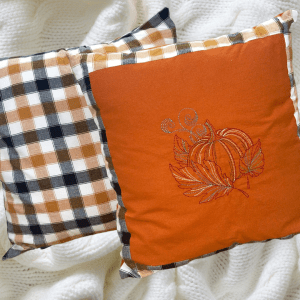
The JUKI TL-18QVP is ideal for creating autumn throw pillows. It offers precision and versatility for piecing and quilting. Its robust build and advanced features, like the automatic needle threader and adjustable presser foot pressure, make it perfect for adding decorative touches to your pillow project.

We recommend using autumn colors like deep oranges, rich browns, and forest greens in fabrics like cotton or linen. These materials are durable, easy to work with, and ideal for home décor. Consider patterns with leaves, pumpkins, or plaid for a seasonal touch!

When it comes to notions, choose a high-quality pillow form for a plush finish, or use the stuffing for a custom shape like a leaf, ensuring it’s filled to your desired firmness. For marking your design, use a fabric marking pen or chalk marker, preferably with disappearing ink for easy removal.

When it comes to thread, select a high-quality polyester in a matching or contrasting color to enhance your pillow’s design. This will provide durability and a smooth finish. A universal 80/12 needle works well for most cotton and linen fabrics, while a 90/14 needle is better suited for heavier materials, such as vinyl, if you’re planning to use it in your projects.

Stay tuned here for our project release!

JUKI Accessories:

  • Walking Foot: This foot is ideal for sewing through multiple layers of fabric, ensuring smooth feeding of the fabric for a professional finish. It’s handy when working with thicker fabrics or multiple layers.
  • Free Motion Foot: Perfect for adding custom quilting designs and free-motion embroidery to your pillow. It allows for greater control over stitching patterns and design elements.

Additional Tips:

  • Pre-Wash Fabric: Pre-wash and iron your fabrics before cutting to prevent shrinkage and ensure smooth sewing.
  • Press Seams: Press seams open or to one side to create a crisp, professional finish.

2. Cozy Beanie

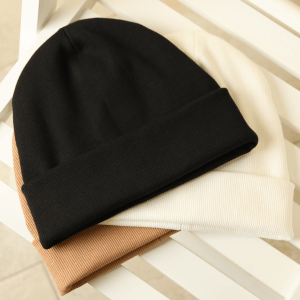
The next project we’d recommend trying your hand at is a cozy beanie! For a cozy beanie, select warm and stretchy fabrics like fleece or jersey in autumn colors or patterns. These materials provide comfort and warmth on chilly days, and those with spandex or elastane offer added stretch.

The JUKI MO-2000QVP serger is a good choice for this project. Our sergers can efficiently handle knit fabrics and sew and finish edges with precision in one step. You can incorporate an elastic band to keep the beanie in place and maintain its shape to ensure a snug fit. Fabric clips can help hold knit fabric layers together without causing snags or distortions.

Remember your thread! Polyester thread offers both stretch and durability to prevent breakage or unraveling with the fabric’s stretch. A ballpoint needle, size 70/10 or 80/12, is ideal for knit fabrics, as its rounded tip helps avoid snags and skipped stitches.

JUKI Accessories:

  • Elastic Foot: Attach elastic bands evenly and securely.
  • Gathering Foot: Create ruffles or gather fabric; it can add decorative elements to your beanie.

Additional Tips:

  • Stretch Stitch Settings: Use the serger’s stretch stitch options or differential feed settings to ensure the fabric maintains its stretch and does not distort.
  • Use Fabric Clips: Instead of pins, use fabric clips to hold knit layers together to avoid snagging and ensure a smooth sewing experience.

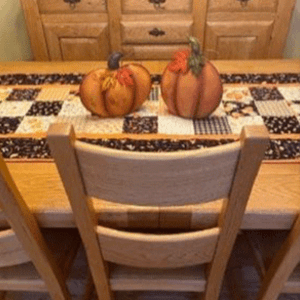
3. Quilted Autumn Table Runner

For this project, check out the JUKI Kirei HZL-NX7. Like our other computerized machines, The HZL excels in quilting projects by providing ample space and quilting features perfect for crafting detailed and beautiful autumn table runners. The ample throat space and quilting capabilities make it ideal for handling larger projects.

For a quilted autumn table runner, choose cotton quilting fabrics in warm autumn colors and patterns. Fabrics like flannel or cotton with leaf or plaid designs will give your table runner a seasonal touch. Quilting cottons are durable and come in a range of fall-themed prints!

Check out medium-weight batting to provide coziness and structure to your table runner. Cotton or polyester batting works well for quilting projects, too. We recommend keeping your quilt ruler and rotary cutter nearby for precise cutting and piecing of quilt blocks. This helps to ensure accurate measurements and clean edges.

And, of course, thread! We recommend using 100% cotton quilting thread to achieve a smooth, durable finish. This thread can be used for both piecing and quilting since it blends seamlessly with quilting fabrics. The quilting needle, size 75/11 or 80/12, both are suitable for handling multiple layers of fabric and the thickness of batting.

JUKI Accessories:

  • Quilting Foot: This is essential for free-motion quilting. It allows you to maneuver your quilt with ease and helps create intricate quilting designs without getting caught in the fabric.
  • Extension Table: If you need extra space, we recommend this one. It’ll provide extra space for quilting larger projects and help maintain smooth fabric movement. It’s beneficial for managing the bulk of a quilted project.

Additional Tips:

  • Quilt Designs: Experiment with different quilting designs, such as meandering or echo quilting, to add texture and interest to your table runner.

These fall projects are a delightful way to decorate your home and wardrobe with seasonal charm! Creating projects like throw pillows, beanies, and table runners brings a touch of Fall into your daily life and enjoyment in making something beautiful and functional.

Each project offers an opportunity to experiment with seasonal fabrics and patterns, transforming simple materials into cozy, personalized décor and accessories that reflect the theme of Fall.

With the right JUKI machine and accessories, you’ll have the tools to craft these fall projects easily! Whether you’re using a serger, computerized, or semi-industrial sewing machine, these machines’ quality and versatility ensure your projects turn out beautifully. Find the right fabrics, notions, and threads, and you’ll be equipped to produce stunning pieces that celebrate the fall season in style. Happy sewing!