When you shop at a JUKI QVP Dealer, you’re not just purchasing a machine but investing in a complete sewing experience! These authorized dealers offer a premium selection of JUKI’s exclusive QVP line, which includes longarm quilting machines, computerized sewing machines, mechanical sewing machines, and overlock machines suited for every skill level. Whether you’re a beginner learning the basics or a seasoned sewist working on advanced projects, QVP Dealers provide machines built for precision, power, and reliability! Each model is designed with thoughtful features to enhance your sewing journey, ensuring you get the most out of every stitch.
But the benefits of shopping with a JUKI QVP Dealer don’t stop at the machine! These dealers are known for exceptional customer service, offering tailored training sessions and ongoing support to help you confidently master your equipment. From machine demonstrations and setup assistance to expert advice and creative project guidance, your local QVP Dealer is a true partner in your sewing journey. It’s about more than a transaction, it’s about building a relationship that supports your creativity every step of the way.
Let’s take a closer look at some of the incredible JUKI QVP Dealers across the country and discover what makes each one special!
McKinney Sew & Vac
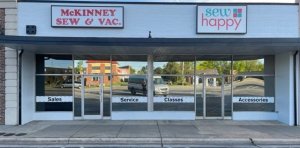
McKinney Sew & Vac is a family-owned business that has proudly served the Greensboro, NC area for over 41 years, earning a reputation for quality and reliability! As an authorized JUKI dealer, they offer a wide range of sewing machines to meet the needs of every customer, from beginners to experienced professionals. In addition to sales, they provide expert service and repair for most machine models, ensuring your equipment stays in top shape for years to come.
Deeply rooted in the community, McKinney Sew & Vac also repairs and donates older machines to local charities, helping others discover the joy of sewing! Their friendly, knowledgeable staff is always ready to assist with product recommendations, troubleshooting, and project guidance. Whether you’re shopping for your very first machine or upgrading to a more advanced model, you’ll find dependable support and hands-on help every step of the way. With decades of experience and a commitment to customer satisfaction, McKinney Sew & Vac remains a trusted destination for all your sewing needs.
Location: Greensboro, North Carolina
Close to Home Sewing Center
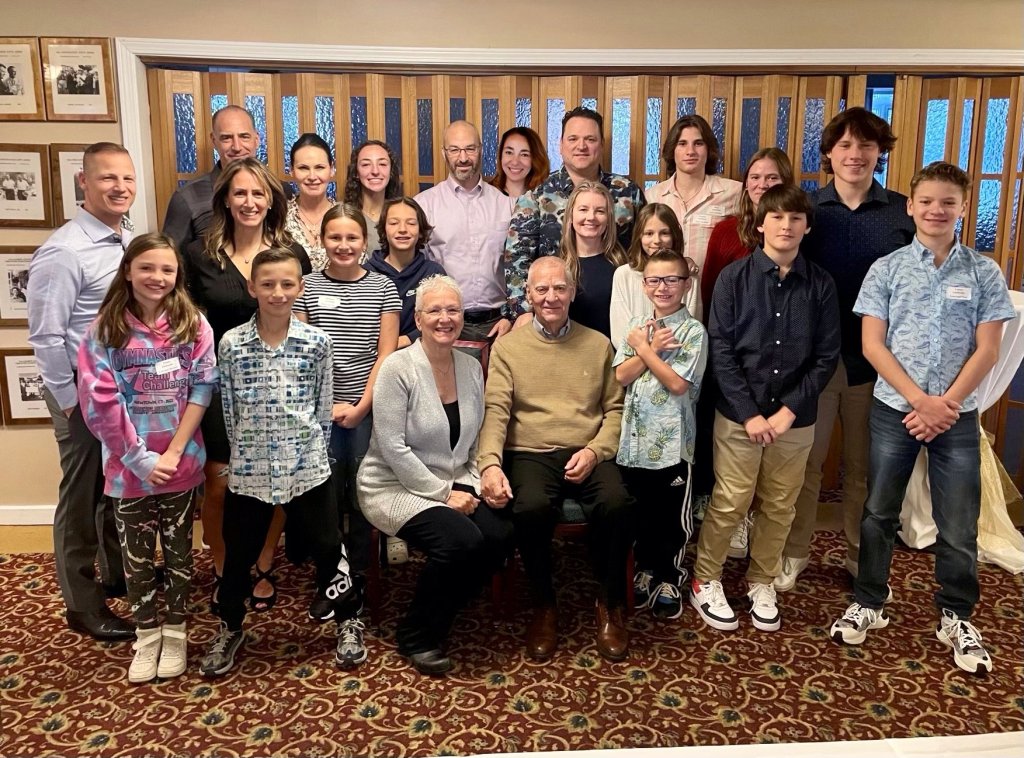
Close to Home has been Connecticut’s go-to destination for sewing machines, quilting supplies, and home décor since 1982, building a loyal following over the years! Family-owned and operated, they pride themselves on providing exceptional service with a personal touch, and they offer three convenient locations in the New Haven and Hartford County areas.
As an authorized JUKI dealer, they provide a wide range of JUKI sewing machines, from basic models to top-of-the-line longarm quilting machines, ensuring customers find the perfect fit for their needs. Beyond just sales, Close to Home offers expert repair services, ensuring that your machines continue to perform at their best. They also provide a variety of classes, workshops, and hands-on demonstrations that cater to every skill level, helping customers improve their techniques and stay inspired. Whether you’re quilting, embroidering, or working on home décor projects, Close to Home has everything you need to bring your creative ideas to life!
Location: Various locations in Connecticut
The French Seam
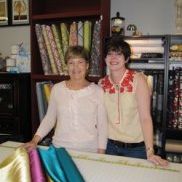
The French Seam in Indianapolis, IN, is a unique destination for modern makers, offering a curated selection of fine fashion fabrics, modern quilting cottons, and a variety of carefully chosen sewing patterns! Their collection of high-quality fabrics is designed to spark creativity, whether you’re working on a quilting project or sewing your next wardrobe piece.
With an emphasis on both boutique charm and expert guidance, The French Seam provides personalized assistance to help customers bring their sewing visions to life. Their knowledgeable staff is always available to offer advice on fabric selection, sewing techniques, and project ideas. Whether you’re shopping for luxurious textiles, seeking inspiration, or taking part in one of their workshops, The French Seam is a must-visit for anyone who loves to sew!
Location: Indianapolis, Indiana
Derrel’s of Pensacola
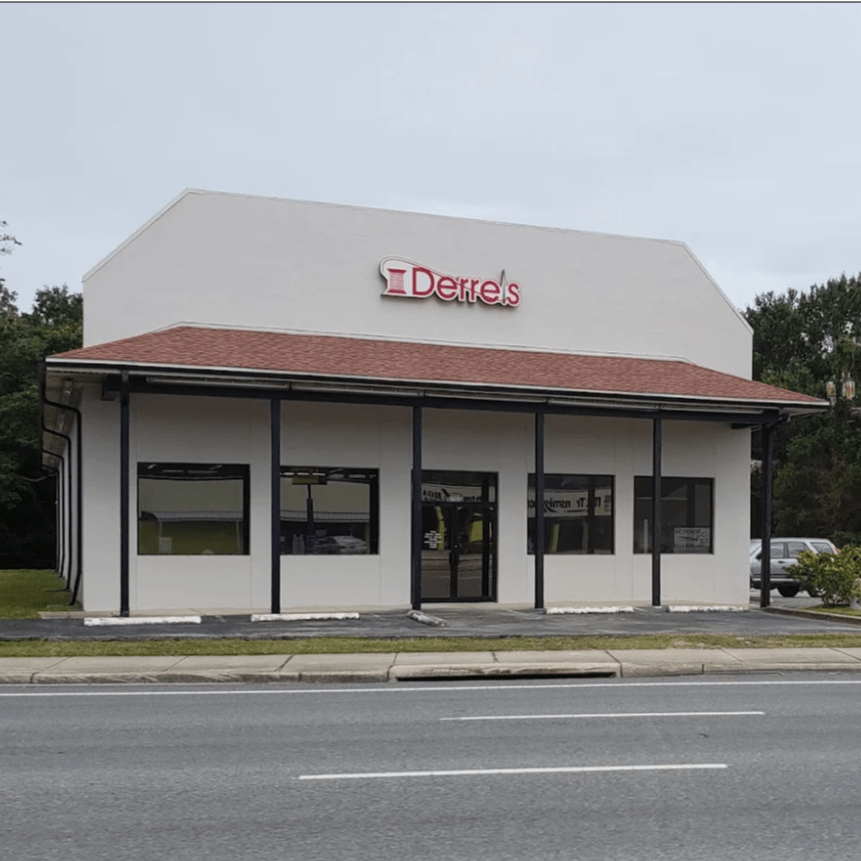
Derrel’s of Pensacola is dedicated to helping customers bring their sewing projects to life with exceptional service and support, offering everything you need to enhance your sewing experience! As an authorized JUKI dealer, they offer a wide selection of sewing machines, from basic models to more advanced machines, including attachments, parts, and expert machine repairs to keep your equipment running smoothly. Whether you’re a beginner just starting your sewing journey or an experienced sewist looking to refine your skills, Derrel’s provides a variety of classes, tutorials, and quality fabrics to keep you inspired.
Their friendly and knowledgeable staff is always ready to assist, offering hands-on support to ensure you make the most of your machine and materials. At Derrel’s, creativity and service truly go hand-in-hand, making it a welcoming space for all sewing enthusiasts! With their focus on customer satisfaction and a wide range of products and services, Derrel’s of Pensacola is a trusted destination for sewists in the area.
Location: Ferry Pass, Florida
Threads Run Thru It
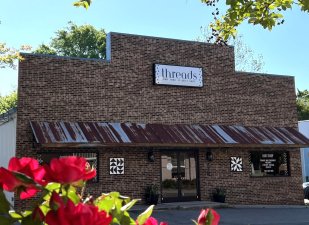
Threads Run Thru It is a charming quilt shop in Brookneal, VA, owned by Emily, a passionate quilter who turned her love for the craft into a thriving full-time business! Emily is dedicated to selecting the finest fabrics and enjoys sharing her passion for longarm quilting with others. Alongside her, Sarah Setzer, a key team member, plays a vital role in helping customers find the perfect fabrics and supplies for their quilting projects.
The shop fosters a welcoming and inclusive community where quilters of all levels can gather, learn, and enjoy the art of quilting together. They offer expert machine support, ensuring that customers receive guidance and assistance in making the most of their equipment. Threads Run Thru It also offers a carefully curated selection of fabrics that cater to quilters of all kinds, from beginners to seasoned experts. With a focus on education, creativity, and building a strong sense of community, Threads Run Thru It has become a trusted hub for quilters looking to enhance their skills and expand their projects!
Location: Brookneal, Virginia
Quilter’s Corner
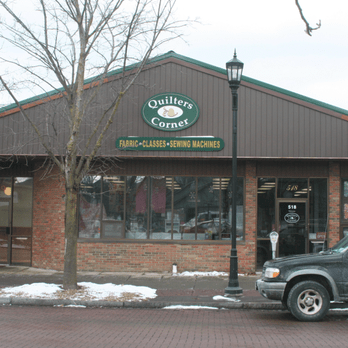
Quilter’s Corner is your ultimate destination for all things quilting, offering a wide variety of fabrics, including the latest collections from top designers that cater to every quilter’s taste and project needs! Whether you’re looking for modern prints, classic patterns, or specialty fabrics, their expansive selection ensures you’ll find exactly what you’re looking for.
The store’s classes cater to all skill levels, from beginners taking their first quilting steps to advanced quilters refining their techniques. As an authorized JUKI Dealer, Quilter’s Corner provides top-quality products and services, including longarm services that ensure precise, professional quilt finishes. Their friendly, experienced staff is always available to offer guidance, tips, and support to help you succeed in your quilting projects. More than just a shop, Quilter’s Corner fosters a vibrant community of passionate makers who share a love for quilting and creativity, making it the perfect place to shop, learn, and connect!
Location: Ithaca, New York
Sew-Vac Sales & Services
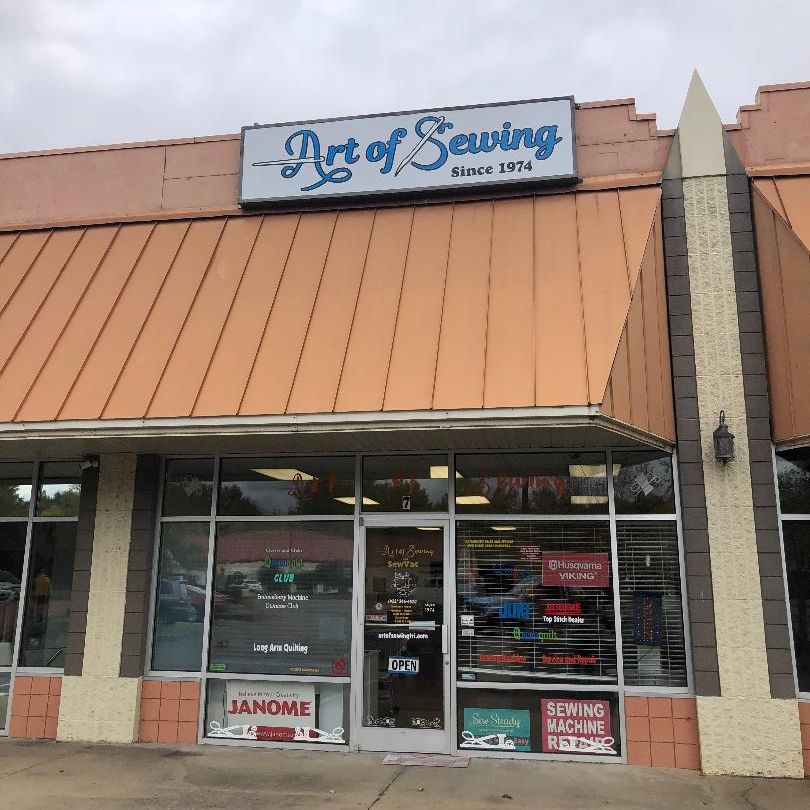
Art of Sewing (dba Sew Vac Sales and Service) has been proudly serving the Kingsport community since 1974 and is an authorized JUKI dealer known for their exceptional customer service! They offer a wide range of sewing machines, parts, thread, and accessories, along with expert repair services backed by over 100 years of combined experience from their skilled team.
With every machine purchase, Sew-Vac provides instructional classes covering various techniques such as sewing, serging, embroidery, quilting, and automation to ensure customers feel confident in using their new machines. They are dedicated to education and customer empowerment, taking the time to ensure every customer fully understands how to get the most out of their equipment! With their long history, expertise, and passion for sewing, Sew-Vac Sales & Services has become a trusted resource for sewists of all levels.
Location: Kingsport, Tennessee
Quality Sewing & Vacuum
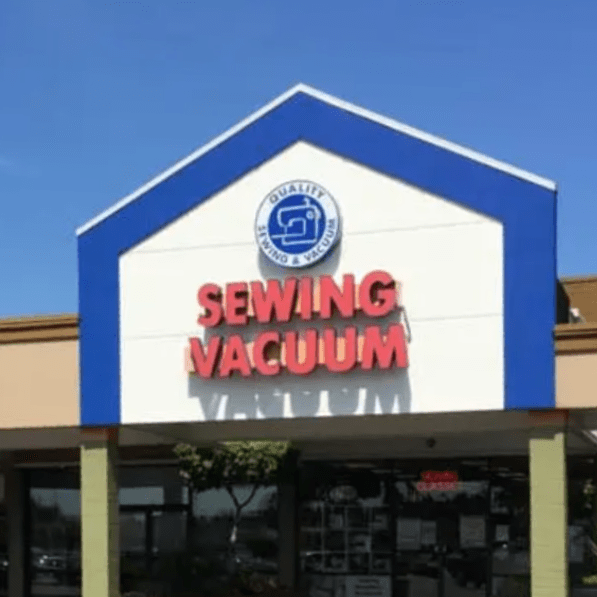
Quality Sewing & Vacuum Centers has been committed to meeting your sewing and vacuum needs since 1985, starting with one retail location in the Seattle area that specialized in sewing machines and vacuum cleaners. Over the past 35 years, they’ve expanded to 11 locations throughout Washington State, along with their convenient website, QualitySewing.com, making it easier than ever to access their products and services!
Their expert team is dedicated to providing product demonstrations, machine support, and a wide range of helpful classes designed to help you grow your sewing skills and become more confident with your equipment. No matter which location you visit, you’ll receive the same trusted care, expert advice, and high-quality service that have made Quality Sewing & Vacuum a staple in the sewing community. With a long-standing reputation for quality and service, Quality Sewing & Vacuum remains a trusted destination for sewists of all levels, offering everything you need to make your sewing projects come to life!
Location: Various locations in Washington
Sew Vac City
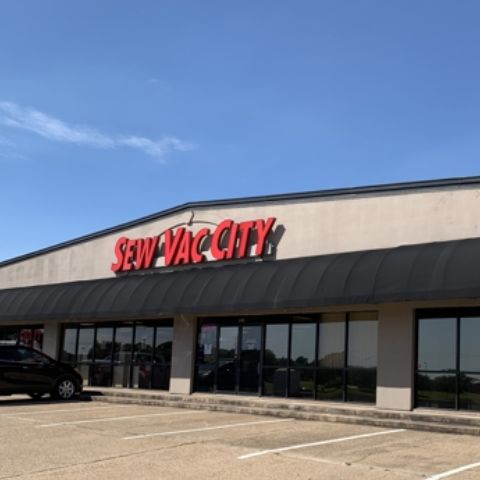
Sew Vac City has been proudly serving the Bryan-College Station, Texas, community for over 30 years, offering a wide selection of high-quality sewing machines, vacuums, and accessories to meet every need! As an authorized JUKI dealer, they provide a diverse range of sewing and quilting machines, along with expert service and repairs to keep your equipment in peak condition.
Committed to customer satisfaction, Sew Vac City also offers a variety of educational classes designed to help sewists of all skill levels enhance their craft and learn new techniques. Their showroom is also a welcoming space where you can explore the latest machines, ask questions, and connect with fellow enthusiasts who share a passion for sewing.
With a knowledgeable and friendly team, they ensure that you have everything you need to succeed with your sewing projects! For both beginners and seasoned sewists, Sew Vac City is the perfect place to find the tools, inspiration, and guidance you need to take your skills to the next level.
Location: Bryan-College Station, Texas
Green Acres Sew & Vac
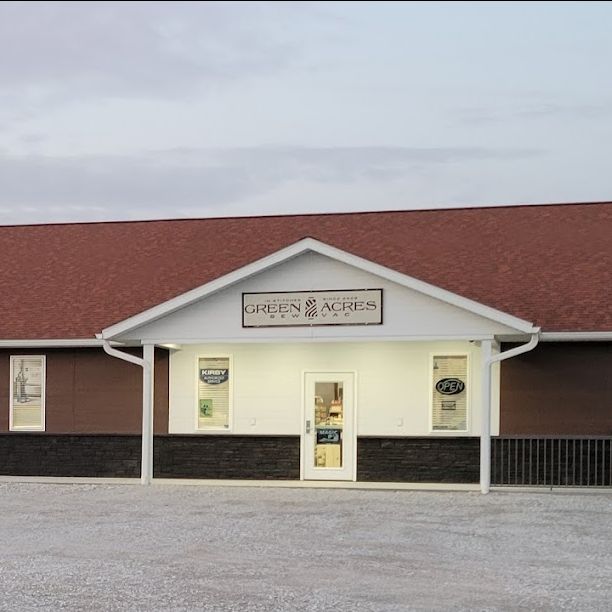
Green Acres Sew & Vac is a husband-and-wife-owned business born from a shared passion for woodworking, sewing, and embroidery! Having recently settled on their dream property in rural Tennessee, they are embracing the peaceful rhythm of country living while building their custom studios, set to be completed by April 2025.
Alongside their four beloved dogs, this creative duo takes immense pride in crafting unique, personalized items that reflect their love for handmade work. With a commitment to quality craftsmanship and a personal touch, Green Acres Sew & Vac is dedicated to creating products that bring joy to their customers! As they expand their studio space, they’re excited to offer even more services, products, and opportunities to their loyal customers and the surrounding community. Their passion for creativity and handmade goods continues to inspire and connect them with sewing enthusiasts and makers alike.
Location: Memphis, Missouri
Jackman’s Fabrics
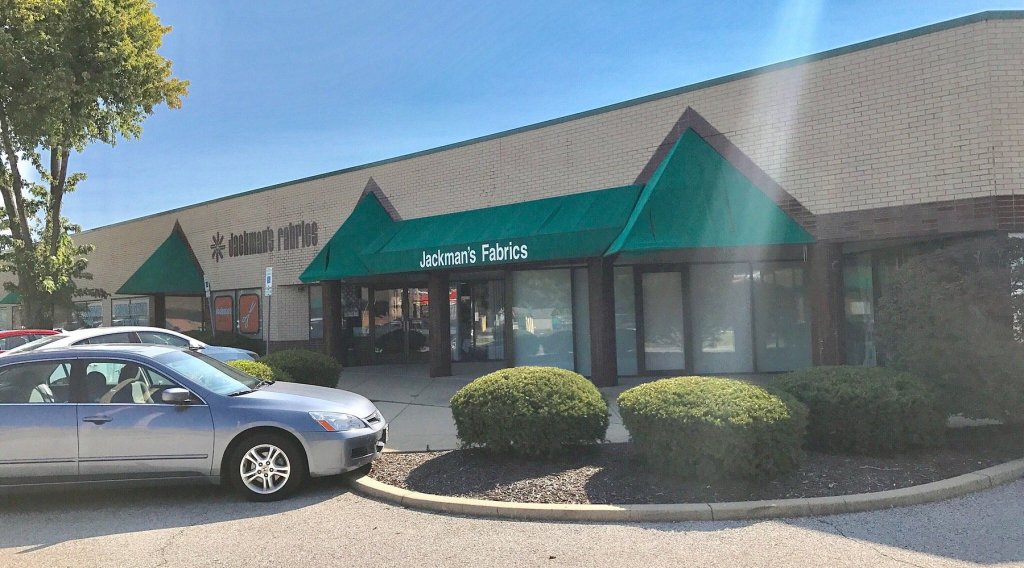
Jackman’s Fabrics, the largest quilt shop in the area, boasts an impressive selection of over 50,000 yards of quilting cottons, with expert staff available to help you find the perfect fabric for any project! In addition to their extensive fabric collection, they carry a variety of JUKI sewing machines, including models for quilting, embroidery, and long-arm sewing, alongside sewing cabinets and professional repair services to ensure your equipment runs smoothly.
Jackman’s Fabrics also offers free sewing and embroidery classes, along with kids’ programs and quilting clubs, making it a hub for learning and creativity. With a history that dates back to 1903, their long-standing commitment to quality and customer service has earned them a loyal following in the quilting community! When you visit, you’ll find that their welcoming atmosphere fosters a community of passionate quilters, where you can connect, learn, and share ideas. Jackman’s Fabrics continues to be a trusted destination for sewists, offering everything you need to fuel your creativity and bring your quilting visions to life.
Let me know if you’d like to make any adjustments!
Location: St. Louis, Missouri & Fairview Heights, Illinois
Whether you’re a beginner or an experienced sewist, these QVP JUKI dealers are dedicated to providing the tools, support, and inspiration you need to succeed in your sewing and quilting projects! From expert advice to hands-on assistance, each dealer offers a unique experience tailored to help you grow your skills and bring your creative visions to life. With their commitment to quality products, educational opportunities, and outstanding customer service, you can be sure that you’re in good hands.
Find your local JUKI QVP dealer here today and discover how they can help you take your sewing journey to the next level!





 sewinwithjuki.com