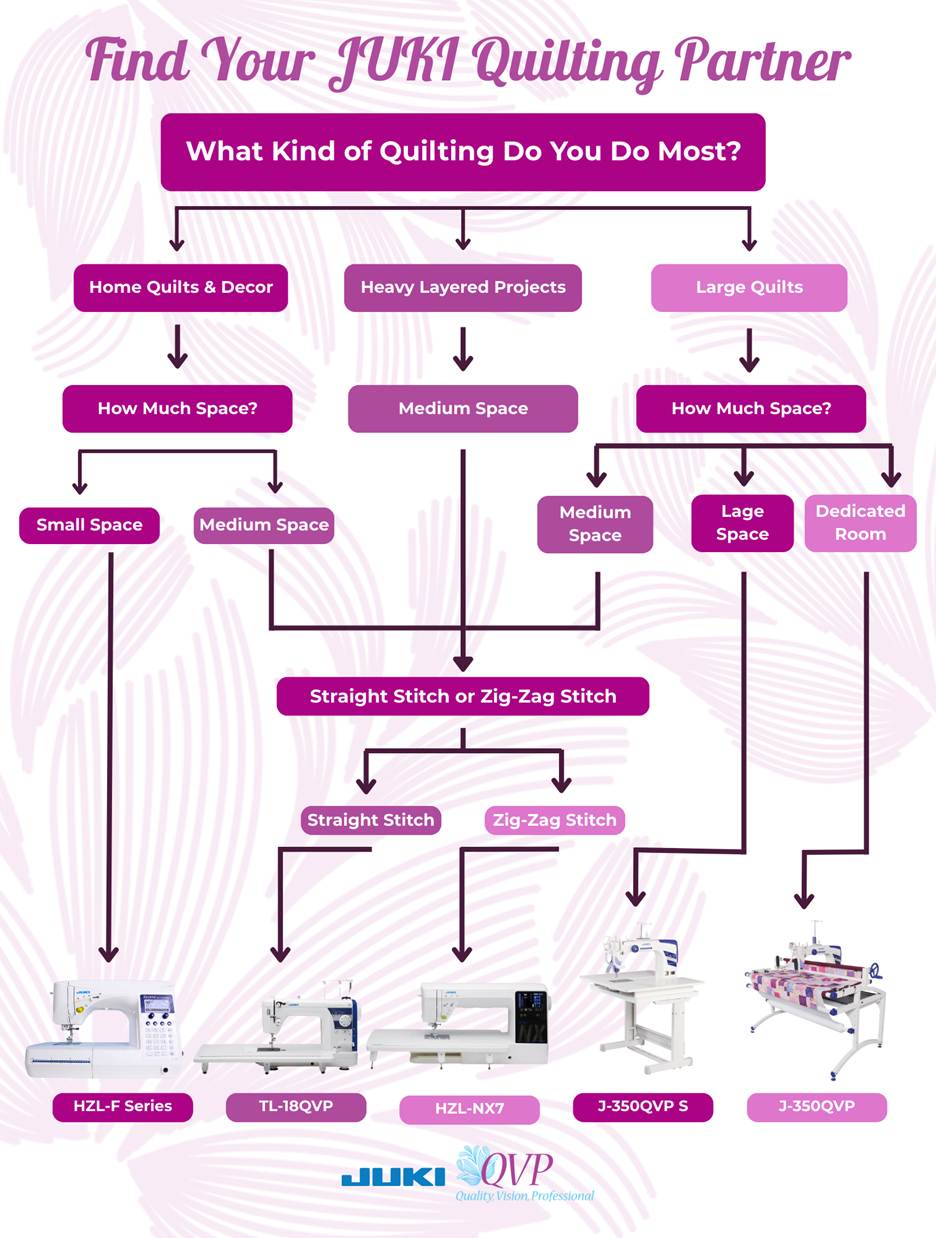
For National Quilting Month, we decided to take a closer look at our machines that support you and how you want to quilt. With so many models and features available, choosing a quilting machine can start to feel overwhelming, especially when your space, project types, and experience level all play a role. That’s why we created a simple decision tree to help guide you toward a starting point based on how you quilt, not just what looks right.
This guide makes choosing the right machine easy! Whether you’re quilting at the kitchen table, in a shared craft space, or in a dedicated sewing room, there’s a JUKI setup designed to fit your environment and your goals. Use the graphic to see where you land, then explore the machine level below that matches your quilting style. To celebrate National Quilting Month, we’re shining a spotlight on the JUKI machines that help quilters like you create with confidence, comfort, and joy, no matter where you sew or what you love to create.
You Got HZL-F Series
If your answers led you to the HZL-F Series, that means your sewing area is compact, and your quilting projects share time with some garment sewing or home décor. With the HZL-F Series, you’ll find flexibility in what you can create without requiring a large workspace. This machine offers decorative stitches, zigzag capability, and buttonholes, along with the control quilters need for piecing and free motion work.
It’s a great choice for sewists who quilt regularly but still want one machine that handles a wide range of projects. The HZL-F Series fits comfortably in smaller spaces while still giving you the precision needed for patchwork, straight-line quilting, and creative stitch details. You can watch it in action below to see how the machine handles projects with ease.
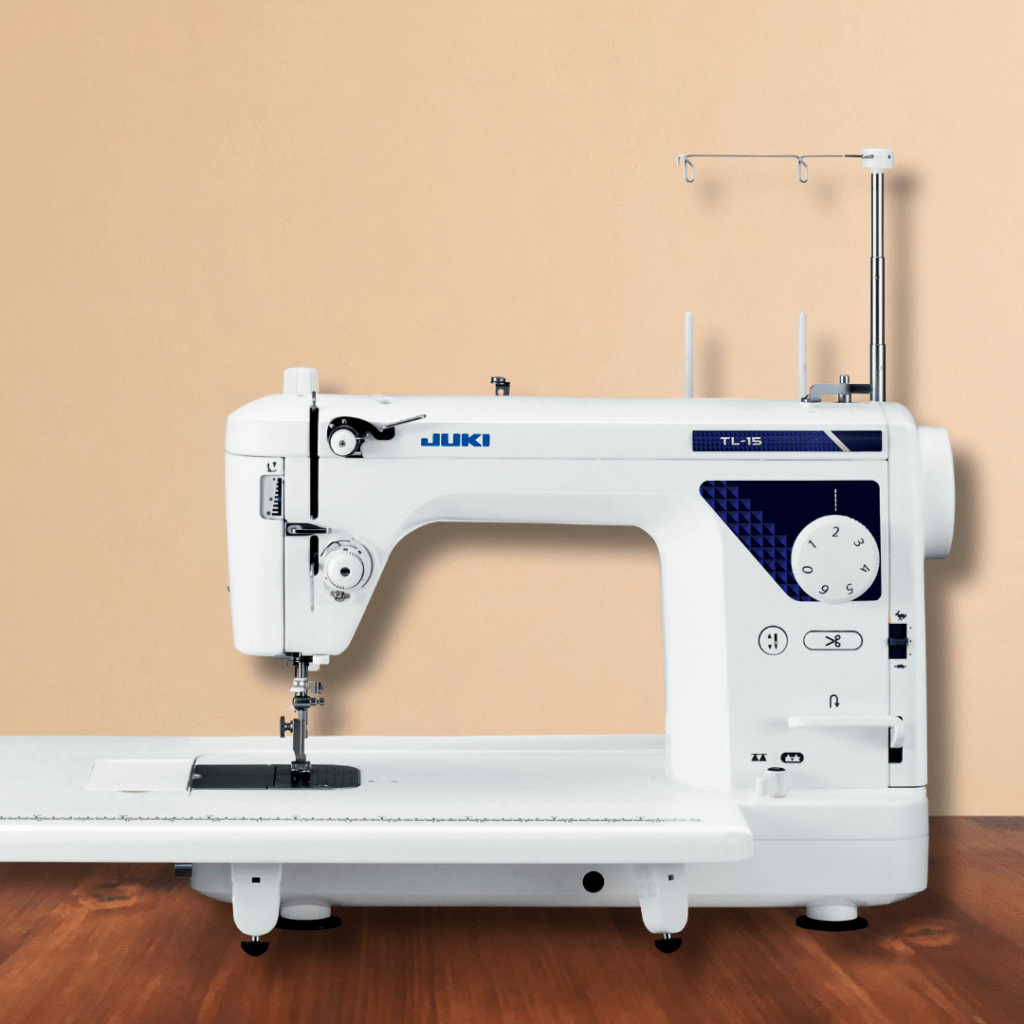
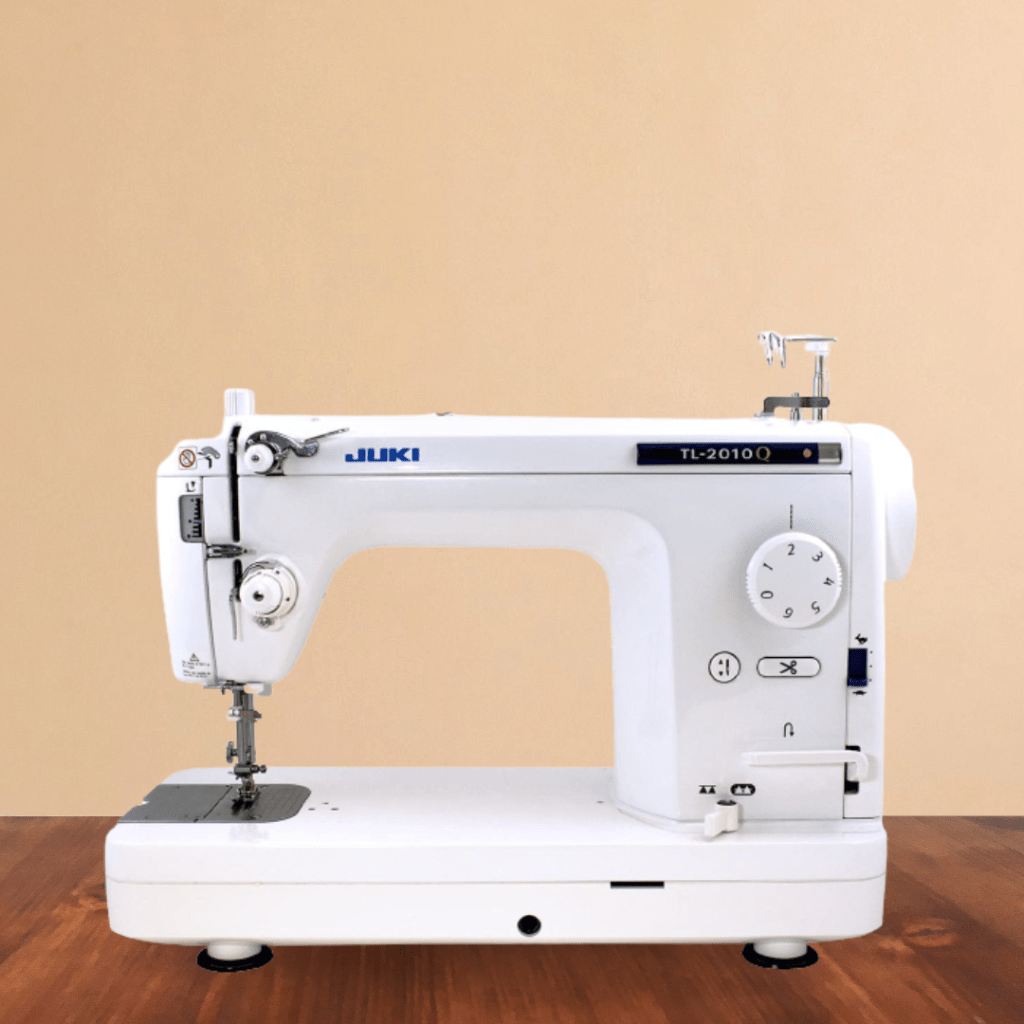
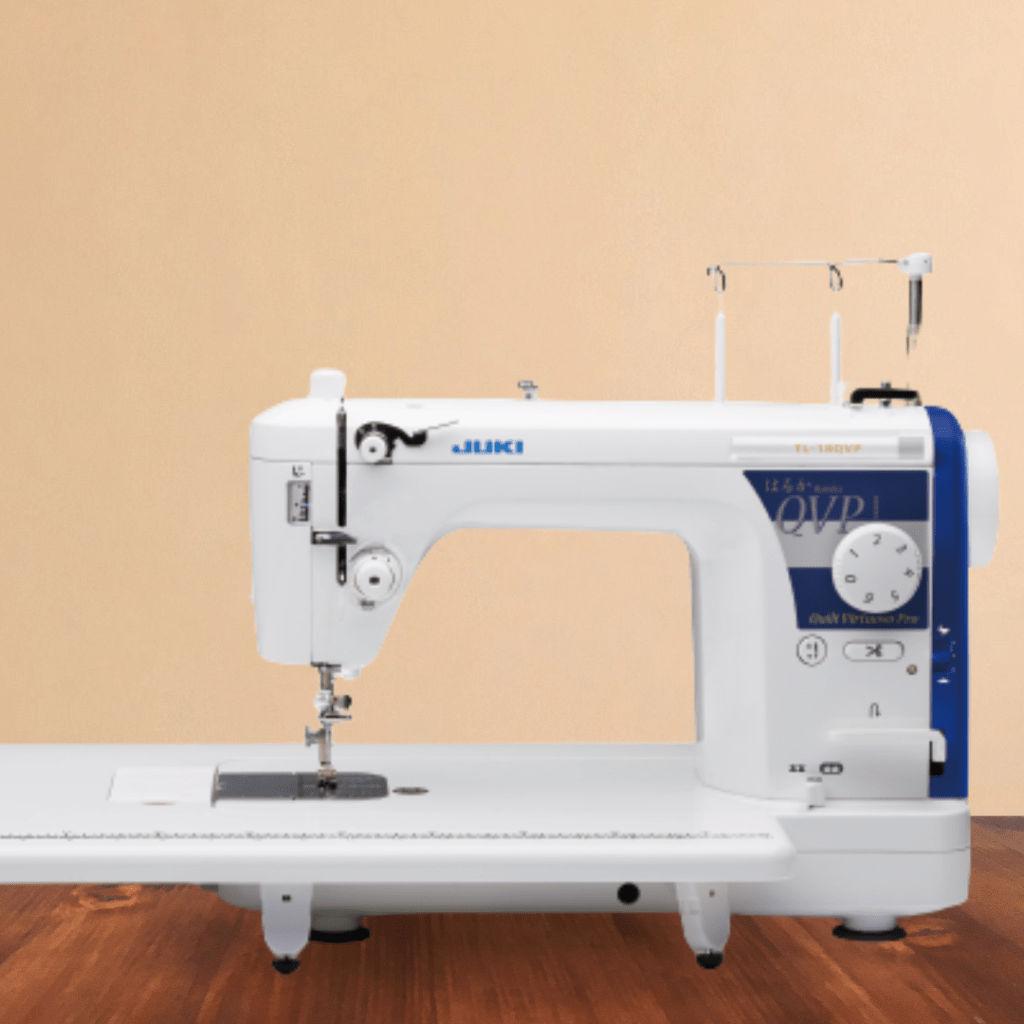
You Got Haruka TL-18QVP
If your answers led you to the Haruka TL-18QVP that means you might be a quilter who wants industrial-style performance in a home machine, without taking up too much space. As a straight-stitch machine, you’ll notice it focuses on what matters most for quilting: stitch consistency, power, and smooth fabric feeding across multiple layers. Watch it in action below and see how smoothly you can free-motion quilt.
With its speed, stability, and precision, this machine shines in piecing, straight-line quilting, and that free-motion work we just saw. It’s a strong fit for quilters, or even bag makers, who have dedicated sewing space and want a machine focused purely on performance rather than decorative stitching.
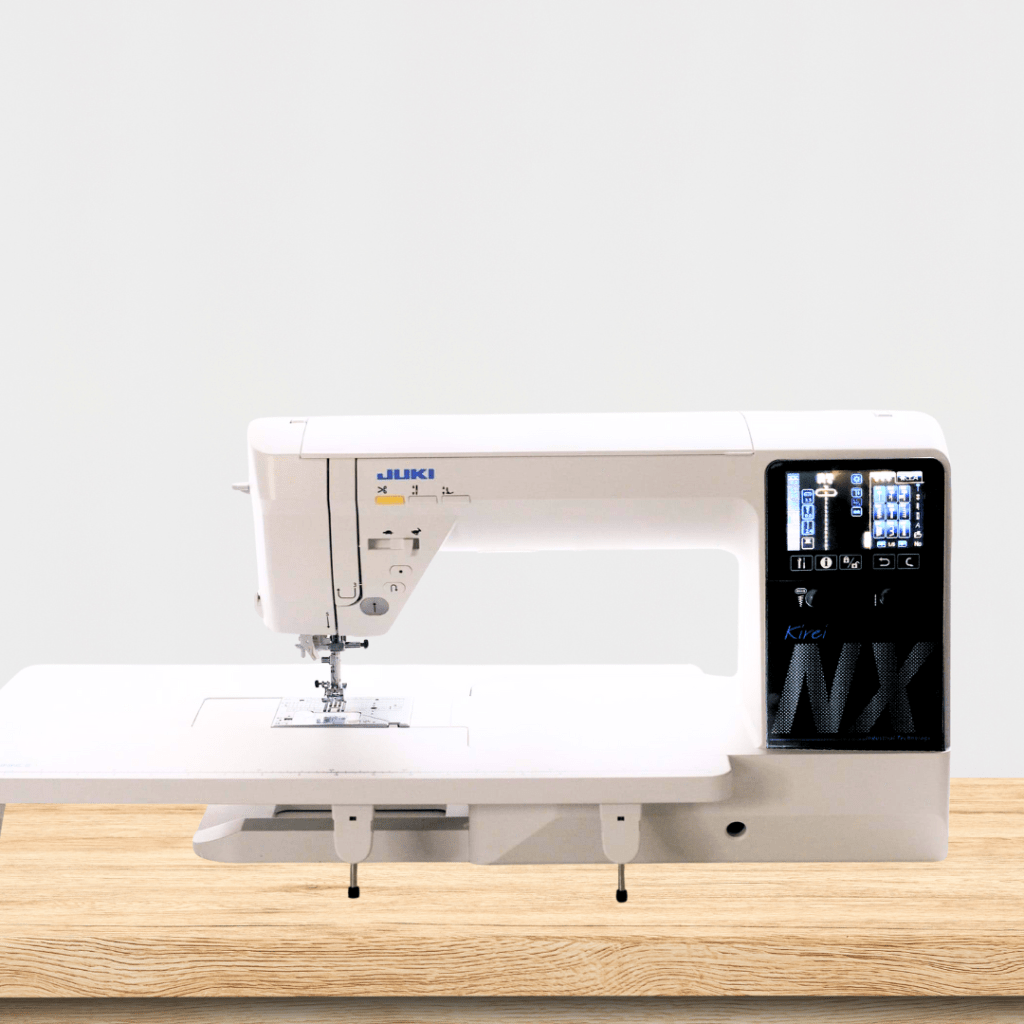
You Got Kirei HZL-NX7
If your answers led you to the Kirei HZL-NX7, that means you might be a quilter working with thicker materials, larger projects, or someone who simply wants more workspace. With the HZL-NX,7 you’ll find more power, stability, and sewing area, making it easier to manage bulky quilts and multiple layers.
Along with decorative stitches, Zig-Zag stitching, and buttonhole capability, this machine supports both quilting and advanced sewing techniques. It’s perfect for sewists with a medium-sized space who want room to grow into more ambitious quilts with heavier fabrics, or want to try their hand at larger garments and home décor projects.
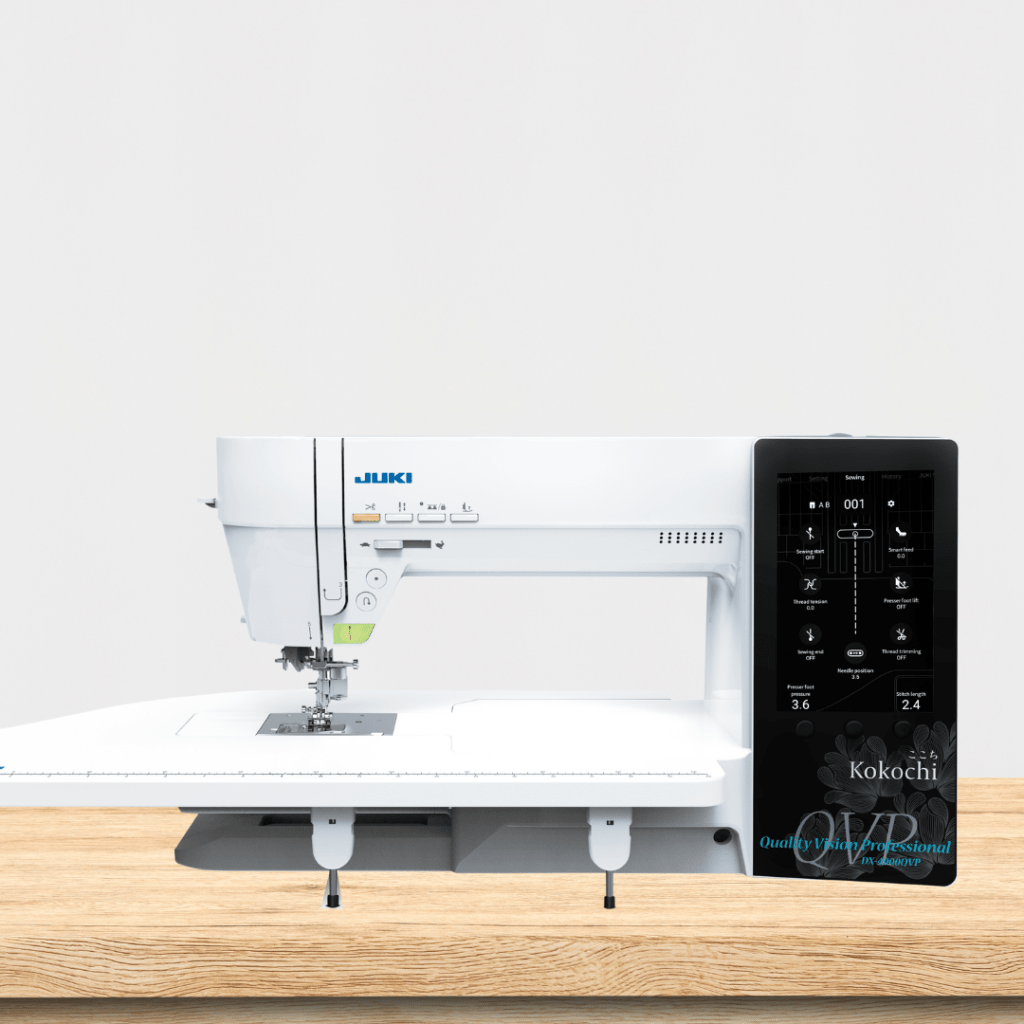
You Got Miyabi J-350QVP Sit-Down
If your answers led you to a longarm quilting experience while staying seated or for a medium space, then the Miyabi J-350QVP sit-down setup delivers that space and freedom to move the quilt rather than the machine. With the Miyabi, you’ll have access to a large throat area that makes it easier to handle oversized quilts, detailed motifs, and full quilt patterns.
This machine is designed for creators with a dedicated area who focus heavily on quilting rather than general sewing. It gives you the control of hands-on quilting with the expanded workspace that large projects demand. We recommend checking out tools like quilting rings to upgrade your free-motion quilting experience on a sit-down machine. We also recommend learning more about this machine by watching below!
You Got Miyabi J-350QVP Stand Up
If your answers led you to the stand-up Miyabi J-350QVP Stand-Up machine that means you’re ready for a frame machine that provides maximum quilting space and efficiency. The Miyabi is designed to support edge-to-edge quilting, large-scale designs, and give you consistent results across full-size quilts. We offer this machine in 4 different sizing options, starting at 5 feet to 12 feet wide.
It’s a great machine if you’re a quilter who has a dedicated quilting room and you’re a maker who takes on large projects, or quilts for others. With the frame system, you can get smooth movement and the ability to complete quilts with less physical strain from managing those heavy layers.
We hope our chart can guide you, but the real decision happens when you sit down at the machine! Visiting a JUKI dealer or attending a JUKI event gives you the chance to test different setups, feel how they handle, and see which one matches your quilting style. Join us this year at our upcoming shows to experience JUKI and find your dream machine! You can visit us here to learn more about upcoming events, or click here to find a JUKI dealer and test a JUKI machine sooner. Happy Quilting!
 sewinwithjuki.com